
Your yard can be more than just a patch of grass—it can become a beautiful outdoor space where you relax, entertain, and enjoy nature. With the right yard landscaping ideas, even a simple yard can feel welcoming, stylish, and thoughtfully designed. From colorful garden beds and natural stone paths to cozy seating areas and low-maintenance plants, small changes can make a big difference. Whether you have a spacious backyard or a small outdoor area, these 21 yard landscaping ideas will help you create a comfortable and beautiful space that fits your style and everyday needs.
1. Welcoming Front Yard Flower Beds

Flower beds can instantly make a front yard feel more colorful and inviting. Choose a mix of flowers, shrubs, and greenery that works well with your home’s style. Keep taller plants toward the back and shorter flowers near the edge for a neat layered look. Adding a simple stone or mulch border can make the planting area feel more finished.
2. Curved Stone Garden Pathway

A curved stone pathway can give your yard a natural and charming appearance. Use stepping stones, pavers, or natural rocks to create a gentle path through the garden. Surround the walkway with low plants or flowers to soften the edges. This idea also helps connect different areas of the yard while making the space feel more thoughtfully designed.
3. Low-Maintenance Gravel Landscaping
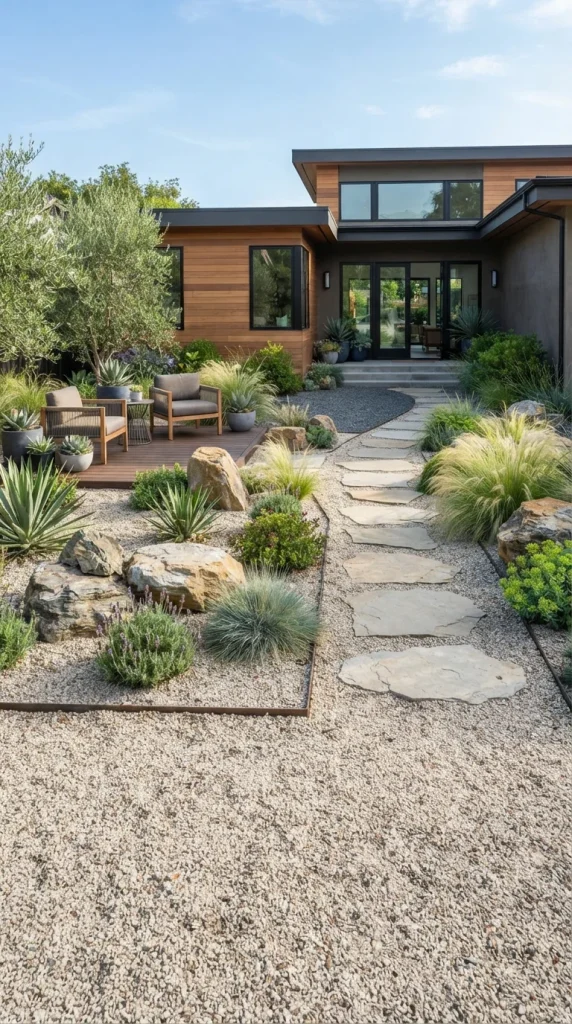
Gravel is a practical choice when you want an attractive yard that does not require constant lawn care. Use different sizes or shades of gravel to create simple borders and defined areas. Add a few plants, large stones, or planters for visual interest. This style works especially well in modern and dry-climate landscapes.
4. Cozy Backyard Seating Area

Turn an unused part of your yard into a comfortable outdoor seating space. Place a small table with chairs, a bench, or weather-resistant lounge furniture on a patio or level surface. Surround the area with plants or garden beds to create a relaxed atmosphere. Soft outdoor cushions can make the space feel even more welcoming.
5. Raised Garden Beds
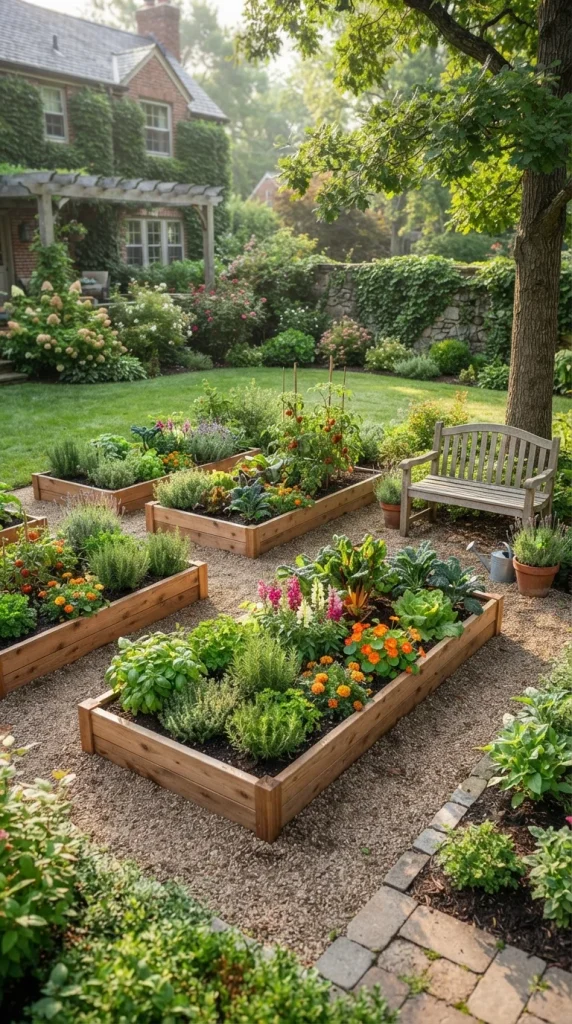
Raised garden beds are a simple way to organize flowers, herbs, or vegetables in your yard. They give the garden a clean structure while making individual plants easier to manage. You can build them from wood, stone, or other durable materials that match your outdoor style. Arrange several beds together to create a beautiful and useful garden area.
6. Lush Layered Garden Design
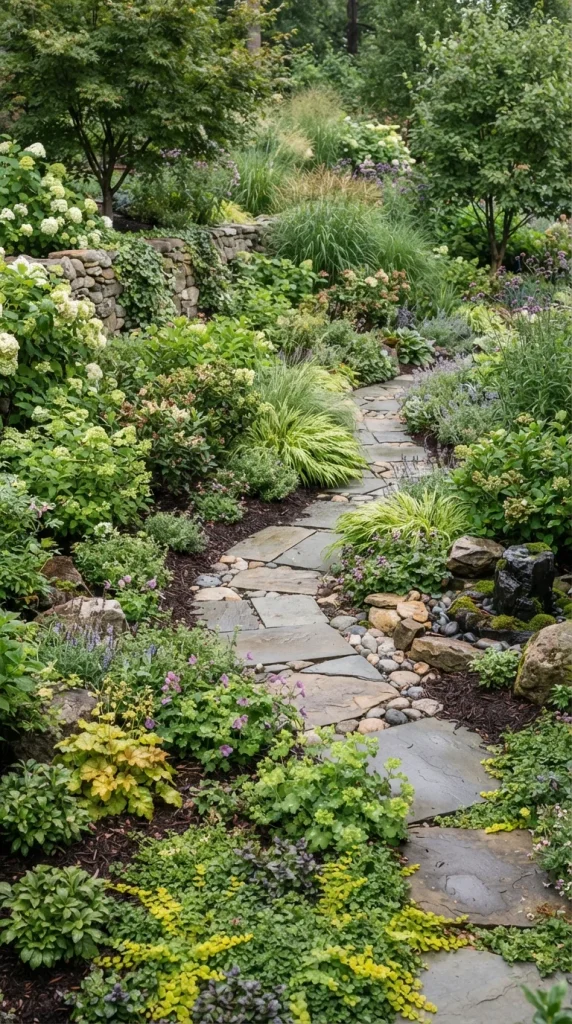
A layered garden creates depth by combining plants of different heights and textures. Place taller shrubs or ornamental grasses toward the back, medium plants in the middle, and smaller flowers near the front. This arrangement keeps the yard visually interesting without making it feel crowded. Mixing different shades of green can also create a naturally rich look.
7. Modern Minimalist Yard

A minimalist yard focuses on clean lines, simple materials, and carefully chosen plants. Keep the plant palette limited and use elements such as concrete, gravel, stone, or neatly trimmed greenery. Avoid filling every open space with decorations. A few well-placed features can make the yard feel calm, polished, and modern.
8. Outdoor Landscape Lighting

Outdoor lighting can make your yard look beautiful after sunset while also improving visibility around pathways and seating areas. Use small lights along walkways or soft spotlights to highlight trees and garden features. Warm lighting usually creates a comfortable and relaxing atmosphere. Keep the fixtures subtle so they complement rather than overpower the landscaping.
9. Beautiful Lawn and Garden Borders

Clearly defined borders can make a lawn look cleaner and give garden areas a finished appearance. Use stone, brick, timber, or simple edging materials to separate grass from flower beds. Curved borders can create a softer natural look, while straight lines work well with modern landscaping. Choose a material that complements the existing features of your yard.
10. Small Backyard Garden Oasis
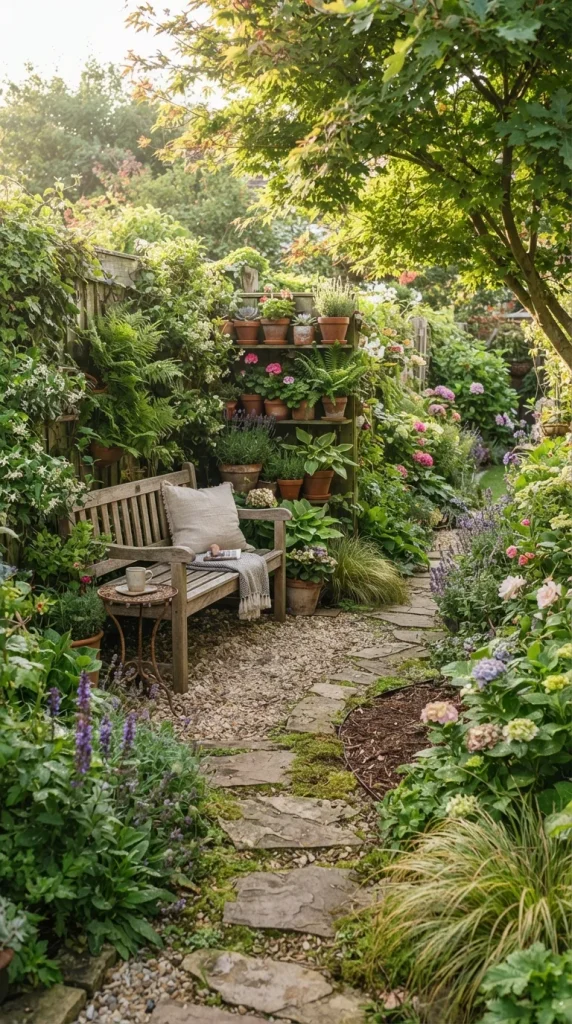
Even a small backyard can become a peaceful garden retreat with thoughtful planning. Choose compact plants, a small seating area, and a few decorative features instead of overcrowding the space. Vertical planters can add greenery without taking up much floor space. Keeping the design simple will help the yard feel open and relaxing.
11. Privacy Hedge and Greenery

Plants can provide privacy while making the yard feel greener and more natural. Tall hedges, shrubs, ornamental grasses, or small trees can create a soft screen around seating areas. Choose plants that suit your climate and available space. Instead of building a solid barrier, layered greenery can create privacy while still keeping the yard welcoming.
12. Natural Stone Landscaping
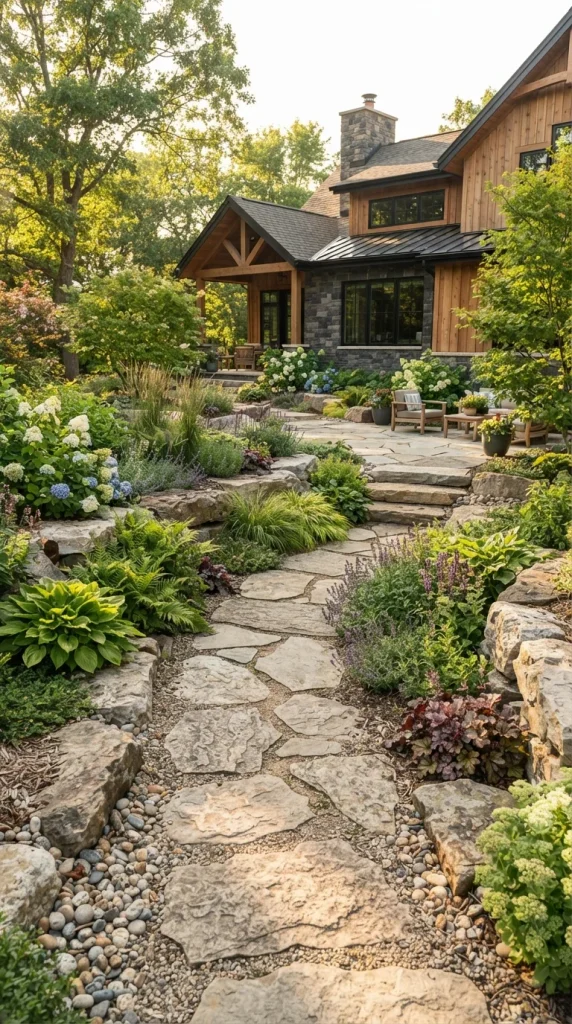
Natural stone adds texture and an earthy character to outdoor spaces. Use stones around flower beds, pathways, seating areas, or as decorative accents throughout the yard. Combining stone with soft greenery creates a balanced contrast between hard and natural elements. Choose stones that complement the colors of your home and existing outdoor features.
13. Charming Cottage-Style Yard
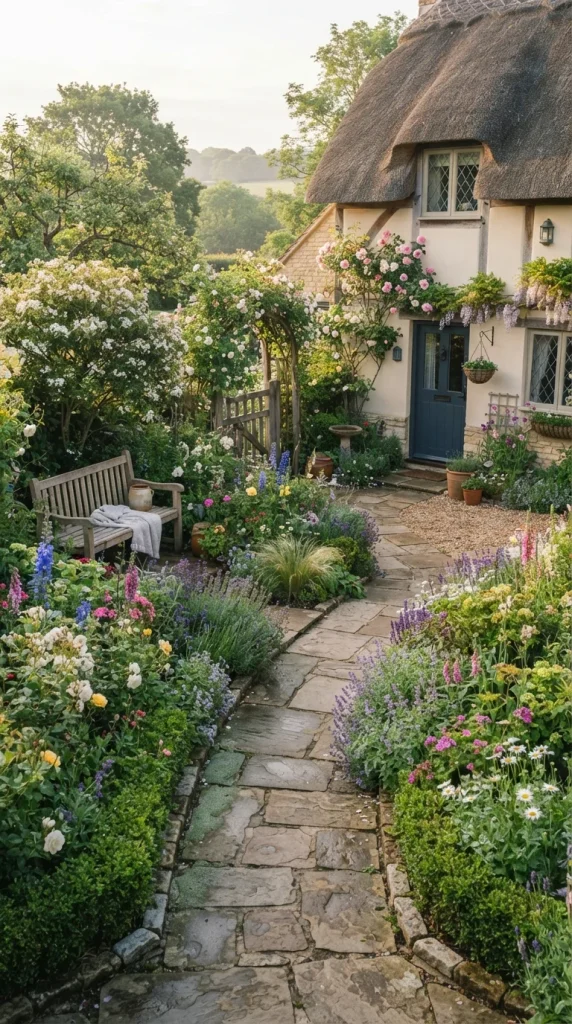
A cottage-style yard feels relaxed, colorful, and naturally inviting. Fill garden beds with flowers in different heights and shapes, then add a simple pathway or rustic garden feature. Plants can be allowed to grow with a slightly informal appearance rather than being perfectly symmetrical. This style works beautifully when you want your yard to feel warm and lived-in.
14. Cozy Outdoor Fire Pit Area
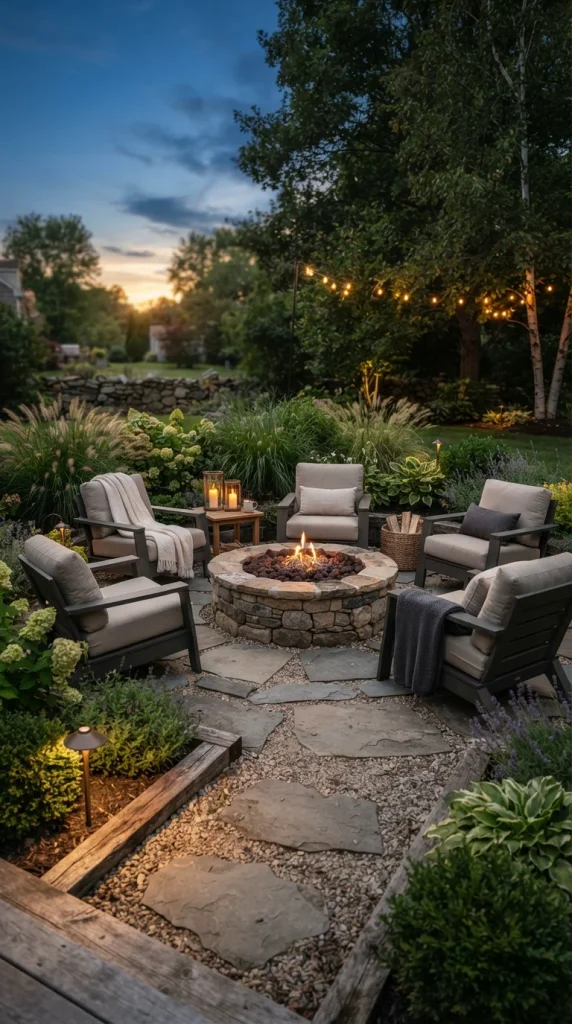
A fire pit can turn an open section of the yard into a comfortable gathering space. Place seating around the fire pit with enough room for people to move safely. Stone or gravel can create a practical surface around the area while adding visual appeal. Keep the design simple so the fire pit becomes a natural focal point for relaxing evenings.
15. Patio Surrounded by Greenery
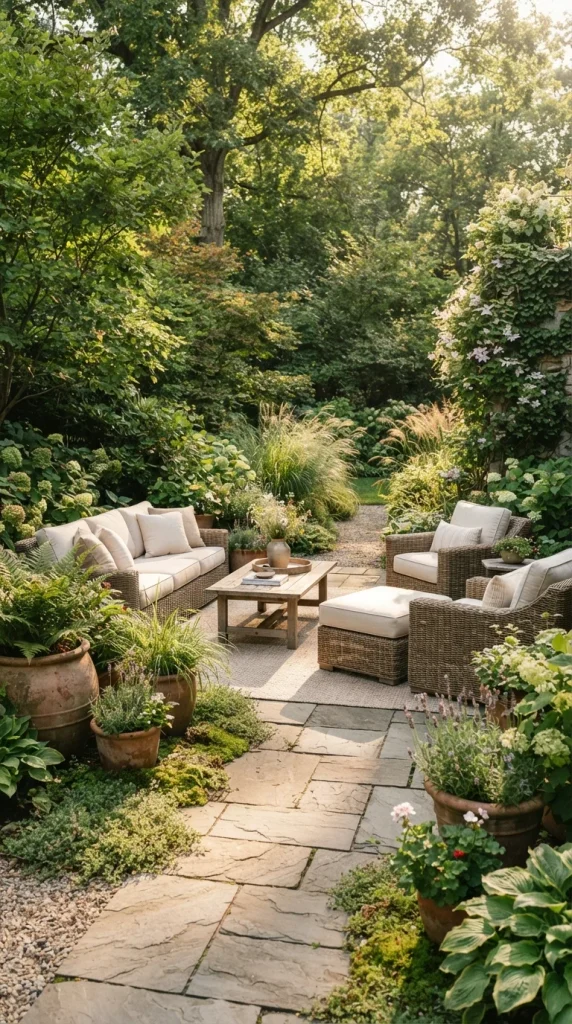
Surrounding a patio with plants can make an outdoor living area feel more private and connected to nature. Use planters, shrubs, flowers, or small trees around the edges without blocking the main walking areas. Choose greenery that complements your patio furniture and home’s exterior. A balanced mix of plants can make even a simple patio feel inviting.
16. Colorful Seasonal Flower Garden
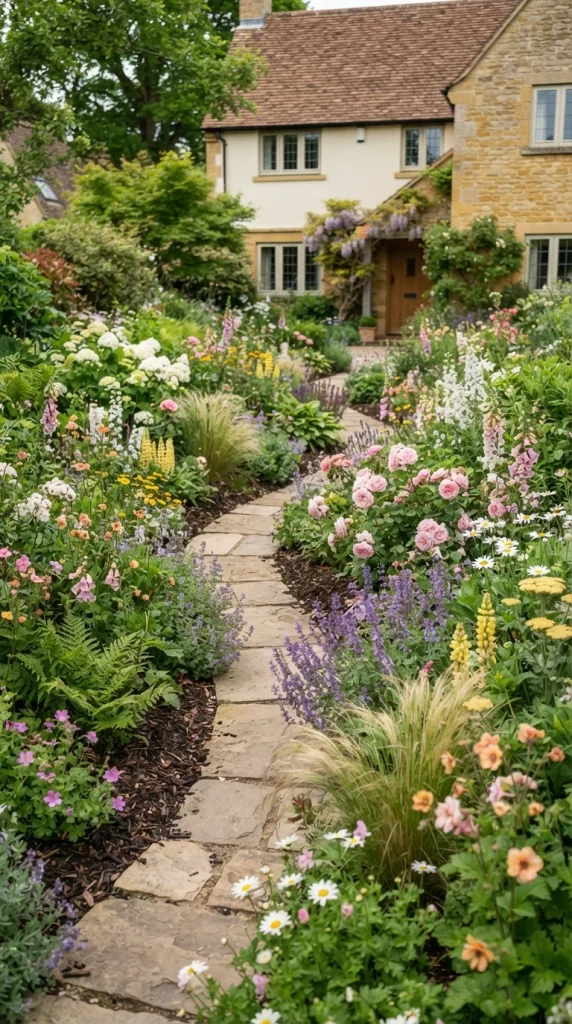
Seasonal flowers are an easy way to keep your yard looking fresh throughout the year. Choose flowers that bloom during different seasons so the garden continues to have color as the weather changes. Mix several shades while keeping the overall palette coordinated. Grouping flowers in small clusters can create a more natural and attractive arrangement.
17. Potted Plants and Planters

Potted plants are useful when you want flexible landscaping that can be changed easily. Place planters near entrances, patios, pathways, or empty corners to add greenery where it is needed most. Use containers of different sizes while keeping their colors and materials coordinated. This is also a helpful option for renters or yards with limited planting space.
18. Drought-Tolerant Yard Design
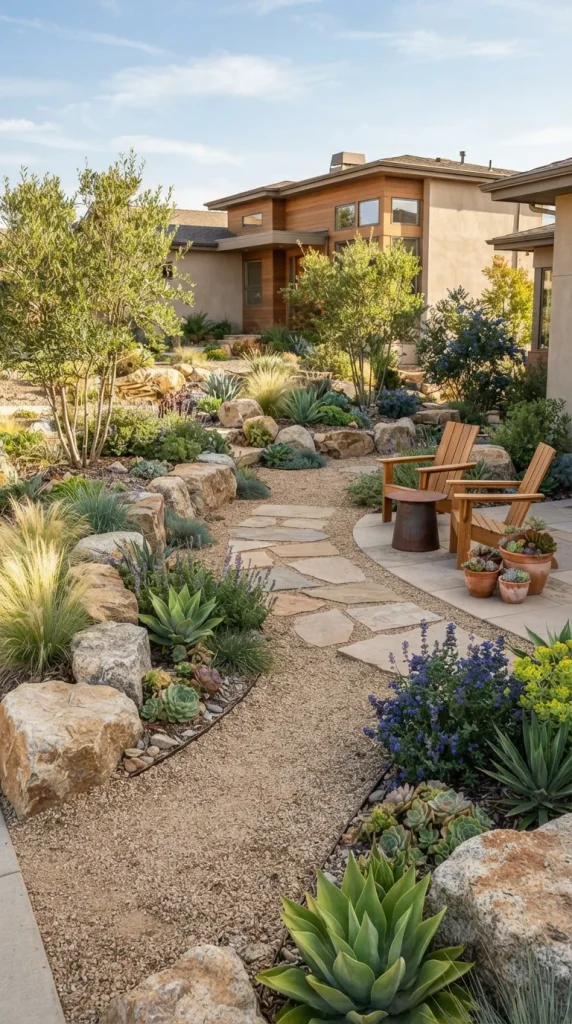
A drought-tolerant yard can reduce the need for frequent watering while still looking beautiful. Choose plants that are naturally suited to dry conditions and combine them with gravel, stone, or mulch. Group plants according to their water needs to make maintenance easier. This approach can create a natural-looking landscape that is practical for busy homeowners.
19. Mulched Garden Beds

Mulch gives garden beds a clean appearance while helping the soil retain moisture. Spread a layer around flowers, shrubs, and trees, leaving a little space around plant stems and trunks. Wood mulch, bark, or other suitable materials can complement the colors of your home and garden. It is a simple finishing touch that can make landscaping look more polished.
20. Relaxing Water Feature

A small water feature can add a peaceful element to a yard without requiring a large amount of space. Consider a compact fountain, small pond, or simple bubbling feature near a seating area or garden. Surround it with plants and natural stones to help it blend into the landscape. The gentle movement of water can make the outdoor space feel calm and inviting.
21. Budget-Friendly Yard Makeover

You do not need a large budget to make meaningful improvements to your yard. Start with simple changes such as fresh mulch, defined garden borders, new plants, gravel, or a small seating area. Reusing existing pots and outdoor furniture can also keep costs down. Focus on a few high-impact areas instead of trying to change the entire yard at once.
Conclusion
The right yard landscaping ideas can turn an ordinary outdoor area into a beautiful and welcoming part of your home. From colorful flower beds and natural stone paths to cozy seating areas and low-maintenance landscaping, small thoughtful changes can make a big difference. Choose ideas that suit your yard, lifestyle, and maintenance needs so the finished space feels both attractive and practical.
Frequently Asked Questions
1. What is the easiest way to improve a yard?
Start with simple updates such as fresh mulch, defined garden borders, attractive plants, and a clean pathway. These changes can quickly make the yard look more organized without requiring a major renovation.
2. How can I landscape a small yard?
Use compact plants, vertical planters, narrow garden beds, and multi-purpose outdoor furniture. Keeping the design simple and leaving some open space can also make a small yard feel larger.
3. What are some low-maintenance yard landscaping ideas?
Gravel areas, mulch beds, native or drought-tolerant plants, and simple hardscaping can reduce regular maintenance. Choose plants that naturally suit your local climate and soil conditions.
4. How can I landscape my yard on a budget?
Focus on small areas first and use affordable materials such as mulch, gravel, potted plants, and simple edging. Reusing existing furniture and containers can also help reduce the overall cost.
5. What materials work well for yard landscaping?
Popular choices include natural stone, gravel, brick, wood, mulch, and concrete. The best material depends on your home’s style, climate, maintenance needs, and the area where it will be used.
6. How do I choose plants for my yard?
Consider your local climate, sunlight, soil, available space, and how much maintenance you want to provide. Choose plants with similar water and light requirements when placing them together.
7. How can I make my yard feel more welcoming?
Create a clear entrance, add colorful plants, define pathways, and include a comfortable seating area. Soft outdoor lighting and natural materials can also make the space feel warmer and more inviting.