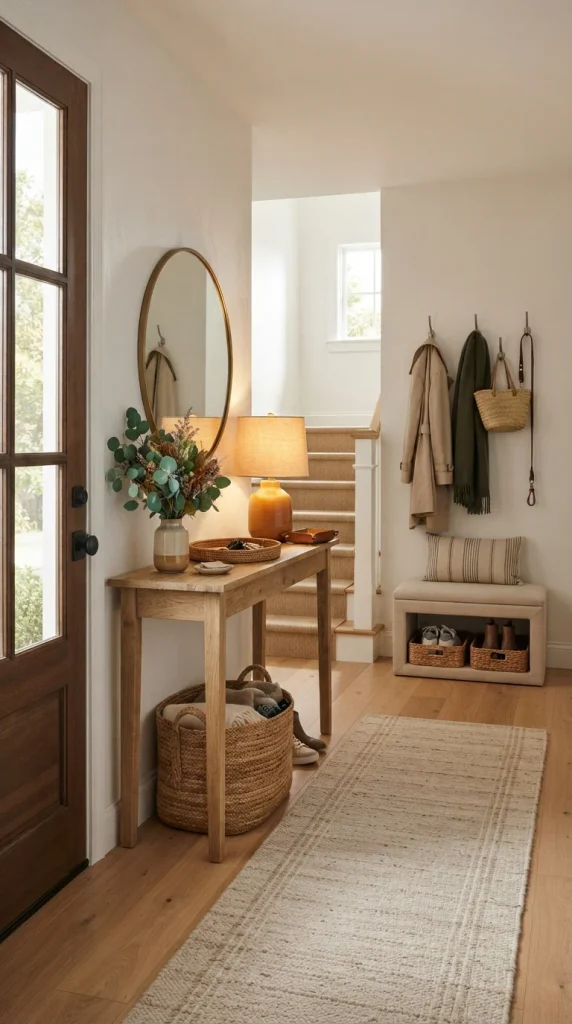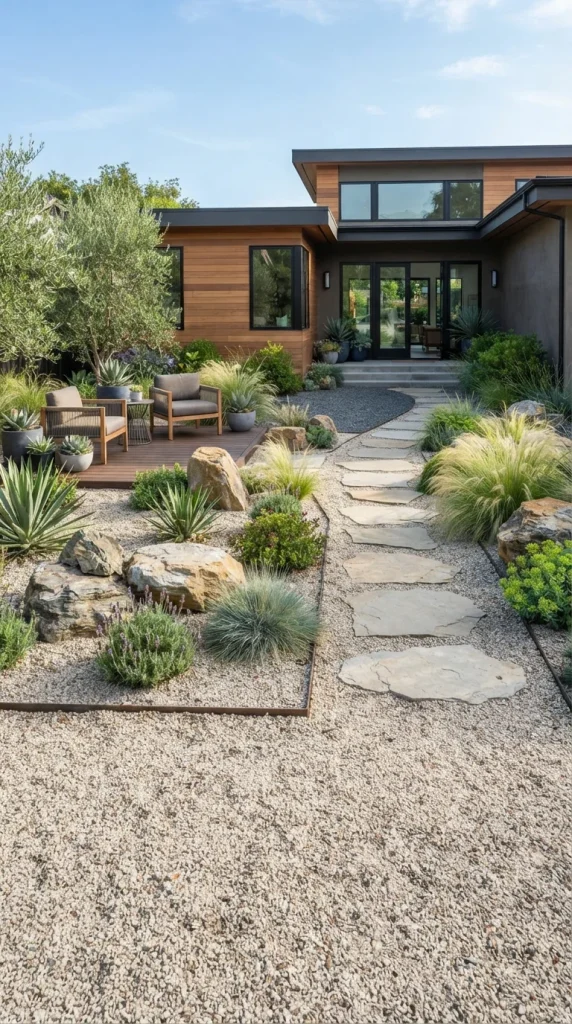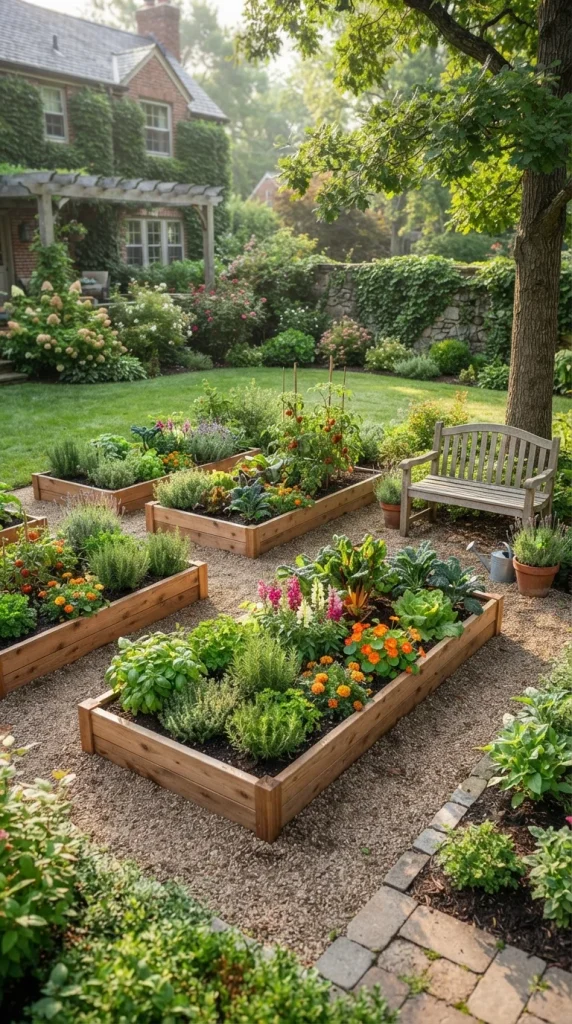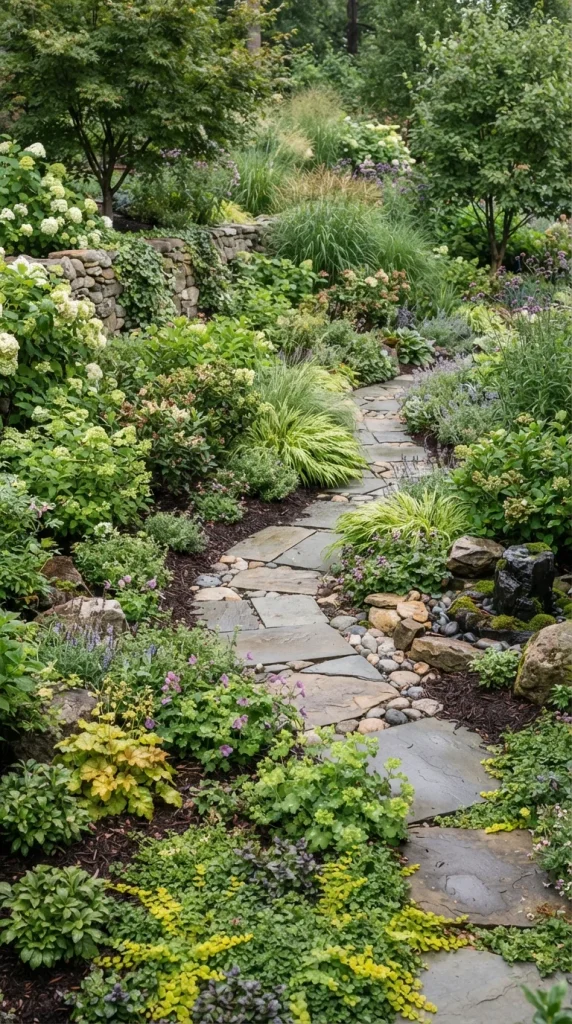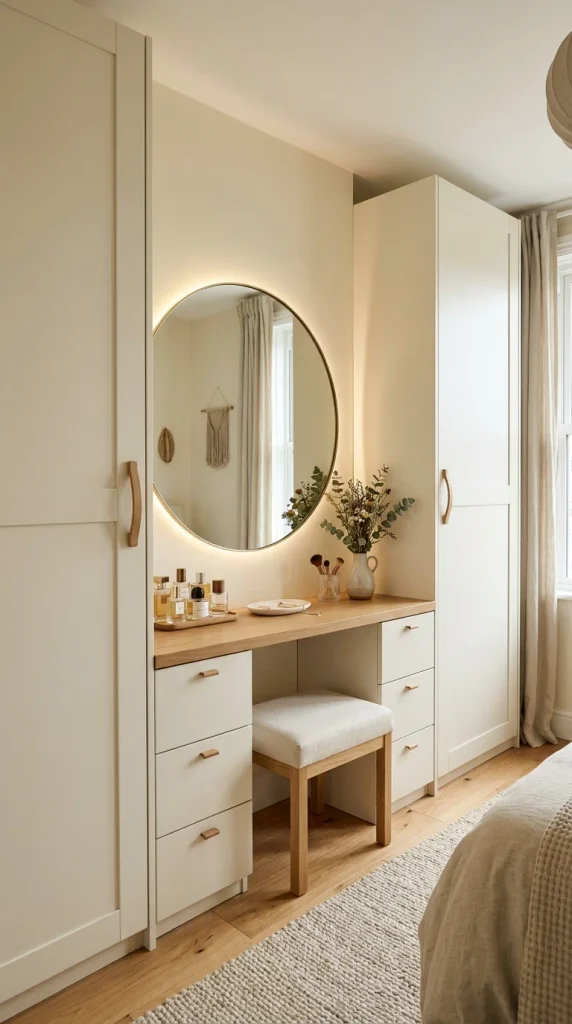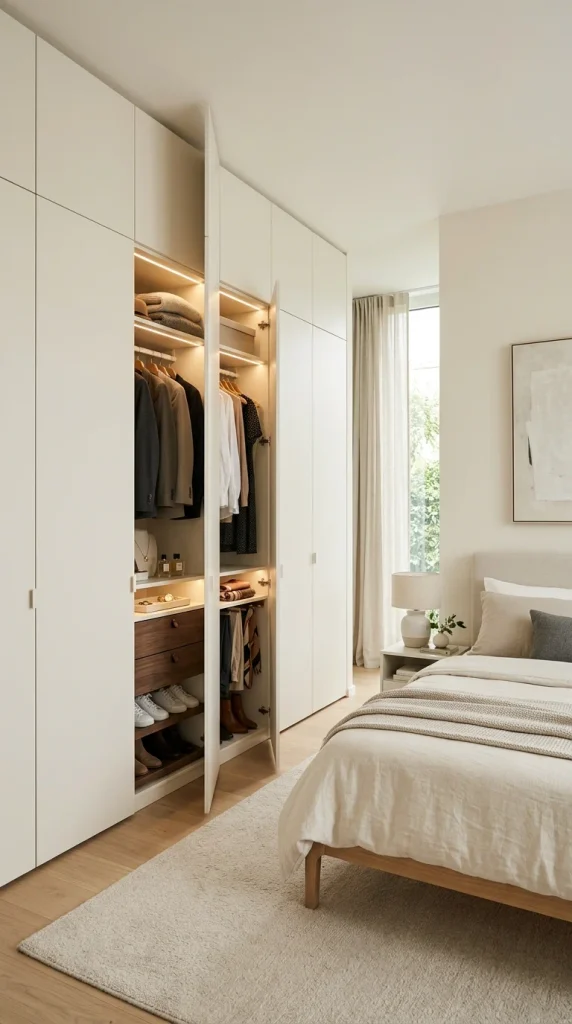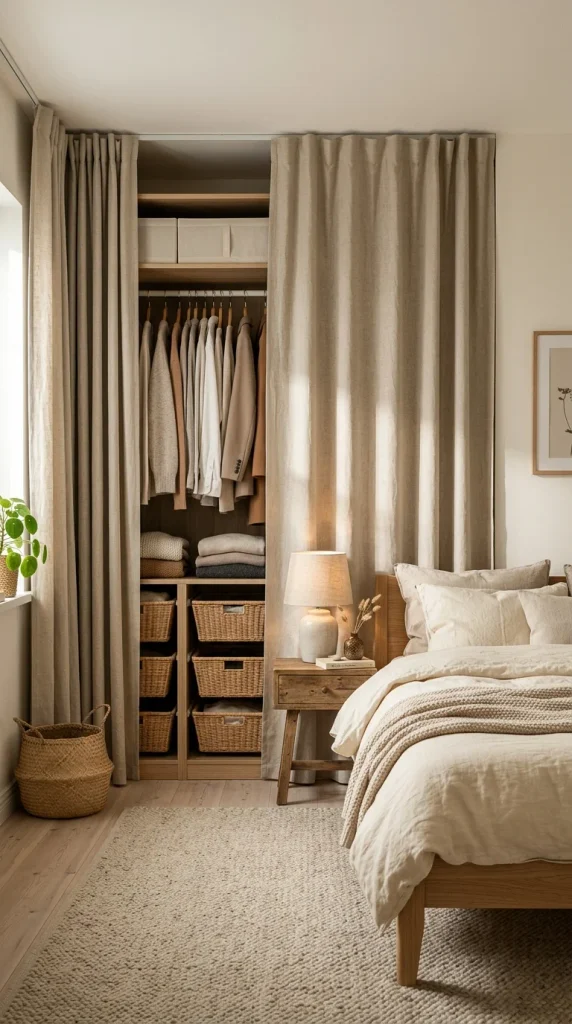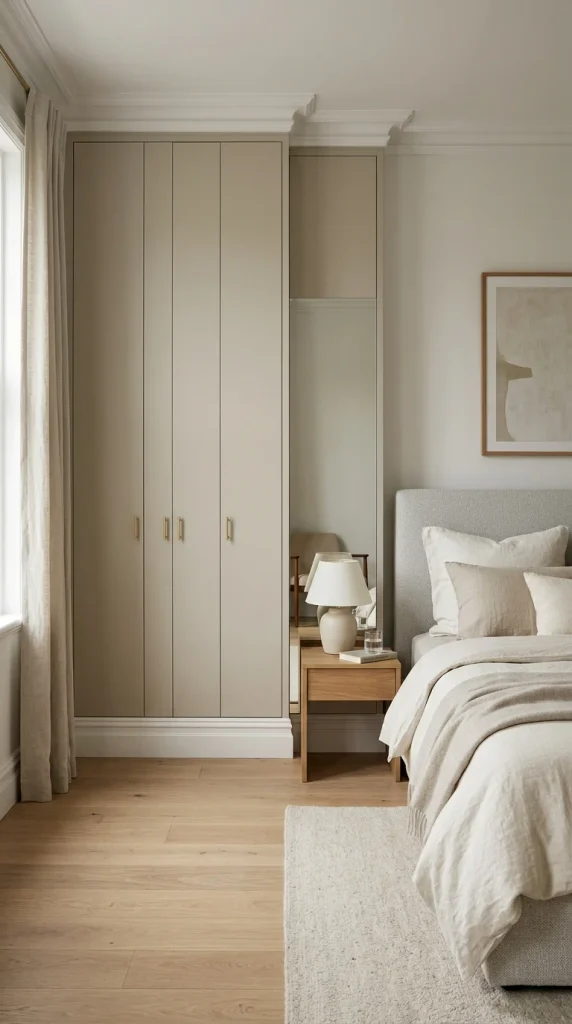
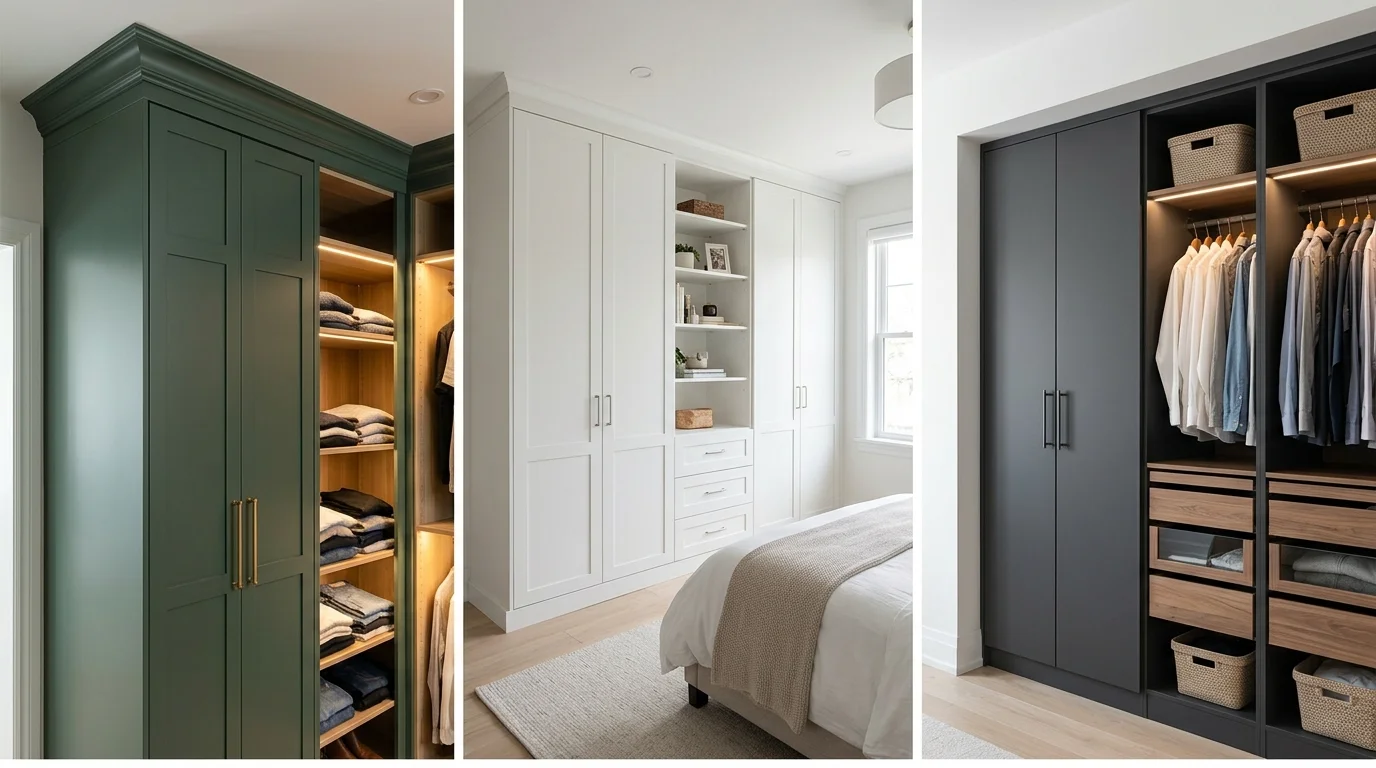
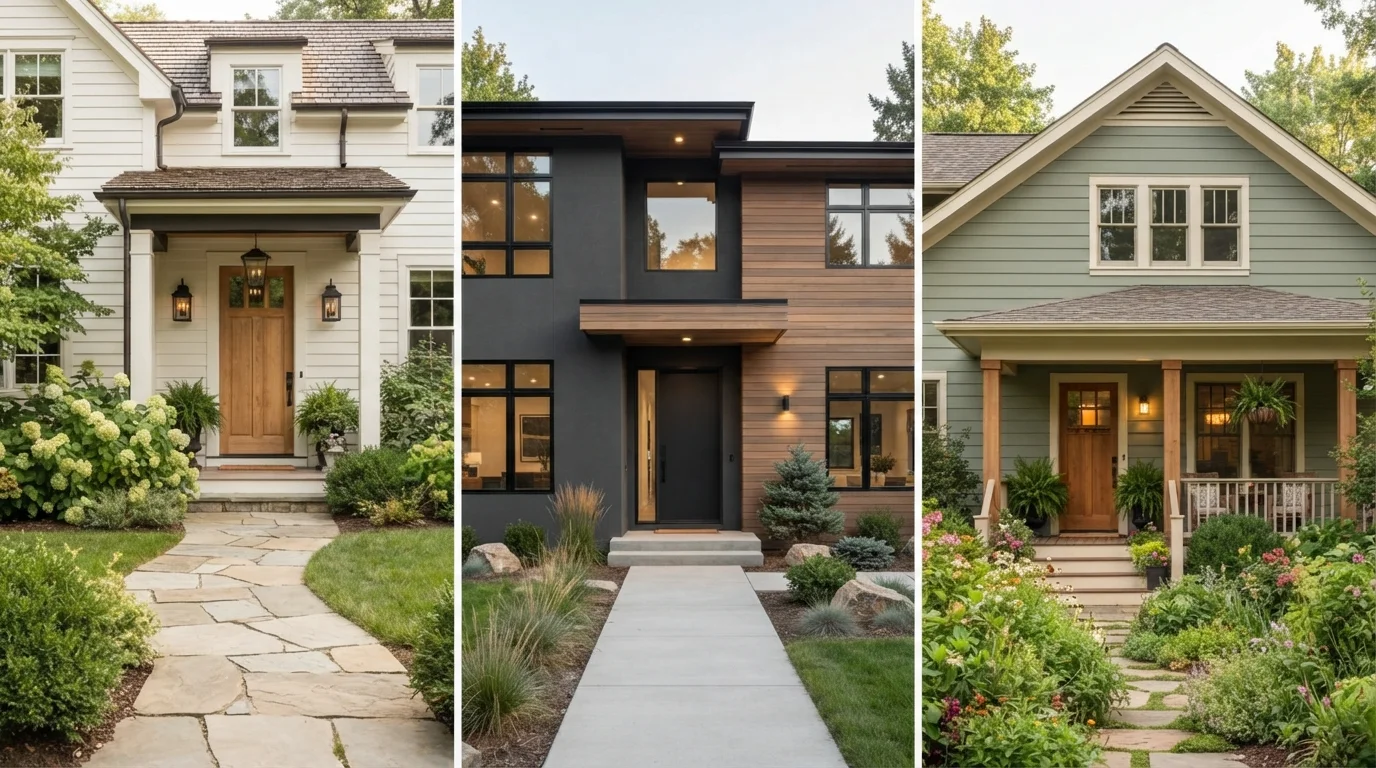
Home Improvement

  • 21 IKEA Built-In Cabinet Ideas for a Stylish and Organized Home

    21 IKEA Built-In Cabinet Ideas for a Stylish and Organized Home

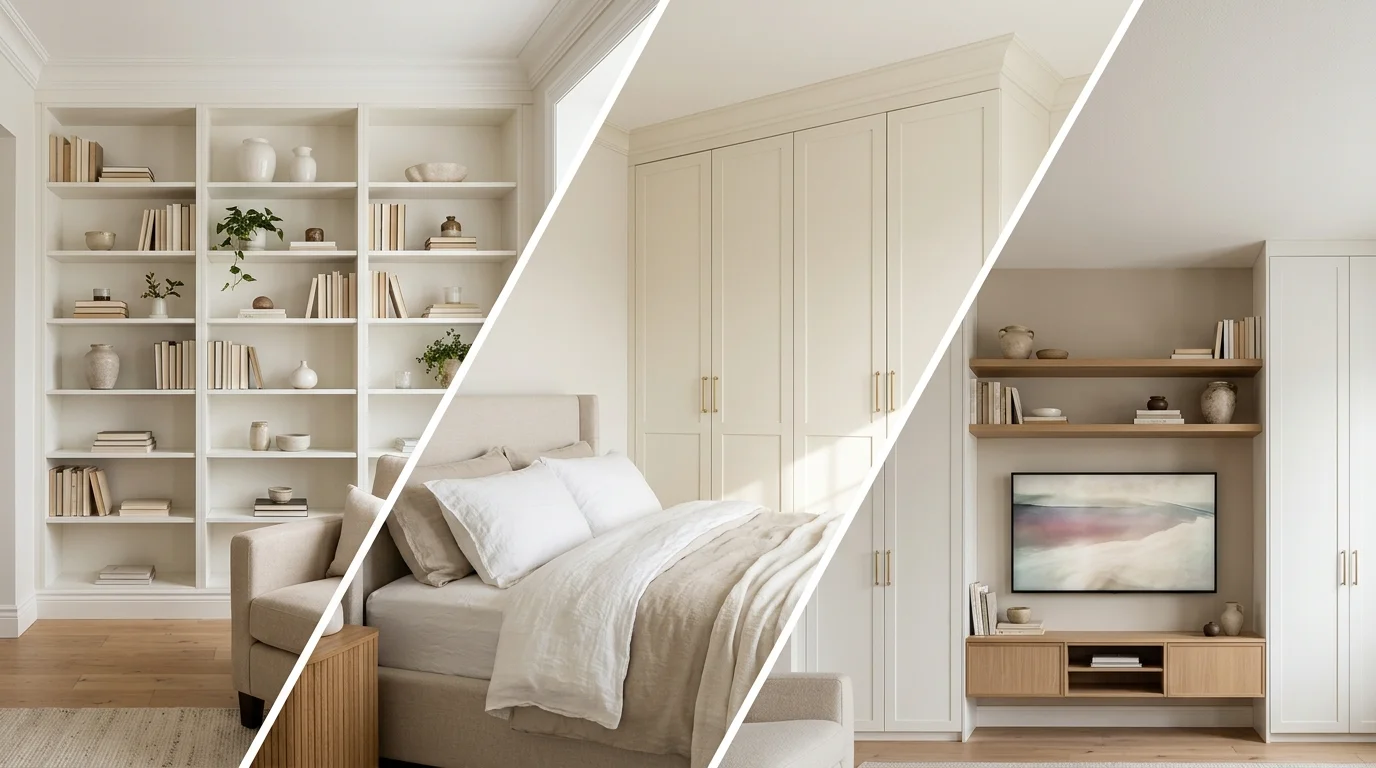
    IKEA built-in cabinets are a great way to create a stylish, organized, and functional home without spending a fortune. With creative IKEA cabinet hacks, custom built-in storage, and smart space-saving solutions, you can transform any room into a beautiful and clutter-free space. From IKEA built-in bookshelves and living room cabinets to bedroom wardrobes and home…


  • 21 European Home Decor Ideas for a Timeless and Elegant Home

    21 European Home Decor Ideas for a Timeless and Elegant Home

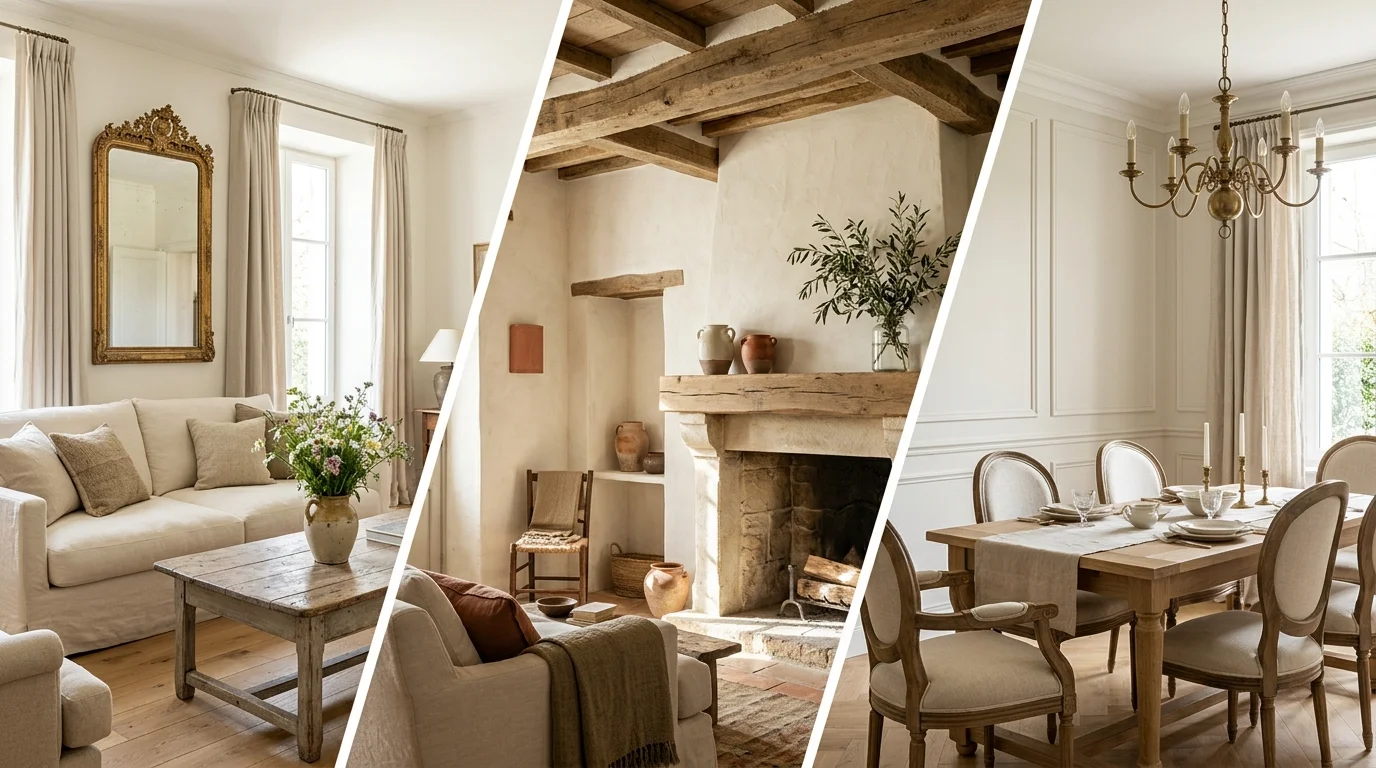
    European home decor combines timeless elegance, natural materials, and warm, welcoming details. From French country style to modern European interiors, these designs bring beauty and character to any home. Soft colors, vintage furniture, and rustic accents create a cozy and stylish atmosphere. Explore these 21 European home decor ideas to create a beautiful, elegant, and…


  • 22 Simple DIY Home Decor Projects to Make Your Home Feel Special

    22 Simple DIY Home Decor Projects to Make Your Home Feel Special

    Simple DIY home decor projects are a wonderful way to make your home feel warm, stylish, and personal without spending too much money. From easy wall decorations to creative handmade accessories, these budget-friendly home projects can transform any room. Whether you enjoy weekend DIY projects or simple home improvement ideas, there are plenty of ways…


  • 21 Small Home Upgrades That Make a Big Difference

    21 Small Home Upgrades That Make a Big Difference

    Small changes can make a big difference in how your home looks and feels. With simple, budget-friendly home upgrades, you can create a more stylish, comfortable, and functional space without spending too much. From fresh paint and modern lighting to smart storage and easy DIY home improvements, there are many ways to refresh your home.…


  • 22 Home Renovation Ideas to Transform Your Space Into a Stylish and Comfortable Home

    22 Home Renovation Ideas to Transform Your Space Into a Stylish and Comfortable Home

    Home renovations can transform your space into a stylish, comfortable, and functional home. Whether you want a small update or a complete home makeover, simple changes can make a big difference. From modern home improvements to cozy room updates, there are many ways to refresh your interior. These home renovation ideas can help improve both…


  • 23 IKEA IVAR Makeover Ideas to Turn Basic Storage Into Stylish Decor

    23 IKEA IVAR Makeover Ideas to Turn Basic Storage Into Stylish Decor

    IKEA IVAR makeovers are a simple way to turn basic storage into beautiful, personalized furniture for your home. With a little paint, stain, new hardware, or decorative trim, an IKEA IVAR cabinet can easily match your style. These IKEA IVAR hacks work well for living rooms, bedrooms, entryways, dining rooms, and home offices. Whether you…


  • 22 Cozy Home Decor Ideas to Make Your Space Feel Warm and Inviting

    22 Cozy Home Decor Ideas to Make Your Space Feel Warm and Inviting

    Creating a cozy home is all about making your space feel warm, comfortable, and welcoming. With the right colors, soft textures, natural materials, and thoughtful decor, even a simple room can feel more inviting. You don’t need a big budget or a complete makeover to create a cozy atmosphere. Small touches like layered lighting, plush…


  • 21 Yard Landscaping Ideas to Create a Beautiful and Welcoming Outdoor Space

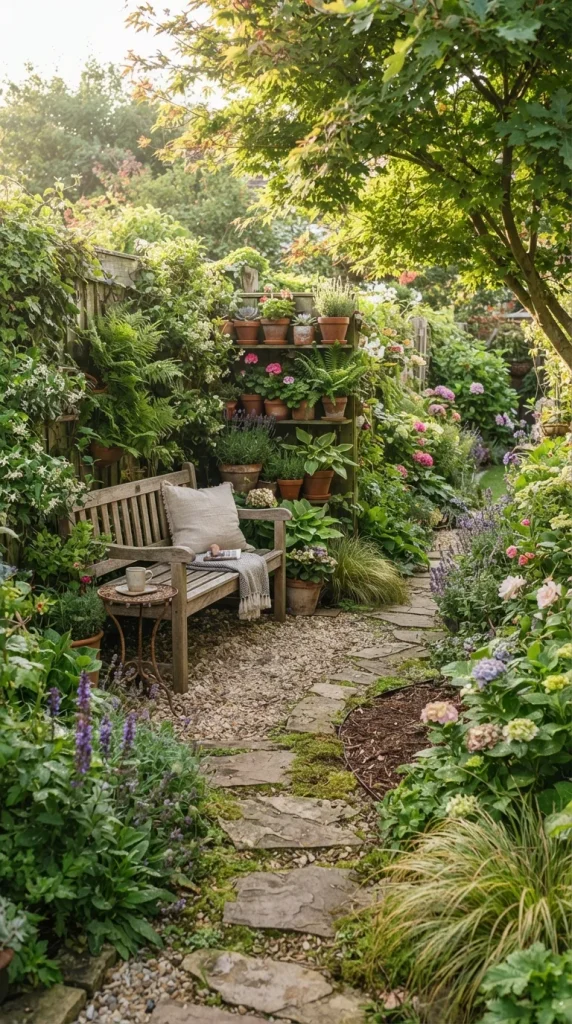
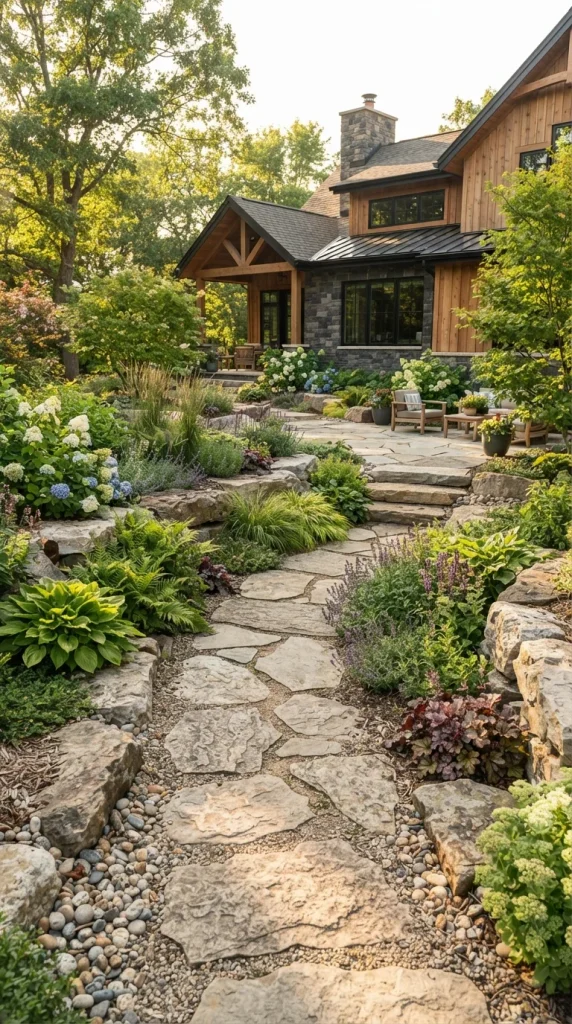
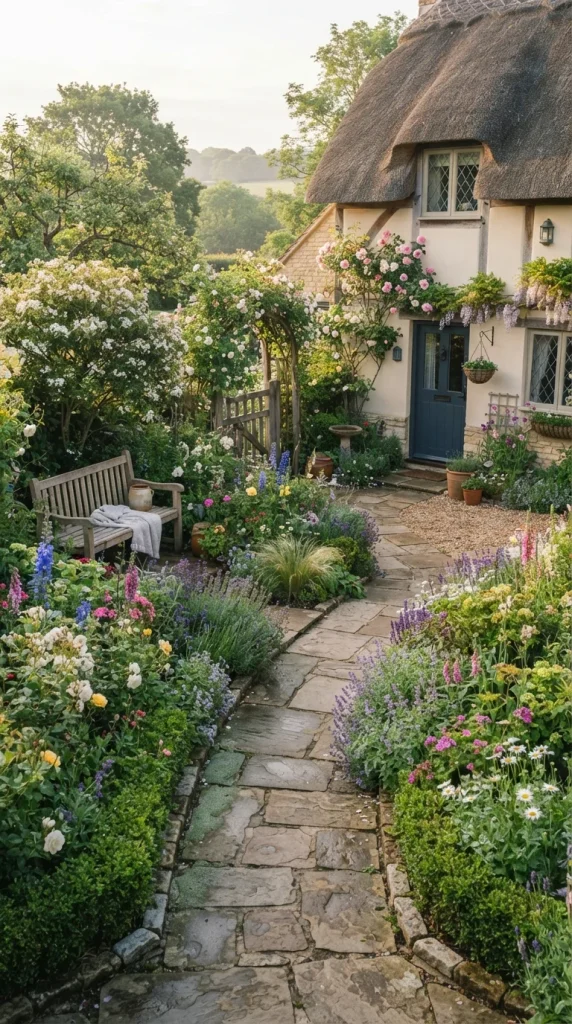
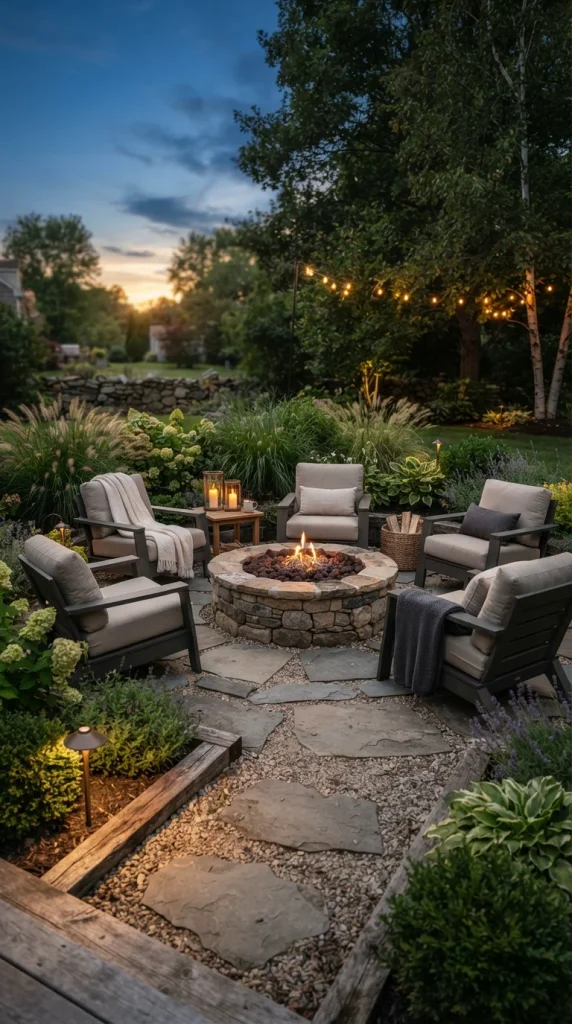
    21 Yard Landscaping Ideas to Create a Beautiful and Welcoming Outdoor Space

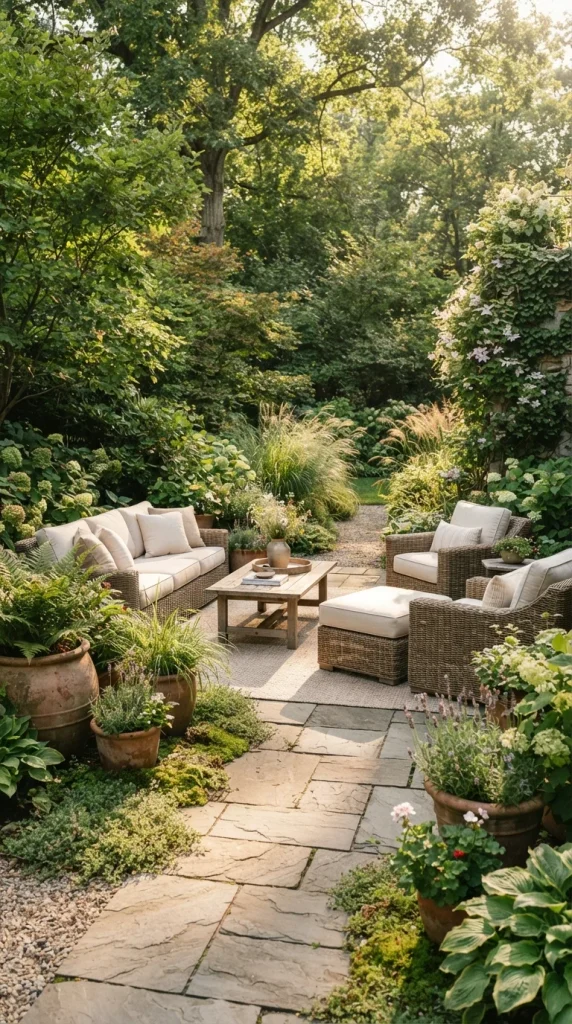
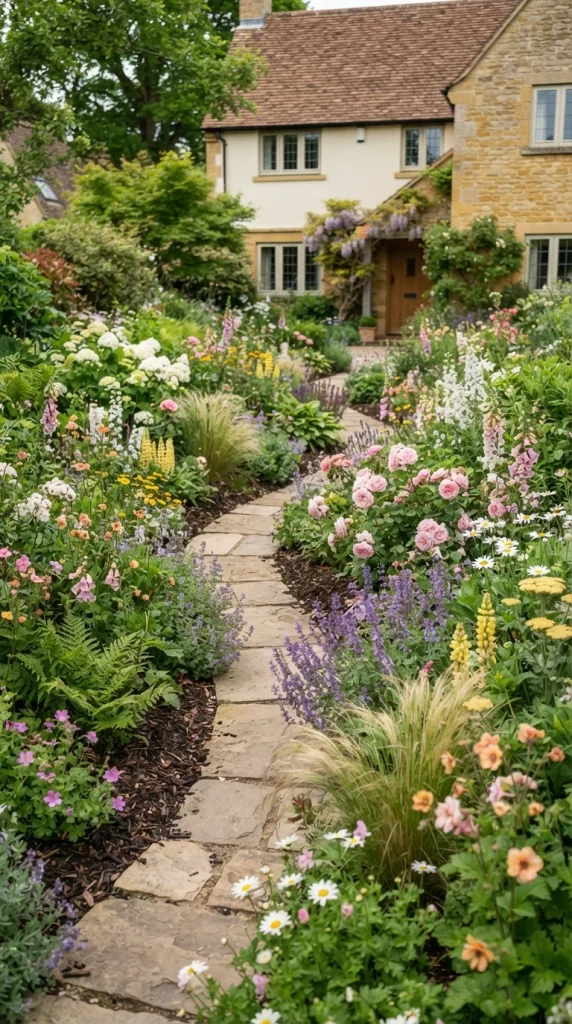
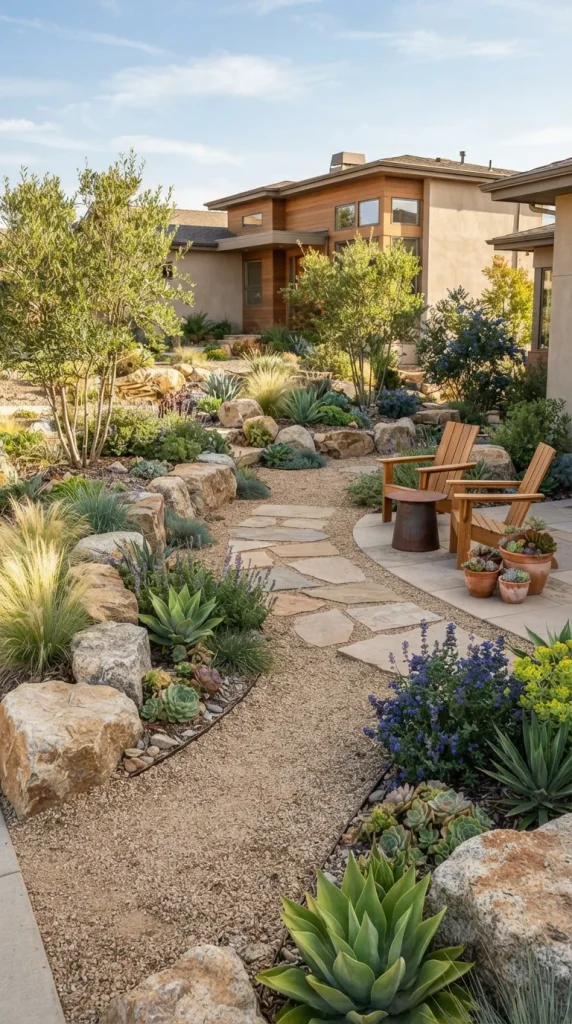
    Your yard can be more than just a patch of grass—it can become a beautiful outdoor space where you relax, entertain, and enjoy nature. With the right yard landscaping ideas, even a simple yard can feel welcoming, stylish, and thoughtfully designed. From colorful garden beds and natural stone paths to cozy seating areas and low-maintenance…


  • 21 IKEA PAX Wardrobe Hacks to Create a Stylish Built-In Closet

    21 IKEA PAX Wardrobe Hacks to Create a Stylish Built-In Closet

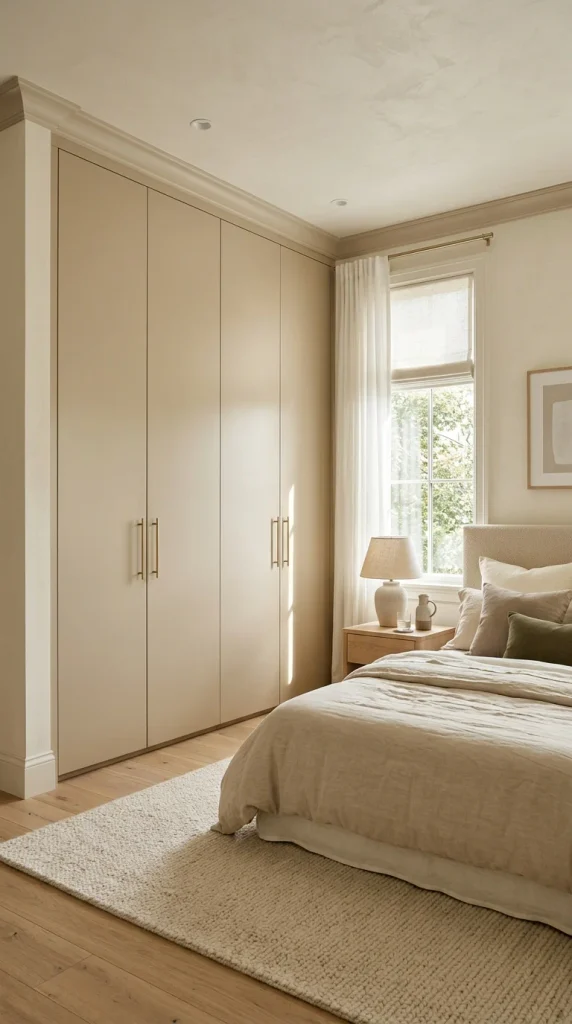
    Want a stylish built-in closet without the high cost of custom cabinetry? IKEA PAX wardrobe hacks make it easy to transform a simple wardrobe into a beautiful, personalized storage solution. Add molding, trim, custom doors, elegant handles, or fresh paint to create a more polished look. You can also improve wardrobe storage with smart drawers,…


  • 21 Best Exterior Paint Colors for a Beautiful Home

    21 Best Exterior Paint Colors for a Beautiful Home

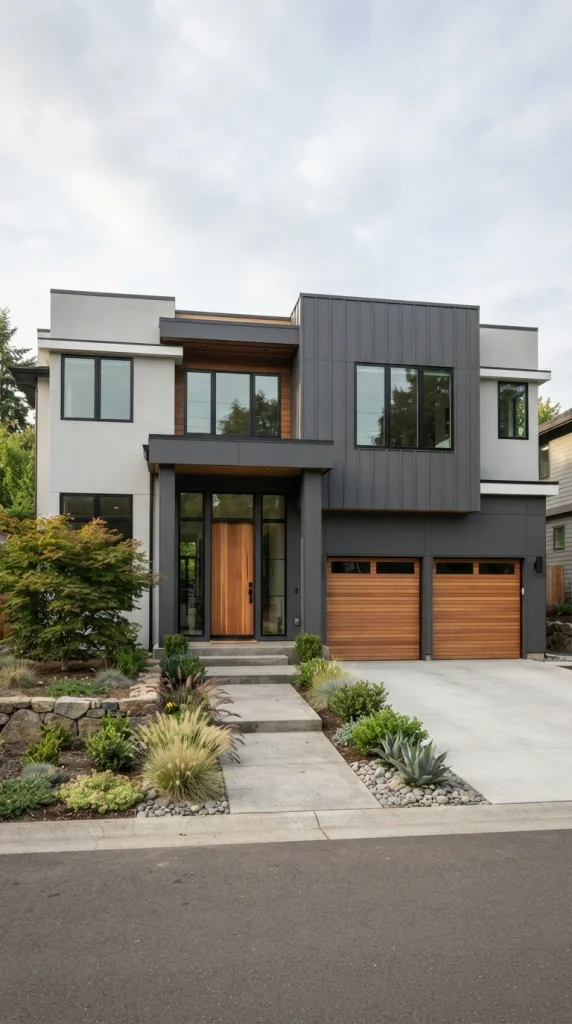
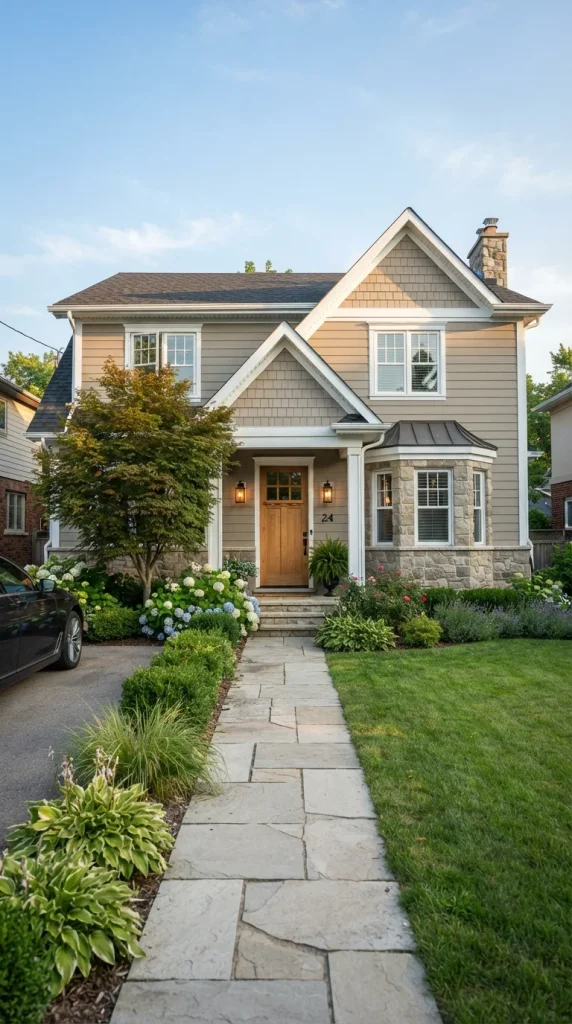
    Your home’s exterior is the first thing people notice, so choosing the right exterior paint colors can make a big difference in its overall look. From modern exterior colors and soft neutrals to bold shades and classic combinations, there are many ways to improve your home’s curb appeal. The right house exterior paint colors can…


This category covers home improvement ideas, DIY renovations, IKEA hacks, furniture makeovers, storage solutions, organization tips, and budget-friendly upgrades for kitchens, bedrooms, bathrooms, living rooms, garages, and outdoor spaces. Discover practical projects, creative transformations, step-by-step tutorials, and affordable ways to make your home more functional, stylish, and valuable.

  • 21 IKEA Built-In Cabinet Ideas for a Stylish and Organized Home

    21 IKEA Built-In Cabinet Ideas for a Stylish and Organized Home

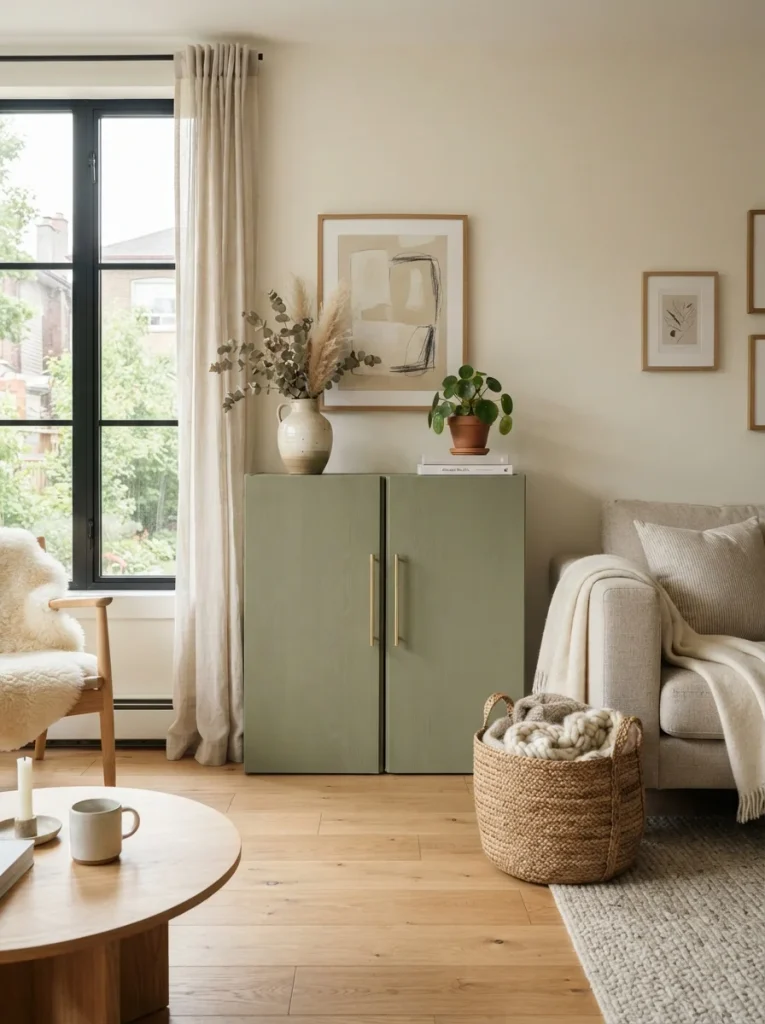
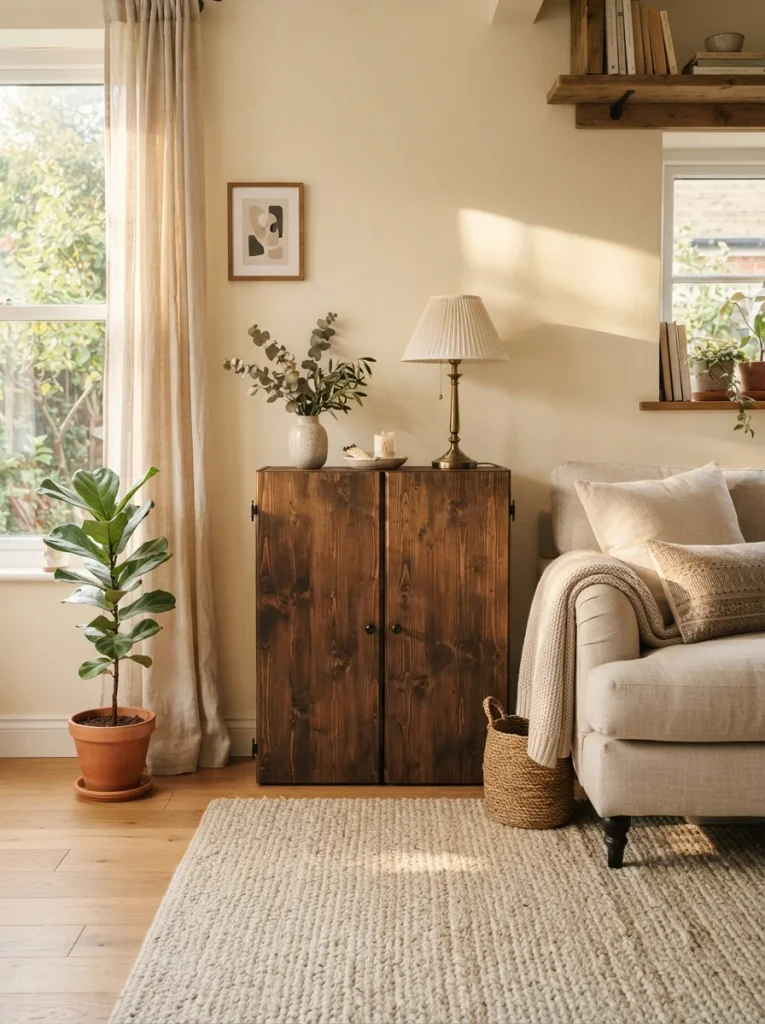
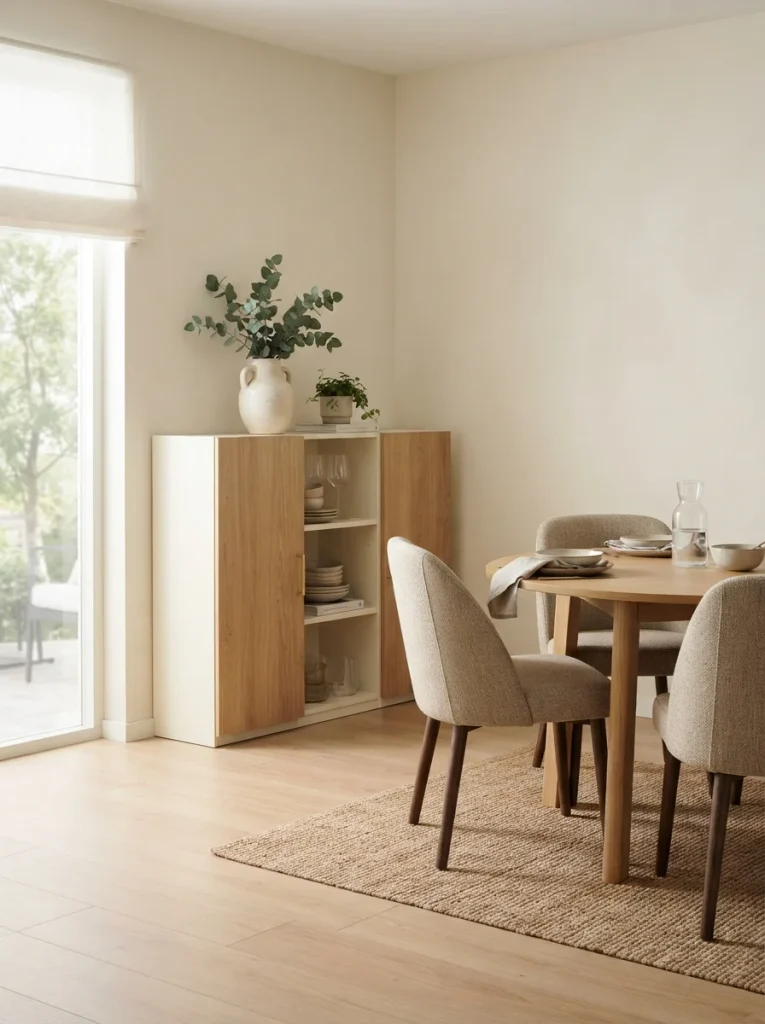
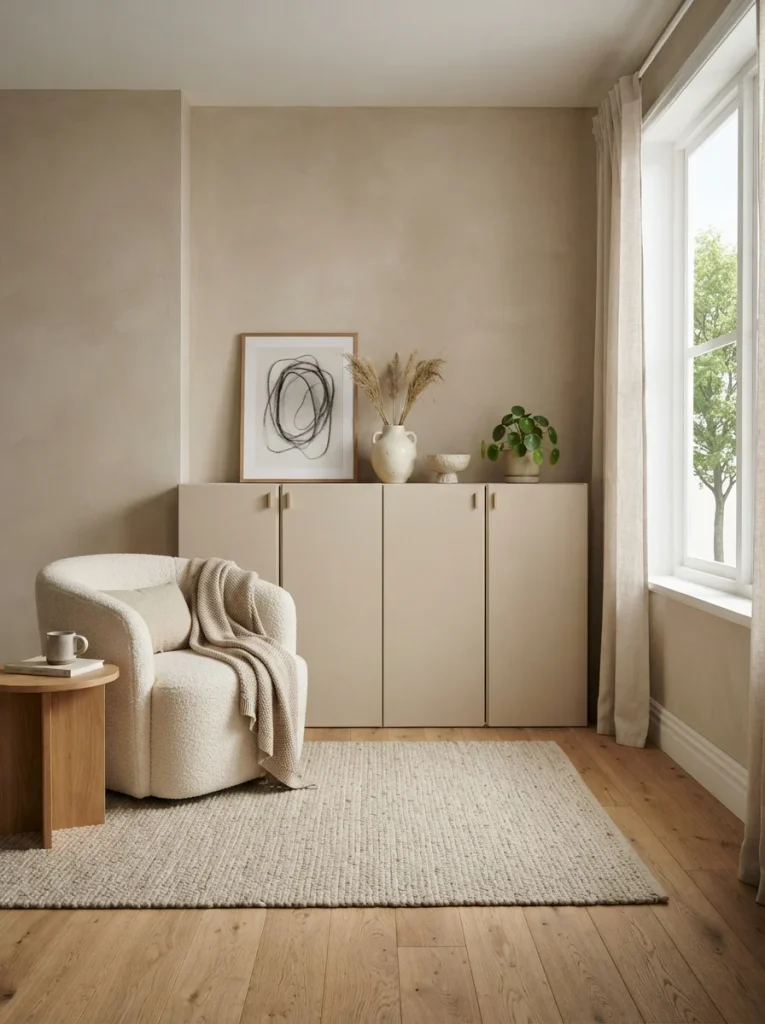
    IKEA built-in cabinets are a great way to create a stylish, organized, and functional home without spending a fortune. With creative IKEA cabinet hacks, custom built-in storage, and smart space-saving solutions, you can transform any room into a beautiful and clutter-free space. From IKEA built-in bookshelves and living room cabinets to bedroom wardrobes and home office storage, there are plenty of designs to suit different styles and needs. These IKEA built-in cabinet ideas will help you make the most of your space while giving your home a polished, custom-made look.

    1. IKEA Living Room Cabinets
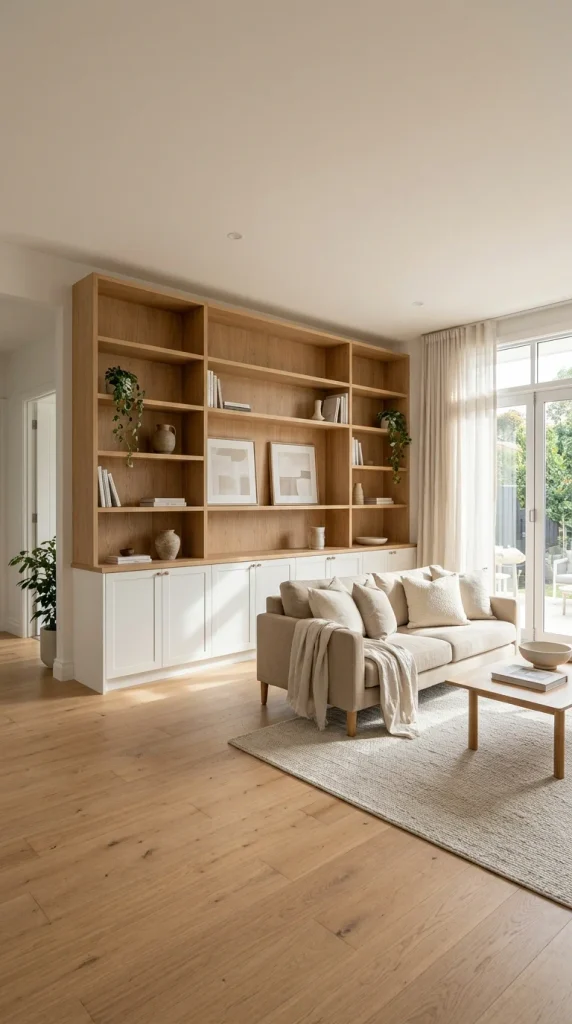
    IKEA living room cabinets can help you create a neat and stylish space while keeping everyday items organized. You can combine cabinets with open shelves to display books, plants, and decorative pieces. Choose colors that match your walls and furniture for a balanced look. This simple setup can make your living room feel more organized and thoughtfully designed.

    2. IKEA Built-In Bookshelves

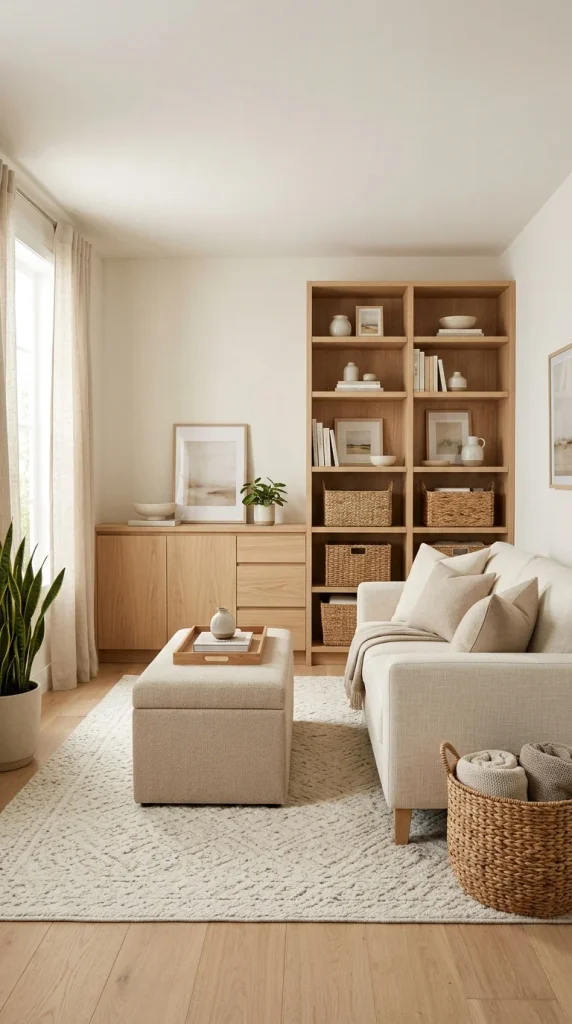
    IKEA built-in bookshelves are a beautiful way to add storage and character to your home. You can use IKEA bookcases and fit them around a television, fireplace, or large wall. Adding trim and painting the shelves to match the walls can create a more custom appearance. Use a mix of books, framed pictures, and small accessories to keep the shelves attractive.

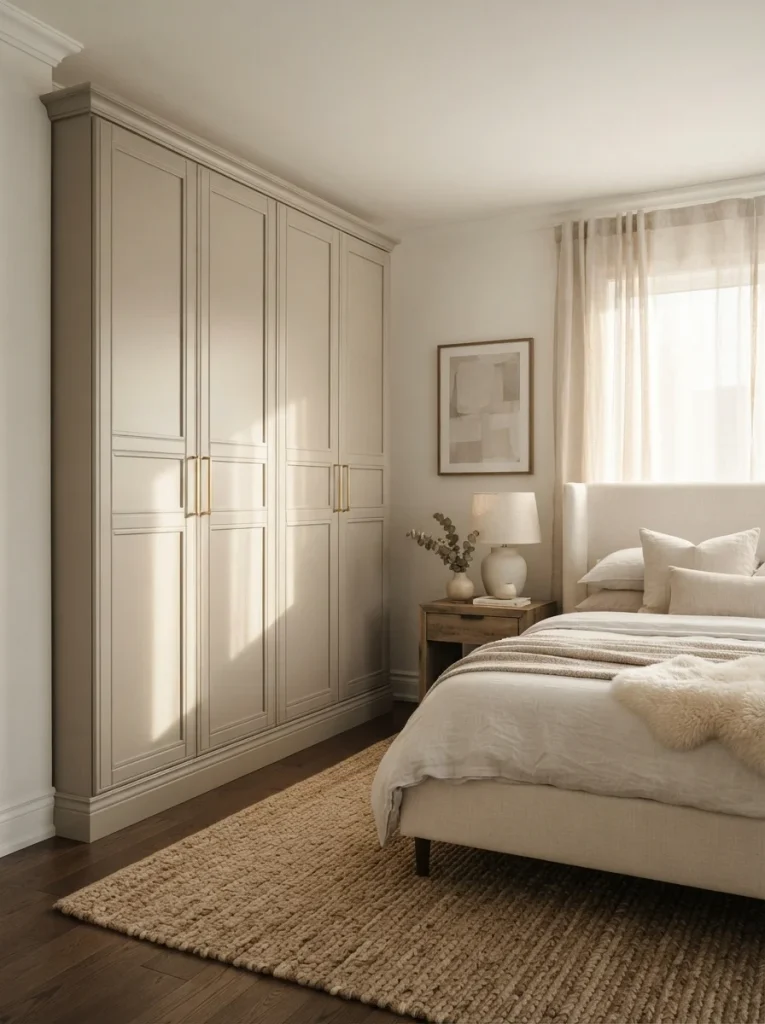
    3. IKEA PAX Built-In Wardrobes

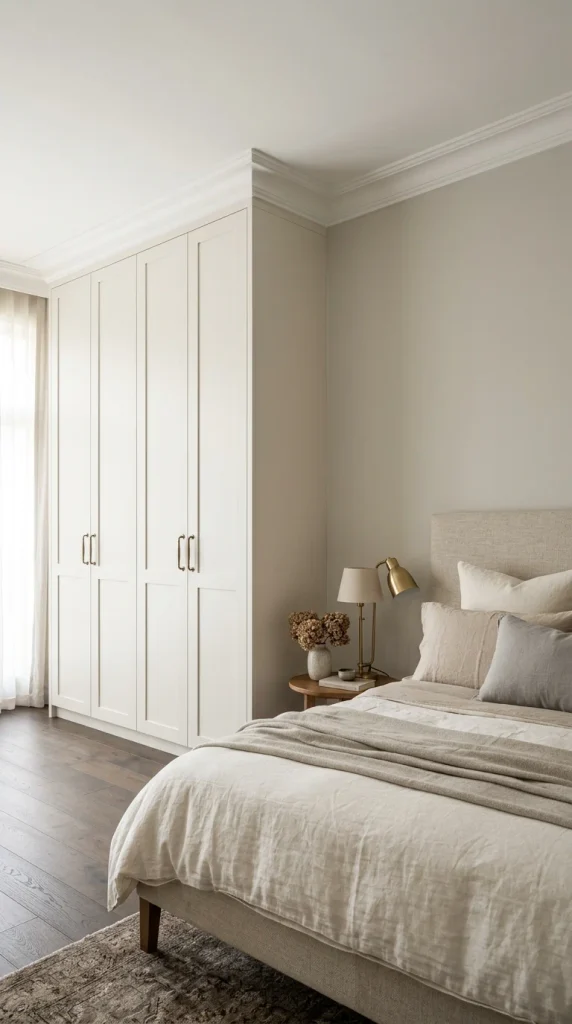
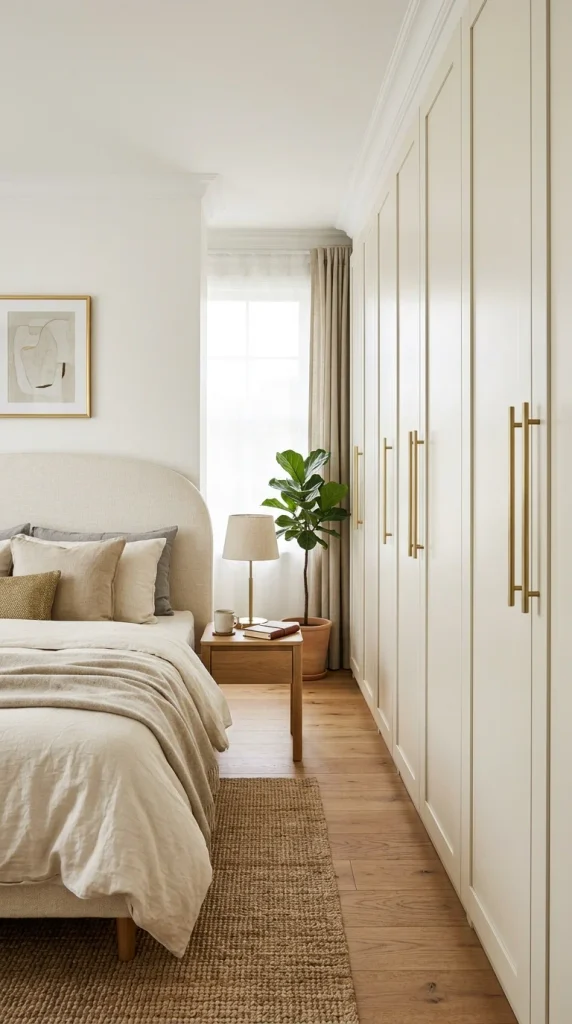
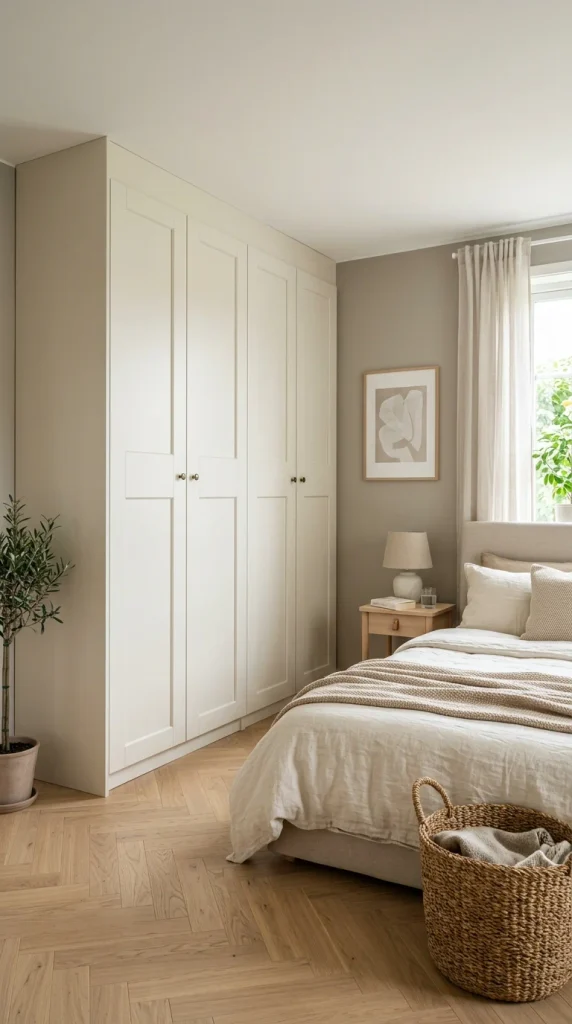
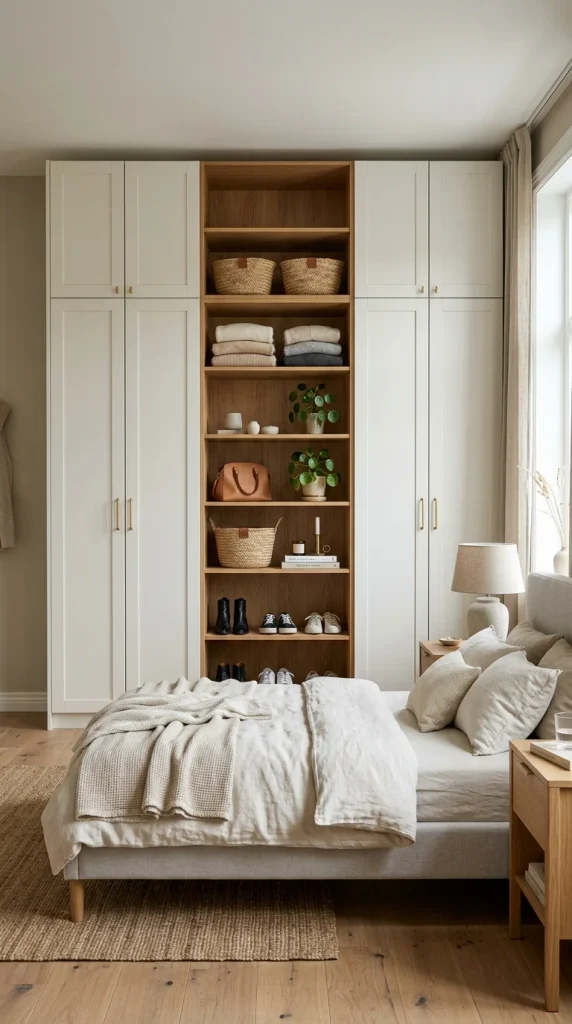
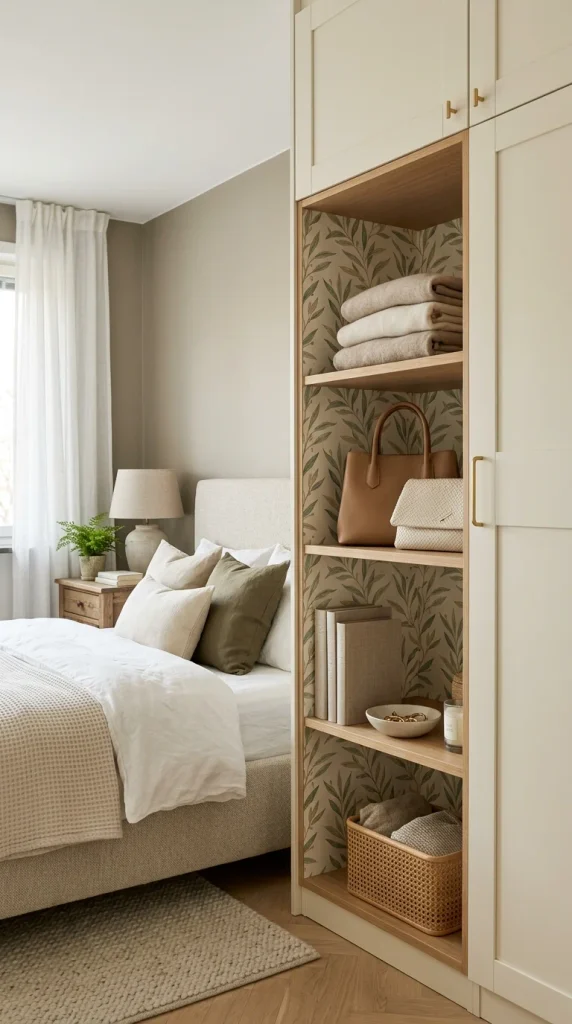
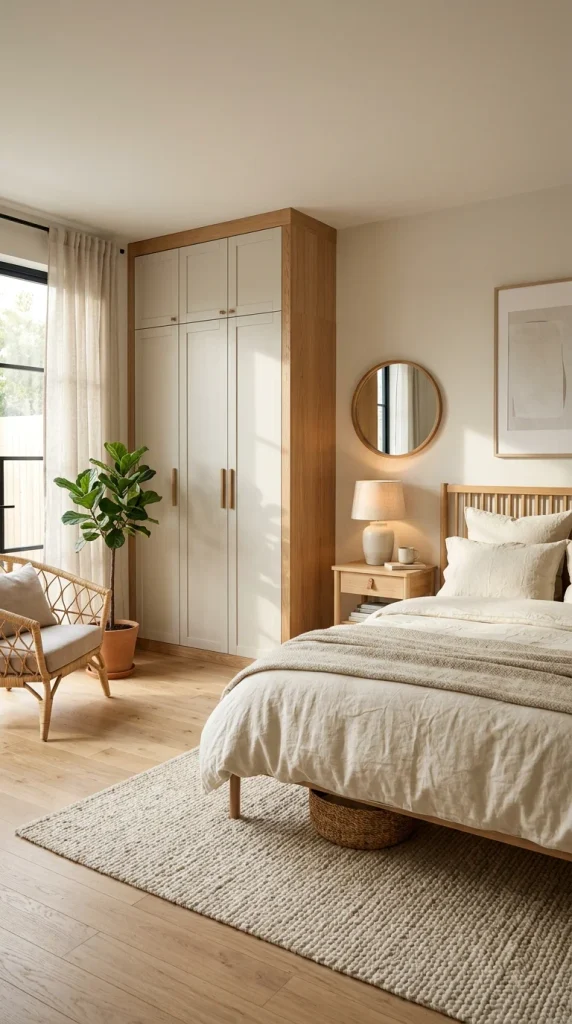
    IKEA PAX built-in wardrobes are a practical choice for creating a bedroom with plenty of storage. Their tall frames can help you organize clothing, shoes, bags, and accessories in one place. Add matching doors and simple handles for a clean, built-in appearance. Carefully measure the available space and check the required ceiling clearance before choosing your wardrobe setup.

    4. IKEA Kitchen Built-In Cabinets

    IKEA kitchen built-in cabinets can make your kitchen feel more organized and visually appealing. You can use matching cabinet fronts to create a consistent look across the room. Store cookware, dishes, and pantry essentials behind closed doors to reduce visual clutter. Neutral shades such as white, beige, and soft gray work well in many kitchen styles.

    5. IKEA Window Seat Cabinets

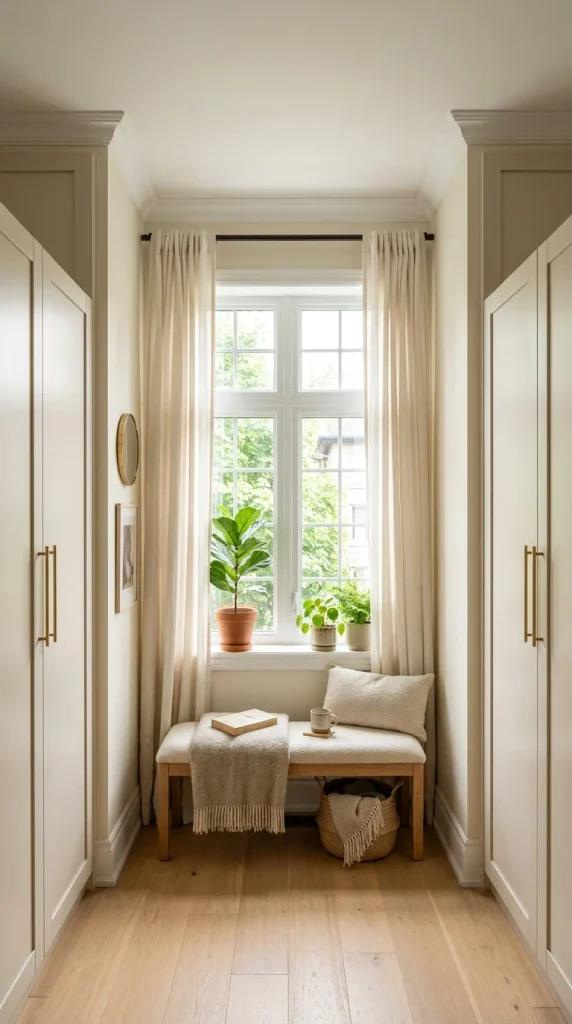
    IKEA window seat cabinets combine comfortable seating with useful hidden storage. Place suitable cabinets beneath a window and add a fitted cushion to create a cozy reading or relaxing spot. You can store blankets, books, and other everyday items inside the cabinets. Choose soft fabrics and colors that complement your room for a warm and inviting finish.

    6. IKEA Bedroom Storage Cabinets
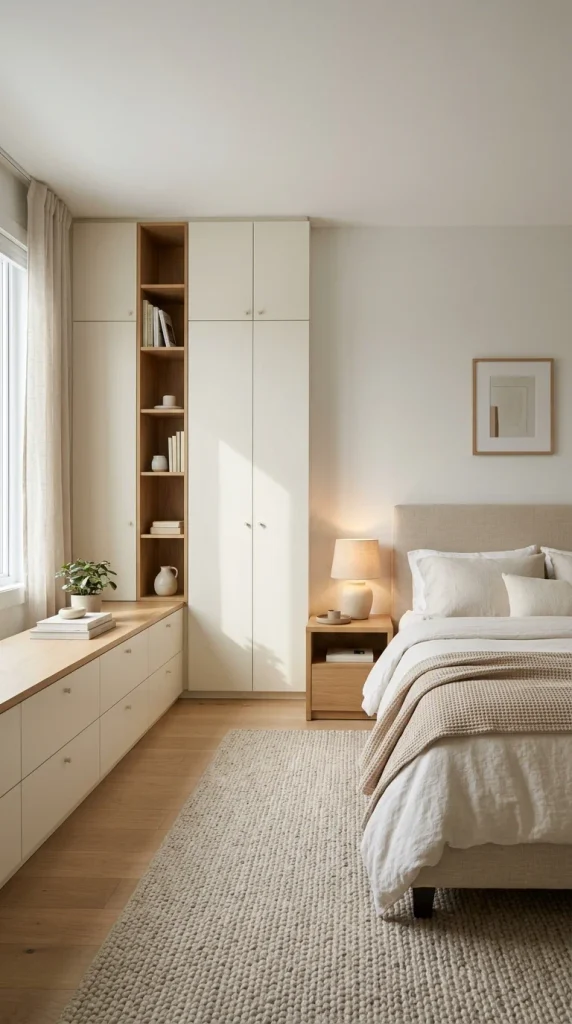
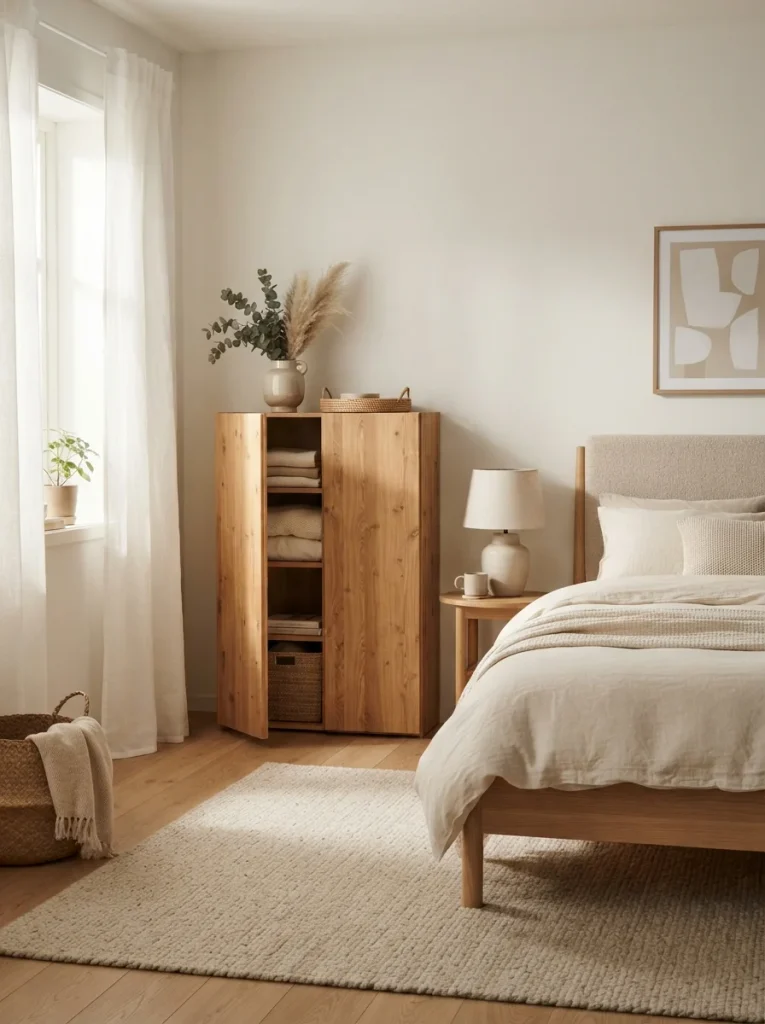
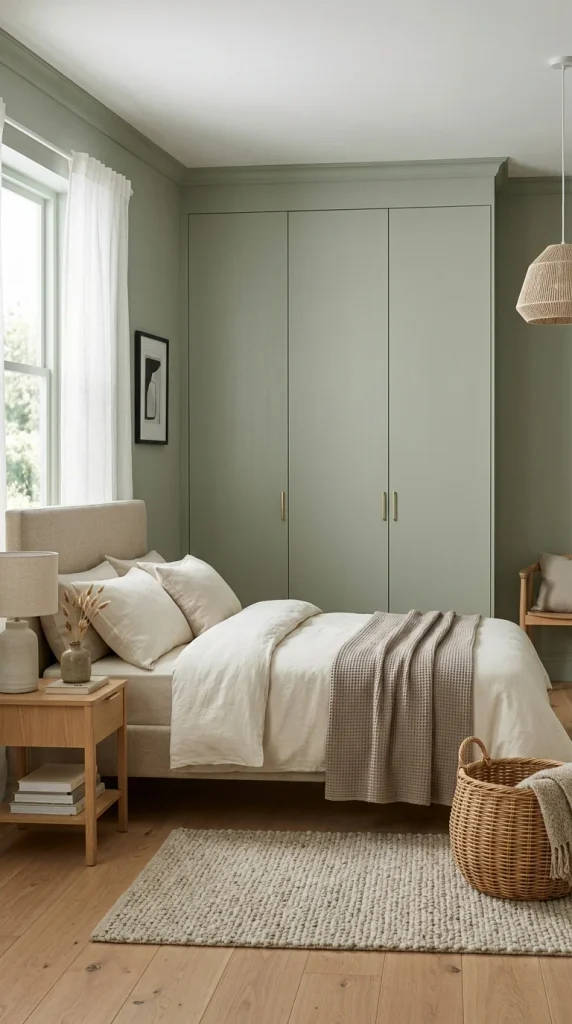
    IKEA bedroom storage cabinets help keep your personal space tidy without sacrificing style. You can use them to organize folded clothes, bedding, accessories, and other essentials. Tall cabinets work well when you want to make use of vertical space, while lower units can fit beneath wall art or mirrors. Matching cabinet finishes with your bed frame or dresser creates a more coordinated bedroom.

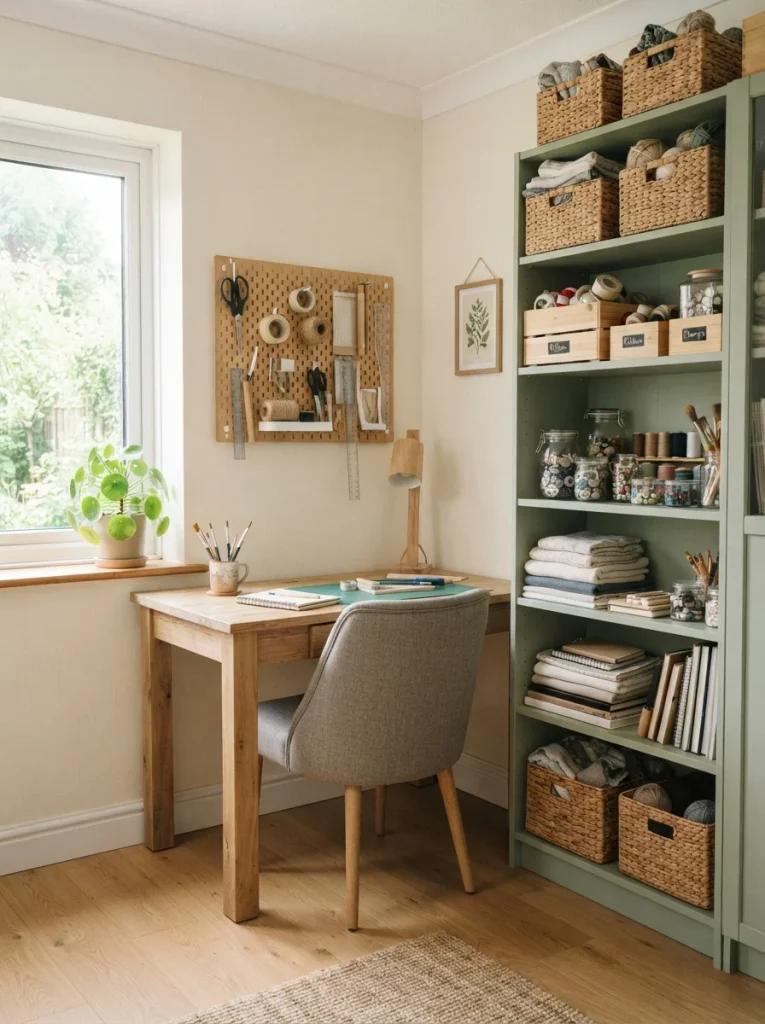
    7. IKEA Home Office Cabinets
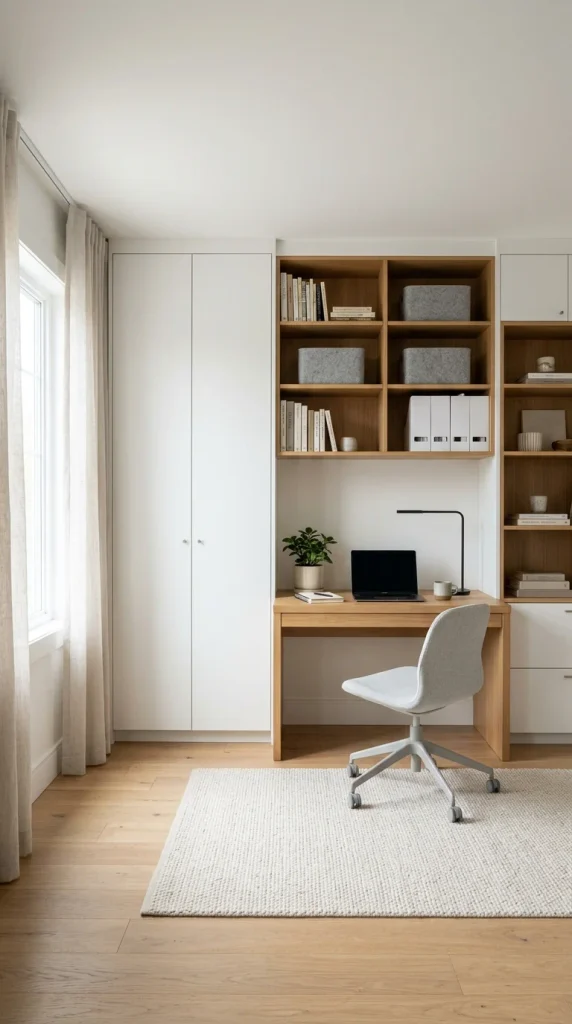
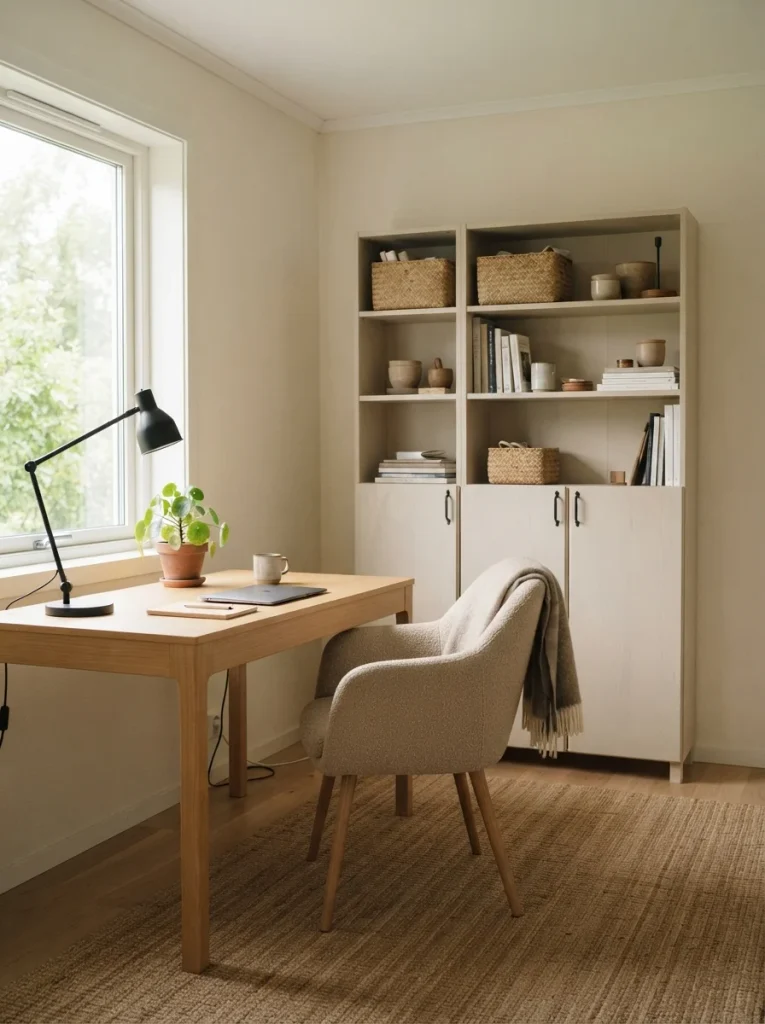
    IKEA home office cabinets can help create a productive workspace with less clutter. Install cabinets around your desk to store paperwork, office supplies, books, and electronic accessories. Closed storage keeps the room looking neat, while a few open shelves provide space for attractive decorations. White, light wood, or soft gray finishes can give your home office a calm and professional feel.

    8. IKEA TV Wall Cabinets
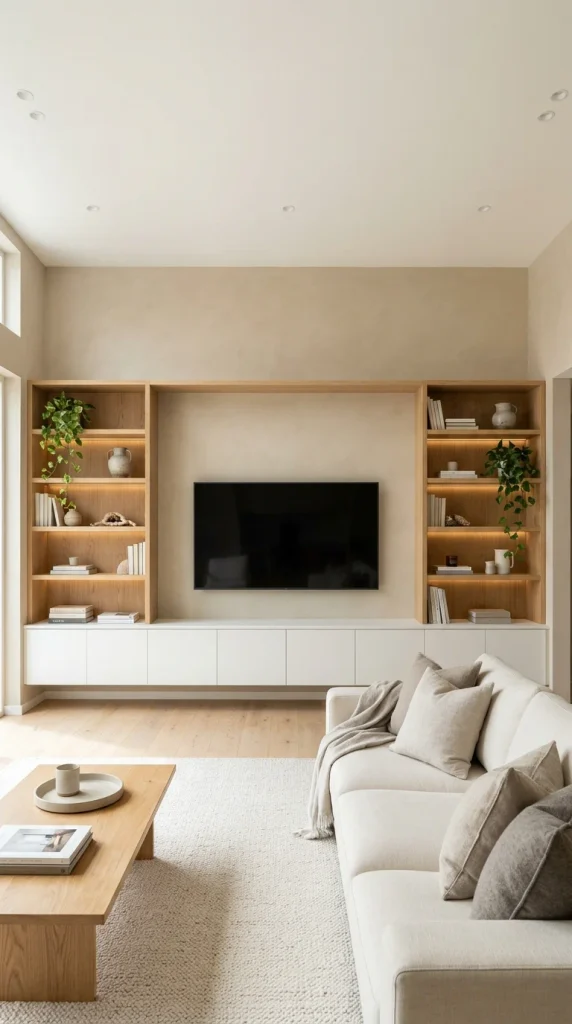
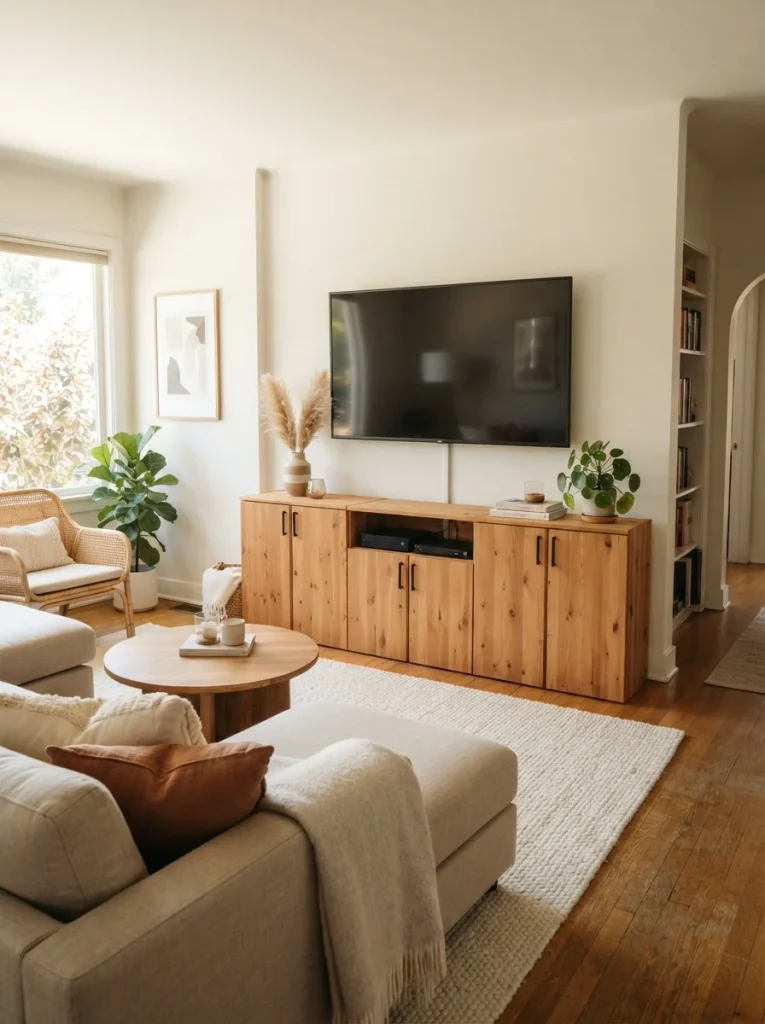
    IKEA TV wall cabinets create an attractive focal point while providing practical storage for your entertainment area. Combine low cabinets beneath the television with taller units or shelves on either side. This arrangement provides space for media devices, games, books, and other living room essentials. Keep the cabinet colors consistent and plan cable access carefully for a clean, finished look.

    9. IKEA Hallway Storage Cabinets

    IKEA hallway storage cabinets are useful for keeping entryways organized and welcoming. They can provide space for shoes, bags, hats, and other items you need when leaving home. Choose narrow cabinets if your hallway is small, and consider adding a mirror above them to make the area feel brighter. Simple handles and a matching color scheme can help the storage blend into your decor.

    10. IKEA Pantry Built-In Cabinets

    IKEA pantry built-in cabinets help you organize food, kitchen supplies, and cooking essentials more efficiently. Adjustable shelves make it easier to store containers of different sizes, while pull-out drawers can improve access to items at the back. Use labeled jars and baskets to keep similar products together. Before installing pantry cabinets, check the available depth and leave enough room for doors and drawers to open comfortably.

    11. IKEA Mudroom Storage Cabinets

    IKEA mudroom storage cabinets make it easier to manage shoes, coats, backpacks, and outdoor accessories. You can combine tall cabinets with open hooks and a bench to create a useful drop zone near the entrance. Closed doors hide everyday clutter and help the space look tidy. Choose durable finishes that are easy to wipe clean, especially in a busy family home.

    12. IKEA Floor-To-Ceiling Cabinets

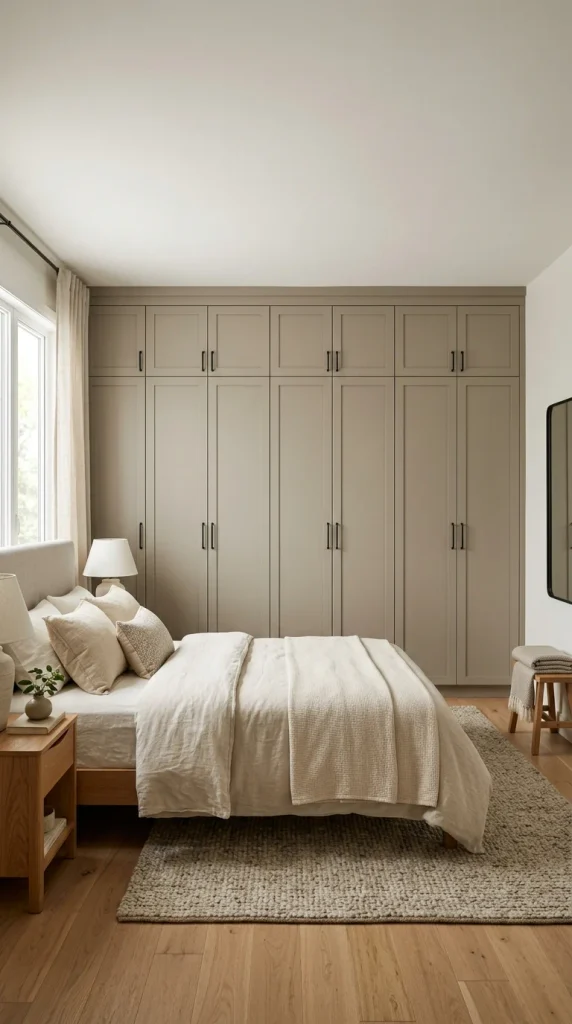
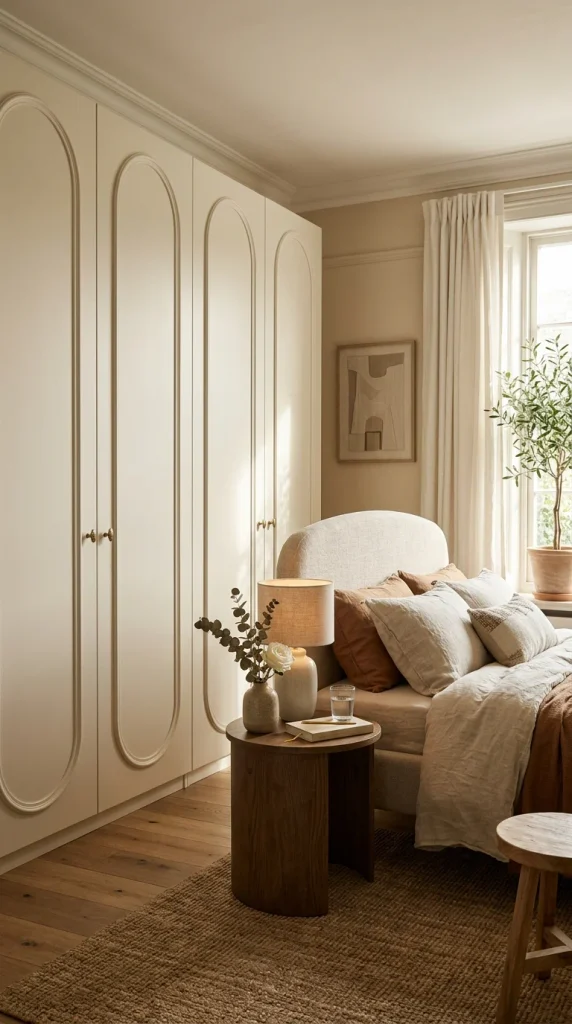
    IKEA floor-to-ceiling cabinets use vertical space to provide generous storage without spreading furniture across the room. They work especially well in living rooms, bedrooms, kitchens, and home offices. Matching the cabinet color to the walls can help the installation look more seamless. Measure the ceiling height carefully and follow IKEA’s installation instructions, including the required wall anchoring and clearances.

    13. IKEA Billy Built-In Cabinets

    IKEA BILLY bookcases are a popular starting point for creating custom-looking built-in storage. Arrange multiple bookcases together and use suitable trim to make the units look more connected. You can paint the surrounding trim and shelves in a matching color for a polished finish. Secure the bookcases properly and check their dimensions before adding any decorative framing.

    14. IKEA Closet Built-In Storage

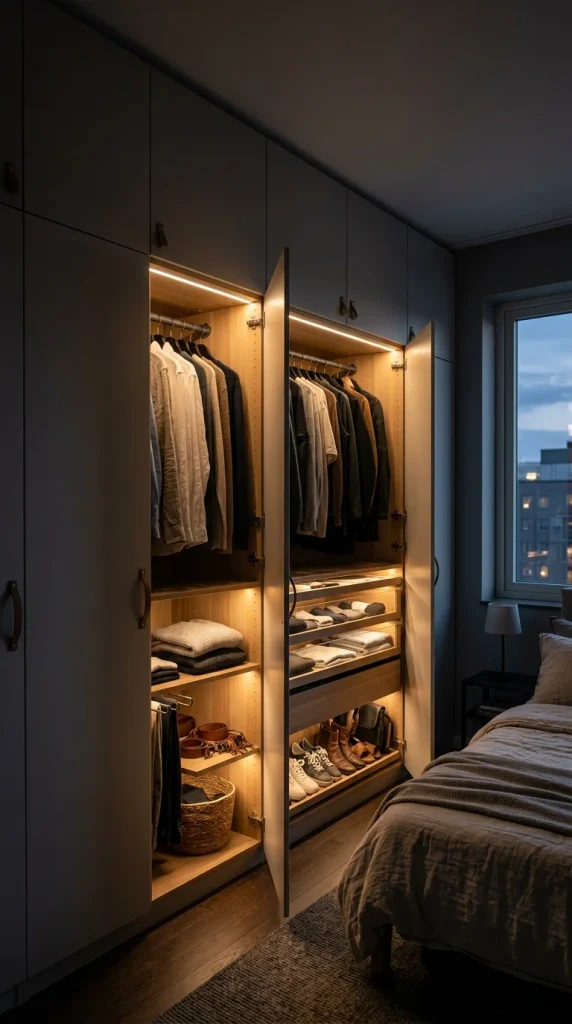
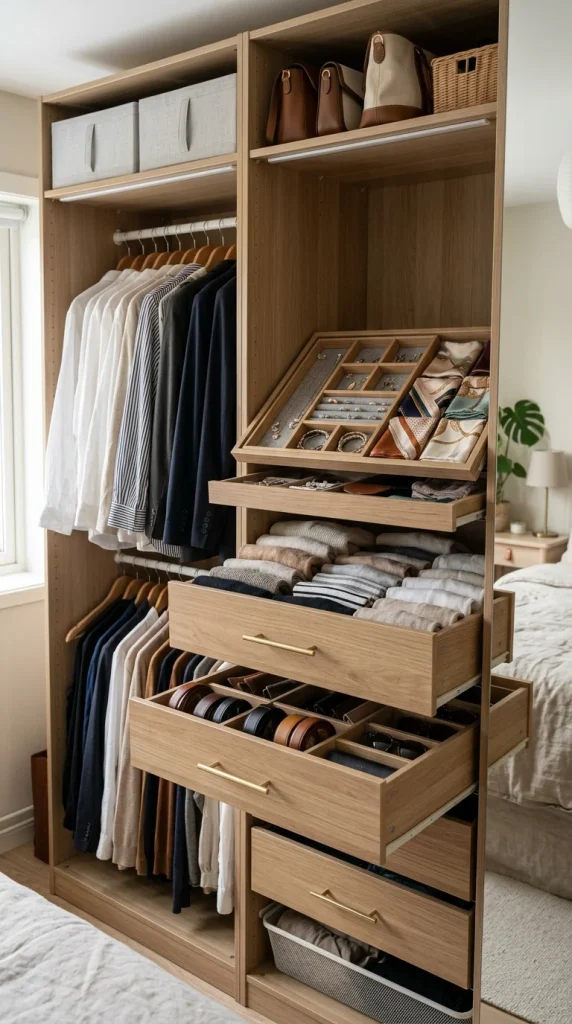
    IKEA closet built-in storage can make even a basic closet more useful and organized. Combine hanging rails, drawers, shelves, and storage boxes to suit your daily needs. Keep frequently used clothing at an easy-to-reach height and store seasonal items on higher shelves. A well-planned closet system can help you find things quickly while making better use of the available space.

    15. IKEA Alcove Built-In Cabinets

    IKEA alcove built-in cabinets are ideal for making use of empty spaces beside fireplaces, beds, or living room walls. Fit suitable cabinets into the alcoves and add shelves above them for books and decorative objects. Matching the units to the surrounding walls can create a balanced, built-in appearance. Measure each alcove carefully because older homes may have uneven walls or different dimensions on each side.

    16. IKEA Laundry Room Cabinets

    IKEA laundry room cabinets provide convenient storage for detergent, cleaning products, towels, and laundry accessories. Wall cabinets can keep supplies off the worktop, while lower cabinets offer room for larger items. Choose easy-to-clean finishes and make sure the layout allows comfortable access to the washer and dryer. Keep moisture, ventilation, plumbing access, and appliance clearances in mind when planning the installation.

    17. IKEA Entryway Built-In Cabinets

    IKEA entryway built-in cabinets help create a tidy first impression as soon as someone enters your home. Use closed cabinets for shoes and bags, with open shelves or hooks for items you need every day. A small bench can make putting on shoes more comfortable and practical. Light cabinet colors and a simple arrangement can keep the entryway feeling open rather than crowded.

    18. IKEA Floating Storage Cabinets
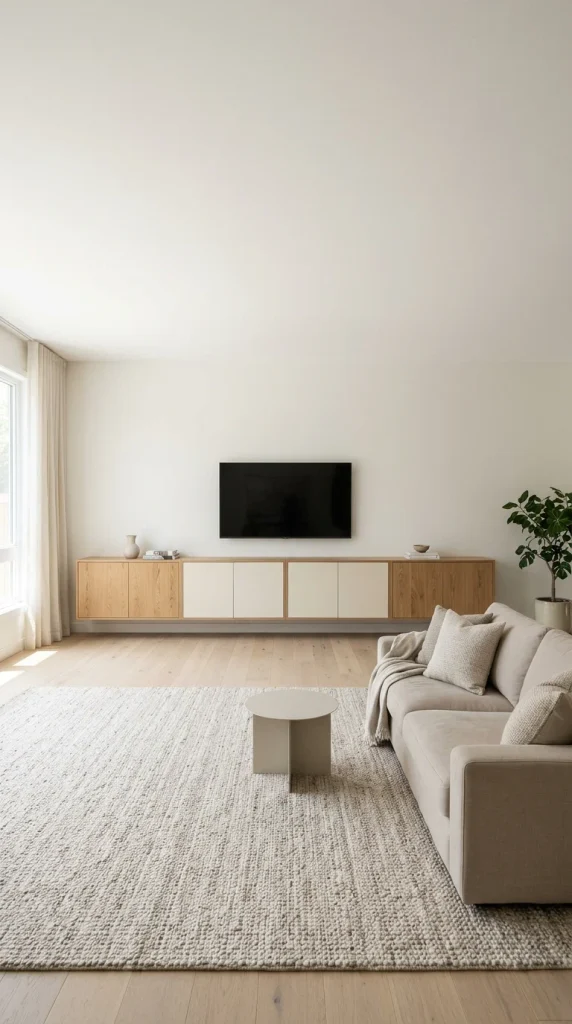
    IKEA floating storage cabinets give your room a clean, modern appearance by keeping the floor area clear. They work well beneath televisions, along hallway walls, or in compact home offices. Use them to store small accessories, electronics, and everyday essentials without adding bulky furniture. Make sure the wall and mounting hardware can safely support the cabinet and its contents before installation.

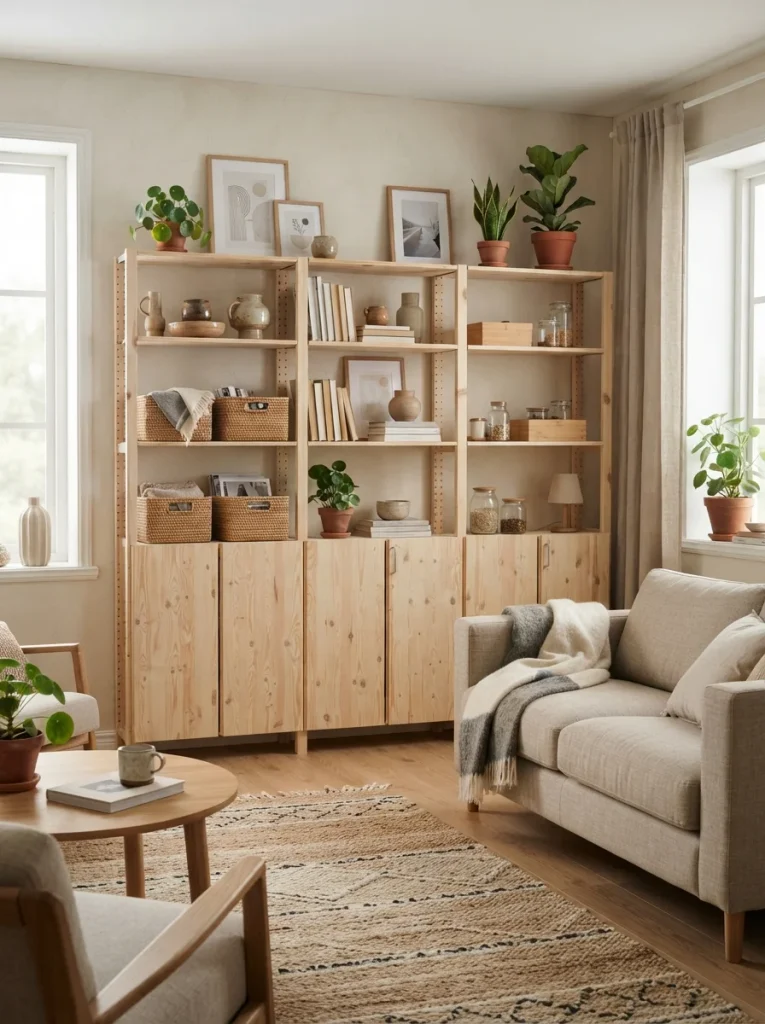
    19. IKEA Bookshelf Cabinet Combos

    IKEA bookshelf cabinet combos bring open display space and closed storage together in one attractive arrangement. You can place bookcases above or beside cabinets to create a useful storage wall. Display favorite books, artwork, and plants on the open shelves while keeping less attractive items behind doors. Using similar finishes throughout the setup helps it look coordinated and intentional.

    20. IKEA Custom-Look Built-Ins
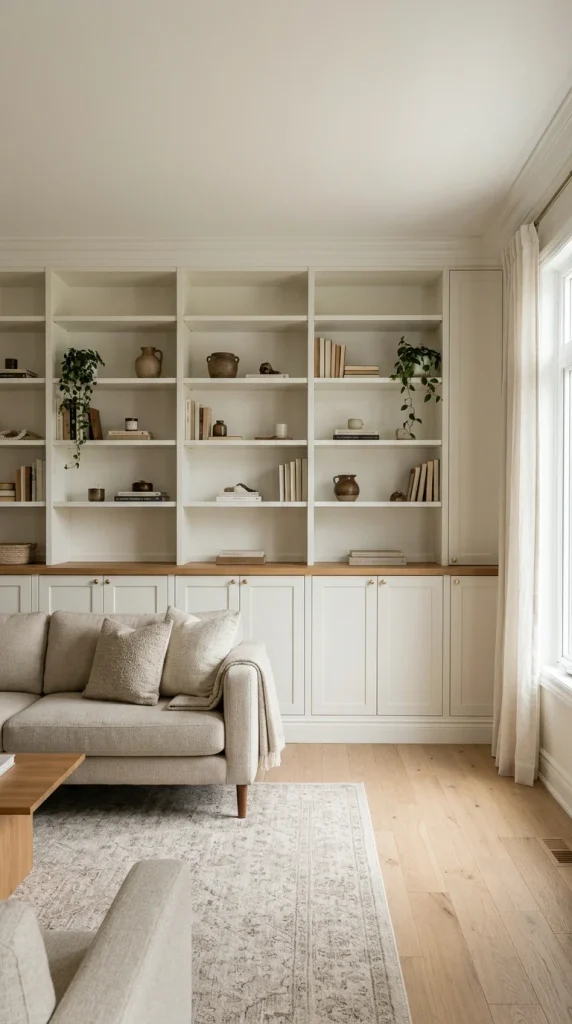
    IKEA custom-look built-ins offer a way to achieve a tailored appearance without commissioning an entirely custom cabinet system. Start with suitable IKEA cabinets, then add compatible trim, side panels, or decorative molding. Painting the surrounding details to match the cabinets can make separate units look more unified. Careful measurements and secure installation are important for achieving a clean finish that works with your room.

    21. IKEA Budget Built-In Cabinets
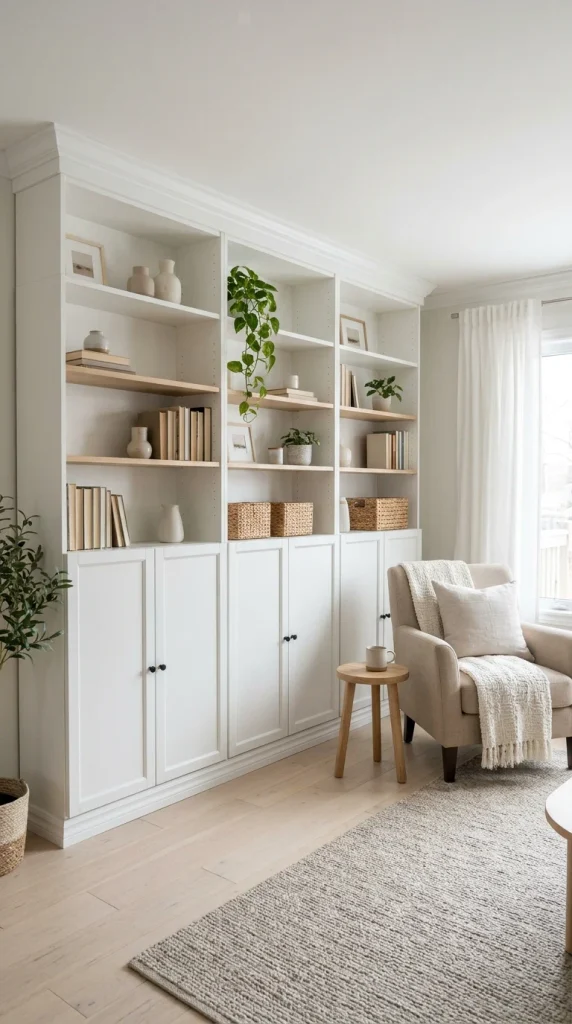
    IKEA budget built-in cabinets can transform a room without requiring a large renovation budget. Begin with standard cabinet units that fit your space and add only a few finishing details where they make the biggest difference. You can create a stylish look with coordinated colors, simple hardware, and thoughtful shelf styling. Plan your measurements and total costs in advance, including trim, tools, and installation supplies.

    Conclusion

    IKEA built-in cabinets offer a practical way to add storage, improve organization, and give your home a more polished appearance. From BILLY bookcase transformations to PAX wardrobes and floor-to-ceiling cabinet designs, there are options for different rooms, budgets, and decorating styles. Measure your space carefully, choose cabinets that suit your needs, and use simple finishing details to create a cohesive look. With thoughtful planning, you can enjoy beautiful built-in storage without the cost of a fully custom project.

    Frequently Asked Questions

    1. Can you make IKEA cabinets look built-in?

    Yes, you can make IKEA cabinets look built-in by fitting them neatly into a space and adding suitable trim, side panels, or molding. Painting the trim to match the cabinets or walls can create a more seamless appearance. Always secure the units properly and follow the manufacturer’s installation instructions.

    2. How much do IKEA built-in cabinets cost?

    The cost depends on the cabinet system, size, doors, hardware, and finishing materials you choose. Basic cabinet arrangements may be more affordable than large floor-to-ceiling installations. Remember to budget for trim, tools, delivery, and installation if needed.

    3. Which IKEA cabinets are best for built-ins?

    BILLY bookcases are popular for built-in bookshelves, while PAX wardrobes are useful for bedroom storage. IKEA kitchen cabinet systems can also work well for suitable kitchen or utility-room projects. The best choice depends on the space, intended use, and required dimensions.

    4. Are IKEA built-in cabinets good for small spaces?

    Yes, IKEA built-in cabinets can work very well in small rooms because they make use of wall space and vertical storage. Narrow cabinets, wall-mounted units, and carefully planned corner storage can help reduce clutter. Measure doorways, walkways, and available depth before choosing your design.

    5. What colors are best for IKEA built-in cabinets?

    White, warm beige, soft gray, and natural wood tones are popular choices because they suit many interior styles. Dark green, navy, and charcoal can create a bold, elegant look when balanced with good lighting. Consider your wall color, flooring, and existing furniture before making a final decision.

    6. Can IKEA BILLY bookcases be used as built-ins?

    Yes, IKEA BILLY bookcases can be arranged together to create a built-in-style bookshelf wall. Suitable trim and coordinated paint can help the installation look more customized. Check the bookcase dimensions, secure the units to the wall, and follow IKEA’s guidance before making modifications.

    7. How do you plan IKEA built-in cabinets before installation?

    Start by measuring the wall width, ceiling height, depth, and any obstacles such as outlets or windows. Choose cabinet units that fit the space and check the manufacturer’s requirements for assembly, anchoring, and clearances. Plan the layout and finishing materials before purchasing so the final design is practical as well as attractive.

  • 21 European Home Decor Ideas for a Timeless and Elegant Home

    21 European Home Decor Ideas for a Timeless and Elegant Home

    European home decor combines timeless elegance, natural materials, and warm, welcoming details. From French country style to modern European interiors, these designs bring beauty and character to any home. Soft colors, vintage furniture, and rustic accents create a cozy and stylish atmosphere. Explore these 21 European home decor ideas to create a beautiful, elegant, and timeless living space.

    1. French Country Living Room Decor

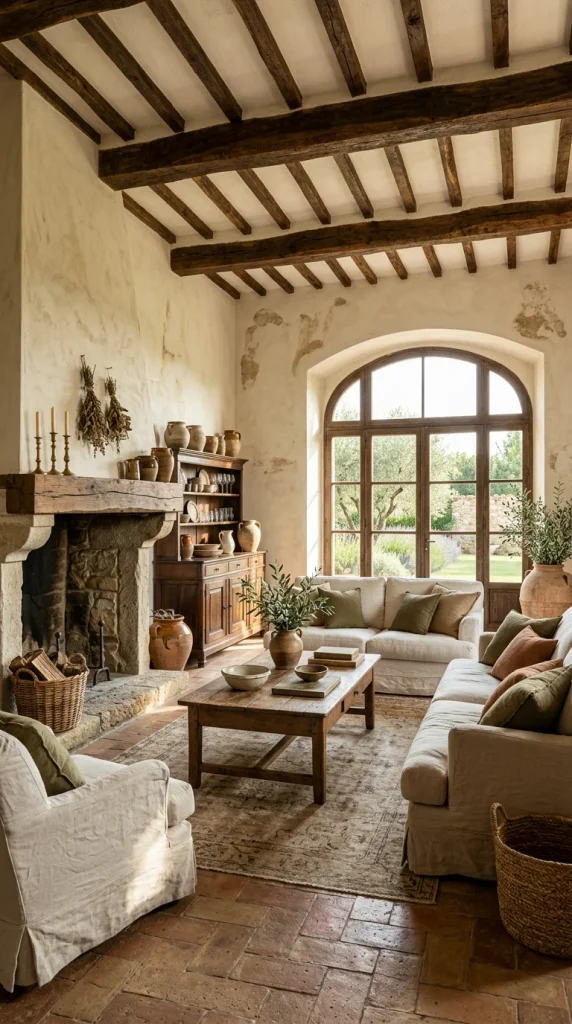
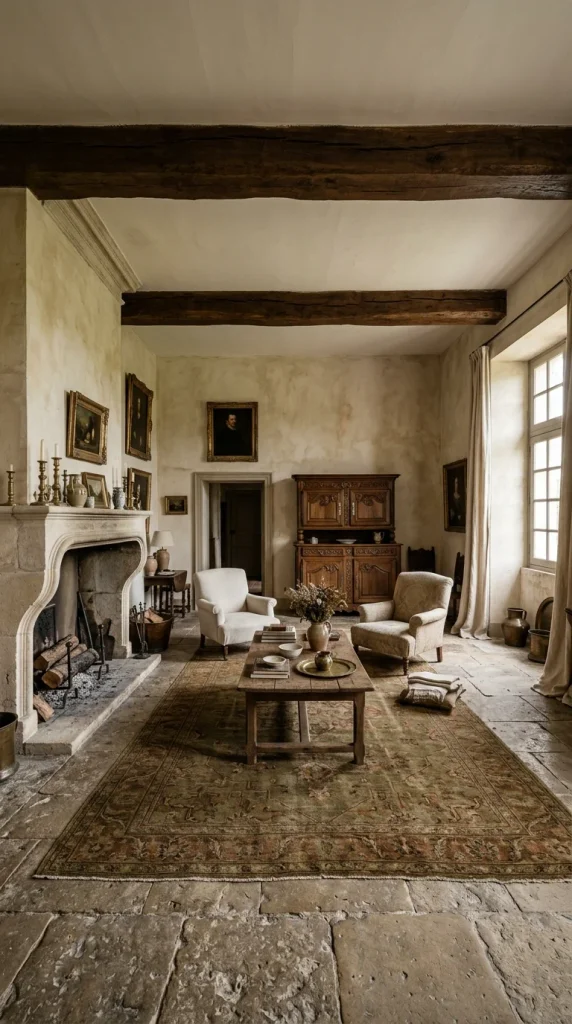
    French country living room decor combines rustic charm with soft, elegant details. Choose comfortable sofas, linen cushions, wooden furniture, and warm neutral colors to create a welcoming space. Add vintage accessories, fresh flowers, and a distressed coffee table for a relaxed French-inspired look. This style makes your living room feel timeless, cozy, and full of character.

    2. Old World European Interior Design

    Old World European interior design brings the beauty of traditional European homes into your living space. Use rich wood furniture, antique accessories, textured walls, and warm earthy colors to create a classic atmosphere. Stone details, decorative arches, and traditional lighting can add extra charm. Keep the furniture and accessories balanced so your home feels elegant rather than crowded.

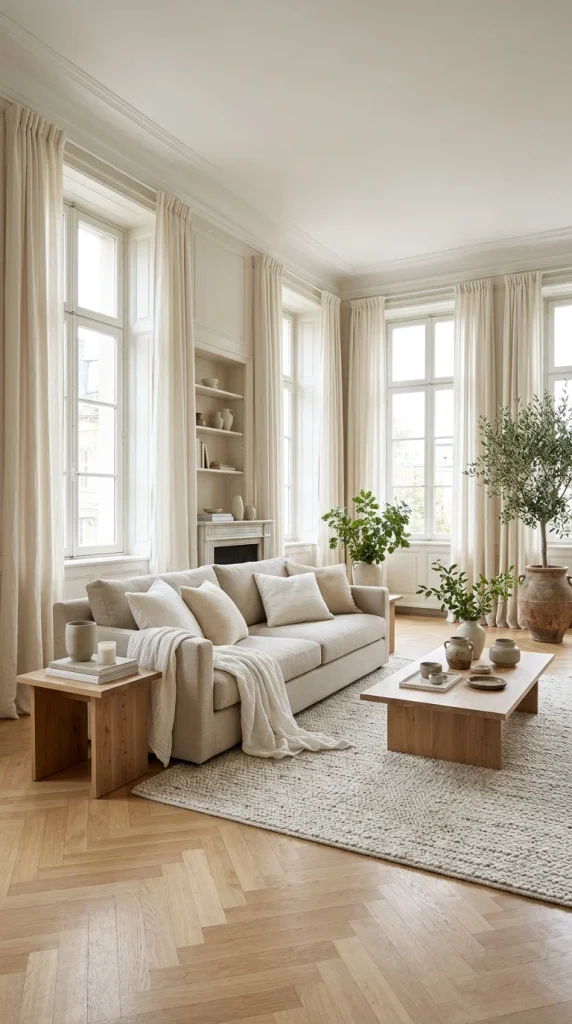
    3. Modern European Minimalist Decor

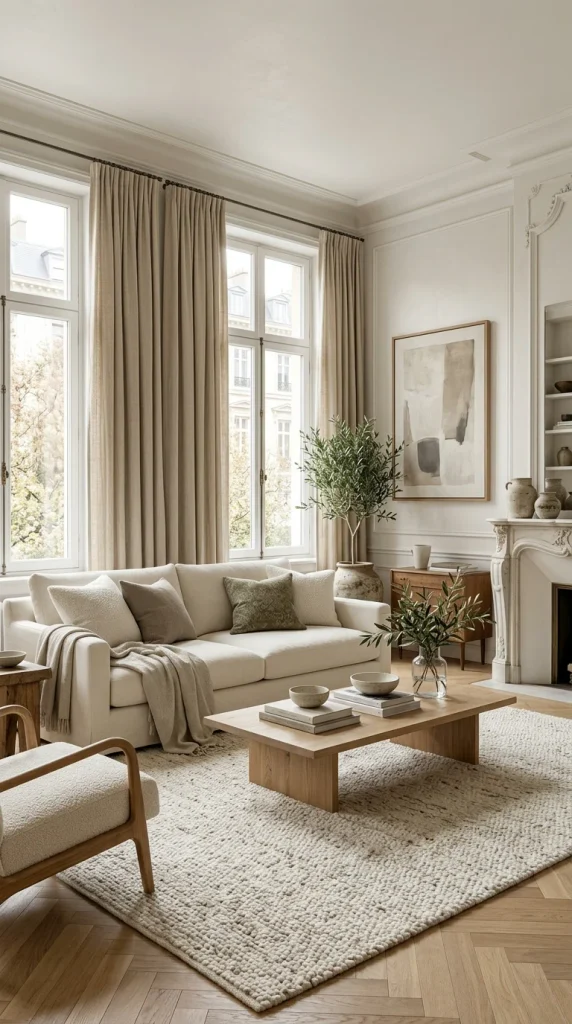
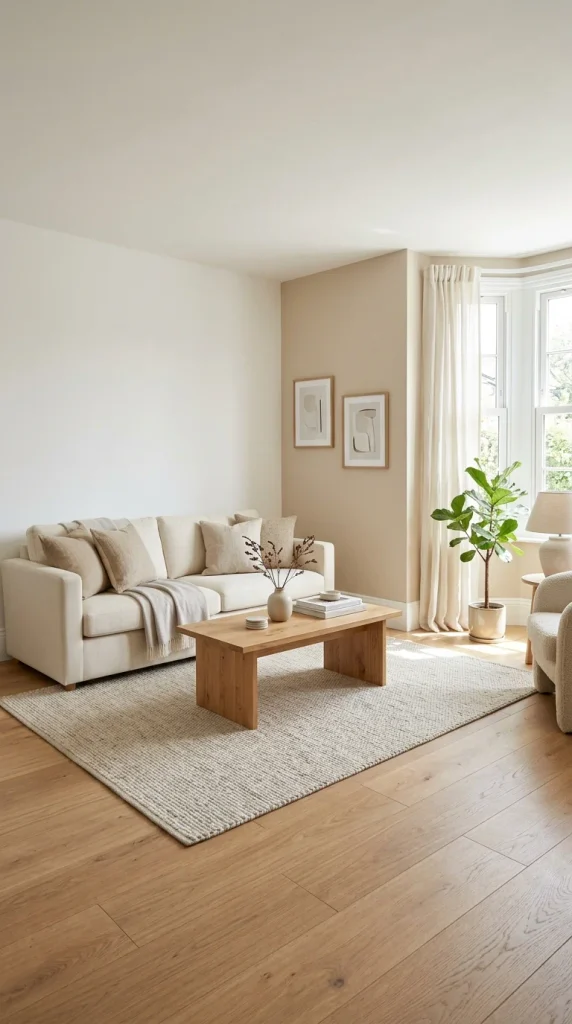
    Modern European minimalist decor focuses on clean lines, simple furniture, and natural materials. Choose a neutral palette of cream, beige, soft gray, and warm white to create a peaceful environment. Add wooden furniture, simple artwork, and a few carefully selected decorative pieces. This style is perfect for creating a modern home that feels open, comfortable, and sophisticated.

    4. Tuscan-Inspired Home Decor

    Tuscan-inspired home decor brings the warmth of the Italian countryside into your home. Use terracotta, warm beige, olive green, and earthy brown to create a natural color scheme. Wooden furniture, stone accents, pottery, and textured walls help achieve this traditional look. Add simple greenery and rustic accessories to make your space feel inviting and connected to nature.

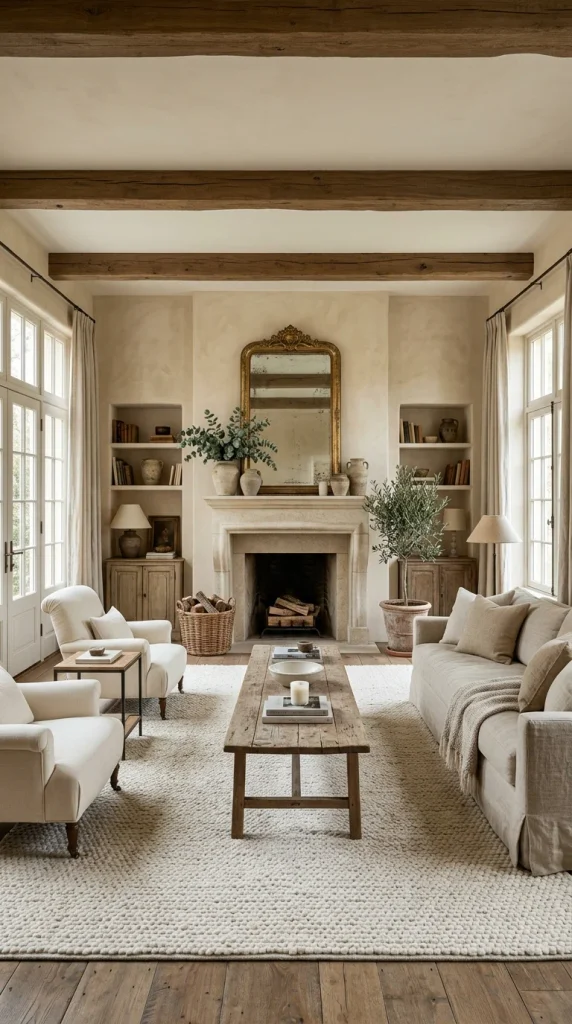
    5. European Farmhouse Style

    European farmhouse style combines rustic materials with timeless elegance. Start with natural wood furniture, linen fabrics, neutral walls, and simple vintage decorations. Exposed wooden beams, ceramic vases, and antique-inspired accessories can add farmhouse character. Choose comfortable pieces and keep the colors soft to create a home that feels practical, relaxed, and beautiful.

    6. Classic European Wall Molding

    Classic European wall molding adds architectural detail and elegance to plain walls. You can install decorative rectangular panels behind a sofa, around a dining area, or in a bedroom. Paint the molding the same color as the wall for a subtle and sophisticated appearance. Pair it with traditional artwork, elegant lighting, and simple furniture to create a polished European-inspired interior.

    7. Vintage European Furniture

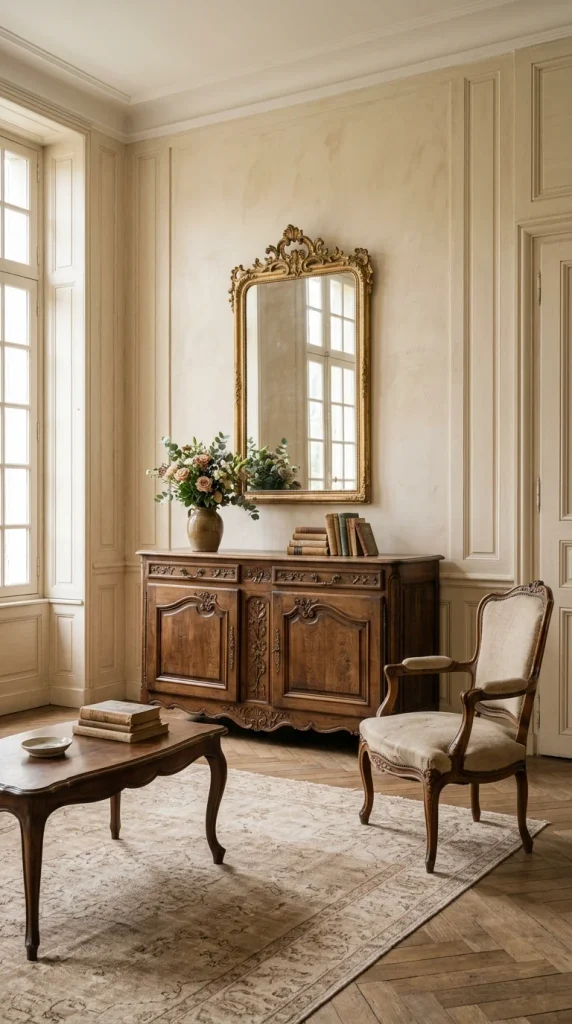
    Vintage European furniture brings history, charm, and personality into a home. Look for carved wooden chairs, antique cabinets, curved-leg tables, or vintage sideboards with beautiful details. Mix these pieces with simple modern furniture to keep the room from feeling outdated. Even one carefully chosen vintage item can become a focal point and make your interior feel more unique.

    8. Elegant European Neutral Color Palettes

    Neutral colors are an important part of many European-inspired interiors. Choose shades such as warm white, cream, beige, taupe, and soft gray to create a calm foundation. Add depth with natural wood, textured fabrics, and small touches of olive green or muted blue. Combining different shades and materials keeps the room interesting without making it feel too busy.

    9. French-Inspired Bedroom Decor

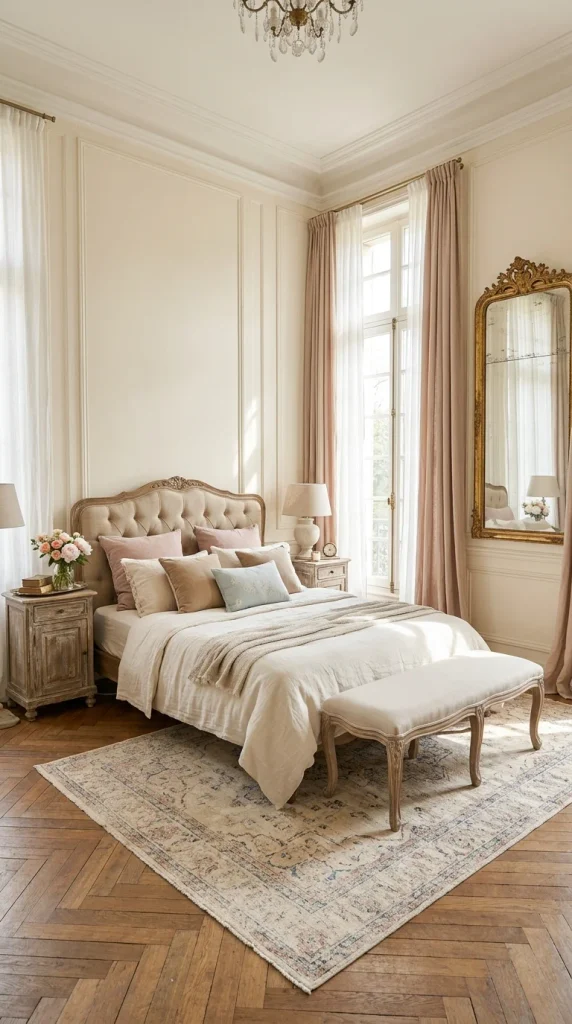
    French-inspired bedroom decor creates a romantic and relaxing atmosphere with classic furniture and soft fabrics. Choose an upholstered or carved wooden bed, linen bedding, and bedside tables with vintage details. Cream, dusty pink, pale blue, and warm beige work beautifully for this style. Finish the look with elegant lamps, flowing curtains, and a few fresh flowers for a peaceful retreat.

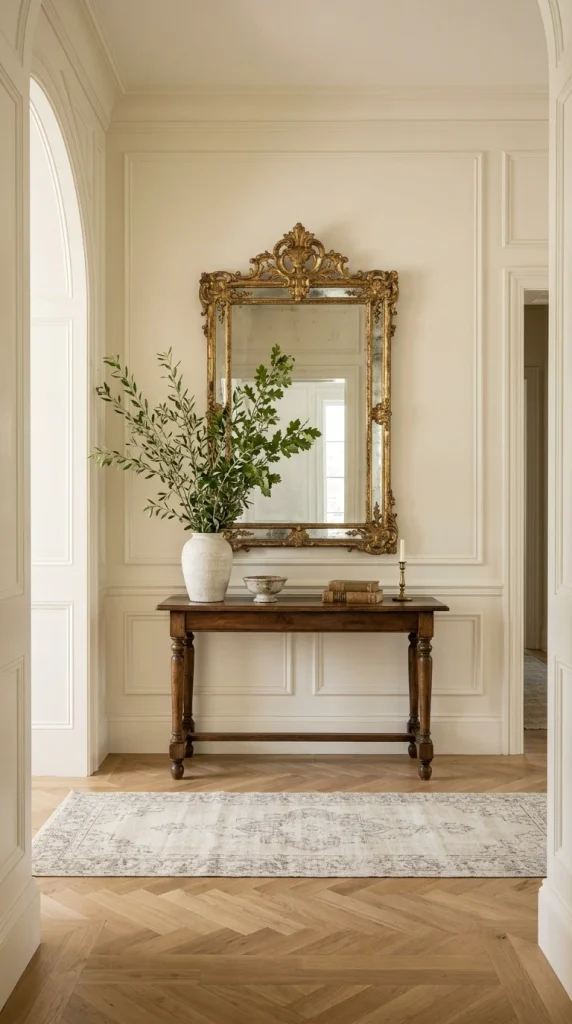
    10. European Antique Mirror Styling

    Antique mirrors are a beautiful way to add character and visual interest to European home decor. Choose a mirror with a carved wooden, aged gold, or distressed frame to complement your interior style. Place it above a console table, fireplace mantel, or bedroom dresser to create an elegant focal point. A well-positioned mirror can also reflect natural light and make a small room feel brighter.

    11. Rustic European Wooden Beams

    Rustic wooden beams add warmth and architectural character to European-inspired interiors. They look especially beautiful in living rooms, kitchens, and dining areas with high or vaulted ceilings. Choose natural wood tones for a traditional country look, or use lighter finishes for a softer modern appearance. Pair the beams with neutral walls, simple lighting, and natural materials for a balanced design.

    12. European-Inspired Stone Fireplace

    A stone fireplace can become the main feature of a timeless European living room. Choose natural stone, limestone, or textured finishes to create a traditional and welcoming appearance. Decorate the mantel with a vintage mirror, ceramic vases, or understated artwork. Arrange comfortable seating nearby to make the fireplace area a cozy place for relaxing and spending time with family.

    13. Elegant European Dining Room Decor

    European dining room decor combines classic furniture with comfortable and inviting details. A wooden dining table, upholstered chairs, and a traditional chandelier can create a beautiful foundation. Use linen table runners, ceramic dishes, and fresh flowers to make the table feel special without overdecorating it. Soft colors and warm lighting help create an elegant dining space for everyday meals and gatherings.

    14. Mediterranean European Home Decor

    Mediterranean European home decor takes inspiration from the coastal homes of countries such as Italy, Greece, and Spain. Use warm white walls, terracotta accents, natural wood, and earthy textures to create a relaxed atmosphere. Blue and olive green can bring subtle color inspired by the sea and countryside. Add woven baskets, handmade pottery, and light fabrics to keep the space fresh and welcoming.

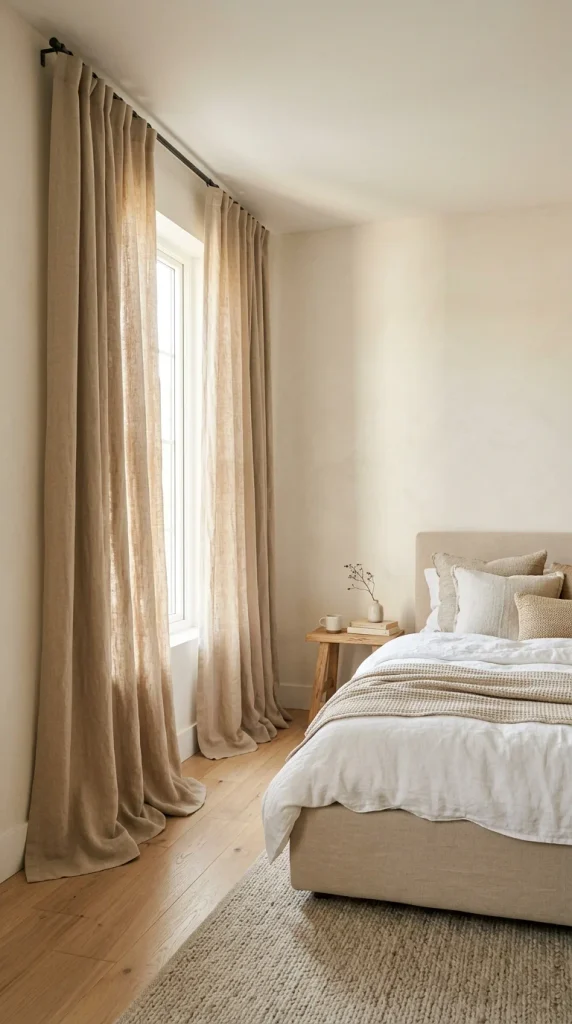
    15. European Linen Curtains and Soft Fabrics

    Linen curtains and soft fabrics bring an effortless elegance to European-inspired rooms. Choose natural shades such as ivory, oatmeal, beige, or soft white to create a light and airy appearance. Hang curtains high and wide to make windows look larger and allow more natural light into the room. Add linen cushions, cotton throws, and textured bedding to make your home feel comfortable and thoughtfully styled.

    16. Traditional European Chandeliers

    Traditional European chandeliers add elegance and a decorative focal point to a room. Choose a crystal chandelier for a formal interior or an aged brass fixture for a warm, classic look. Hang one above a dining table, in an entryway, or in a bedroom with enough ceiling height. Keep other decorations simple so the chandelier stands out without overwhelming the overall design.

    17. European-Inspired Kitchen Design

    A European-inspired kitchen combines practical storage with beautiful, timeless materials. Choose cream or muted green cabinets, natural wood accents, stone countertops, and simple hardware. Open shelves can display ceramic dishes, glass jars, and a few carefully selected decorative pieces. Good lighting and an uncluttered work surface help the kitchen feel both elegant and easy to use every day.

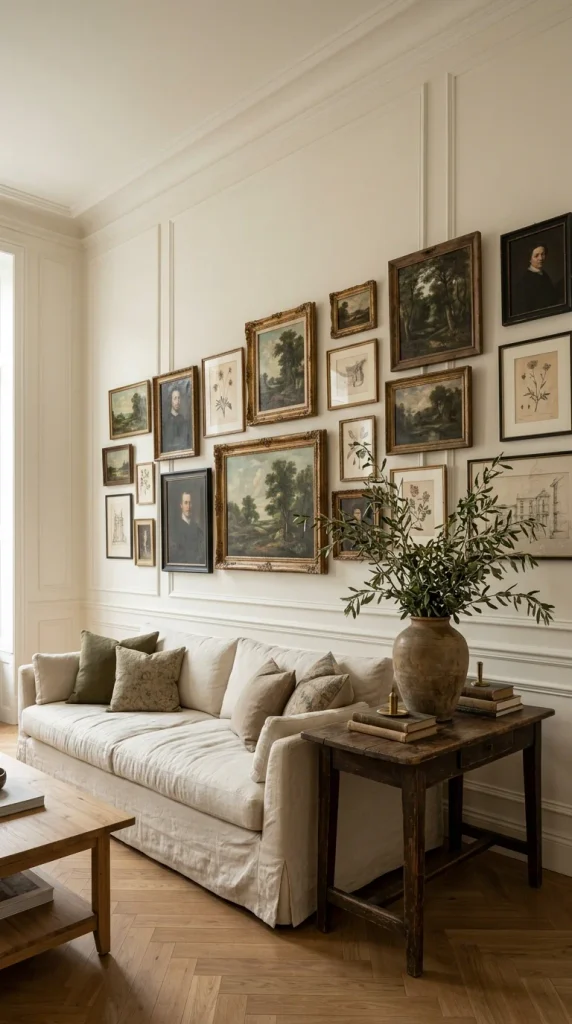
    18. Vintage European Gallery Walls

    A vintage European gallery wall adds personality and an artistic touch to your home. Combine framed landscapes, botanical prints, old portraits, and traditional artwork for a collected appearance. Choose frames in wood, antique gold, or muted black to create a coordinated look. Arrange the pieces above a sofa, along a hallway, or over a console table, keeping enough space between frames for a balanced display.

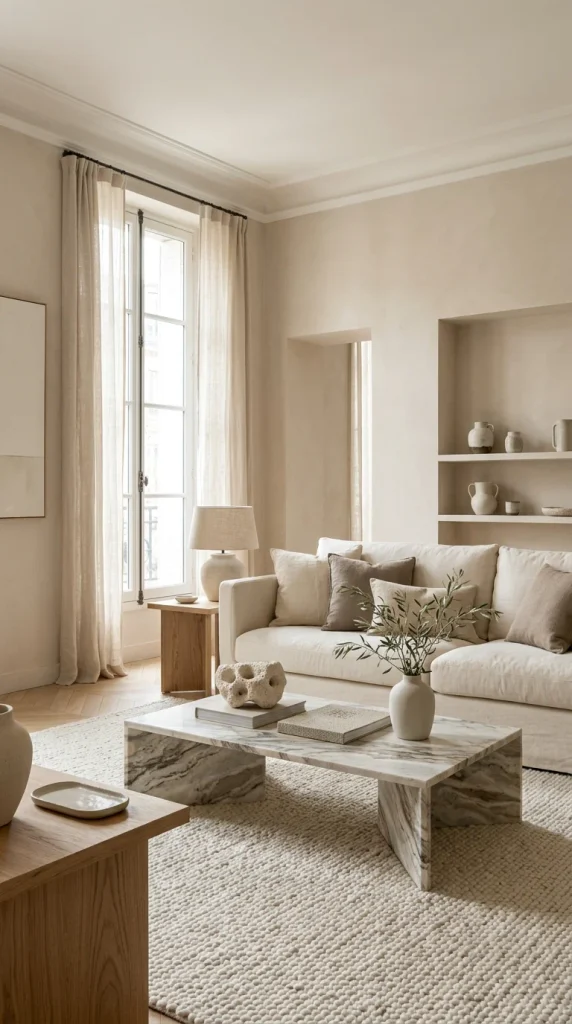
    19. Natural Stone and Marble Accents

    Natural stone and marble accents bring texture and understated luxury to European home decor. Consider a marble coffee table, a stone countertop, or a small decorative tray to introduce these materials. Warm wood, linen, and neutral fabrics help soften their smooth surfaces and prevent the room from feeling cold. You can start with a few small accessories if a full stone feature is outside your budget.

    20. Cozy European Reading Nook

    A cozy European reading nook creates a quiet place to relax with a favorite book. Choose a comfortable armchair, a small wooden side table, and a warm floor or table lamp. Add a soft throw, a textured cushion, and a nearby bookshelf to make the corner practical and inviting. Neutral colors, natural materials, and a few vintage accessories can give it a charming European character.

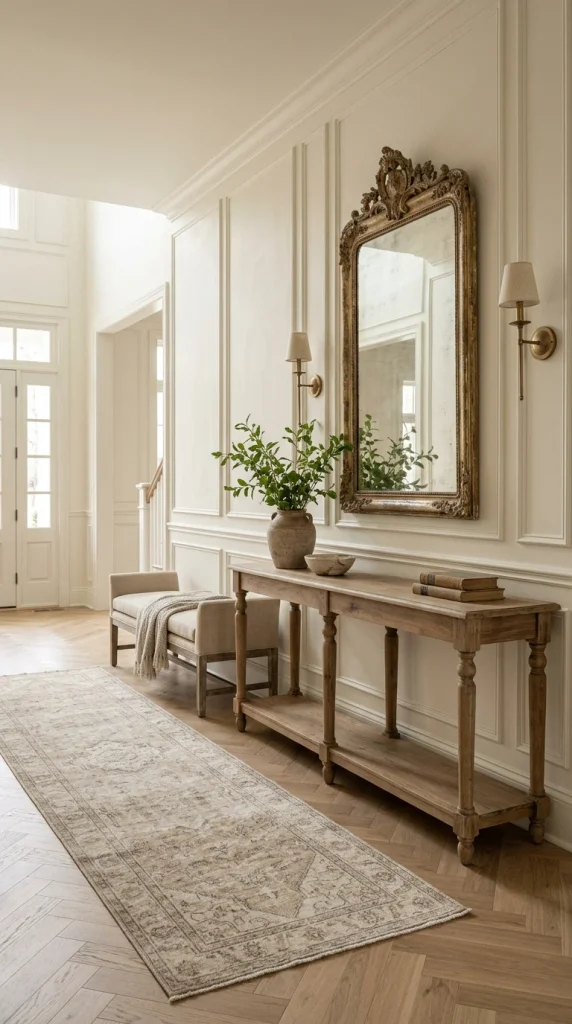
    21. Timeless European Entryway Decor

    A European-inspired entryway creates a welcoming first impression as soon as someone enters your home. Place a wooden console table against the wall and style it with a framed mirror, a ceramic vase, and a small decorative bowl. Add a traditional rug or a simple upholstered bench if space allows. Keep everyday items organized so the entrance feels elegant, comfortable, and easy to maintain.

    Conclusion

    European home decor is a beautiful way to create a home that feels timeless, elegant, and welcoming. By combining natural materials, classic furniture, soft colors, vintage accents, and thoughtful lighting, you can bring European-inspired charm into any room. Start with a few ideas that match your taste and budget, and build a comfortable space that reflects your personal style.

    Frequently Asked Questions

    1. What is European home decor?

    European home decor includes a variety of interior styles inspired by European homes, from French country and Italian rustic designs to modern minimalist interiors. It often features natural materials, timeless furniture, elegant details, and a balanced color palette.

    2. How can I decorate my home in European style on a budget?

    Start with affordable changes such as neutral pillow covers, linen-look curtains, secondhand wooden furniture, vintage-inspired frames, and ceramic accessories. You can also rearrange existing furniture and display a few meaningful decorative pieces instead of buying everything new.

    3. What colors are best for European home decor?

    Cream, warm white, beige, taupe, and soft gray are popular choices for a timeless European look. Depending on the style, you can add olive green, dusty blue, terracotta, or muted pink to introduce warmth and personality.

    4. Can European home decor work in a small home?

    Yes, European-inspired decor can work beautifully in small homes. Choose furniture that fits the room, use light colors, add mirrors to reflect light, and avoid filling every surface with accessories. Simple styling helps small spaces feel open and elegant.

    5. What materials are commonly used in European interior design?

    Common materials include natural wood, stone, marble, linen, cotton, ceramic, iron, and aged metal finishes. Mixing these materials adds texture and depth while helping the space feel warm and authentic.

    6. How do I make modern furniture look European?

    Combine modern furniture with traditional details such as a vintage mirror, classic wall molding, a decorative chandelier, or an antique side table. Natural fabrics and warm neutral colors can also help create a softer, more timeless appearance.

    7. Which rooms are best for European home decor?

    European home decor works well in living rooms, bedrooms, kitchens, dining rooms, entryways, and even small reading corners. You can use the same overall color palette throughout your home while choosing different furniture and accessories to suit each room.

  • 22 Simple DIY Home Decor Projects to Make Your Home Feel Special

    22 Simple DIY Home Decor Projects to Make Your Home Feel Special

    Simple DIY home decor projects are a wonderful way to make your home feel warm, stylish, and personal without spending too much money. From easy wall decorations to creative handmade accessories, these budget-friendly home projects can transform any room. Whether you enjoy weekend DIY projects or simple home improvement ideas, there are plenty of ways to refresh your space. These beginner-friendly DIY home decor ideas will help you add charm, creativity, and comfort to your home. Explore these 22 simple projects to make your home feel special.

    1. DIY Gallery Wall

    A DIY gallery wall is a lovely way to display family photos, artwork, and favorite memories. Choose matching or different frames to create a style that suits your home. Arrange the frames on the floor before hanging them to find the best layout. This simple project can make an empty wall feel personal and inviting.

    2. Handmade Throw Pillows

    Handmade throw pillows can add color, comfort, and personality to your living room or bedroom. Choose fabrics that match your furniture, curtains, or rugs for a balanced look. You can sew simple pillow covers or reuse old fabric to save money. Mix different textures and patterns to make your seating area feel cozy and stylish.

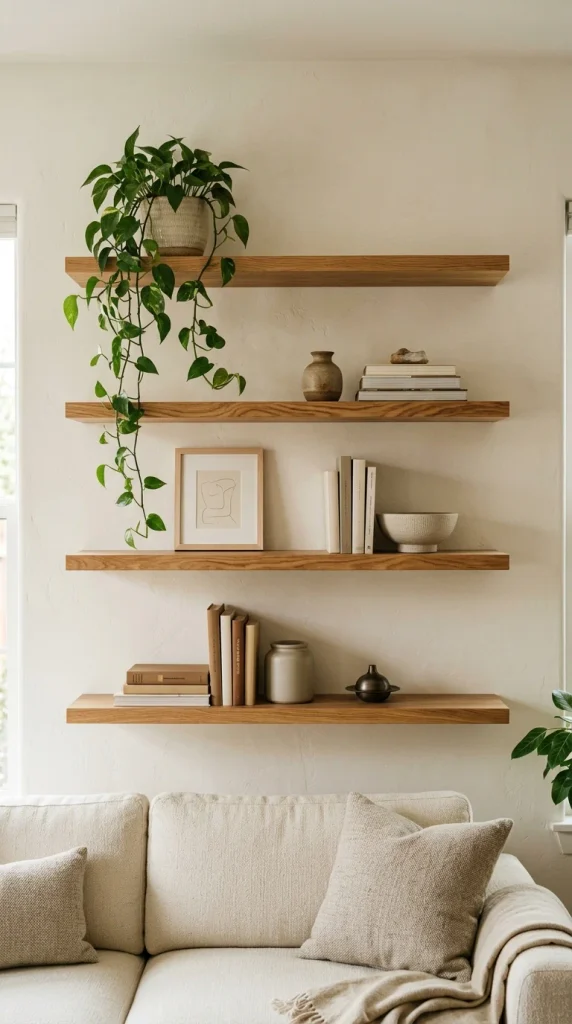
    3. DIY Floating Shelves

    DIY floating shelves are a practical way to decorate empty walls while creating extra storage space. Use them to display small plants, books, framed pictures, or decorative accessories. Choose wood finishes that complement your existing furniture and room colors. Make sure the shelves are securely installed and suitable for the weight of the items you plan to display.

    4. Painted Terracotta Pots

    Painted terracotta pots are an easy and affordable way to add charm to your home. Use soft neutrals, earthy shades, or bright colors to match your decorating style. You can create simple stripes, dots, or geometric patterns for a personal touch. Place the finished pots on windowsills, shelves, or tables with your favorite indoor plants.

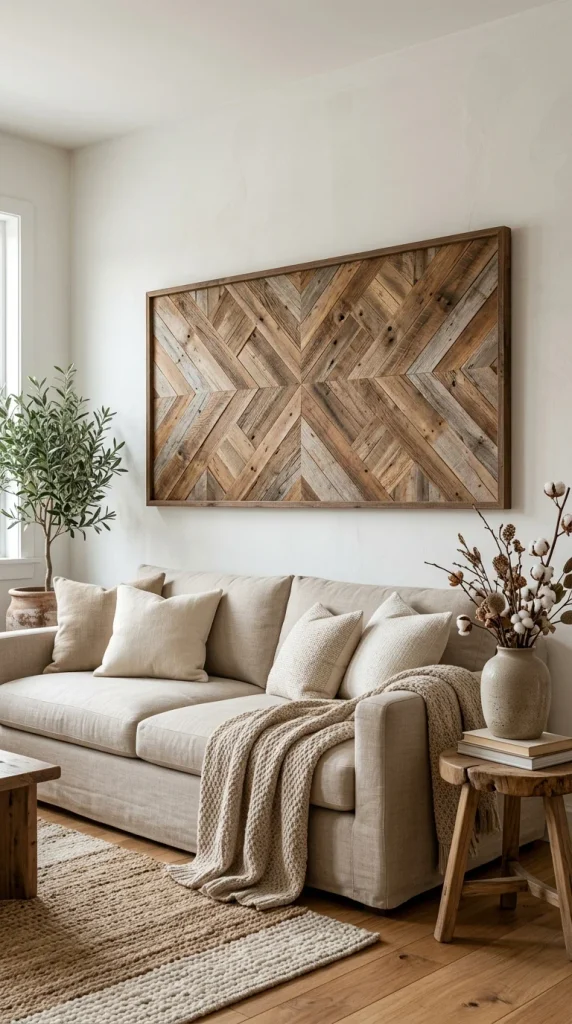
    5. Rustic Wooden Wall Art

    Rustic wooden wall art brings natural warmth and character to a room. You can use reclaimed wood pieces to create simple patterns, geometric designs, or decorative signs. Sand the wood carefully and apply a suitable stain or paint to achieve your preferred finish. Hang your finished artwork above a sofa, bed, or entryway console for a cozy look.

    6. Decorative Candle Holders

    DIY decorative candle holders can make your home feel warm and welcoming. You can decorate suitable glass holders with twine, paint, or simple decorative details. Choose finishes that complement your coffee table, dining table, or bedroom decor. Always use heat-safe materials, keep candles away from flammable decorations, and never leave a burning candle unattended.

    7. DIY Mason Jar Vases

    Mason jar vases are simple DIY home decor projects that work well in many rooms. Clean glass jars can be painted, wrapped with twine, or decorated with ribbons to match your style. Fill them with fresh flowers, dried stems, or artificial greenery for a beautiful display. Arrange a few jars together on a dining table or shelf for a charming handmade centerpiece.

    8. Painted Furniture Makeover

    A painted furniture makeover can give old furniture a fresh appearance without the cost of buying new pieces. Consider repainting a side table, wooden chair, or small cabinet in a color that suits your room. Clean and prepare the surface before applying suitable primer and paint. A carefully finished piece can become a stylish focal point while helping you reuse furniture you already own.

    9. Woven Wall Hanging

    A woven wall hanging adds texture and a handmade feel to plain walls. You can create one using yarn, cotton cord, or leftover fabric strips in colors that complement your interior. Simple weaving patterns are suitable for beginners and can be adjusted to different sizes. Hang your finished piece above a bed, reading corner, or console table for a soft decorative touch.

    10. Handmade Decorative Trays

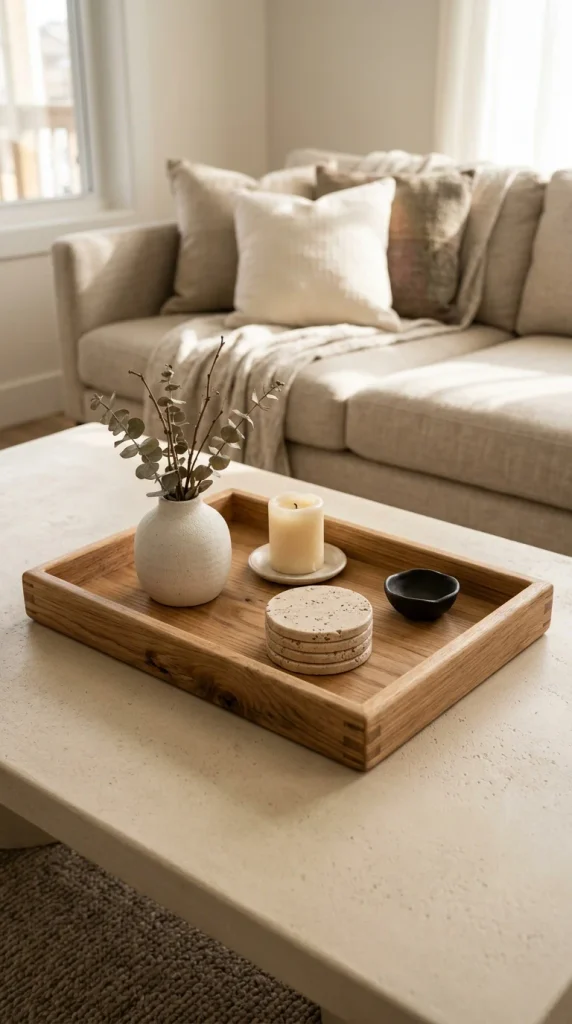
    Handmade decorative trays help keep small accessories organized while making surfaces look more attractive. You can refresh a plain wooden tray with paint, stain, or decorative paper suitable for its surface. Use it to group candles, small vases, coasters, or other everyday items on a coffee table. Keeping similar items together creates a neat and intentional display.

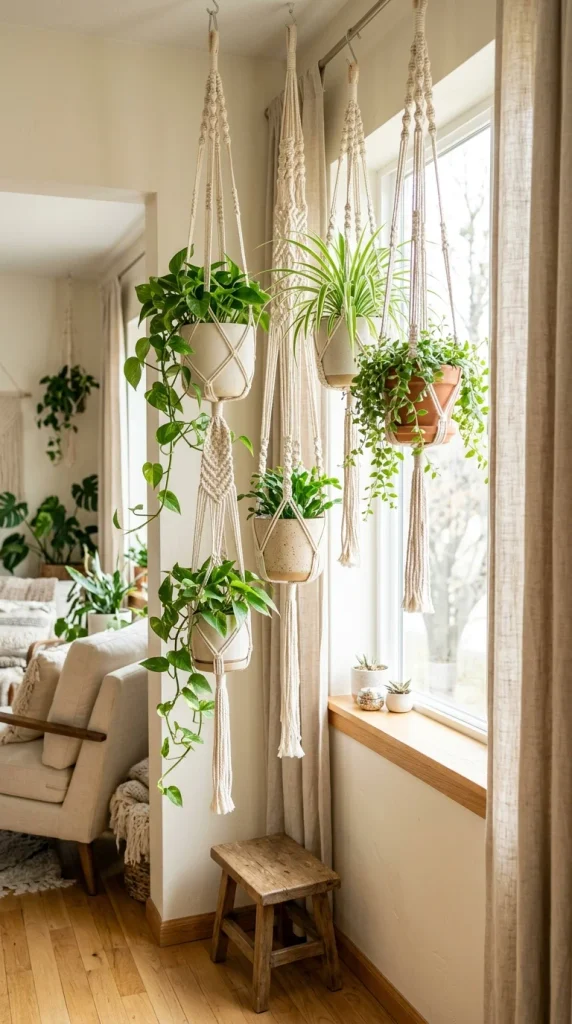
    11. Macrame Plant Hangers

    Macrame plant hangers are a creative way to display greenery while making use of vertical space. You can make them with cotton cord and a few basic knots, even if you are new to DIY crafts. Choose a simple design that complements your room and fits the size of your plant pot. Hang the finished planter from a secure support, away from walkways and delicate furniture.

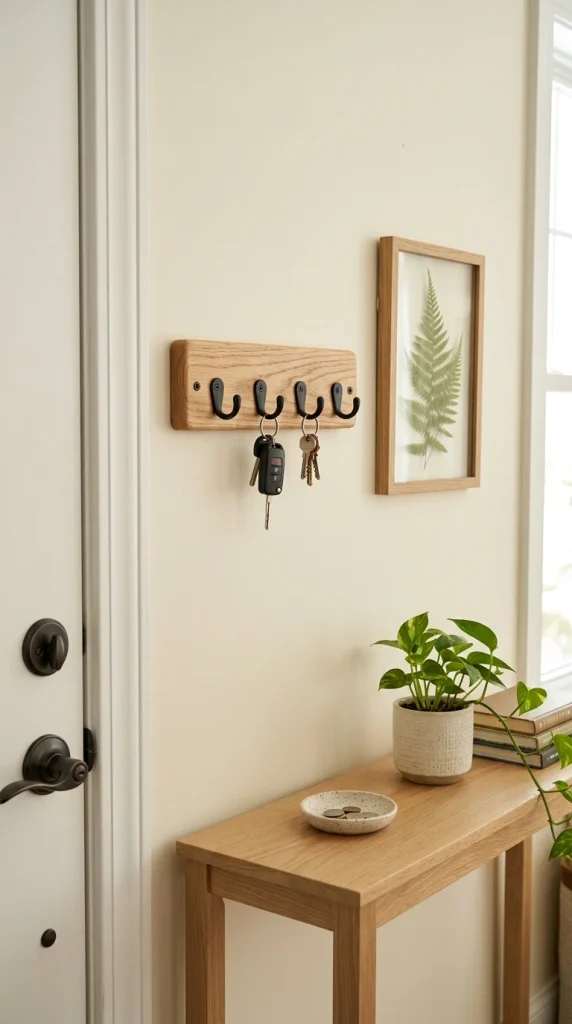
    12. DIY Key Holder

    A DIY key holder can make your entryway more organized and welcoming. Use a small wooden board, a few sturdy hooks, and a finish that matches your home decor. You can personalize it with paint, a simple pattern, or a small decorative label. Mount it near the entrance at a convenient height so family members can easily find and return their keys.

    13. Fabric Lampshade Makeover

    A fabric lampshade makeover is a simple way to refresh an old lamp and update your room’s style. Choose a suitable fabric in a color or pattern that works with your existing decor. Carefully measure the shade and attach the fabric using materials appropriate for lampshade use. Keep fabric away from bulbs and follow the lamp manufacturer’s heat and clearance requirements to ensure safe use.

    14. Rope Storage Baskets

    Rope storage baskets combine practical organization with a natural decorative look. You can make one by wrapping sturdy cotton rope around a suitable base and securing it with craft adhesive or stitching. Use the finished basket to store blankets, magazines, toys, or everyday accessories. Choose a size and color that suit your room while keeping frequently used items easy to reach.

    15. Decorative Mirror Frame

    A decorative mirror frame can turn a plain mirror into an attractive feature in your home. Refresh an existing frame with paint, wooden trim, or other lightweight decorative materials suitable for the mirror. Choose a finish that complements your furniture and wall colors. Place the mirror in an entryway, bedroom, or living room where it can reflect natural light and make the space feel brighter.

    16. Painted Accent Wall

    A painted accent wall is an effective way to change the mood of a room without decorating every surface. Choose a color that complements your furniture, flooring, and existing accessories. Soft green, warm beige, muted blue, and terracotta can create different looks depending on your interior style. Prepare the wall properly and use painter’s tape to achieve clean edges and a professional-looking finish.

    17. Coffee Table Centerpiece

    A DIY coffee table centerpiece can make your living room feel more polished and inviting. Arrange a decorative tray with a small vase, a candle holder, or a few carefully chosen accessories. Keep the colors and materials connected to the rest of your room for a balanced appearance. Leave enough empty space for drinks, books, and everyday activities so the table remains useful.

    18. Handmade Seasonal Wreath

    A handmade seasonal wreath is an easy way to decorate your front door or an interior wall. Use a suitable wreath base and add flowers, greenery, ribbons, or natural materials that match the season. Choose colors that complement your entryway instead of making the display feel too busy. You can reuse the base throughout the year by changing the decorations for different occasions.

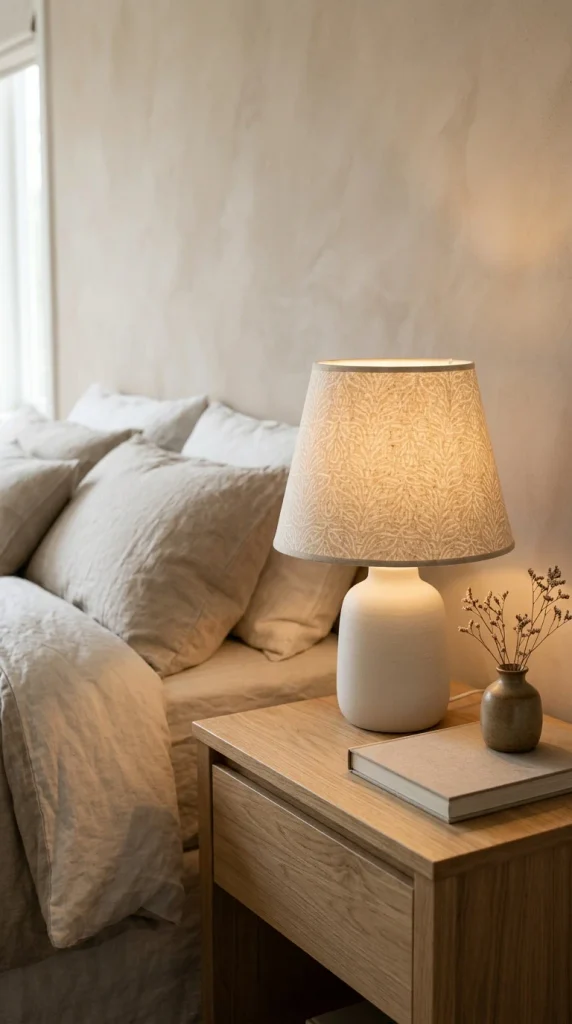
    19. DIY Bedside Table

    A DIY bedside table project can refresh your bedroom and provide useful space for everyday essentials. Repurpose a small wooden table, stool, or sturdy cabinet with a fresh coat of paint or stain. Add a simple drawer organizer or a small shelf if you need extra storage. Finish the look with a lamp, a book, or a small plant while keeping the tabletop comfortable to use.

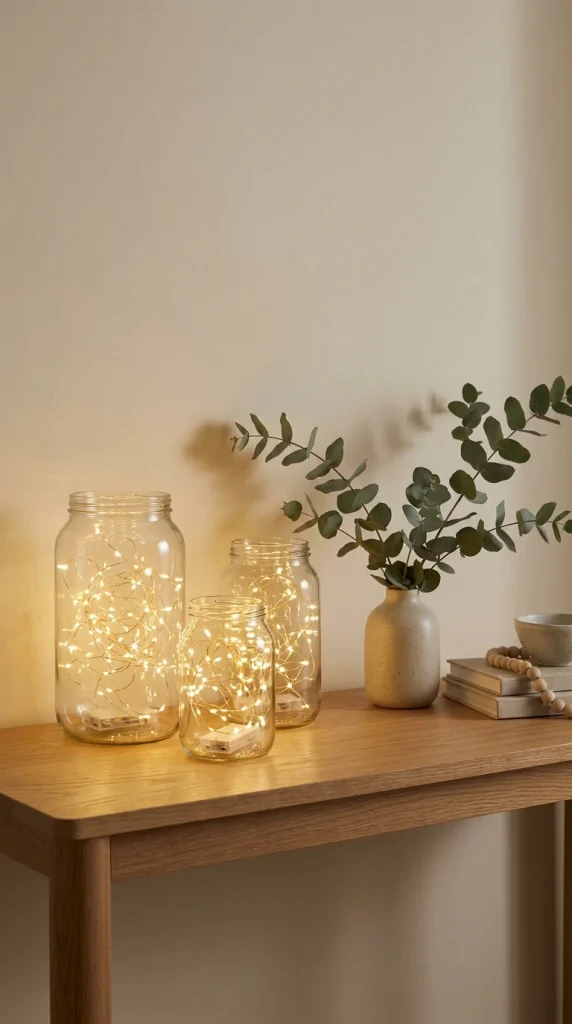
    20. Decorative Jar Lights

    Decorative jar lights can create a gentle glow and add charm to shelves, side tables, or covered outdoor spaces. Place battery-operated fairy lights inside clean glass jars and arrange them with other simple accessories. You can decorate the outside with ribbon or twine, keeping all decorations away from heat sources. For an easy and safer display, choose battery-powered lights designed for decorative use.

    21. Indoor Herb Planter

    An indoor herb planter brings greenery and practical value to your kitchen or sunny windowsill. Choose a suitable container with drainage and fill it with potting mix designed for edible plants. Grow easy herbs such as basil, parsley, or mint in a location with enough light for their needs. Label each plant with a small handmade marker to keep your planter organized and attractive.

    22. Wall-Mounted Jewelry Organizer

    A wall-mounted jewelry organizer helps keep necklaces, bracelets, and earrings tidy while adding a decorative detail to your bedroom. Start with a small wooden board, a framed backing, or another sturdy base that suits your style. Add secure hooks or holders and arrange them to make each piece easy to access. Mount the organizer firmly and place it near your dressing area for convenient everyday use.

    Conclusion

    Simple DIY home decor projects are an affordable way to make your home more beautiful, comfortable, and personal. From handmade wall art to painted furniture and creative storage solutions, small changes can make a noticeable difference. Choose projects that match your budget, available space, and decorating style. With a little creativity and careful planning, you can create a home that feels special without spending too much money.

    Frequently Asked Questions

    1. What are the easiest DIY home decor projects for beginners?

    Some easy projects include painted flower pots, mason jar vases, decorative trays, gallery walls, and seasonal wreaths. These projects require only a few basic supplies and can be completed without advanced crafting skills.

    2. How can I decorate my home on a small budget?

    Reuse furniture, repurpose glass jars, refresh old picture frames, and use leftover paint or fabric. Shopping your own home for unused items is a great way to discover materials for new decorations without buying everything from scratch.

    3. Which DIY home decor projects are best for small spaces?

    Floating shelves, wall-mounted jewelry organizers, gallery walls, and macrame plant hangers work well in small rooms. They help you decorate vertical surfaces while keeping floors, tables, and other useful areas less crowded.

    4. What colors work best for DIY home decor?

    Neutral shades such as beige, cream, white, and warm gray are easy to combine with most interiors. Sage green, dusty blue, terracotta, and muted pink can add personality without overwhelming the room.

    5. What materials do I need for simple DIY home projects?

    Common materials include paint, brushes, wood, fabric, rope, glass jars, hooks, and craft adhesive. The exact supplies depend on your chosen project, so make a short list before shopping to avoid unnecessary expenses.

    6. How can I make DIY decorations look professional?

    Choose a consistent color palette, measure materials carefully, and prepare surfaces before painting or assembling items. Keep decorative arrangements simple, pay attention to finishing details, and avoid overcrowding shelves and tabletops.

    7. How can I choose the right DIY project for my home?

    Start by identifying an area that needs more color, storage, texture, or personality. Consider your budget, available time, skill level, and the materials you already have. Choose one manageable project first and build on your results as your confidence grows.

  • 21 Small Home Upgrades That Make a Big Difference

    21 Small Home Upgrades That Make a Big Difference

    Small changes can make a big difference in how your home looks and feels. With simple, budget-friendly home upgrades, you can create a more stylish, comfortable, and functional space without spending too much. From fresh paint and modern lighting to smart storage and easy DIY home improvements, there are many ways to refresh your home. Whether you live in a small apartment or a large house, these ideas can help you improve your space with less effort. Explore these 21 small home upgrades that make a big difference and give your home a fresh, inviting look.

    1. Fresh Interior Paint

    Fresh interior paint is one of the easiest ways to give your home a new look. Choose soft white, warm beige, or light gray to make rooms feel brighter and more open. You can also paint one accent wall to add color and personality. This simple home upgrade can refresh your space without requiring a large budget.

    2. Modern Light Fixtures

    Modern light fixtures can change the entire mood of a room. Replace old ceiling lights with stylish pendants, simple chandeliers, or modern wall sconces. Choose warm lighting to create a cozy and welcoming atmosphere. This small home improvement adds beauty while making your rooms more comfortable and useful.

    3. Stylish Cabinet Hardware

    Updating cabinet handles and knobs is a simple way to improve your kitchen or bathroom. Choose matte black, brushed gold, or polished silver finishes to match your home decor style. New hardware can make old cabinets look more modern without replacing them. It is an affordable upgrade that adds a clean and finished appearance.

    4. Peel-and-Stick Backsplash

    A peel-and-stick backsplash is a practical option for refreshing your kitchen or bathroom. These easy-to-install panels come in many colors, patterns, and finishes, including marble and subway tile designs. Choose a style that complements your cabinets and countertops. Always check that the product is suitable for your surface and moisture conditions before installation.

    5. Decorative Wall Molding

    Decorative wall molding adds character and elegance to plain walls. You can create simple rectangular panels or classic designs to give your living room or bedroom a more finished look. Paint the molding the same color as the wall for a subtle appearance. This small home upgrade can make an ordinary room feel more polished and thoughtfully designed.

    6. Updated Door Handles

    Replacing old door handles is a quick way to refresh your home’s interior. Choose modern black handles for a bold look or brushed brass for a warm, elegant touch. Keep the finish consistent across nearby rooms to create a coordinated appearance. Before buying new handles, check the existing fittings and measurements to ensure they fit properly.

    7. Floating Wall Shelves

    Floating wall shelves provide extra storage without taking up valuable floor space. They work well in living rooms, bedrooms, kitchens, and bathrooms for displaying books, plants, and decorative accessories. Choose wood shelves for warmth or white shelves for a clean, simple style. Install them securely and avoid placing heavy objects on shelves that are not designed to support them.

    8. Statement Wall Mirrors

    A statement mirror can make a room feel brighter, larger, and more inviting. Place a large mirror opposite or near a window to reflect natural light throughout the space. Round mirrors create a soft look, while rectangular designs suit modern interiors. Choose a frame that complements your furniture and wall colors for a balanced appearance.

    9. Smart Storage Solutions

    Smart storage solutions help keep your home organized and free from everyday clutter. Use baskets, drawer dividers, storage boxes, and furniture with hidden compartments to make better use of available space. Focus on areas that collect clutter, such as entryways, bedrooms, and living rooms. A well-organized home feels calmer, looks cleaner, and is easier to maintain.

    10. Cozy Window Curtains

    New curtains can make your rooms feel softer, warmer, and more stylish. Choose light-colored fabrics to keep small spaces bright or thicker curtains to create a cozy bedroom atmosphere. Hanging curtains slightly above the window frame can make ceilings appear taller. Select a length and fabric that suit your windows while complementing your existing home decor.

    11. Modern Bathroom Fixtures

    Updating bathroom fixtures is a simple way to give your bathroom a fresh appearance. Replace outdated towel bars, toilet paper holders, or shower accessories with modern designs. Matching finishes, such as matte black or brushed nickel, help create a coordinated look. These small changes can make your bathroom feel cleaner and more stylish without a complete renovation.

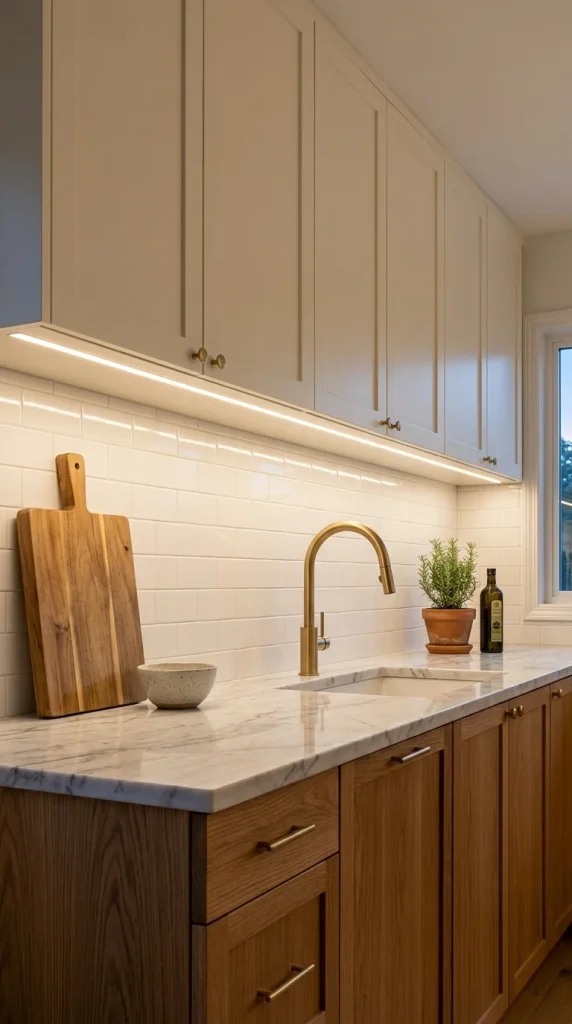
    12. Under-Cabinet Lighting

    Under-cabinet lighting improves both the appearance and function of your kitchen. Install LED strip lights beneath upper cabinets to brighten countertops and make food preparation easier. Warm white lighting creates a cozy feeling, while neutral white provides clear task lighting. Choose suitable moisture-resistant products where needed and follow the manufacturer’s installation instructions.

    13. Beautiful Indoor Plants

    Indoor plants bring natural beauty and freshness into your home. Place them on shelves, side tables, windowsills, or empty corners that need a little life. Choose low-maintenance plants if you have a busy schedule or limited gardening experience. Consider the available sunlight and watering needs before selecting plants to help them stay healthy and attractive.

    14. Fresh Front Door

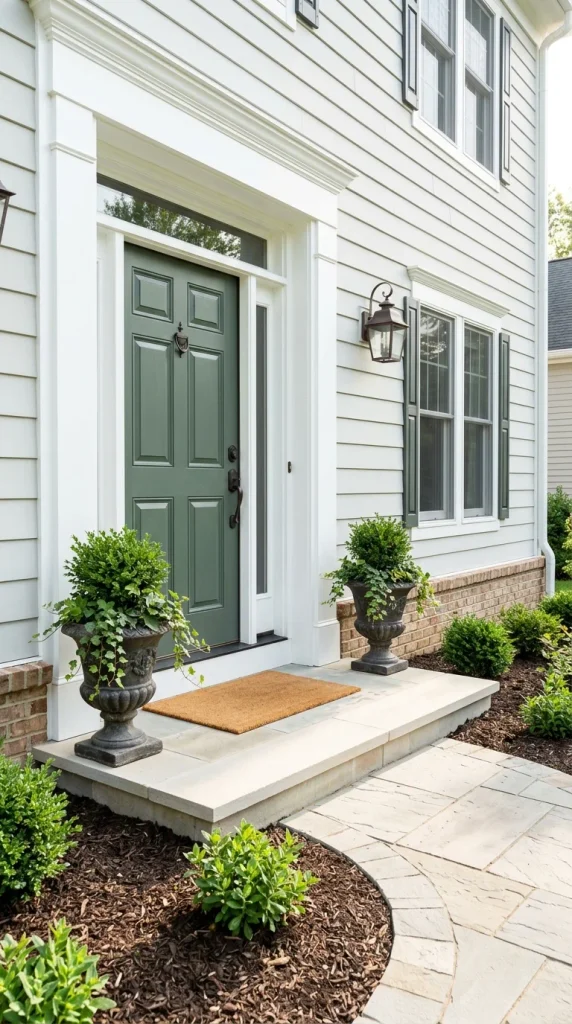
    A fresh front door color can improve your home’s curb appeal and create a welcoming first impression. Try deep green, navy blue, charcoal, or a classic black shade to complement your exterior. Clean the door and prepare the surface properly before applying suitable paint. Adding a clean doormat and a simple planter can complete the refreshed entrance.

    15. Stylish Switch Plates

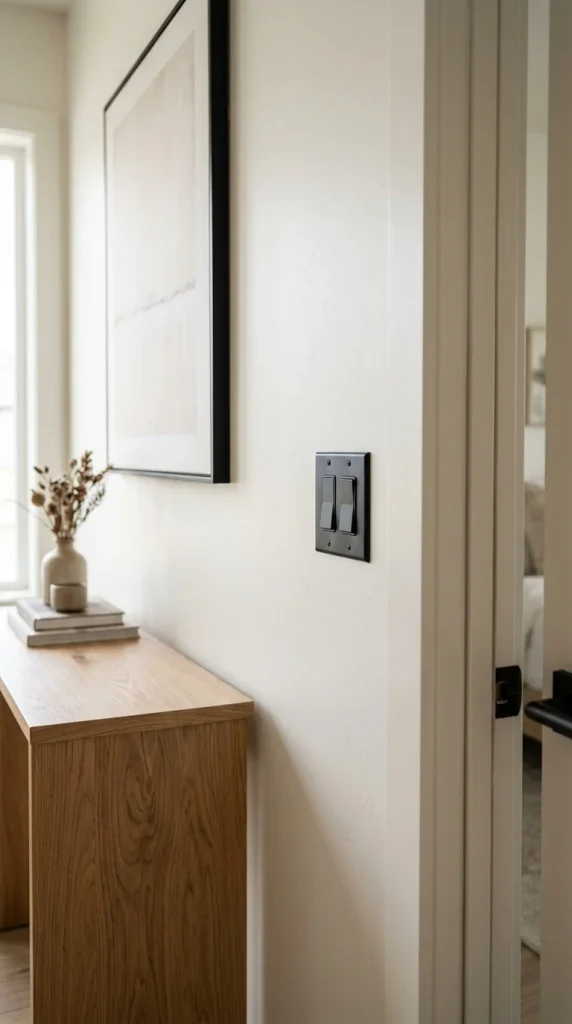
    Switch plates and outlet covers may seem like small details, but they can improve the overall look of a room. Replace yellowed, damaged, or outdated covers with clean white, matte black, or decorative options. Choose designs that work well with your wall color and interior style. Always switch off the relevant power before replacing covers, and use a qualified electrician if electrical work is needed.

    16. Cozy Area Rugs

    An area rug can make a room feel warmer, more comfortable, and visually connected. Choose a soft neutral rug for a calm atmosphere or a patterned design to add personality to a simple space. In living rooms, select a size that fits comfortably beneath the main seating area. A properly sized rug helps define the room while making hard floors more pleasant underfoot.

    17. Modern Kitchen Faucets

    A modern kitchen faucet can improve the appearance and everyday use of your sink area. Choose a pull-down faucet for added convenience or a simple curved design for a clean, contemporary look. Finishes such as stainless steel, matte black, and brushed brass can complement different kitchen styles. Check the number of sink holes and the available space before purchasing a replacement.

    18. Decorative Throw Pillows

    Decorative throw pillows offer an easy and affordable way to refresh your living room or bedroom. Mix different textures, such as cotton, linen, and soft woven fabrics, to create a comfortable layered look. Choose two or three complementary colors to keep the arrangement balanced. Changing pillow covers with the seasons is a simple way to update your home without buying new furniture.

    19. Energy-Efficient Lighting

    Energy-efficient LED bulbs are a practical upgrade for almost any room. They generally use less electricity than traditional incandescent bulbs and often last much longer. Choose warm white bulbs for bedrooms and living areas, and brighter neutral white lighting for workspaces and kitchens. Check the bulb base, brightness, and compatibility with dimmer switches before making a replacement.

    20. Organized Closet Spaces

    An organized closet makes it easier to find clothes and keep your bedroom tidy. Use matching hangers, shelf dividers, small storage baskets, and drawer organizers to create a more functional arrangement. Store frequently used items where they are easy to reach and place seasonal belongings on higher shelves. You can improve closet storage without expensive remodeling by making better use of the space you already have.

    21. Welcoming Entryway Decor

    A welcoming entryway helps your home feel organized and inviting from the moment you walk inside. Add a small console table, a decorative mirror, a basket for shoes, or a few hooks for everyday essentials. Keep the colors and accessories simple so the area does not feel crowded. Even a small entrance can become more practical and attractive with a few thoughtful changes.

    Conclusion

    Small home upgrades can transform your living space without the cost and effort of a major renovation. From fresh paint and modern lighting to smart storage and stylish accessories, simple improvements can make your home more comfortable, organized, and beautiful. Start with the areas that need the most attention and choose changes that suit your budget and personal style. With a little creativity, you can make a big difference one small upgrade at a time.

    Frequently Asked Questions

    1. What are the best small home upgrades on a budget?

    Fresh paint, new cabinet hardware, LED bulbs, decorative pillows, and floating shelves are excellent budget-friendly options. These changes can improve your home’s appearance without requiring expensive materials or professional renovations.

    2. How can I upgrade my home without renovating?

    Focus on cosmetic changes that do not require major construction. Update light fixtures, replace old handles, add curtains, organize storage, and introduce mirrors or indoor plants to refresh your rooms.

    3. Which home upgrades make a small room look bigger?

    Light wall colors, large mirrors, floating shelves, and appropriately sized rugs can help small rooms feel more spacious. Keeping surfaces clear and using furniture with visible legs can also make a room feel less crowded.

    4. What home upgrades add the most style to a room?

    Modern lighting, fresh paint, decorative wall molding, coordinated hardware, and attractive curtains can make a noticeable difference. Choose upgrades that complement each other instead of mixing too many competing styles.

    5. What colors are best for small home upgrades?

    Warm white, soft beige, light gray, and muted sage green work well in many interiors. You can introduce deeper colors, such as navy or charcoal, through accent walls, cabinet hardware, pillows, or smaller decorative items.

    6. Can I make home upgrades without hiring a professional?

    Yes, many simple upgrades, such as painting walls, organizing closets, installing suitable floating shelves, and changing decorative accessories, are manageable DIY projects. However, electrical work, plumbing changes, and installations requiring specialized skills should be handled by qualified professionals.

    7. How do I decide which home upgrade to do first?

    Start with the areas that affect your daily comfort or create the most clutter. Set a budget, compare the cost of different improvements, and choose one or two manageable projects at a time. This approach helps you improve your home gradually without overspending.

  • 22 Home Renovation Ideas to Transform Your Space Into a Stylish and Comfortable Home

    22 Home Renovation Ideas to Transform Your Space Into a Stylish and Comfortable Home

    Home renovations can transform your space into a stylish, comfortable, and functional home. Whether you want a small update or a complete home makeover, simple changes can make a big difference. From modern home improvements to cozy room updates, there are many ways to refresh your interior. These home renovation ideas can help improve both the look and everyday comfort of your home. Explore these 22 ideas to find inspiration for your next home improvement project.

    1. Refresh the Kitchen Cabinets

    Refreshing your kitchen cabinets can quickly change the overall look of your kitchen. You can paint them in a soft neutral shade or choose a deeper color for a bold update. Replacing old handles with modern hardware can also make the cabinets feel new. This is a practical renovation idea that adds style without changing the entire kitchen.

    2. Upgrade the Kitchen Countertops

    New countertops can give your kitchen a cleaner and more finished appearance. Materials like quartz, granite, or durable laminate offer different looks and price points. Choose a surface that works well with your cabinets and backsplash. A simple countertop upgrade can make the kitchen more functional and attractive.
    3. Create an Open-Concept Living Space

    Opening up a cramped layout can make your home feel brighter and more spacious. If the structure allows it, removing a non-load-bearing wall can connect the kitchen, dining, and living areas. This layout makes everyday activities and entertaining easier. Always check with a professional before removing or changing walls.

    4. Add a Statement Kitchen Backsplash

    A new backsplash is an easy way to add personality during a kitchen renovation. Subway tile, patterned tile, stone, and handmade-look finishes can create different styles. Choose colors that complement your cabinets and countertops. A well-planned backsplash can also protect the wall behind your cooking area.

    5. Update the Bathroom Vanity

    Replacing an outdated bathroom vanity can instantly make the room feel fresher. Choose a vanity with enough storage for towels, toiletries, and everyday essentials. A simple wood finish can add warmth, while a clean white design creates a brighter look. Pair it with a modern mirror and suitable lighting for a complete update.

    6. Install a Walk-In Shower

    A walk-in shower can make a bathroom feel more open and comfortable. Frameless glass panels can create a clean appearance, while built-in niches provide useful storage. Choose slip-resistant flooring for better everyday safety. This renovation works especially well when you want a practical bathroom with a modern feel.

    7. Refresh the Bathroom Flooring

    Updating the bathroom floor can completely change the feel of the space. Porcelain, ceramic, and stone-look tiles offer many attractive options. Choose a durable and moisture-resistant material that can handle daily use. A simple neutral floor can also make the bathroom easier to style with different colors and accessories.

    8. Create a Cozy Living Room

    A living room renovation does not always require major construction. Fresh paint, comfortable seating, updated flooring, and better lighting can make the room feel completely different. Arrange furniture to encourage conversation and keep the walkway clear. Add a rug and a few warm textures to create a comfortable atmosphere.

    9. Upgrade the Fireplace Wall

    The fireplace can become a beautiful focal point with the right renovation. Consider updating the surround with stone, tile, brick, or a simple painted finish. A new mantel can provide space for artwork and carefully chosen decor. Keep the design balanced so the fireplace feels connected to the rest of the room.

    10. Add Built-In Storage

    Built-in storage can help make your home more organized while adding a polished look. Consider shelves around a fireplace, cabinets under stairs, or storage along an empty wall. Choose finishes that match your interior style for a seamless appearance. This renovation is especially useful when you want to reduce clutter without sacrificing floor space.

    11. Transform the Entryway

    The entryway sets the tone for the rest of your home. A fresh coat of paint, a practical console, wall hooks, and a small bench can make this area more useful. Add a mirror to reflect light and make the space feel larger. Keep the decor simple so the entrance stays welcoming and easy to use.

    12. Update Interior Doors

    Replacing old interior doors can give your home a subtle but noticeable upgrade. Modern panel doors, glass doors, or simple wood designs can complement different decorating styles. Choose matching hardware throughout the home for a more coordinated appearance. This small renovation can make older rooms feel cleaner and more updated.

    13. Refresh the Staircase

    A staircase can become an attractive feature instead of simply serving as a passage between floors. You can update the railing, refinish wooden steps, or replace worn carpet. A simple runner can add comfort and visual interest. Choose materials and finishes that work naturally with the flooring and colors around the staircase.

    14. Add Stylish Wall Paneling

    Wall paneling can add character and architectural interest to plain rooms. Simple vertical panels, traditional molding, or modern geometric designs can create a beautiful feature wall. Paint the paneling in the same color as the wall for a subtle effect. It works well in living rooms, bedrooms, dining rooms, and entryways.

    15. Upgrade the Lighting Fixtures

    Good lighting can make a renovated space feel warmer and more inviting. Replace outdated fixtures with pendant lights, chandeliers, sconces, or modern ceiling lights that suit the room. Use different layers of lighting for general, task, and accent purposes. Choosing the right fixtures can improve both the mood and function of your home.

    16. Install New Flooring

    New flooring can make several rooms feel fresh and connected. Hardwood, engineered wood, luxury vinyl, tile, and laminate each offer different benefits. Consider durability and maintenance as well as appearance when choosing a material. A consistent flooring style can also create a smoother flow between connected spaces.

    17. Create a Functional Home Office

    A home office renovation can give you a comfortable place to work, study, or manage daily tasks. Start with a suitable desk, supportive chair, and enough storage to keep supplies organized. Add good lighting near the workspace to reduce eye strain. Keep the design simple and calm so the room feels productive rather than crowded.

    18. Improve Bedroom Storage

    Better bedroom storage can make the space feel calmer and more organized. Consider built-in wardrobes, under-bed drawers, floating shelves, or a well-planned closet system. Choose storage that uses available wall and floor space efficiently. Keeping everyday items organized can make the bedroom feel more comfortable and relaxing.

    19. Refresh the Laundry Room

    A laundry room renovation can make everyday chores easier and more enjoyable. Add cabinets or shelves for detergents, cleaning supplies, and linens. A countertop above front-loading machines can provide a useful folding surface. Light colors, durable flooring, and good lighting can also make the room feel cleaner and more spacious.

    20. Upgrade the Outdoor Living Area

    Renovating an outdoor living area can give your home more usable space. A comfortable seating area, durable flooring, outdoor lighting, and weather-resistant furniture can create a welcoming extension of the interior. Choose materials that can handle your local weather. Keep the design practical so the area remains easy to maintain.

    21. Create a Beautiful Patio

    A renovated patio can become a relaxing place for meals, gatherings, or quiet evenings. Start with durable paving or decking and add comfortable outdoor seating. Planters, soft lighting, and a simple outdoor rug can make the area feel more inviting. Keep the layout open enough for easy movement and everyday use.

    22. Add Fresh Paint Throughout the Home

    Fresh paint is one of the simplest ways to transform your home without a major renovation. Soft whites, warm neutrals, beige, and light earthy tones can create a calm and timeless backdrop. For more personality, use a deeper shade on one feature wall. Choose finishes based on how much cleaning and daily use each room receives.

    Conclusion

    Home renovations can make your space more comfortable, practical, and beautiful without requiring every room to be completely rebuilt. From updated kitchens and bathrooms to better storage, lighting, flooring, and outdoor areas, small improvements can create a noticeable change. Choose renovations that match your needs, budget, and personal style to create a home that feels truly yours.

    Frequently Asked Questions

    1. What is the best home renovation to start with?

    Start with the area that causes the most problems in your daily life. Kitchens, bathrooms, storage, and flooring are often good places to begin because they can improve both function and appearance.

    2. How can I renovate my home on a small budget?

    Focus on affordable changes such as painting, updating cabinet hardware, replacing light fixtures, refreshing doors, or adding simple storage. These improvements can create a fresh look without a large construction budget.

    3. What home renovations add the most style?

    Kitchen updates, bathroom improvements, new flooring, statement lighting, wall paneling, and fresh paint can have a strong visual impact. Choose finishes that work together rather than trying to use too many different styles.

    4. What renovations work best for small homes?

    Built-in storage, lighter paint colors, efficient layouts, multifunctional furniture, and improved lighting are useful for small spaces. These changes can make rooms feel more open while providing practical storage.

    5. Which materials are best for home renovations?

    Choose materials based on the room and how it will be used. Durable tile works well in bathrooms, quartz can be practical for kitchen countertops, and hard-wearing flooring is useful in busy areas.

    6. How do I choose colors for a home renovation?

    Start with colors you already enjoy and consider the amount of natural light in each room. Warm neutrals create a timeless base, while muted greens, blues, or earthy shades can add personality without overwhelming the space.

    7. Should I renovate one room at a time?

    Renovating one room at a time can make it easier to control your budget, schedule, and daily routine. Start with the room that needs the most attention and create a clear plan before moving on to the next area.

  • 23 IKEA IVAR Makeover Ideas to Turn Basic Storage Into Stylish Decor

    23 IKEA IVAR Makeover Ideas to Turn Basic Storage Into Stylish Decor

    IKEA IVAR makeovers are a simple way to turn basic storage into beautiful, personalized furniture for your home. With a little paint, stain, new hardware, or decorative trim, an IKEA IVAR cabinet can easily match your style. These IKEA IVAR hacks work well for living rooms, bedrooms, entryways, dining rooms, and home offices. Whether you love modern, Scandinavian, farmhouse, or cozy interiors, there are plenty of ways to customize IVAR storage. These budget-friendly IKEA furniture makeovers can add both style and useful storage without a large renovation. Explore these creative IKEA IVAR ideas to give simple cabinets a fresh and custom look.

    1. Painted IKEA IVAR Cabinets

    A fresh coat of paint can completely change the simple look of an IKEA IVAR cabinet. Choose a soft white, warm beige, sage green, or muted blue to match your room. Lightly sand the wood first so the paint has a smooth surface to grip. Add simple handles in brass, black, or wood for a polished finishing touch.

    2. Dark Wood Stained IVAR

    A dark wood stain can give an IKEA IVAR cabinet a richer and more elegant appearance. Deep walnut, espresso, or medium brown tones work especially well in cozy living rooms and bedrooms. The natural wood grain can still show through, making the piece feel warm and authentic. Pair it with neutral walls and simple decor for a timeless look.

    3. Two-Tone IVAR Cabinet

    Give your IVAR cabinet more character by using two complementary colors. You could paint the cabinet frame a warm neutral while keeping the doors natural wood. Another option is to use one color on the doors and a slightly darker shade on the base. This simple contrast makes the storage piece look more custom and interesting.

    4. IVAR Floating Sideboard

    Mounting an IVAR cabinet on the wall can create a clean and modern floating sideboard. Leaving some open space underneath makes the room feel lighter and less crowded. Use the top surface for artwork, books, lamps, or a few decorative objects. This idea works particularly well in small living rooms and dining areas.

    5. Wall-Matched IVAR Storage

    Paint your IVAR cabinet in the same color as the wall behind it for a calm, built-in appearance. This helps the storage blend into the room instead of becoming a strong visual focal point. Add matching or subtle hardware to keep the look simple. It is a great choice when you want plenty of storage without making the room feel busy.

    6. IVAR Media Console

    Turn an IVAR cabinet into a stylish media console for your living room. Use several units together to create enough space for a television, gaming equipment, books, and other accessories. Cable openings can help keep wires organized and hidden. Style the top with a few simple pieces rather than filling every available space.

    7. Fluted IVAR Cabinet

    Fluted details can make a basic IVAR cabinet look much more sophisticated. Add vertical wood strips or a suitable decorative panel to the cabinet doors for extra texture. Keep the rest of the design simple so the textured doors remain the main feature. Natural wood tones or warm neutral paint work beautifully with this style.

    8. IVAR with Brass Handles

    Changing the handles is one of the easiest ways to upgrade an IKEA IVAR cabinet. Brass handles can add a warm, elegant touch without requiring a major makeover. Choose simple pulls or small knobs depending on the look you want. Combine them with creamy paint or natural wood for a soft and timeless finish.

    9. IVAR with Leather Pulls

    Leather pulls can give an IVAR cabinet a relaxed and slightly rustic personality. Choose tan, brown, or black leather depending on your room’s color palette. The soft material creates a nice contrast against the simple wooden cabinet. This makeover works especially well with Scandinavian, farmhouse, or cozy modern decor.

    10. Color-Blocked IVAR

    Use different paint colors to create a fun color-blocked IVAR makeover. You might use one shade for the doors, another for the frame, and a neutral tone for small details. Keep the colors within the same general palette so the cabinet still looks balanced. This is a simple way to make plain storage feel more personal.

    11. Patterned IVAR Doors

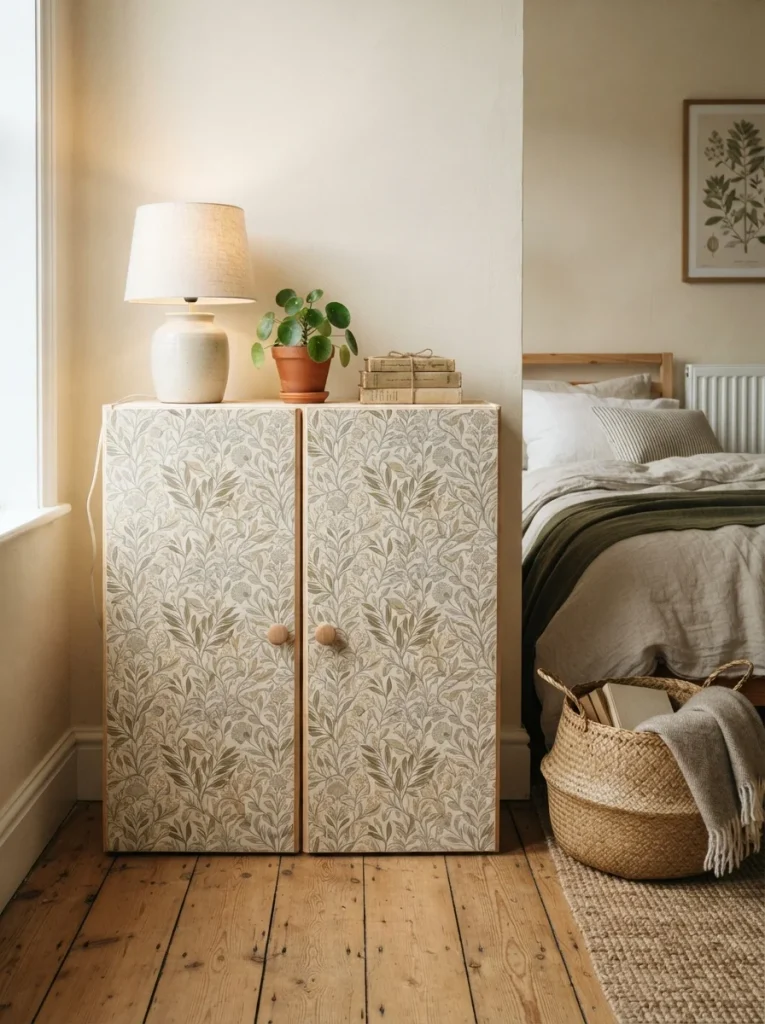
    Decorative patterns can turn plain IVAR doors into a statement piece. Consider adding wallpaper, geometric designs, subtle prints, or painted shapes to the front panels. Choose a pattern that connects with the colors already used in your room. Keep the surrounding furniture simple so the patterned cabinet does not overwhelm the space.

    12. Built-In IVAR Storage Wall

    Combine multiple IVAR units to create a larger storage wall that feels more intentional. You can use the cabinets across one wall and add trim around the edges for a more finished appearance. Paint everything in one color to create a unified look. This is useful for storing books, baskets, electronics, tableware, or everyday household items.

    13. IVAR Dining Room Cabinet

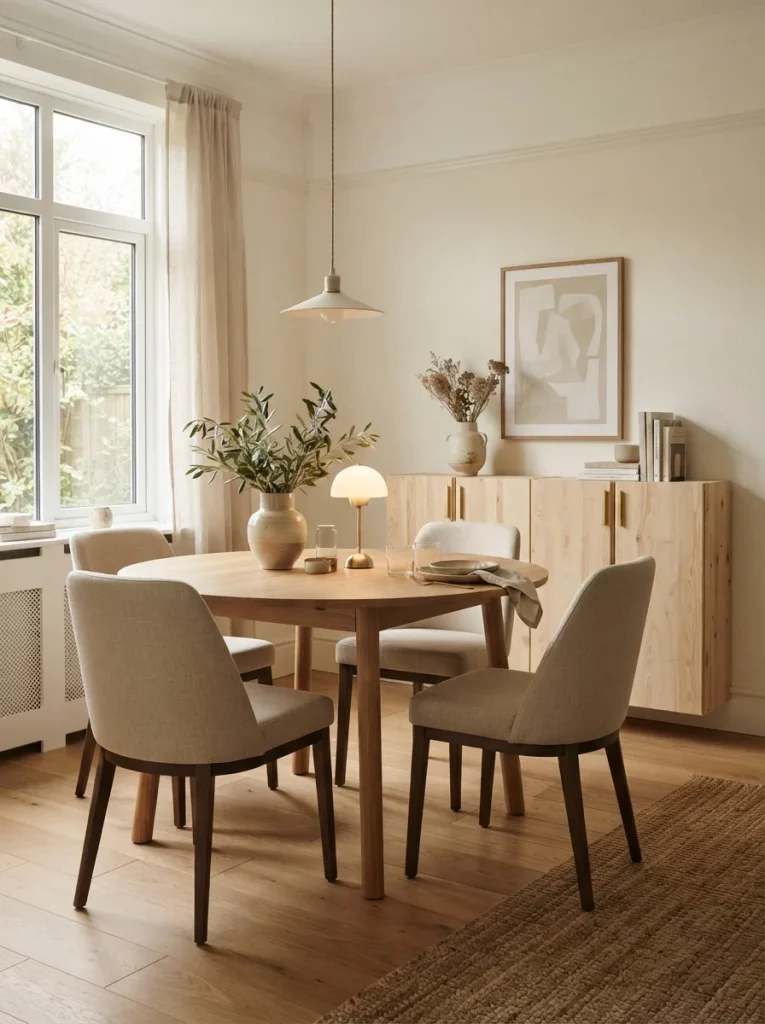
    An IVAR cabinet can become useful dining room storage for plates, serving pieces, linens, and table accessories. Choose a finish that works with your dining table and chairs for a coordinated look. Add attractive hardware and style the top with a lamp, artwork, or a small vase. It can provide practical storage while also adding warmth to the room.

    14. IVAR Home Office Storage

    Use an IVAR cabinet to keep your home office organized without sacrificing style. Store paperwork, office supplies, electronics, and extra materials behind the doors. Add baskets or small organizers inside to make better use of the shelves. A soft painted finish can help the cabinet blend naturally with a calm and productive workspace.

    15. IVAR Entryway Cabinet

    An IVAR cabinet can provide valuable storage in an entryway where clutter tends to build up quickly. Use it for shoes, bags, seasonal accessories, umbrellas, or everyday essentials. Keep the top surface mostly clear and add a small tray or decorative object. A light finish can make a narrow entryway feel brighter and more organized.

    16. IVAR Bedroom Storage

    Bring an IVAR cabinet into the bedroom for simple and flexible storage. It can hold folded clothing, bedding, accessories, or other items that you want to keep out of sight. Choose a warm neutral or natural wood finish to create a relaxing atmosphere. Add matching baskets inside if you need smaller compartments for everyday items.

    17. IVAR Kids’ Room Storage

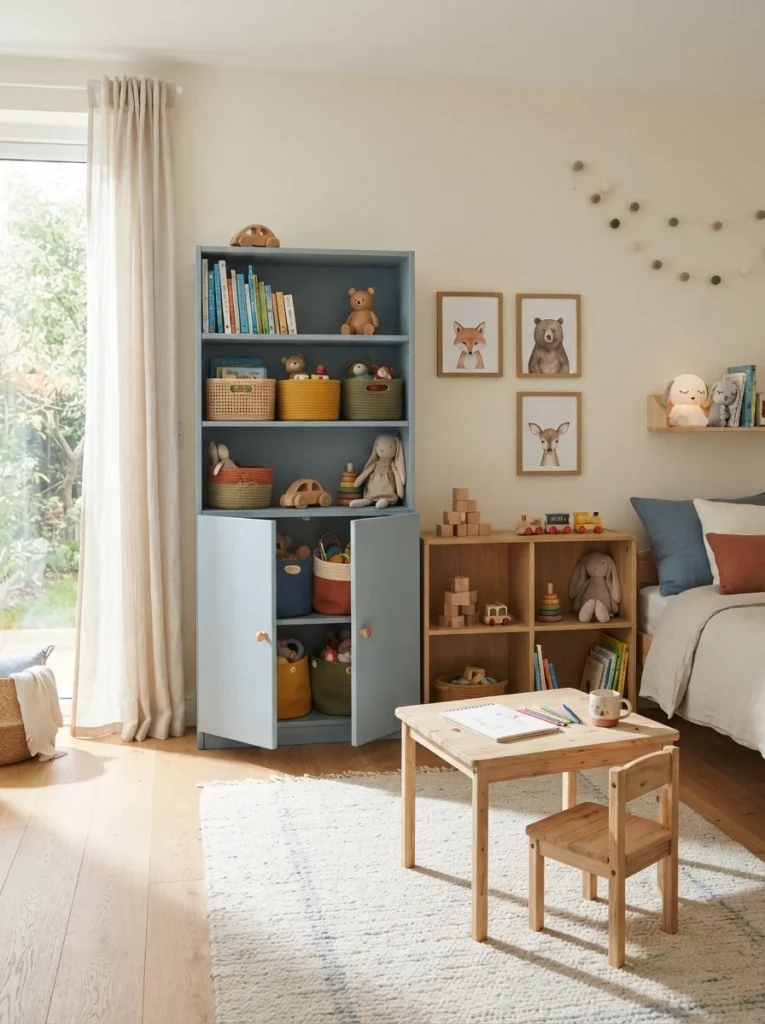
    IVAR can also work well in a child’s room when you need practical storage that can grow with the space. Paint it in a cheerful but calming color and use baskets for toys, books, or craft supplies. Keep frequently used items within easy reach while storing less-used belongings higher up. Simple hardware can also make the cabinet easier for children to use.

    18. IVAR Plant Display

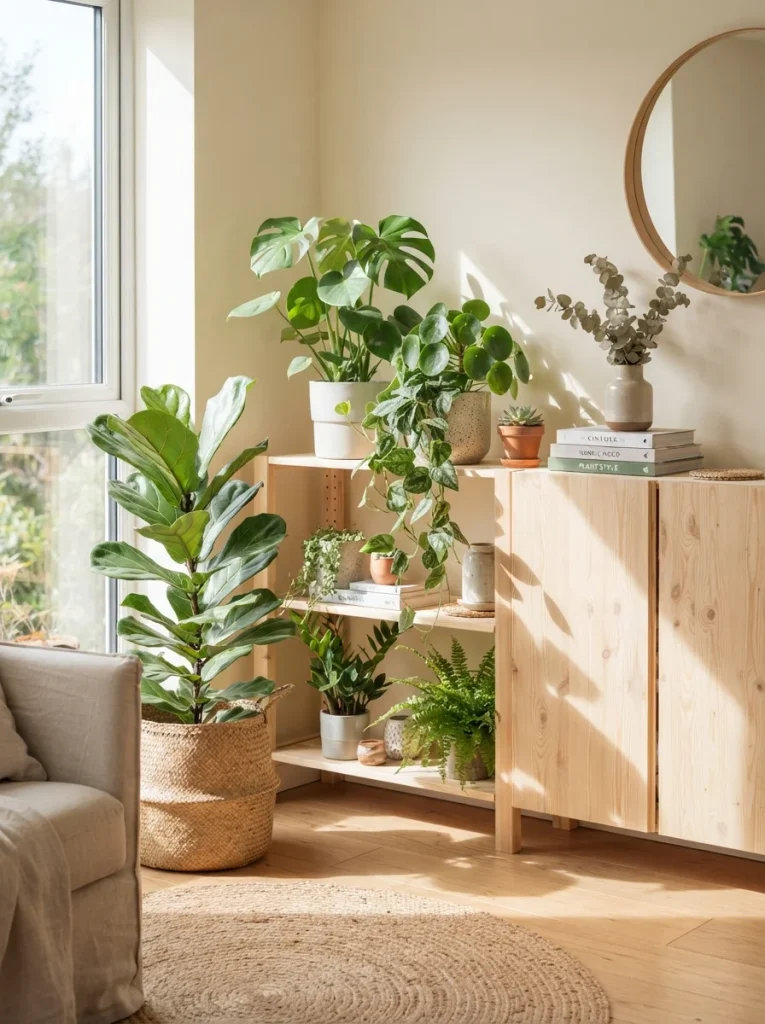
    Turn an IVAR unit into a stylish plant display by using the top and open areas for greenery. Place plants of different heights together to create a relaxed and natural arrangement. Use the cabinet itself to hide gardening supplies, pots, and other small items. Natural wood works especially well with green plants and creates a warm connection to nature.

    19. IVAR Bar Cabinet

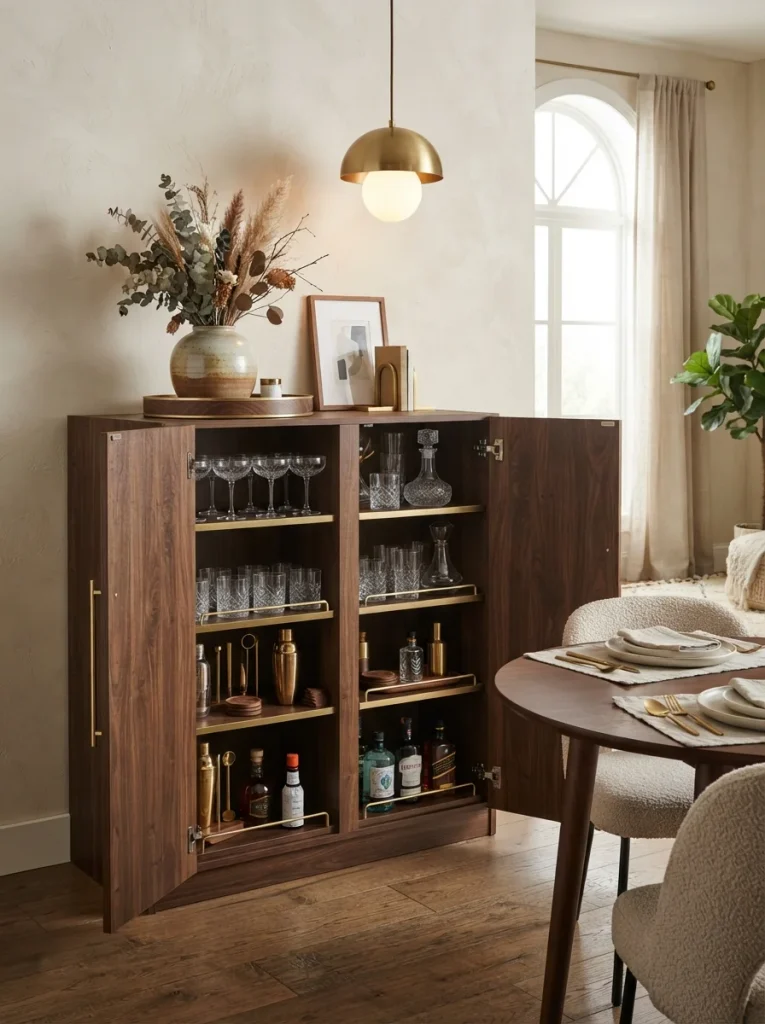
    An IVAR cabinet can be transformed into a dedicated entertaining and serving station. Use the shelves to organize glassware, serving pieces, napkins, and other bar accessories. Add decorative hardware and a refined paint or wood finish to make it feel more furniture-like. A small tray on top can create an attractive serving area when guests visit.

    20. IVAR Craft Storage

    Create an organized craft station with an IVAR cabinet that keeps supplies hidden but easy to access. Use boxes, baskets, and small containers inside to separate materials by type. Labeling the storage can make it easier to find everything when working on a project. A cheerful paint color can also make the craft area feel creative and inviting.

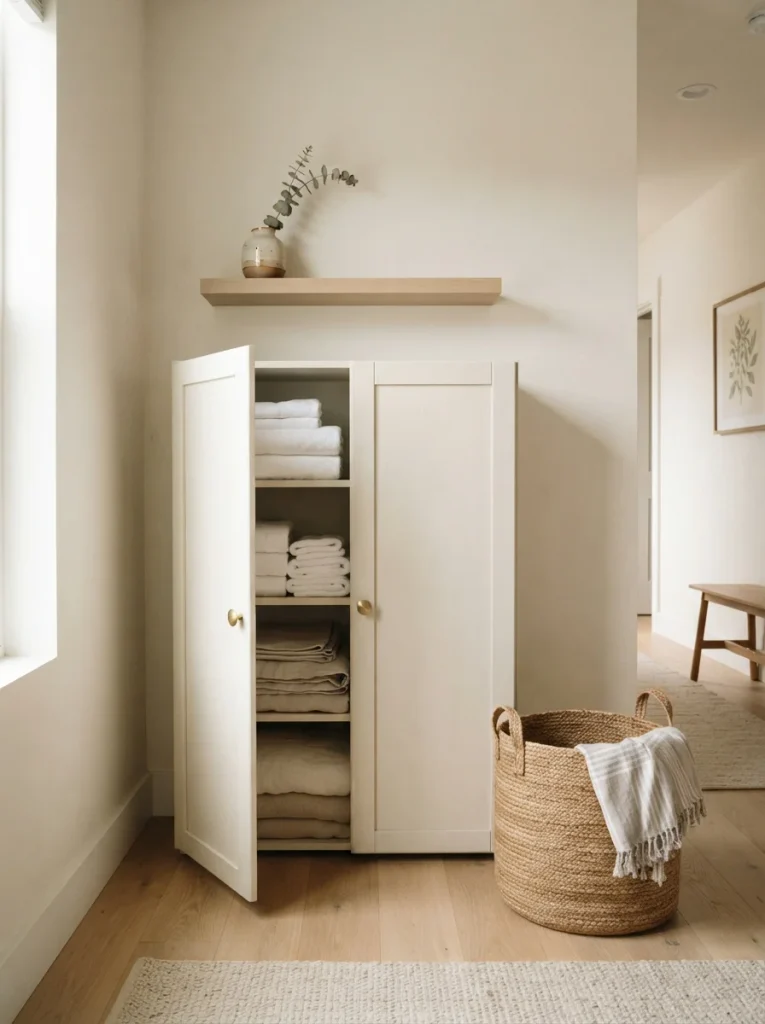
    21. IVAR Linen Cabinet

    Use an IVAR cabinet as a dedicated place for towels, sheets, blankets, and other household linens. Fold everything neatly and use baskets to separate smaller items. A soft white, cream, or natural wood finish can give the cabinet a clean and peaceful appearance. Place it in a hallway, bedroom, bathroom area, or laundry space where extra storage is useful.

    22. IVAR Open-and-Closed Storage

    Combine open shelves with closed IVAR cabinets to create a storage setup that is both practical and decorative. Keep attractive books, baskets, plants, and accessories on the open sections. Use the closed cabinets for items you would rather keep hidden. This balance helps the space feel organized without looking too uniform or cluttered.

    23. IVAR Armoire Makeover

    Give your IVAR units a more substantial furniture look by creating an armoire-style storage piece. Use multiple cabinets or units together and finish them in one consistent color or wood tone. Decorative trim and attractive hardware can help create a more built-in appearance. It is a useful solution when you want generous storage with a custom furniture feel.

    Conclusion

    IKEA IVAR makeovers are an easy way to turn simple storage into furniture that feels personal and stylish. Paint, stain, new hardware, decorative details, and thoughtful placement can completely change the look of the basic pieces. Whether you need storage for a living room, bedroom, office, or entryway, IVAR gives you plenty of room to create a practical setup that fits your home.

    Frequently Asked Questions

    1. Are IKEA IVAR makeovers expensive?

    They can be very budget-friendly, especially if you only change the paint and hardware. Larger makeovers may cost more when you add trim, decorative panels, or multiple IVAR units. Set a budget before buying extra materials so the project stays affordable.

    2. What paint colors work best for an IKEA IVAR makeover?

    Warm white, cream, beige, sage green, muted blue, charcoal, and earthy tones are popular choices for a home decor look. The best color depends on your existing furniture, wall color, and overall room style. Testing a small area first can help you choose with confidence.

    3. Can IKEA IVAR work in a small room?

    Yes, IVAR can be useful in small spaces when planned carefully. Wall-mounted or compact arrangements can keep more floor area open. Choose lighter colors and avoid overcrowding the top with decorative items to maintain an airy appearance.

    4. How can I make an IKEA IVAR look more expensive?

    A smooth paint finish, attractive hardware, simple decorative trim, and careful styling can make a basic IVAR look more refined. Keeping the design consistent also helps. Instead of adding many decorations, choose a few pieces that complement the cabinet.

    5. Can IKEA IVAR be used as built-in storage?

    Yes, multiple IVAR units can be arranged together to create a larger built-in-style storage system. Adding trim around the edges and using one consistent finish can make separate pieces appear more connected. Measure the wall carefully before planning the arrangement.

    6. Should I paint or stain an IKEA IVAR cabinet?

    Choose paint if you want a specific color or a more finished appearance. Stain is a good option when you want to highlight the natural wood grain and create a warmer look. Both can work beautifully depending on the style of your room.

    7. What rooms are best for IKEA IVAR makeovers?

    IVAR can be adapted for many rooms, including living rooms, bedrooms, dining rooms, entryways, home offices, craft rooms, and children’s spaces. Its simple design makes it easy to customize for different storage needs. The key is choosing a finish and layout that suit the room.

  • 22 Cozy Home Decor Ideas to Make Your Space Feel Warm and Inviting

    22 Cozy Home Decor Ideas to Make Your Space Feel Warm and Inviting

    Creating a cozy home is all about making your space feel warm, comfortable, and welcoming. With the right colors, soft textures, natural materials, and thoughtful decor, even a simple room can feel more inviting. You don’t need a big budget or a complete makeover to create a cozy atmosphere. Small touches like layered lighting, plush pillows, warm rugs, and personal accents can make a beautiful difference. In this guide, discover 22 Cozy Home Decor Ideas to Make Your Space Feel Warm and Inviting and turn your home into a relaxing place you’ll love spending time in.

    Absolutely — below is the complete article section with all 22 ideas, followed naturally by the Conclusion and Frequently Asked Questions.

    1. Warm Neutral Color Palette

    Warm neutral colors like beige, cream, taupe, soft brown, and warm white can instantly make a home feel calm and welcoming. These shades create a soft background that works well with different decorating styles. Add a few darker wood or earthy accents for depth and character. Keeping the palette simple also makes your rooms feel more peaceful and comfortable.

    2. Soft Layered Lighting

    Lighting plays an important role in creating a cozy home atmosphere. Instead of depending only on bright ceiling lights, combine table lamps, floor lamps, wall lights, and small accent lights. Choose warm-toned bulbs to create a softer glow in the evening. Layered lighting can make even a simple room feel relaxing and inviting.

    3. Cozy Throw Blankets

    A soft throw blanket is an easy way to add warmth and comfort to your living space. Drape one casually over a sofa, armchair, or the end of your bed for a relaxed look. Choose materials such as knitted cotton, wool, fleece, or textured fabric. Neutral or earthy colors can blend beautifully with most cozy home decor.

    4. Plush Accent Pillows

    Adding several comfortable pillows can make sofas and beds look much more inviting. Mix different sizes, textures, and simple patterns without making the arrangement feel too busy. Colors such as cream, caramel, beige, rust, and soft green work beautifully in cozy spaces. Arrange the pillows loosely so the room feels comfortable rather than overly formal.

    5. Textured Area Rugs

    An area rug can instantly make a room feel warmer and more comfortable underfoot. Choose a soft, textured rug for the living room, bedroom, or reading corner. A neutral rug can create a calm foundation, while a subtle pattern can add personality. Make sure the rug is large enough to visually connect the main furniture pieces.

    6. Natural Wood Accents

    Natural wood brings warmth and an organic feeling into a home. You can introduce it through coffee tables, shelves, side tables, picture frames, or decorative trays. Light and medium wood tones work especially well with soft neutral colors. Even a few wooden details can make a room feel more grounded and welcoming.

    7. Cozy Candle Displays

    Candles can add a warm glow and relaxing feeling to your home, especially during evenings. Place them together on a decorative tray, mantel, coffee table, or dining table. Use simple candle holders that match your room’s style and color palette. For everyday decorating, flameless candles can also provide a similar cozy look.

    8. Indoor Plants and Greenery

    Indoor plants bring freshness and natural beauty into cozy rooms. Place greenery on shelves, side tables, windowsills, or empty corners to make the space feel more alive. Choose low-maintenance plants if you want an easy decorating option. Simple ceramic or woven planters can also add texture while keeping the overall look warm and natural.
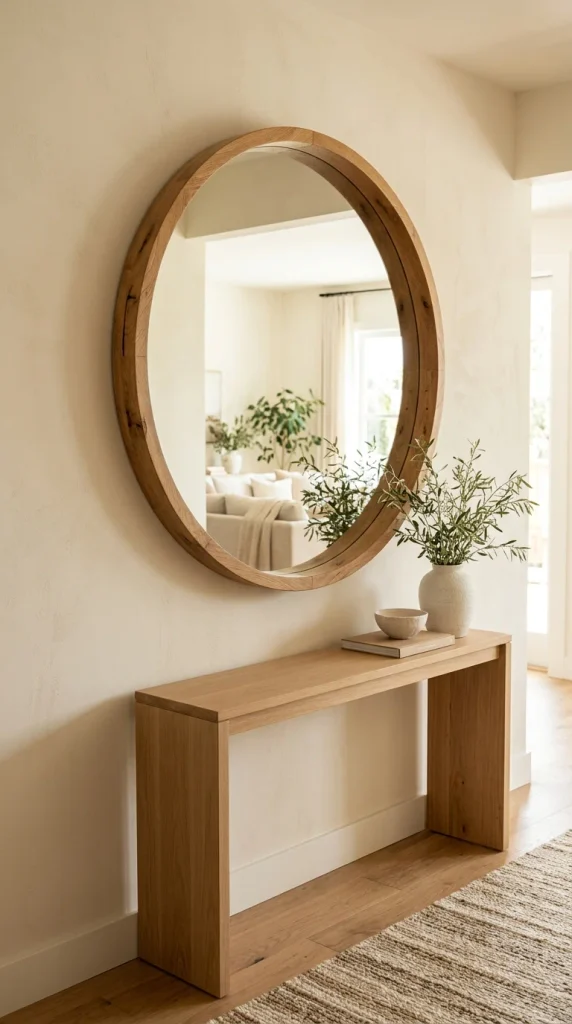
    9. Woven Baskets for Storage

    Woven baskets are a practical way to keep your home organized while adding cozy texture. Use them to store blankets, pillows, magazines, toys, or everyday items. Place larger baskets beside a sofa or under a console table where they are easy to reach. Natural materials such as rattan, seagrass, and wicker pair beautifully with warm home decor.

    10. Comfortable Reading Nook

    A small reading nook can create a peaceful spot for relaxing at home. Start with a comfortable chair, soft cushion, warm throw, and a nearby lamp for gentle lighting. Add a small side table for books or a cup of coffee. Even an unused corner can become a cozy retreat with a few thoughtful decorating touches.

    11. Layered Bedroom Bedding

    Layering different bedding textures can make a bedroom feel extra comfortable and inviting. Start with simple sheets and add a quilt, duvet, throw blanket, and a few soft pillows. Choose colors that complement the rest of the room rather than using too many contrasting shades. Natural fabrics and soft textures can create a relaxed bedroom atmosphere.

    12. Linen and Sheer Curtains

    Soft curtains can make a room feel warmer while also adding movement and texture. Linen and sheer fabrics allow natural light to filter through without making the space feel dark. Choose cream, ivory, beige, or other soft tones for a calm appearance. Hang curtains slightly higher and wider than the window to create a more open and finished look.

    13. Cozy Fireplace Mantel

    A fireplace naturally creates a warm focal point, but thoughtful mantel styling can make it even more inviting. Add a simple mirror, framed artwork, candles, greenery, or a few neutral accessories above the mantel. Keep the arrangement balanced without overcrowding the space. Natural textures and warm colors can help the fireplace become the heart of the room.

    14. Warm Gallery Wall

    A gallery wall can add personality and warmth without making the room feel overly decorated. Combine family photos, simple artwork, botanical prints, or meaningful pieces in coordinating frames. Stick to a small color palette so everything feels connected. A gallery wall works especially well above a sofa, console table, staircase, or bedroom dresser.

    15. Rustic Coffee Table Styling

    A coffee table can become a simple centerpiece for a cozy living room. Place a decorative tray with a small vase, candle, books, or natural objects to create an effortless arrangement. Leave enough open space for everyday use so the table remains practical. Mixing wood, ceramic, glass, and fabric can add interesting layers of texture.

    16. Earthy Decorative Accessories

    Earthy accessories can make a room feel naturally warm and comfortable. Consider ceramic vases, clay pots, wooden bowls, woven objects, and small stone-inspired pieces. Shades like terracotta, olive green, sand, and warm brown can add depth without overwhelming the room. Use these accents throughout the space to create a balanced and connected look.

    17. Comfortable Living Room Seating

    Comfortable seating is one of the most important parts of a cozy living room. Choose sofas and chairs with supportive cushions and soft fabrics that encourage people to relax. Arrange the seating so it faces toward each other rather than being pushed against every wall. Add pillows and throws to make the arrangement feel even more welcoming.

    18. Rattan and Woven Decor

    Rattan and woven pieces add natural texture while keeping a room feeling light and relaxed. Try woven baskets, rattan chairs, pendant lights, trays, or decorative wall pieces. These materials work well with wood, linen, cotton, and warm neutral colors. A few carefully chosen pieces can create a cozy look without making the room feel cluttered.

    19. Soft Window Seat

    A window seat can turn an unused space into a comfortable place to relax. Add a thick cushion, a few pillows, and a soft throw to make it feel inviting. Keep the colors simple so the natural light and view remain the main focus. A small shelf or side table nearby can provide a convenient place for books and drinks.

    20. Cozy Dining Table Styling

    A cozy dining table does not need complicated decorations to look beautiful. Use a simple runner, warm-toned dishes, a small centerpiece, or natural greenery to create an inviting setting. Wooden boards, ceramic pieces, and linen napkins can add beautiful texture. Keep the centerpiece low enough that it does not block conversation across the table.

    21. Personal Family Photo Displays

    Personal photographs can make a house feel more meaningful and lived-in. Display favorite family moments in simple frames on shelves, walls, consoles, or bedside tables. Choose frames that complement your existing decor for a polished appearance. A small collection of meaningful photos can bring warmth and personality without requiring expensive decorations.

    22. Warm and Inviting Entryway

    The entryway creates the first impression of your home, so make it feel welcoming and organized. Add a small console table, mirror, basket, soft runner, or simple piece of artwork depending on the available space. Keep everyday items organized so the area does not become cluttered. Warm colors and natural textures can make even a small entryway feel comfortable.

    Conclusion

    Creating a cozy home is often about small, thoughtful changes rather than a complete makeover. Warm colors, soft textures, natural materials, comfortable furniture, and gentle lighting can make your rooms feel more inviting. Choose the ideas that suit your space and lifestyle, then layer them gradually for a relaxed look. With the right balance of comfort and personality, your home can feel warm, peaceful, and welcoming every day.

    Frequently Asked Questions

    1. How can I make my home look cozy on a budget?

    Start with affordable changes such as throw blankets, accent pillows, warm lighting, woven baskets, and simple greenery. Rearranging furniture and adding soft textures can also make a noticeable difference without requiring a large budget.

    2. How can I make a small room feel cozy without making it look cluttered?

    Use a simple color palette and choose a few useful decorative pieces instead of filling every surface. Wall shelves, baskets, soft lighting, and multifunctional furniture can add warmth while keeping the room organized.

    3. What colors make a home feel warm and cozy?

    Cream, beige, taupe, warm white, caramel, terracotta, olive green, and soft brown are popular choices for a cozy atmosphere. You can combine neutral walls with a few deeper earthy accents for added warmth.

    4. What materials work best for cozy home decor?

    Natural and soft materials work especially well, including wood, linen, cotton, wool, rattan, wicker, and ceramic. Combining different textures helps create visual warmth without needing many decorative items.

    5. Where should I place cozy decor in my home?

    Focus on areas where you spend the most time, such as the living room, bedroom, dining area, entryway, and reading corner. Add decor where it improves comfort or function rather than decorating every available surface.

    6. How can lighting make a home feel more cozy?

    Use several sources of warm lighting instead of relying on one bright overhead fixture. Table lamps, floor lamps, wall lights, candles, and small accent lights can create a softer and more relaxing atmosphere.

    7. How do I make my home cozy while keeping it modern?

    Keep the furniture and main finishes simple, then add warmth through natural wood, soft textiles, neutral colors, greenery, and subtle decorative accessories. This creates a comfortable look while maintaining a clean and modern feel.

  • 21 Yard Landscaping Ideas to Create a Beautiful and Welcoming Outdoor Space

    21 Yard Landscaping Ideas to Create a Beautiful and Welcoming Outdoor Space

    Your yard can be more than just a patch of grass—it can become a beautiful outdoor space where you relax, entertain, and enjoy nature. With the right yard landscaping ideas, even a simple yard can feel welcoming, stylish, and thoughtfully designed. From colorful garden beds and natural stone paths to cozy seating areas and low-maintenance plants, small changes can make a big difference. Whether you have a spacious backyard or a small outdoor area, these 21 yard landscaping ideas will help you create a comfortable and beautiful space that fits your style and everyday needs.

    1. Welcoming Front Yard Flower Beds

    Flower beds can instantly make a front yard feel more colorful and inviting. Choose a mix of flowers, shrubs, and greenery that works well with your home’s style. Keep taller plants toward the back and shorter flowers near the edge for a neat layered look. Adding a simple stone or mulch border can make the planting area feel more finished.

    2. Curved Stone Garden Pathway

    A curved stone pathway can give your yard a natural and charming appearance. Use stepping stones, pavers, or natural rocks to create a gentle path through the garden. Surround the walkway with low plants or flowers to soften the edges. This idea also helps connect different areas of the yard while making the space feel more thoughtfully designed.

    3. Low-Maintenance Gravel Landscaping

    Gravel is a practical choice when you want an attractive yard that does not require constant lawn care. Use different sizes or shades of gravel to create simple borders and defined areas. Add a few plants, large stones, or planters for visual interest. This style works especially well in modern and dry-climate landscapes.

    4. Cozy Backyard Seating Area

    Turn an unused part of your yard into a comfortable outdoor seating space. Place a small table with chairs, a bench, or weather-resistant lounge furniture on a patio or level surface. Surround the area with plants or garden beds to create a relaxed atmosphere. Soft outdoor cushions can make the space feel even more welcoming.

    5. Raised Garden Beds

    Raised garden beds are a simple way to organize flowers, herbs, or vegetables in your yard. They give the garden a clean structure while making individual plants easier to manage. You can build them from wood, stone, or other durable materials that match your outdoor style. Arrange several beds together to create a beautiful and useful garden area.

    6. Lush Layered Garden Design

    A layered garden creates depth by combining plants of different heights and textures. Place taller shrubs or ornamental grasses toward the back, medium plants in the middle, and smaller flowers near the front. This arrangement keeps the yard visually interesting without making it feel crowded. Mixing different shades of green can also create a naturally rich look.

    7. Modern Minimalist Yard

    A minimalist yard focuses on clean lines, simple materials, and carefully chosen plants. Keep the plant palette limited and use elements such as concrete, gravel, stone, or neatly trimmed greenery. Avoid filling every open space with decorations. A few well-placed features can make the yard feel calm, polished, and modern.

    8. Outdoor Landscape Lighting

    Outdoor lighting can make your yard look beautiful after sunset while also improving visibility around pathways and seating areas. Use small lights along walkways or soft spotlights to highlight trees and garden features. Warm lighting usually creates a comfortable and relaxing atmosphere. Keep the fixtures subtle so they complement rather than overpower the landscaping.

    9. Beautiful Lawn and Garden Borders

    Clearly defined borders can make a lawn look cleaner and give garden areas a finished appearance. Use stone, brick, timber, or simple edging materials to separate grass from flower beds. Curved borders can create a softer natural look, while straight lines work well with modern landscaping. Choose a material that complements the existing features of your yard.

    10. Small Backyard Garden Oasis

    Even a small backyard can become a peaceful garden retreat with thoughtful planning. Choose compact plants, a small seating area, and a few decorative features instead of overcrowding the space. Vertical planters can add greenery without taking up much floor space. Keeping the design simple will help the yard feel open and relaxing.

    11. Privacy Hedge and Greenery

    Plants can provide privacy while making the yard feel greener and more natural. Tall hedges, shrubs, ornamental grasses, or small trees can create a soft screen around seating areas. Choose plants that suit your climate and available space. Instead of building a solid barrier, layered greenery can create privacy while still keeping the yard welcoming.

    12. Natural Stone Landscaping

    Natural stone adds texture and an earthy character to outdoor spaces. Use stones around flower beds, pathways, seating areas, or as decorative accents throughout the yard. Combining stone with soft greenery creates a balanced contrast between hard and natural elements. Choose stones that complement the colors of your home and existing outdoor features.

    13. Charming Cottage-Style Yard

    A cottage-style yard feels relaxed, colorful, and naturally inviting. Fill garden beds with flowers in different heights and shapes, then add a simple pathway or rustic garden feature. Plants can be allowed to grow with a slightly informal appearance rather than being perfectly symmetrical. This style works beautifully when you want your yard to feel warm and lived-in.

    14. Cozy Outdoor Fire Pit Area

    A fire pit can turn an open section of the yard into a comfortable gathering space. Place seating around the fire pit with enough room for people to move safely. Stone or gravel can create a practical surface around the area while adding visual appeal. Keep the design simple so the fire pit becomes a natural focal point for relaxing evenings.

    15. Patio Surrounded by Greenery

    Surrounding a patio with plants can make an outdoor living area feel more private and connected to nature. Use planters, shrubs, flowers, or small trees around the edges without blocking the main walking areas. Choose greenery that complements your patio furniture and home’s exterior. A balanced mix of plants can make even a simple patio feel inviting.

    16. Colorful Seasonal Flower Garden

    Seasonal flowers are an easy way to keep your yard looking fresh throughout the year. Choose flowers that bloom during different seasons so the garden continues to have color as the weather changes. Mix several shades while keeping the overall palette coordinated. Grouping flowers in small clusters can create a more natural and attractive arrangement.

    17. Potted Plants and Planters

    Potted plants are useful when you want flexible landscaping that can be changed easily. Place planters near entrances, patios, pathways, or empty corners to add greenery where it is needed most. Use containers of different sizes while keeping their colors and materials coordinated. This is also a helpful option for renters or yards with limited planting space.

    18. Drought-Tolerant Yard Design

    A drought-tolerant yard can reduce the need for frequent watering while still looking beautiful. Choose plants that are naturally suited to dry conditions and combine them with gravel, stone, or mulch. Group plants according to their water needs to make maintenance easier. This approach can create a natural-looking landscape that is practical for busy homeowners.

    19. Mulched Garden Beds

    Mulch gives garden beds a clean appearance while helping the soil retain moisture. Spread a layer around flowers, shrubs, and trees, leaving a little space around plant stems and trunks. Wood mulch, bark, or other suitable materials can complement the colors of your home and garden. It is a simple finishing touch that can make landscaping look more polished.

    20. Relaxing Water Feature

    A small water feature can add a peaceful element to a yard without requiring a large amount of space. Consider a compact fountain, small pond, or simple bubbling feature near a seating area or garden. Surround it with plants and natural stones to help it blend into the landscape. The gentle movement of water can make the outdoor space feel calm and inviting.

    21. Budget-Friendly Yard Makeover

    You do not need a large budget to make meaningful improvements to your yard. Start with simple changes such as fresh mulch, defined garden borders, new plants, gravel, or a small seating area. Reusing existing pots and outdoor furniture can also keep costs down. Focus on a few high-impact areas instead of trying to change the entire yard at once.

    Conclusion

    The right yard landscaping ideas can turn an ordinary outdoor area into a beautiful and welcoming part of your home. From colorful flower beds and natural stone paths to cozy seating areas and low-maintenance landscaping, small thoughtful changes can make a big difference. Choose ideas that suit your yard, lifestyle, and maintenance needs so the finished space feels both attractive and practical.

    Frequently Asked Questions

    1. What is the easiest way to improve a yard?

    Start with simple updates such as fresh mulch, defined garden borders, attractive plants, and a clean pathway. These changes can quickly make the yard look more organized without requiring a major renovation.

    2. How can I landscape a small yard?

    Use compact plants, vertical planters, narrow garden beds, and multi-purpose outdoor furniture. Keeping the design simple and leaving some open space can also make a small yard feel larger.

    3. What are some low-maintenance yard landscaping ideas?

    Gravel areas, mulch beds, native or drought-tolerant plants, and simple hardscaping can reduce regular maintenance. Choose plants that naturally suit your local climate and soil conditions.

    4. How can I landscape my yard on a budget?

    Focus on small areas first and use affordable materials such as mulch, gravel, potted plants, and simple edging. Reusing existing furniture and containers can also help reduce the overall cost.

    5. What materials work well for yard landscaping?

    Popular choices include natural stone, gravel, brick, wood, mulch, and concrete. The best material depends on your home’s style, climate, maintenance needs, and the area where it will be used.

    6. How do I choose plants for my yard?

    Consider your local climate, sunlight, soil, available space, and how much maintenance you want to provide. Choose plants with similar water and light requirements when placing them together.

    7. How can I make my yard feel more welcoming?

    Create a clear entrance, add colorful plants, define pathways, and include a comfortable seating area. Soft outdoor lighting and natural materials can also make the space feel warmer and more inviting.

  • 21 IKEA PAX Wardrobe Hacks to Create a Stylish Built-In Closet

    21 IKEA PAX Wardrobe Hacks to Create a Stylish Built-In Closet

    Want a stylish built-in closet without the high cost of custom cabinetry? IKEA PAX wardrobe hacks make it easy to transform a simple wardrobe into a beautiful, personalized storage solution. Add molding, trim, custom doors, elegant handles, or fresh paint to create a more polished look. You can also improve wardrobe storage with smart drawers, shelves, baskets, and lighting. Whether your style is modern, minimalist, or timeless, these IKEA PAX closet ideas can help you create a stylish wardrobe that feels custom-made for your bedroom.

    1. Floor-to-Ceiling PAX Wardrobe

    Take your PAX wardrobe from basic to built-in by extending the design visually from floor to ceiling. Add filler panels or carefully fitted trim above the frames to close the gap and create a seamless appearance. This approach makes the closet look taller, more substantial, and custom-designed.

    2. Add Crown Molding for a Custom Look

    Crown molding can instantly make an IKEA PAX wardrobe feel like expensive built-in cabinetry. Choose trim that matches your room’s existing molding, then install it across the top of the wardrobe. Painting everything in the same shade helps create a cohesive, high-end finish.

    3. Paint the PAX Frames to Match the Room

    A simple coat of paint can dramatically change the appearance of a PAX wardrobe. Choose a color that coordinates with your walls, doors, or other furniture for a built-in effect. Proper preparation and a suitable primer will help the finish look smooth and durable.

    4. Install Shaker-Style Doors

    Replace plain PAX doors with Shaker-style fronts to give the wardrobe a classic architectural appearance. The clean rectangular detailing works beautifully in traditional, transitional, and modern bedrooms. Pair the doors with simple hardware for an understated custom-cabinet look.

    5. Create a Wall-to-Wall Wardrobe

    Use multiple PAX units together to cover an entire wall and maximize storage. Position the frames carefully and use filler pieces between the units so the installation looks intentional rather than modular. A continuous row of matching doors can make the wardrobe appear like one large built-in system.

    6. Use Brass Hardware for an Elegant Upgrade

    Changing the handles is one of the easiest ways to make a PAX wardrobe look more sophisticated. Brass knobs, pulls, or slim handles can add warmth and a polished decorative detail. Coordinate the hardware with nearby lighting fixtures or bedroom accessories for a unified look.

    7. Add Decorative Side Panels

    Side panels can hide exposed edges and make the wardrobe feel more like custom cabinetry. Choose panels that match the doors or paint the entire installation in one color. This small finishing detail is especially useful when the wardrobe sits against an open wall.

    8. Build a Cozy Wardrobe Nook

    Instead of treating the PAX system as a standalone wardrobe, incorporate it into a dedicated dressing nook. Add a small bench, mirror, rug, or wall lighting nearby to create a functional dressing area. This makes the storage zone feel like an intentional part of the bedroom design.

    9. Combine Open Shelving with Closed Storage

    Mix closed PAX wardrobe sections with open shelving to create visual variety. Open compartments can display handbags, shoes, books, or decorative baskets while doors keep less attractive items hidden. This combination provides both practical storage and an opportunity to personalize the space.

    10. Add Integrated LED Wardrobe Lighting

    LED lighting can make a PAX wardrobe much easier to use while also creating a luxurious atmosphere. Install motion-activated or door-triggered lights inside hanging and shelving sections. Warm or neutral lighting works particularly well for creating a comfortable bedroom feel.

    11. Create a Built-In Around a Window

    If your bedroom has an awkward wall with a window, use PAX units to frame the opening. Matching wardrobe sections on both sides can turn unused wall space into practical storage without blocking natural light. Add trim around the installation to make the entire arrangement look intentional.

    12. Add Wallpaper to the Back Panels

    Wallpaper can introduce pattern and personality to open PAX compartments. Use a subtle botanical, geometric, or textured design behind shelves to create an attractive backdrop. This hack works especially well when some sections are left open for displaying accessories.

    13. Upgrade the Interior with Custom Drawers

    Improve the functionality of your wardrobe by organizing the interior around your actual clothing needs. Use drawers for folded clothes, accessories, and smaller items while keeping hanging areas dedicated to dresses, shirts, or jackets. Thoughtful interior organization can make the same wardrobe feel much more spacious.

    14. Use Matching Wood Trim for Warmth

    Natural or wood-look trim can soften the clean appearance of an IKEA wardrobe. Add wood detailing around the edges, top, or selected sections to introduce warmth and texture. This works particularly well in bedrooms featuring oak furniture, woven materials, or neutral colors.

    15. Turn PAX into a Minimalist Built-In Closet

    For a sleek modern bedroom, keep the wardrobe design simple and uninterrupted. Choose flat-front doors, discreet handles, and a restrained color palette to create a streamlined appearance. Filling visible gaps around the installation helps the PAX system blend naturally into the architecture.

    16. Create a Dramatic Dark Wardrobe

    A deep green, charcoal, navy, or other rich shade can transform a PAX wardrobe into a striking design feature. Dark cabinetry works especially well against lighter walls and soft textiles. Balance the dramatic color with warm lighting, natural wood, or neutral bedding.

    17. Add Arched Details to PAX Doors

    Arched detailing can give a standard wardrobe a softer and more distinctive appearance. Consider adding decorative arch-shaped overlays or choosing custom door fronts with curved profiles. The result can bring a boutique or European-inspired character to an otherwise simple storage system.

    18. Design a Hidden Dressing Area

    Use PAX wardrobes to create a concealed dressing zone behind coordinated doors or within a bedroom alcove. Keep everyday clothing, accessories, and personal items organized behind the doors for a clean room appearance. This approach is particularly useful in smaller bedrooms where visual clutter can quickly build up.
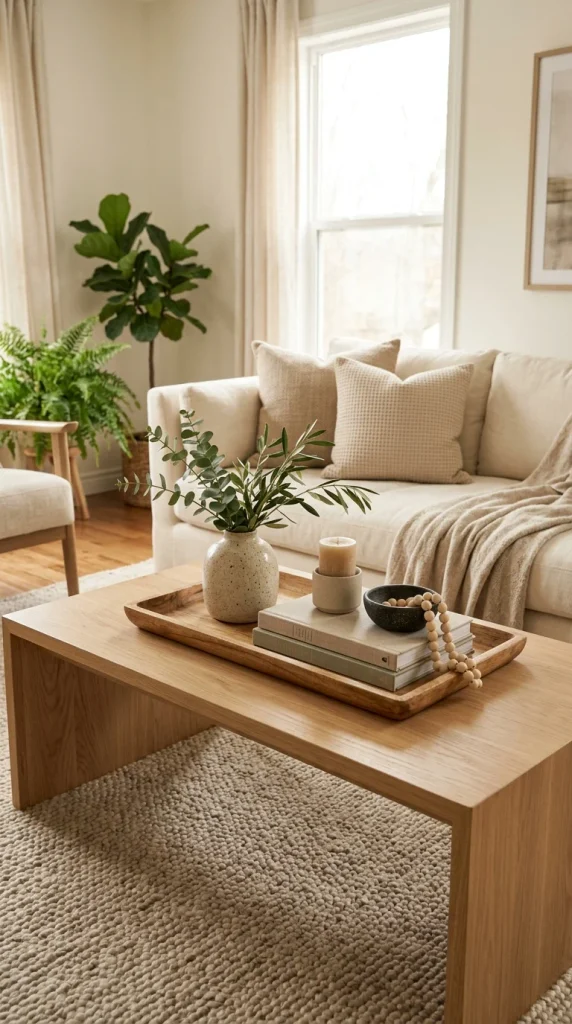
    19. Add a Built-In Vanity Between PAX Units

    Create a practical dressing station by placing a compact vanity between two PAX wardrobe sections. Add drawers for cosmetics and accessories, along with a mirror and suitable lighting above the desk area. The result combines clothing storage and personal preparation in one organized zone.
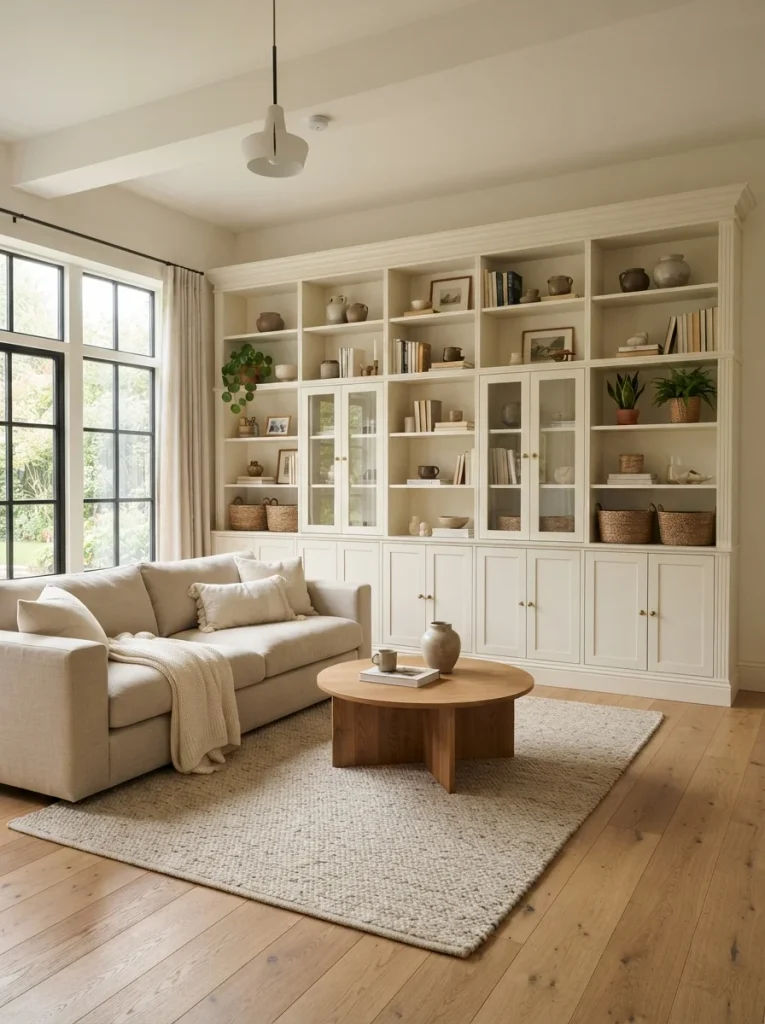
    20. Use Curtains Instead of Traditional Doors
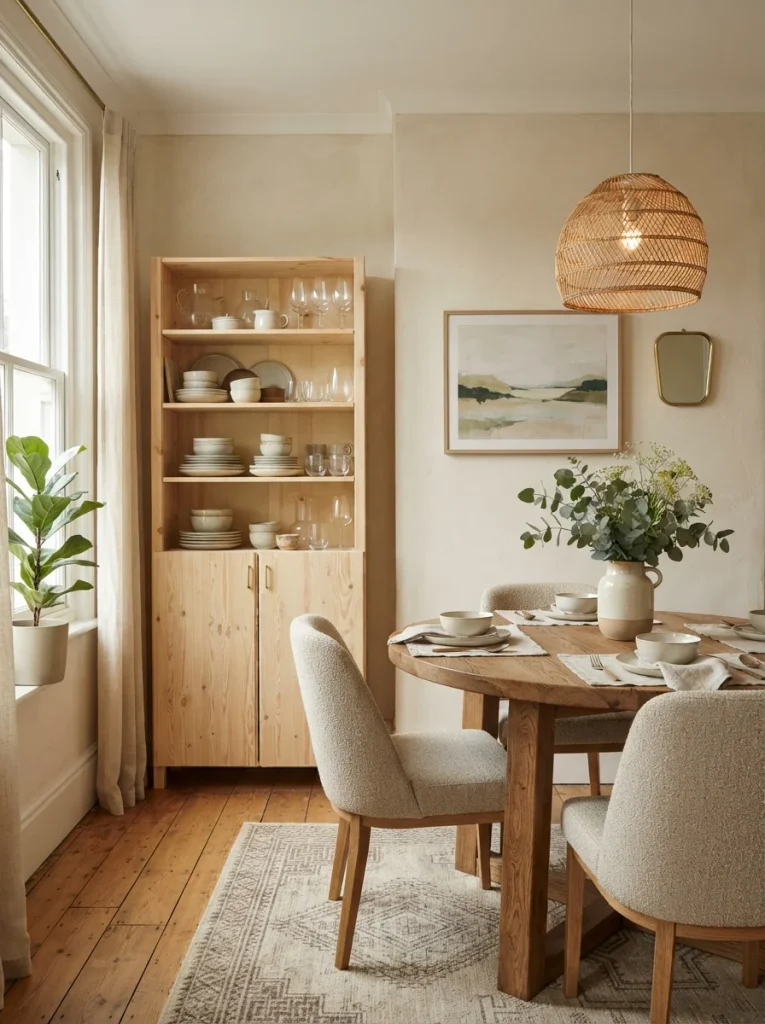
    For a softer and more relaxed look, consider using curtains to conceal some PAX wardrobe sections. Fabric panels can introduce texture and make the storage feel less visually heavy. Choose a fabric that complements the bedroom’s bedding, window treatments, or other textiles.

    21. Finish the Built-In with Baseboards

    Baseboards are an important finishing detail when turning PAX units into convincing built-ins. Extend or match the room’s existing skirting around the wardrobe installation so it appears connected to the architecture. This simple step can make the difference between an IKEA wardrobe and a polished custom-looking closet.

    Conclusion

    IKEA PAX wardrobes offer plenty of possibilities for creating a stylish built-in closet without starting from scratch. From floor-to-ceiling installations and decorative molding to upgraded hardware and custom-looking doors, small changes can dramatically transform the overall design. Interior lighting, smart drawers, and organized shelving can also make the wardrobe more functional. Choose finishes that complement your bedroom’s existing colors, materials, and architectural details. With thoughtful planning, a basic PAX system can become a practical and beautiful centerpiece of the room.

    Frequently Asked Questions

    Can IKEA PAX wardrobes look like built-in closets?

    Yes, PAX wardrobes can achieve a convincing built-in appearance with the right finishing details. Adding filler panels, trim, molding, baseboards, and matching paint helps eliminate the modular look.

    How can I make a PAX wardrobe look more expensive?

    Upgrading the doors, handles, lighting, and trim can make a significant difference. Matching the wardrobe color to the room and adding custom-looking architectural details can also create a more sophisticated appearance.

    Can I paint an IKEA PAX wardrobe?

    Yes, PAX components can be painted with proper surface preparation. Cleaning, lightly sanding, priming with an appropriate primer, and using a durable furniture or cabinet paint can help produce a better finish.

    How do I make a PAX wardrobe more organized?

    Use a combination of hanging rails, drawers, shelves, baskets, and dedicated compartments based on what you store. Grouping similar items together and using vertical space efficiently can make the wardrobe easier to maintain.

    Is it possible to customize IKEA PAX doors?

    Yes, there are many ways to customize the appearance of PAX doors, including painting, adding decorative trim, changing hardware, or using alternative/custom fronts. These modifications can help the wardrobe match your room’s interior style.

  • 21 Best Exterior Paint Colors for a Beautiful Home

    21 Best Exterior Paint Colors for a Beautiful Home

    Your home’s exterior is the first thing people notice, so choosing the right exterior paint colors can make a big difference in its overall look. From modern exterior colors and soft neutrals to bold shades and classic combinations, there are many ways to improve your home’s curb appeal. The right house exterior paint colors can highlight architectural details and create a warm, welcoming feel. These beautiful exterior color ideas will help you find a style that feels fresh, timeless, and perfect for your home.

    1. Classic Warm White Exterior

    A warm white exterior gives your home a clean and welcoming appearance without feeling too cold. It works beautifully with natural wood, stone, and darker trim colors. This shade can also make smaller homes feel brighter and more open. Pair it with a wooden front door or black accents for a balanced look.

    2. Soft Beige and Cream

    Soft beige and cream are excellent choices for a warm and timeless home exterior. These neutral colors create a comfortable appearance and work well with many architectural styles. They look especially beautiful with white trim, natural stone, or brown wood details. This combination is easy to live with and stays stylish for years.

    3. Modern Charcoal Gray

    Charcoal gray creates a bold and sophisticated exterior without being too dramatic. It works especially well on modern homes with simple architectural lines. White or light-colored trim can make the darker walls stand out beautifully. Add natural wood accents to soften the overall appearance.

    4. Elegant Greige Exterior

    Greige combines the warmth of beige with the modern feel of gray. It is a versatile exterior paint color that works well in both traditional and contemporary homes. The soft neutral tone pairs beautifully with white trim, stone, and dark doors. It is a great choice when you want something subtle but stylish.

    5. Timeless Light Gray

    Light gray gives a home a fresh and polished appearance while remaining soft and neutral. It can work with almost any style, from classic cottages to modern houses. White trim creates a crisp contrast, while wood accents add warmth. This color is also useful when you want your exterior to feel bright without using white.

    6. Deep Navy Blue

    Deep navy blue adds personality while still looking elegant and timeless. It can make a home exterior feel rich and inviting, especially when combined with white or cream trim. A natural wood door can add warmth to the darker color. Navy works particularly well on homes with traditional or coastal-inspired details.

    7. Sage Green Exterior

    Sage green brings a calm, natural feeling to the outside of your home. Its muted tone blends beautifully with gardens, trees, stone, and other natural surroundings. White or cream trim can keep the exterior looking fresh and balanced. It is a lovely choice for creating a relaxed and welcoming curb appeal.

    8. Muted Olive Green

    Muted olive green offers a deeper and earthier alternative to soft sage. It works especially well with homes surrounded by greenery or natural landscaping. Pair it with warm white trim, wood, or bronze-colored accents for a cozy appearance. This exterior color feels classic while still giving the home plenty of character.

    9. Warm Taupe Exterior

    Warm taupe is a comfortable neutral that adds subtle depth to a home’s exterior. It sits between beige and brown, making it easy to coordinate with different materials. Stone paths, wooden doors, and cream-colored trim can complement this shade beautifully. It is a practical option for a timeless and inviting home.

    10. Crisp White with Black Trim

    Crisp white walls with black trim create a clean and striking exterior combination. The strong contrast highlights windows, doors, rooflines, and other architectural details. This color scheme works well for modern, farmhouse, and traditional homes. Natural wood elements can be added to make the contrast feel softer and warmer.

    11. Modern Black Exterior

    A black exterior can create a dramatic and sophisticated look when used thoughtfully. It works particularly well on modern homes with simple shapes and large windows. Light wood, stone, or warm-colored doors can prevent the exterior from feeling too heavy. Good lighting and landscaping can also help balance the darker color.

    12. Dusty Blue Gray

    Dusty blue gray offers a soft and peaceful appearance that feels both modern and classic. It is less bold than navy while still adding color to the exterior. White trim and a dark or natural wood front door create a beautiful combination. This shade works especially well for homes with a relaxed, welcoming style.

    13. Earthy Terracotta

    Earthy terracotta brings warmth and personality to a home exterior. Its natural reddish-brown tone works beautifully with Mediterranean, rustic, and earthy home styles. Pair it with cream trim, warm wood, or natural stone for a balanced appearance. This color is especially attractive when surrounded by plants and natural landscaping.

    14. Soft Sandstone Beige

    Soft sandstone beige creates a warm and natural exterior that feels comfortable and timeless. It works well with stone pathways, wooden features, and darker roofing materials. The gentle neutral shade can also make architectural details feel more connected. It is a practical choice for homeowners who want warmth without a strong or bright color.

    15. Classic Cream with Dark Trim

    Cream walls with dark trim create a warm version of the classic light-and-dark exterior combination. The cream keeps the home feeling bright, while dark trim adds definition around windows and doors. A dark front door can complete the look without making it feel too formal. This palette works beautifully across many home styles.

    16. Warm Brown Exterior

    Warm brown creates a cozy and grounded appearance that connects naturally with outdoor surroundings. It works especially well with wood, stone, greenery, and warm lighting. Lighter trim can prevent the exterior from looking too dark. This color is a strong choice for rustic, craftsman, and nature-inspired homes.

    17. Deep Forest Green

    Deep forest green gives a home a rich and natural appearance. It looks beautiful among trees and gardens because it connects naturally with the surrounding landscape. Cream, warm white, or natural wood accents can provide a soft contrast. This color works particularly well when you want a classic exterior with a strong connection to nature.

    18. Coastal Blue and White

    Coastal blue and white create a fresh and relaxed exterior inspired by seaside homes. Soft blue walls can be paired with white trim around windows, doors, and rooflines. Natural wood details can add warmth and texture to the palette. This combination is ideal for creating a bright and peaceful curb appeal.

    19. Modern Two-Tone Gray

    Using two shades of gray can give a home exterior more depth and visual interest. A lighter gray can cover the main walls while a darker gray highlights architectural sections. White or black trim can add another layer of contrast without overwhelming the design. This approach works especially well on contemporary homes.

    20. Warm Greige with White Trim

    Warm greige paired with white trim creates a soft, polished, and welcoming exterior. The greige provides warmth while the white details keep the home looking fresh. This combination works with brick, stone, wood, and many roofing colors. It is a flexible choice for homeowners who want a neutral palette with a little more character.

    21. Classic Exterior with a Bold Front Door

    A neutral exterior can become much more interesting with a bold front door color. Soft white, beige, gray, or greige walls create a simple background for a deeper accent shade. The front door can become the main focal point without changing the entire exterior. Choose a color that complements the roof, trim, landscaping, and overall home style.

    Conclusion

    Choosing the right exterior paint colors can completely change the way your home looks and feels from the street. Neutral shades offer a timeless appearance, while greens, blues, and deeper tones can add personality and character. Consider your home’s architecture, roofing, trim, natural surroundings, and the amount of sunlight before making your final choice. A well-planned exterior color palette can create beautiful curb appeal while making your home feel warm and welcoming.

    Frequently Asked Questions

    1. What is the most popular color for a house exterior?

    Neutral colors such as white, beige, gray, and greige are popular because they are versatile and work with many home styles. They also make it easier to coordinate trim, roofing, doors, and landscaping.

    2. What exterior paint colors make a house look bigger?

    Light colors such as warm white, cream, soft beige, and light gray can make a home appear brighter and more spacious. Using a similar light color on the trim can create a more seamless appearance.

    3. What exterior colors are best for a modern home?

    Charcoal gray, black, crisp white, deep gray, and muted blue-gray can work well for modern homes. Simple color combinations with clean trim and natural materials often complement contemporary architecture.

    4. How many exterior paint colors should a house have?

    A simple exterior palette usually works well with a main wall color, a trim color, and an accent color for the front door or smaller details. Keeping the number of colors limited can help the exterior look coordinated rather than busy.

    5. Should the front door match the exterior paint color?

    The front door does not have to match the main exterior color. A contrasting or deeper shade can make the entrance stand out and create an attractive focal point while still coordinating with the rest of the home.

    6. How can I choose an exterior paint color that works with my roof?

    Start by looking at the undertones in your roof, brick, stone, or other permanent materials. Choose a paint color that complements those tones rather than fighting against them. Testing samples outdoors at different times of day can also help.

    7. Does exterior paint color affect curb appeal?

    Yes, exterior paint color can strongly influence how a home looks from the street. A coordinated combination of wall color, trim, front door, roof, and landscaping can create a more balanced and welcoming appearance.