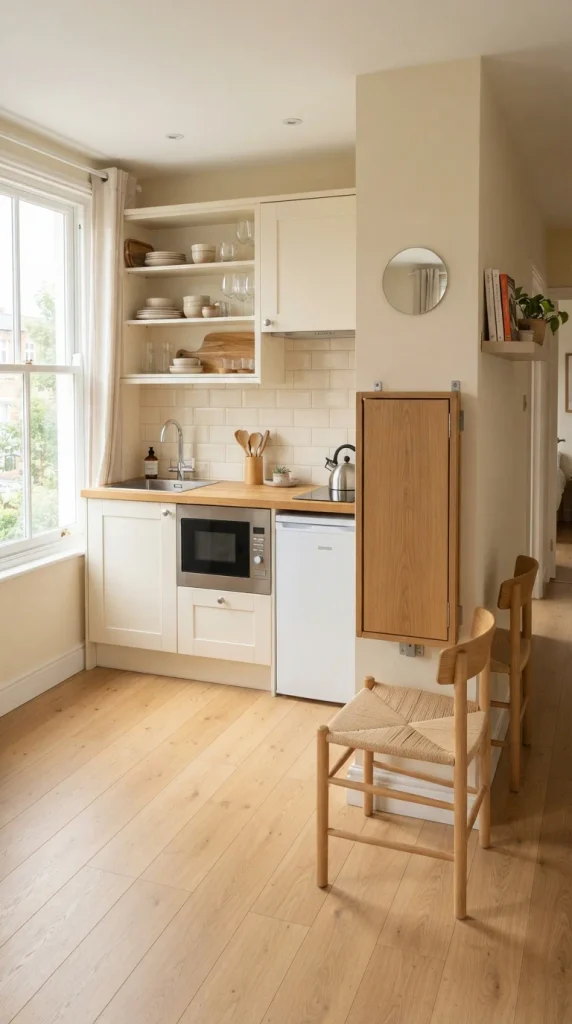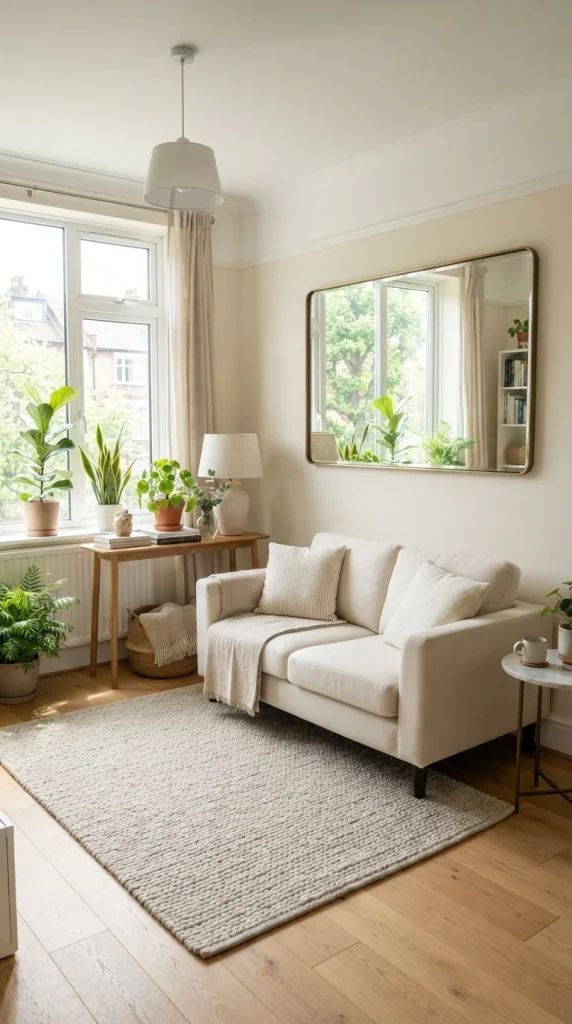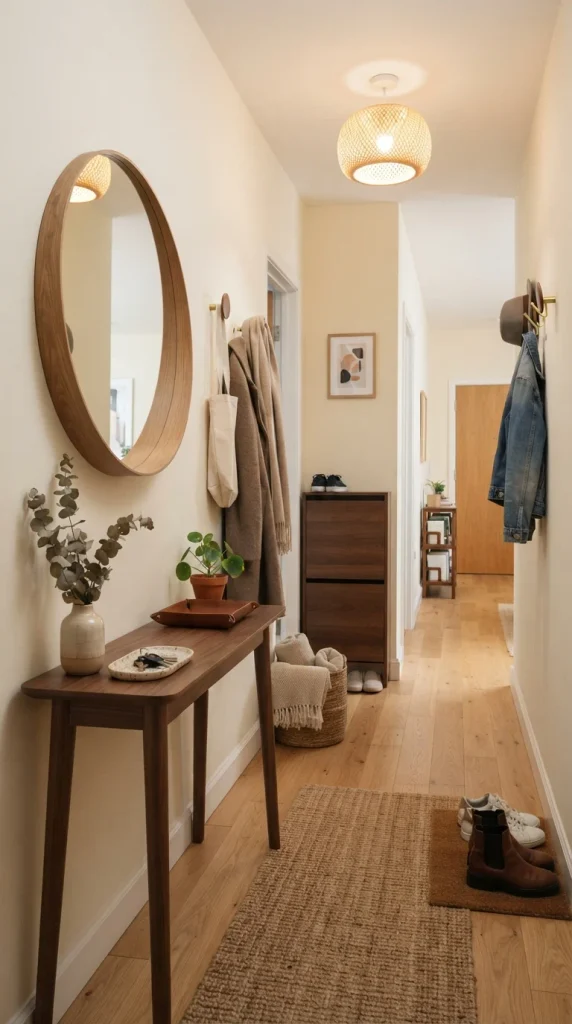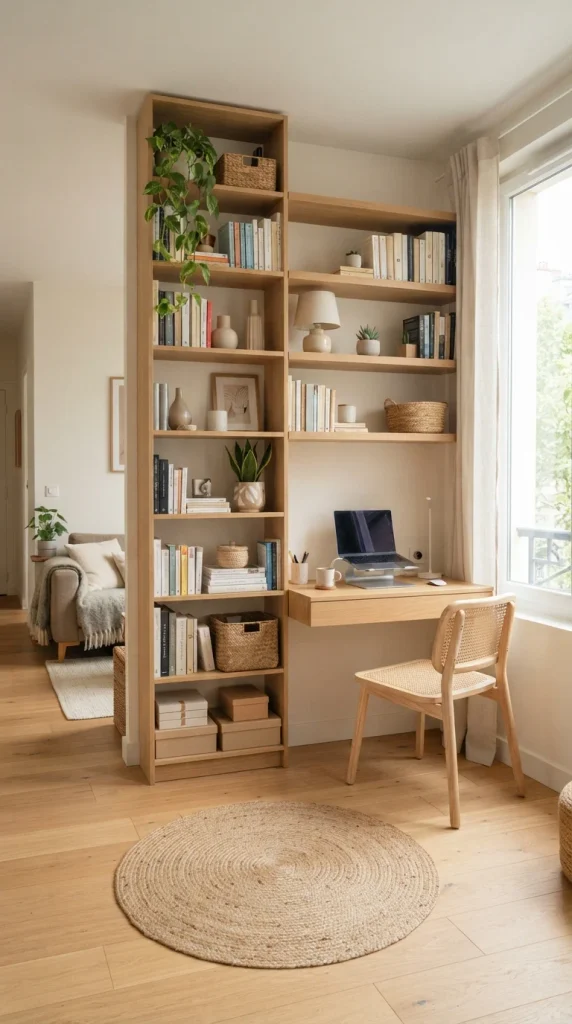
Small Spaces

  • 21 IKEA Hacks for Small Rooms to Maximize Space and Style

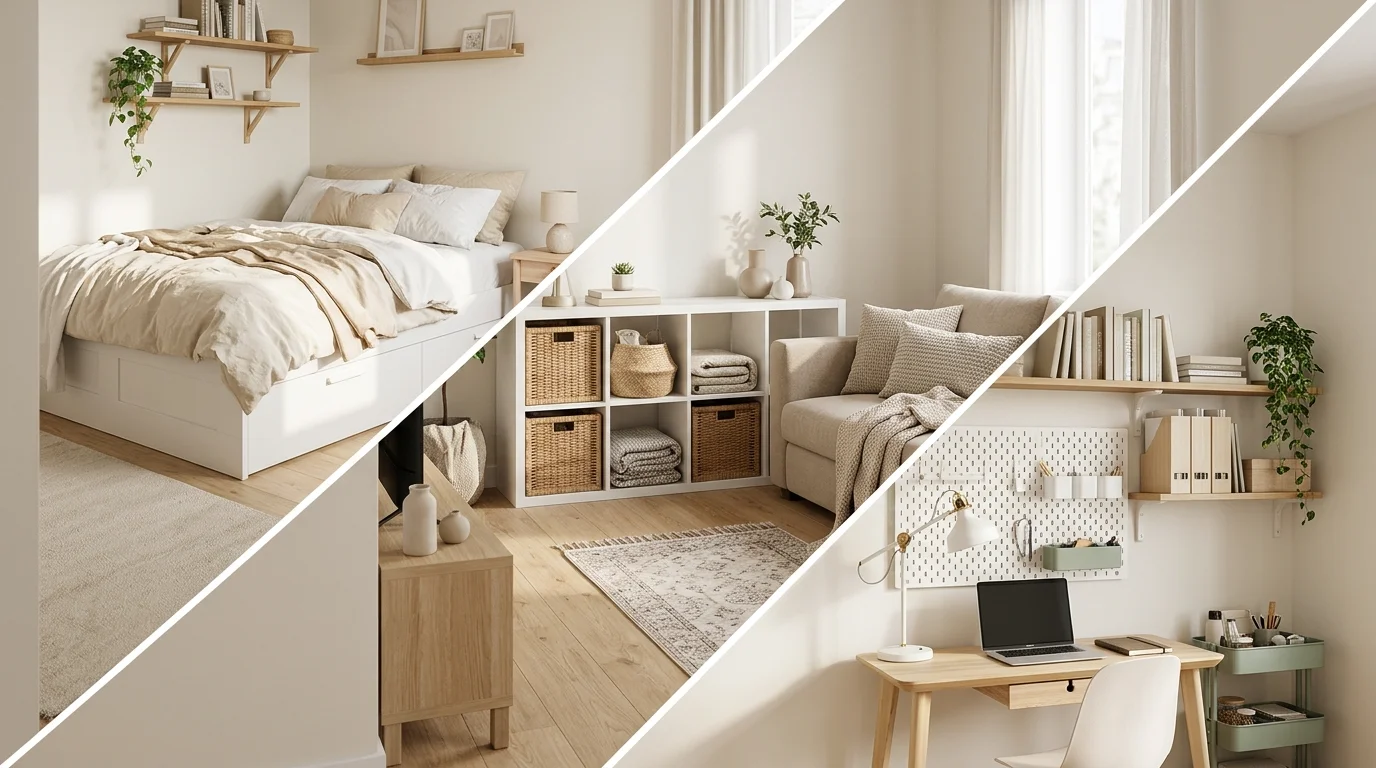
    21 IKEA Hacks for Small Rooms to Maximize Space and Style

    Making the most of a small room is easy with these creative IKEA hacks for small rooms that combine style and functionality. From clever IKEA storage ideas to space-saving furniture, there are many ways to organize your home without making it feel crowded. These small room decorating ideas include smart shelving, multifunctional furniture, and budget-friendly…


  • 21 Small Apartment Bookshelf Ideas to Maximize Space and Style

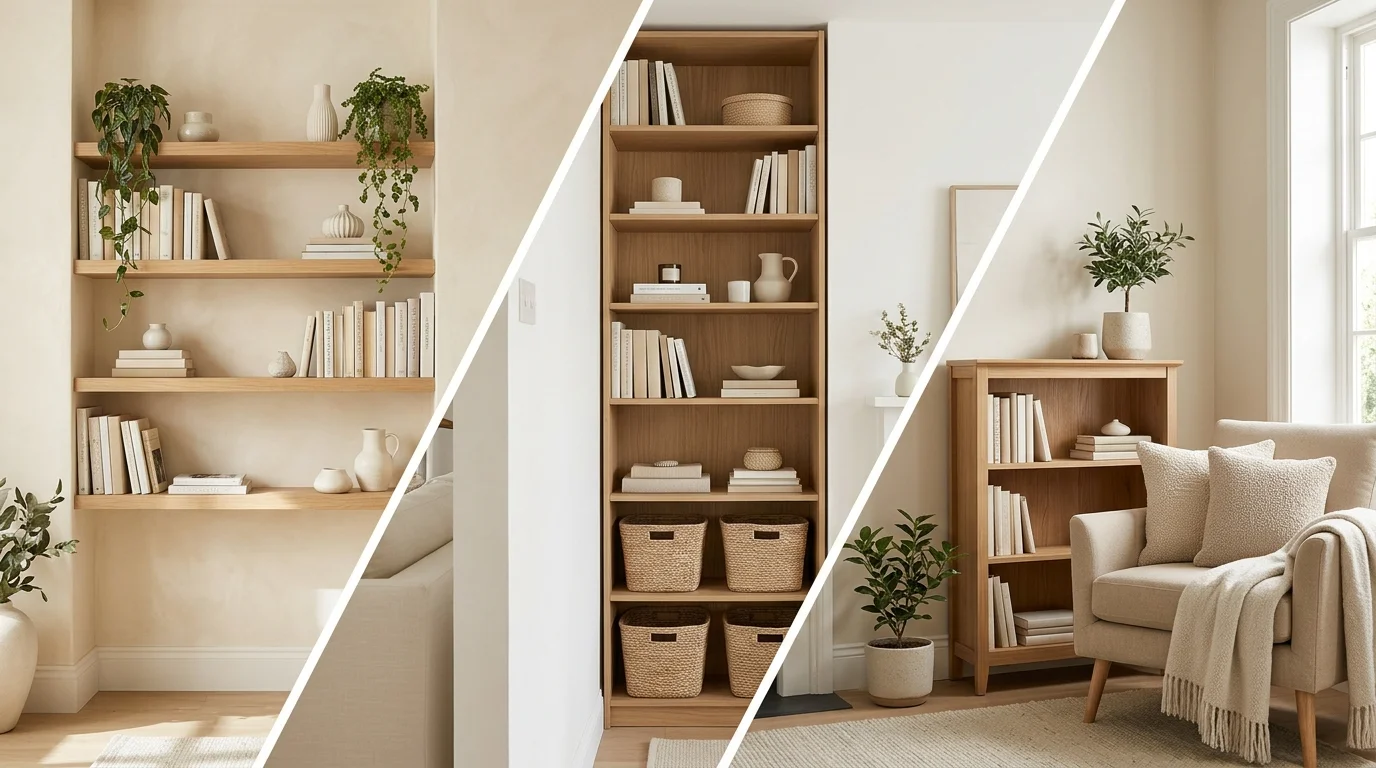
    21 Small Apartment Bookshelf Ideas to Maximize Space and Style

    Small apartment bookshelves are a smart way to organize books while making the most of limited space. With the right small apartment bookshelf ideas, you can create a stylish and functional home without making your rooms feel crowded. From floating bookshelves and corner bookcases to vertical shelving and multifunctional storage, there are many creative ways…


  • 21 Small Apartment Wallpaper Ideas to Make Your Space Feel Bigger

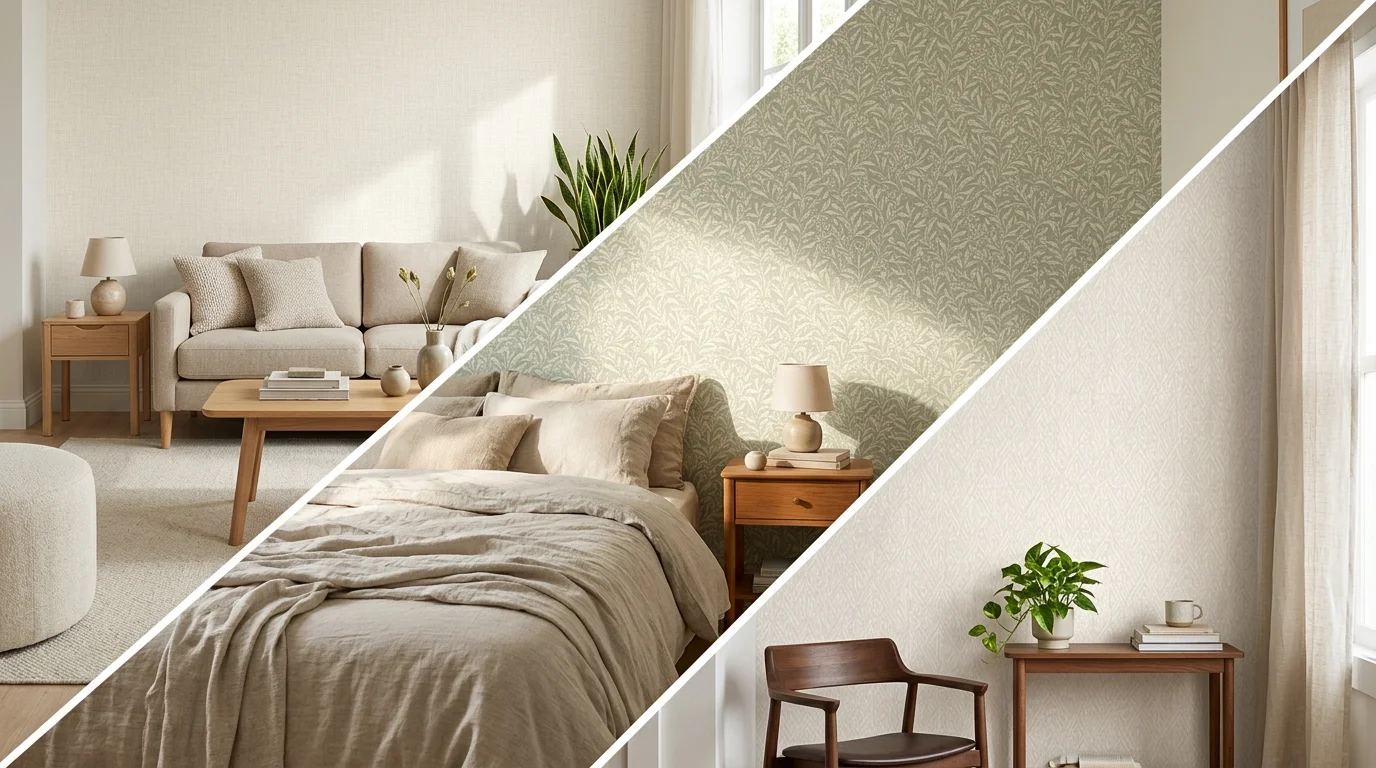
    21 Small Apartment Wallpaper Ideas to Make Your Space Feel Bigger

    Small apartment wallpaper ideas can make a big difference in how your home looks and feels. The right wallpaper designs for small spaces can make rooms appear bigger, brighter, and more inviting without taking up valuable space. From light neutral wallpaper and vertical stripes to floral prints, geometric patterns, and peel-and-stick wallpaper, there are many…


  • 23 Small Apartment Design Ideas to Maximize Space and Style

    23 Small Apartment Design Ideas to Maximize Space and Style

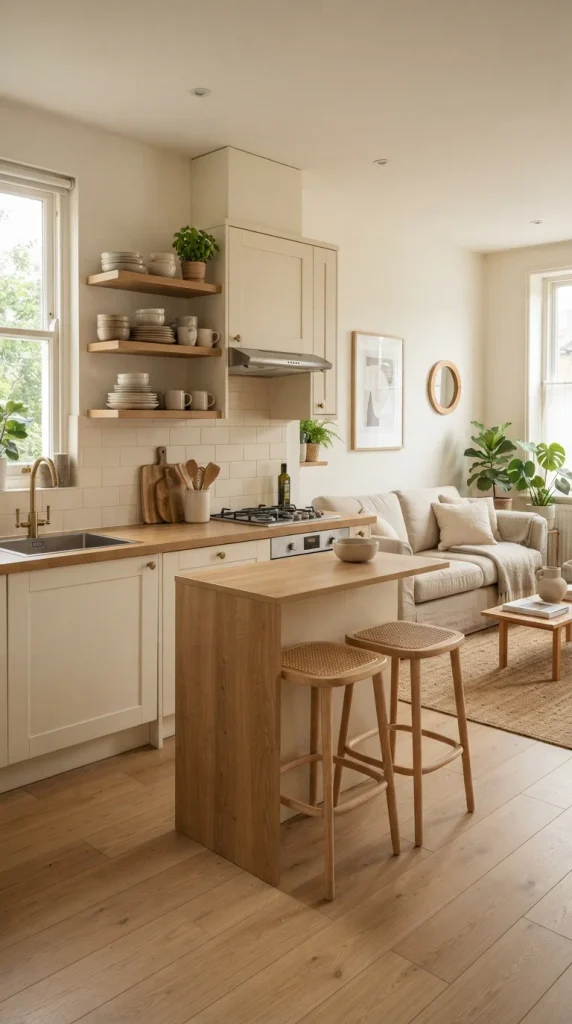
    Small apartment design is all about making the most of every inch while keeping your home stylish and comfortable. With smart small apartment ideas, space-saving furniture, and clever storage, even a compact home can feel open and inviting. Simple apartment decor choices like light colors, mirrors, and functional layouts can make rooms appear larger. You…


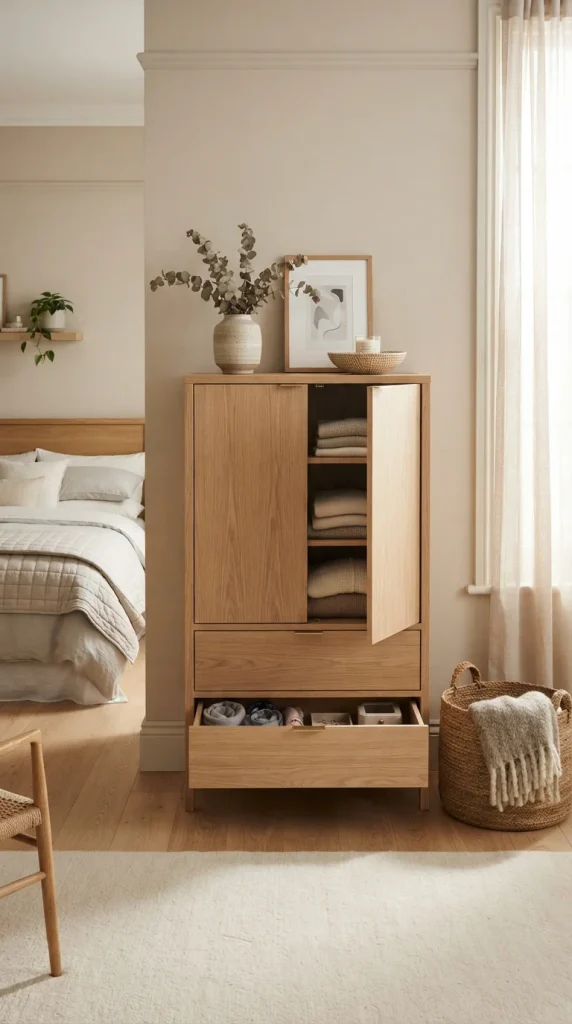
  • 21 IKEA Closet Hacks for Better Storage and Organization

    21 IKEA Closet Hacks for Better Storage and Organization

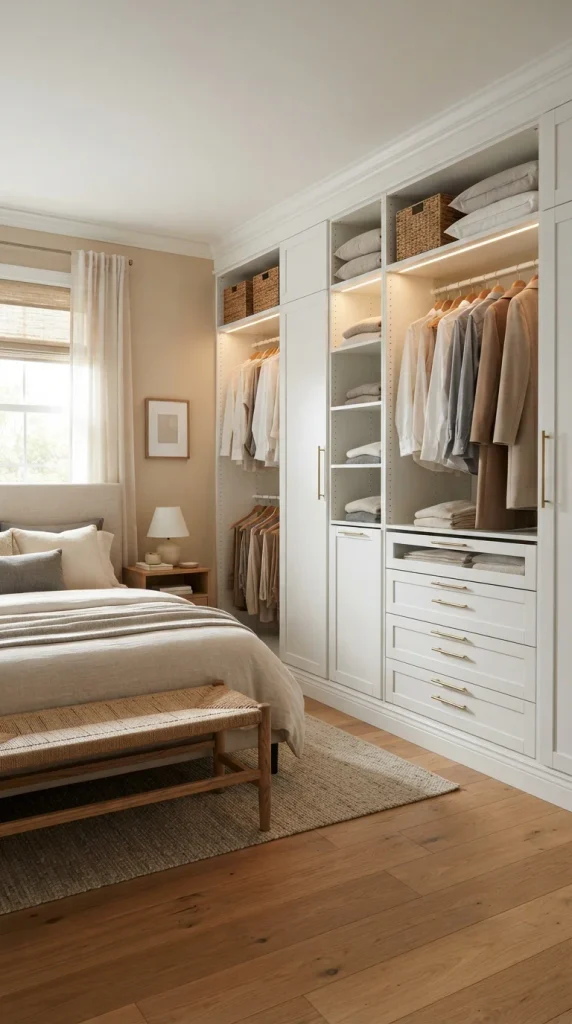
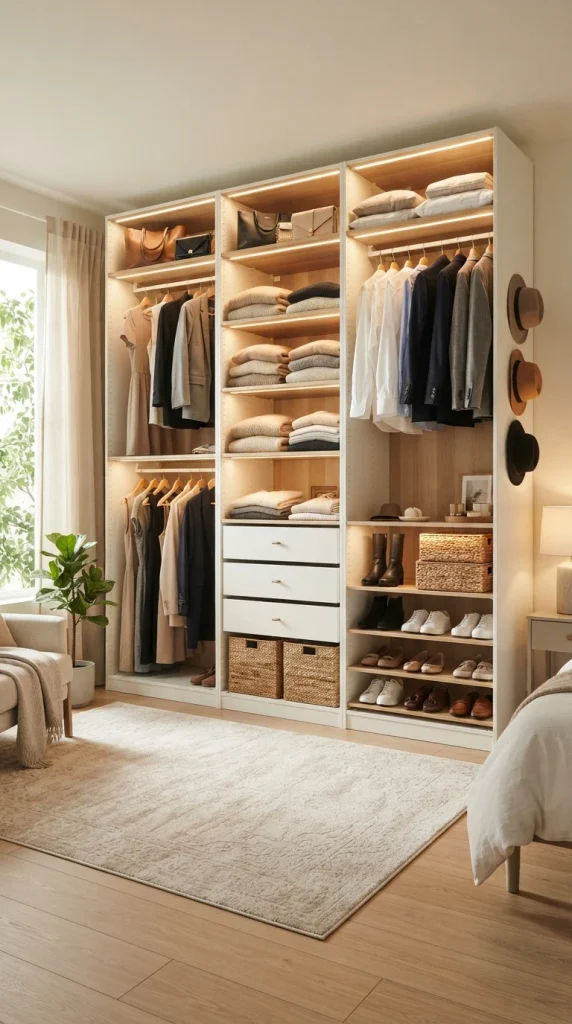
    IKEA closet pieces can be a simple way to create more storage without spending a lot on custom cabinetry. With the right combination of shelves, drawers, rails, and organizers, even a small closet can become much more functional. You can also personalize basic IKEA furniture with stylish hardware, baskets, and wood details. These IKEA closet…


  • 21 Unfinished Basement Ideas to Make the Most of Your Extra Space

    21 Unfinished Basement Ideas to Make the Most of Your Extra Space

    An unfinished basement can become one of the most useful areas in your home with a little creativity. You do not need a complete renovation to make the space feel organized, comfortable, and inviting. From smart storage and cozy seating to work areas and simple lighting, there are many ways to use every corner. These…


  • 21 DIY Craft Desk Ideas for a Creative and Organized Workspace

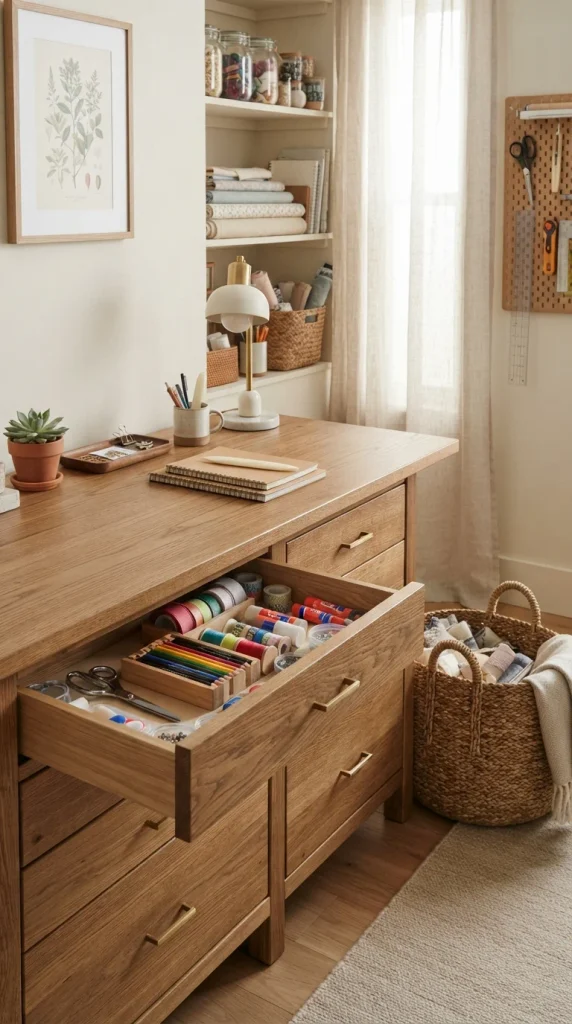
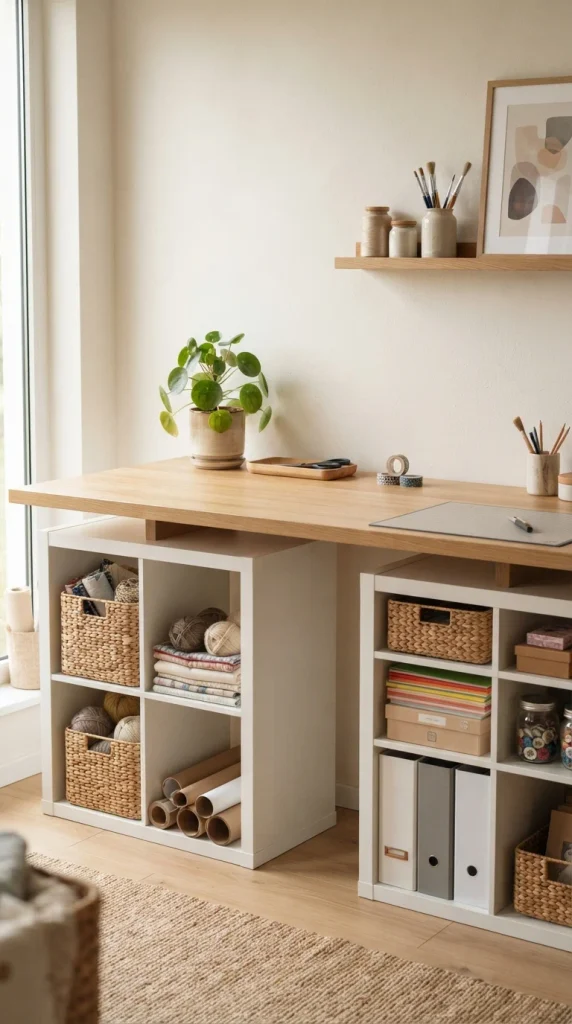
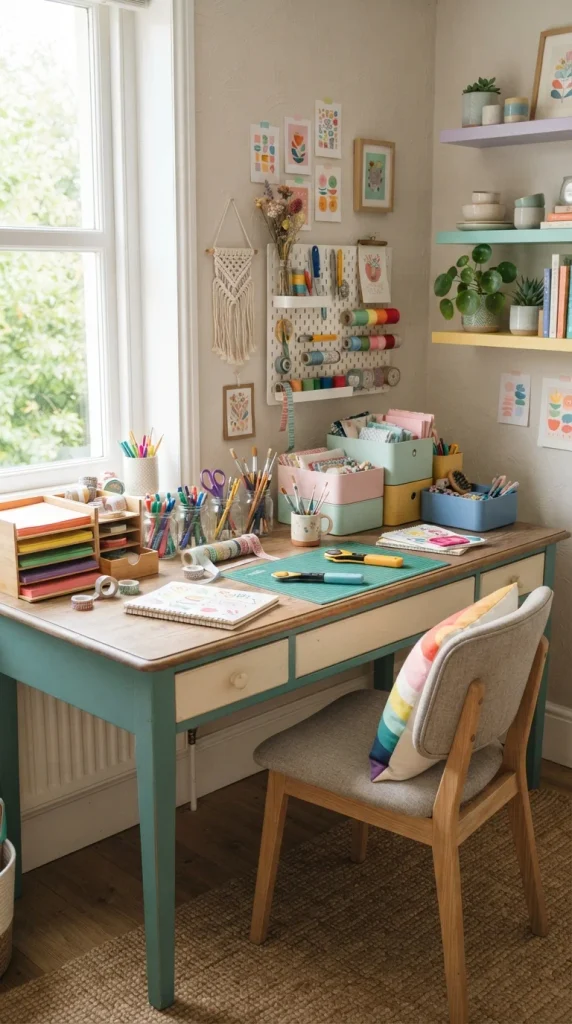
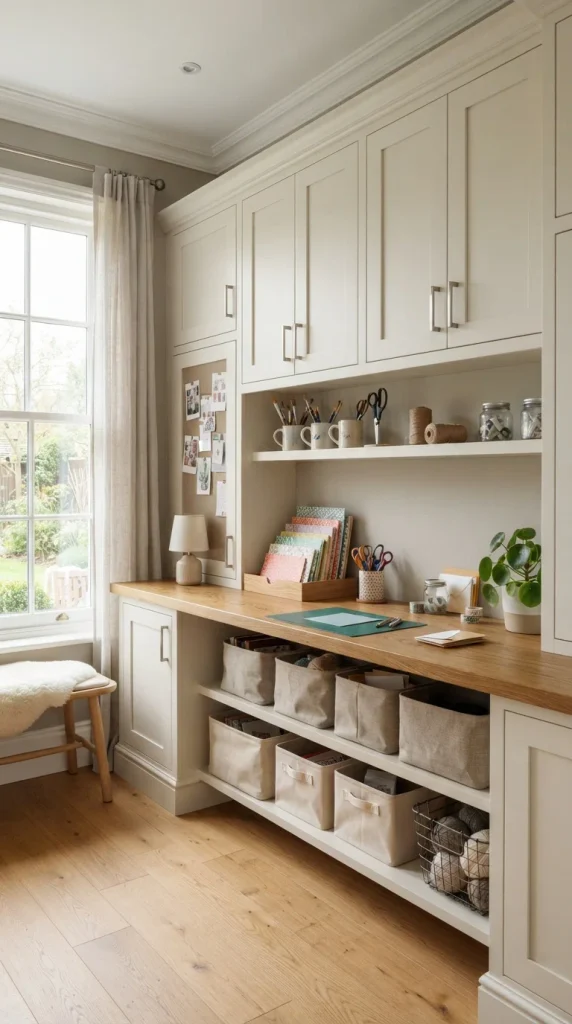
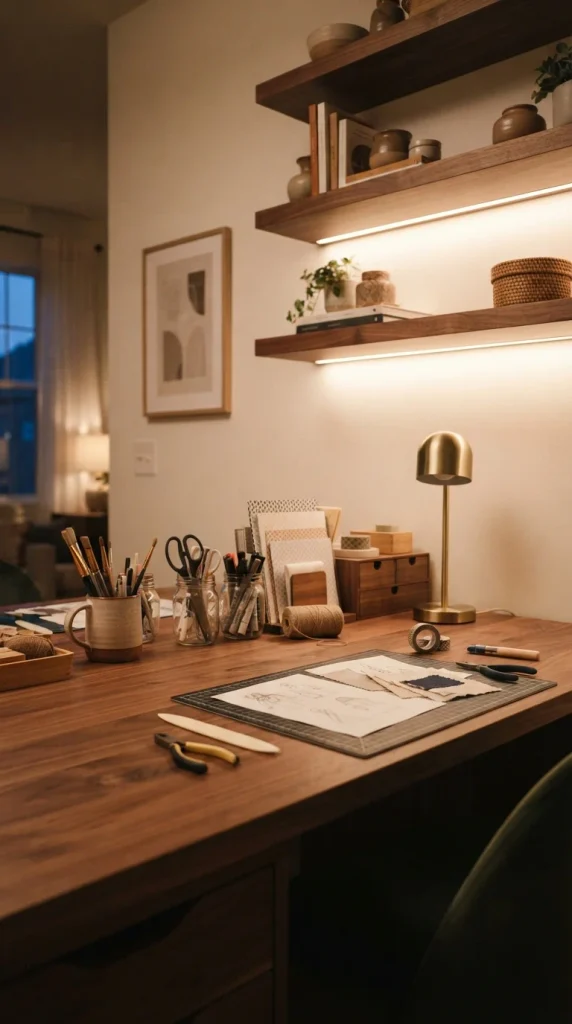
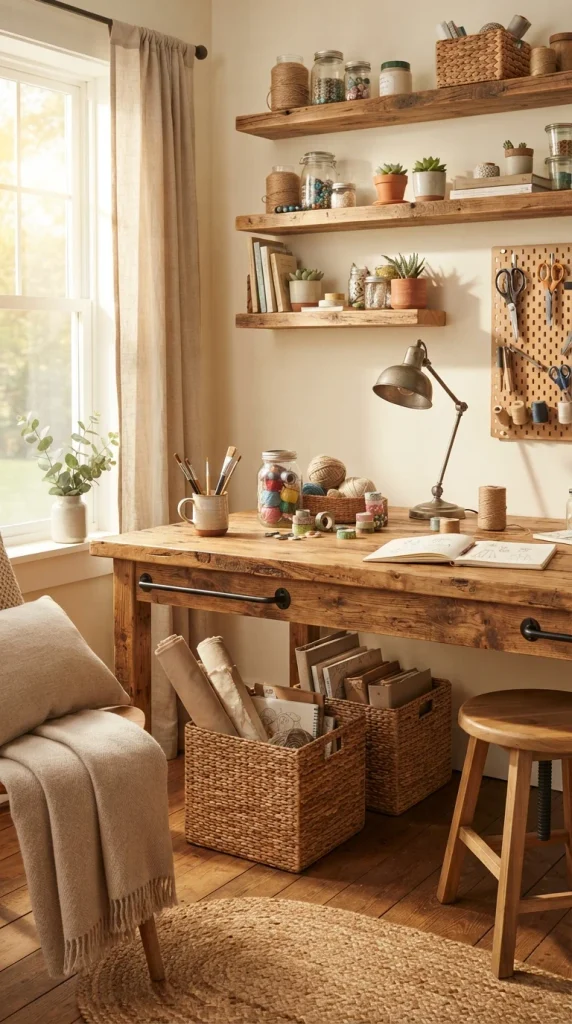
    A well-planned DIY craft desk can make your creative projects easier and more enjoyable. These 21 DIY Craft Desk Ideas offer simple ways to create a stylish and organized craft workspace. From small craft desks to smart craft room storage and practical craft station ideas, there is something for every space. Use these ideas to…


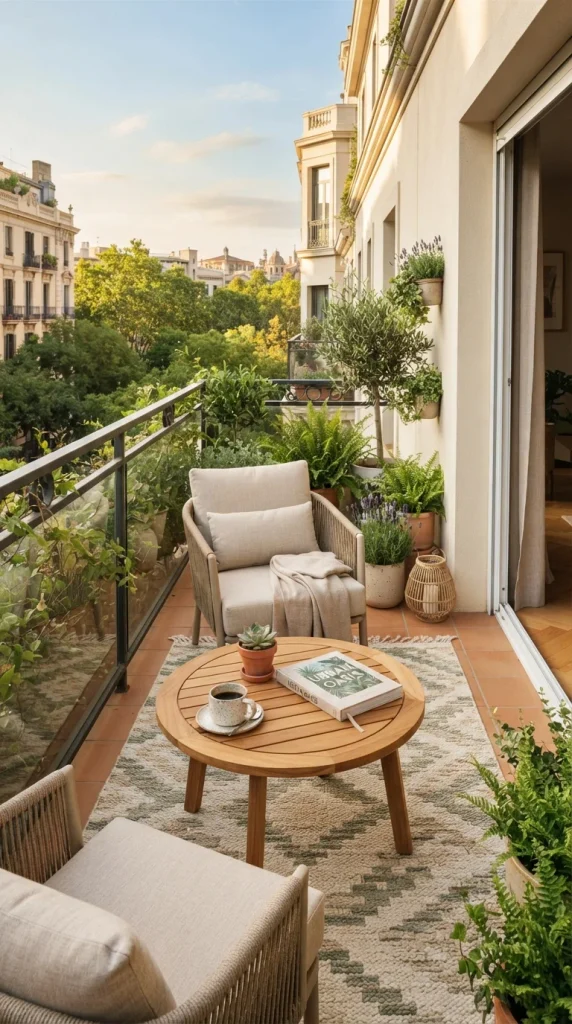
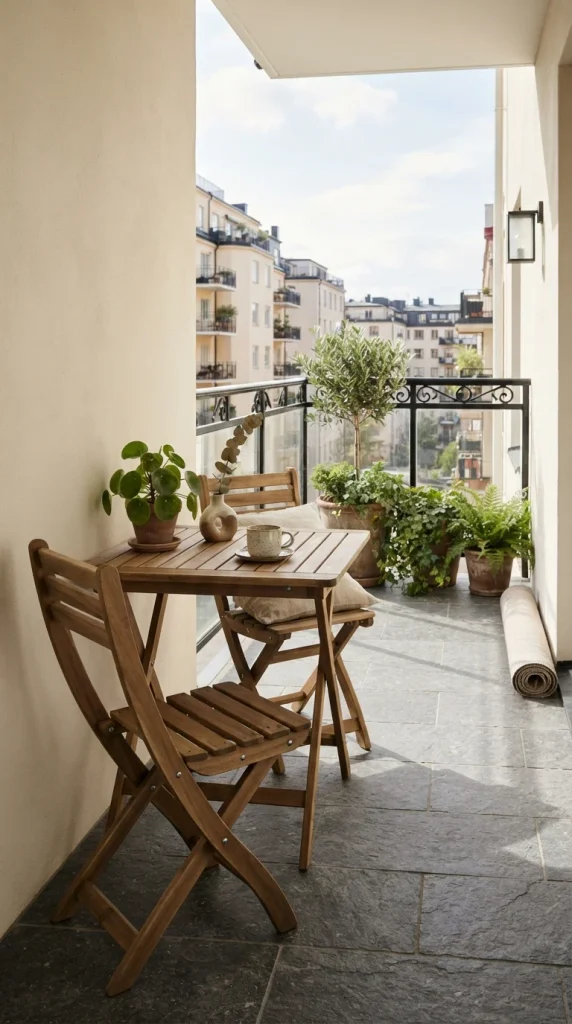
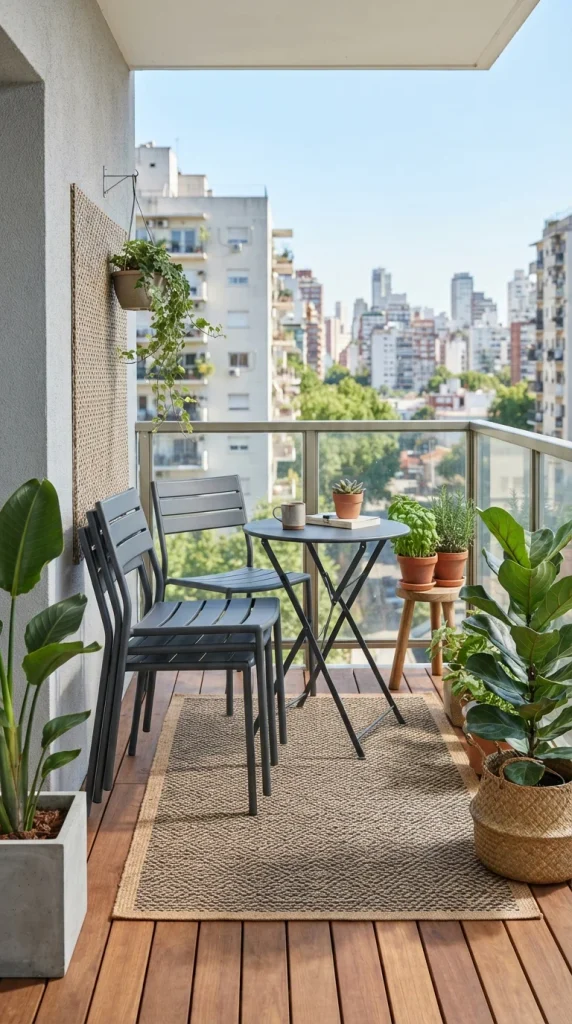
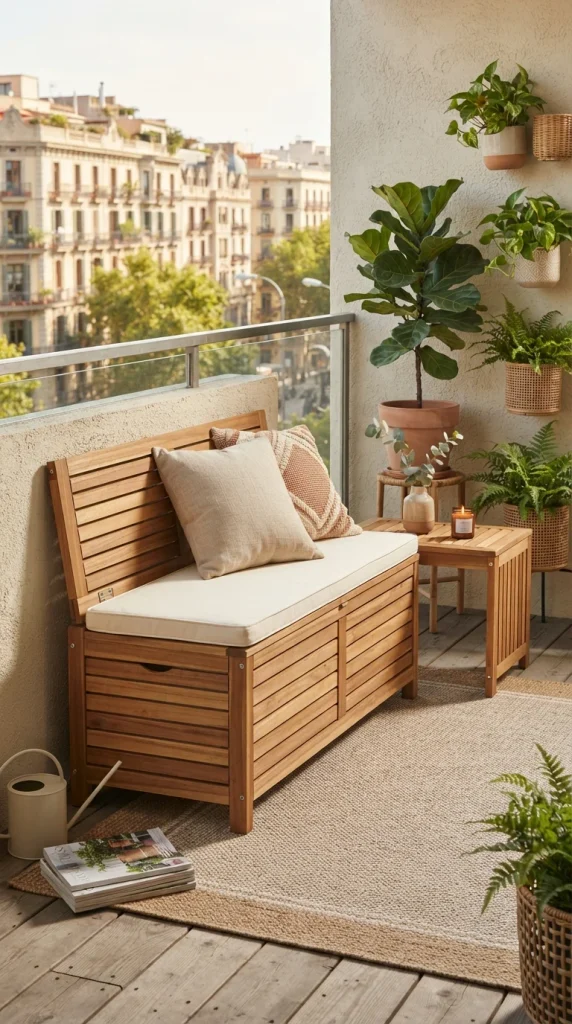
  • 21 Stylish Small Balcony Furniture Ideas for Apartment Living

    21 Stylish Small Balcony Furniture Ideas for Apartment Living

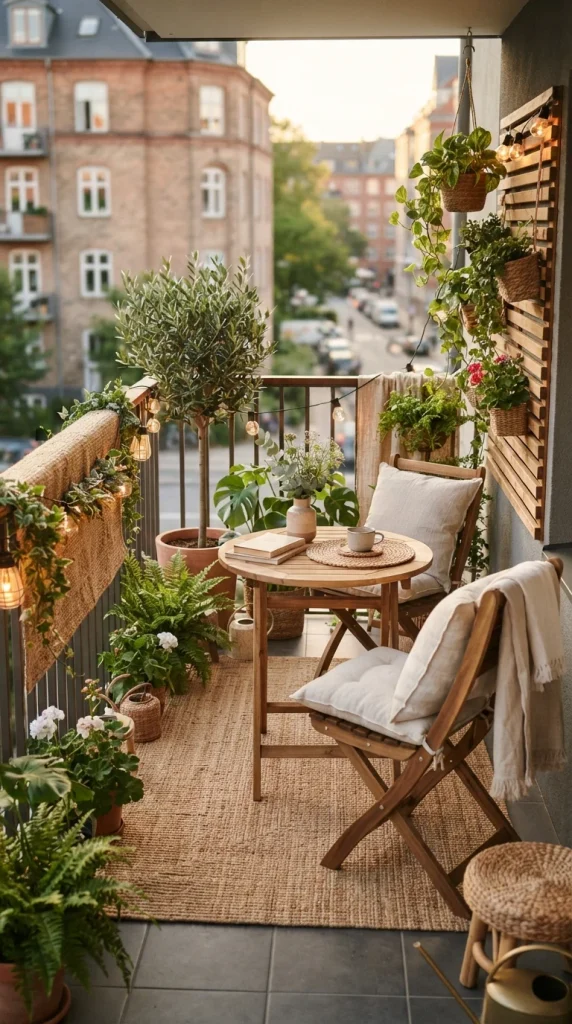
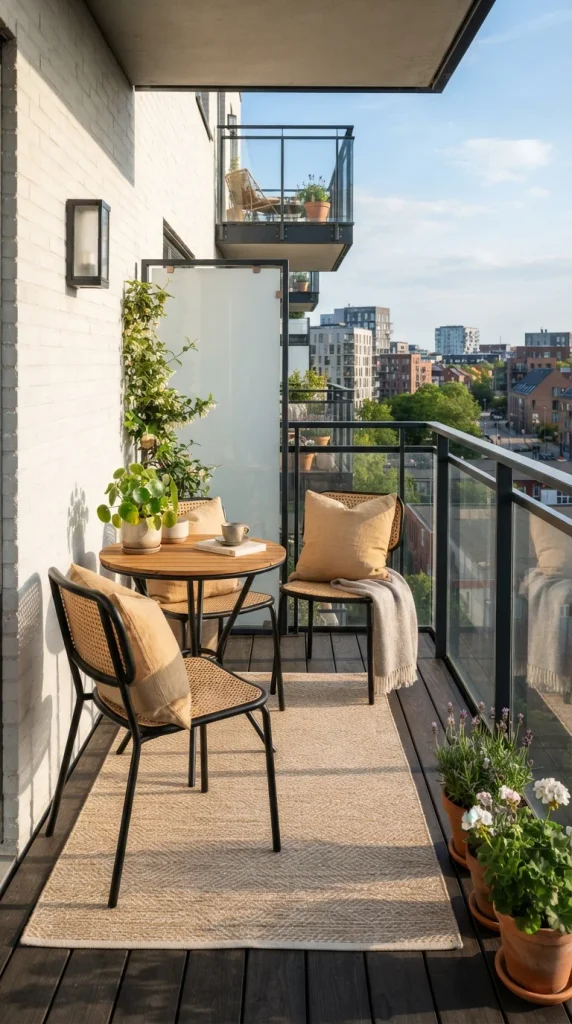
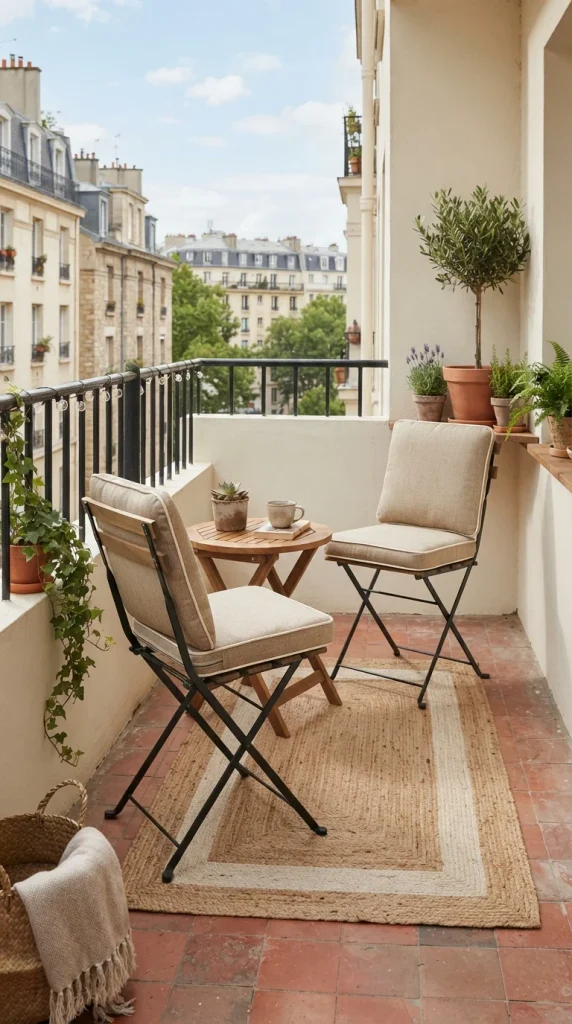
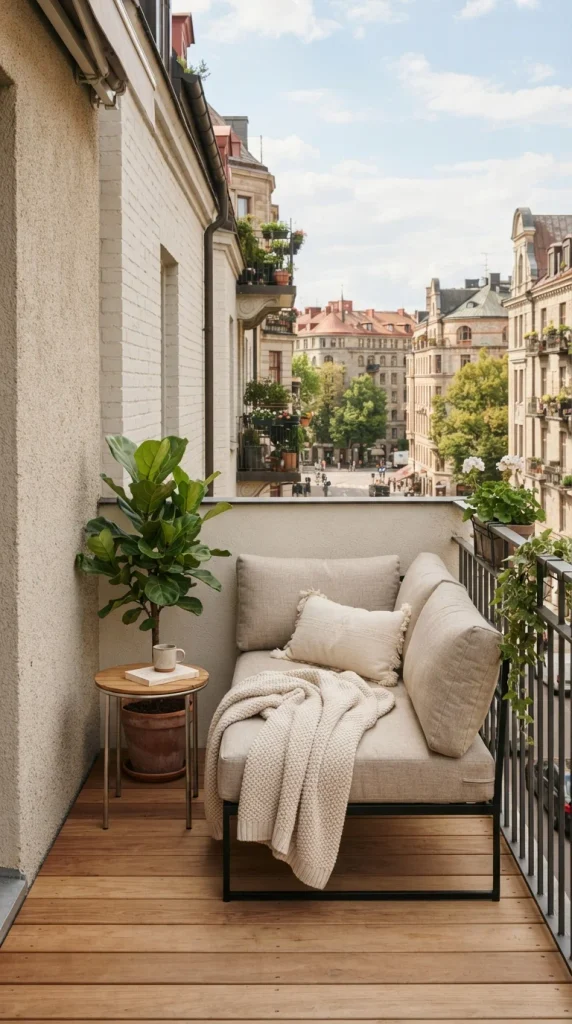
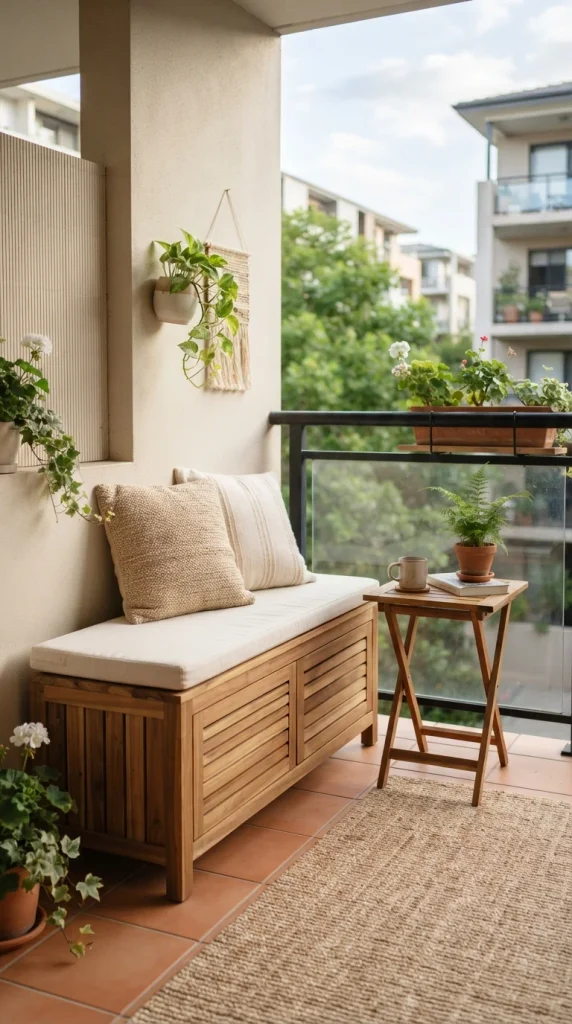
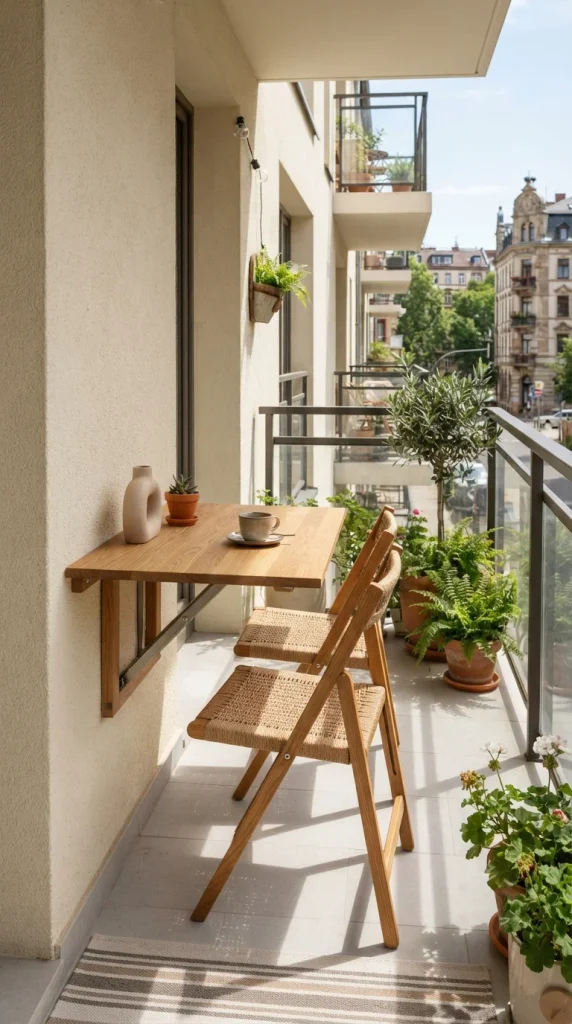
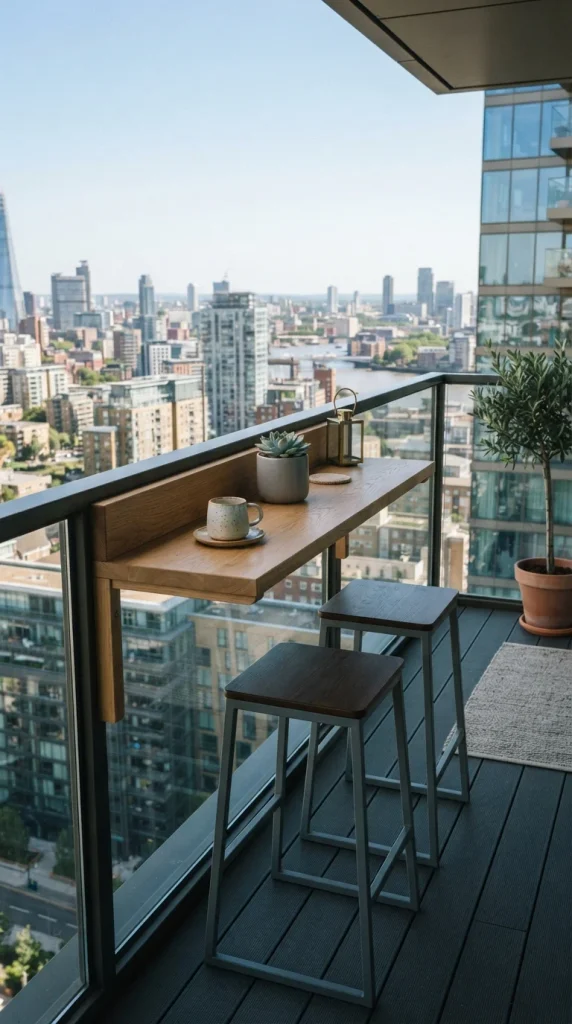
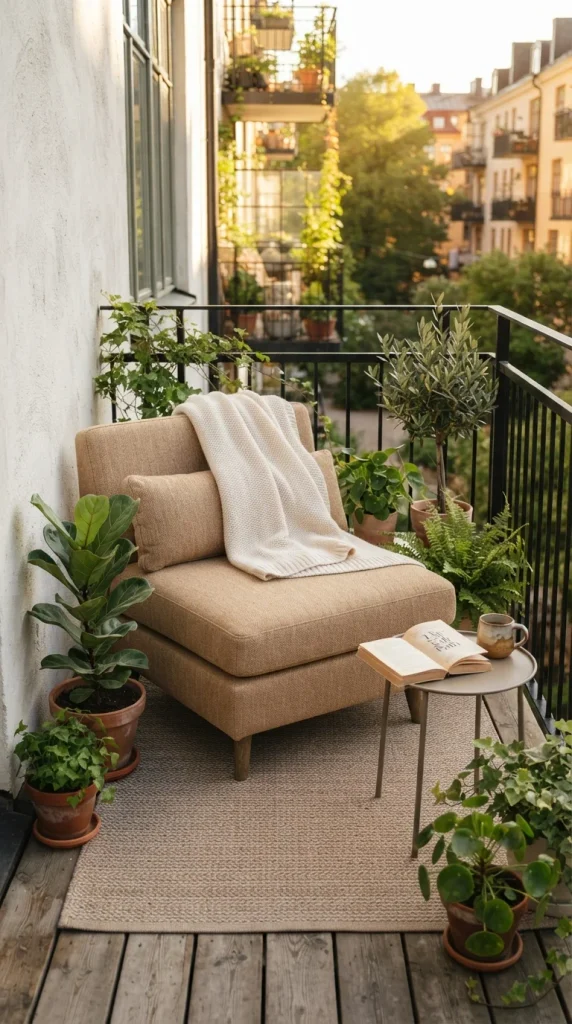
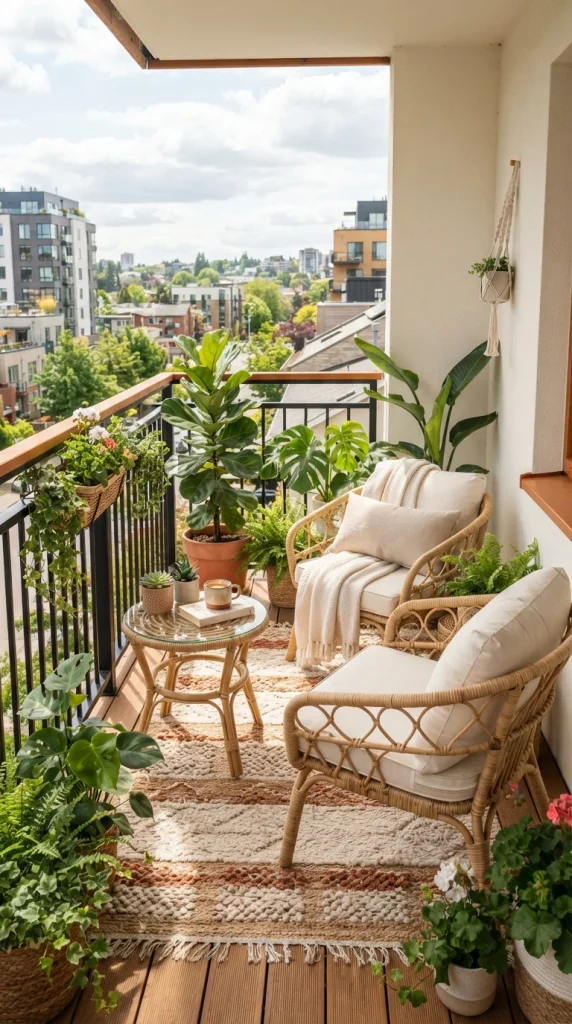
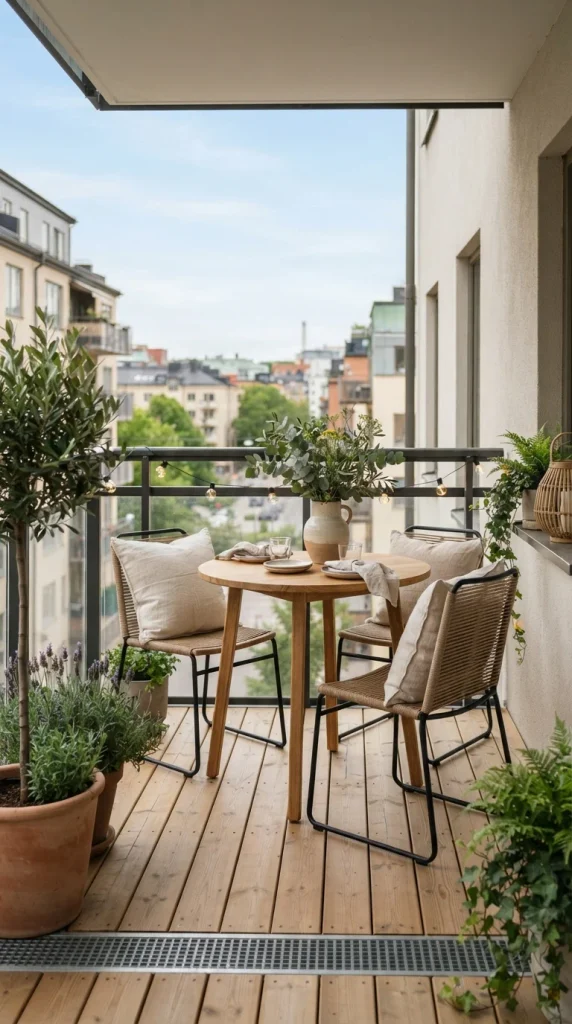
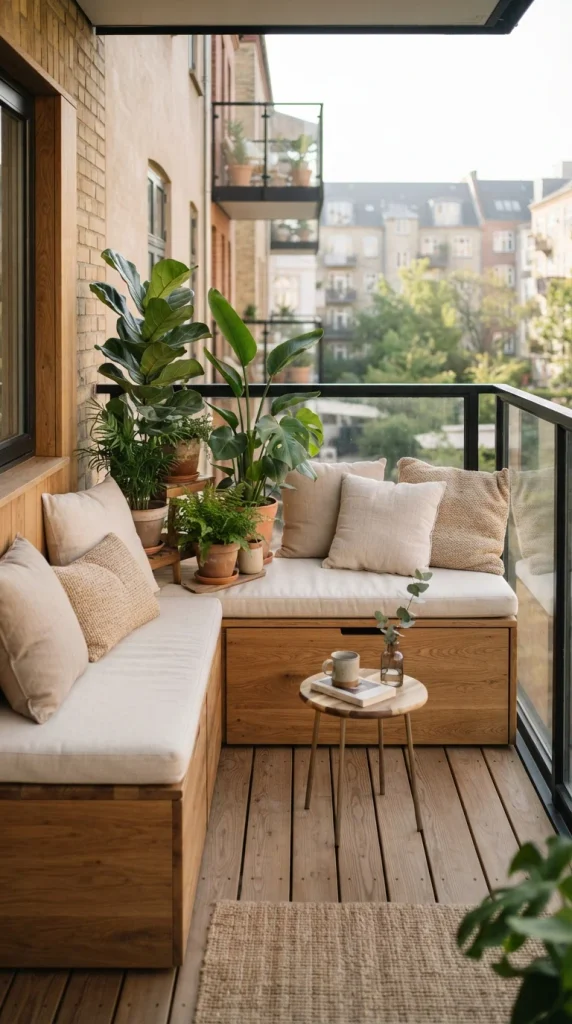
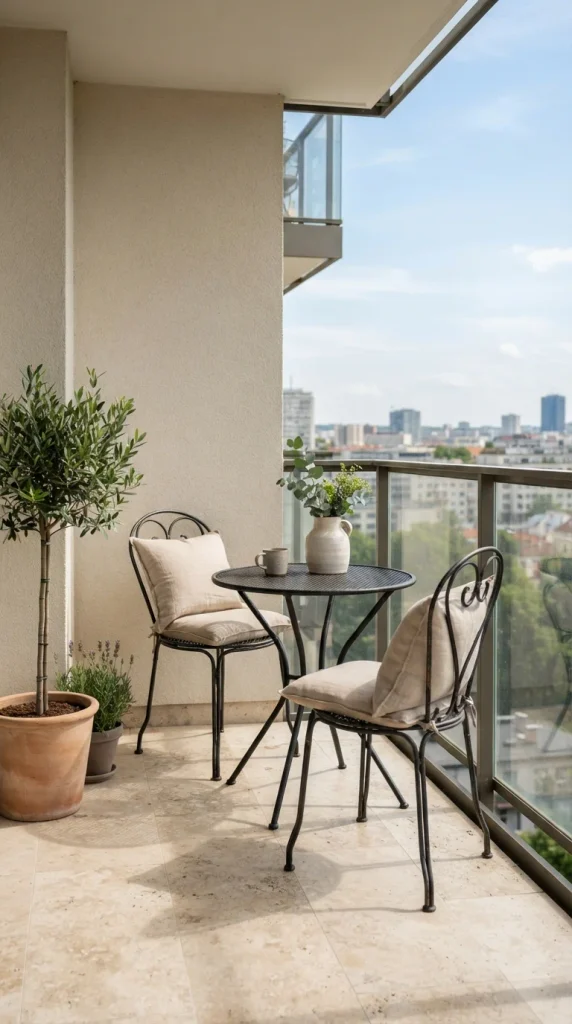
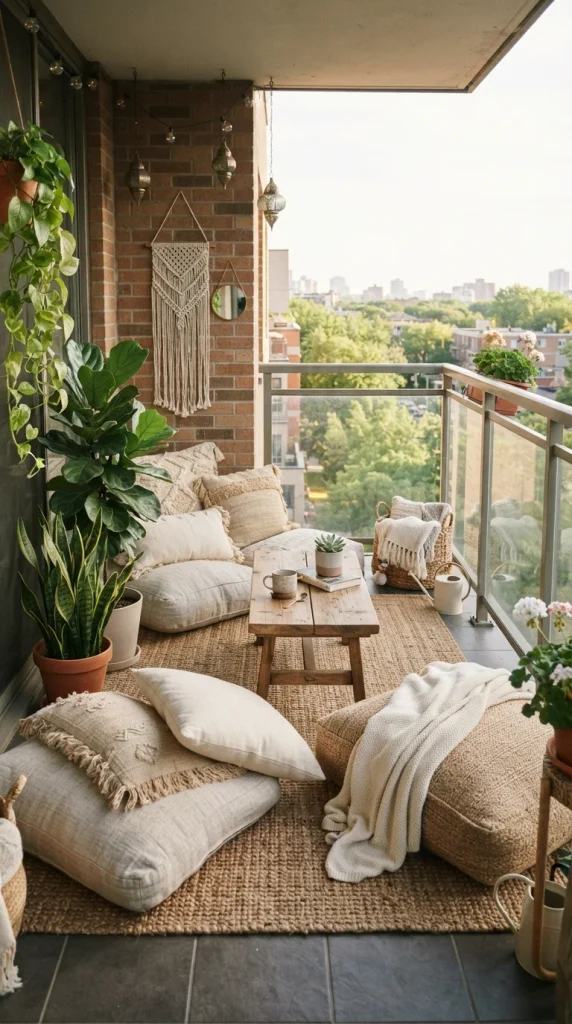
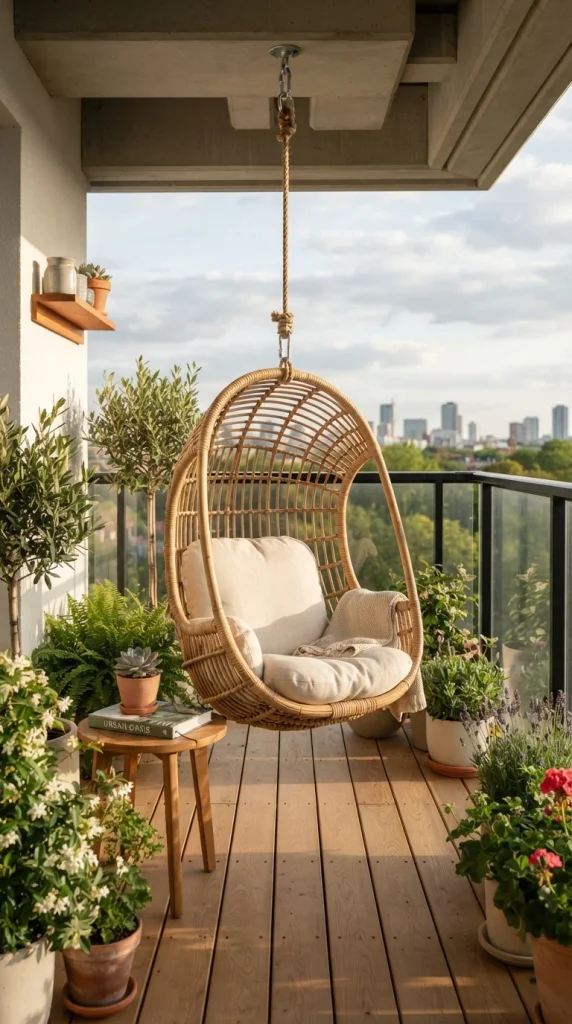
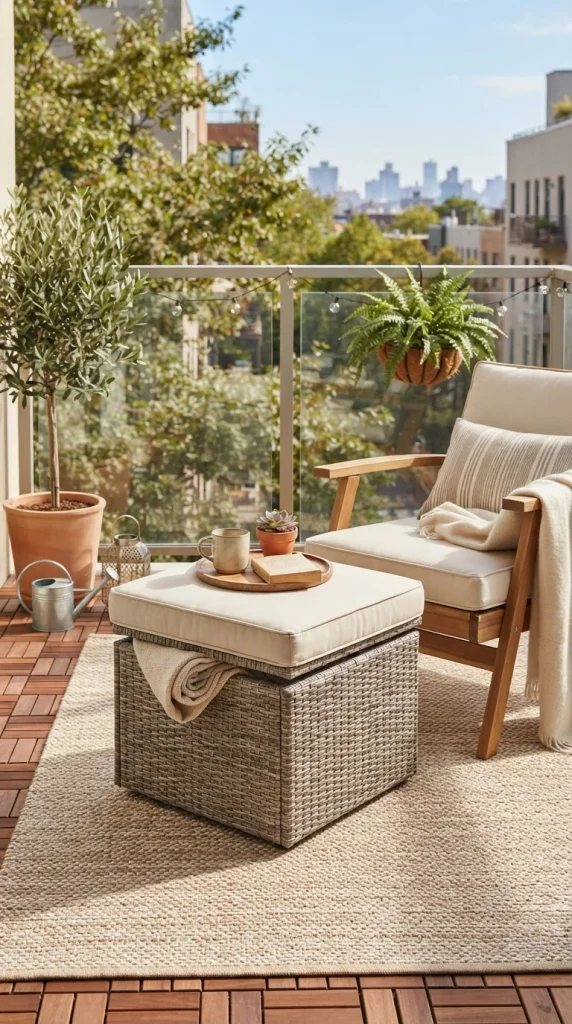
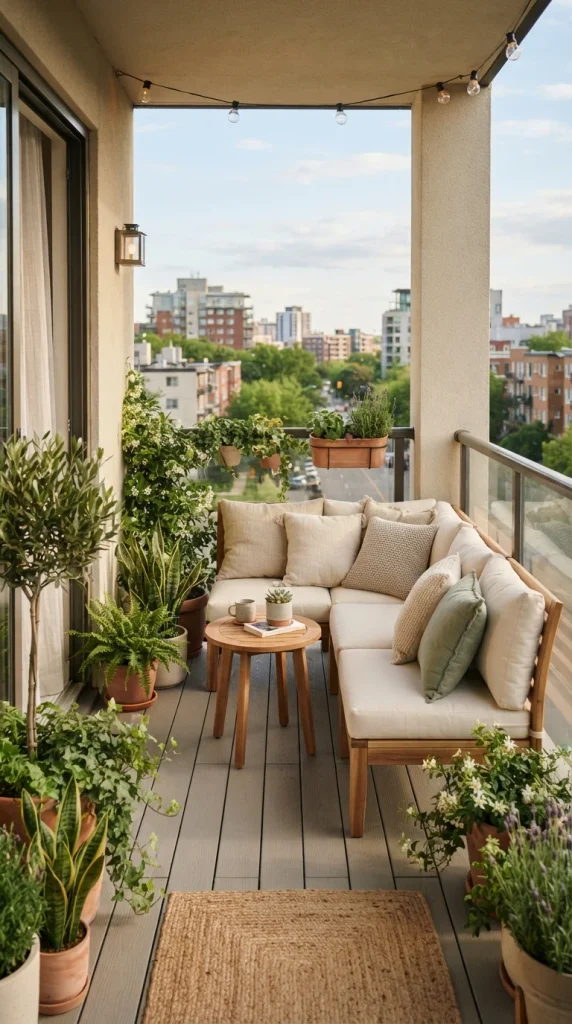
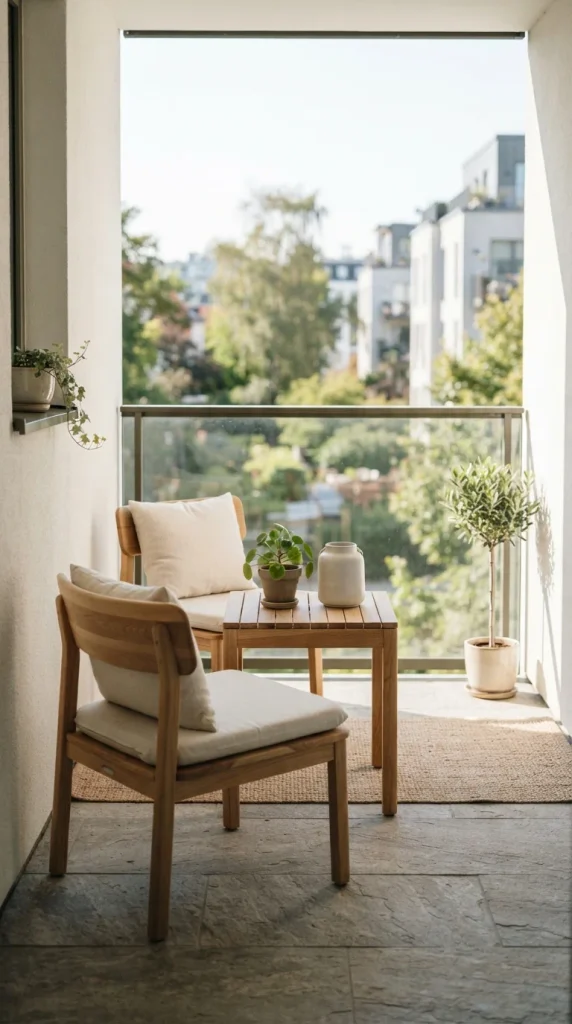
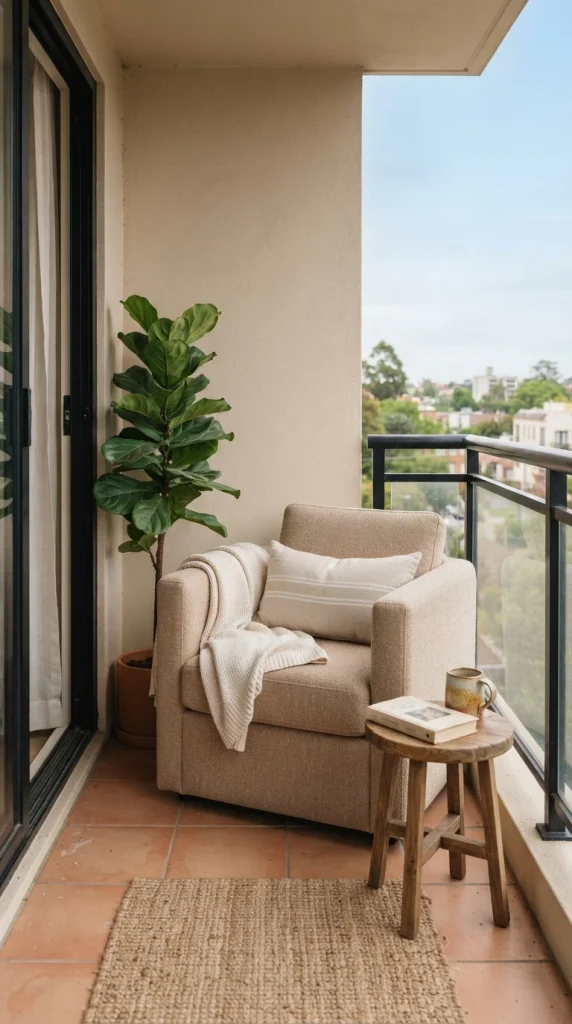
    A small balcony can become a useful extension of your apartment with the right furniture. For limited space, choose compact furniture based on the size, layout, and purpose of the outdoor space. Create a cozy morning coffee corner, reading space, or compact dining area where you can relax after work. In Indian apartments, consider sunlight,…


  • 21 DIY Garage Organization Ideas to Make the Most of Every Inch

    21 DIY Garage Organization Ideas to Make the Most of Every Inch

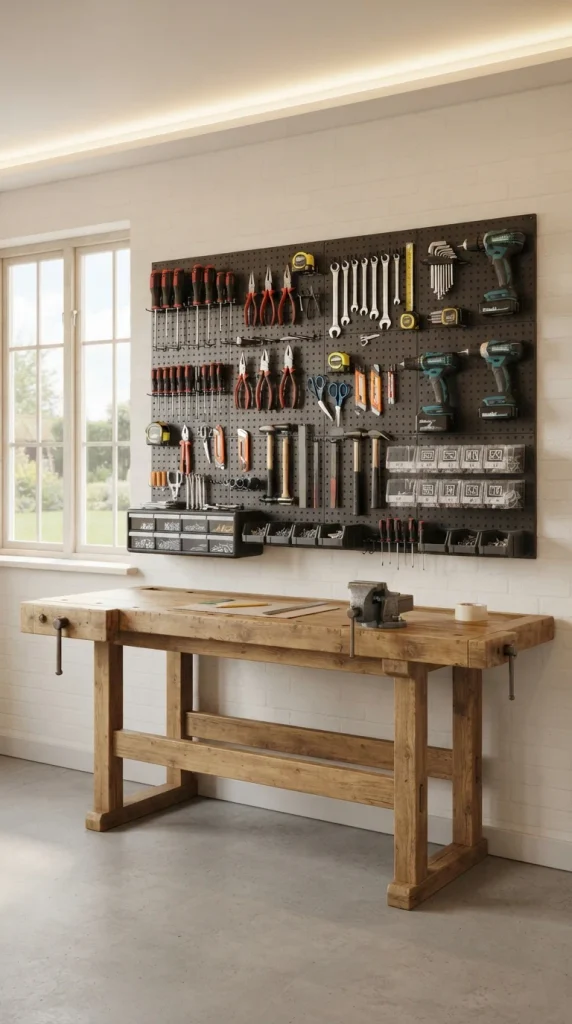
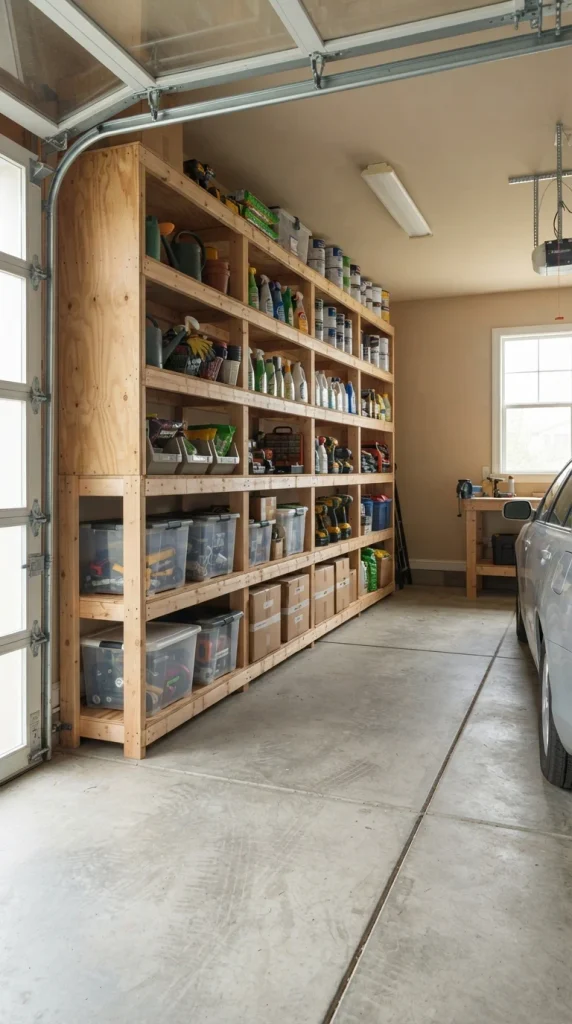
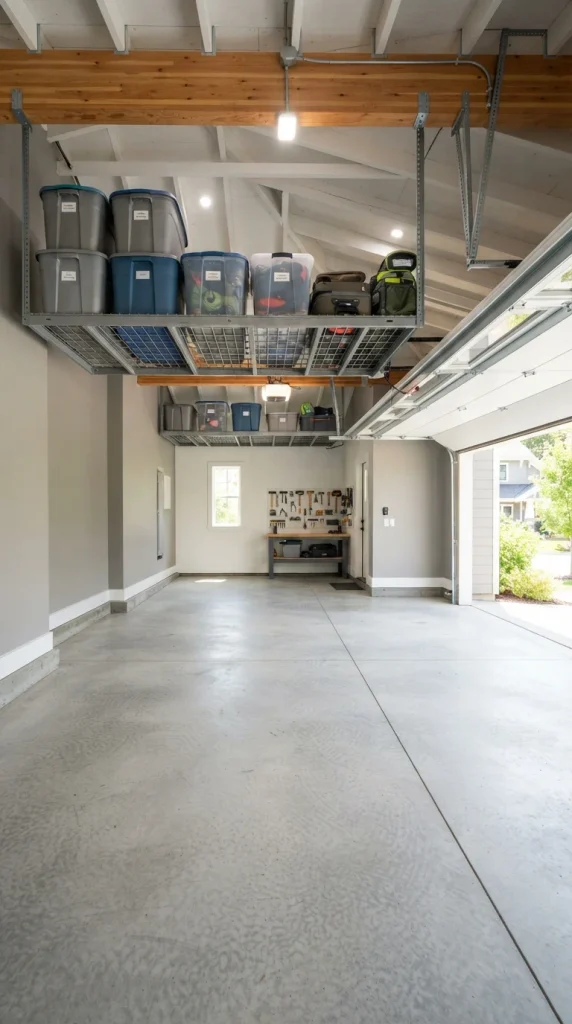
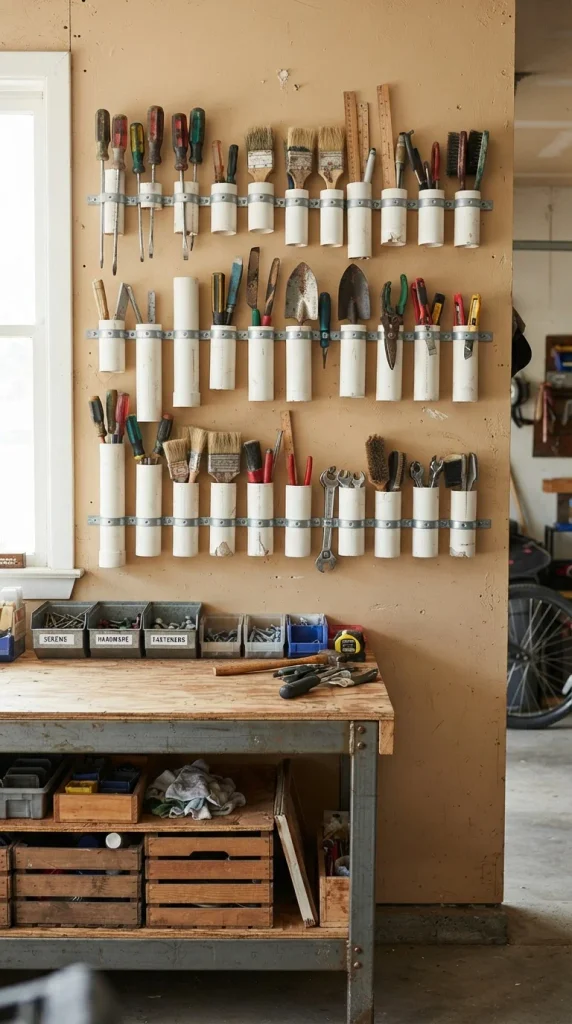
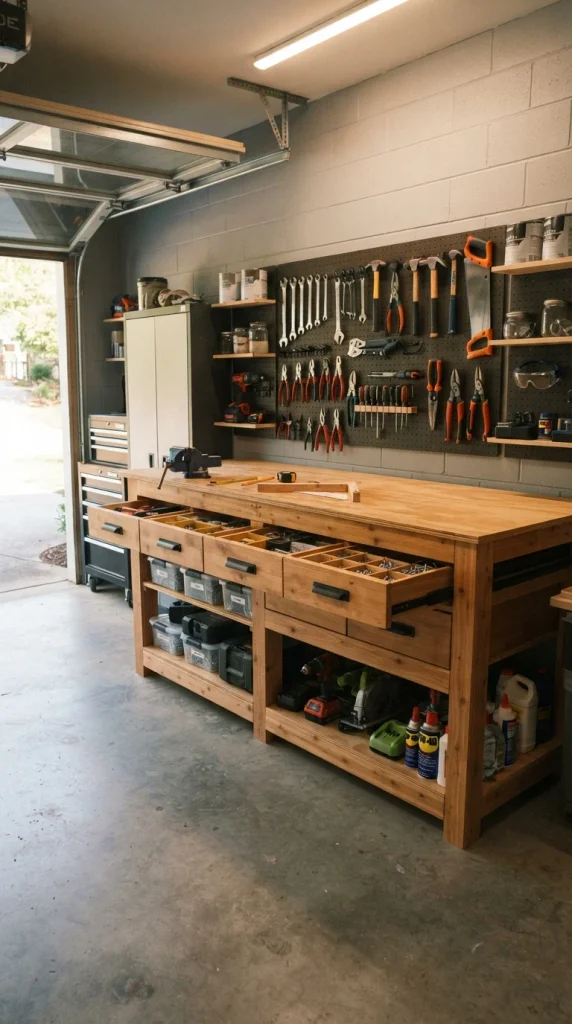
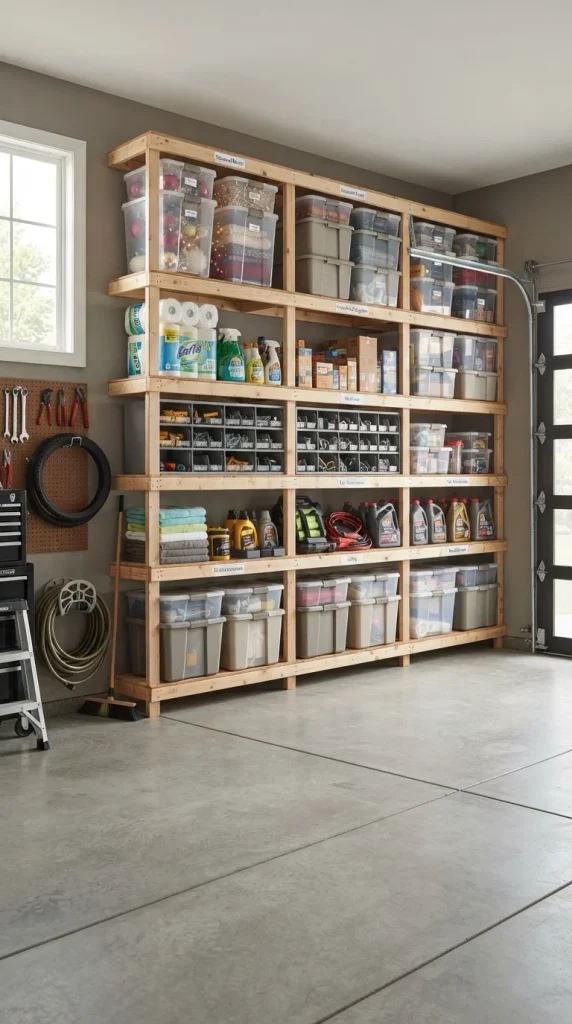
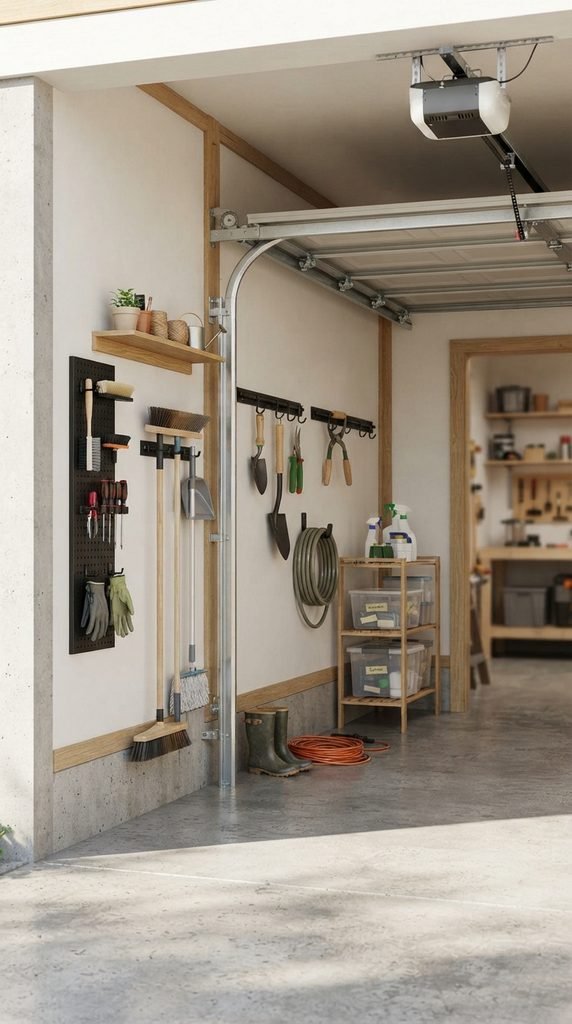
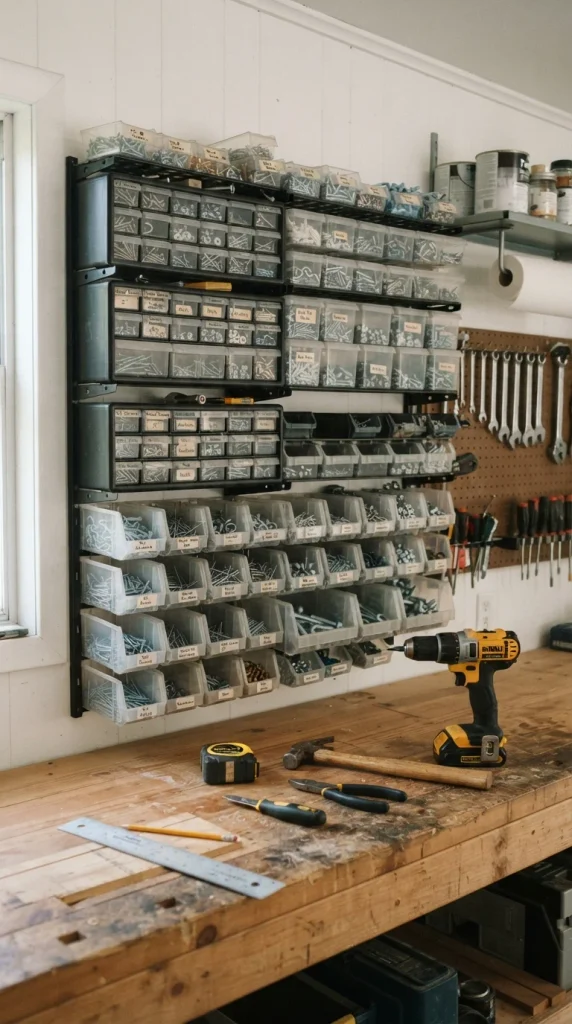
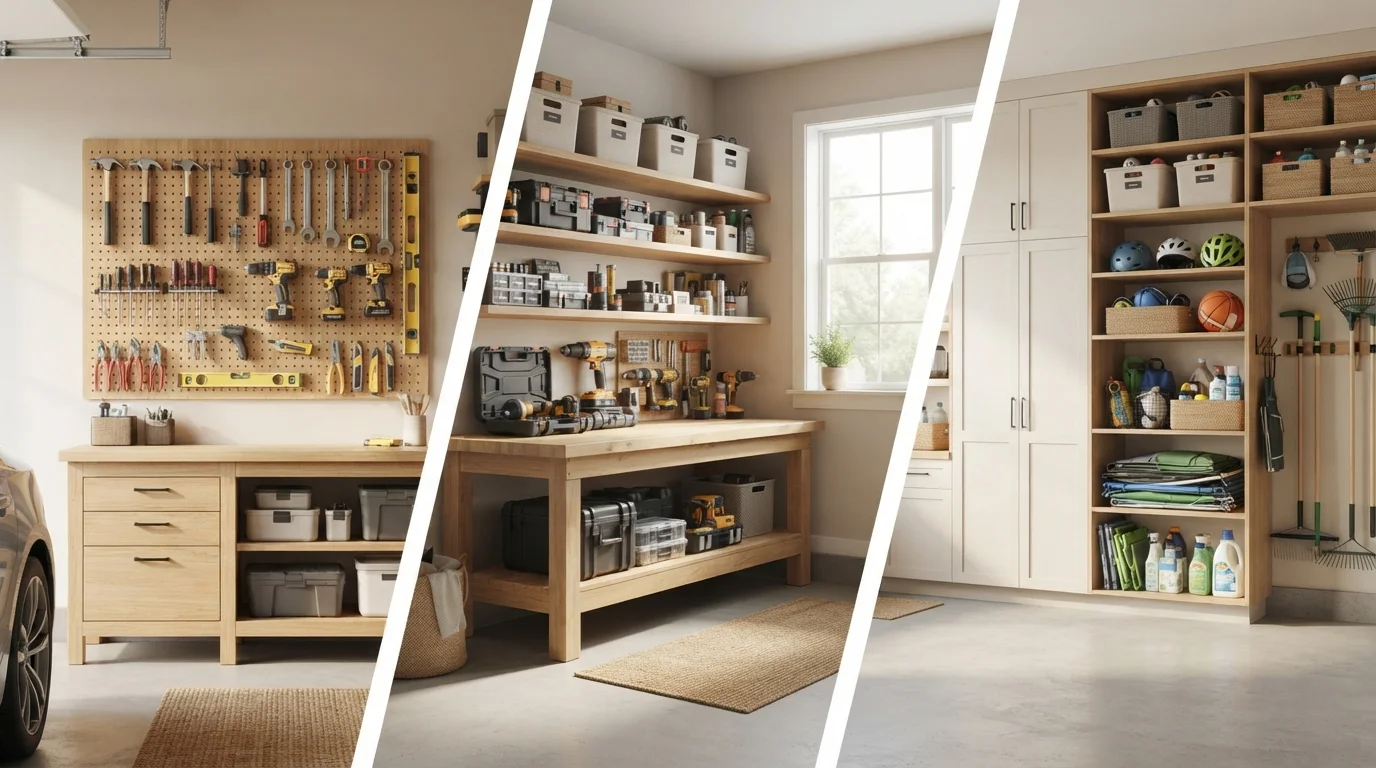
    When I organize a garage, I start by looking at how the space is actually used rather than simply adding more storage. DIY garage storage solutions can help organize spaces that feel cluttered with cars, tools, and equipment by giving everything a clear place. Simple and creative, budget-friendly ideas such as shelving and wall racks…


  • 21 Smart Home Storage Solutions for a Clutter-Free and Stylish Home

    21 Smart Home Storage Solutions for a Clutter-Free and Stylish Home

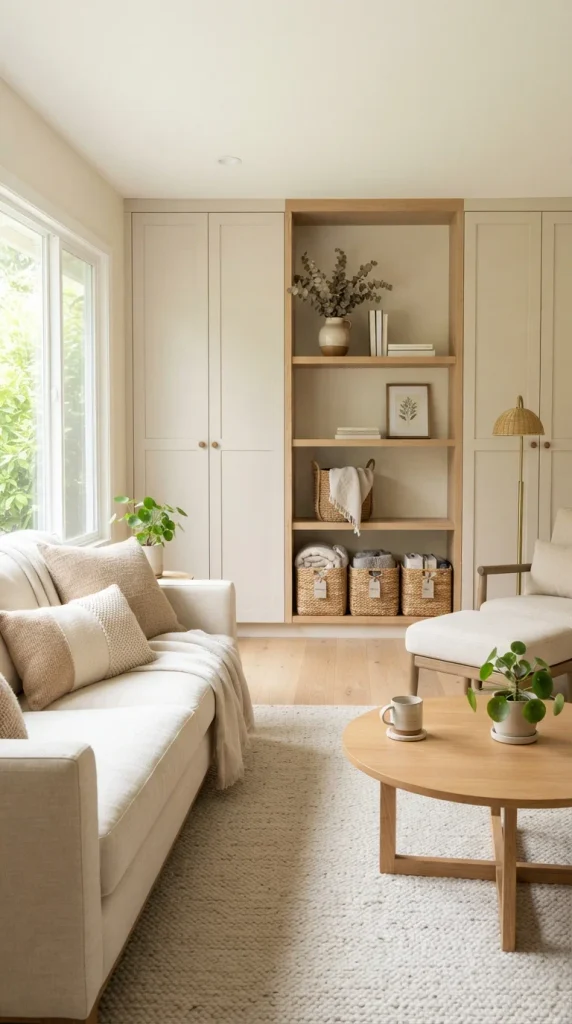
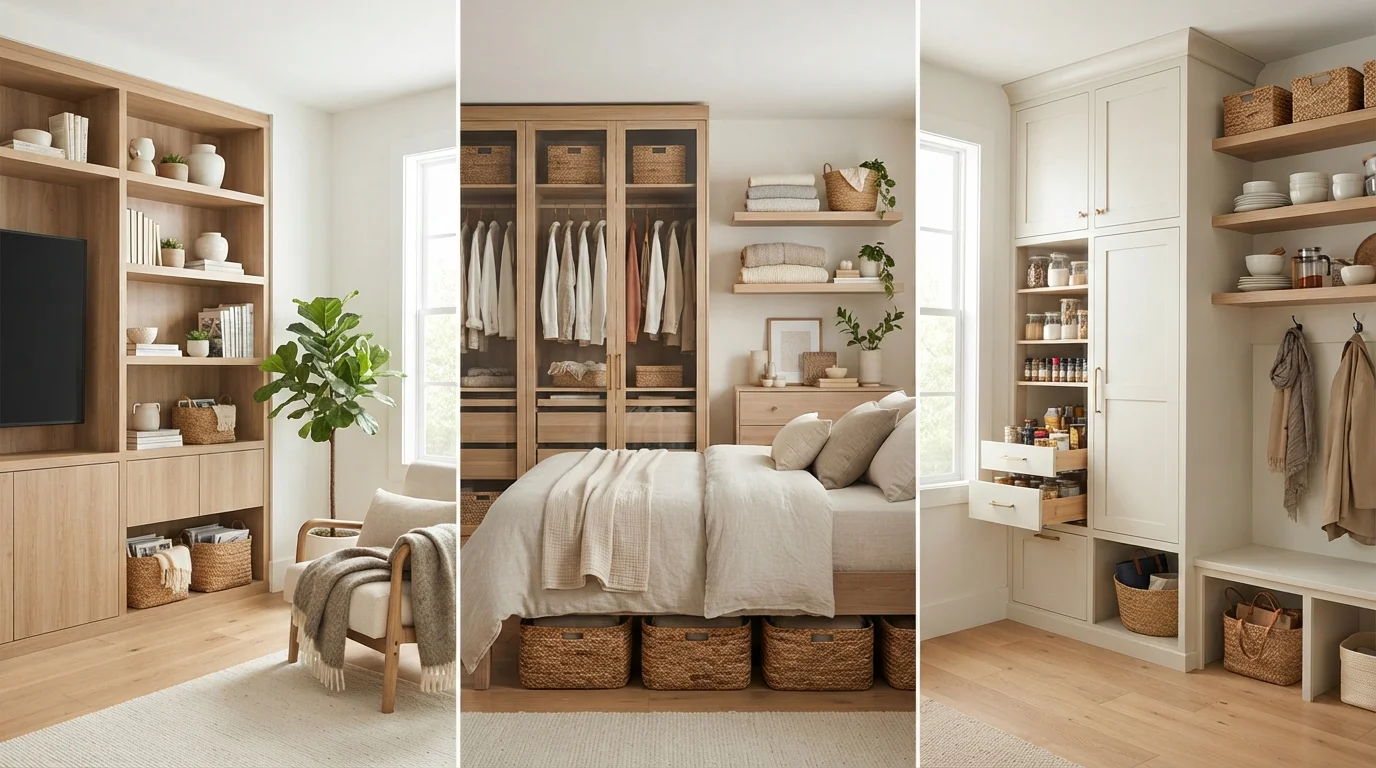
    When I plan storage for a cluttered home, I always start by looking at how everything you own is actually used rather than adding more cabinets. The goal is to create a well-organized haven where clothes, bedroom clothing, bathroom linens, and living room items all have a designated home. In small closets, tiny spaces, and…


Make the most of every square foot with creative small-space decorating ideas for apartments, studios, compact bedrooms, small kitchens, bathrooms, living rooms, and home offices. Discover smart storage solutions, space-saving furniture, renter-friendly upgrades, functional layouts, and stylish organization tips for creating a comfortable and spacious-looking home.

  • 21 IKEA Hacks for Small Rooms to Maximize Space and Style

    21 IKEA Hacks for Small Rooms to Maximize Space and Style

    Making the most of a small room is easy with these creative IKEA hacks for small rooms that combine style and functionality. From clever IKEA storage ideas to space-saving furniture, there are many ways to organize your home without making it feel crowded. These small room decorating ideas include smart shelving, multifunctional furniture, and budget-friendly IKEA hacks for small spaces. Whether you live in a small apartment or have a tiny bedroom, these ideas will help you maximize space and create a stylish, cozy home.

    1. IKEA KALLAX Storage Hack
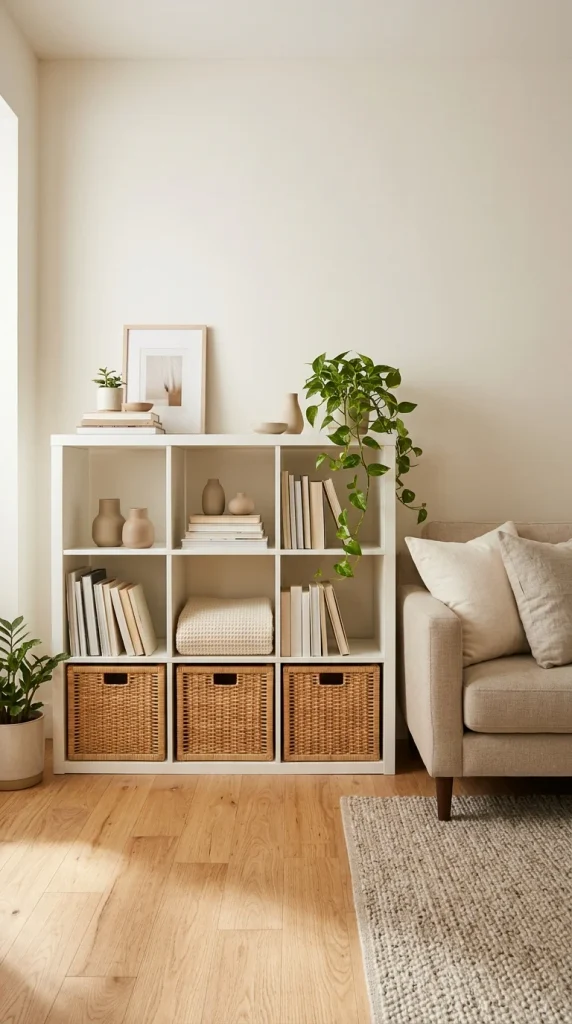
    An IKEA KALLAX shelf can do much more than hold books and decorations. Place baskets inside the cubes to keep toys, clothes, and everyday items organized. You can also use it as a room divider to separate sleeping and living areas. This simple IKEA hack helps small rooms stay tidy while adding useful storage space.

    2. IKEA BILLY Bookshelf Hack

    The IKEA BILLY bookshelf is a smart way to add storage without taking up too much floor space. Use it to organize books, display decorative pieces, or store small baskets. You can style the shelves with matching colors to create a clean and attractive look. Placing the bookshelf against an empty wall helps make the most of unused space.

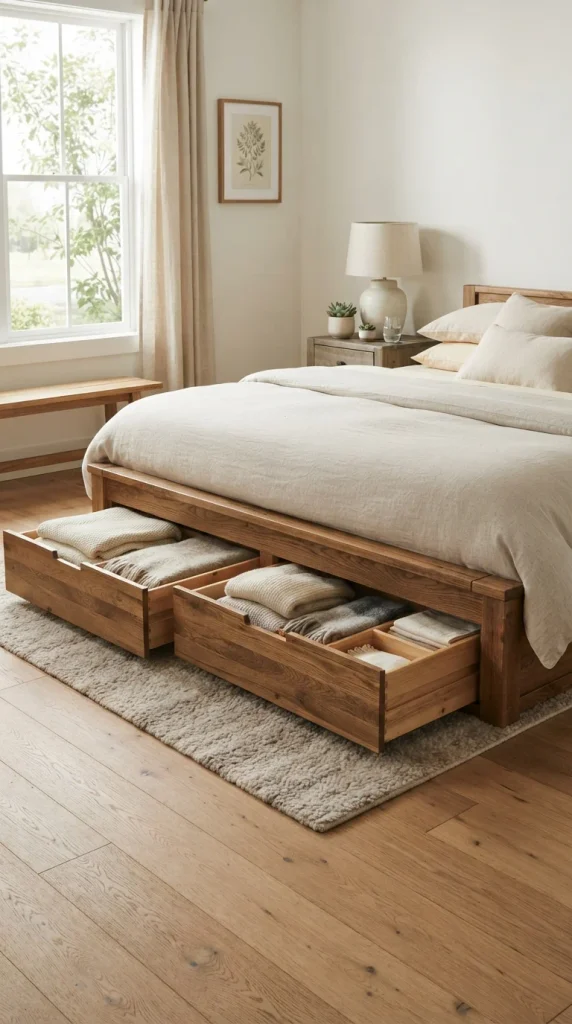
    3. IKEA Bed Storage Hack
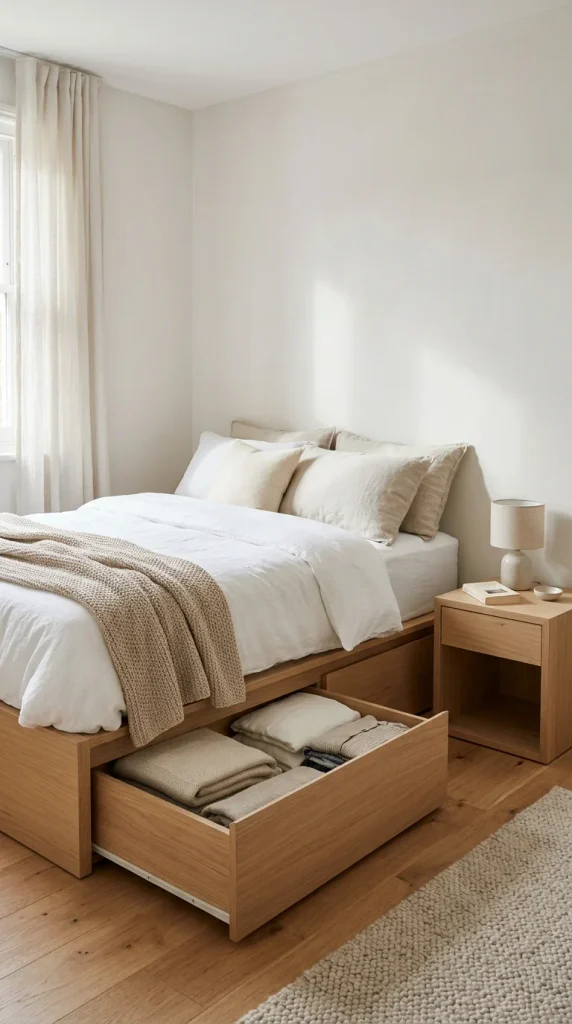
    An IKEA bed storage hack helps you use the space beneath your bed instead of leaving it empty. Add storage boxes or rolling drawers to keep extra bedding, seasonal clothes, and shoes organized. Choose containers that fit neatly under the bed and are easy to pull out. This practical idea reduces clutter and keeps small bedrooms feeling more spacious.

    4. IKEA Floating Shelf Hack

    Floating shelves are perfect for small rooms because they provide storage without using floor space. Install them above a desk, beside a bed, or on an empty wall to display books and decorations. You can also use small baskets to organize everyday essentials. Choose simple shelves that match your furniture for a balanced and stylish appearance.

    5. IKEA PAX Wardrobe Hack

    An IKEA PAX wardrobe can help you organize clothes and accessories in a small bedroom. Add adjustable shelves, hanging rails, and drawers to make the inside fit your needs. Use matching storage boxes for bags, belts, and other small items. Planning the wardrobe around your available space helps reduce clutter and keeps your room looking neat.

    6. IKEA RASKOG Cart Hack
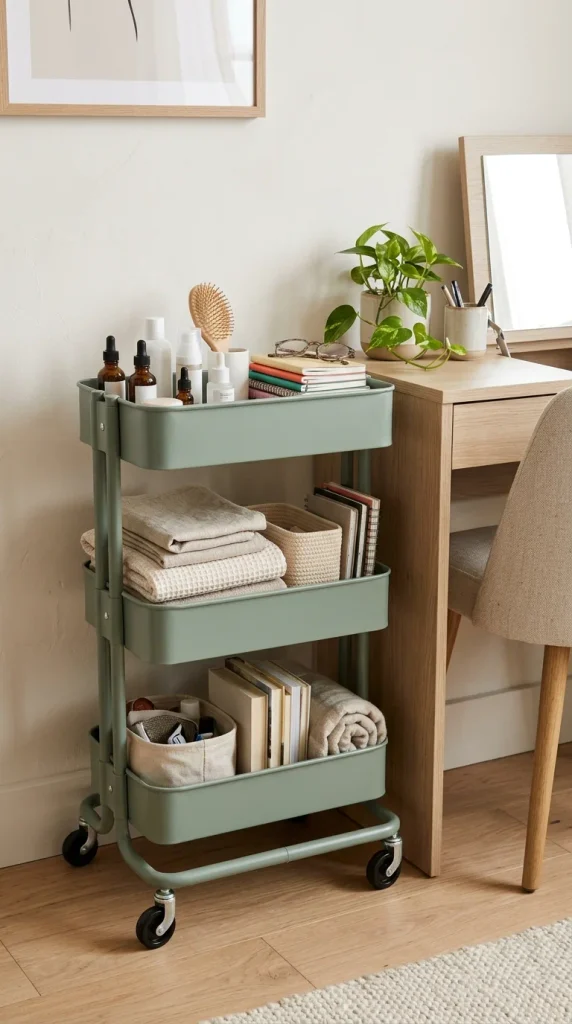
    The IKEA RASKOG cart is a useful storage solution for rooms with limited space. Its small design and wheels make it easy to move wherever you need extra storage. Use it for skincare products, craft supplies, books, or everyday essentials. When you finish using it, roll the cart into a corner to keep your room organized.

    7. IKEA Pegboard Organization Hack

    An IKEA pegboard helps you organize small items while keeping your desk or work area clear. Add hooks, containers, and small shelves to hold stationery, headphones, craft supplies, or accessories. You can arrange the pieces to suit your daily needs and change them whenever necessary. Mounting the pegboard on a wall makes it especially helpful for small bedrooms and home offices.

    8. IKEA Desk Space Hack
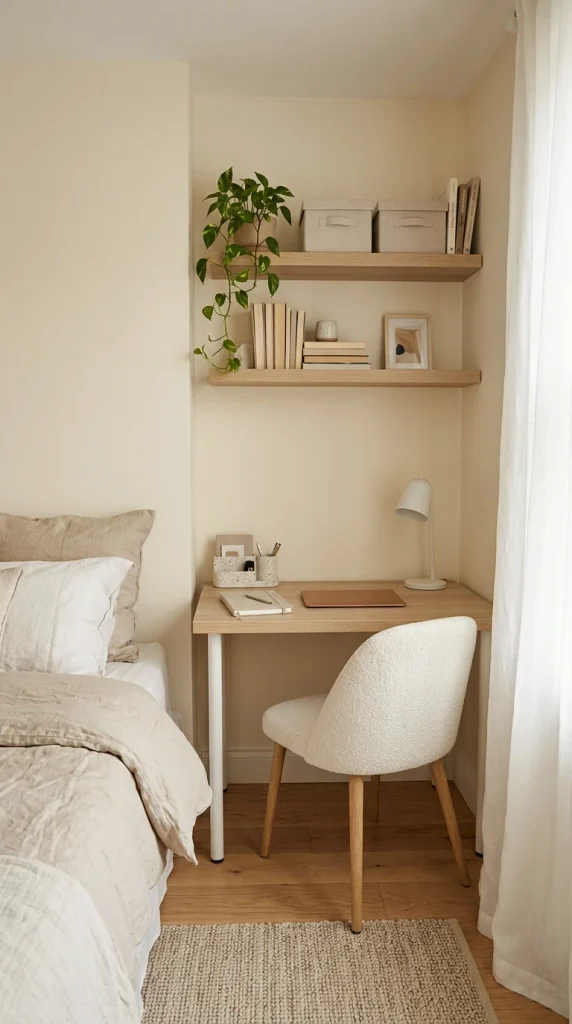
    A compact IKEA desk can create a practical workspace without taking over a small room. Choose a narrow tabletop and pair it with simple legs or a small drawer unit. Use wall shelves above the desk to store books and supplies while keeping the surface clear. This arrangement creates a comfortable place to study or work while leaving more room for other activities.

    9. IKEA Wall Storage Hack

    Wall storage is an easy way to make a small room more organized without adding bulky furniture. Use IKEA wall shelves, rails, or cabinets to keep everyday items within reach. Place storage near your desk, bed, or entryway according to your needs. Keeping the floor clear makes the room easier to clean and helps it feel more open.

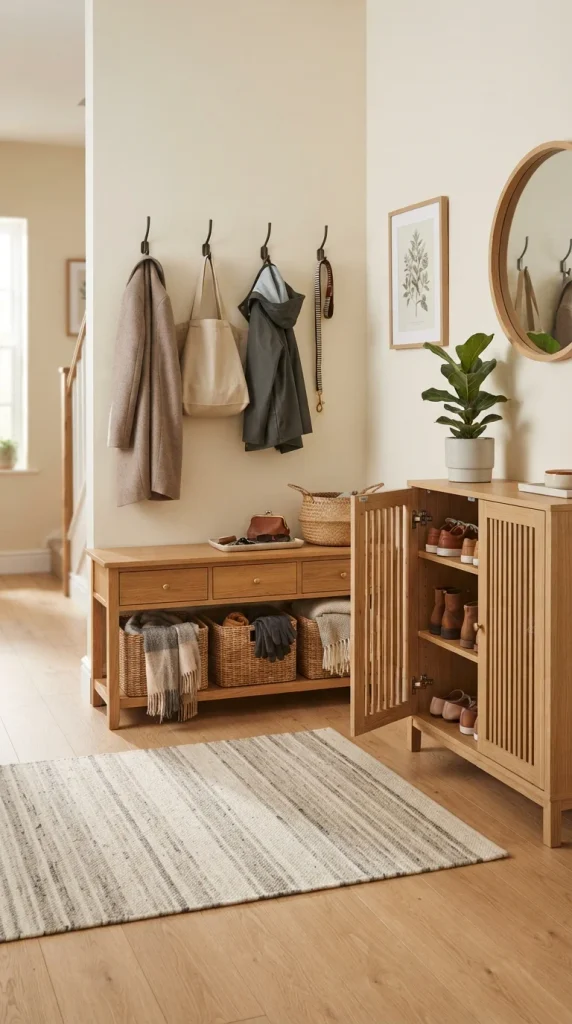
    10. IKEA Shoe Cabinet Hack

    An IKEA shoe cabinet is a smart choice for a small entryway or bedroom. Its slim design can fit into narrow areas where a regular shoe rack might take up too much space. Store everyday shoes inside and use the top surface for keys, a small tray, or simple decorations. This hack keeps footwear out of sight and creates a cleaner, more welcoming space.

    11. IKEA Under Bed Storage
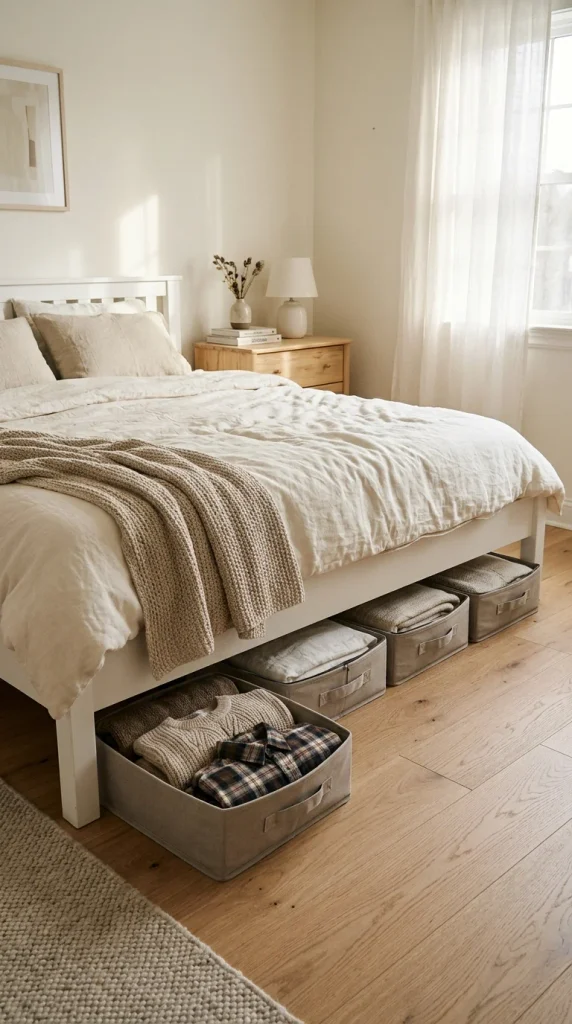
    The space beneath your bed is valuable when your room has limited storage options. Use IKEA storage boxes or flat containers to hold extra blankets, seasonal clothing, and spare pillows. Label the containers so you can find items easily without opening every box. Keeping these belongings under the bed frees up closet space and helps maintain an organized bedroom.

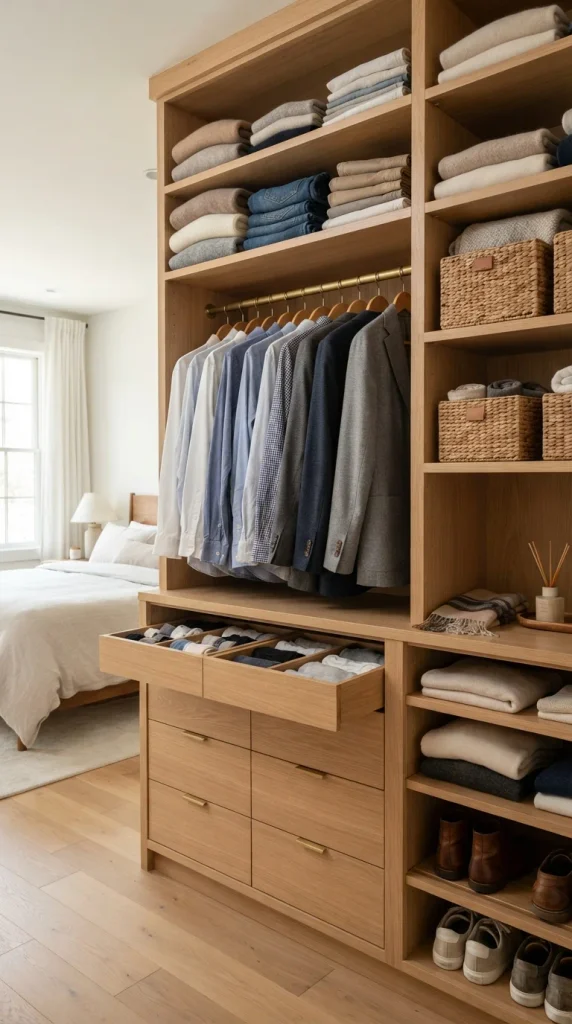
    12. IKEA Small Closet Hack
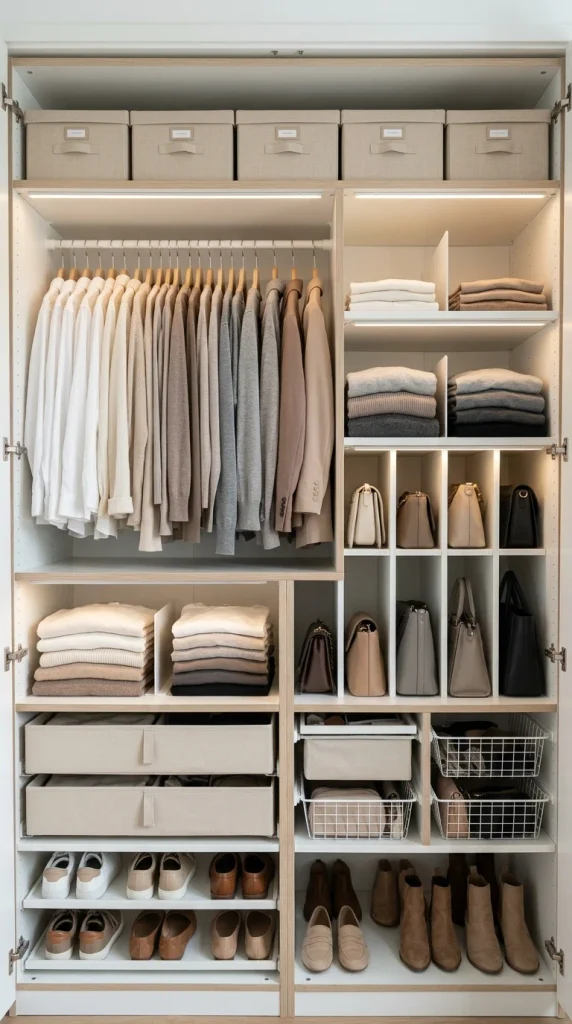
    A small closet can become much more useful with a few simple IKEA storage solutions. Add drawer organizers, shelf dividers, and hanging storage to separate clothing and accessories. Use matching boxes for items you do not need every day. Arranging everything by category makes it easier to find what you need and helps prevent your closet from becoming overcrowded.

    13. IKEA Foldable Table Hack

    A foldable table is ideal for a small room that serves several purposes throughout the day. Use it as a dining table, study desk, or extra work surface when needed. Fold it away after use to create more open floor space. Pairing it with lightweight chairs makes the setup easy to move and practical for compact apartments.

    14. IKEA Bench Storage Hack
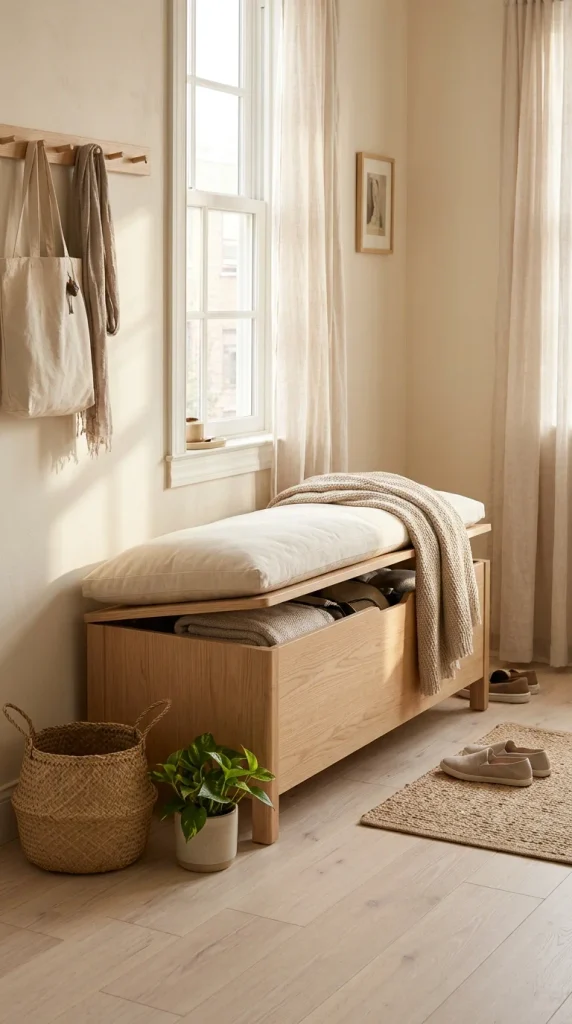
    A storage bench provides seating and a useful place to keep everyday belongings. Place one near your bed, under a window, or beside the entrance to make better use of unused space. Store shoes, blankets, bags, or small accessories inside the bench. Add a comfortable cushion to make it feel cozy while keeping clutter hidden.

    15. IKEA Kitchen Cart Hack
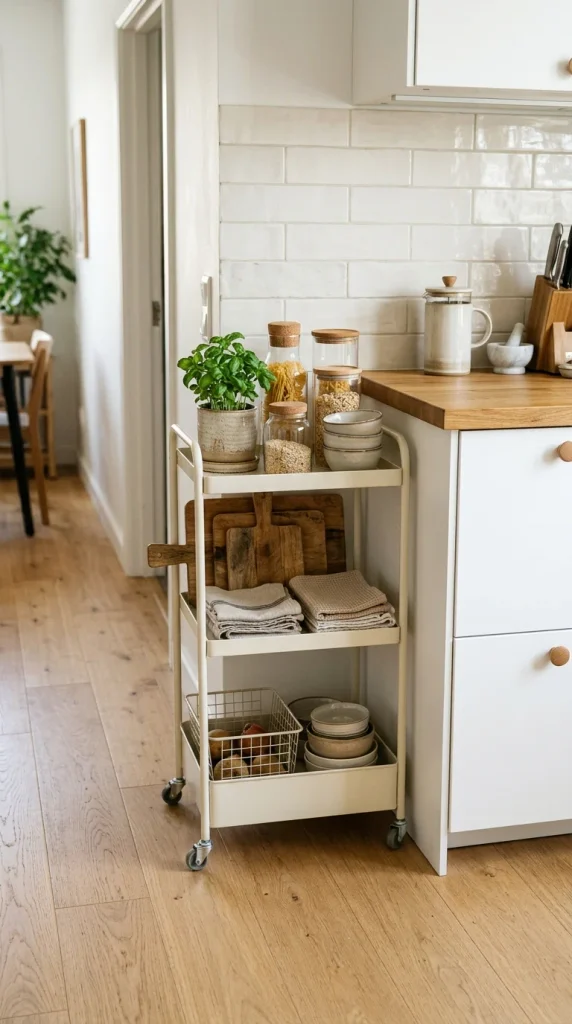
    An IKEA kitchen cart can provide extra storage in a small kitchen or multipurpose room. Use its shelves to organize cooking supplies, snacks, books, or craft materials. Choose a location where the cart will not block walkways or doors. Since many carts have wheels, you can move them when you need extra floor space or a more flexible arrangement.

    16. IKEA Cube Organizer Hack

    An IKEA cube organizer makes it easy to separate belongings into simple storage sections. Place fabric bins inside the cubes to hide clutter and create a coordinated look. You can use the organizer for clothes, toys, books, or folded towels, depending on the room. Its versatile design works well in bedrooms, living rooms, and small home offices.

    17. IKEA Murphy Bed Hack
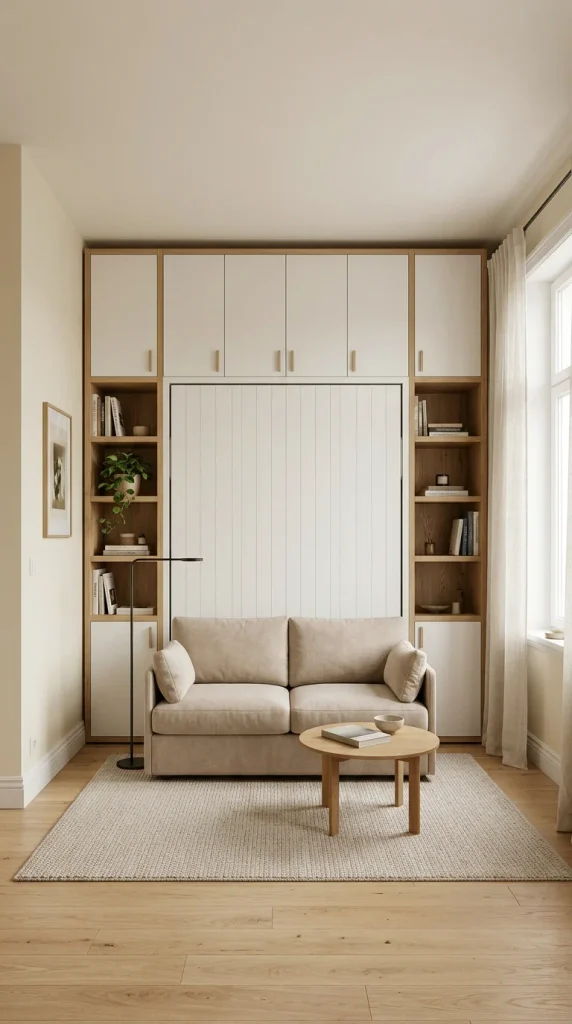
    A wall bed can help a small room serve as both a bedroom and a living or working area. When designed to fold away, it creates more usable floor space during the day. Pair the setup with wall shelves or compact furniture to keep the room functional. Choose a suitable IKEA-compatible system and ensure professional installation when required for safe use.

    18. IKEA Corner Shelving Hack
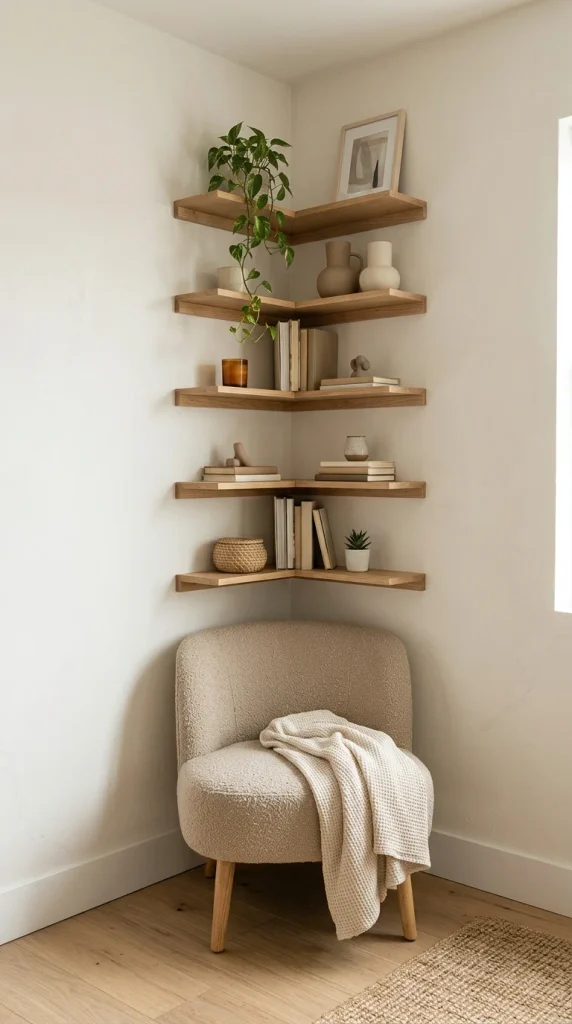
    Corners are often overlooked, but they can provide useful storage in a small room. Add IKEA corner shelves to display books, plants, framed photos, or decorative accessories. Keep the arrangement simple so the shelves do not look crowded. Using vertical corner space helps you decorate your room while leaving the main floor area open.

    19. IKEA TV Stand Hack
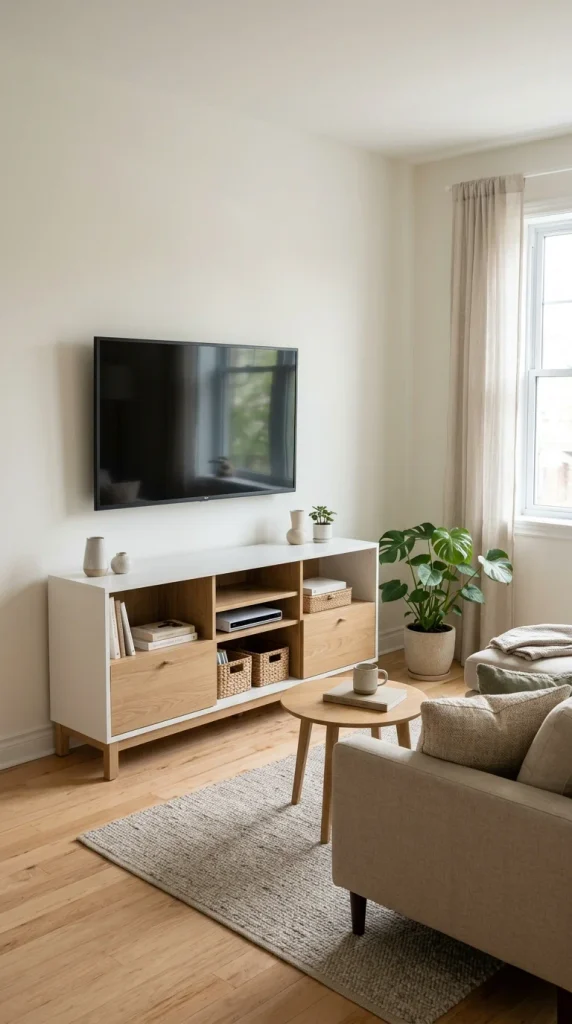
    An IKEA TV stand can help organize entertainment essentials without adding unnecessary furniture. Choose a compact unit with drawers or shelves to store remote controls, cables, and media accessories. Use cable organizers to keep wires hidden and maintain a clean appearance. A properly sized TV stand creates a practical focal point while helping a small living room feel less cluttered.

    20. IKEA Hidden Storage Hack
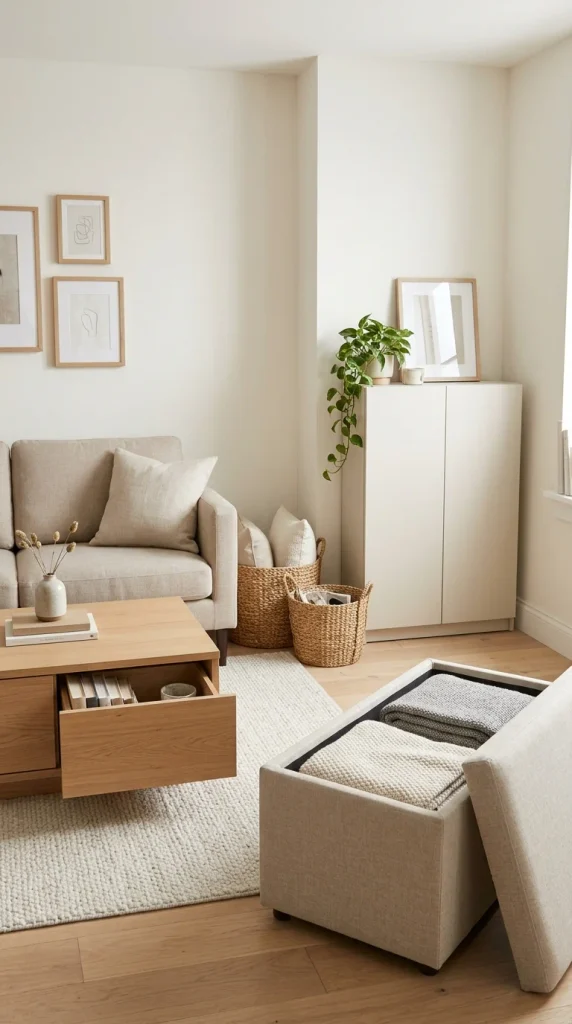
    Hidden storage is useful when you want a small room to look neat without removing essential belongings. Use storage ottomans, closed cabinets, and boxes that fit inside existing furniture. Keep frequently used items in easy-to-reach places and store seasonal belongings out of sight. This approach helps reduce visual clutter and creates a calmer, more comfortable space.

    21. IKEA Multi Purpose Furniture
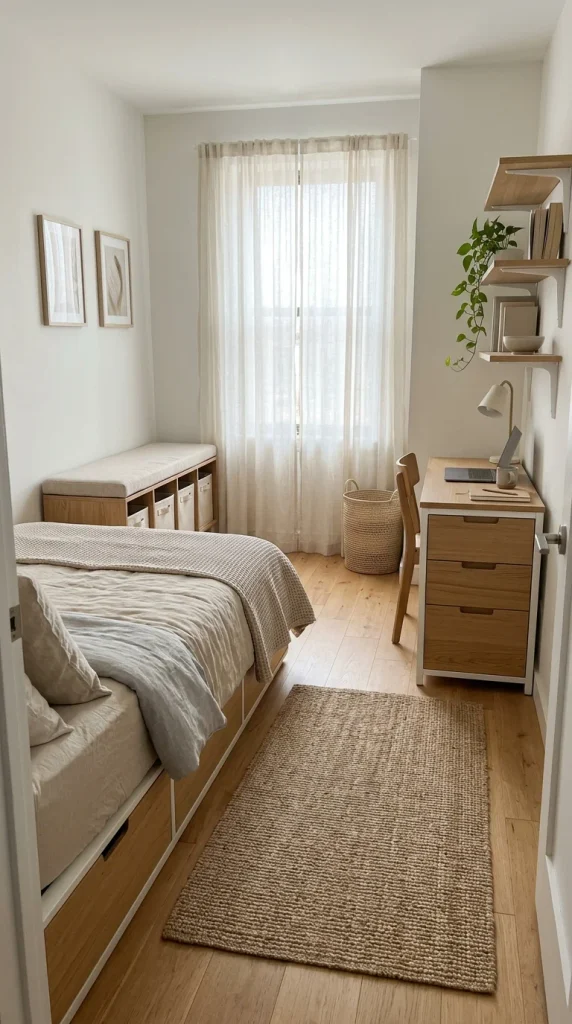
    Multipurpose furniture helps you get more value from every inch of a small room. Choose pieces that offer two functions, such as a storage bench, a desk with drawers, or a bed with space underneath. Avoid adding furniture that serves the same purpose as something you already own. By choosing practical pieces carefully, you can create a room that feels organized, comfortable, and stylish.

    Conclusion

    These IKEA hacks for small rooms show how simple furniture changes and smart storage ideas can make a big difference in your home. From floating shelves and under-bed storage to multifunctional furniture, there are many ways to maximize space without sacrificing style. Choose ideas that fit your room size, daily needs, and budget to create a cozy, organized, and functional living space.

    Frequently Asked Questions

    1. What are the best IKEA hacks for small rooms?

    Some of the best options include floating shelves, KALLAX storage cubes, under-bed containers, pegboards, and compact desks. These solutions help you use vertical space, organize everyday belongings, and keep the floor clear.

    2. How can I make a small room look bigger with IKEA furniture?

    Choose furniture with a compact design, use wall-mounted shelves, and avoid overcrowding the room. Light-colored furniture, mirrors, and open floor space can also help a small room feel brighter and more spacious.

    3. Are IKEA hacks for small rooms budget-friendly?

    Yes, many IKEA hacks are affordable because they use simple storage boxes, shelves, organizers, and furniture you may already own. Start with one problem area and make small improvements instead of buying everything at once.

    4. Which IKEA products are best for small bedroom storage?

    KALLAX shelves, PAX wardrobes, under-bed storage boxes, and compact drawer units can work well in small bedrooms. Measure your available space before choosing a product to ensure it fits comfortably.

    5. How can I use IKEA furniture in a small apartment?

    Choose furniture that serves more than one purpose, such as a storage bench, foldable table, or compact desk. Use vertical shelving and mobile carts to increase storage without filling the apartment with bulky furniture.

    6. What colors work best for IKEA furniture in small rooms?

    White, beige, light gray, and natural wood tones can make a small room feel bright and open. You can add darker accents through cushions, baskets, or decorative pieces to create contrast without overwhelming the space.

    7. How do I keep a small room organized with IKEA storage?

    Give every item a specific place and use baskets, drawer organizers, and labeled boxes to separate belongings. Keep frequently used items accessible and regularly remove things you no longer need to prevent clutter from building up.
  • 21 Small Apartment Bookshelf Ideas to Maximize Space and Style

    21 Small Apartment Bookshelf Ideas to Maximize Space and Style

    Small apartment bookshelves are a smart way to organize books while making the most of limited space. With the right small apartment bookshelf ideas, you can create a stylish and functional home without making your rooms feel crowded. From floating bookshelves and corner bookcases to vertical shelving and multifunctional storage, there are many creative ways to display books and decorative items. These 21 small apartment bookshelf ideas will help you maximize space, reduce clutter, and add personality to your home.

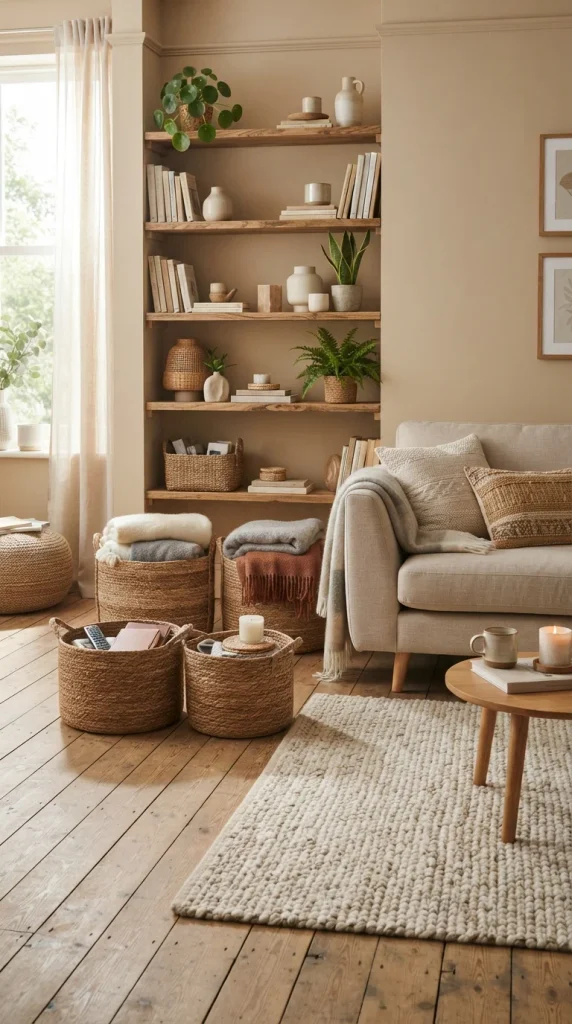
    1. Floating Wall Bookshelves

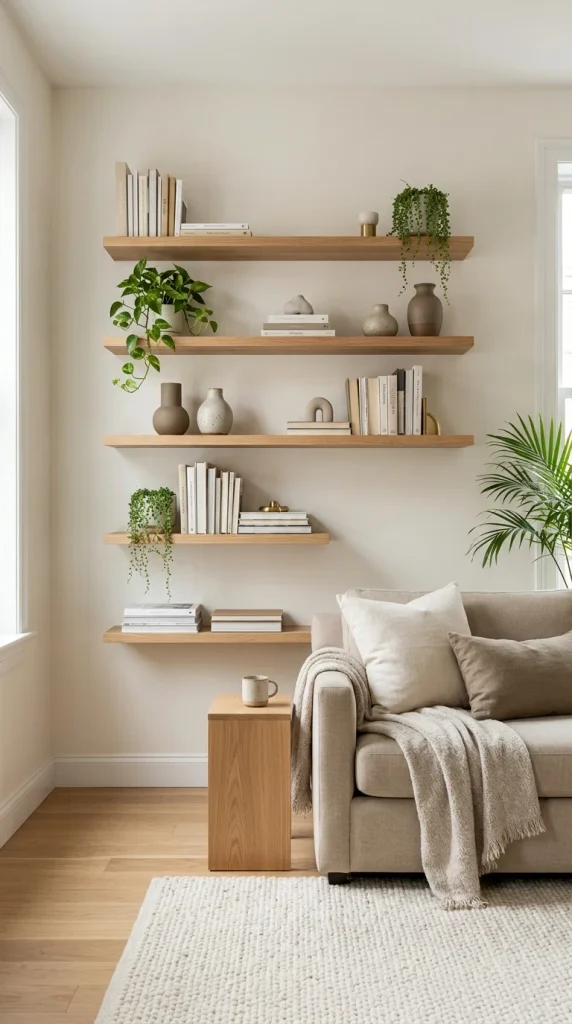
    Floating wall bookshelves are perfect for small apartments because they keep the floor clear. You can install them above a desk, sofa, or reading chair to make use of empty wall space. Choose simple wooden or white shelves to match your home decor. Arrange books with a few small plants or decorative items for a clean and stylish look.

    2. Tall Vertical Bookcases

    Tall vertical bookcases help you store more books without taking up too much floor space. Their narrow design makes them ideal for bedrooms, living rooms, and small home offices. Choose a bookcase that reaches close to the ceiling to use vertical space effectively. Keep frequently used books on lower shelves and decorative pieces on top for a balanced appearance.

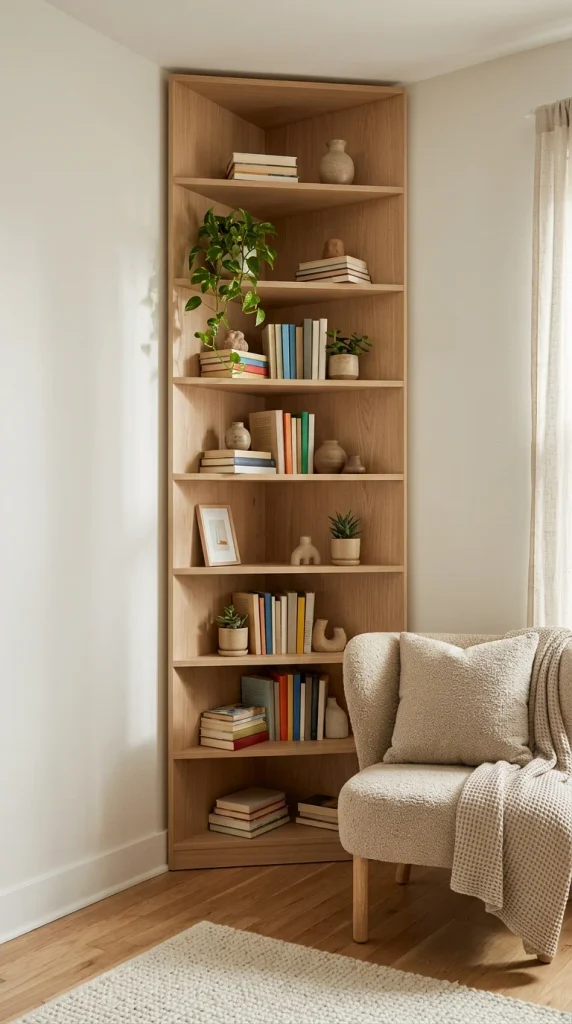
    3. Corner Bookshelf Designs

    Corner bookshelves turn unused corners into practical storage areas for books and accessories. They work well in small apartments where every inch of space matters. You can choose a triangular corner unit or a tall, narrow bookcase that fits neatly against two walls. Add a small lamp or a few decorative objects to create a cozy and attractive corner.

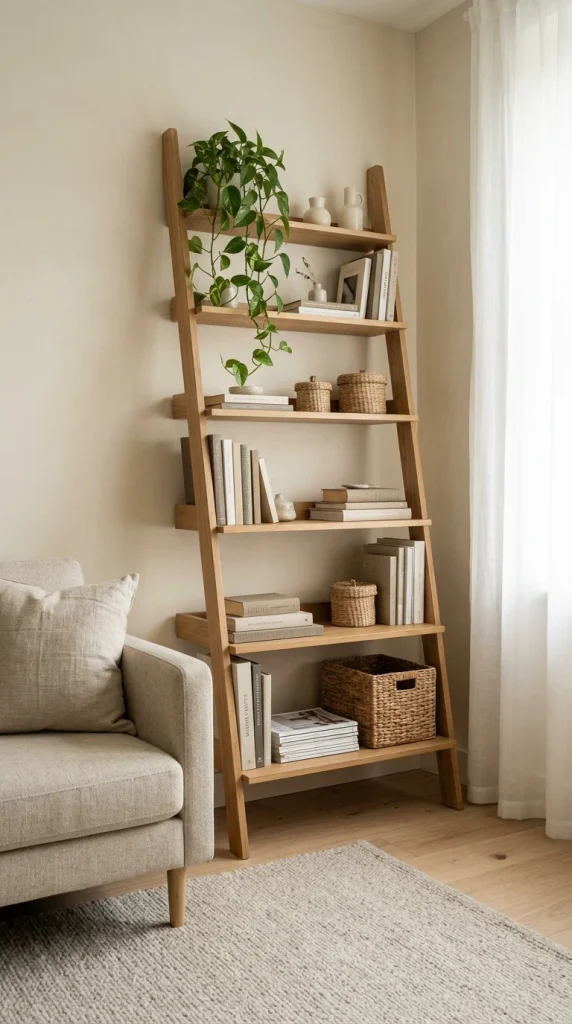
    4. Ladder Style Bookshelves

    Ladder-style bookshelves offer a modern look while providing useful storage for small spaces. Their angled frames create an open appearance that helps a room feel less crowded. Place one beside a sofa, near a window, or in a bedroom corner. Use the lower shelves for larger books and the upper shelves for lightweight decor, small plants, or framed pictures.

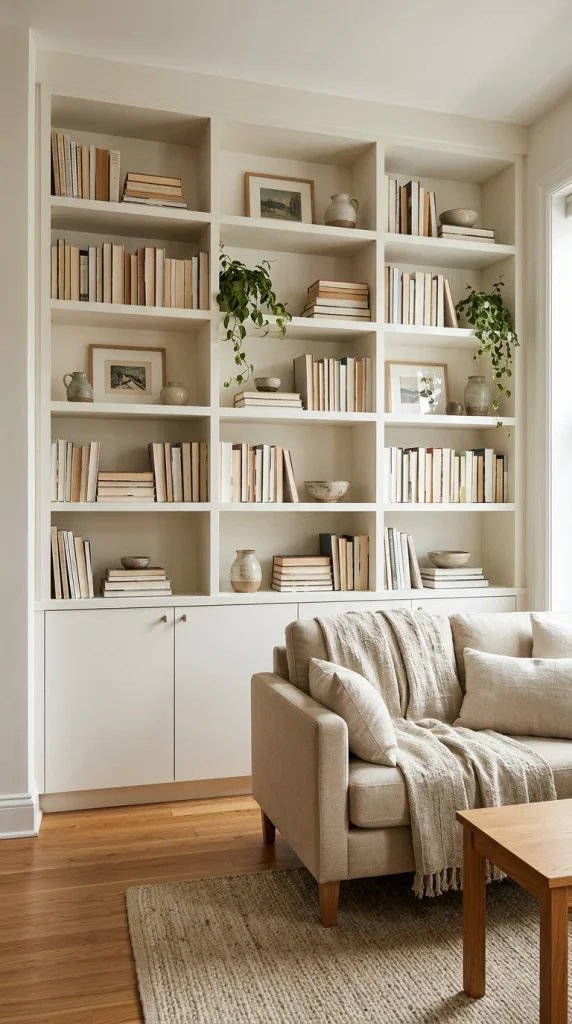
    5. Built-In Wall Shelving

    Built-in wall shelving creates a neat and organized place for books without requiring a separate piece of furniture. It can fit between walls, around windows, or inside unused wall recesses. This design is especially useful for apartments with limited floor space. Paint the shelves the same color as the walls for a seamless appearance, or use natural wood to add warmth.

    6. Under Window Bookshelves

    Under-window bookshelves make good use of space that might otherwise remain empty. A low bookcase can fit beneath a window while allowing natural light to brighten the room. You can use it to store books, magazines, and small decorative accessories. Add a comfortable chair and a soft cushion nearby to create a relaxing reading spot without taking up much space.

    7. Narrow Slim Bookcases

    Narrow slim bookcases are a practical choice for apartments with tight hallways or limited wall space. Their compact shape provides storage without blocking walkways or making a room feel crowded. Place one beside a desk, between two pieces of furniture, or in an unused wall gap. Choose adjustable shelves so you can store books of different sizes more easily.

    8. Bookshelves Above Desks

    Bookshelves above desks help keep books and work supplies organized without taking up valuable desk space. Install one or two sturdy shelves above your workspace to hold reference books, notebooks, and small storage boxes. Keep heavier items securely supported and avoid placing shelves too low above your head. A simple arrangement can make your small home office feel more functional and organized.

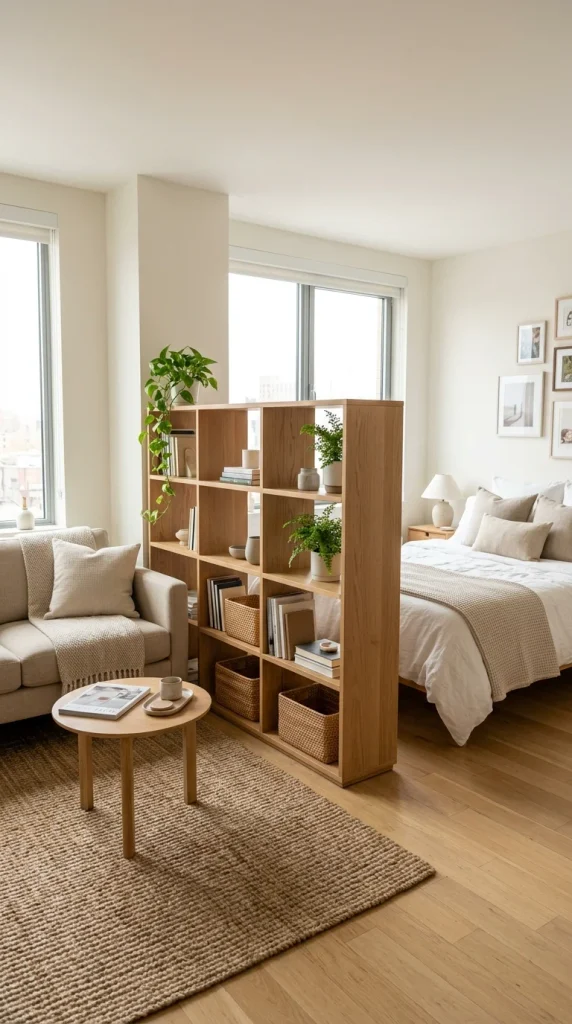
    9. Room Divider Bookshelves

    Room divider bookshelves are useful for separating different areas in a small apartment. An open bookcase can divide a living room from a sleeping area while still allowing light to pass through. Choose a design with shelves on both sides for extra storage and easy access. Keep the arrangement balanced with books, baskets, and a few decorative pieces to maintain an open feeling.

    10. Minimalist Open Shelving

    Minimalist open shelving is ideal for people who prefer a simple and uncluttered home. These shelves provide space for books while keeping the overall design light and airy. Choose neutral colors such as white, beige, or light wood to complement a small apartment. Arrange books in small groups and leave some empty space between objects to create a calm, organized appearance.

    11. Hidden Storage Bookcases

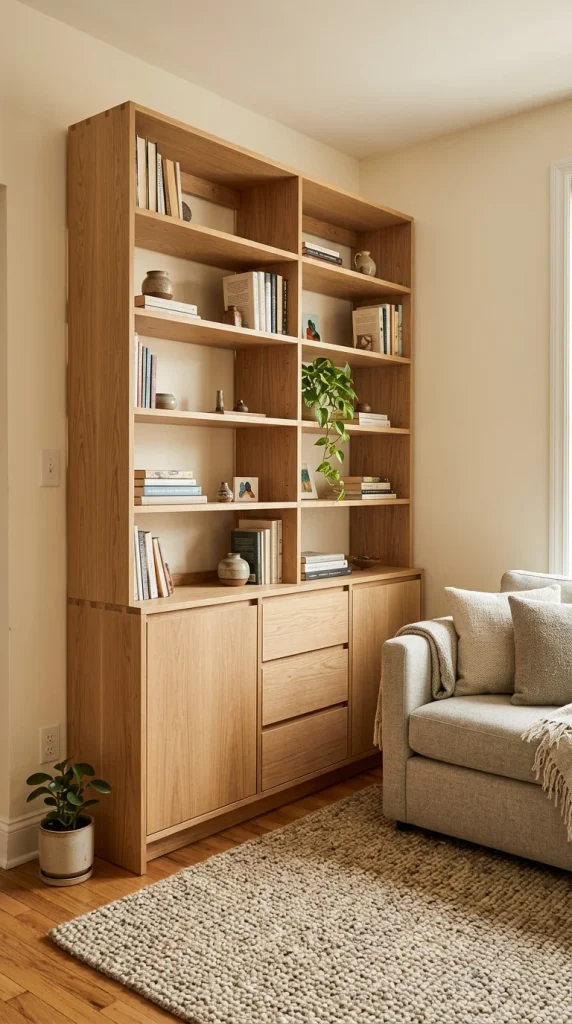
    Hidden storage bookcases combine book display space with compartments that keep everyday clutter out of sight. They are useful for storing paperwork, charging cables, stationery, and other small household items. Choose a unit with closed cabinets or drawers at the bottom and open shelves above. This combination helps your apartment stay tidy while keeping your favorite books easy to reach.

    12. Rolling Bookshelf Carts

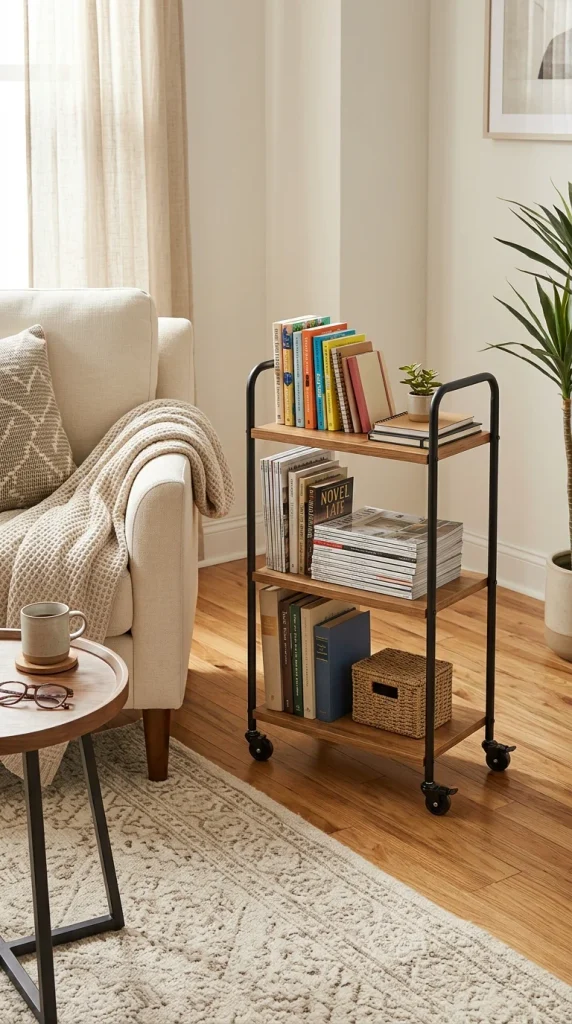
    Rolling bookshelf carts provide flexible storage that can move wherever you need it. Their compact design works well beside a reading chair, desk, or bed. Use the different levels to organize books, magazines, and small accessories. Choose a cart with locking wheels so it stays in place when needed, and avoid overloading it to keep it stable and easy to move.

    13. Bedside Bookshelf Ideas

    A bedside bookshelf offers convenient storage for books without requiring a large nightstand. You can choose a small vertical bookcase, wall-mounted shelves, or a compact unit beside your bed. Keep your current reading books, a reading light, and a few personal items within easy reach. A simple design helps maintain a peaceful bedroom while making better use of limited space.

    14. Over Door Bookshelves

    Over-door bookshelves use vertical space that is often overlooked in small apartments. A properly installed shelf above a doorway can hold lightweight books or decorative objects without occupying floor space. Make sure the shelf is securely attached to the wall and leaves enough clearance for the door to open fully. This idea works best for items you do not need to access several times a day.

    15. Modular Cube Shelving

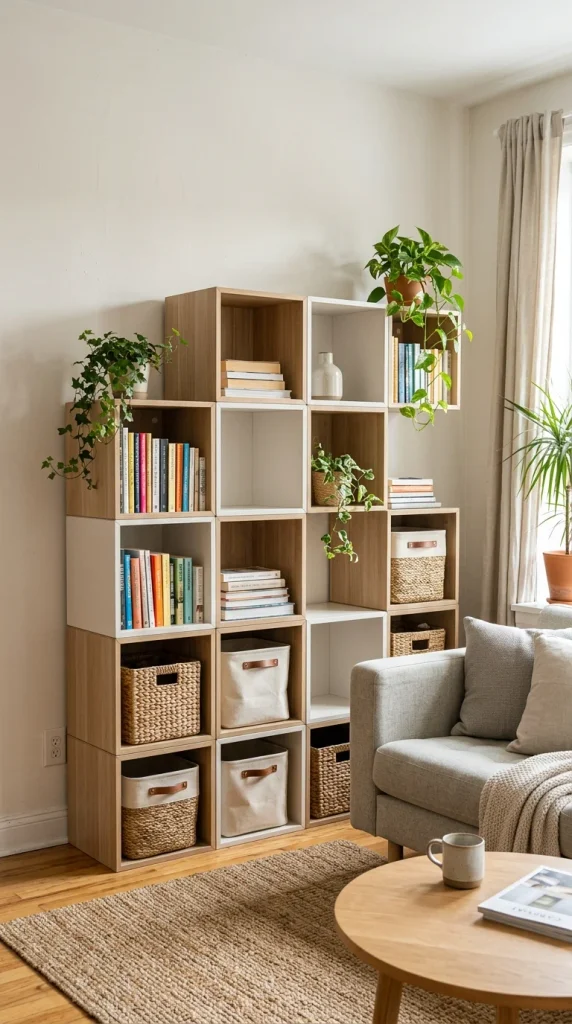
    Modular cube shelving allows you to create a storage arrangement that suits your apartment’s size and layout. Individual cubes can hold books, baskets, plants, and other decorative accessories. You can place the units horizontally beneath a window or vertically against a wall, depending on your needs. Choose matching cubes for a coordinated look, and secure taller arrangements to the wall for safety.

    16. Bookshelves Around Doorways

    Bookshelves around doorways transform unused wall space into useful book storage. Slim shelves can extend along the sides and above a doorway to create a built-in library effect. This design works especially well in living rooms or home offices with limited wall space. Keep the shelves shallow enough to avoid blocking the doorway, and arrange the books neatly for an attractive finish.

    17. Industrial Pipe Bookshelves

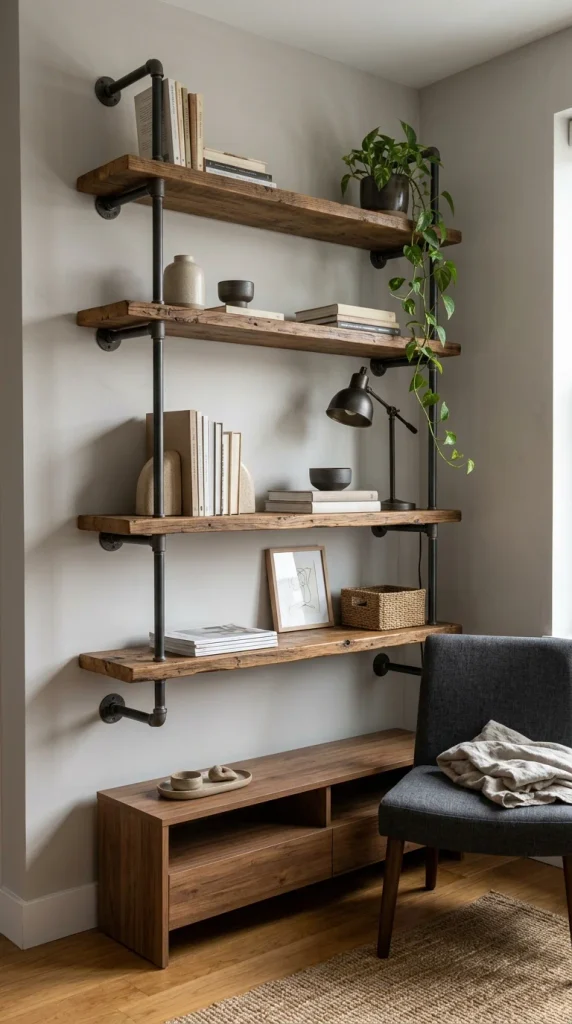
    Industrial pipe bookshelves add character to a small apartment with their combination of metal supports and wooden boards. Their open structure creates a practical place for books without looking too bulky. They work well in modern, rustic, or industrial-style interiors. Choose a narrow design that fits your available wall space, and make sure the pipes and shelves are firmly secured before adding books.

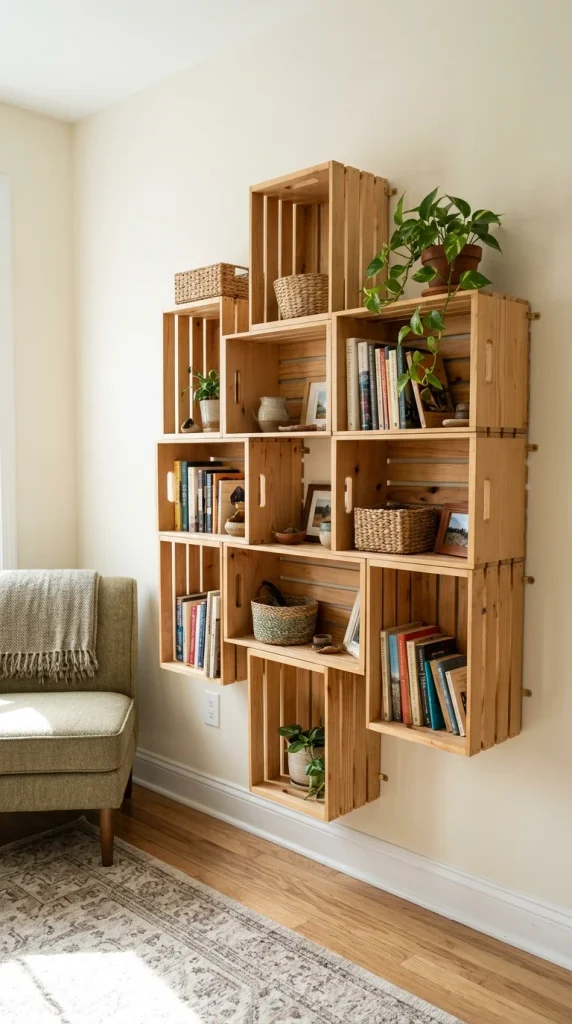
    18. Wooden Crate Bookshelves

    Wooden crate bookshelves offer an affordable way to organize books in a small apartment. You can use ready-made wooden crates or repurpose sturdy boxes to create a simple shelving unit. Arrange them horizontally or vertically to fit your space, but secure stacked crates to prevent them from tipping. Sand rough edges and apply a suitable finish for a clean appearance that matches your decor.

    19. Bookshelves Under Stairs

    Bookshelves under stairs make use of awkward spaces that are often left empty. If your apartment has an internal staircase or a small loft staircase, the area beneath it can provide valuable storage. Fit shelves of different heights to follow the shape of the stairs and accommodate books of various sizes. Add a small basket for loose items to keep the area organized and easy to maintain.

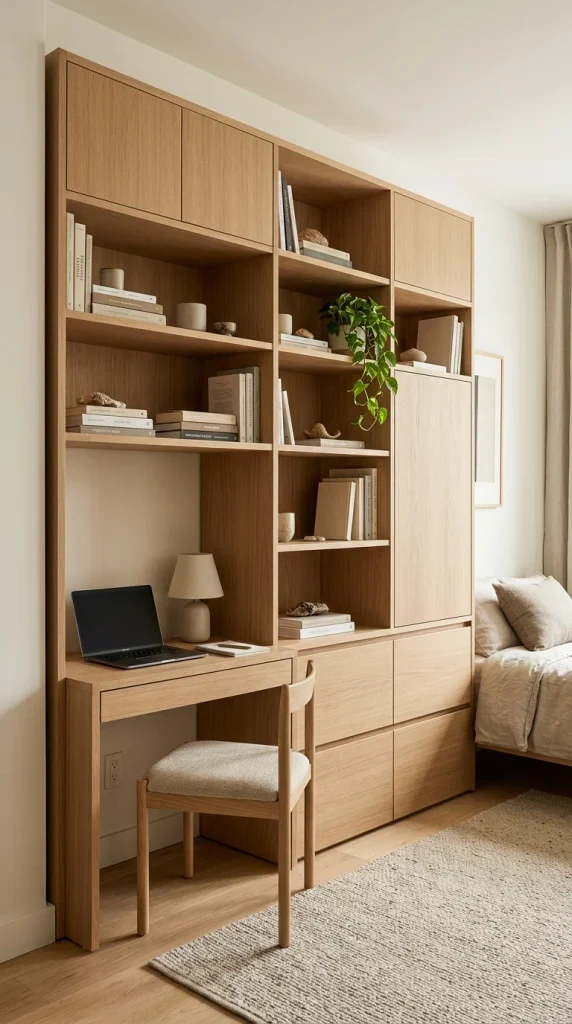
    20. Multifunctional Storage Shelves

    Multifunctional storage shelves help small apartments serve several purposes with fewer pieces of furniture. Look for shelving units that combine book storage with a desk, bench, cabinet, or display surface. These designs are especially helpful in studio apartments where one area may serve as a living room, office, and bedroom. Choose a unit that meets your everyday needs without making the room feel crowded.

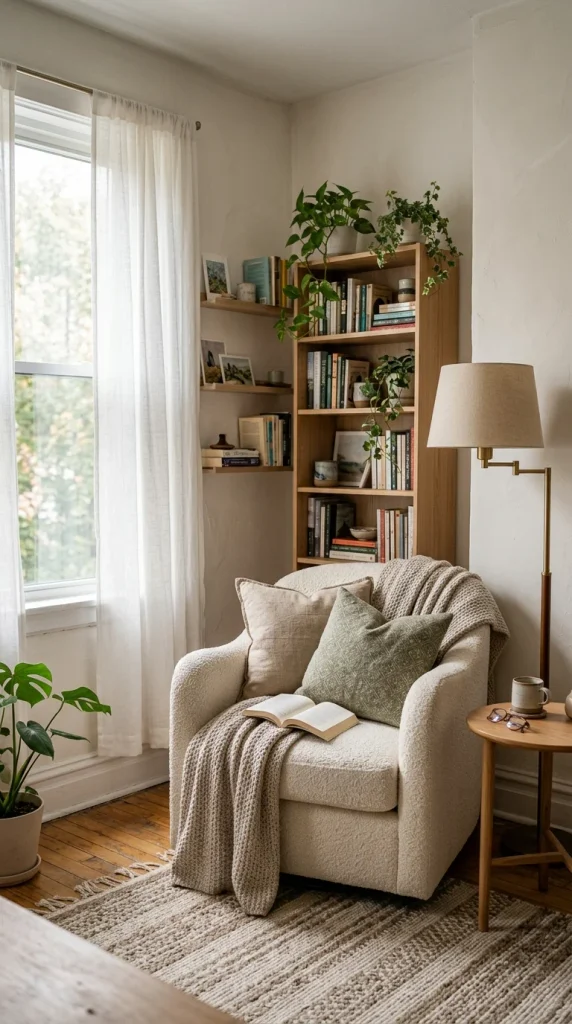
    21. Cozy Reading Corner Shelves

    Cozy reading corner shelves can turn a small, unused area into a comfortable place to enjoy your favorite books. Install a few wall shelves beside a compact armchair or use a narrow bookcase near a window. Add a soft cushion, warm lighting, and a small rug to make the corner inviting. Keep the layout simple so you have enough room to sit comfortably and move around.

    Conclusion

    The right small apartment bookshelf can help you organize your books, save valuable floor space, and make your home feel more stylish. From floating shelves and slim bookcases to multifunctional storage and cozy reading corners, there are options for different layouts and budgets. Choose a design that fits your available space, complements your decor, and makes your favorite books easy to access.

    Frequently Asked Questions

    1. What is the best bookshelf for a small apartment?

    Floating shelves, tall narrow bookcases, and corner bookshelves are excellent choices. They use vertical or unused space while leaving more room for walking and everyday activities.

    2. How can I store books in a small apartment without buying expensive furniture?

    You can install affordable wall shelves, reuse sturdy wooden crates, or repurpose an existing cabinet. Before buying anything, check for unused wall space above a desk, beside a bed, or beneath a window.

    3. Are floating bookshelves good for small apartments?

    Yes, floating bookshelves are great for small apartments because they keep the floor clear and create a clean appearance. Make sure you use suitable wall anchors and follow the weight limits for your wall type.

    4. What color bookshelf makes a small room look bigger?

    White, cream, and light wood bookshelves can help a small room feel brighter and more open. Matching the bookshelf to the wall color can also make it blend into the space instead of becoming a heavy visual feature.

    5. Where should I place a bookshelf in a small apartment?

    Good locations include empty corners, the space above a desk, the area beneath a window, and narrow wall sections beside furniture. Avoid blocking windows, doorways, heating vents, or important walking paths.

    6. How do I style a small apartment bookshelf?

    Group books by size or color, then mix in a few plants, framed photos, or small decorative objects. Leave some open space on the shelves so the arrangement looks organized rather than overcrowded.

    7. How do I make a small apartment bookshelf safe?

    Choose a stable unit, follow the manufacturer’s weight limits, and secure tall bookcases to wall studs or suitable anchors. Place heavier books on lower shelves and avoid stacking furniture or bookshelves in unstable arrangements.

  • 21 Small Apartment Wallpaper Ideas to Make Your Space Feel Bigger

    21 Small Apartment Wallpaper Ideas to Make Your Space Feel Bigger

    Small apartment wallpaper ideas can make a big difference in how your home looks and feels. The right wallpaper designs for small spaces can make rooms appear bigger, brighter, and more inviting without taking up valuable space. From light neutral wallpaper and vertical stripes to floral prints, geometric patterns, and peel-and-stick wallpaper, there are many stylish options to explore. Whether you want to refresh your small apartment living room, bedroom, or dining area, these creative wallpaper ideas can add beauty and personality to your walls. Discover 21 small apartment wallpaper ideas to create a spacious, cozy, and stylish home.

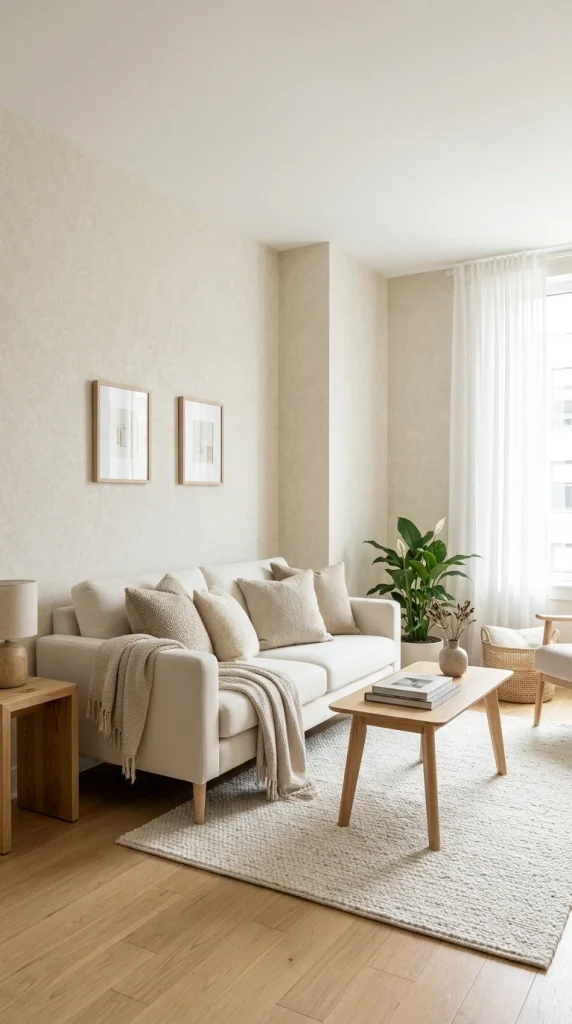
    1. Light Neutral Wallpaper

    Light neutral wallpaper is a great choice for small apartments because it makes rooms feel bright and open. Shades like cream, beige, and soft ivory create a calm and welcoming atmosphere. These colors work well with wooden furniture, white decor, and simple accessories. Choose a subtle pattern to add interest without making the walls feel too busy.

    2. Vertical Stripe Wallpaper

    Vertical stripe wallpaper can make a small apartment room appear taller than it really is. Thin stripes in white, beige, or soft gray create a clean and elegant look. This design works especially well in bedrooms, living rooms, and narrow hallways. Pair it with simple furniture and light curtains to maintain an open and balanced space.

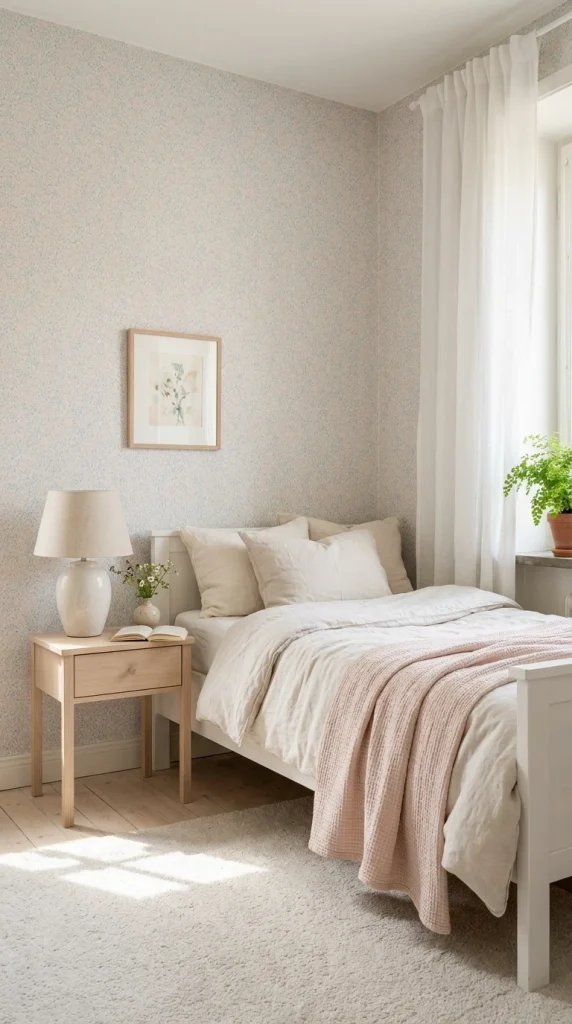
    3. Small Floral Wallpaper

    Small floral wallpaper adds charm and beauty without overwhelming a compact room. Choose delicate flower patterns in soft pink, sage green, cream, or pale blue for a gentle look. This style works beautifully in bedrooms, reading corners, and small living rooms. Keep other decorations simple so the floral design remains attractive and balanced.

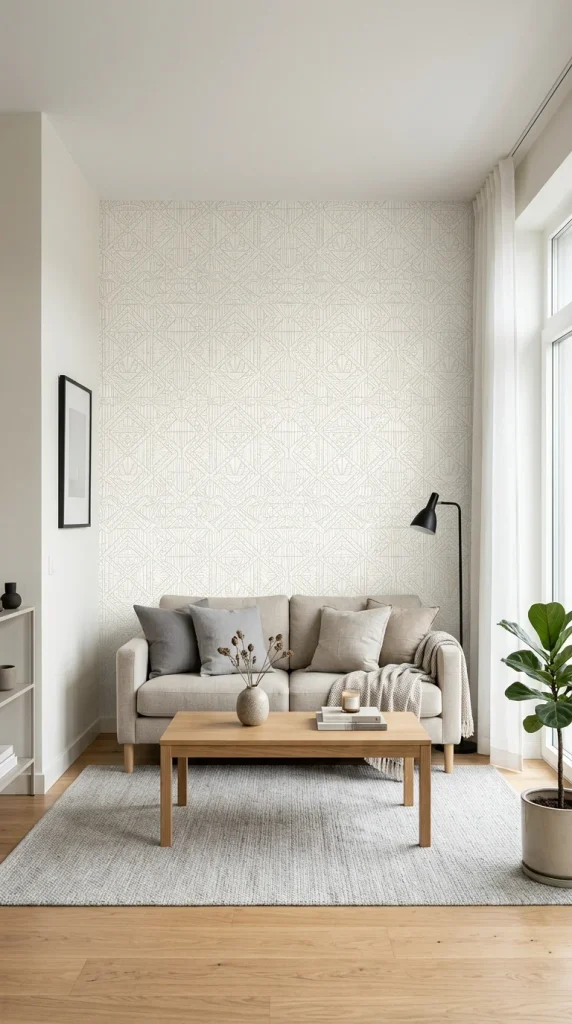
    4. Geometric Pattern Wallpaper

    Geometric pattern wallpaper gives a small apartment a modern and stylish appearance. Simple shapes, clean lines, and subtle patterns can add depth without making the room feel crowded. Choose light colors with a little contrast to keep the design visually comfortable. Use it on one feature wall and pair it with minimal furniture for a neat finish.

    5. Peel and Stick Wallpaper

    Peel-and-stick wallpaper is a practical option for renters and people who enjoy changing their decor. It comes in many designs, including floral prints, modern patterns, and textured finishes. You can use it to decorate a bedroom wall, refresh a small entryway, or create a stylish living room feature wall. Always check the product instructions and test a small area to ensure it suits your wall surface.

    6. Minimalist Line Wallpaper

    Minimalist line wallpaper creates a simple and elegant look that suits small apartments. Fine lines, abstract shapes, and understated patterns add character without taking attention away from the rest of the room. Black, gray, and beige designs work especially well with modern furniture. This wallpaper is ideal for people who prefer clean interiors and uncluttered spaces.

    7. Soft Pastel Wallpaper

    Soft pastel wallpaper can make a small apartment feel fresh, cheerful, and relaxing. Colors such as blush pink, mint green, pale lavender, and powder blue bring gentle color to the walls. These shades work well in bedrooms, small living rooms, and cozy workspaces. Combine pastel wallpaper with white furniture and natural textures for a light and harmonious look.

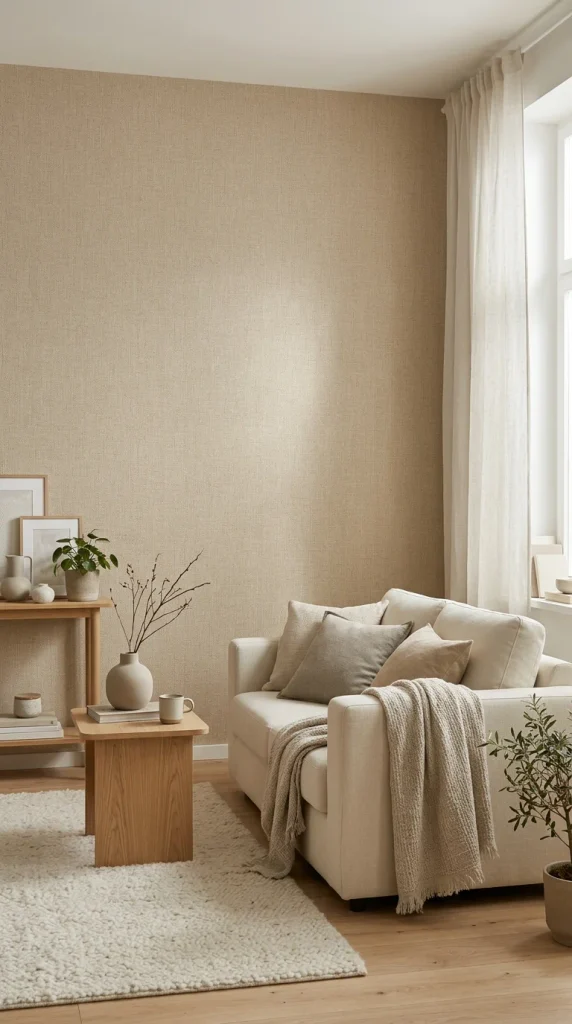
    8. Textured Linen Wallpaper

    Textured linen wallpaper adds warmth and a natural feel to small apartment interiors. Its soft fabric-like appearance creates visual interest without relying on bold prints or strong colors. Beige, warm gray, and off-white options work well with wooden furniture and neutral decor. Choose a subtle texture to give your walls depth while keeping the room peaceful and inviting.

    9. Accent Wall Wallpaper

    Accent wall wallpaper is an easy way to add personality without covering every wall in a small apartment. Choose one wall behind your bed, sofa, or dining table to create an attractive focal point. Floral prints, geometric patterns, and soft abstract designs can all work beautifully. Keep the surrounding walls relatively simple to prevent the room from feeling visually crowded.

    10. Botanical Leaf Wallpaper

    Botanical leaf wallpaper brings a fresh, nature-inspired feeling into a small apartment. Designs featuring delicate leaves, branches, or tropical plants can make a room feel relaxing and lively. Choose sage green, soft olive, or muted botanical prints for a balanced appearance. Pair the wallpaper with wooden furniture, woven baskets, and a few indoor plants to create a natural atmosphere.

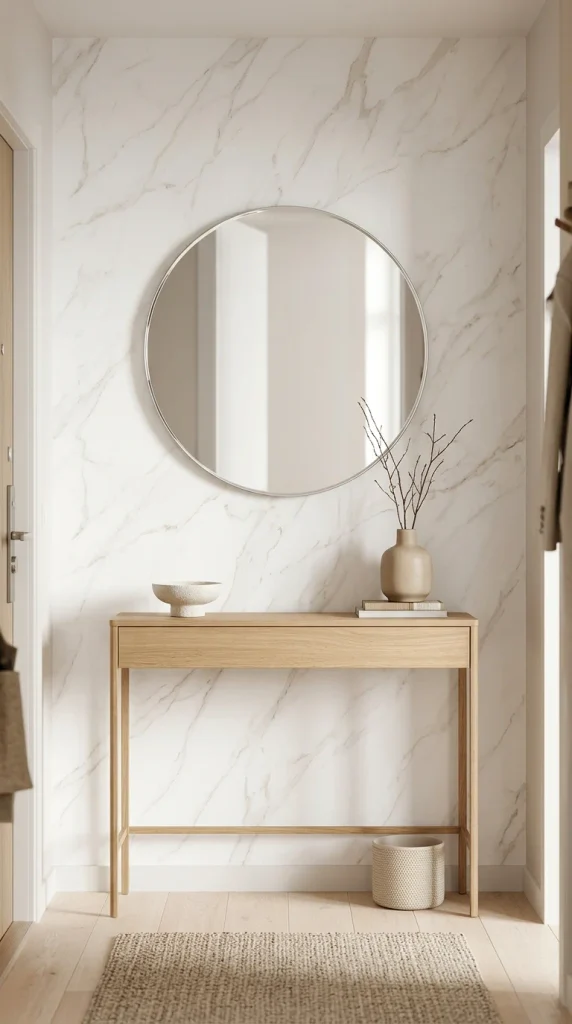
    11. Subtle Marble Wallpaper

    Subtle marble wallpaper adds a touch of elegance to small apartment interiors without the expense of real marble. White and cream designs with delicate gray or beige veins create a clean, sophisticated appearance. This style works well in entryways, dining corners, and small home offices. Choose a low-contrast pattern and pair it with simple decor for a refined finish.

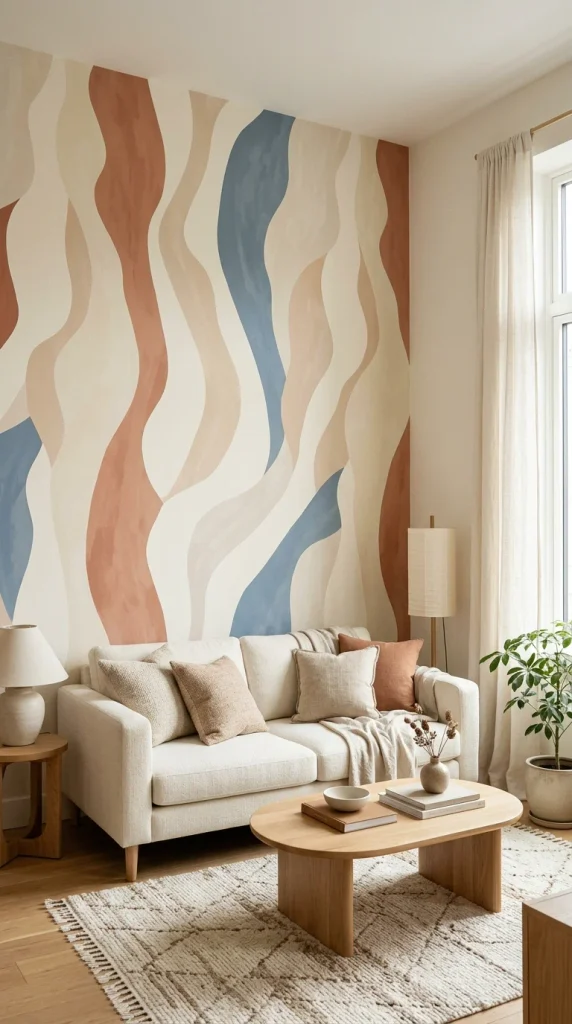
    12. Modern Abstract Wallpaper

    Modern abstract wallpaper adds creativity and personality to a compact living space. Soft curves, flowing shapes, and artistic patterns can make a plain wall feel more interesting. Neutral shades mixed with muted blue, terracotta, or sage green create a stylish look without being too bold. Use this design behind a sofa or desk and keep nearby accessories simple.

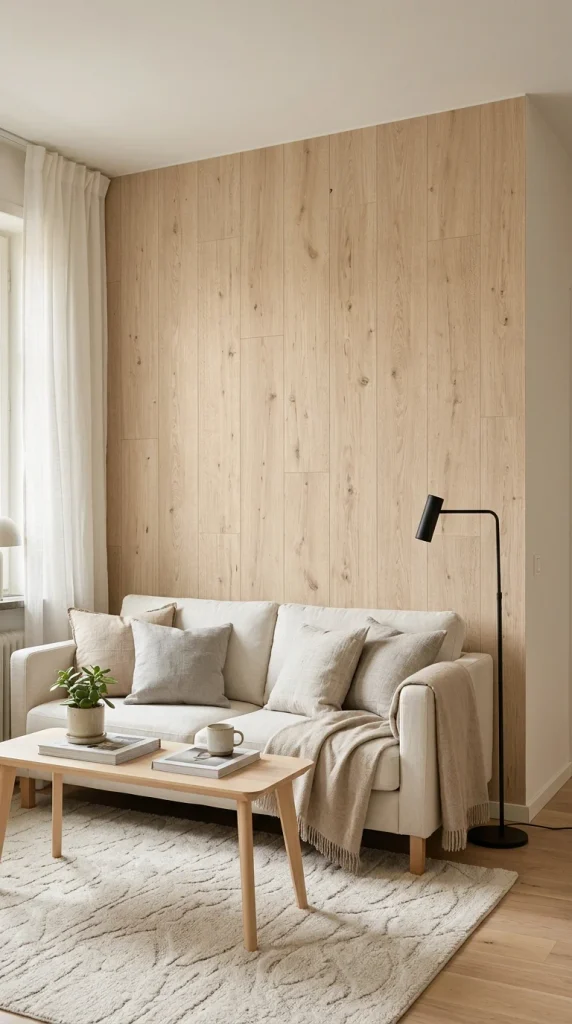
    13. Light Wood Effect Wallpaper

    Light wood effect wallpaper creates a warm, natural appearance without taking up any floor space. Its wood-inspired finish can add texture to a small apartment while making the interior feel cozy. Pale oak, whitewashed wood, and light ash designs work well with Scandinavian and modern decor. Use it on a feature wall or in a small entryway for a fresh, welcoming look.

    14. Delicate Damask Wallpaper

    Delicate damask wallpaper brings classic elegance to small apartment rooms. Its decorative patterns add detail and sophistication, especially when chosen in soft cream, beige, or pale gray. A low-contrast design helps maintain a calm atmosphere instead of making the walls feel too busy. Use it on one wall in a bedroom or living room and pair it with simple furnishings.

    15. Monochrome Pattern Wallpaper

    Monochrome pattern wallpaper uses black, white, and gray to create a clean and modern interior. Small repeating designs can add character while keeping the color palette simple. This wallpaper works well in compact offices, entryways, and contemporary living rooms. For a balanced appearance, choose a pattern with plenty of light space and avoid adding too many competing prints.

    16. Soft Blue Wallpaper

    Soft blue wallpaper can make a small apartment feel peaceful, airy, and comfortable. Pale blue shades work beautifully with white furniture, light wood, and cream-colored fabrics. You can choose a plain finish, a delicate pattern, or a subtle watercolor design. This style is especially suitable for bedrooms and living rooms where you want a relaxing atmosphere.

    17. Small Geometric Print Wallpaper

    Small geometric print wallpaper is ideal for adding detail to compact rooms without using oversized patterns. Repeating diamonds, triangles, and simple shapes create a neat and organized appearance. Choose soft gray, beige, pale green, or white designs to keep the room feeling open. This wallpaper pairs well with modern furniture, simple lighting, and minimal accessories.

    18. Natural Grasscloth Wallpaper

    Natural grasscloth wallpaper brings organic texture and warmth to a small apartment. Its woven appearance adds depth while creating a relaxed, sophisticated atmosphere. Light beige, sand, and soft taupe shades work well in living rooms and bedrooms. Because natural grasscloth can be delicate and difficult to clean, consider a washable grasscloth-look wallpaper in kitchens or other areas that need regular cleaning.

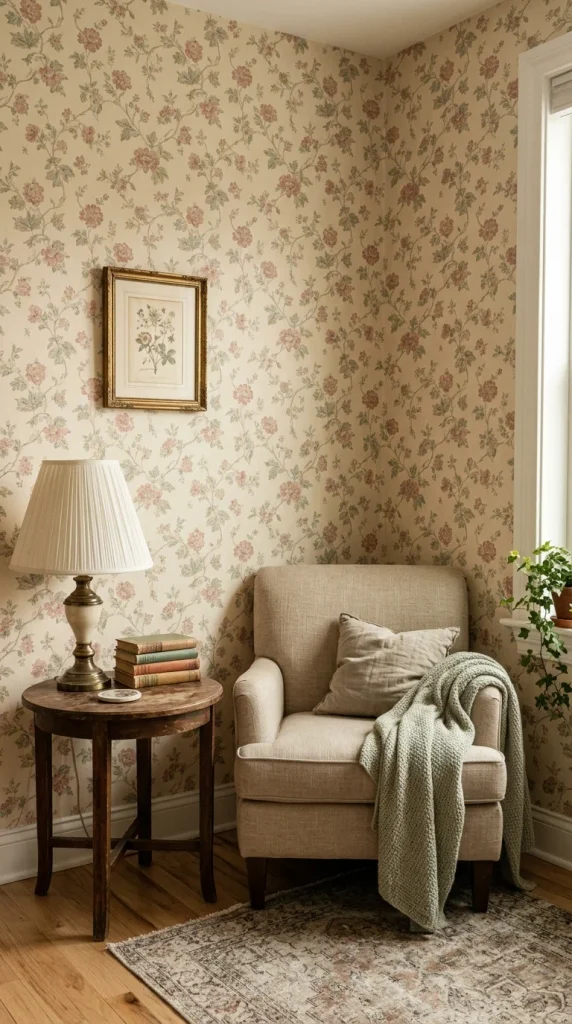
    19. Vintage Floral Wallpaper

    Vintage floral wallpaper gives a small apartment a charming and timeless personality. Traditional flower patterns in muted rose, dusty blue, sage green, and cream create a soft, lived-in feeling. This design works well in bedrooms, reading corners, and small dining spaces. Combine it with simple wooden furniture and a few vintage accessories to create a cozy and coordinated interior.

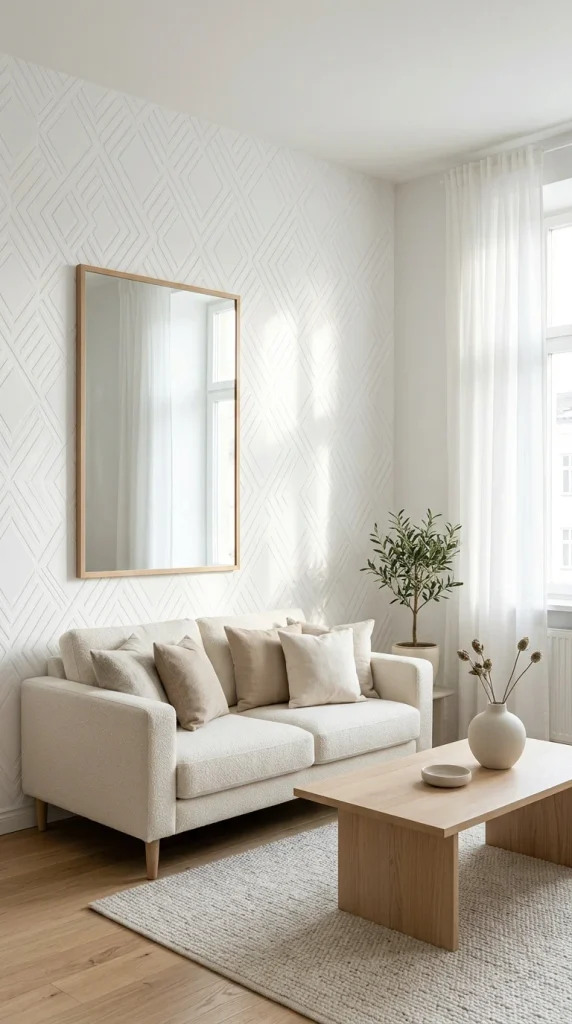
    20. Bright White Pattern Wallpaper

    Bright white pattern wallpaper helps small apartment rooms feel light and fresh while adding more interest than plain painted walls. Subtle raised designs, delicate lines, or soft white-on-white patterns create texture without introducing strong colors. This style works well in narrow hallways, small bedrooms, and compact living rooms. Pair it with mirrors, light curtains, and uncluttered furniture for an airy finish.

    21. Space-Enhancing Mural Wallpaper

    Space-enhancing mural wallpaper can create the feeling of greater depth in a small apartment. Designs featuring distant landscapes, soft skies, misty forests, or simple architectural scenes can make a wall appear to extend beyond the room. Choose light colors and a design with a clear sense of perspective for the best effect. Place the mural on one main wall and keep nearby furniture and decorations understated.

    Conclusion

    The right small apartment wallpaper can make your home feel brighter, more stylish, and more inviting without taking up valuable space. Light colors, subtle patterns, vertical stripes, and carefully chosen accent walls are practical ways to improve the look of compact rooms. Consider your furniture, lighting, and personal style before choosing a design. With the right wallpaper, even a small apartment can feel comfortable, beautiful, and full of character.

    Frequently Asked Questions

    1. What wallpaper makes a small apartment look bigger?

    Light-colored wallpaper in white, cream, beige, or pale blue can help a small apartment feel brighter and more open. Vertical stripes can make ceilings appear taller, while subtle patterns prevent the walls from feeling overwhelming.

    2. Is wallpaper a good idea for a small apartment?

    Yes, wallpaper is a great way to add color, texture, and personality to a small apartment. Using it on one feature wall can create visual interest without making the entire room feel busy.

    3. What is the best wallpaper for a small apartment bedroom?

    Soft floral, light neutral, linen-textured, and pastel wallpapers are excellent choices for a small bedroom. Select a calming design that complements your bedding and furniture to create a comfortable atmosphere.

    4. Is peel-and-stick wallpaper good for apartment renters?

    Peel-and-stick wallpaper can be useful for renters because it offers a temporary decorating option. However, not every product removes cleanly from every surface, so check the manufacturer’s instructions and test an inconspicuous area before applying it.

    5. Should I wallpaper every wall in a small apartment?

    You can wallpaper every wall if you choose a subtle, low-contrast design, but a single accent wall is often easier to style. It adds personality while allowing the rest of the room to feel simple and open.

    6. What wallpaper colors work best in a small apartment?

    White, cream, light gray, soft beige, pale blue, and muted green are popular choices for small apartments. These colors reflect light well and can complement many furniture styles.

    7. How can I decorate a small apartment with wallpaper on a budget?

    Choose peel-and-stick wallpaper, wallpaper samples for small projects, or a single accent wall instead of covering the entire room. Measure your wall carefully before buying, compare prices, and select a design that works with your existing furniture and decor.

  • 23 Small Apartment Design Ideas to Maximize Space and Style

    23 Small Apartment Design Ideas to Maximize Space and Style

    Small apartment design is all about making the most of every inch while keeping your home stylish and comfortable. With smart small apartment ideas, space-saving furniture, and clever storage, even a compact home can feel open and inviting. Simple apartment decor choices like light colors, mirrors, and functional layouts can make rooms appear larger. You can also use multifunctional furniture to create more space without sacrificing style. From cozy living rooms to practical kitchens and bedrooms, these small space design ideas can help you create a beautiful home that feels spacious and welcoming.

    1. Small Living Room Layout

    A smart living room layout can make a small apartment feel much more comfortable. Place the sofa against a wall and keep enough open space around the main walkway. Choose a compact coffee table or a nesting table that can be moved when needed. Keeping the furniture simple and well-spaced helps the room feel open instead of crowded.

    2. Multifunctional Furniture

    Multifunctional furniture is one of the easiest ways to save space in a small apartment. Choose pieces that serve more than one purpose, such as a sofa bed, storage ottoman, or extendable dining table. These pieces reduce the need for extra furniture while keeping your home practical. Look for simple designs that blend naturally with your apartment decor.

    3. Built-In Storage Solutions

    Built-in storage can give a small apartment a cleaner and more organized look. Use built-in cabinets around a TV, along an empty wall, or near the entryway to store everyday items. Floor-to-ceiling storage is especially useful because it takes advantage of vertical space. Keep frequently used items easy to reach and hide less attractive clutter behind closed doors.

    4. Light and Neutral Color Palette

    Light colors can make a compact apartment feel brighter and more spacious. Soft white, cream, beige, light gray, and warm neutral shades work beautifully for walls and larger furniture. You can add personality with small touches of wood, muted colors, or patterned accessories. Keeping the main color palette simple also creates a calm and connected look throughout the home.

    5. Wall-Mounted Shelves

    Wall-mounted shelves are a practical choice when floor space is limited. They give you room to display books, plants, artwork, and small decorative pieces without taking up valuable floor space. Install them above a desk, sofa, or kitchen counter where an empty wall would otherwise go unused. Avoid overcrowding the shelves so the apartment still feels clean and airy.

    6. Compact Dining Area

    A small dining area can be both functional and attractive without requiring a large table. Choose a round table, narrow dining table, or a small two-person setup that fits naturally into your apartment. A bench can provide extra seating while taking up less visual space. Keep the surrounding area open so the dining corner feels comfortable rather than cramped.

    7. Foldable Dining Table

    A foldable dining table is a smart solution for apartments where space needs to serve different purposes. You can open it during meals and fold it away when you need more room. Pair it with lightweight chairs that can be moved or stored easily. This simple setup works especially well in studio apartments and small kitchens.

    8. Mirrors to Create Space

    Mirrors can help a small apartment feel brighter and visually larger. Place a large mirror opposite a window to reflect natural light around the room. You can also use a decorative mirror above a console or behind a small dining area. Choose a frame that matches your decor so the mirror works as both a practical and stylish feature.

    9. Small Apartment Entryway

    Even a tiny entryway can be organized with a few thoughtful pieces. Add a slim console, wall hooks, or a narrow shoe cabinet to keep everyday essentials in order. A small mirror can make the entrance feel brighter while giving you a useful spot for a quick look before leaving. Keep the floor mostly clear to create a welcoming first impression.

    10. Space-Saving Bedroom

    A space-saving bedroom should feel relaxing without being filled with unnecessary furniture. Choose a bed with built-in drawers or use slim nightstands to keep the layout practical. Place larger furniture against the walls and leave enough walking space around the bed. Soft bedding, simple artwork, and warm lighting can make the room feel cozy without making it look crowded.

    11. Under-Bed Storage

    The space underneath your bed can become valuable hidden storage in a small apartment. Use storage boxes, baskets, or drawers for seasonal clothing, extra bedding, shoes, or other items you do not use every day. Choose containers with lids to keep everything clean and protected. This allows you to reduce visible clutter without needing another large storage unit.

    12. Vertical Storage Ideas

    When floor space is limited, look upward and use your walls more effectively. Tall bookcases, vertical cabinets, pegboards, and floating shelves can provide plenty of storage without taking up much floor area. Keep heavier items on lower shelves and everyday essentials within easy reach. A well-planned vertical storage system can make a small apartment feel more organized.

    13. Open Kitchen Design

    An open kitchen can make a small apartment feel more connected and spacious. Keep countertops clear and choose simple cabinets with clean lines to reduce visual clutter. Open shelving can be used for a few attractive everyday pieces, while closed cabinets can hide less attractive items. A consistent color scheme between the kitchen and living area helps the whole apartment feel larger.

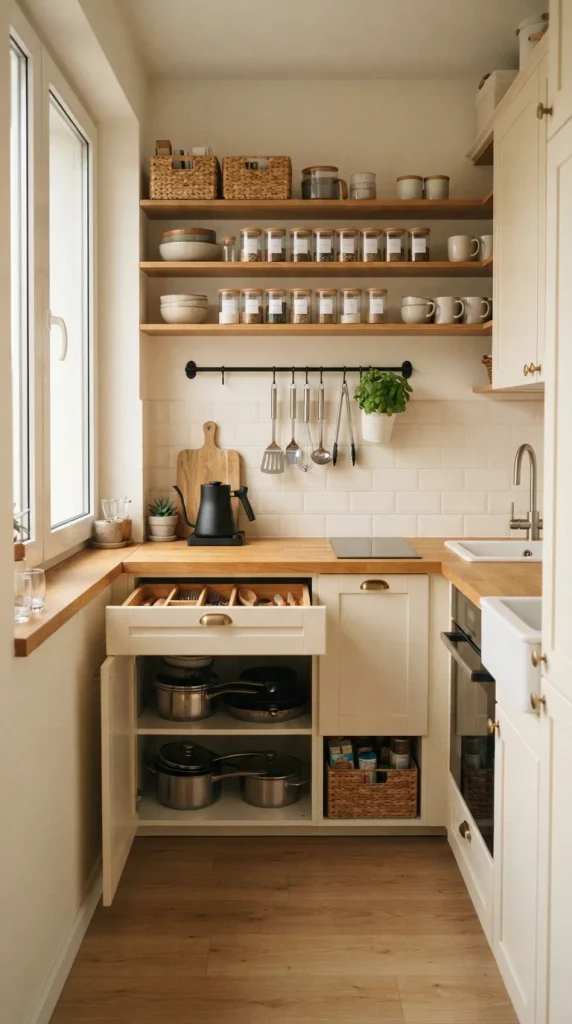
    14. Small Kitchen Storage

    Small kitchens need storage that makes every cabinet and counter area useful. Use drawer organizers, shelf risers, wall rails, and vertical dividers to keep cooking essentials organized. Store frequently used items where they are easy to reach and keep rarely used appliances out of sight. A tidy countertop instantly makes a compact kitchen feel more spacious.

    15. Cozy Apartment Balcony

    Even a small balcony can become a comfortable extension of your apartment. Choose a compact bistro table, folding chairs, or a small bench that does not block the walking area. Add a few plants, soft cushions, and warm lighting to create a relaxing atmosphere. Keep the decor simple so the balcony remains useful and easy to maintain.

    16. Hidden Storage Furniture

    Hidden storage furniture helps you keep everyday clutter out of sight while maintaining a clean apartment design. Look for ottomans with storage, beds with drawers, benches with compartments, or coffee tables with hidden sections. These pieces are especially helpful in rooms that need to perform several functions. The result is a home that looks tidy without giving up useful storage.

    17. Minimalist Apartment Decor

    Minimalist apartment decor focuses on keeping only the pieces that are useful or meaningful. Choose a few quality furniture pieces instead of filling the room with small accessories. Simple shapes, natural textures, and a limited color palette can create a peaceful atmosphere. Leaving some surfaces and floor areas open will also make the apartment feel more spacious.

    18. Floating TV Stand

    A floating TV stand can save valuable floor space while giving your living room a polished look. Mount the unit at a comfortable height and use the storage underneath for electronics, books, or small accessories. Because the floor remains visible underneath, the room can feel lighter and less crowded. Choose a simple finish that coordinates with the rest of your furniture.

    19. Slim Furniture for Small Spaces

    Slim furniture can provide the function you need without overwhelming a compact room. Look for narrow consoles, slim armchairs, small side tables, and sofas with a simple profile. Furniture with raised legs can also make more of the floor visible, creating a lighter appearance. Measure your room carefully before buying anything to make sure there is enough space to move comfortably.

    20. Room Dividers for Apartments

    Room dividers can help create separate zones without making a small apartment feel closed in. Use an open bookshelf, curtain, folding screen, or slatted divider to separate a bedroom, workspace, or dining area. Choose a design that allows some light to pass through when possible. This gives each area a clear purpose while maintaining an open feeling.

    21. Smart Lighting Ideas

    Good lighting can completely change the way a small apartment feels. Combine ceiling lights with floor lamps, table lamps, or wall sconces to create layers of soft illumination. Place lights near dark corners to make the room feel brighter and more balanced. Warm bulbs can also add a cozy feeling without requiring extra decorative pieces.

    22. Cozy Reading Nook

    A small reading nook can be created even when you have very little extra space. Place a comfortable chair near a window or in an unused corner and add a small side table for books and a drink. A floor lamp and soft throw can make the area feel warm and inviting. Keep the setup simple so it does not interfere with the main walking path.

    23. Clutter-Free Apartment Styling

    A clutter-free apartment is easier to enjoy and often feels larger than it actually is. Give everyday items a designated place and regularly remove things you no longer use. Use baskets, cabinets, and hidden storage to keep surfaces clear. A few carefully chosen decorative pieces can then stand out and give your small apartment a warm, personal style.

    Conclusion

    A well-planned small apartment design can make even a compact home feel comfortable, organized, and stylish. Focus on multifunctional furniture, smart storage, light colors, vertical space, and layouts that keep walking areas clear. With thoughtful apartment decor and a few space-saving solutions, you can create a home that feels open without losing its cozy character.

    Frequently Asked Questions

    1. How can I make a small apartment look bigger?

    Use light colors, mirrors, simple furniture, and open floor space to create a more spacious appearance. Keeping clutter hidden and using vertical storage can also make a noticeable difference.

    2. What furniture is best for a small apartment?

    Multifunctional and compact furniture works well, such as storage ottomans, sofa beds, nesting tables, folding tables, and beds with drawers. Choose pieces that fit the room without blocking walking areas.

    3. What colors work best in small apartment design?

    Soft white, cream, beige, light gray, and other warm neutral shades can make a small apartment feel brighter and more open. Add small amounts of darker or natural tones for contrast.

    4. How can I add storage without making my apartment feel crowded?

    Use vertical shelves, built-in cabinets, under-bed storage, floating furniture, and hidden compartments. These options provide storage while keeping valuable floor space open.

    5. How can I decorate a small apartment on a budget?

    Start with affordable changes such as rearranging furniture, adding mirrors, using baskets, changing textiles, and installing simple shelves. You do not need to replace everything to refresh the space.

    6. How do I divide rooms in a small apartment?

    Use open bookshelves, curtains, folding screens, or lightweight room dividers to create separate zones. Choose options that allow light to pass through so the apartment does not feel closed off.

    7. How do I keep a small apartment from looking cluttered?

    Give every frequently used item a specific storage place and keep surfaces mostly clear. Choose a limited number of decorative pieces and regularly remove items that are no longer useful.

  • 21 IKEA Closet Hacks for Better Storage and Organization

    21 IKEA Closet Hacks for Better Storage and Organization

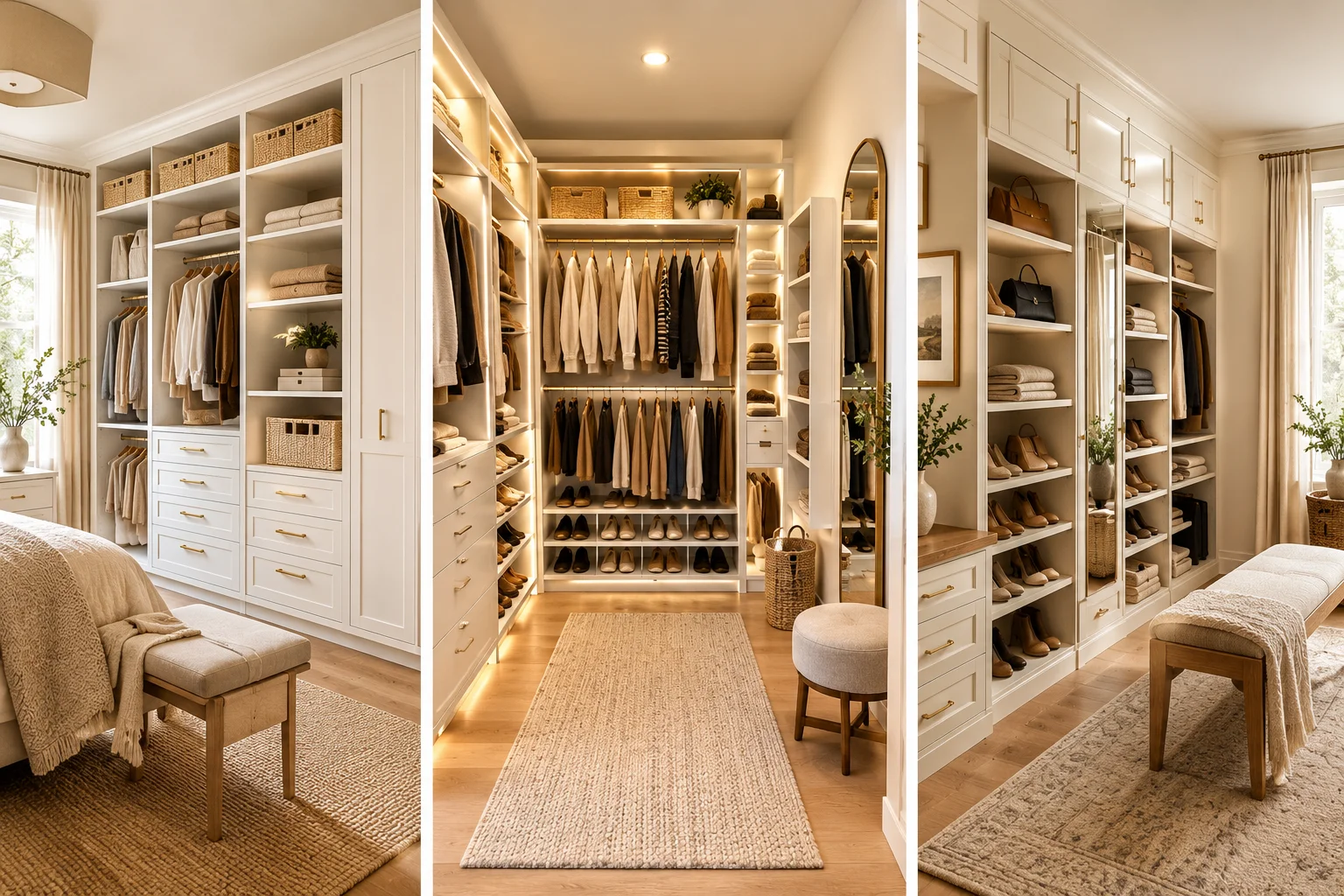
    IKEA closet pieces can be a simple way to create more storage without spending a lot on custom cabinetry. With the right combination of shelves, drawers, rails, and organizers, even a small closet can become much more functional. You can also personalize basic IKEA furniture with stylish hardware, baskets, and wood details. These IKEA closet hacks offer practical ideas for making your space organized, attractive, and easier to use.

    1. IKEA PAX Built-In Closet

    An IKEA PAX system can give your closet the look of custom built-in storage without the cost of fully custom cabinetry. Use the frames to create a wall-to-wall closet that fits your room. Add drawers, shelves, hanging rails, and baskets based on the things you need to store. You can also add trim around the edges to make the units look more permanent. Choose simple doors for a clean and timeless appearance. Matching hardware can make the whole setup feel more polished. This hack works especially well in bedrooms with unused wall space. With thoughtful planning, a basic PAX system can become a highly functional wardrobe.

    2. IKEA Billy Bookcase Closet Hack

    An IKEA BILLY bookcase can be used in creative ways to add extra storage inside a closet. Place one or more bookcases along a wall and use the shelves for shoes, folded clothes, bags, and accessories. Add baskets to hide smaller items and keep the shelves looking neat. You can also install a hanging rail beside or between the bookcases for clothing. For a more built-in appearance, add trim around the edges and top. Keep the colors consistent with your bedroom for a seamless look. This hack is useful when you need open storage that is easy to see and reach.

    3. IKEA KALLAX Closet Storage

    IKEA KALLAX units can turn an empty closet wall into a practical storage station. The square compartments are useful for folded clothing, shoes, handbags, and storage baskets. Place fabric or woven bins inside some sections to hide items that you do not want on display. You can leave other compartments open for attractive accessories or everyday essentials. A KALLAX unit can also work as a divider when your closet is large and open. Add a clothing rail nearby to create a complete storage zone. Its simple design makes it easy to adapt as your storage needs change.

    4. IKEA MALM Dresser Closet Hack

    An IKEA MALM dresser can add valuable drawer storage to a closet while keeping the design clean and simple. Use the drawers for folded clothes, underwear, accessories, or other smaller items that can become messy on open shelves. Place the dresser under a hanging rail to make better use of vertical space. A small tray on top can hold perfumes, watches, or everyday accessories. You can also add decorative hardware if you want a more personalized look. Keep the surrounding area open so the dresser does not make the closet feel crowded. This hack works especially well in larger walk-in closets.

    5. IKEA BILLY Wardrobe Storage

    BILLY shelving can be adapted into a wardrobe storage area by combining open shelves with clothing rails. Use the upper shelves for folded sweaters, handbags, and seasonal items while keeping everyday clothing at an easy height. Storage boxes can make the higher sections look tidy and organized. Add a rail underneath one shelf for shirts, jackets, or dresses. You can also place baskets on the bottom shelves for shoes and accessories. This setup gives you a flexible alternative to traditional wardrobe storage. It is particularly useful when you want everything visible and easy to reach.

    6. IKEA PAX Open Closet System

    An open PAX closet system can make clothing storage feel spacious and easy to organize. Without traditional doors, you can see your clothes, shoes, and accessories at a glance. Arrange hanging rails at different heights to separate shirts, dresses, jackets, and shorter clothing. Use drawers for smaller items and shelves for folded pieces. Matching baskets can hide anything that looks cluttered while keeping the system open. Add warm lighting inside the closet to make it feel more inviting. This style works especially well in modern bedrooms where an open wardrobe can become part of the room’s decor.

    7. IKEA Closet Shoe Storage

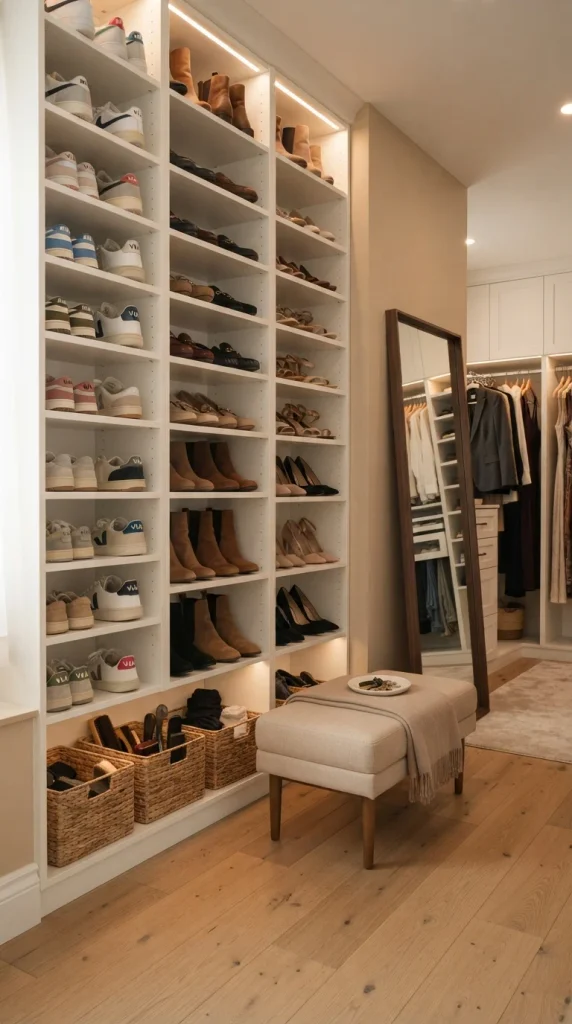
    IKEA furniture can provide a simple way to create a dedicated shoe storage area inside your closet. Use narrow shelving, compartments, or a slim cabinet to keep shoes organized without taking over the floor. Place everyday shoes where they are easy to reach and store less-used pairs higher up. Small baskets can hold sandals, slippers, or shoe-care supplies. Keep similar shoes together so finding a pair takes less time. If your closet is small, use vertical storage rather than spreading shoes across the floor. A dedicated shoe zone can make the entire closet feel cleaner and easier to maintain.

    8. IKEA Closet Drawer Organizer

    Adding drawer organizers to an IKEA closet system can make small clothing items much easier to manage. Use separate sections for socks, underwear, belts, scarves, and other accessories. Dividers help prevent items from becoming mixed together inside deep drawers. Clear or fabric organizers can also make it easier to see what you already have. Keep frequently used items in the top drawers for quick access. Less-used pieces can go into lower or deeper storage areas. This simple hack can make everyday routines easier while keeping the closet neat.

    9. IKEA Closet Basket Storage

    Baskets are an easy way to make open IKEA closet storage look more organized and attractive. Place matching baskets on shelves for scarves, accessories, folded clothing, or seasonal pieces. Woven baskets can add warmth and natural texture to a modern closet. Fabric bins are another good choice when you want a softer and more casual appearance. Labeling the baskets can make it easier to find things quickly. Choose sizes that fit your shelves without leaving too much wasted space. A few coordinated baskets can turn basic open shelving into a much cleaner storage system.

    10. IKEA Closet Jewelry Organizer

    A small jewelry organizer can make a big difference when your accessories are difficult to store. Use an IKEA cabinet, drawer insert, or small wall-mounted storage solution to keep necklaces, bracelets, earrings, and watches separated. Small compartments help prevent delicate pieces from becoming tangled. You can keep everyday jewelry near the front while storing special pieces in a more protected section. A shallow drawer can also work well for keeping jewelry out of sight. Add a small mirror nearby to make the area more useful. This hack gives accessories a dedicated home without taking up much closet space.

    11. IKEA Closet Double Hanging Rods

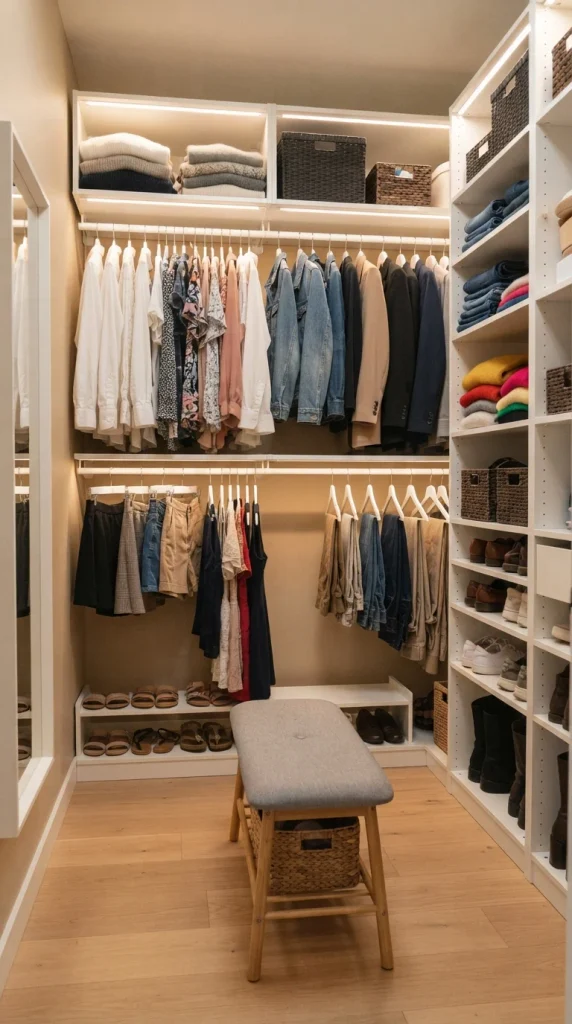
    Double hanging rods are a smart way to increase clothing storage without expanding your closet. Use one rail for shorter items such as shirts and another below it for skirts or folded-hanging pieces. This arrangement makes better use of the vertical space between the floor and ceiling. IKEA closet systems can be adjusted to create different hanging heights based on your wardrobe. Keep longer clothing in a separate section so dresses and coats have enough room. Avoid overcrowding each rod so clothes remain easy to see. This simple change can make a small closet feel much more efficient.

    12. IKEA Closet Corner Storage

    Closet corners are often difficult to use, but IKEA storage pieces can help turn these areas into useful zones. Use narrow shelves or adjustable units to store shoes, handbags, folded clothing, or accessories. A corner can also hold baskets for items that are not used every day. Keep the most accessible storage at waist and eye level for everyday essentials. Higher shelves can be reserved for seasonal belongings. If the closet is narrow, choose slim furniture so the walkway remains comfortable. Making use of corners can give you valuable storage without making the closet feel crowded.

    13. IKEA Closet Overhead Storage

    The space above your main hanging area is perfect for items you do not need every day. Use IKEA shelves or cabinets to store luggage, seasonal clothing, extra bedding, and special-occasion items. Matching storage boxes can keep the upper shelves looking neat and prevent dust from collecting on loose belongings. Label each box so you know what is inside without opening everything. Keep heavier items lower and lighter belongings higher for easier handling. A small step stool can make high shelves more practical. This hack helps you use the full height of the closet instead of leaving valuable space empty.

    14. IKEA Closet Island Hack

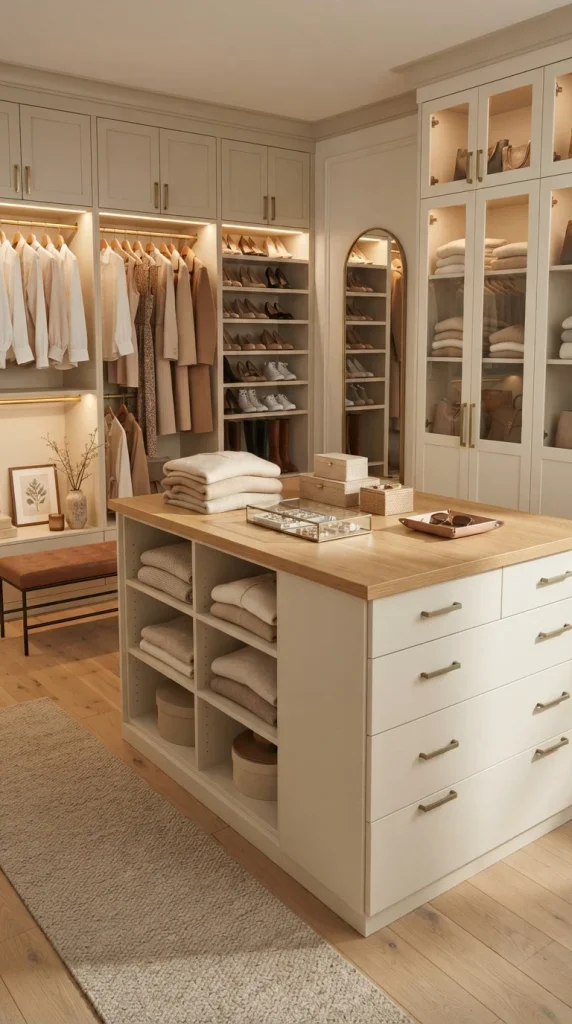
    If you have a spacious walk-in closet, an IKEA storage unit can be turned into a practical closet island. Use drawers for accessories, folded clothing, and smaller belongings that need organized storage. The top surface can provide a convenient place for jewelry, perfume, or a small decorative tray. Choose an island size that leaves enough room to walk comfortably around all sides. A wood-look countertop can add warmth and make the unit feel more custom. Keep the island simple so it does not overpower the rest of the closet. This hack combines extra storage with a stylish centerpiece.

    15. IKEA Closet Vanity Station

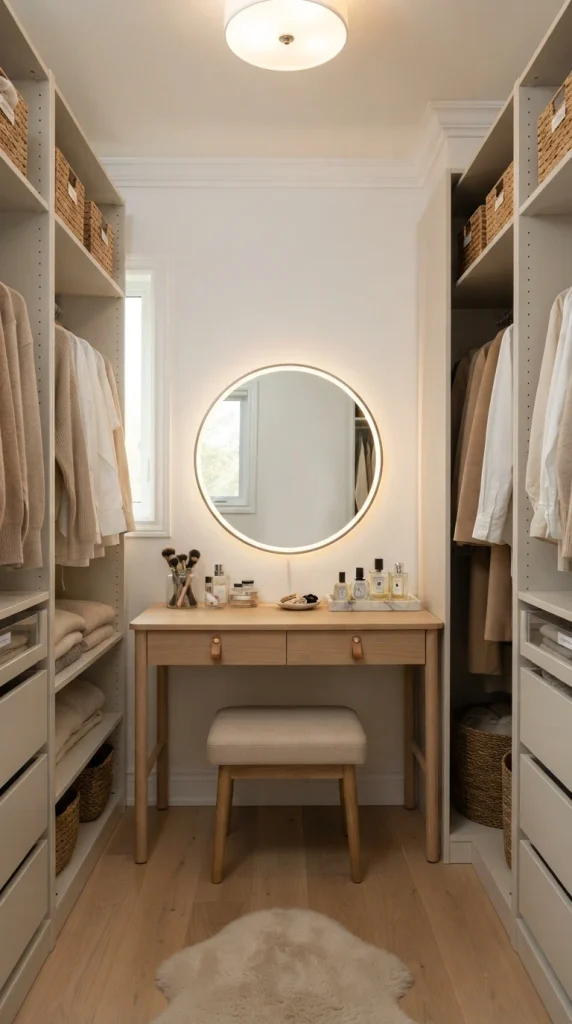
    Create a simple vanity station by combining an IKEA desk or drawer unit with a mirror inside your closet. Use the drawers to organize makeup, hair accessories, skincare items, and other daily essentials. Add a comfortable stool that can easily slide underneath when not in use. Good lighting around the mirror is important, especially in closets with limited natural light. Keep a small tray on the surface for frequently used products. Choose finishes that coordinate with the rest of your closet storage. This creates a useful personal area without requiring a separate room.

    16. IKEA Closet Sliding Door Hack

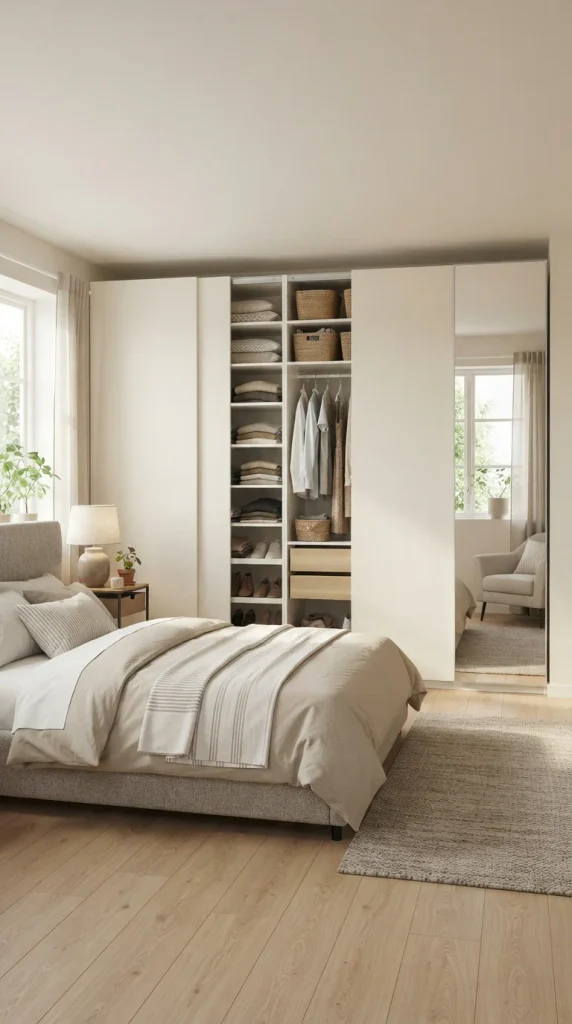
    Sliding doors can help save valuable floor space in bedrooms and small dressing areas. IKEA closet systems can be paired with simple sliding doors to keep clothing hidden while maintaining a clean appearance. Choose light-colored doors to make the room feel brighter or wood finishes for a warmer look. Mirrors on the doors can also make a small room appear more open. Keep the door design simple so it blends naturally with the rest of the space. Make sure the surrounding area has enough clearance for the doors to operate smoothly. This hack combines privacy, style, and practical space-saving design.

    17. IKEA Closet Lighting Upgrade

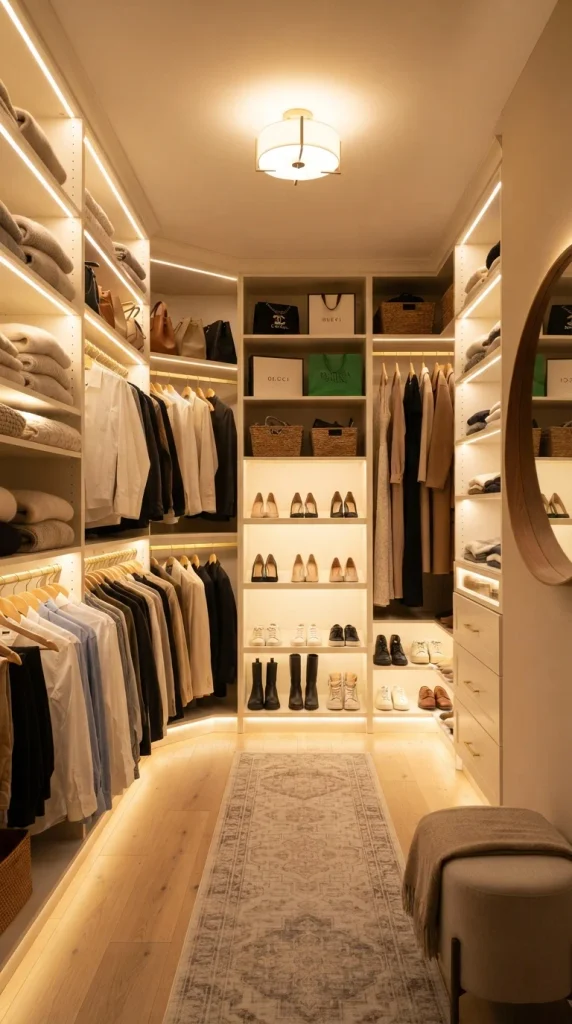
    Good lighting can make even a basic IKEA closet feel more polished and functional. Add LED strip lights under shelves or inside cabinets to brighten darker storage areas. Motion-activated lights can be especially useful because they turn on when you open the closet. Warm lighting can create a cozy atmosphere, while neutral white lighting can make clothing colors easier to see. Avoid relying on one overhead fixture if the closet has deep corners. Layered lighting helps every section feel easier to use. A simple lighting upgrade can make the storage system feel much more custom.

    18. IKEA Closet Hardware Makeover

    Changing the hardware is one of the easiest ways to give basic IKEA furniture a more personalized appearance. Replace standard knobs or handles with simple brass, black, chrome, or wood options that match your room. Choose hardware that feels comfortable to use and fits the overall style of the closet. Small changes like these can make plain drawers and doors feel more decorative. Keep the same finish throughout the closet for a coordinated appearance. You can also use different shapes while keeping the material consistent. This affordable update can create a more finished and intentional look.

    19. IKEA Closet Wallpaper Accent

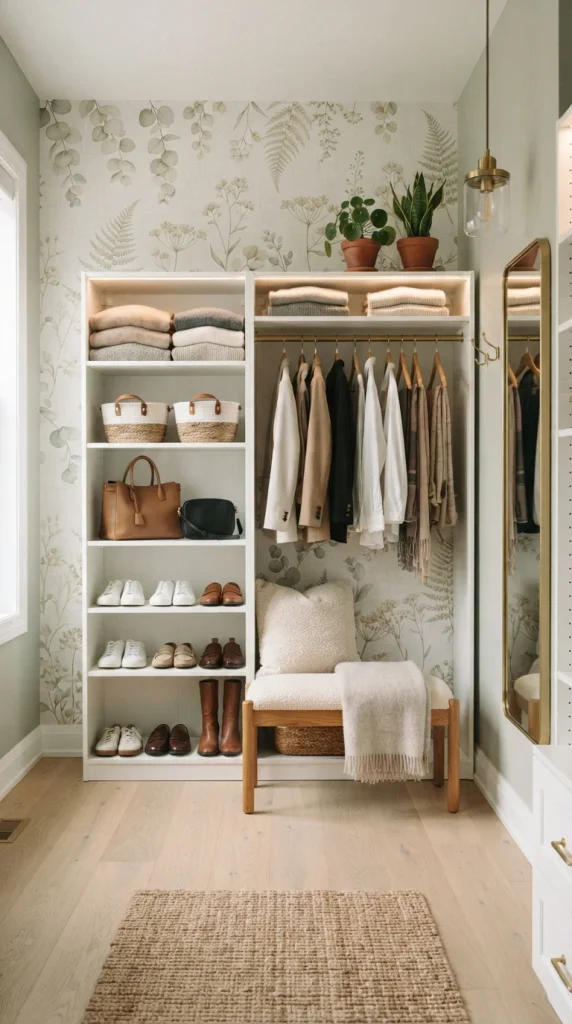
    Wallpaper can add personality to an IKEA closet without changing the entire storage system. Apply a subtle pattern or textured design to the wall behind open shelving to create an attractive backdrop. Neutral botanical, soft geometric, or classic striped patterns can work well in a bedroom. Keep the storage pieces simple so the wallpaper remains the main decorative feature. If you prefer a quieter look, choose a soft neutral color instead of a bold print. Make sure the wall surface is clean and smooth before applying the wallpaper. This hack can make basic IKEA storage feel more customized and stylish.

    20. IKEA Small Closet Storage Hack

    A small closet needs storage that uses every available inch without making the room feel cramped. Choose narrow shelves, stackable bins, and adjustable IKEA organizers that fit your exact layout. Use vertical space for shoes, bags, and seasonal items instead of filling the floor. Double hanging rods can also create extra room for shorter clothing. Keep only everyday pieces in the easiest-to-reach areas and move less-used items higher up. Matching containers can reduce visual clutter and make the closet feel calmer. With a thoughtful layout, even a small closet can provide surprisingly useful storage.

    21. IKEA Custom-Look Closet Makeover

    You can make a basic IKEA closet look more custom by combining several simple upgrades. Add trim around the units to create a built-in appearance and choose hardware that matches your bedroom style. Wood accents can bring warmth, while painted panels can make the closet blend with the walls. Use a mix of drawers, shelves, hanging rails, and baskets so every item has a practical place. Add simple lighting to highlight the storage areas and make the closet easier to use. Keep the color palette consistent for a more polished result. These small changes can make affordable IKEA furniture feel thoughtfully designed for your home.

    Conclusion

    IKEA closet hacks make it easier to create storage that fits your space, lifestyle, and budget. From PAX systems and clever shelving to baskets, lighting, drawers, and custom-looking finishes, simple changes can make a basic closet much more useful. Focus on using vertical space, keeping everyday items easy to reach, and choosing storage that helps reduce clutter. With the right combination of practical organization and personal style, an IKEA closet can feel both functional and beautiful.

    Frequently Asked Questions

    1. What is the best IKEA product for a custom closet?

    The IKEA PAX system is a popular option because it offers different frame sizes, shelves, drawers, rails, and accessories. Its flexible design allows you to create a closet layout based on your available space and storage needs.

    2. How can I make an IKEA closet look more expensive?

    Add decorative trim, upgraded handles, warm lighting, and coordinated storage baskets. Choosing a simple color palette and keeping the storage neatly organized can also give the closet a more polished appearance.

    3. Are IKEA closet hacks good for small bedrooms?

    Yes. Slim shelving, double hanging rods, overhead storage, and vertical organizers can help maximize a small closet. Choose pieces that leave enough room to move comfortably around the bedroom.

    4. What colors work well for an IKEA closet makeover?

    Soft white, warm beige, light gray, natural wood, and muted green can create a timeless look. Darker colors can also work well when you want the closet to feel dramatic, but lighter shades may help a small space feel more open.

    5. How can I add more storage to an IKEA closet?

    Use the vertical space above hanging clothes, add drawer organizers, install double hanging rods, and use baskets or bins on shelves. Adjustable storage pieces are especially useful because they can change as your needs change.

    6. How can I organize shoes in an IKEA closet?

    Use narrow shelves, cubbies, or dedicated shoe storage to keep pairs together. Place frequently worn shoes at an easy-to-reach height and use higher shelves for special or seasonal footwear.

    7. Can IKEA closet furniture be customized?

    Yes. IKEA pieces can be personalized with different handles, trim, paint or panels where appropriate, lighting, baskets, and other organizational accessories. Planning the layout carefully before making changes will help create a cohesive result.

  • 21 Unfinished Basement Ideas to Make the Most of Your Extra Space

    21 Unfinished Basement Ideas to Make the Most of Your Extra Space

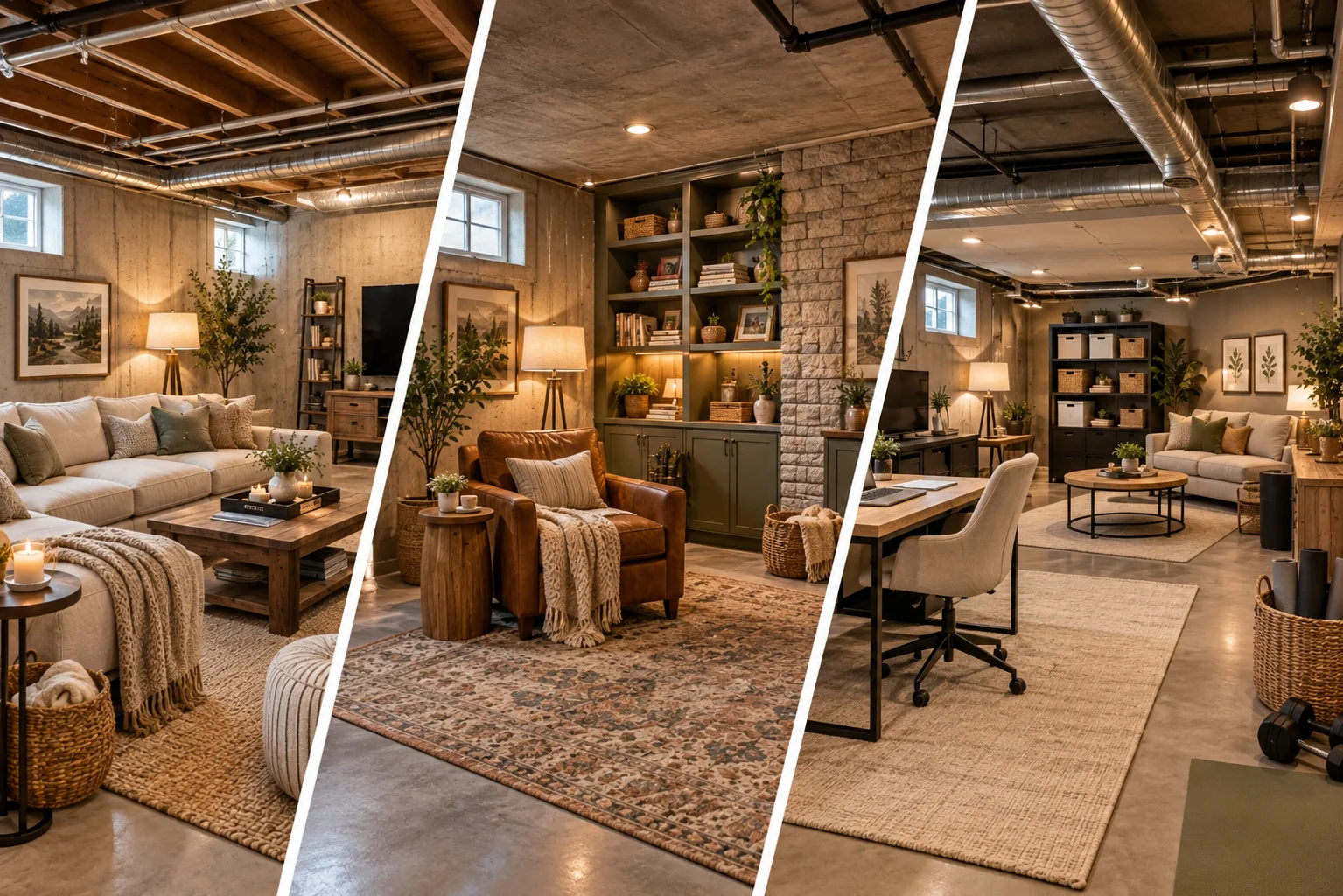
    An unfinished basement can become one of the most useful areas in your home with a little creativity. You do not need a complete renovation to make the space feel organized, comfortable, and inviting. From smart storage and cozy seating to work areas and simple lighting, there are many ways to use every corner. These unfinished basement ideas can help you turn an empty lower level into a practical space that works for your family.

    1. Cozy Basement Lounge

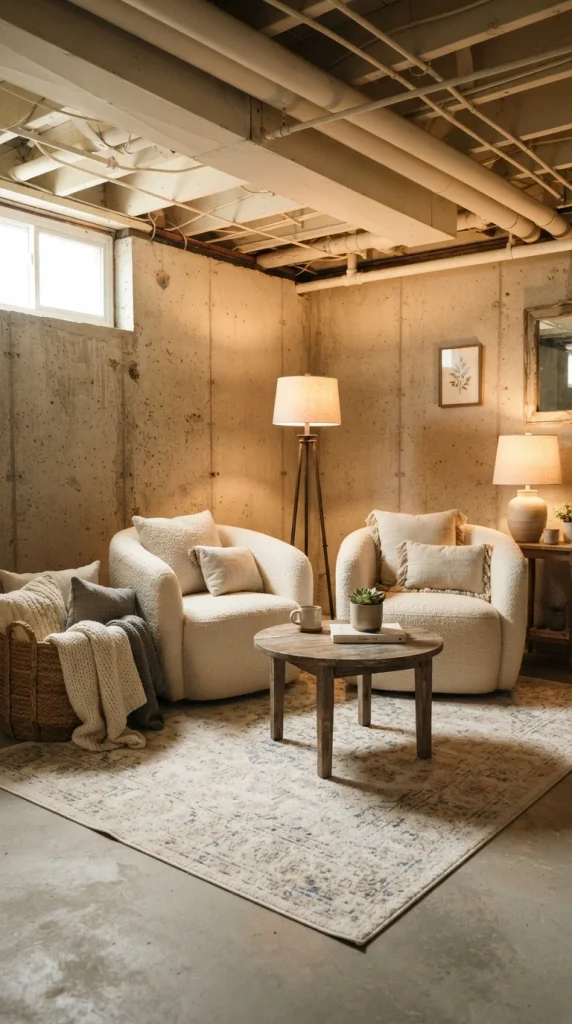
    Turn an unfinished basement into a cozy lounge with comfortable seating, soft lighting, and a few warm accessories. A simple sofa or a pair of armchairs can create a welcoming place to relax. Add a small rug to define the seating area and make the concrete floor feel softer. Neutral colors and wood accents can also give the basement a more finished look.

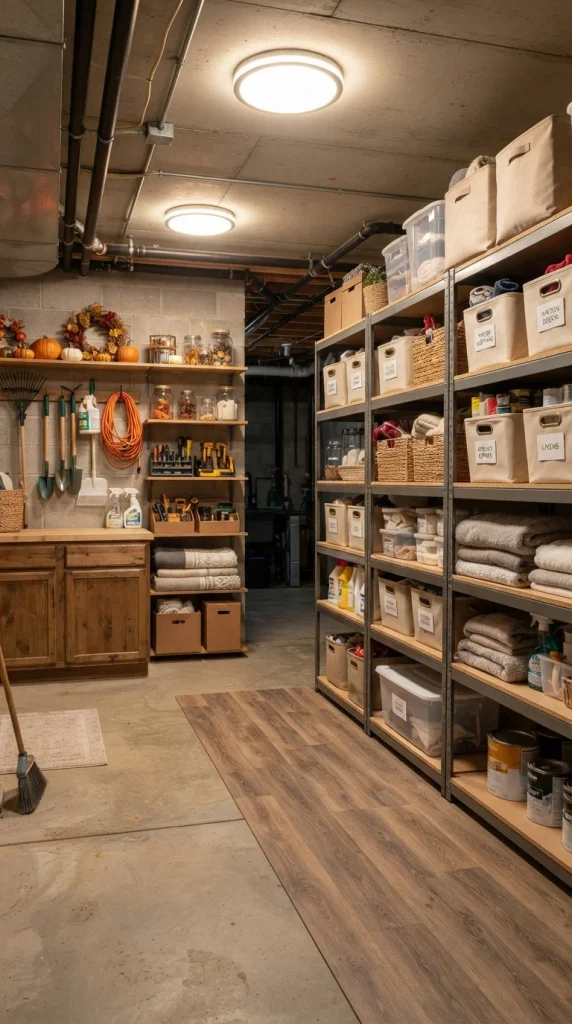
    2. Organized Basement Storage

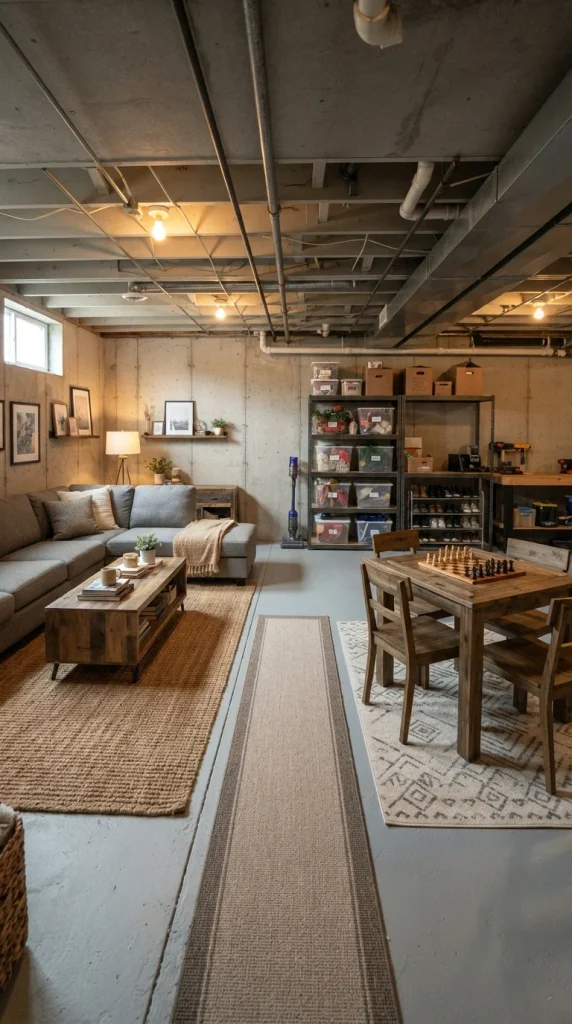
    An unfinished basement can provide plenty of useful storage without needing a major renovation. Use sturdy shelves, labeled bins, and storage cabinets to keep seasonal items, tools, and household supplies organized. Keep frequently used things within easy reach while placing rarely used items higher up. Leaving clear walking paths will make the entire basement feel cleaner and more functional.

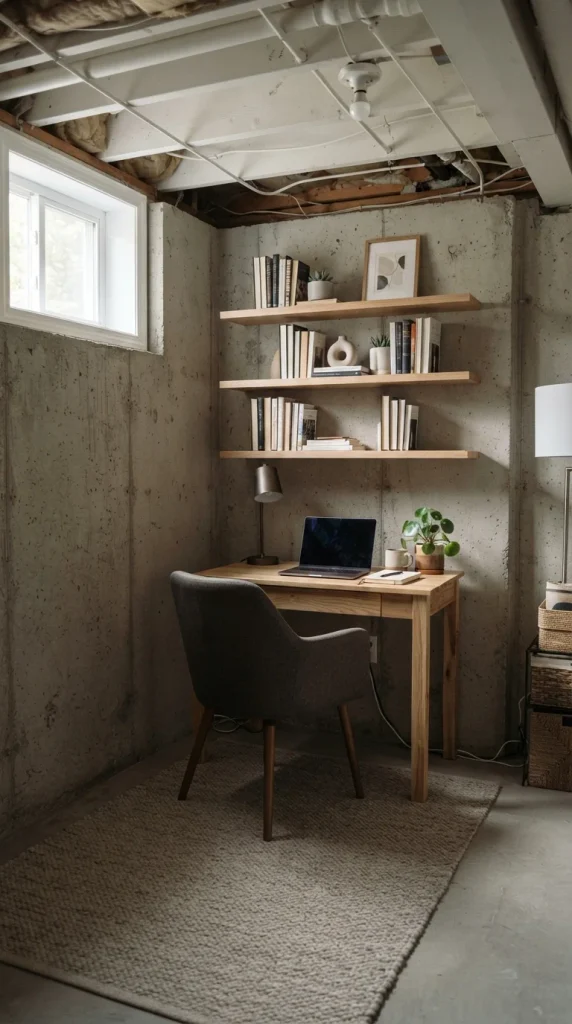
    3. Simple Home Office

    A quiet corner of an unfinished basement can work well as a simple home office. Place a compact desk near a window if possible, or add a good desk lamp for comfortable lighting. Floating shelves can provide space for books and office supplies without taking up much floor space. Keep the decor simple so the area feels calm and focused.

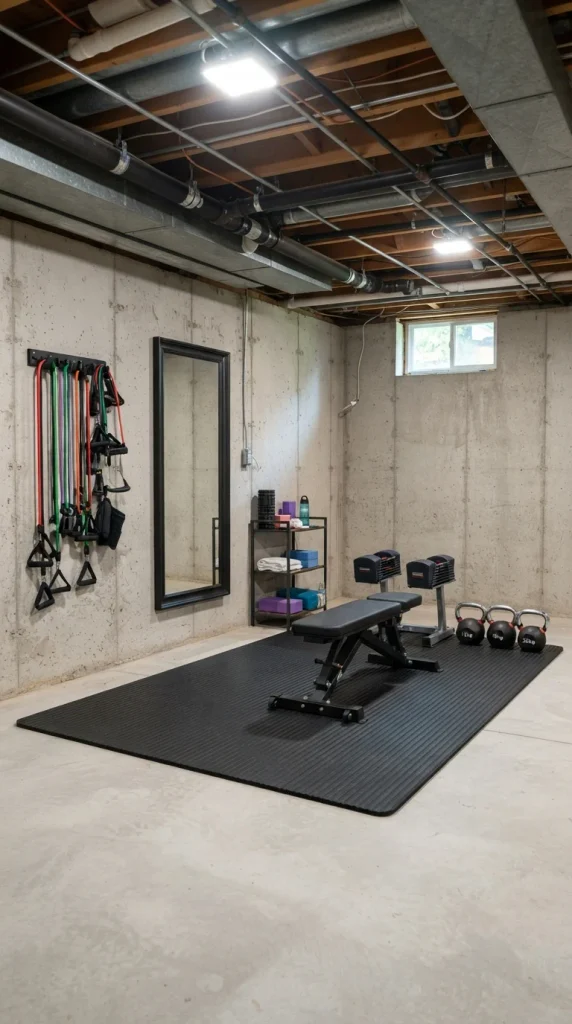
    4. Basement Home Gym

    Use your unfinished basement as a practical home gym with only a few essential pieces of equipment. A rubber exercise mat can create a comfortable workout surface while protecting the floor. Add wall hooks or shelves for resistance bands, weights, and other accessories. Good lighting and a large mirror can make the workout area feel brighter and more spacious.

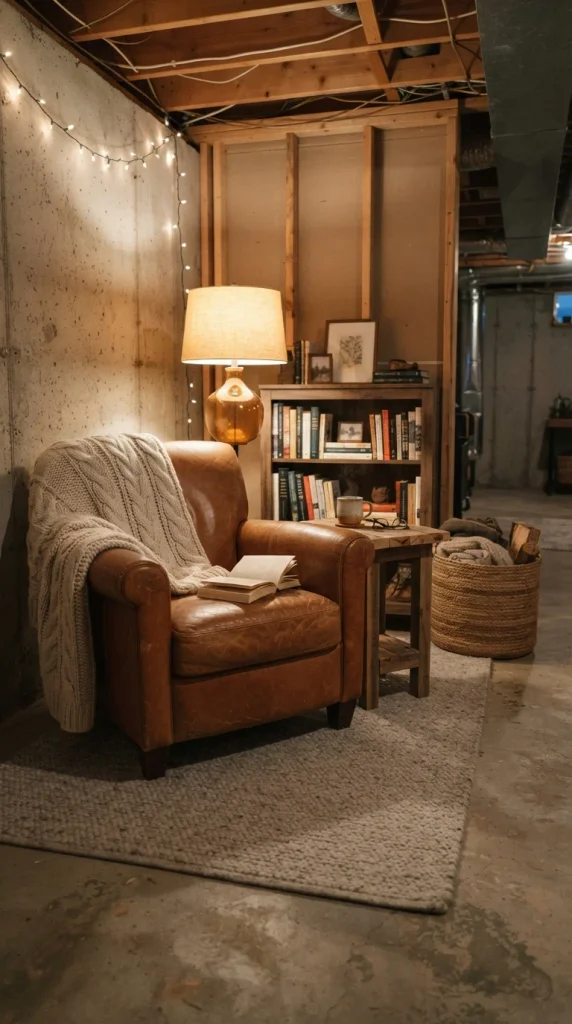
    5. Rustic Reading Nook

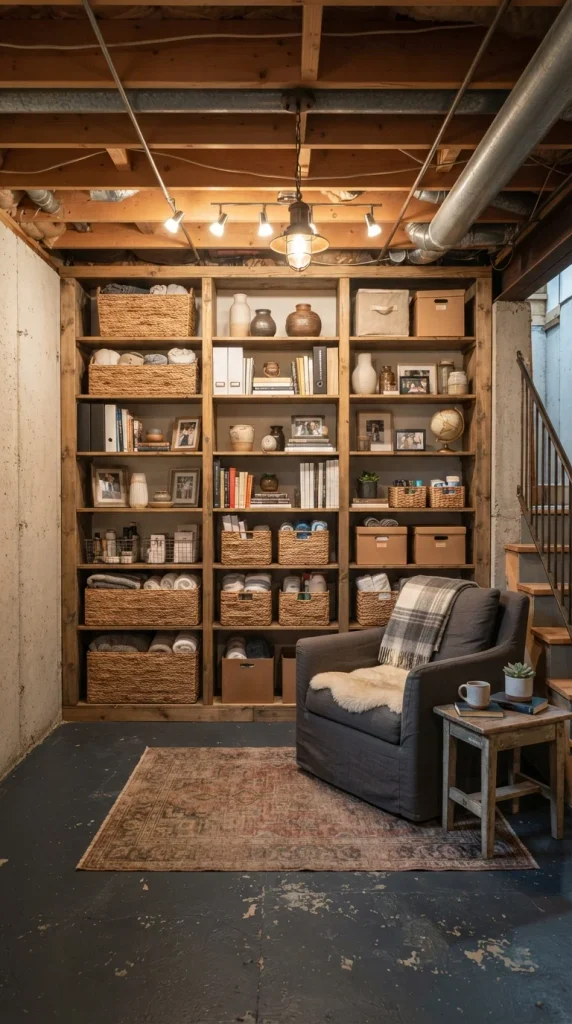
    Create a peaceful reading nook by adding a comfortable chair, a small side table, and a warm floor lamp. Exposed brick, natural wood, and woven textures can give the basement a charming rustic feel. Add a small bookshelf nearby to keep favorite books organized. A soft throw and cushion can make the corner especially inviting.

    6. Dedicated Laundry Area

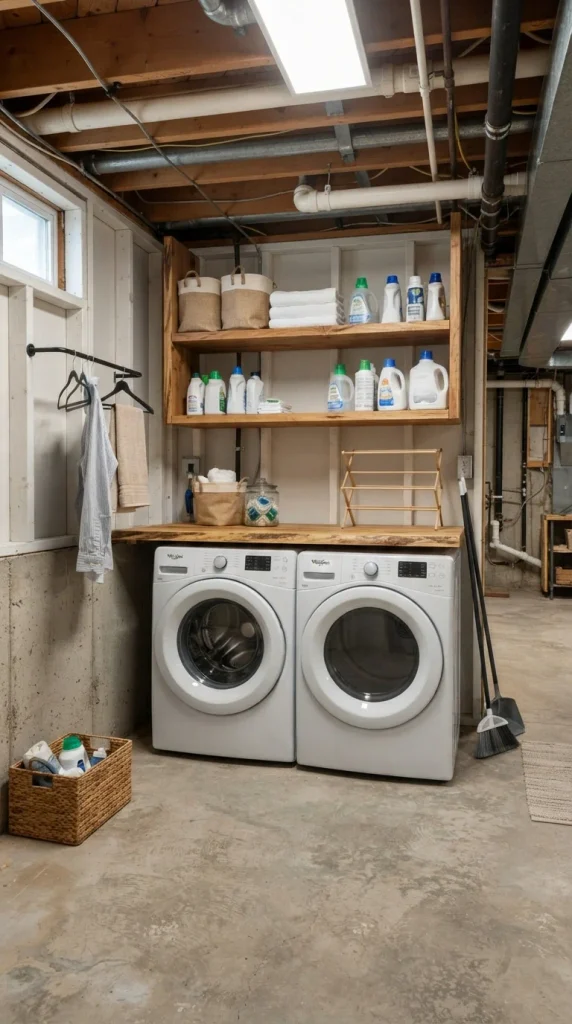
    An unfinished basement can be an excellent place for a dedicated laundry area. Keep the washer and dryer together and use shelving above them for detergent, towels, and cleaning supplies. A simple countertop can provide useful folding space. Even basic organization can make the laundry area feel much more efficient and tidy.

    7. Basement Playroom

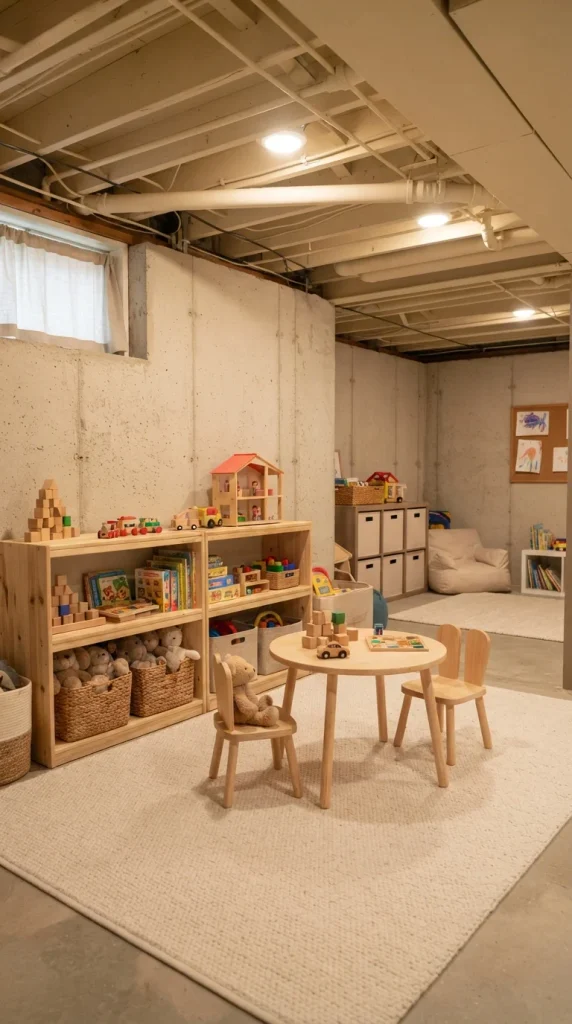
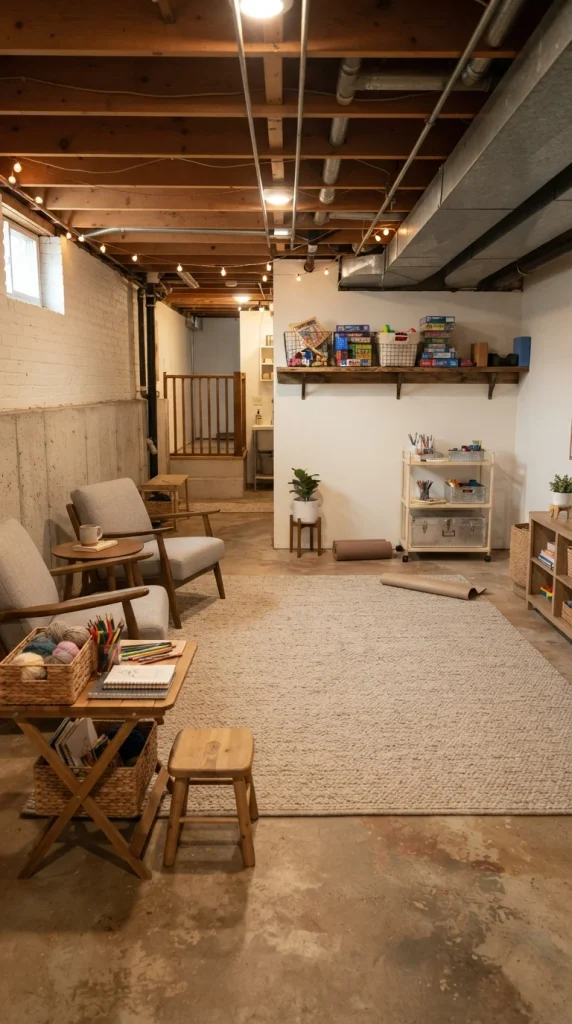
    Turn part of the basement into a fun playroom where children can have space to play and create. Use washable rugs, open toy storage, and low shelves so everything is easy to access. A small table can provide a place for drawing, puzzles, or crafts. Keeping the layout open gives children plenty of room for different activities.

    8. Open Craft and Hobby Space

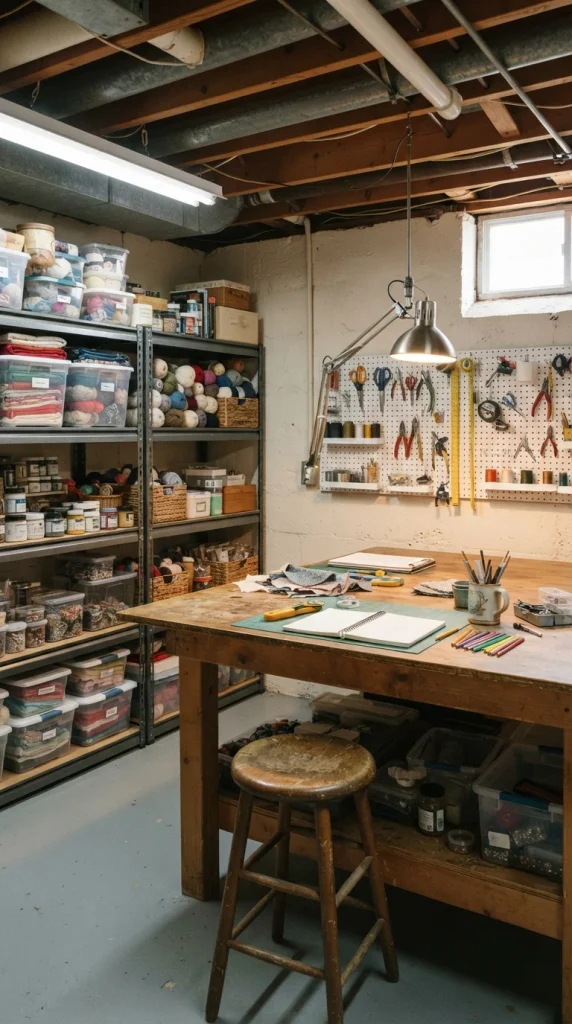
    An unfinished basement can provide the extra room needed for crafts, painting, sewing, or other hobbies. Set up a sturdy worktable with organized storage for materials and tools. Pegboards and wall-mounted shelves can keep supplies visible without filling the floor. Good task lighting will also make the workspace more comfortable to use.

    9. Budget-Friendly Basement Flooring

    You do not always need expensive flooring to make an unfinished basement feel more comfortable. Affordable options such as durable vinyl, interlocking floor tiles, or large area rugs can help define different zones. Choose materials that suit the basement environment and are easy to maintain. A simple flooring update can make the entire space feel more polished.

    10. Exposed Ceiling Design

    Instead of hiding the ceiling, embrace the unfinished look with a neat exposed ceiling design. Pipes, beams, and ductwork can become part of an industrial-inspired basement style when they are kept clean and organized. Paint or simple finishing touches can help create a more intentional appearance. This approach can also save the cost and effort of installing a traditional ceiling.

    11. Warm Basement Lighting

    Good lighting can make a major difference in an unfinished basement, especially when there is limited natural light. Combine overhead fixtures with floor lamps, table lamps, or wall lights to create a layered effect. Warm-toned bulbs can make the space feel more comfortable and inviting. Place brighter task lighting in areas used for work, crafts, or laundry.

    12. Basement Movie Corner

    Create a simple movie corner with a comfortable sofa, a projector or television, and soft lighting. Arrange the seating so everyone has a clear view of the screen without blocking the main walkway. Add a small media shelf for remotes, games, and movie accessories. Cozy blankets and floor cushions can make the space feel relaxed and family-friendly.

    13. Functional Workshop Area

    An unfinished basement can be a useful workshop for home projects and repairs. Set up a sturdy workbench and organize tools on pegboards, shelves, or wall-mounted racks. Keep sharp tools and heavy equipment stored safely and securely. Leaving enough open space around the workbench will make projects easier and more comfortable.

    14. Small Basement Bar

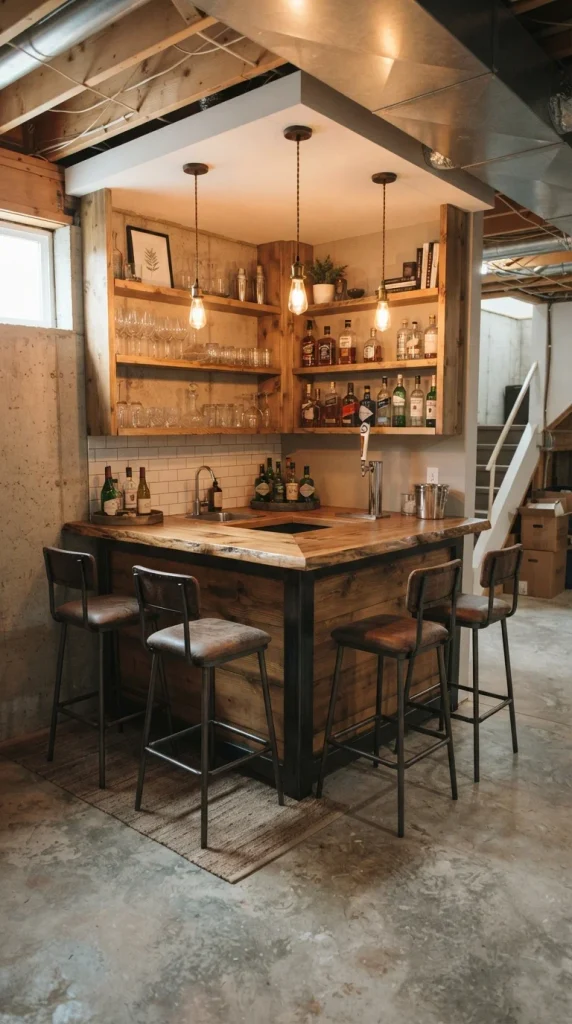
    A small basement bar can turn an unused corner into a stylish gathering spot. You can start with a simple counter, a few stools, and open shelving for glasses and accessories. Wood finishes and warm lighting can create a cozy atmosphere without requiring a full renovation. Keep the design compact so it does not interfere with the rest of the basement.

    15. Multi-Purpose Family Space

    Make the most of a large unfinished basement by combining several functions in one open area. One side can hold comfortable seating, while another can be used for games, hobbies, or storage. Area rugs and furniture placement can visually separate each zone. This flexible layout allows the basement to change as your family’s needs change.

    16. Built-In Storage Shelves

    Built-in or wall-mounted shelving can help turn unused basement walls into valuable storage space. Use the shelves for books, baskets, tools, seasonal decorations, or everyday household items. Matching bins can give open storage a more organized appearance. Keep the lower shelves easy to reach while using higher sections for items you rarely need.

    17. Basement Guest Area

    If you have enough space, an unfinished basement can include a simple guest area for visitors. A comfortable sofa bed or daybed can provide sleeping space without taking over the room. Add a small table, lamp, and storage basket for basic guest essentials. Soft textiles and neutral decor can make the area feel more welcoming.

    18. Minimalist Basement Design

    A minimalist approach can make an unfinished basement feel open and uncluttered. Choose only the furniture and storage pieces you actually need, and keep the color palette simple. Closed cabinets and matching storage containers can hide visual clutter. A few carefully selected decorative pieces can add warmth without overwhelming the space.

    19. Cozy Basement Seating Area

    Create a dedicated seating area where you can relax, read, or spend time with family. A comfortable sectional or a few lounge chairs can define the space without requiring extensive remodeling. Add a soft rug, cushions, and a small table for extra comfort. Warm lighting will help the seating area feel less like an unfinished basement and more like a true living space.

    20. Seasonal Storage Zone

    Use one section of the basement specifically for seasonal storage to keep the rest of your home clutter-free. Stackable bins can hold holiday decorations, winter clothing, camping equipment, and other occasional items. Label each container clearly so you can find things quickly when needed. Keeping storage grouped in one area also makes the basement easier to maintain.

    21. Flexible Basement Activity Room

    A flexible activity room gives your unfinished basement a purpose without limiting how you use it later. Keep the furniture lightweight and movable so the room can support games, crafts, exercise, or family activities. Open storage can hold supplies while leaving plenty of clear floor space. This adaptable setup makes it easier to change the basement as your needs evolve.

    Conclusion

    An unfinished basement has plenty of potential, even without a complete renovation. With smart storage, comfortable furniture, practical lighting, and a few thoughtful decor choices, you can turn unused space into something your family will actually enjoy. Whether you create a cozy lounge, home office, gym, workshop, or flexible activity room, the key is to choose ideas that fit your space and daily needs. Start with simple improvements and build the basement into a useful part of your home over time.

    FAQs

    1. What can I do with an unfinished basement?

    You can use an unfinished basement for storage, a home gym, office, lounge, playroom, workshop, laundry area, or hobby space. The best option depends on the size and layout of your basement.

    2. How can I make an unfinished basement look better?

    Start with better lighting, organized storage, comfortable furniture, rugs, and simple wall decor. Keeping the space clean and creating defined zones can also make a big difference.

    3. What is the cheapest way to finish an unfinished basement?

    Focus on affordable improvements such as area rugs, shelving, storage bins, lamps, and movable furniture. You can gradually improve the space instead of completing a full renovation at once.

    4. How do I make an unfinished basement feel cozy?

    Use warm lighting, soft rugs, comfortable seating, cushions, blankets, and natural textures. A warm neutral color palette can also make the basement feel more inviting.

    5. How can I organize an unfinished basement?

    Use sturdy shelving, labeled storage bins, cabinets, and wall-mounted organizers. Group similar items together and leave clear pathways so the basement remains easy to use.

    6. Can an unfinished basement be used as a living space?

    Yes, it can be used for activities such as lounging, hobbies, exercise, or storage. If you plan to turn it into a formal living or sleeping area, check your local building requirements and address issues such as moisture, insulation, ventilation, electrical work, and emergency egress.

    7. How can I decorate an unfinished basement on a budget?

    Start with the areas that make the biggest visual difference, such as lighting, flooring, seating, and storage. Shop for simple pieces that serve more than one purpose, and add decorative details gradually.

  • 21 DIY Craft Desk Ideas for a Creative and Organized Workspace

    A well-planned DIY craft desk can make your creative projects easier and more enjoyable. These 21 DIY Craft Desk Ideas offer simple ways to create a stylish and organized craft workspace. From small craft desks to smart craft room storage and practical craft station ideas, there is something for every space. Use these ideas to build a comfortable workspace that keeps your supplies tidy and your creativity flowing.

    1. Simple Wooden Craft Desk

    A simple wooden desk is a practical choice for a DIY craft workspace. Use a sturdy tabletop with basic legs to create an affordable desk. Add a few small shelves underneath for storing craft supplies. Keep the surface mostly clear so you have enough room to work comfortably.

    2. Wall-Mounted Craft Desk

    A wall-mounted craft desk is perfect when floor space is limited. Attach a strong wooden surface to the wall at a comfortable working height. Add shelves or pegboards above it for easy storage. You can fold the desk away when it is not being used.

    3. Small Corner Craft Desk

    Turn an unused corner into a useful creative workspace with a compact desk. Choose a narrow tabletop that fits neatly between two walls. Use vertical shelves to store paper, tools, paints, and other supplies. This setup works especially well in small rooms.

    4. DIY Craft Desk With Shelves

    Built-in shelves can make a craft desk much more useful. Place open shelves beside or underneath the desk for quick access to supplies. Use baskets and small containers to keep everything organized. This design gives you both a comfortable workspace and practical storage.

    5. Pegboard Craft Desk

    A pegboard above your desk provides flexible storage for everyday craft tools. Hang scissors, rulers, brushes, ribbons, and other small items where you can easily reach them. Paint the pegboard to match your room for a coordinated look. Keep frequently used supplies at eye level.

    6. Foldable Craft Desk

    A foldable craft desk is a smart solution for multipurpose rooms. Use hinges to create a tabletop that can fold against the wall when you finish crafting. Add small shelves nearby for your supplies. This design saves space without giving up a useful work surface.

    7. Craft Desk With Drawer Storage

    Drawers are excellent for keeping small craft supplies out of sight. You can build or reuse a desk with several drawers for scissors, glue, paper, threads, and tools. Label each drawer to make supplies easier to find. Keep the most-used items in the top drawers.

    8. DIY Craft Desk From an Old Table

    An old table can easily become a useful DIY craft desk with a little updating. Sand the surface, repair any damage, and give it a fresh finish or paint color. Add storage baskets underneath for extra organization. This is also a budget-friendly way to create a personalized workspace.

    9. Floating Craft Desk With Storage

    A floating desk creates a clean and modern craft workspace without taking up much floor space. Install a sturdy tabletop directly onto the wall and place storage shelves above it. Use matching boxes or baskets to hide clutter. The open floor underneath can make a small room feel larger.

    10. Craft Desk With Rolling Cart

    Pair your desk with a rolling storage cart for flexible organization. Keep paints, tools, paper, and other frequently used materials inside the cart. You can move it around the room whenever needed. Choose a cart with several levels to make the most of vertical space.

    11. DIY Craft Desk for Small Spaces

    A narrow desk can provide a complete craft station even in a small room. Choose a compact design with drawers, shelves, or wall storage to save space. Keep the tabletop simple and uncluttered. Vertical organization can give you more storage without making the room feel crowded.

    12. L-Shaped Craft Desk

    An L-shaped desk gives you separate areas for different creative tasks. One side can be used for drawing or cutting, while the other can hold your supplies or computer. Add shelves underneath both sections for extra storage. This design works well in a dedicated craft room.

    13. Craft Desk With Cube Storage

    Cube storage units can serve as sturdy supports for a DIY craft desk. Place a tabletop across two cube organizers to create a simple workstation. Use the cubes for baskets, fabric, paper, and craft tools. This setup is easy to customize as your storage needs change.

    14. Minimalist Craft Workspace

    A minimalist craft desk focuses on keeping the workspace clean and useful. Choose a simple tabletop with only essential storage nearby. Use matching containers to reduce visual clutter. A neutral color palette can also create a calm space that helps you concentrate on creative projects.

    15. Colorful DIY Craft Desk

    Add personality to your craft room with a colorful desk setup. Paint the desk in a cheerful shade or use colorful storage boxes and accessories. Keep the main workspace practical so the colors do not become distracting. This is a fun option for a creative and inspiring craft station.
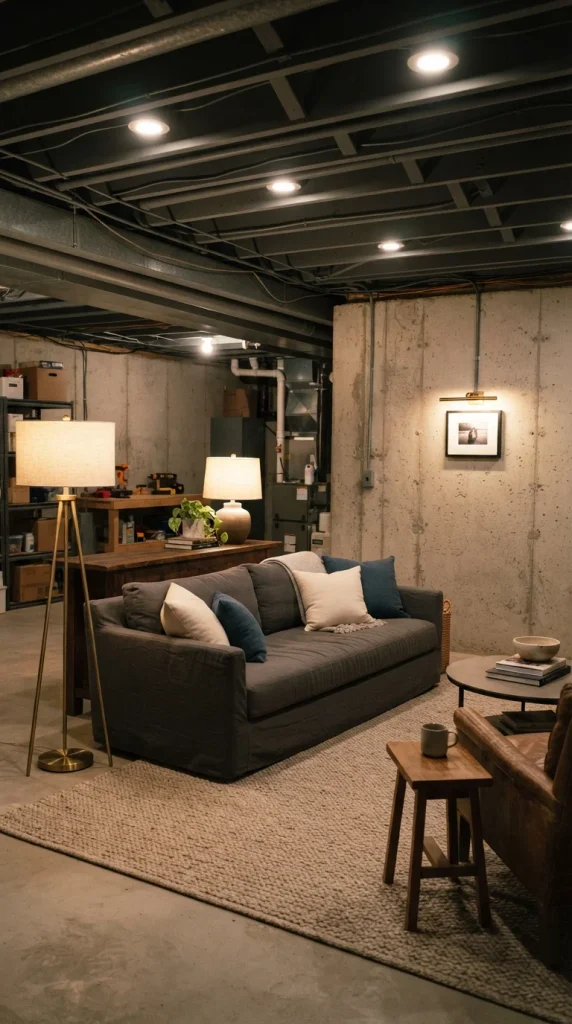
    16. Craft Desk With Overhead Cabinets

    Overhead cabinets provide valuable storage while keeping the floor area open. Install them above the desk to store materials that you do not use every day. Keep frequently used supplies on the desk or in lower storage. Choose cabinet doors if you prefer a clean and uncluttered look.

    17. DIY Craft Desk With Open Bins

    Open bins make it easy to see and reach your craft supplies while working. Place them on shelves under or beside the desk and group similar items together. Use separate bins for paper, fabric, paint, tools, and accessories. This simple system can make craft desk organization much easier.

    18. Narrow Craft Desk for a Hallway

    A narrow hallway or unused wall can become a compact craft station. Choose a slim desk that does not block the walking area. Add wall shelves above it for supplies and decorations. This idea is useful when you want a dedicated workspace without needing an entire room.

    19. Craft Desk With Built-In Lighting

    Good lighting can make crafting more comfortable and help you see small details clearly. Add a desk lamp or install lighting underneath shelves above the workspace. Choose adjustable lighting so you can direct it where you need it most. Keep cords organized to maintain a neat desk.

    20. Rustic DIY Craft Desk

    A rustic craft desk can bring warmth and character to your workspace. Use natural wood, simple hardware, and woven baskets to create a cozy look. Keep the design practical with drawers or shelves for storage. This style works especially well in warm and relaxed craft rooms.

    21. Multi-Purpose DIY Craft Desk

    A multi-purpose desk can support crafting, writing, organizing, and other everyday tasks. Choose a spacious tabletop with flexible storage underneath or nearby. Keep supplies in removable containers so the desk can quickly be cleared. This is a practical option for bedrooms, home offices, and shared spaces.

    Conclusion

    The right DIY Craft Desk Ideas can turn even a small area into a comfortable and organized creative workspace. Focus on a sturdy work surface, useful storage, good lighting, and a layout that fits your room. Whether you choose a simple wooden desk, a wall-mounted design, or a storage-friendly craft station, the goal is to create a space that makes crafting easier and more enjoyable.

    Frequently Asked Questions

    1. What is the best material for a DIY craft desk?

    Wood is a popular choice because it is strong, easy to customize, and works with many decor styles. Plywood and laminated boards can also be practical options for budget-friendly projects.

    2. How can I make a craft desk for a small room?

    Choose a narrow, wall-mounted, or foldable desk to save floor space. Use shelves, pegboards, and vertical organizers to store supplies without taking up more room.

    3. How much does it cost to build a DIY craft desk?

    The cost depends on the materials and design. Using an old table, basic wood, or affordable storage units can help create a useful craft desk without spending a lot.

    4. What should I keep on a craft desk?

    Keep only frequently used tools on the desktop, such as scissors, glue, pencils, brushes, or cutting tools. Store less-used supplies in drawers, bins, shelves, or cabinets.

    5. What colors work well for a craft workspace?

    Soft neutrals, warm wood tones, white, beige, and light pastels can create a calm workspace. Brighter colors can be added through storage boxes, accessories, or wall decor.

    6. Where should I place a DIY craft desk?

    Place the desk near a window when possible so you can benefit from natural light. If that is not practical, choose a well-lit wall and add a good desk lamp for focused work.

    7. How can I keep my craft desk organized?

    Group similar supplies together and use labeled boxes, drawers, baskets, or containers. Keep your most-used tools within easy reach and clear the desktop after each project.

  • 21 Stylish Small Balcony Furniture Ideas for Apartment Living

    21 Stylish Small Balcony Furniture Ideas for Apartment Living

    A small balcony can become a useful extension of your apartment with the right furniture. For limited space, choose compact furniture based on the size, layout, and purpose of the outdoor space. Create a cozy morning coffee corner, reading space, or compact dining area where you can relax after work. In Indian apartments, consider sunlight, dust, humidity, and monsoon rain when choosing furniture for better durability and easy maintenance. Add flourishing plants, privacy screens, and soothing lights for a stylish space, functional space, and cozy private outdoor area. These apartment balcony furniture ideas work with different styles and different budgets while improving apartment living and balcony design.

    1. Compact Bistro Set

    A compact bistro set is a simple choice for a small balcony. It usually includes a small table with two comfortable chairs, making it easy to fit into a narrow outdoor space. You can use it for morning coffee, breakfast, or evening tea. Choose a lightweight design if you often need to move the furniture. Metal, wood, and weather-resistant materials all work well. Add a small outdoor rug or plant for a warmer look. This setup gives your apartment balcony a stylish and useful purpose.

    2. Foldable Balcony Chairs

    Foldable balcony chairs are perfect when every inch matters. You can open them when you need extra seating and fold them away later. This makes the balcony feel more open when it is not being used. Choose chairs with comfortable backs and sturdy frames. Weather-resistant finishes are helpful for outdoor use. Neutral colors can easily match different balcony styles. Pair them with a small folding table for a complete setup. They are practical for relaxing, reading, or enjoying a quiet coffee.

    3. Small Outdoor Loveseat

    A small outdoor loveseat can make a balcony feel more inviting. It provides enough seating for two without taking up too much room. Look for a narrow frame designed for compact outdoor areas. Soft cushions can add comfort without making the space look crowded. Choose removable covers so they are easier to clean. Neutral fabrics work well with plants and simple accessories. Place the loveseat against the longest wall whenever possible. This leaves more floor space available for movement.

    4. Space-Saving Balcony Bench

    A balcony bench offers useful seating without requiring much floor space. A slim bench can sit neatly against a wall or railing. Choose a design with a simple frame for a clean appearance. Cushions can make a hard bench much more comfortable. Some benches also include hidden storage underneath the seat. This extra space can hold blankets, cushions, or small outdoor items. Wooden benches bring warmth to a modern apartment balcony. Keep the surrounding area simple so the balcony feels open.

    5. Wall-Mounted Folding Table

    A wall-mounted folding table is an excellent solution for narrow balconies. It attaches to the wall and folds down when you need a surface. When folded away, it leaves valuable walking space clear. Use it for coffee, meals, working, or placing small plants. Choose a sturdy material that can handle regular outdoor use. A simple wooden finish can create a warm and natural look. Keep the table at a comfortable height for everyday use. This furniture idea combines function, flexibility, and smart space planning.

    6. Railing-Mounted Bar Table

    A railing-mounted bar table makes good use of unused balcony space. It attaches directly to the railing instead of using floor space. This makes it especially useful for very narrow apartments. Use it as a breakfast spot, coffee station, or evening table. Pair it with two slim stools that can be tucked underneath. Choose weather-resistant materials for better long-term use. A simple finish keeps the balcony looking modern and uncluttered. It is a practical way to create a dining area without adding bulky furniture.

    7. Cozy Balcony Lounge Chair

    A cozy lounge chair can turn a small balcony into a personal retreat. Choose a chair with a compact frame that does not overwhelm the space. A comfortable cushion makes it ideal for reading or relaxing. Place a small side table nearby for books, drinks, or plants. Natural textures can make the setting feel warm and welcoming. Choose outdoor fabrics that are easy to clean and maintain. A neutral chair can work with many different decorating styles. Even one comfortable chair can give the balcony a clear purpose.

    8. Small Rattan Seating Set

    A small rattan seating set can give an apartment balcony a relaxed feel. Choose a compact set with two chairs and a small table. Rattan adds natural texture without making the area feel too formal. Look for weather-resistant synthetic rattan for outdoor durability. Light-colored cushions can make the space look brighter. Add a few green plants to complement the natural material. Keep accessories limited so the balcony does not feel crowded. This setup works well for casual coffee, conversations, and quiet evenings.

    9. Compact Balcony Dining Set

    A compact dining set can make your balcony useful for everyday meals. Look for a small round or square table with two chairs. Round tables can make movement easier in tight corners. Folding chairs are useful when you need additional floor space. Choose materials that can handle sunlight and changing weather. Keep the colors simple to create a clean appearance. A small centerpiece or potted herb can add personality. With careful placement, even a tiny balcony can become a comfortable dining area.

    10. Built-In Corner Bench

    A built-in corner bench makes excellent use of an unused balcony corner. Its shape can follow the available walls and save valuable floor space. You can add cushions to make the bench more comfortable. A custom design can also include storage underneath the seating. Use outdoor-grade materials that can handle moisture and sunlight. Keep the bench color close to the surrounding walls for a seamless look. Add a small table in front for coffee or snacks. This arrangement creates a comfortable seating area without overcrowding the balcony.

    11. Small Balcony Coffee Table

    A small coffee table can complete a balcony seating arrangement. Choose a narrow table that leaves enough room for comfortable movement. Round tables are useful when the balcony has tight corners. A lower design can make the space feel more relaxed. Use it to hold coffee, books, candles, or small decorative items. Weather-resistant materials will make everyday maintenance easier. Choose a finish that complements your chairs or sofa. The right coffee table adds function without taking over the balcony.

    12. Foldable Wooden Table

    A foldable wooden table brings warmth and flexibility to apartment balconies. It can provide a useful surface without permanently occupying much space. Fold it down when you need it and store it when you do not. Natural wood tones can make a small outdoor area feel cozy. Choose treated or outdoor-rated wood for better durability. A simple design will keep the balcony looking clean and spacious. Pair it with folding chairs for a coordinated setup. This is a practical choice for dining, working, or enjoying coffee outside.

    13. Stackable Outdoor Chairs

    Stackable outdoor chairs are useful when seating needs change often. Several chairs can be stacked together when they are not needed. This helps keep a small balcony open and easy to move around. Choose lightweight but sturdy chairs for everyday convenience. Plastic, metal, and treated wood options can work well for balconies. Neutral shades can blend easily with different outdoor decor. Keep the stacked chairs in one corner when they are not in use. They offer flexibility without requiring permanent seating arrangements.

    14. Balcony Storage Bench

    A balcony storage bench combines seating with useful hidden storage. The seat provides a comfortable place to sit and relax. The storage compartment can hold cushions, blankets, or small accessories. This is especially helpful when your apartment has limited indoor storage. Choose a weather-resistant design with a secure lid. Add a comfortable outdoor cushion to soften the seating area. Keep the bench against a wall to preserve walking space. It is a smart furniture choice for keeping a small balcony organized.

    15. Slim Metal Bistro Set

    A slim metal bistro set can give a balcony a neat and modern appearance. Its narrow profile works well in apartments with limited floor space. Metal furniture is also easy to clean and maintain. Choose a powder-coated finish for better outdoor durability. A small round table can make the arrangement feel less bulky. Add soft cushions if you want extra comfort. Simple black, white, or neutral finishes can suit many decor styles. This set works well for coffee, breakfast, reading, or casual conversations.

    16. Cozy Floor Cushion Seating

    Floor cushions offer a relaxed seating option without large furniture pieces. They are easy to move when you need more open floor space. Choose outdoor cushions with washable and durable covers. Layer two or three cushions to create a comfortable seating corner. A small low table can complete the arrangement. Natural colors and soft textures can make the balcony feel peaceful. Add a few plants nearby for a fresh outdoor atmosphere. This idea is especially useful for casual and flexible balcony living.

    17. Small Hanging Chair

    A small hanging chair can add character while keeping floor space available. Because it hangs above the floor, the area underneath remains open. Choose a secure design suitable for the balcony structure. A comfortable cushion can make it a favorite place to relax. Keep enough clearance around the chair for safe movement. A neutral woven design can create a soft and natural appearance. Place a small side table nearby for books or drinks. This furniture choice creates a cozy retreat without needing a large sofa.

    18. Multifunctional Storage Ottoman

    A multifunctional storage ottoman can serve several purposes on a small balcony. Use it as a footrest, extra seat, or small table when needed. The hidden storage can keep cushions and other items organized. Choose a compact shape that fits beneath or beside existing furniture. Outdoor materials are important because balconies face changing weather. A simple color can blend with your chairs and cushions. Avoid filling the ottoman with unnecessary items. Its flexible design makes it useful when space is limited.

    19. Compact Corner Sofa

    A compact corner sofa can create generous seating in a small footprint. Its L-shaped design makes good use of an unused corner. Choose a smaller model made specifically for balconies or compact patios. Comfortable cushions can make the area feel like an outdoor living room. Keep the sofa close to the walls to leave a clear walking path. Add a small coffee table if enough space remains in front. Plants can soften the corners and add a natural touch. This setup is ideal for relaxing, reading, or spending time with family.

    20. Minimalist Wooden Balcony Set

    A minimalist wooden balcony set can create a calm and timeless outdoor space. Choose simple chairs and a small table with clean lines. Natural wood brings warmth without requiring many decorative pieces. Use outdoor-treated wood to improve resistance to moisture and sunlight. Keep the color palette simple with neutral cushions and greenery. Avoid oversized furniture that can make the balcony feel crowded. A small plant or lantern can provide a subtle decorative touch. This style works especially well for apartments with modern interiors.

    21. Small Balcony Reading Chair

    A small reading chair can turn an unused balcony corner into a peaceful escape. Choose a comfortable chair that fits neatly without blocking the doorway. Add a small side table for books, coffee, or a reading lamp. A soft outdoor cushion can make longer reading sessions more comfortable. Place the chair where it receives pleasant natural light. Avoid harsh direct sunlight if the balcony becomes very hot. A nearby plant can make the corner feel more relaxing. With just a few pieces, you can create a practical personal retreat.

    Conclusion

    The best small apartment balcony furniture makes every part of the space useful without making it feel crowded. Choose compact, durable pieces that fit your balcony’s size and daily needs. Folding tables, slim seating, storage benches, and multifunctional furniture can provide comfort while saving valuable floor space. With thoughtful placement and a few simple decorative touches, even a small balcony can become a comfortable and stylish part of apartment living.

    Frequently Asked Questions

    1. What furniture is best for a small apartment balcony?

    Compact furniture is usually the best choice. Folding chairs, bistro sets, slim benches, small tables, and multifunctional storage pieces can provide comfort without taking up too much space.

    2. How can I make a tiny balcony look bigger?

    Keep the furniture size small and avoid overcrowding the floor. Choose light colors, simple designs, and furniture with visible legs to create a more open feeling.

    3. Is wooden furniture good for an apartment balcony?

    Yes, but choose treated or outdoor-rated wood. Protecting the furniture from excessive moisture and strong sunlight can help it stay attractive for longer.

    4. What furniture works for a narrow balcony?

    Wall-mounted tables, railing tables, foldable chairs, slim benches, and narrow bistro sets are practical choices. They provide useful seating and surfaces while keeping the walkway clear.

    5. How can I add seating without overcrowding my balcony?

    Choose multifunctional or foldable seating. A storage bench, stackable chairs, compact loveseat, or hanging chair can provide seating while using space efficiently.

    6. What colors work well for small balcony furniture?

    Light neutrals such as beige, cream, white, light gray, and natural wood tones can make a small balcony feel brighter and more open. You can add stronger colors through cushions and plants.

    7. How do I protect balcony furniture from weather?

    Choose weather-resistant materials and outdoor-rated fabrics. During heavy rain or extreme weather, cover, fold, or move furniture to a protected area when possible. Regular cleaning also helps maintain its appearance.

  • 21 DIY Garage Organization Ideas to Make the Most of Every Inch

    21 DIY Garage Organization Ideas to Make the Most of Every Inch

    When I organize a garage, I start by looking at how the space is actually used rather than simply adding more storage. DIY garage storage solutions can help organize spaces that feel cluttered with cars, tools, and equipment by giving everything a clear place. Simple and creative, budget-friendly ideas such as shelving and wall racks can maximize every inch without making the garage feel crowded. One of my favorite smart strategies is utilizing vertical areas, corners, and unused wall sections instead of filling the floor. These practical techniques make it easier to create a well-organized, efficient garage while keeping daily items within reach. With the right layout and a little planning, you can improve storage without spending a fortune.

    1. DIY Wall-Mounted Tool Storage

    Wall-mounted storage is one of the easiest ways to free up valuable garage floor space. Instead of leaving tools on a workbench or scattered around the floor, use a strong wall panel to keep them visible and easy to reach. Hooks, rails, and simple brackets can hold hammers, drills, wrenches, and other everyday tools. This setup also makes cleaning much easier because fewer items sit on the floor. Choose a wall that is close to your work area so you do not have to walk across the garage whenever you need something. Labeling different sections can make the system even more useful. With a little planning, an empty wall can become practical storage without taking away space for your car.

    2. Pegboard Organization for Small Tools

    A pegboard can turn a plain garage wall into a flexible storage station for small tools. Install it above a workbench or another convenient area where you regularly complete projects. Use different hooks and holders to arrange screwdrivers, pliers, measuring tapes, and other small equipment. The biggest benefit is that you can move the hooks whenever your storage needs change. Keeping similar tools together also makes it easier to notice when something is missing. A neat pegboard can make a busy garage look more organized without requiring expensive cabinets. For a simple DIY project, paint the board in a neutral shade that works well with the rest of the garage.

    3. DIY Garage Shelving Units

    DIY shelving is a practical solution when you need storage for boxes, cleaning supplies, tools, and larger equipment. Build shelves along an unused wall and choose a depth that leaves enough room for walking and parking. Strong wood boards can work well when properly supported and secured to the wall. Keep heavy items on the lower shelves and lighter boxes higher up for safer access. Clear containers are useful because you can see what is inside without opening every box. Leave some space between groups of items so the shelves do not become another cluttered area. A well-planned shelving unit can make use of vertical space while keeping the garage floor open.

    4. Overhead Garage Storage Racks

    The ceiling is often one of the most overlooked storage areas in a garage. Overhead racks can hold seasonal decorations, camping gear, empty luggage, and other items that are not needed every day. Before installing one, make sure the ceiling structure can safely support the planned weight. Use strong containers with lids to protect stored items from dust and moisture. Keep frequently used belongings at a lower and easier-to-reach level instead. Proper labeling will also help you remember what is stored above your head. When arranged carefully, overhead storage can add useful capacity without taking away parking or working space.

    5. DIY Storage Cabinets for Tools

    Storage cabinets are useful when you want the garage to look cleaner while keeping tools and supplies out of sight. You can build simple cabinets from plywood or adapt old cabinets for a more affordable project. Add shelves inside so every section can hold a different type of item. Doors help protect tools from dust and give the garage a more finished appearance. Keep heavy equipment on lower shelves and smaller supplies at eye level. If you have children around, store sharp or hazardous tools in closed and secure areas. A few carefully placed cabinets can make a major difference without requiring a complete garage makeover.

    6. PVC Pipe Tool Organizers

    PVC pipes can become surprisingly useful organizers for long-handled tools and smaller workshop items. Cut the pipes into suitable lengths and attach them securely to a wall or storage board. Each section can hold items such as screwdrivers, brushes, rulers, or small garden tools. This keeps loose equipment upright instead of allowing it to pile together in a corner. You can use different pipe sizes depending on what you need to store. Labeling each section makes the system even easier to maintain. It is a simple DIY project that uses inexpensive materials while giving unused wall space a practical purpose.

    7. DIY Garage Workbench Storage

    A workbench becomes much more useful when its design includes built-in storage. Add drawers, shelves, or open compartments underneath the work surface to keep everyday tools close by. Store frequently used items in the top drawers and larger equipment in the lower sections. A small pegboard above the bench can provide additional room for tools you use during projects. Keep the work surface mostly clear so you always have room to work. Strong materials and solid supports are important because a garage workbench often carries heavy equipment. This setup creates a dedicated project area while reducing clutter throughout the rest of the garage.

    8. Rolling Garage Storage Cart

    A rolling storage cart is helpful when you need flexible storage that can move around the garage. Use it for painting supplies, gardening tools, automotive equipment, or materials for weekend projects. Choose a sturdy cart with several levels so you can separate different categories of items. Wheels allow you to move the cart close to your workbench or car whenever needed. Locking wheels are especially useful because they keep the cart steady while you work. A narrow design can fit beside a cabinet or in a small corner when not in use. This simple solution gives you extra storage without permanently taking over one part of the garage.

    9. DIY Sports Equipment Storage

    Sports equipment can quickly take over a garage when balls, helmets, bats, and other gear are left on the floor. Create dedicated storage using wall hooks, baskets, shelves, and simple racks. Keep frequently used equipment at an easy height so children and adults can reach it without making a mess. Use separate bins for smaller items such as gloves, balls, and protective gear. Larger equipment can be stored vertically to save floor space. Labeling each basket can make cleanup much faster after outdoor activities. A dedicated sports zone keeps recreational gear together and prevents it from mixing with tools and household supplies.

    10. Garage Corner Shelving Ideas

    Garage corners are often wasted because standard storage units do not fit comfortably into them. Custom corner shelves can turn these awkward areas into useful storage zones. Use triangular or L-shaped shelves to hold boxes, paint supplies, cleaning products, or small equipment. Keep the items you use most often at the front where they are easy to reach. Corners are also a good place for less frequently used belongings because they stay out of the main working area. Secure shelves properly so they remain stable when loaded. Making use of these forgotten spaces can give your garage extra storage without reducing the room available for your car.

    11. DIY Garden Tool Storage

    Garden tools such as shovels, rakes, hoes, and pruning equipment are much easier to manage when they have a dedicated storage area. Install strong hooks or a simple vertical rack on an empty wall near the garage entrance. Store long-handled tools upright instead of leaving them in a pile on the floor. Smaller gardening supplies can go into a nearby bin or cabinet. Keeping outdoor tools together also makes it easier to grab what you need before heading outside. Choose storage that allows wet tools to dry properly before putting them away. A simple garden tool station can keep both the garage and your outdoor area more orderly.

    12. Wall-Mounted Bike Storage

    Bikes can consume a large amount of floor space, especially in a smaller garage. Wall-mounted hooks or vertical bike racks allow you to store them safely while keeping the floor open. Choose a mounting position that leaves enough clearance for doors, vehicles, and walking paths. If several bikes are stored together, arrange them at different heights to make better use of the wall. Add nearby hooks for helmets, locks, and cycling accessories. Make sure the mounting hardware is strong enough for the weight of the bike. This approach keeps bicycles organized and makes more room for other garage activities.

    13. DIY Garage Bin Organization

    Storage bins are one of the easiest ways to control small items that would otherwise become scattered around the garage. Use separate containers for hardware, electrical supplies, car accessories, seasonal items, and household extras. Clear bins make it easier to identify contents, while labeled solid bins can create a cleaner visual appearance. Place frequently used containers on accessible shelves and reserve higher areas for items used less often. Avoid mixing unrelated items in one large container because it makes finding things harder. Stack bins carefully and keep heavier ones lower for easier handling. A simple bin system can turn loose garage clutter into organized storage.

    14. Ceiling Storage for Seasonal Items

    Seasonal belongings are ideal candidates for ceiling storage because they may only be needed a few times each year. Holiday decorations, winter equipment, outdoor cushions, and camping supplies can be placed in secure overhead containers. Use strong, sealed boxes to keep dust away and protect delicate belongings. Label each container clearly so you know what is inside before bringing it down. Keep heavier containers in positions that are easy to lower safely. Leave enough clearance around garage doors, lighting, and vehicles. When seasonal storage is planned carefully, it frees valuable shelves and floor areas for things you use throughout the year.

    15. DIY Lumber Storage Rack

    Extra boards and pieces of lumber can create a serious mess when they are simply leaned against a wall. A DIY lumber rack gives these materials a dedicated place while keeping them off the floor. Build a strong horizontal or vertical rack based on the amount and length of wood you normally store. Keep longer boards supported at several points so they do not fall or become difficult to handle. Separate different sizes when possible to make future projects easier. Place the rack in an area where it will not block your car or main walkway. Proper lumber storage keeps materials safer while making your garage easier to navigate.

    16. Garage Door Storage Solutions

    The area around the garage door can offer useful storage opportunities when planned carefully. Narrow racks, hooks, or wall organizers can hold lightweight items without interfering with the door mechanism. Use this space for small tools, cleaning accessories, sports gear, or other frequently used belongings. Avoid placing anything where it could obstruct the door or moving parts. Keep heavier items on secure wall-mounted supports rather than unstable hooks. A slim storage system can make use of an otherwise overlooked section of the garage. This is especially helpful when floor space is limited and every wall area matters.

    17. DIY Cord and Cable Storage

    Loose cords and cables can easily become tangled and difficult to identify. Create a simple storage station using hooks, small bins, or pieces of PVC pipe. Coil each cable neatly before storing it and avoid wrapping cords too tightly. Label different cables according to their purpose so you can find the right one quickly. You can also use separate sections for extension cords, power tools, chargers, and outdoor equipment. Keeping cables off the floor reduces trip hazards and makes cleaning easier. A small dedicated organizer can save time and prevent a frustrating pile of tangled wires.

    18. Small Hardware Storage Containers

    Nails, screws, bolts, washers, and other small hardware pieces are much easier to manage when stored in individual containers. Choose clear jars, small drawers, or divided boxes so you can quickly identify what you need. Group similar pieces together and label each container with its size or purpose. Keep the storage system close to your workbench for convenient access during projects. Small containers can also be mounted on a wall or placed inside a shallow drawer to save space. Avoid filling one container with mixed hardware because sorting it later takes extra time. A simple organized system makes small garage tasks faster and less frustrating.

    19. DIY Paint and Supply Organization

    Paint cans and decorating supplies can quickly fill shelves when they are not arranged properly. Use a dedicated cabinet or sturdy shelf to keep paint, brushes, rollers, tape, and other supplies together. Store cans upright and check that lids are properly sealed before putting them away. Place frequently used supplies where they are easy to reach while keeping older or less-used materials farther back. Small baskets can hold brushes, sanding tools, and painting accessories in one place. Keep the storage area dry and away from anything that could damage the containers. Organized paint storage makes future projects easier because everything is ready when you need it.

    20. DIY Shoe and Boot Storage

    Shoes and boots often end up near the garage entrance, creating an untidy pile and blocking the walkway. A simple shoe rack, bench with compartments, or wall-mounted organizer can give every pair a designated spot. Place outdoor boots on a lower shelf where dirt and moisture are easier to manage. Use separate sections for everyday shoes, work boots, and seasonal footwear. A washable mat underneath can help catch mud before it spreads across the garage floor. Keep the most frequently worn pairs near the entrance for convenience. This small organization project can make the garage entry feel cleaner and more welcoming.

    21. Budget-Friendly Garage Storage Projects

    You do not need an expensive renovation to create a more organized garage. Start with simple materials such as leftover wood, hooks, PVC pipes, baskets, and recycled containers. Look around the garage first and identify empty walls, unused corners, and vertical areas before buying anything. Build storage according to the items you already own instead of creating unnecessary shelves. Reusing materials can keep the project affordable while giving old items a useful purpose. Focus on practical storage that improves access and clears the floor. With thoughtful planning, even small DIY projects can make the entire garage feel more functional and manageable.

    Conclusion

    A well-organized garage starts with making better use of the space you already have. Wall storage, shelving, overhead racks, cabinets, bins, and simple DIY organizers can keep tools, equipment, bikes, and seasonal items in their proper places. Focus on vertical areas and unused corners while keeping everyday belongings easy to reach. With a little planning and creativity, you can make your garage cleaner, safer, and more useful without a costly renovation.

    Frequently Asked Questions

    What is the cheapest way to organize a garage?

    Start with materials you already have, such as leftover wood, boxes, jars, hooks, and PVC pipes. Simple wall storage and labeled containers can provide useful organization without requiring expensive storage systems.

    How can I organize a small garage?

    Use vertical walls, ceiling space, narrow shelving, and wall-mounted racks. Keep the center of the garage open so you have enough room for your car and comfortable movement.

    How do I keep garage tools organized?

    Group tools by purpose and store them on pegboards, hooks, shelves, or inside labeled drawers. Keep the tools you use most often close to your workbench.

    What should I store overhead in a garage?

    Overhead storage works well for seasonal decorations, camping supplies, luggage, sports equipment, and other items you do not need every day. Use strong containers and label them clearly.

    How can I make my garage look less cluttered?

    Use matching storage bins, closed cabinets, labeled containers, and dedicated zones for different belongings. Keeping items off the floor will make the space look noticeably cleaner.

    What materials are best for DIY garage storage?

    Wood, metal brackets, PVC pipes, pegboards, hooks, wire racks, and sturdy plastic bins are useful choices. Select materials based on the weight and type of items you plan to store.

    Where should I put garage storage shelves?

    Place shelves along unused walls or in corners where they will not interfere with your car, doors, or walking paths. Keep heavy items low and frequently used items within comfortable reach.

  • 21 Smart Home Storage Solutions for a Clutter-Free and Stylish Home

    21 Smart Home Storage Solutions for a Clutter-Free and Stylish Home

    When I plan storage for a cluttered home, I always start by looking at how everything you own is actually used rather than adding more cabinets. The goal is to create a well-organized haven where clothes, bedroom clothing, bathroom linens, and living room items all have a designated home. In small closets, tiny spaces, and other small spaces, versatile storage can make a surprising difference. Simple DIY solutions, shelving, multipurpose furniture, storage baskets, chests, and storage bins provide affordable storage without making the home feel crowded. Choosing different container sizes also makes it easier to declutter and keep everyday items organized.

    Good storage does not need a magic disappearing act, even when you are dealing with shoe box-sized areas or piles of stuff. With strategic planning, creative storage ideas can turn an awkward territory into useful actual space without calling a contractor for every small change. I find that storage ideas for small spaces work best when they combine practical storage, space-saving storage, and stylish storage. A slim cabinet can protect the countertop from clutter, while under-bed drawers, wall shelving, and furniture with hidden compartments can free up the floor. These small changes improve room organization, support home organization, and bring more tidiness, peace of mind, and streamlining to daily routines.

    The most effective approach is to focus on the optimal use of every square inch, especially when accumulated items begin taking over valuable areas. Even unused space behind doors, beneath furniture, or above cabinets can become valuable space with thoughtful customizing storage areas. In my experience, these genius storage ideas make organizing easier because each item has a clear place to return to. Whether the goal is to reclaim space in one room or improve home storage throughout the house, combining efficient storage, room organization, and attractive stylish vignettes creates a practical system that looks intentional instead of crowded.

    1. Maximize Every Corner

    Every home has corners that can become useful storage areas with a little planning. Look at spaces beside cabinets, under stairs, above doors, and behind furniture. These areas can hold baskets, shelves, or slim cabinets without taking much room. Maximize Every Corner is especially helpful in apartments and small spaces. Use matching containers to keep the space looking neat and intentional. Open shelves can also display books, baskets, and simple decor. This approach keeps everyday items easy to reach while reducing visual clutter. With the right setup, even an overlooked corner can become valuable storage.

    2. Declutter With Smart Storage

    A good storage system should make it easier to decide where things belong. Start by removing items that are broken, unused, or no longer needed. Then group similar belongings together before choosing containers or shelves. Declutter With Smart Storage by giving frequently used items an accessible place. Closed cabinets are useful for items that can make a room look busy. Baskets work well for blankets, toys, accessories, and smaller belongings. Clear storage bins can make hidden items easier to find. A simple system can make everyday organizing feel much less stressful.

    3. Stylish Built-In Shelving

    Built-in shelving can add storage while making a room feel thoughtfully designed. It works well around fireplaces, windows, desks, and unused wall areas. Stylish Built-In Shelving gives books, baskets, artwork, and decor a natural place to live. Closed sections can hide items that you do not want on display. Open sections can create attractive visual arrangements without overwhelming the room. Choose shelf sizes based on what you actually need to store. Neutral finishes can help the shelving blend smoothly with existing decor. When planned carefully, built-ins can combine practical storage with a polished appearance.

    4. Multipurpose Furniture Storage

    Furniture can do more than provide seating or a surface for everyday use. Choose pieces that include drawers, shelves, or hidden compartments for extra storage. Multipurpose Furniture Storage is useful when floor space is limited. An ottoman can hold blankets, while a bed frame can provide space for seasonal items. A storage bench can also work as seating and a place for shoes or bags. These pieces reduce the need for separate storage furniture. They are especially helpful in bedrooms, living rooms, and entryways. Using furniture in two ways makes a small home feel more efficient.

    5. Clever Small Space Storage

    Small rooms require storage that uses space without making movement difficult. Look upward by adding wall shelves, tall cabinets, or hanging organizers. Clever Small Space Storage can also include furniture that fits into narrow gaps. Use the area under beds, inside cabinet doors, and beside appliances whenever possible. Choose containers that match the size of the items you need to store. Avoid filling every available surface because that can make the room feel crowded. Keep frequently used belongings within easy reach. A few thoughtful changes can create more usable space without a major renovation.

    6. Hidden Storage Solutions

    Hidden storage is a simple way to keep a room looking calm and tidy. Cabinets with doors can conceal paperwork, electronics, cleaning supplies, and other everyday items. Hidden Storage Solutions are also useful for keeping small belongings from spreading across countertops. Consider drawers beneath beds, storage ottomans, or cabinets with adjustable shelves. Even a wall-mounted cabinet can hide clutter while using vertical space. Keep labels inside containers so hidden items remain easy to find. This method allows rooms to look decorative without sacrificing practicality. The result is a cleaner space with less visual distraction.

    7. Organize Bedroom Clothing

    Bedrooms often become cluttered when clothing does not have a clear storage system. Sort bedroom clothing by type, season, or how often it is worn. Use drawers for smaller pieces and shelves for folded sweaters or bags. Hanging organizers can make use of unused closet height. Organize Bedroom Clothing by keeping everyday pieces at eye level for easier access. Store seasonal clothing in labeled bins when it is not needed. Avoid overfilling drawers because crowded storage quickly becomes difficult to maintain. A simple clothing system can make the bedroom feel more peaceful and easier to manage.

    8. Smart Closet Organization

    A closet works better when every section has a specific purpose. Add shelf dividers, hanging organizers, and small bins to separate different belongings. Smart Closet Organization can make small closets feel more functional without adding much furniture. Keep frequently worn clothing in the easiest-to-reach areas. Use upper shelves for seasonal pieces and less-used accessories. Matching hangers can also create a cleaner visual appearance. Leave a little open space so the closet does not become difficult to use. A well-planned closet saves time because everything has a predictable place.

    9. Beautiful Storage Baskets

    Storage baskets combine organization with an attractive decorative touch. They can hold blankets, pillows, toys, magazines, towels, and many smaller belongings. Beautiful Storage Baskets look especially useful on open shelves or beneath consoles. Choose natural textures, woven materials, or simple fabrics that complement the room. Different sizes can help separate large and small items without wasting space. Labeling baskets makes it easier for everyone in the home to put things away. Keep the most frequently used baskets where they are easy to reach. This small addition can make open storage feel warmer and more organized.

    10. Functional Entryway Storage

    The entryway can quickly collect shoes, bags, coats, keys, and other everyday items. A simple storage system can prevent this area from becoming a cluttered drop zone. Functional Entryway Storage can include a narrow bench, hooks, baskets, and a compact cabinet. Use hooks for frequently worn jackets and bags. Keep shoes in a rack or closed cabinet to keep the floor clear. A small tray can provide a dedicated place for keys and other small items. Choose furniture that fits the available wall space without blocking movement. A tidy entryway creates a practical transition between the outside and the rest of the home.

    11. Under-Bed Storage Ideas

    The area beneath a bed is often overlooked even though it can provide generous hidden storage. Under-Bed Storage Ideas are useful for seasonal clothing, extra bedding, shoes, and other less-used belongings. Use shallow boxes or rolling containers that can slide out easily. Choose covered storage to protect fabrics from dust. Label each container so you do not need to pull everything out when searching for something. Keep daily essentials somewhere more accessible to avoid constant bending and searching. This solution works especially well in bedrooms with limited closet space. It turns unused floor-level space into practical storage without taking up another part of the room.

    12. Space-Saving Kitchen Storage

    Kitchens need storage that keeps cooking essentials accessible without covering every surface. Use wall shelves, drawer organizers, cabinet risers, and slim pull-out units where appropriate. Space-Saving Kitchen Storage can also make better use of cabinet doors and narrow gaps. Keep frequently used cookware close to the main preparation area. Store less-used appliances in deeper cabinets to keep the countertop clear. Baskets and containers can group small pantry items together. Vertical storage is particularly useful when cabinet space is limited. A thoughtful arrangement makes cooking easier while helping the kitchen maintain a clean appearance.

    13. Practical Bathroom Storage

    Bathrooms often have limited floor and cabinet space, so every storage area needs to work efficiently. Practical Bathroom Storage can include floating shelves, narrow cabinets, baskets, and drawer organizers. Keep bathroom linens folded together so they are easy to access. Use small containers for toiletries, grooming supplies, and other loose items. Wall-mounted solutions can free up valuable floor space in compact bathrooms. Closed cabinets are useful for keeping everyday products out of sight. Avoid storing too many items around the sink because this can make the room feel crowded. A simple system keeps the bathroom functional and visually calm.

    14. Living Room Storage Solutions

    The living room needs storage for items that are used often but should not remain scattered around the room. Living Room Storage Solutions can include media cabinets, shelving, baskets, storage benches, and coffee tables with drawers. Use baskets for throws, remotes, magazines, and smaller belongings. Closed cabinets can hide electronics and items that create visual clutter. Open shelves can hold books and carefully selected decor. Choose furniture that provides storage without making the room feel heavy. Keep everyday items close to where they are normally used. This creates a living space that feels comfortable, organized, and easy to maintain.

    15. Use Vertical Wall Space

    When floor space is limited, the walls can provide an excellent place for additional storage. Use Vertical Wall Space with floating shelves, pegboards, hooks, rails, and tall cabinets. This approach keeps belongings off the floor while making use of otherwise empty areas. In a kitchen, wall storage can hold cookware or small containers. In an office, shelves can organize books and supplies. Bedrooms can use vertical organizers for accessories and bags. Keep heavier items on secure shelving designed to support their weight. Using height wisely can create more storage without taking away valuable walking space.

    16. Make Awkward Spaces Useful

    Odd corners, narrow gaps, and unused areas can become helpful storage with the right approach. Make Awkward Spaces Useful by choosing furniture that fits the exact dimensions of the area. A slim cabinet can work in a narrow hallway, while corner shelves can use spaces that standard furniture leaves empty. The space above a doorway can also hold baskets or rarely used items. Under-stair areas can become drawers, cabinets, or open shelving. Measure carefully before buying anything so the storage does not interfere with doors or movement. These small adjustments can turn difficult spaces into practical parts of the home.

    17. Storage for Tiny Spaces

    Tiny homes require storage solutions that provide function without creating more visual clutter. Storage for Tiny Spaces should focus on furniture with multiple uses and storage that takes advantage of vertical areas. Foldable pieces can be put away when they are not needed. Wall-mounted shelves can keep belongings off limited floor space. Choose containers that fit neatly inside cabinets, drawers, and unused corners. Avoid buying storage pieces that are larger than the items they need to hold. Keep only useful belongings in the most accessible areas. With careful planning, even a very small room can feel open and organized.

    18. Create a Designated Home

    One of the easiest ways to maintain an organized house is to give every important item a clear place. Create a Designated Home for keys, shoes, paperwork, cleaning products, clothing, and everyday accessories. When belongings have a predictable location, they are easier to return after use. Use labels when several family members share the same storage areas. Keep the most frequently used items close to the rooms where they are needed. This reduces unnecessary movement and makes daily routines smoother. A designated place also makes it easier to notice when something is out of place. Over time, this simple habit can make organization feel natural.

    19. Stylish Storage Cabinets

    Storage cabinets can hide clutter while adding structure and style to a room. Stylish Storage Cabinets work well in living rooms, bedrooms, bathrooms, kitchens, and hallways. Choose a size that provides enough storage without overpowering the room. Adjustable shelves make it easier to store belongings of different heights. Closed doors keep everyday clutter hidden and create a cleaner appearance. Cabinets with simple finishes can blend into many decor styles. Use baskets or smaller containers inside larger cabinets to improve organization. A well-chosen cabinet can provide practical storage while becoming a useful part of the room’s design.

    20. Affordable DIY Storage

    You do not always need expensive furniture to improve storage around the house. Affordable DIY Storage can include simple shelves, repurposed boxes, labeled containers, hooks, and handmade organizers. Start with areas where clutter appears most often and solve one problem at a time. Reusing existing furniture can also reduce costs and prevent unnecessary purchases. Choose sturdy materials for shelves and storage that will carry heavier items. Simple finishes can help DIY pieces blend with your existing decor. The goal is not to create complicated projects but to make storage work better for your daily routine. Small improvements can provide useful results without a large budget.

    21. Create a Clutter-Free Home

    A Create a Clutter-Free Home approach begins with practical storage rather than simply hiding everything away. Look at how each room is used and identify the items that regularly create clutter. Then choose efficient storage, space-saving storage, and stylish storage that match those habits. Use storage bins, shelving, baskets, cabinets, and multipurpose furniture where they solve a real need. Make sure each item has a clear place and that storage remains easy to access. Regularly review accumulated items so unused belongings do not slowly take over again. When storage supports everyday habits, the entire home can feel calmer, cleaner, and easier to maintain.