Home Improvement

  • 21 Small Entryway Ideas to Make Your Entrance Feel Bigger

    21 Small Entryway Ideas to Make Your Entrance Feel Bigger

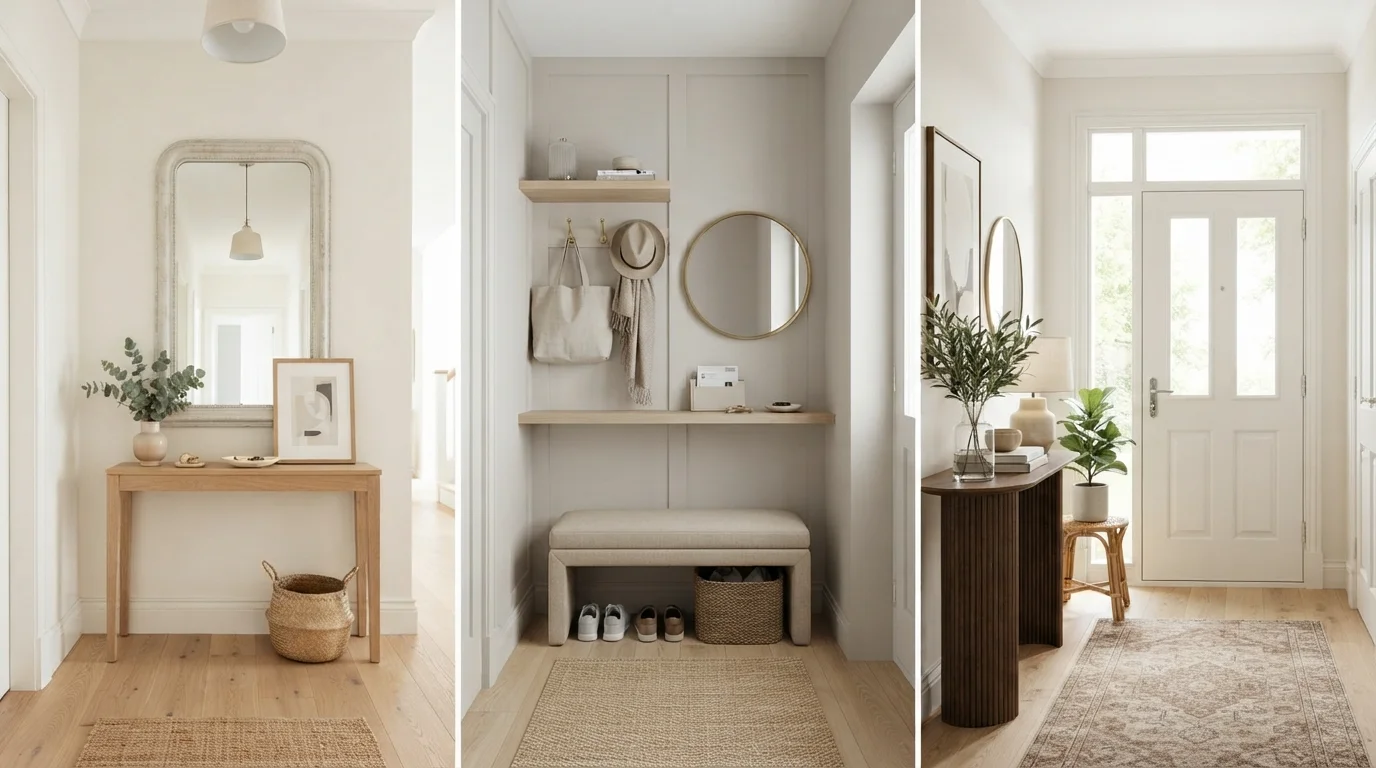
    A small entryway can still feel welcoming, stylish, and surprisingly spacious with the right entryway ideas. Simple choices like smart storage, light colors, mirrors, narrow furniture, and thoughtful entryway decor can make a compact entrance feel bigger and more open. Whether you have a tiny hallway or a narrow foyer, these small entryway ideas will…


  • 22 Home Staging Tips to Make Your Home Feel Bigger, Brighter, and More Inviting

    22 Home Staging Tips to Make Your Home Feel Bigger, Brighter, and More Inviting

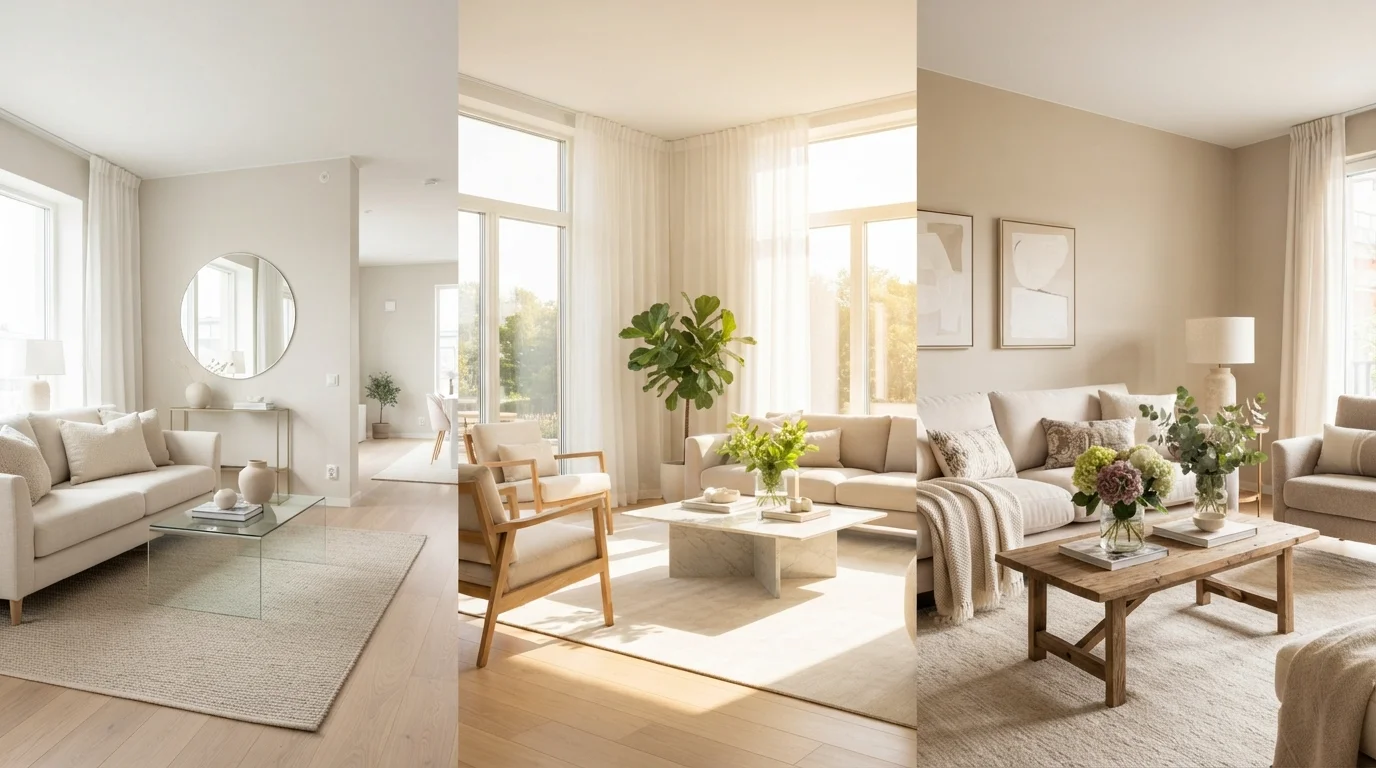
    Home staging is a simple way to make your home look clean, welcoming, and ready for potential buyers. Small changes in furniture, lighting, colors, and decor can make each room feel more spacious and attractive. You do not always need to spend a lot of money to create a beautiful first impression. The right arrangement…


This category covers home improvement ideas, DIY renovations, IKEA hacks, furniture makeovers, storage solutions, organization tips, and budget-friendly upgrades for kitchens, bedrooms, bathrooms, living rooms, garages, and outdoor spaces. Discover practical projects, creative transformations, step-by-step tutorials, and affordable ways to make your home more functional, stylish, and valuable.

  • 21 Small Entryway Ideas to Make Your Entrance Feel Bigger

    21 Small Entryway Ideas to Make Your Entrance Feel Bigger

    A small entryway can still feel welcoming, stylish, and surprisingly spacious with the right entryway ideas. Simple choices like smart storage, light colors, mirrors, narrow furniture, and thoughtful entryway decor can make a compact entrance feel bigger and more open. Whether you have a tiny hallway or a narrow foyer, these small entryway ideas will help you create a practical and beautiful first impression without taking up too much space.

    1. Large Mirror for a Spacious Look
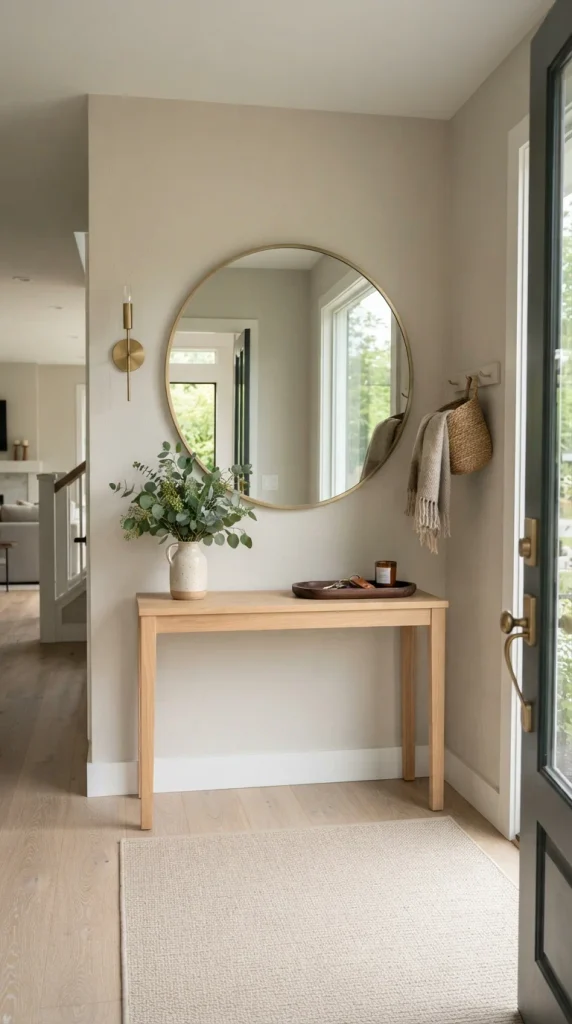
    A large mirror can make a small entryway feel brighter and more open. Place it above a console table or on the main wall where it can reflect light around the space. Choose a simple frame in wood, black, or soft brass to match your decor. A full-length mirror can also be useful while getting ready to leave the house.

    2. Slim Console Table
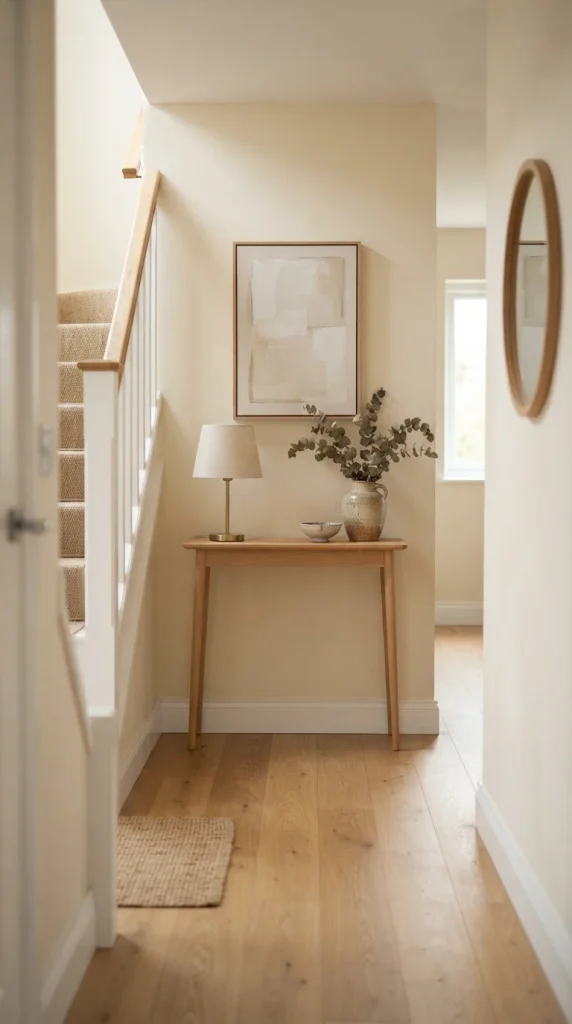
    A slim console table gives you a useful surface without taking up too much floor space. Look for a narrow design that leaves enough room for comfortable walking. Keep the top simple with a small lamp, tray, or vase to avoid a crowded look. Drawers or a lower shelf can provide extra storage for everyday items.

    3. Light and Neutral Wall Colors

    Light wall colors can help a small entryway feel open and airy. Shades such as warm white, soft beige, light gray, and creamy taupe work especially well. These colors reflect natural and artificial light instead of making the space feel closed in. Pair them with light furniture and simple decor for a calm entrance.

    4. Wall-Mounted Entryway Shelf

    A wall-mounted shelf is a smart choice when floor space is limited. It gives you a place to keep keys, sunglasses, small baskets, or decorative pieces without needing a console table. Choose a narrow shelf with a clean design for a modern appearance. Keep only useful or attractive items on it to maintain an open feel.

    5. Small Entryway Bench with Storage
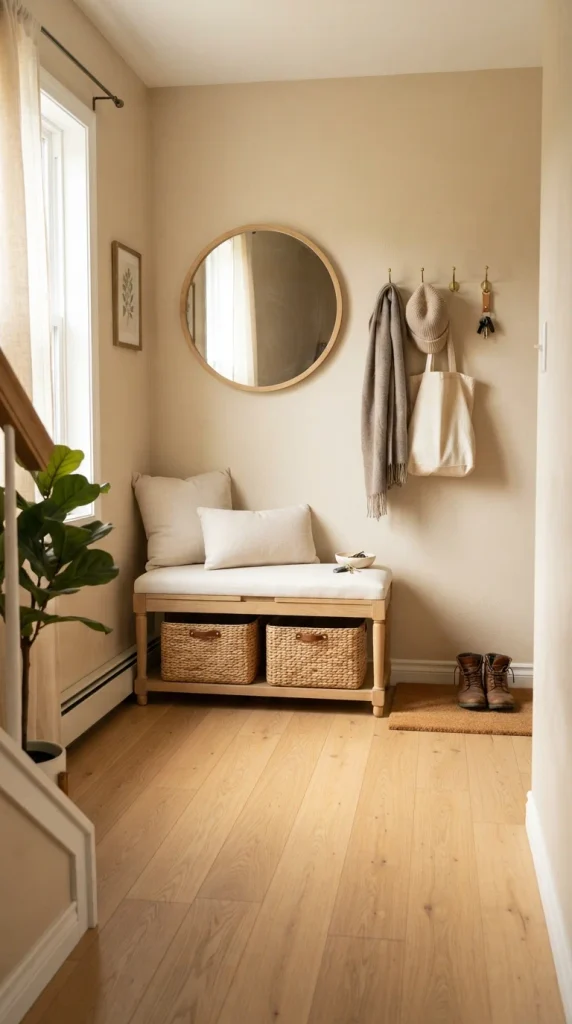
    A small bench can make your entryway more comfortable while providing a practical place to sit. Choose one with drawers, cubbies, or a lift-up seat for storing shoes and accessories. A light-colored cushion can add warmth without making the space feel heavy. Make sure the bench is narrow enough to leave a clear walking path.

    6. Floating Shoe Cabinet

    A floating shoe cabinet keeps footwear organized while making the floor look more spacious. Its raised design creates an open area underneath, which can make a narrow entryway feel less crowded. Choose a slim cabinet with closed doors for a clean appearance. You can also use the top for a small plant, tray, or simple decorative accent.

    7. Vertical Coat Hooks
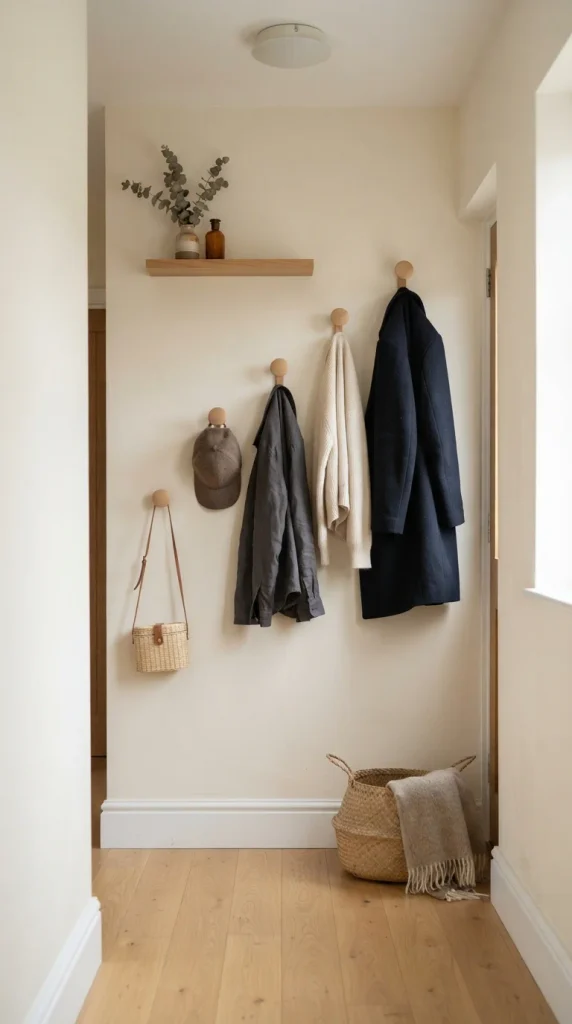
    Use the height of your entryway instead of filling valuable floor space with bulky furniture. Vertical coat hooks can hold jackets, bags, hats, and scarves in an organized way. Arrange them in a straight line or staggered pattern depending on your wall size. Keeping everyday items off the floor will instantly make the entrance feel tidier.

    8. Glass or Acrylic Furniture
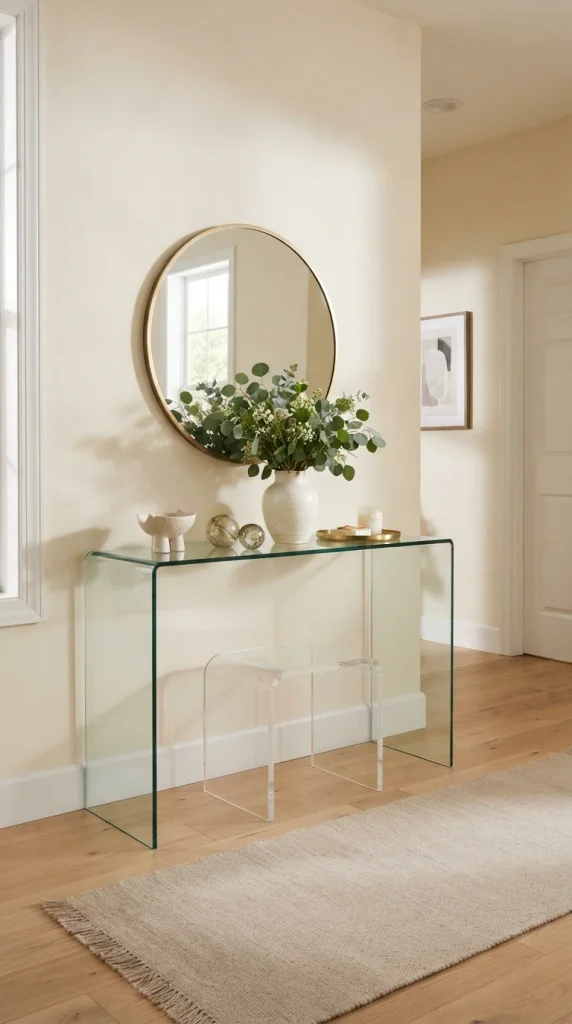
    Glass or acrylic furniture can give a small entryway a lighter visual appearance. Because these materials allow the eye to move through the furniture, they do not make the area feel as crowded. A clear console table or small acrylic stool can work well in a narrow foyer. Pair transparent pieces with warm wood or soft textiles to keep the space inviting.

    9. Bright Entryway Lighting
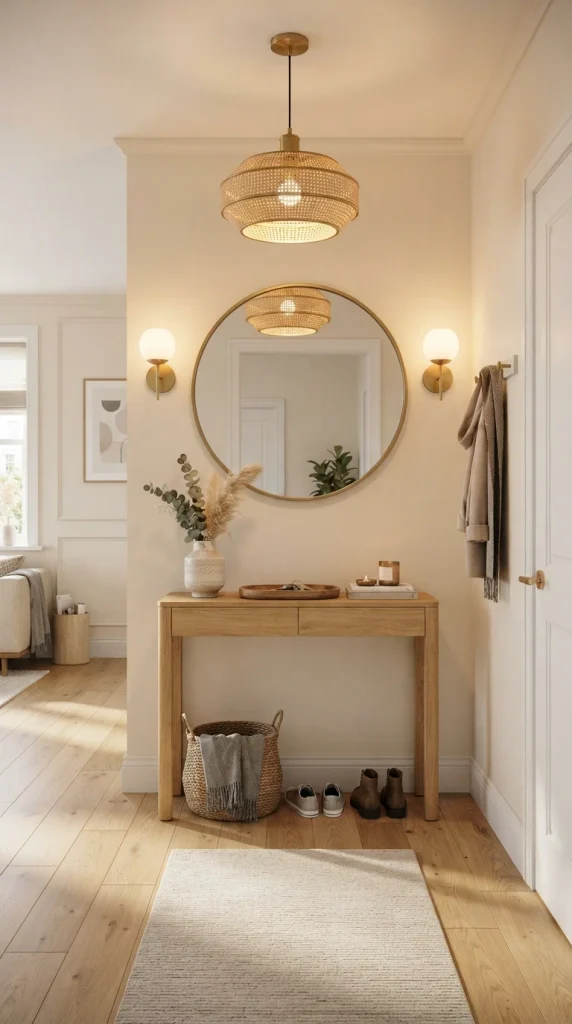
    Good lighting can completely change how a small entryway feels. A bright ceiling fixture, wall sconce, or stylish pendant can make the entrance look more welcoming and spacious. Choose warm-white bulbs for a comfortable atmosphere while keeping the area well lit. Mirrors and light-colored walls can help spread that brightness throughout the space.

    10. Minimalist Entryway Decor

    A minimalist approach works especially well when your entryway is small. Choose a few useful pieces instead of filling every surface with decorations. A mirror, small tray, plant, or piece of artwork may be enough to create a finished look. Keeping visual clutter low helps the entrance feel clean, calm, and more spacious.

    11. Narrow Runner Rug
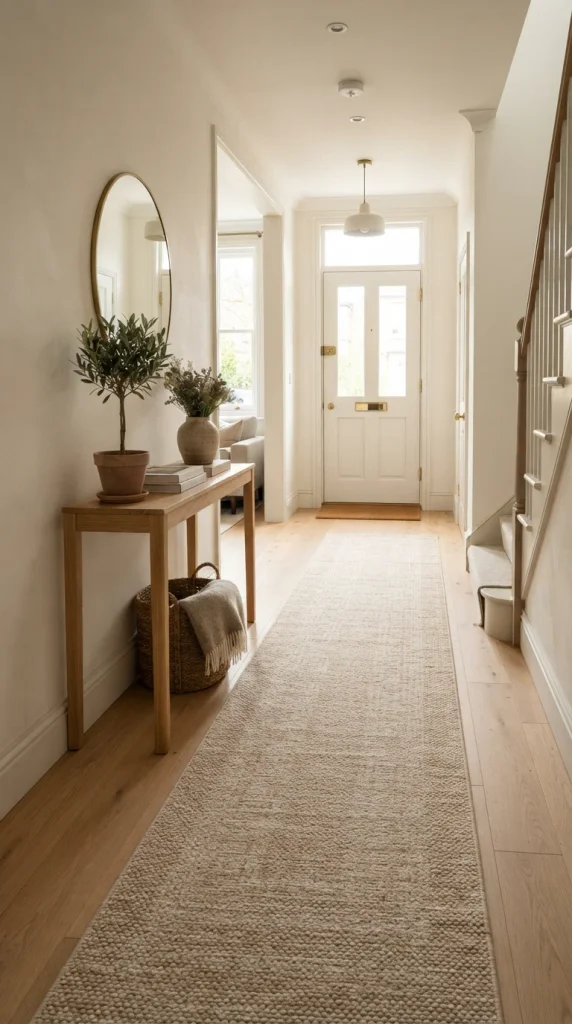
    A narrow runner can add color, texture, and warmth without overwhelming a small foyer. Choose a rug that follows the shape of the entryway and leaves some floor visible around the edges. Simple patterns and lighter colors can help maintain an airy appearance. A washable runner is also practical for an entrance where dirt and outdoor moisture are common.

    12. Built-In Entryway Storage
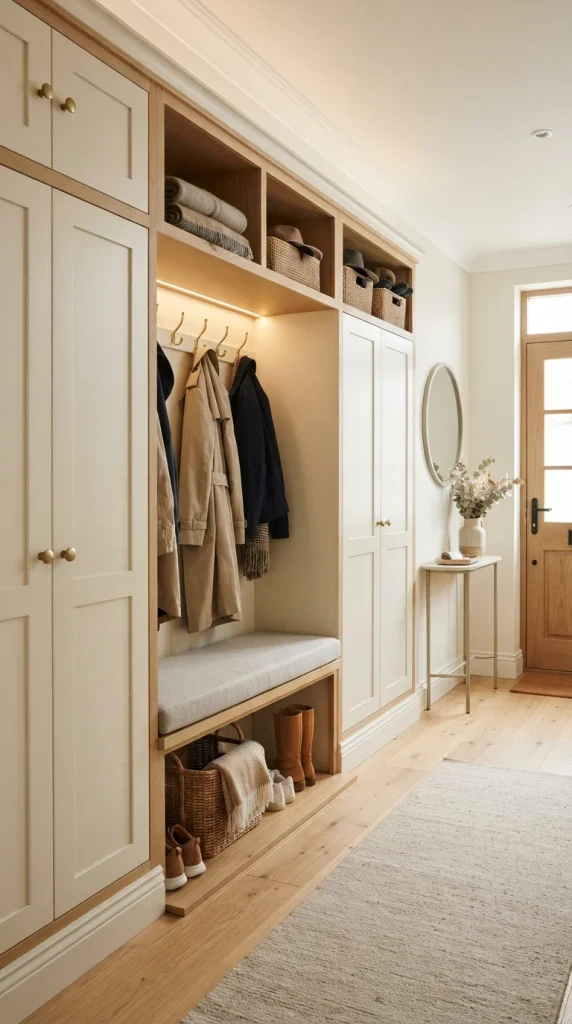
    Built-in storage can make excellent use of every available inch in a small entryway. Cabinets, shelves, and hooks can be designed around the exact size of your wall. Use closed cabinets for items you want hidden and open sections for everyday essentials. A streamlined built-in design can keep the entrance organized while maintaining a clean appearance.

    13. Hidden Shoe Storage
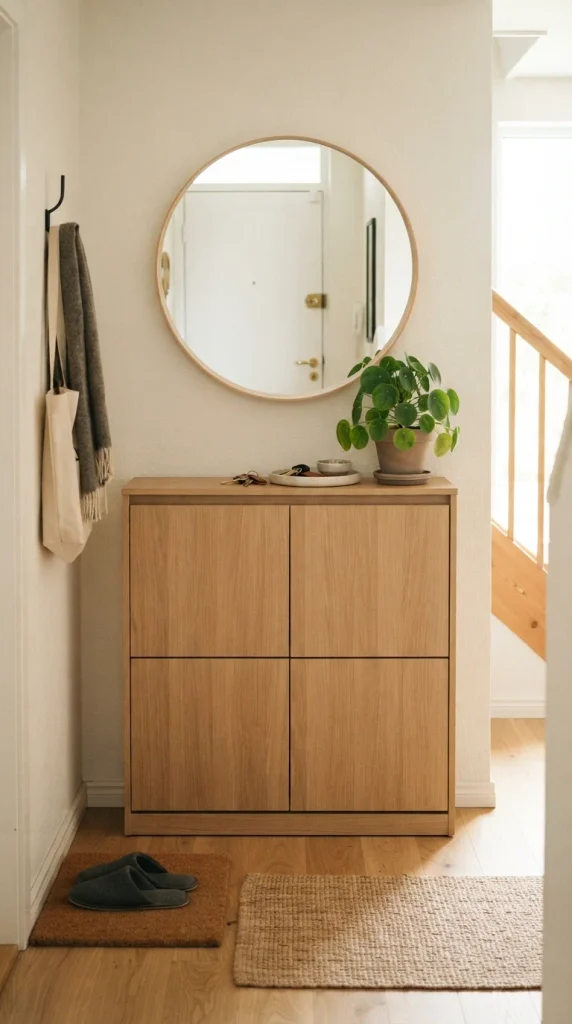
    Hidden shoe storage keeps footwear out of sight and makes a small entrance look much neater. A slim cabinet, storage bench, or closed cubby system can hold several pairs without taking over the room. Keep the shoes you use most often near the entrance and store seasonal pairs elsewhere. This simple habit can help prevent everyday clutter from building up.

    14. Small Entryway Gallery Wall

    A small gallery wall can bring personality to an entryway without using valuable floor space. Choose a few small frames with coordinated colors or similar artwork for a balanced appearance. Keep the arrangement compact so it does not make the wall feel busy. Black-and-white prints, family photos, or simple artwork can all work beautifully in a small foyer.

    15. Baskets for Organized Storage
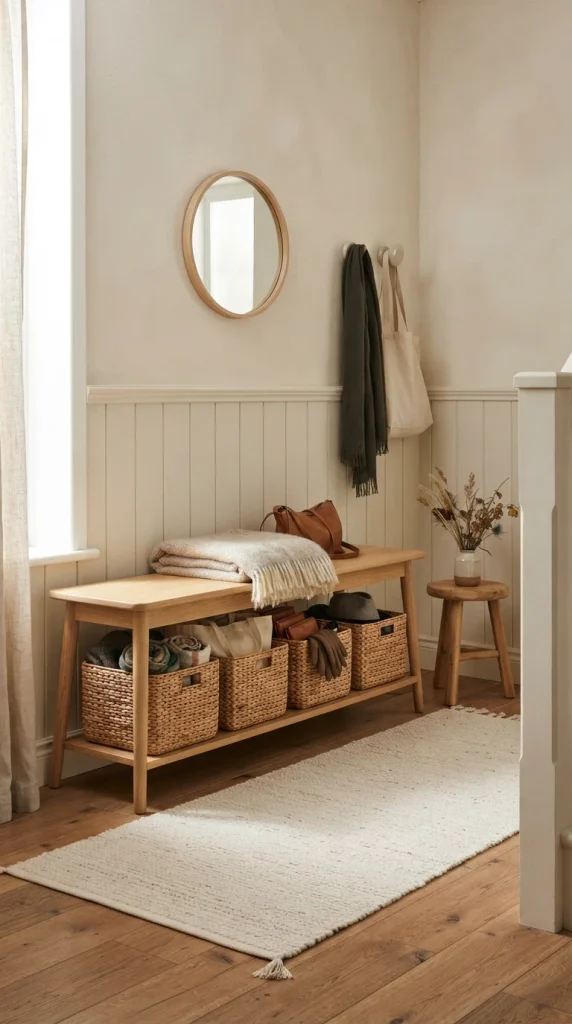
    Baskets are an easy way to keep small entryway items organized and contained. Use them for scarves, gloves, bags, pet accessories, or other things that tend to collect near the door. Woven baskets can also add natural texture to a neutral space. Place them on a shelf, under a bench, or inside an open cabinet for easy access.

    16. Floor-to-Ceiling Entryway Hooks
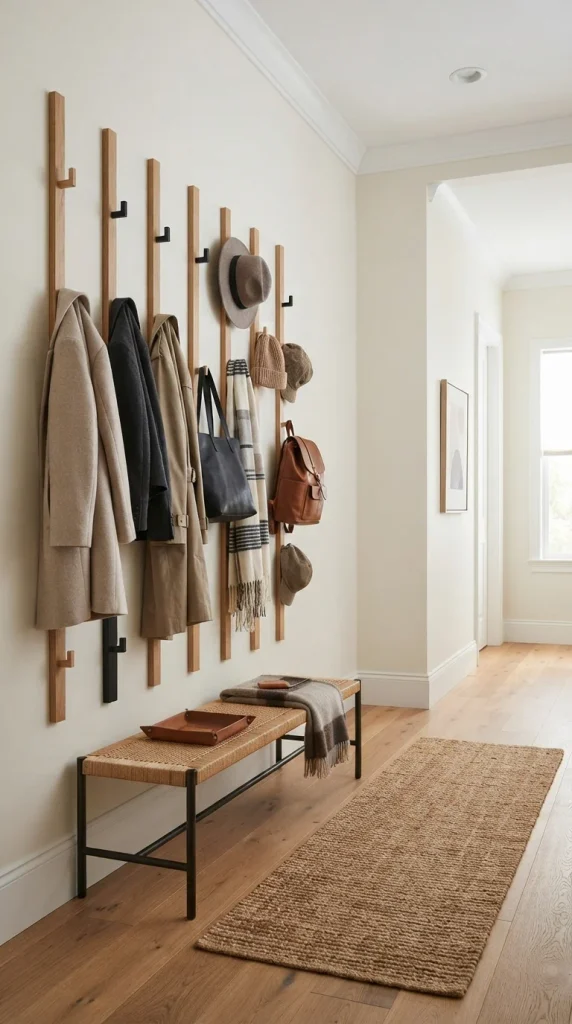
    Floor-to-ceiling hooks make use of vertical wall space while keeping coats and bags organized. This setup is especially useful for households that need plenty of hanging storage in a narrow area. Place frequently used items at comfortable heights and less-used items higher up. The vertical arrangement draws the eye upward and can make the entryway feel taller.

    17. Light Wood Entryway Furniture
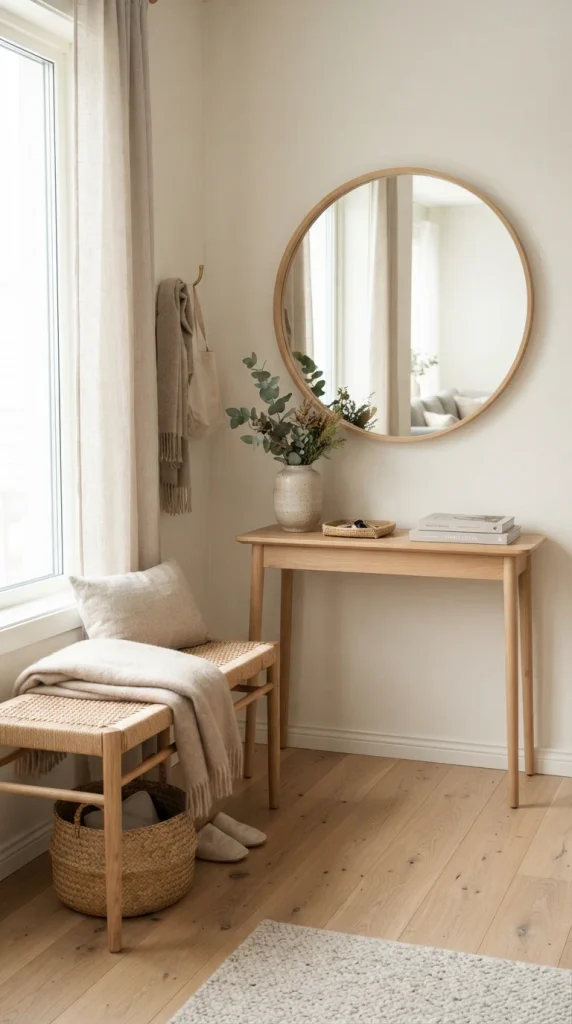
    Light wood furniture brings warmth without making a small entryway feel visually heavy. Oak, ash, pine, and similar finishes can work beautifully with neutral walls and natural textures. Choose furniture with simple lines and a compact footprint. A light wood console, bench, or cabinet can create a welcoming look while keeping the space bright.

    18. Corner Entryway Storage
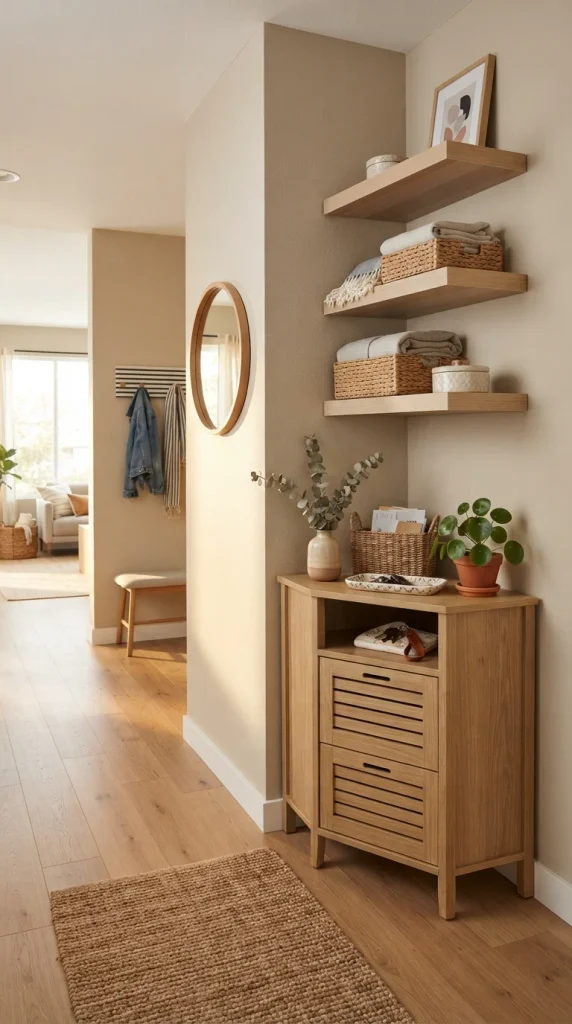
    Unused corners can become valuable storage areas in a small foyer. A corner shelf, compact cabinet, or small bench can provide function without blocking the main walkway. Use the area for shoes, baskets, keys, or decorative items depending on your needs. This approach helps you make better use of awkward spaces that might otherwise remain empty.

    19. Statement Mirror and Sconces

    A statement mirror paired with wall sconces can create a stylish focal point in a small entryway. The mirror adds depth while the sconces provide useful lighting on both sides. Choose fixtures that fit the scale of the wall rather than oversized designs. This combination can make a simple entrance feel polished without requiring much furniture.

    20. Simple Entryway Drop Zone
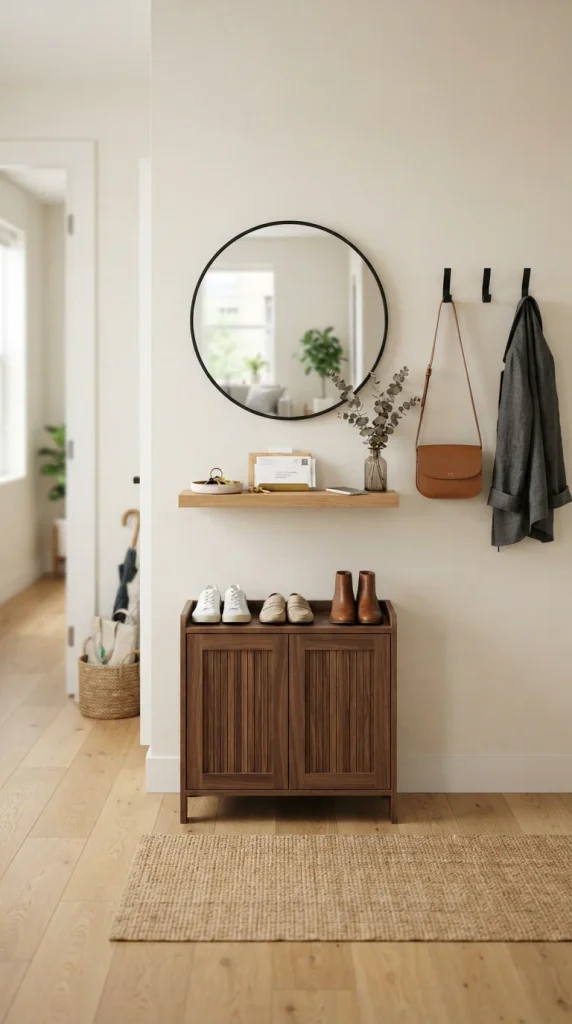
    Create a small drop zone where you can place everyday items as soon as you enter the home. A narrow shelf, wall hooks, and a small tray can hold keys, bags, mail, and other essentials. Give each item a designated place so clutter does not spread across the entryway. A simple setup makes the space easier to use every day.

    21. Clutter-Free Small Foyer Setup
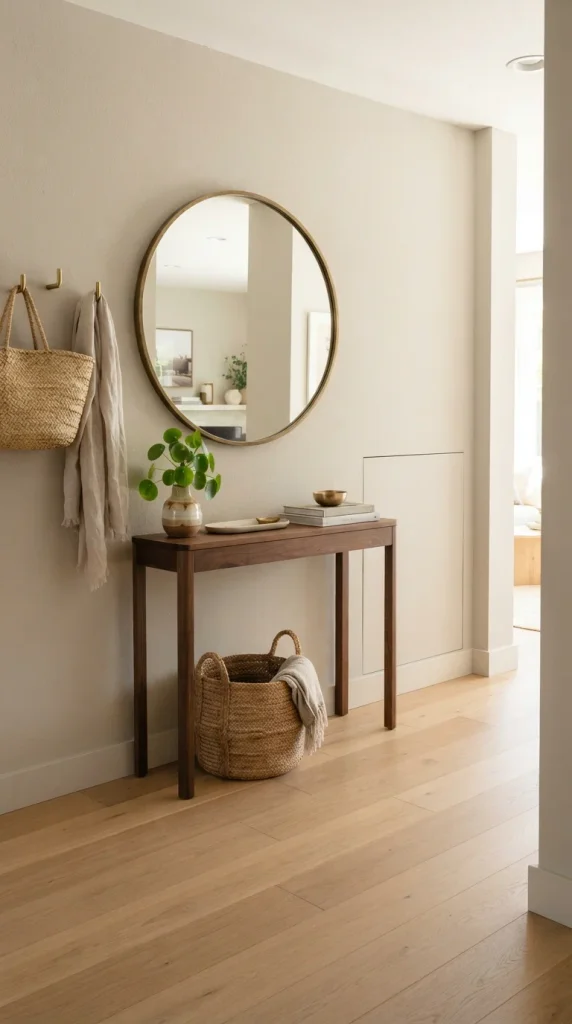
    The easiest way to make a small foyer feel bigger is to keep unnecessary items out of it. Choose only furniture that serves a clear purpose and use closed storage for things you do not want visible. Keep walkways open and avoid filling every empty wall or corner. A clean, organized arrangement can make even a very small entrance feel comfortable and welcoming.

    Conclusion

    A small entryway can feel much bigger with the right combination of light colors, mirrors, vertical storage, slim furniture, and thoughtful organization. Focus on keeping the floor clear and giving everyday items a specific place. With a few practical changes, your entrance can feel bright, welcoming, stylish, and easy to use without needing a lot of space.

    Frequently Asked Questions

    1. How can I make a small entryway look bigger?

    Use light wall colors, a large mirror, slim furniture, and bright lighting to create a more open feeling. Keeping the floor and surfaces free from unnecessary clutter also makes a noticeable difference.

    2. What furniture is best for a very small entryway?

    Choose narrow furniture such as a slim console, floating shoe cabinet, small storage bench, or wall-mounted shelf. Pieces with built-in storage are especially useful because they combine function with space-saving design.

    3. What colors work best for a small entryway?

    Soft white, cream, beige, light gray, and other warm neutral colors can help a small entryway feel brighter. You can add darker colors through small accents, artwork, hardware, or a mirror frame.

    4. How do I add storage without making my entryway feel crowded?

    Use vertical and wall-mounted storage instead of large floor cabinets. Hooks, floating shelves, hidden shoe cabinets, and baskets can provide useful storage while keeping the walkway open.

    5. Is a mirror a good idea for a small foyer?

    Yes, a mirror can reflect light and create the feeling of greater depth. A large or full-length mirror can also make the entryway more functional while serving as an attractive focal point.

    6. What type of rug should I use in a narrow entryway?

    A narrow runner is usually a practical choice because it follows the shape of the space without taking over the floor. Choose a durable or washable material that can handle regular foot traffic.

    7. How can I keep a small entryway organized every day?

    Create a simple drop zone for keys, bags, shoes, and other daily items. Use hooks, baskets, trays, and closed storage so everything has a specific place and clutter does not quickly build up.
  • 22 Home Staging Tips to Make Your Home Feel Bigger, Brighter, and More Inviting

    22 Home Staging Tips to Make Your Home Feel Bigger, Brighter, and More Inviting

    Home staging is a simple way to make your home look clean, welcoming, and ready for potential buyers. Small changes in furniture, lighting, colors, and decor can make each room feel more spacious and attractive. You do not always need to spend a lot of money to create a beautiful first impression. The right arrangement can highlight your home’s best features and create a warm feeling. From decluttering to adding fresh touches, every detail can make a difference. These home staging tips will help you create a polished and inviting space that buyers can easily imagine as their own.

    1. Declutter Every Room

    A clean and clutter-free home feels larger, calmer, and easier to explore. Remove extra furniture, unused items, and personal belongings that make rooms feel crowded. Keep shelves and surfaces simple so buyers can notice the space itself. Store everyday items neatly in baskets, cabinets, or closets. A tidy home also gives the impression that the property has been well cared for.

    2. Create a Welcoming Entryway

    The entryway creates the first impression, so keep it bright, clean, and inviting. Add a simple rug, a small console table, or a mirror if there is enough room. Remove shoes, bags, and unnecessary decorations from the area. A small plant or simple decorative piece can add warmth without making the space busy. Keep the walkway open so the entrance feels spacious.

    3. Use Neutral Wall Colors

    Neutral colors can make a home feel fresh, bright, and easy to imagine living in. Soft white, warm beige, light gray, and creamy tones work well for many interior styles. If your walls have strong or unusual colors, consider repainting them with a softer shade. Neutral walls also allow furniture and architectural details to stand out naturally.

    4. Arrange Furniture for Better Flow

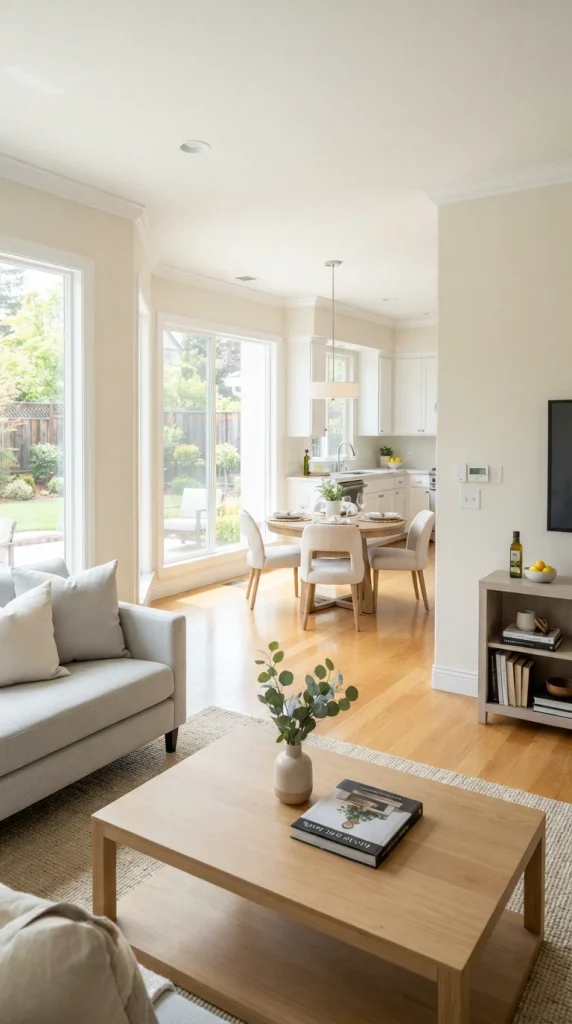
    Furniture should make each room feel comfortable rather than crowded. Move large pieces away from walkways and create clear paths through the space. Avoid pushing every item against the walls if a better arrangement is possible. Keep enough open floor area so buyers can easily understand the room’s size. A thoughtful layout can make even a smaller room feel more functional.

    5. Let in More Natural Light

    Natural light can instantly make a staged home feel brighter and more welcoming. Open curtains and blinds before showings and remove anything blocking the windows. Keep window areas clean and use lightweight curtains when possible. Place furniture so it does not interfere with the flow of sunlight. Bright rooms often feel more open and comfortable.

    6. Add Warm and Layered Lighting

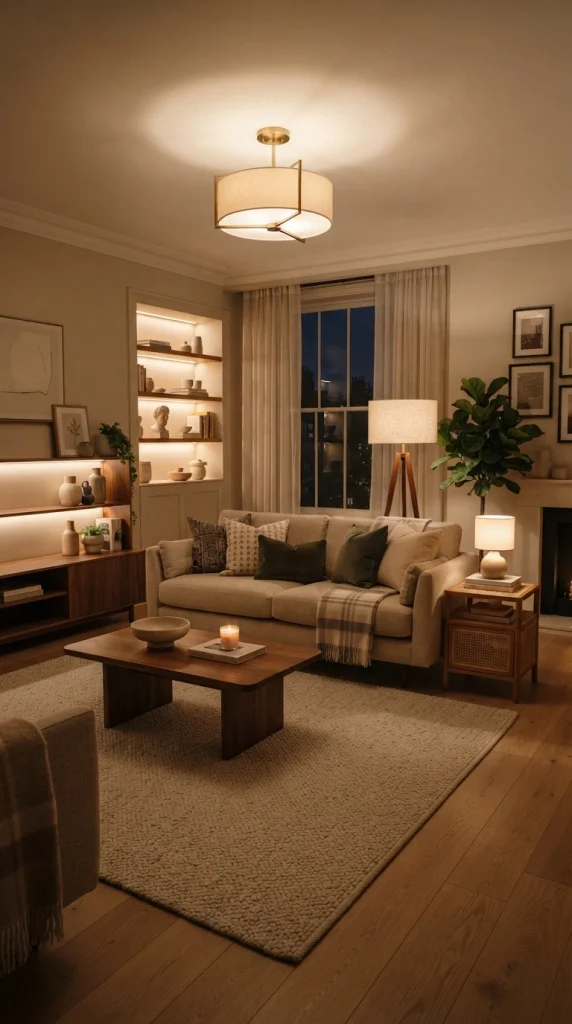
    Good lighting is important when natural light is limited. Use a combination of ceiling lights, table lamps, floor lamps, and accent lighting where appropriate. Choose warm, comfortable bulbs that create a pleasant atmosphere without making rooms look dark. Replace broken or outdated light fixtures when practical. Well-lit rooms help buyers see the home’s details more clearly.

    7. Refresh the Living Room

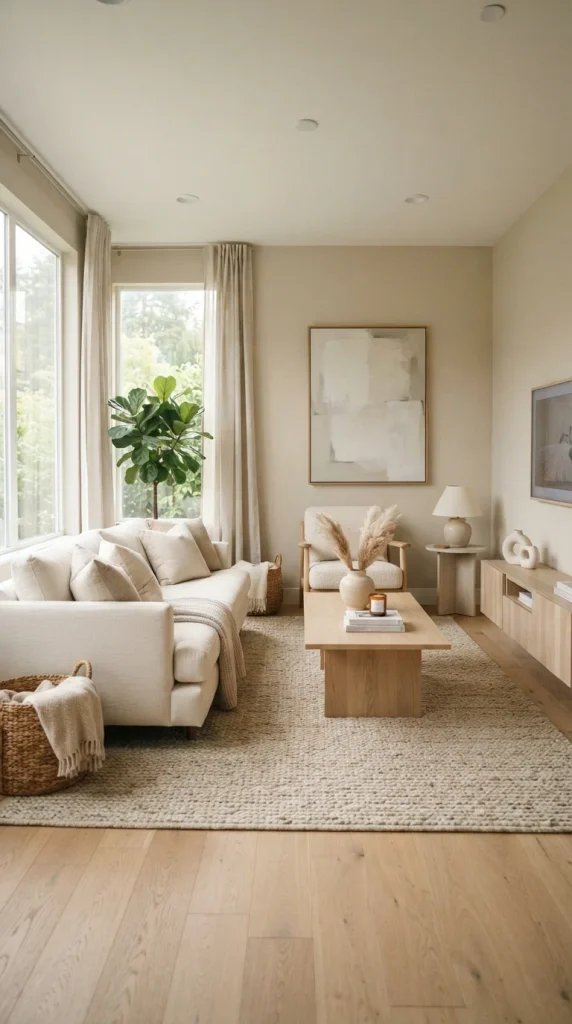
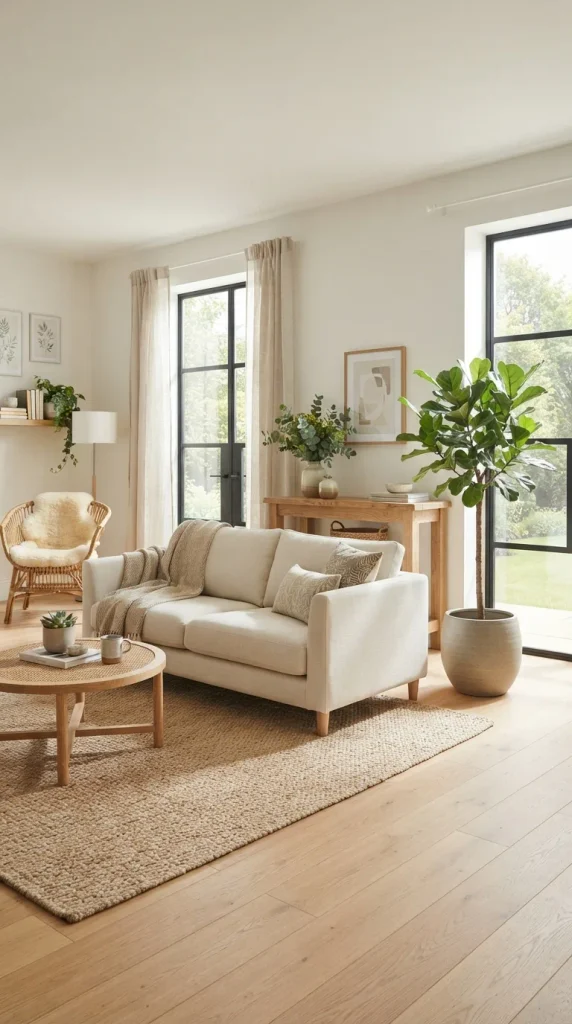
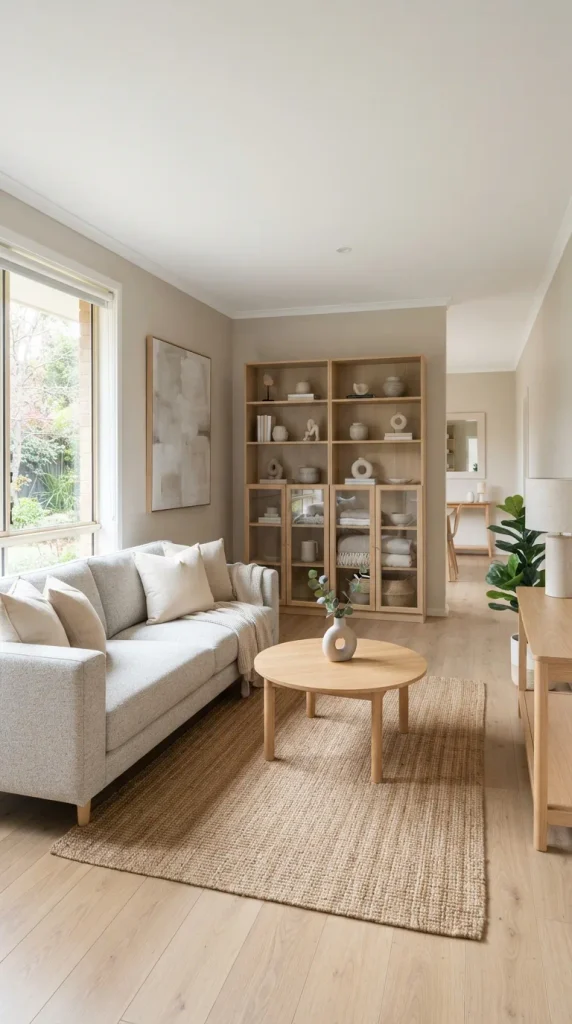
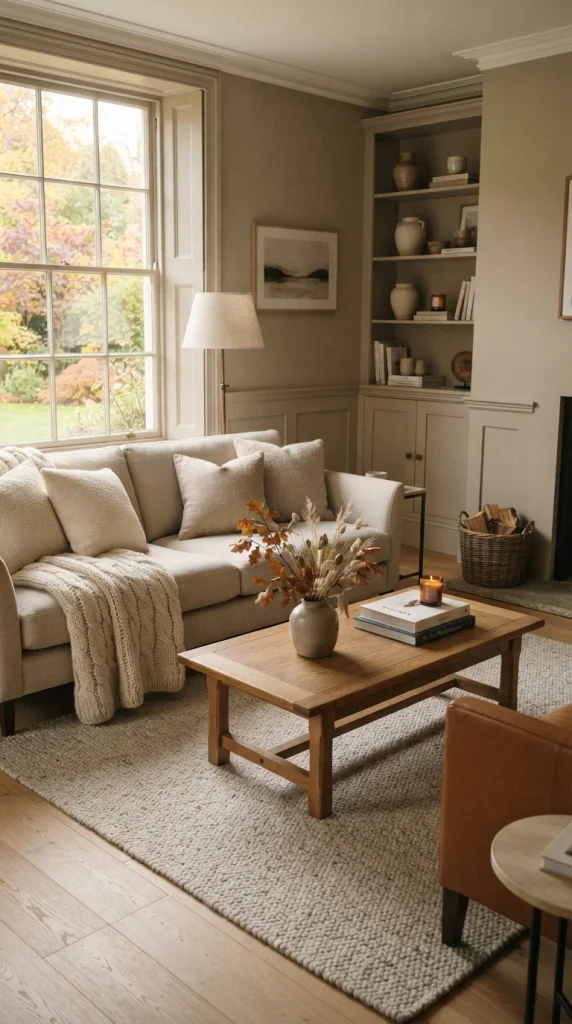
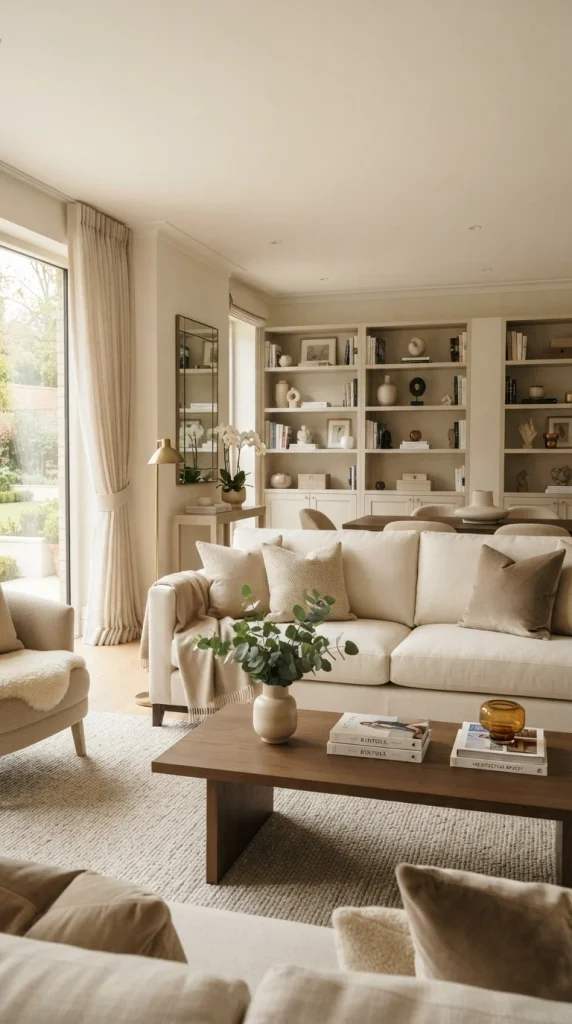
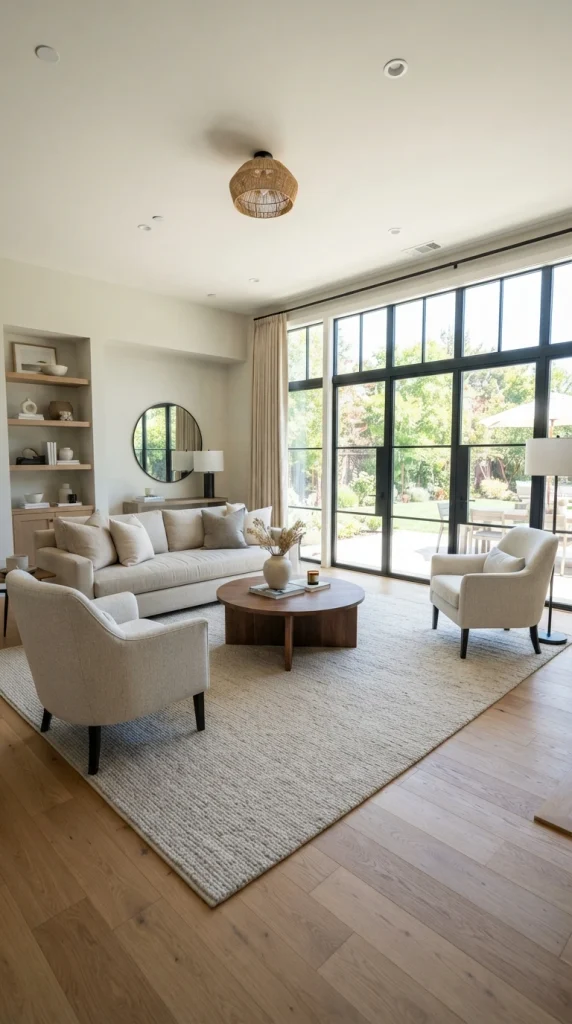
    The living room should feel comfortable, spacious, and easy to enjoy. Keep the furniture arrangement simple and remove pieces that make the room feel crowded. Add a few coordinated cushions, a soft throw, or a simple rug for warmth. Keep the coffee table mostly clear with only a small decorative arrangement. The goal is to help buyers picture relaxing and spending time in the space.

    8. Style the Dining Area

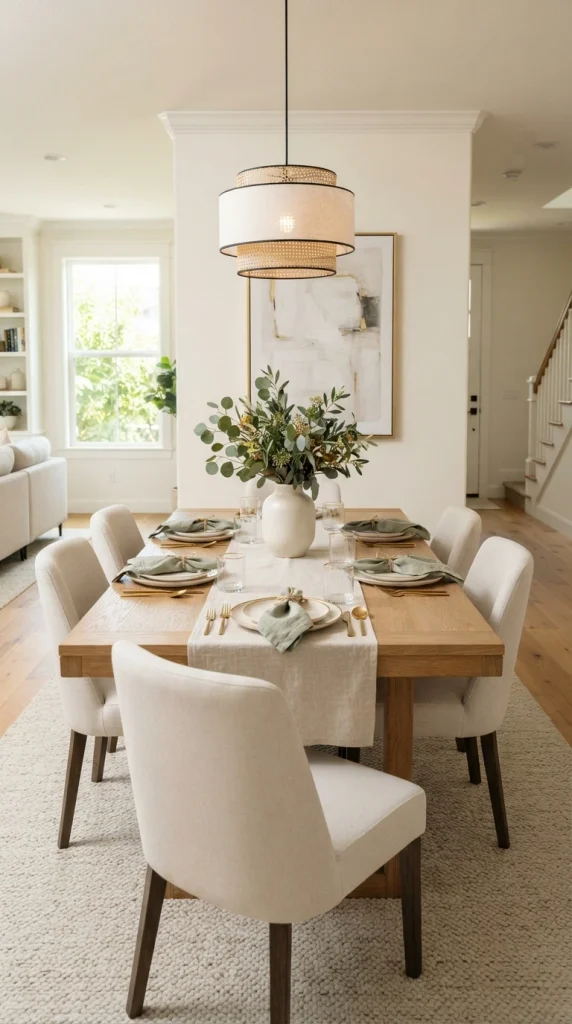
    A well-styled dining area can make the home feel ready for everyday living and entertaining. Keep the dining table clean and avoid covering it with too many decorative objects. A simple centerpiece, such as a vase with greenery, can add an elegant touch. Make sure chairs are evenly arranged and there is enough room to move around the table. Keep the overall look simple and inviting.

    9. Make the Kitchen Feel Clean and Spacious

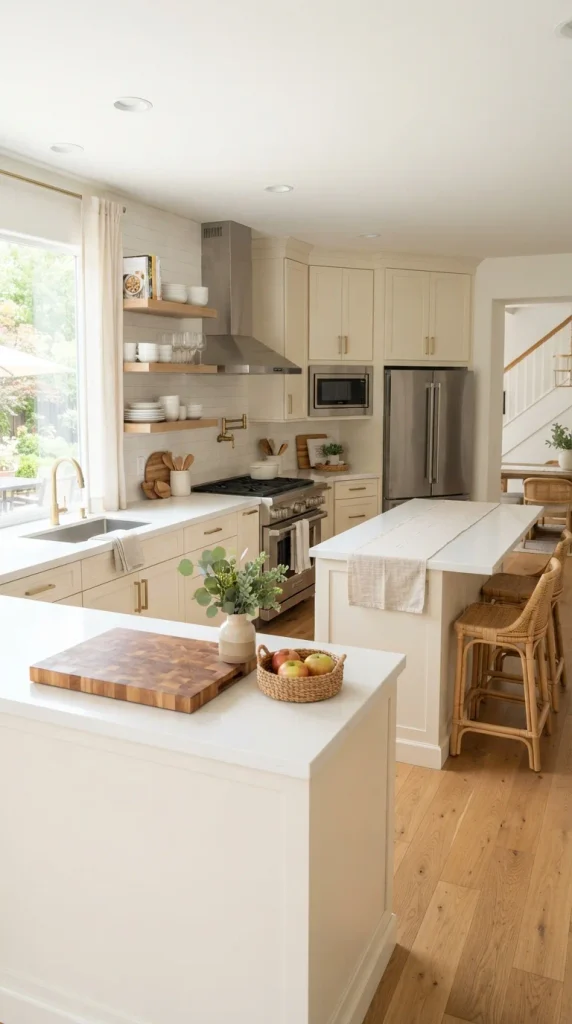
    A clean kitchen can make a strong impression during a home showing. Clear most items from countertops and keep only a few attractive, useful pieces on display. Clean appliances, cabinet fronts, sinks, and hardware so everything looks fresh. Organize visible shelves and remove unnecessary items from the refrigerator door. A simple kitchen setup allows buyers to focus on the space and its features.

    10. Give the Bedroom a Cozy Look

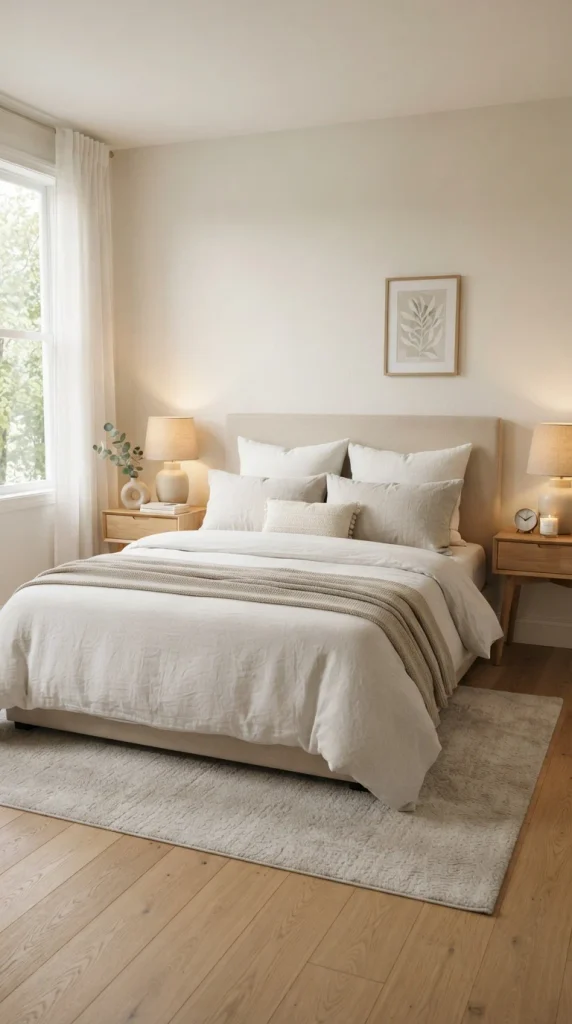
    Bedrooms should feel peaceful, comfortable, and uncluttered. Make the bed neatly with fresh bedding in soft, neutral colors. Remove excess furniture and keep nightstands lightly styled. Add matching lamps, a simple throw, or a few cushions to create a polished appearance. Keep clothing, personal items, and unnecessary objects out of sight so the room feels calm and spacious.

    11. Create a Spa-Like Bathroom

    A clean and fresh bathroom can make the entire home feel more cared for. Remove personal toiletries from counters and organize everyday products inside cabinets or baskets. Use fresh towels in simple colors and keep mirrors and fixtures spotless. A small plant or elegant soap dispenser can add a subtle decorative touch. Avoid overcrowding the bathroom with accessories.

    12. Highlight Architectural Features

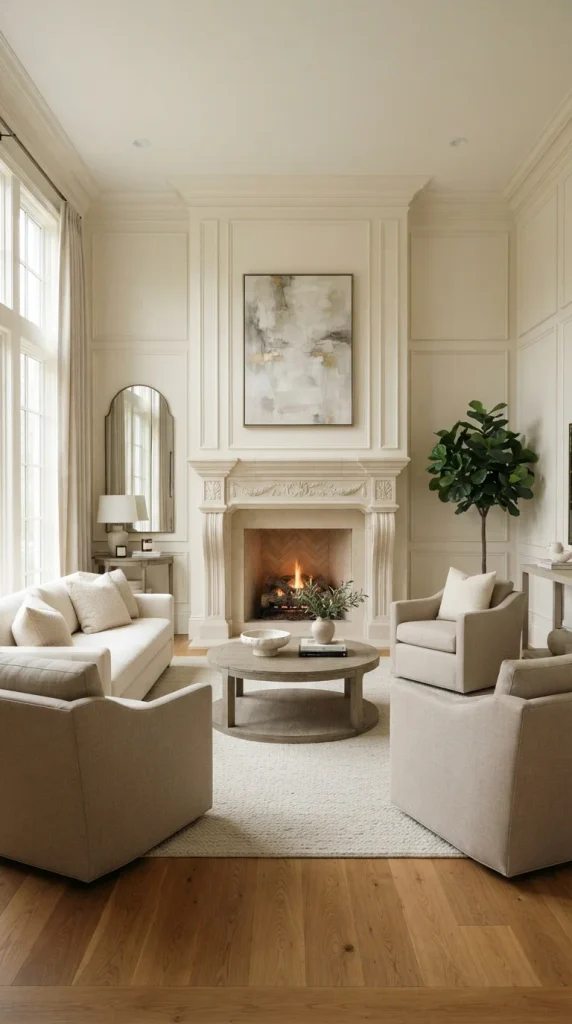
    If your home has a fireplace, beautiful windows, built-in shelves, exposed beams, or interesting molding, make those features easy to notice. Arrange furniture and decor so they remain visible rather than hidden. Keep the surrounding area clean and use simple accessories that support the feature. Highlighting these details can help buyers recognize what makes the home distinctive.

    13. Add Fresh Greenery and Plants

    A little greenery can make staged rooms feel fresh and lively. Use healthy indoor plants, simple branches, or fresh flowers in areas that need a natural touch. Choose planters that match the room instead of using too many different styles. Place greenery on an entry console, dining table, shelf, or empty corner. Keep plants neat and healthy so they enhance rather than distract from the room.

    14. Use Mirrors to Open Up Small Spaces

    Mirrors can help smaller rooms feel brighter and more open. Place a mirror where it can reflect natural light or an attractive part of the room. A large mirror can work well in a small entryway, bedroom, or living area. Choose a simple frame that matches the existing decor. Avoid placing mirrors where they reflect clutter or an unattractive view.

    15. Remove Personal Photos and Clutter

    A staged home should allow potential buyers to imagine their own life there. Remove large collections of family photos, highly personal artwork, and items that dominate the room. You do not need to remove every decorative piece, but keep the overall look neutral and welcoming. Store personal belongings neatly before showings. This creates a cleaner visual presentation without making the home feel empty.

    16. Refresh Bedding and Soft Furnishings

    Fresh textiles can quickly improve the appearance of bedrooms and living spaces. Use clean bedding, coordinated cushions, simple curtains, and attractive throws to create a finished look. Choose colors that work well with the room rather than mixing too many patterns. Replace worn or heavily faded fabrics when possible. Soft furnishings should make the home feel comfortable without becoming the main focus.

    17. Keep Countertops Mostly Clear

    Clear countertops make kitchens and bathrooms appear more spacious and organized. Keep only a few useful or decorative items where they add visual interest. Store small appliances, toiletries, paperwork, and other everyday objects when they are not needed. Clean surfaces thoroughly before each showing. This simple step can make storage areas and workspaces feel more generous.

    18. Improve Curb Appeal

    The outside of the home is the first thing buyers usually see, so give the entrance some attention. Sweep pathways, clean the front door, trim overgrown plants, and remove outdoor clutter. Add a clean doormat or a few well-maintained planters if they suit the space. Make sure exterior lighting and visible house numbers are clean and easy to see. A neat exterior creates a welcoming start to the showing.

    19. Add Simple Seasonal Decor

    Seasonal touches can make a home feel warm, but they should remain simple and tasteful. Choose a few decorations that complement the existing colors and style of the home. Avoid filling every surface with holiday or seasonal items. A small arrangement on a dining table or entry console may be enough. The home should still feel timeless and easy for buyers to imagine as their own.

    20. Deep Clean Every Space

    Cleanliness is one of the most important parts of home staging. Pay attention to floors, windows, baseboards, doors, cabinets, appliances, bathrooms, and other easily overlooked areas. Remove odors and make sure rooms smell fresh without using overpowering fragrances. Clean surfaces make the home feel brighter and better maintained. Even simple cleaning can noticeably improve the overall presentation.

    21. Create an Inviting Outdoor Area

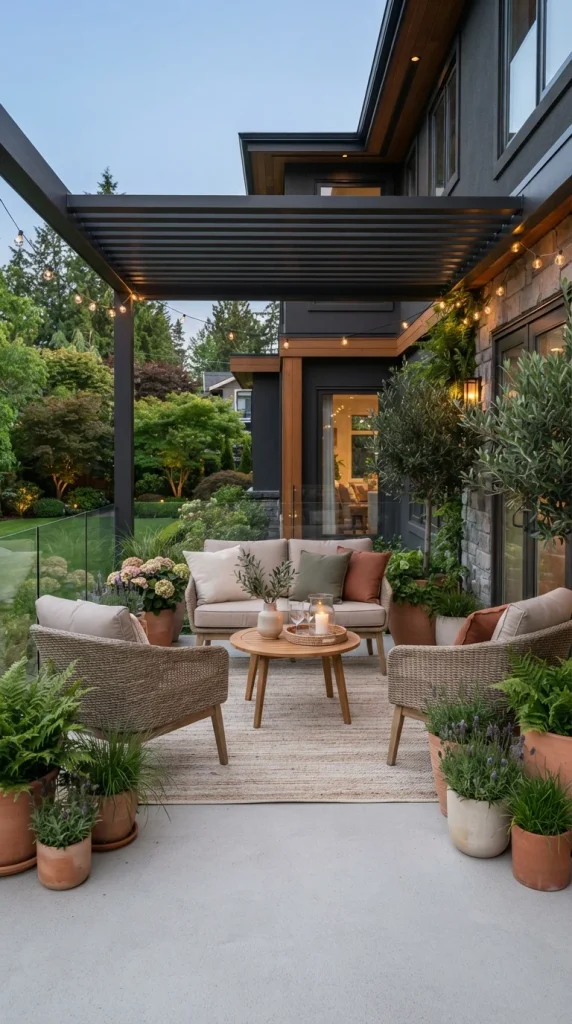
    Outdoor spaces should feel like useful extensions of the home. Arrange patio or balcony furniture neatly and remove unnecessary items from the area. Add a few cushions, a small outdoor rug, or simple greenery when appropriate. Keep pathways clear and clean outdoor surfaces before showings. A comfortable outdoor setup can help buyers imagine relaxing or entertaining there.

    22. Finish with Small Decorative Details

    Once the larger staging work is finished, focus on a few small details that bring everything together. Straighten cushions, adjust curtains, organize shelves, and remove anything that looks out of place. Use matching or complementary accessories rather than filling empty spaces with random decor. Walk through each room from the doorway and check what immediately catches your eye. Small finishing touches can give the entire home a polished and cared-for appearance.

    Conclusion

    Good home staging does not always require expensive changes or major renovations. Decluttering, improving lighting, arranging furniture well, refreshing key rooms, and keeping everything clean can make a noticeable difference. The goal is to create a bright, comfortable, and welcoming home where potential buyers can easily imagine themselves living. With a few thoughtful changes, your home can look more polished and ready for its next chapter.

    Frequently Asked Questions

    1. What is the most important home staging tip?

    Decluttering is one of the simplest places to start. Removing unnecessary furniture and personal belongings helps rooms look larger, cleaner, and easier for buyers to imagine as their own.

    2. How can I stage my home on a small budget?

    Focus on cleaning, decluttering, rearranging furniture, improving lighting, and refreshing textiles. These changes can have a noticeable effect without requiring expensive renovations or new furniture.

    3. What colors are best for home staging?

    Soft neutral shades such as warm white, beige, cream, and light gray are commonly useful because they create a clean and flexible background. Choose a shade that also works with your home’s existing lighting.

    4. How do you stage a small home to make it look bigger?

    Remove oversized or unnecessary furniture, keep walkways open, use mirrors thoughtfully, and let natural light enter the rooms. Keeping surfaces and floors visually clear can also make small spaces feel more open.

    5. Should I remove family photos when staging a house?

    It can help to reduce highly personal photos and collections so buyers can focus on the home itself. You can still keep a few tasteful decorative pieces to maintain a warm and lived-in feeling.

    6. How much does home staging usually cost?

    The cost depends on whether you use your existing furniture, rent pieces, hire a professional stager, or make updates. A budget-friendly approach can focus mainly on cleaning, decluttering, rearranging, and small decorative improvements.

    7. Should every room be staged before selling a home?

    Ideally, the main living areas, kitchen, bedrooms, bathrooms, entryway, and outdoor spaces should all look clean and purposeful. Rooms that receive less attention can still be kept tidy and uncluttered so the entire home feels consistent.