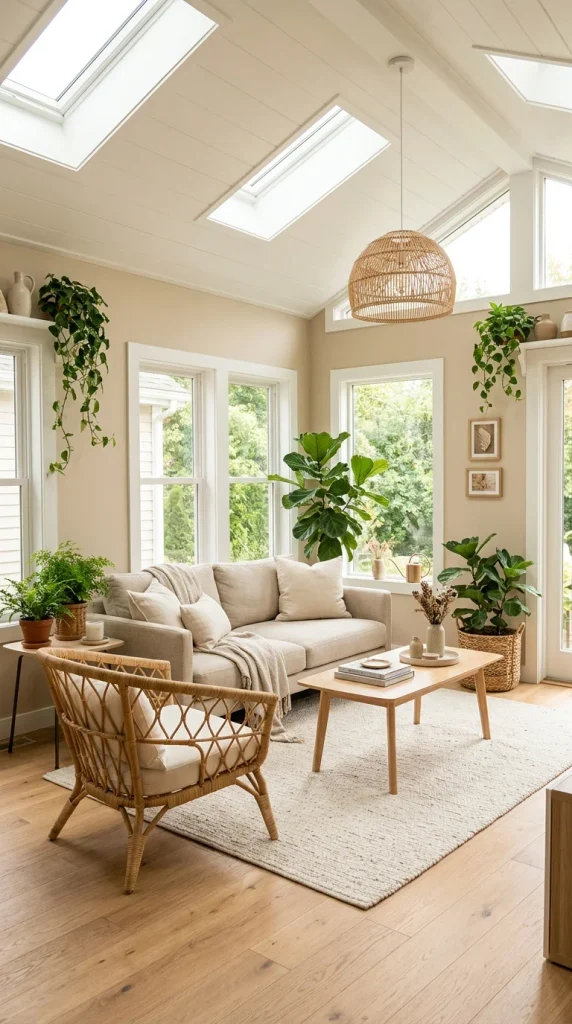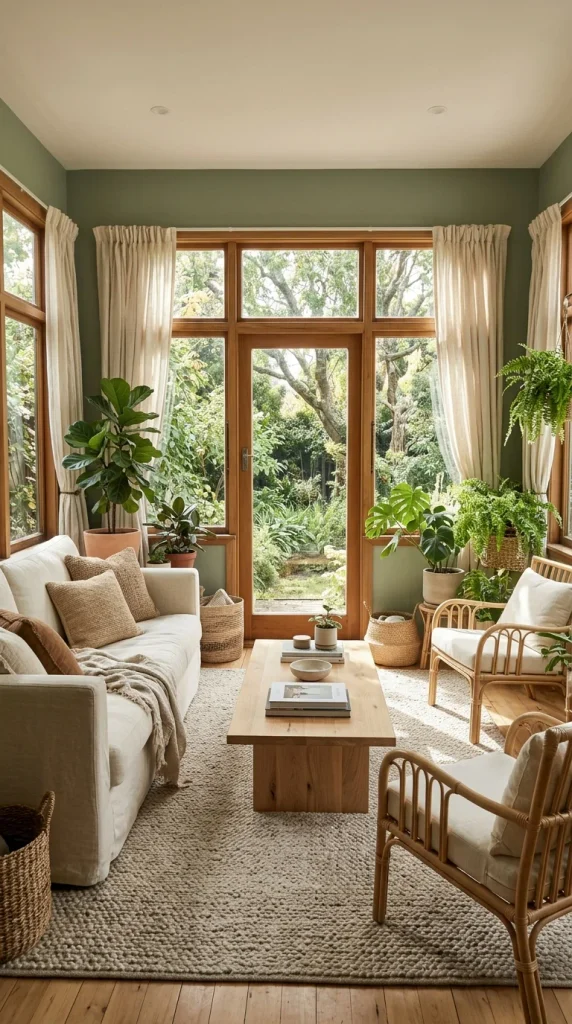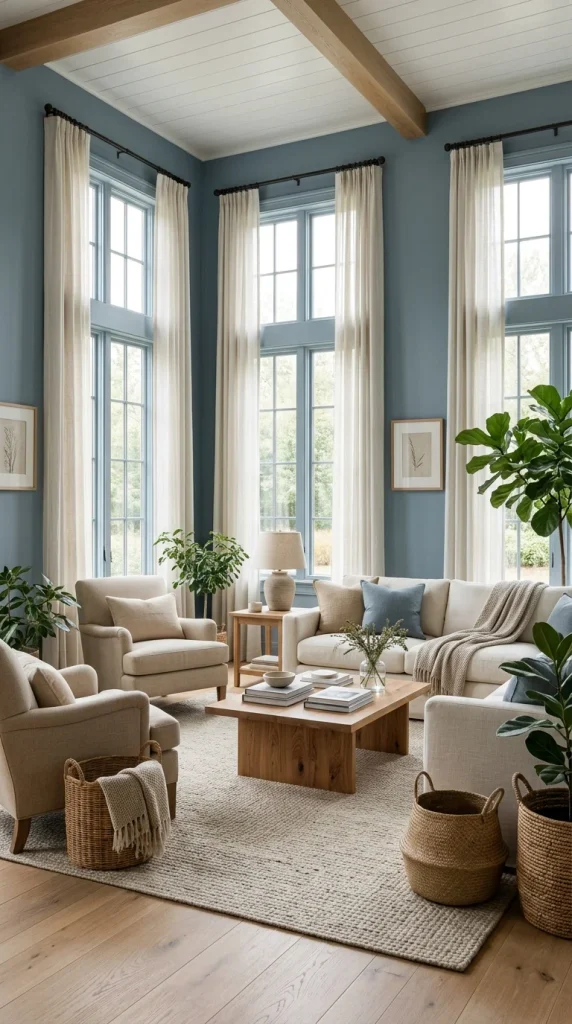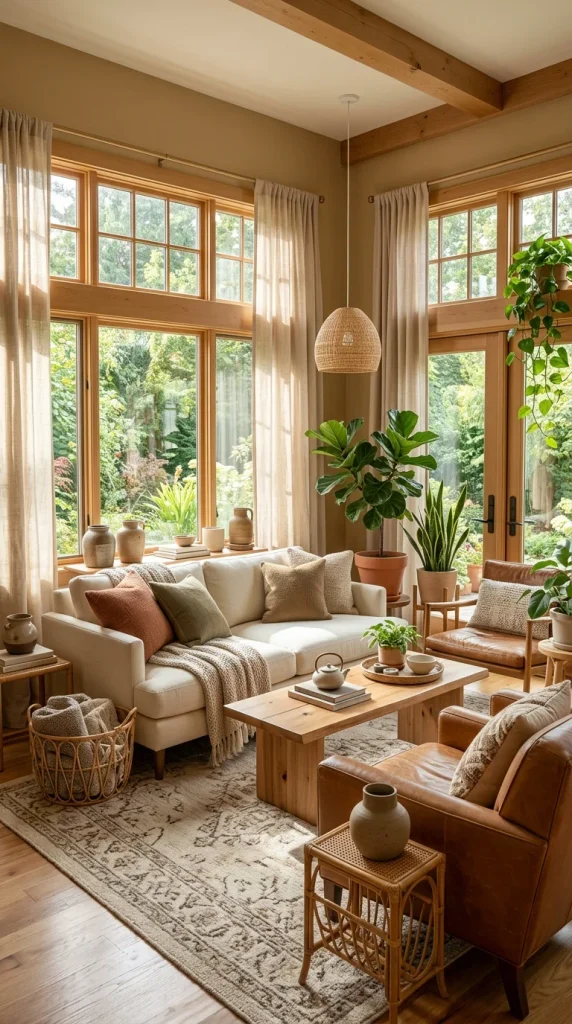
havenoracozydecor

  • 21 Small Home Upgrades That Make a Big Difference

    21 Small Home Upgrades That Make a Big Difference

    Small changes can make a big difference in how your home looks and feels. With simple, budget-friendly home upgrades, you can create a more stylish, comfortable, and functional space without spending too much. From fresh paint and modern lighting to smart storage and easy DIY home improvements, there are many ways to refresh your home.…


  • 21 Pink Fall Decor Ideas for a Soft, Cozy, and Beautiful Autumn Home

    21 Pink Fall Decor Ideas for a Soft, Cozy, and Beautiful Autumn Home

    Pink fall decor is a lovely way to make your home feel warm, cozy, and beautiful during autumn. From blush pink pumpkins and soft throw pillows to fall floral arrangements and elegant table centerpieces, there are many ways to add a seasonal touch. Pink pairs beautifully with cream, beige, gold, and rustic autumn colors for…


  • 21 Sunroom Paint Colors to Create a Bright and Cozy Space

    21 Sunroom Paint Colors to Create a Bright and Cozy Space

    The right sunroom paint colors can make your space feel brighter, warmer, and more inviting. From soft white and cream to sage green and dusty blue, sunroom wall colors can beautifully enhance natural light. Neutral and earthy shades create a calm, timeless look, while coastal colors bring a fresh feel. Explore these sunroom color ideas…


  • 25 Front Yard Flower Bed Ideas to Boost Your Home’s Curb Appeal

    25 Front Yard Flower Bed Ideas to Boost Your Home’s Curb Appeal

    A beautiful front yard can instantly make your home feel more welcoming, and front yard flower beds are an easy way to add color and charm. From simple flower beds for the front yard to layered designs with shrubs, edging, and seasonal blooms, there are many styles to explore. Front yard flower bed ideas can…


  • 21 Interior Door Colors That Add Style and Character to Your Home

    21 Interior Door Colors That Add Style and Character to Your Home

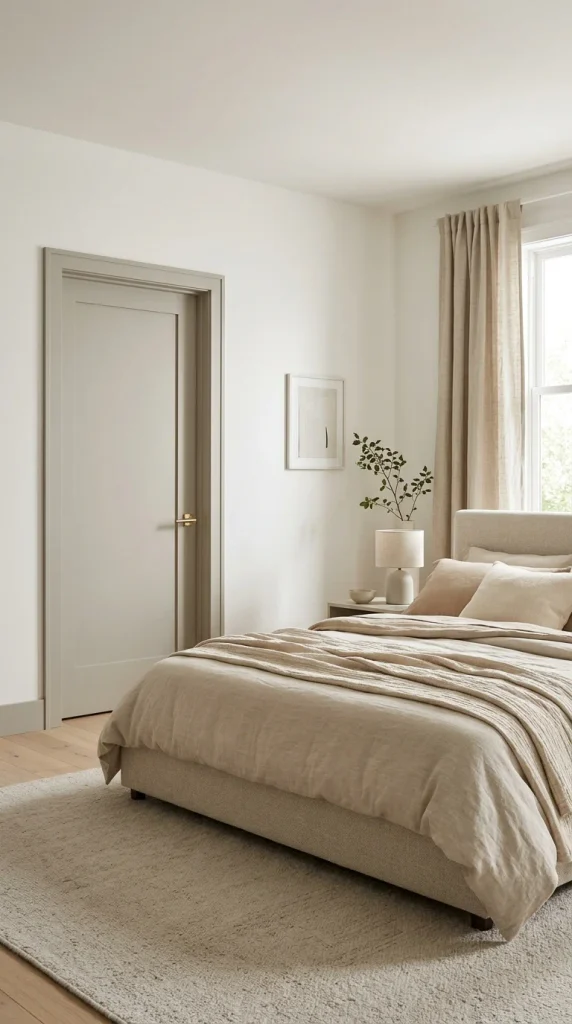
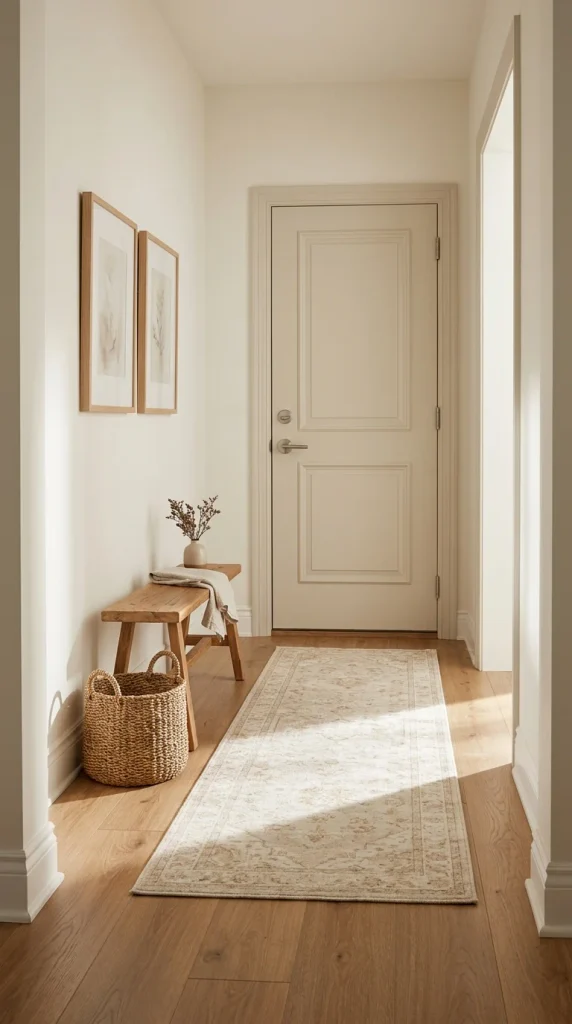
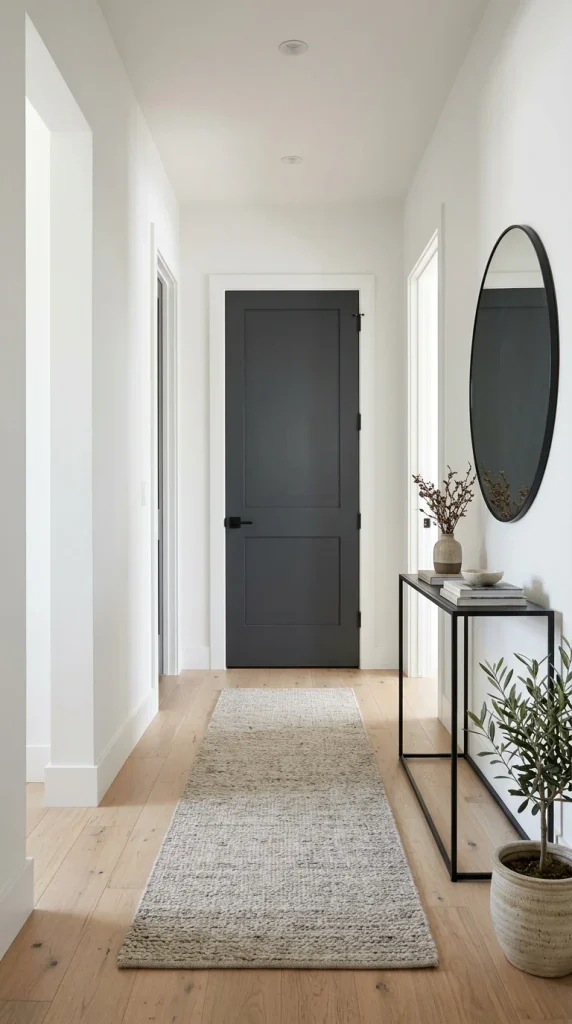
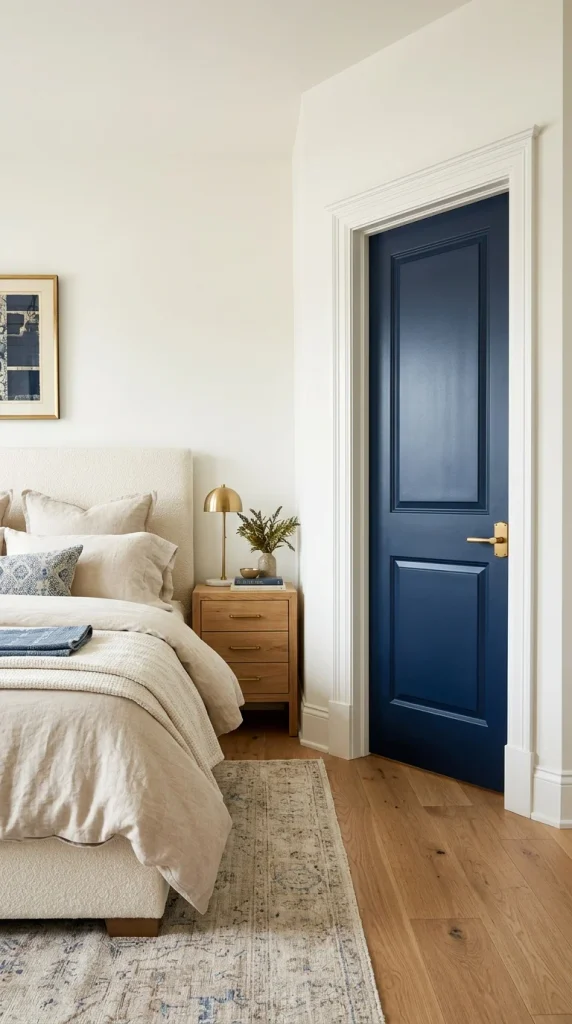
    Interior doors can be more than simple passages between rooms—they can add personality and style to your home. Choosing the right interior door colors can create a polished look, highlight your decor, and make each space feel more inviting. From soft neutral shades to bold and dark interior door colors, there are many options to…


  • 21 Stylish Window Treatment Ideas for a Beautiful Home

    21 Stylish Window Treatment Ideas for a Beautiful Home

    Window treatments can instantly change the look, comfort, and mood of any room. From elegant curtains and soft drapes to modern blinds and simple shades, there are many window treatment ideas to suit every home. The right window treatments can add privacy, control natural light, and make your space feel more welcoming. Whether you prefer…


  • 22 Home Renovation Ideas to Transform Your Space Into a Stylish and Comfortable Home

    22 Home Renovation Ideas to Transform Your Space Into a Stylish and Comfortable Home

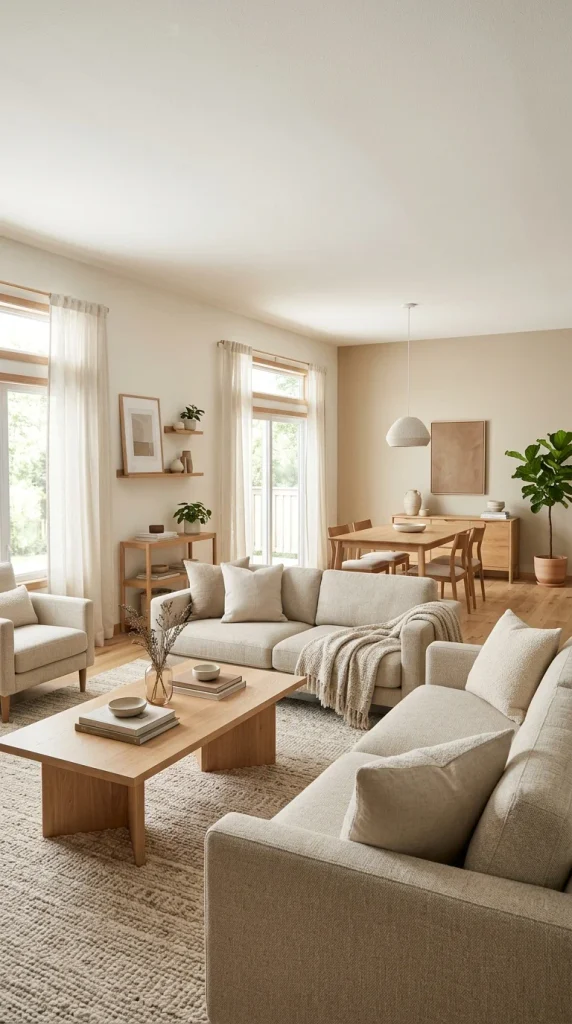
    Home renovations can transform your space into a stylish, comfortable, and functional home. Whether you want a small update or a complete home makeover, simple changes can make a big difference. From modern home improvements to cozy room updates, there are many ways to refresh your interior. These home renovation ideas can help improve both…


  • 21 Sideboard Decor Ideas to Create a Stylish and Welcoming Space

    21 Sideboard Decor Ideas to Create a Stylish and Welcoming Space

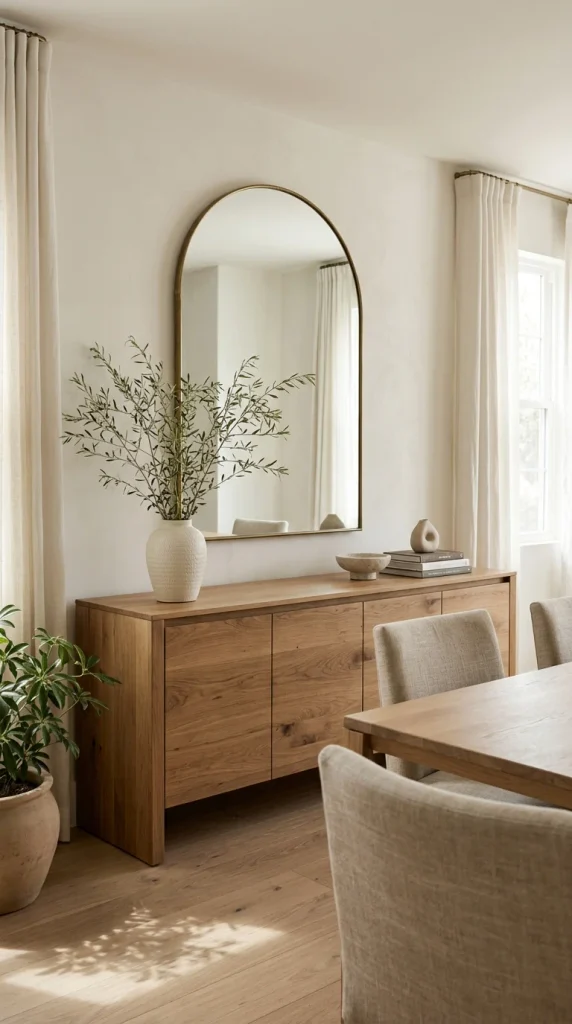
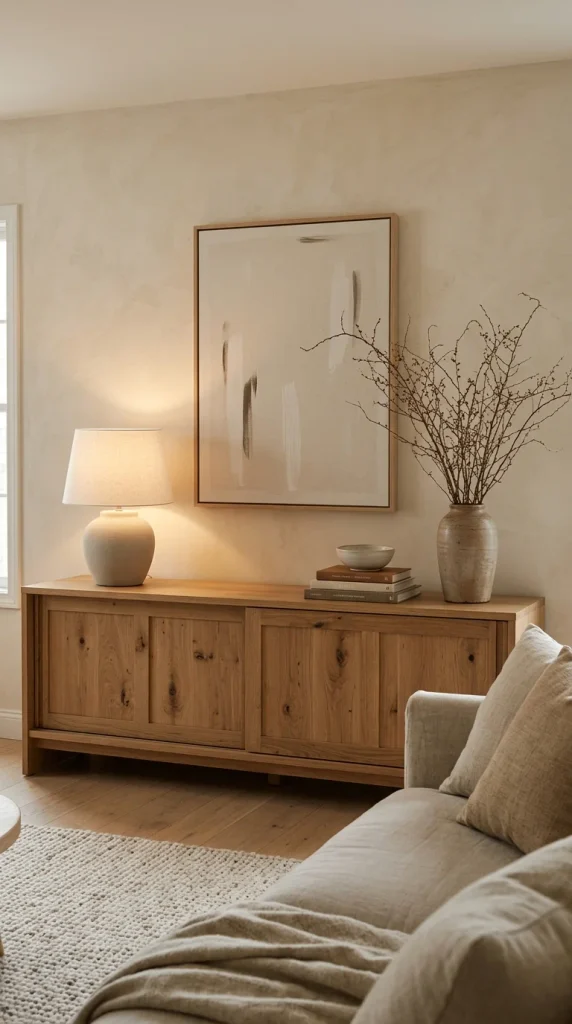
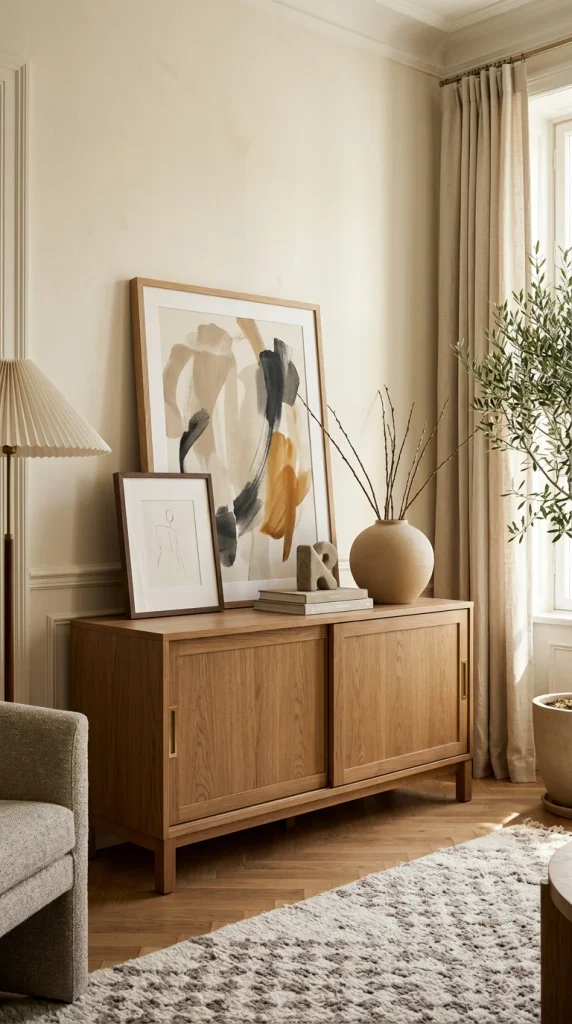
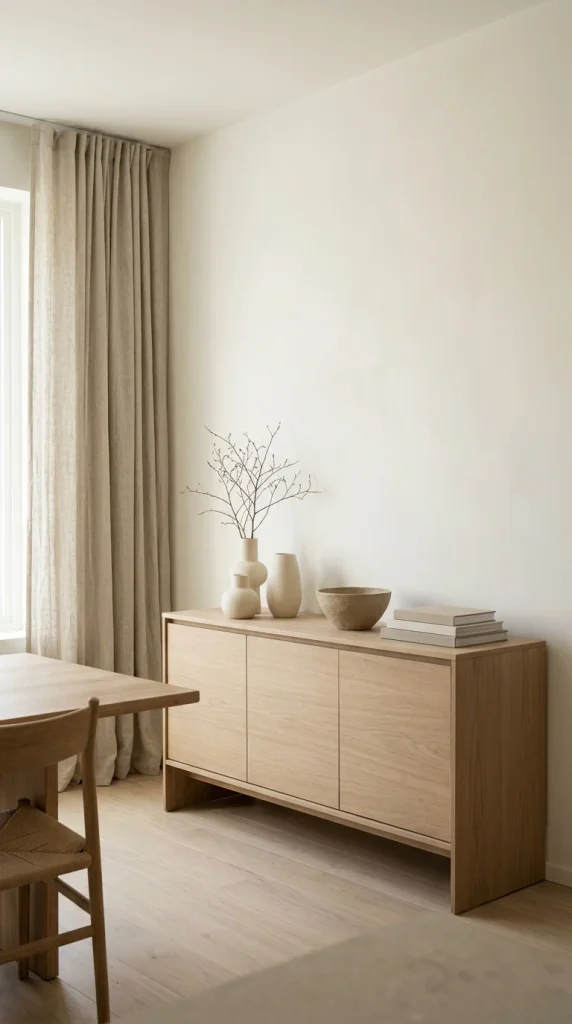
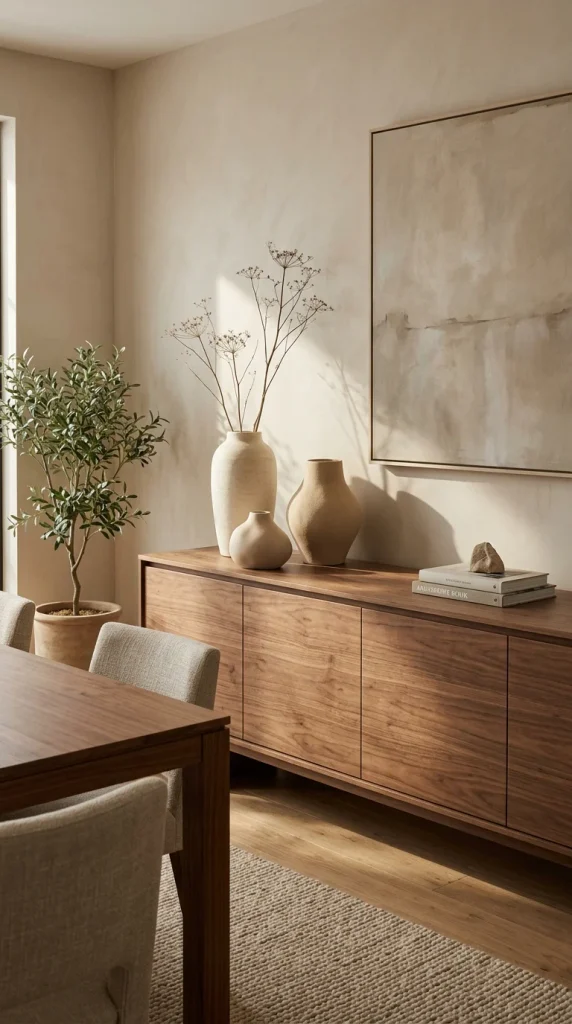
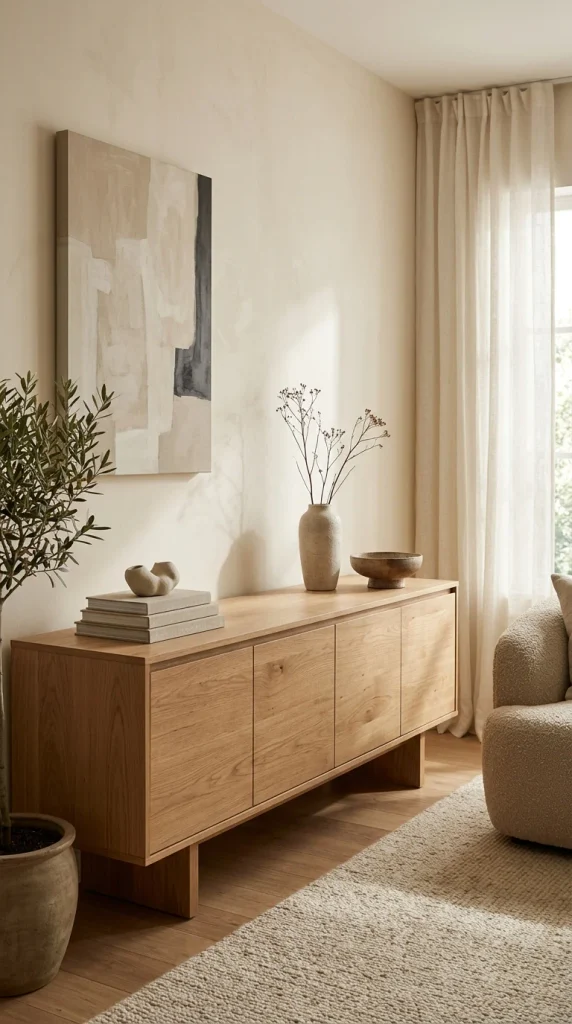
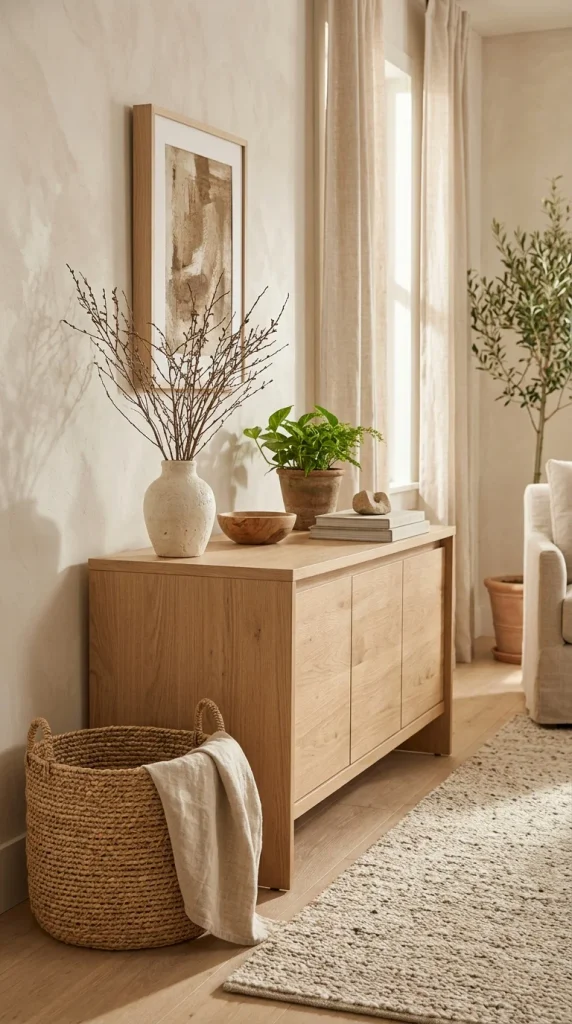
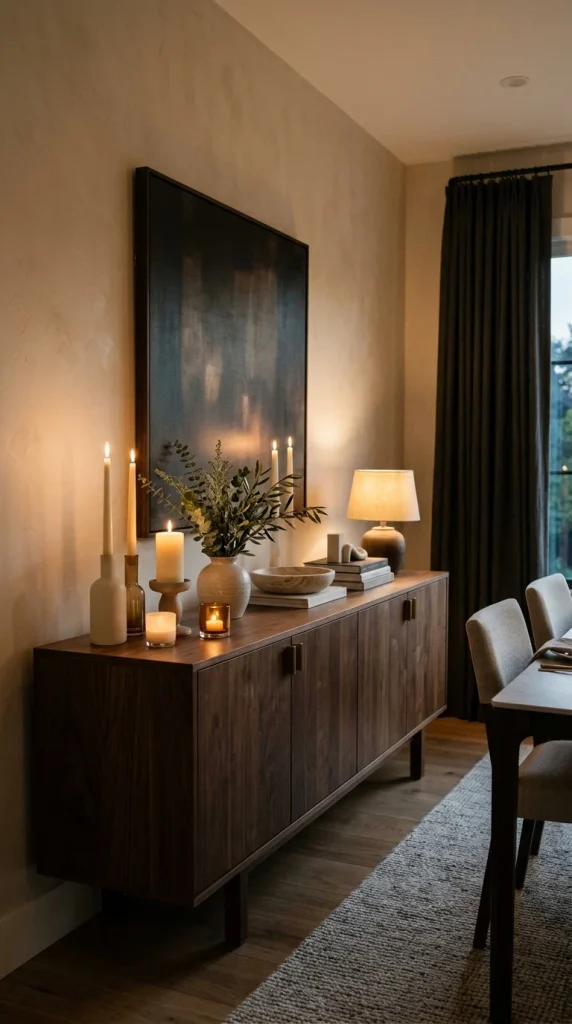
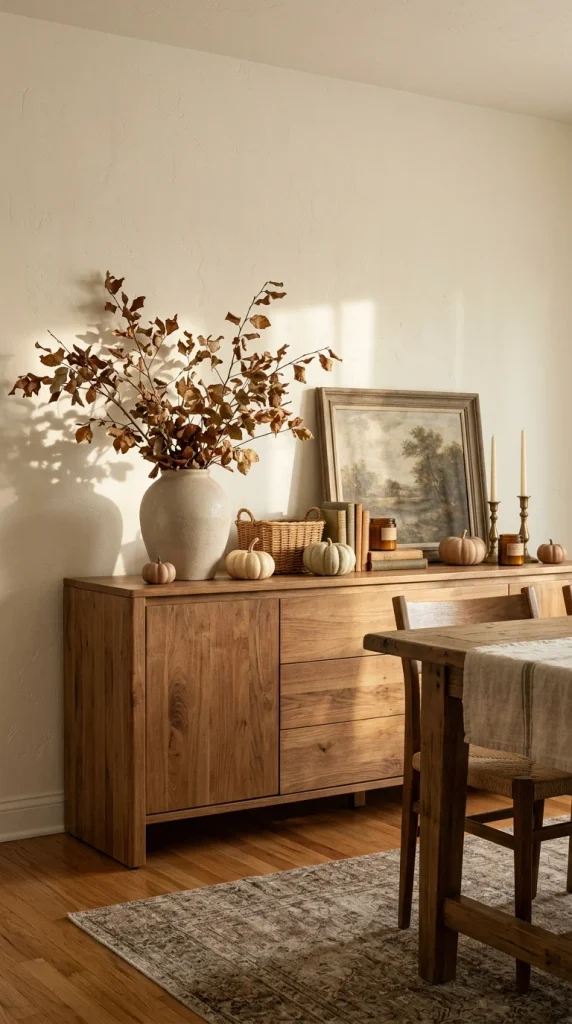
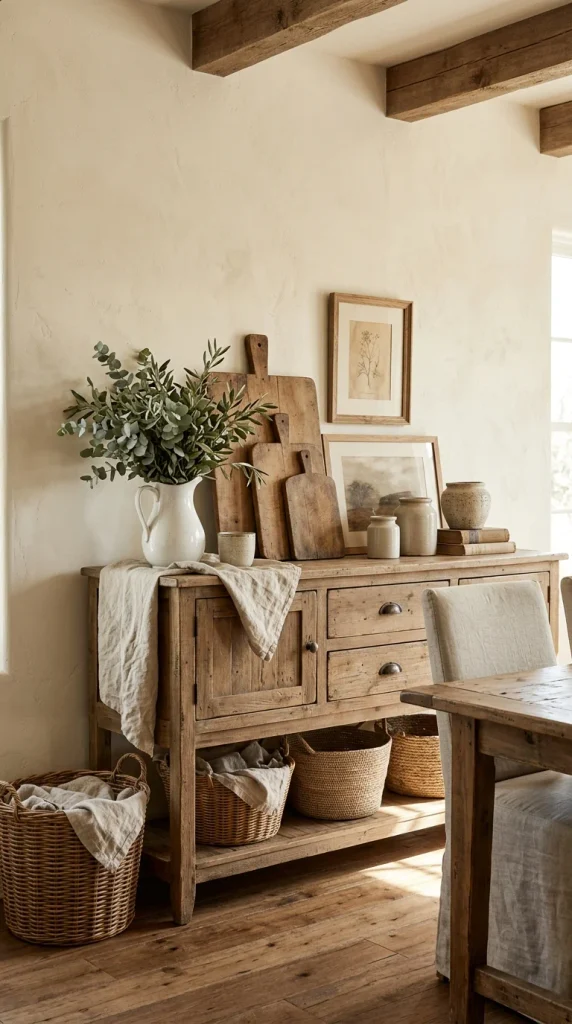
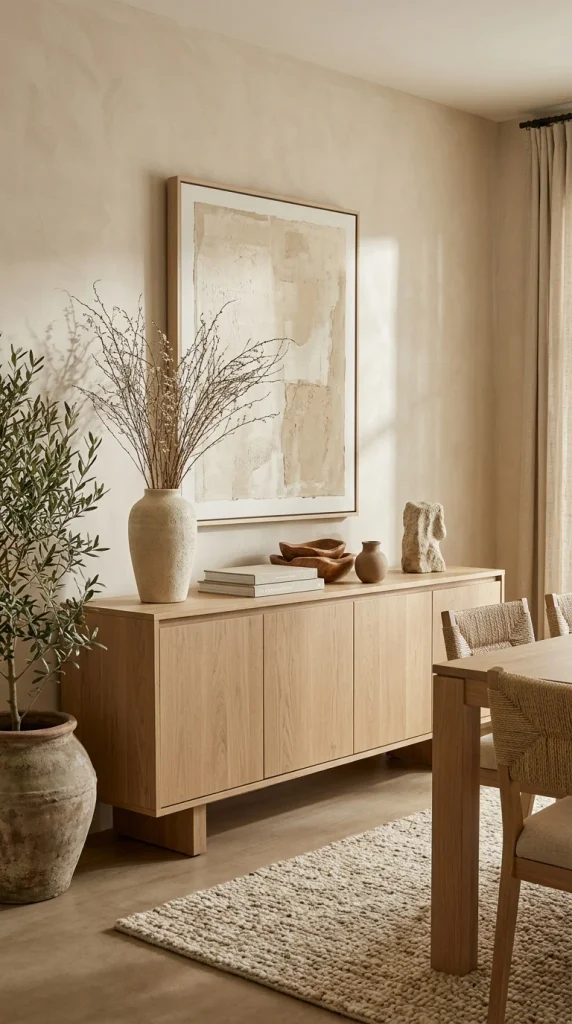
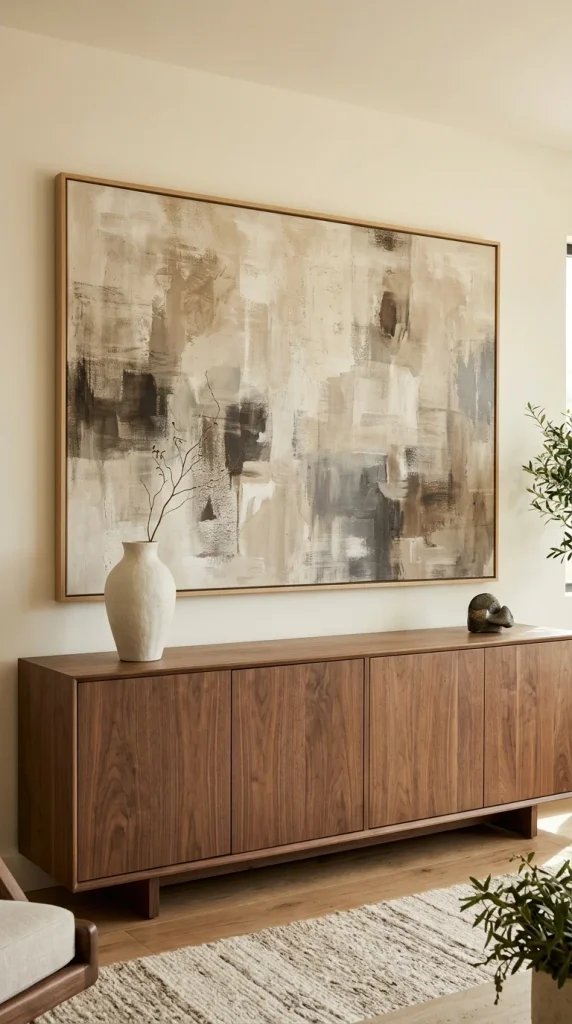
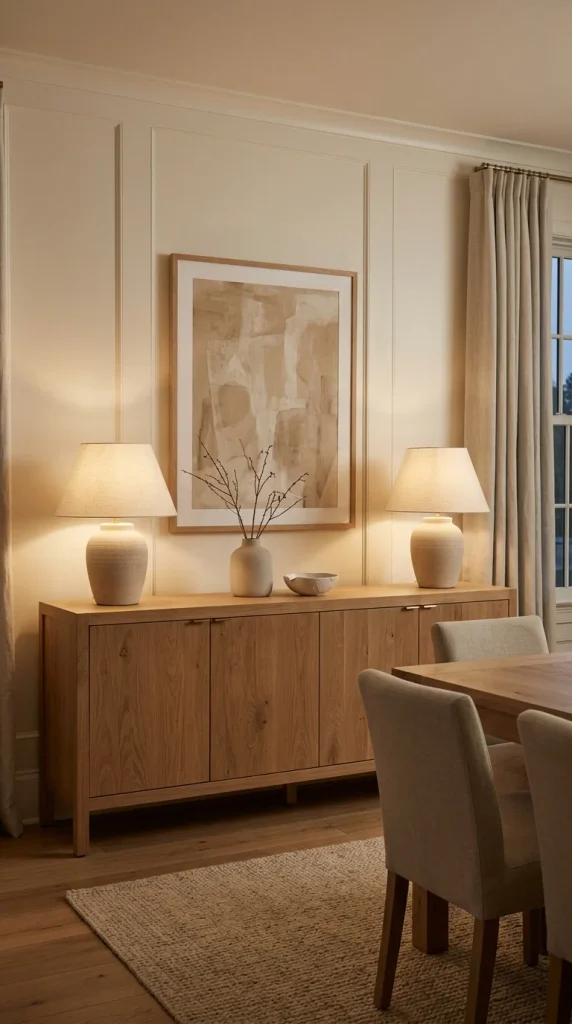
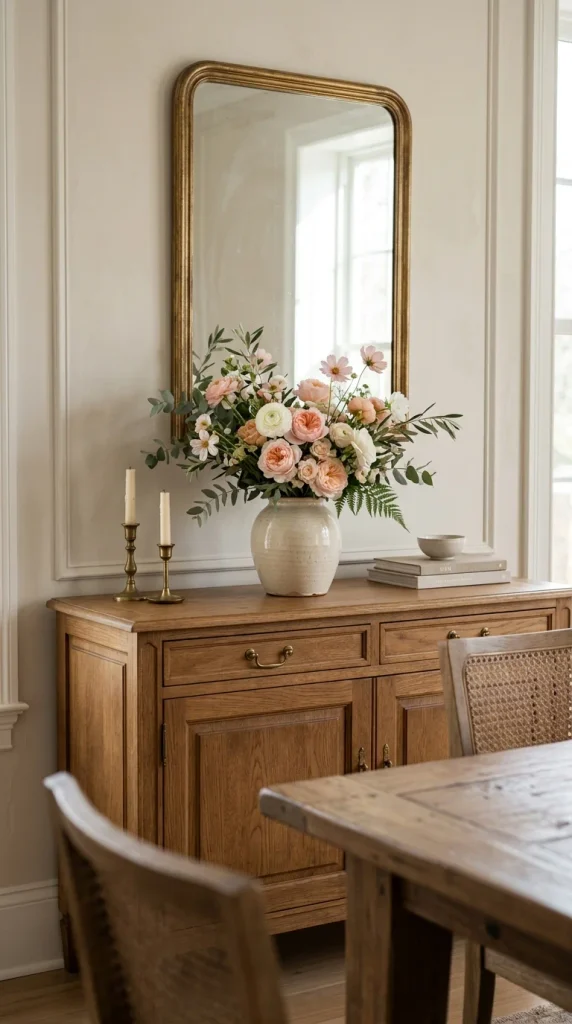
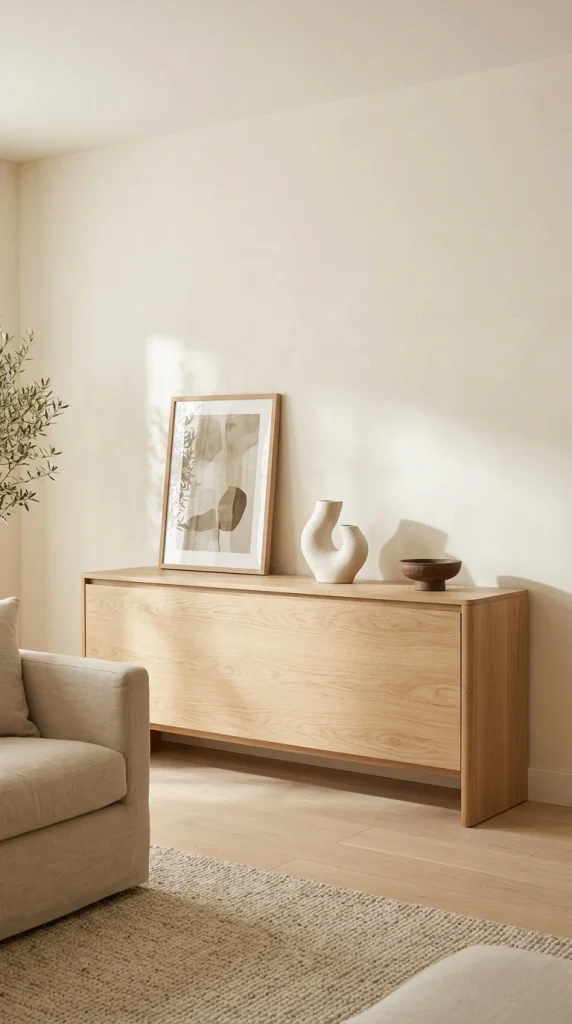
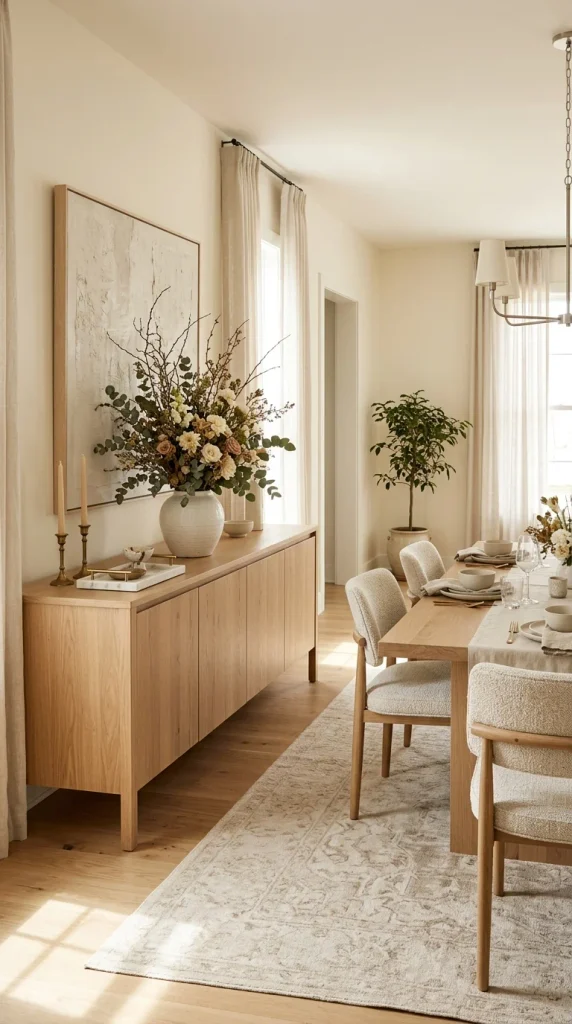
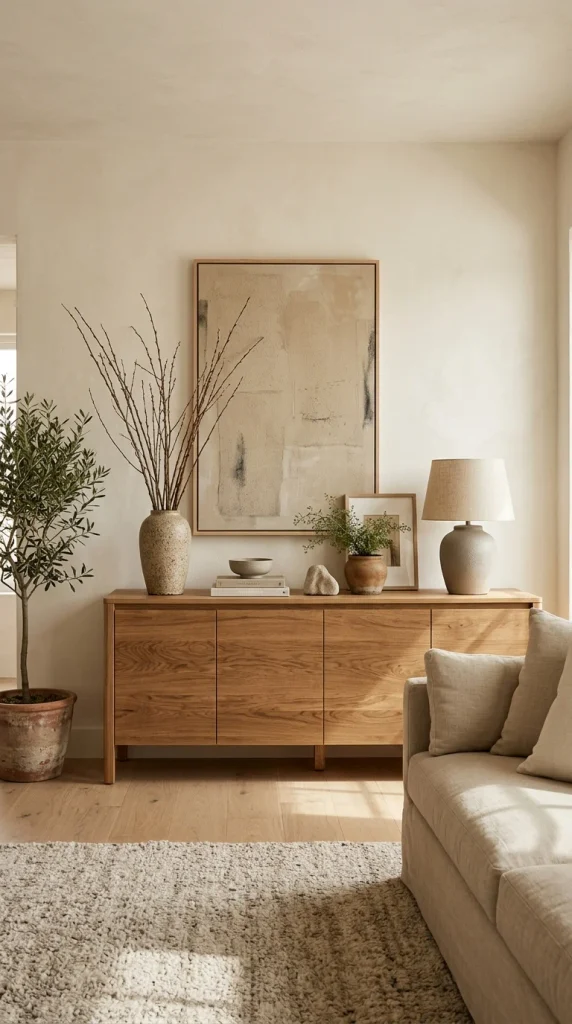
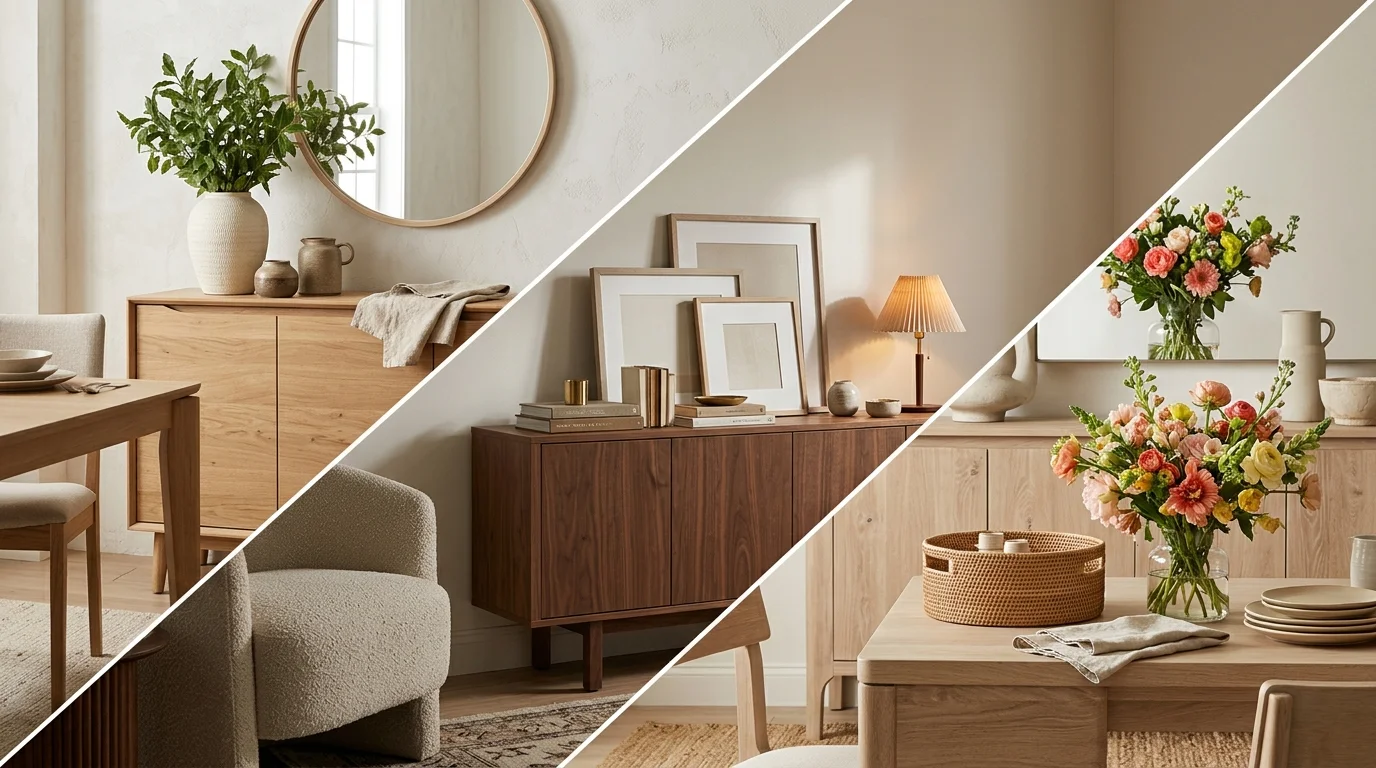
    A beautifully styled sideboard can instantly make a room feel more polished, warm, and inviting. These sideboard decor ideas show how to combine mirrors, artwork, lamps, vases, greenery, and decorative accents without making the space feel cluttered. Whether you need dining room sideboard decor, living room styling, or simple buffet table decor, there are plenty…


  • 21 Outdoor Mud Kitchen Ideas for Creative Backyard Play

    21 Outdoor Mud Kitchen Ideas for Creative Backyard Play

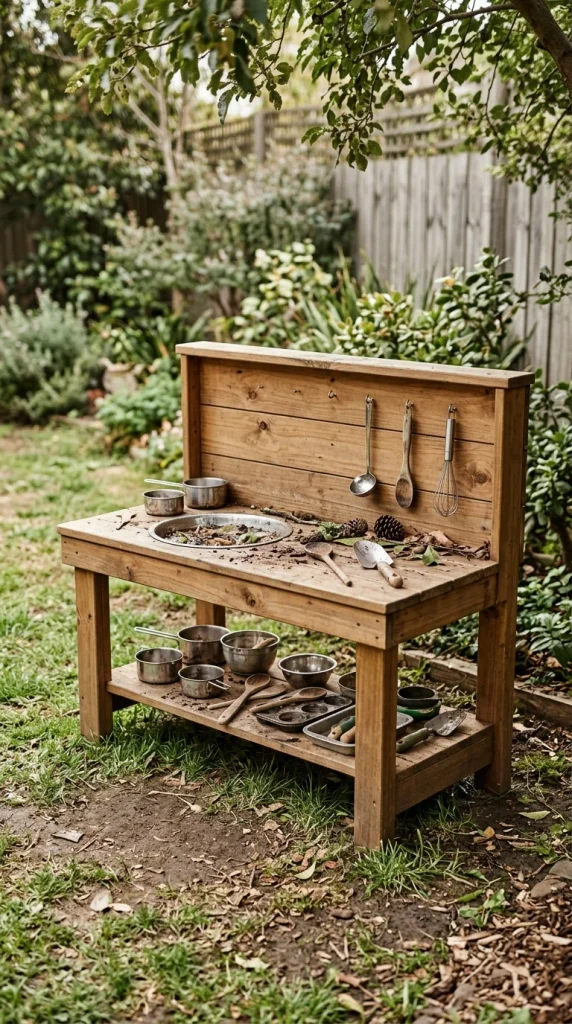
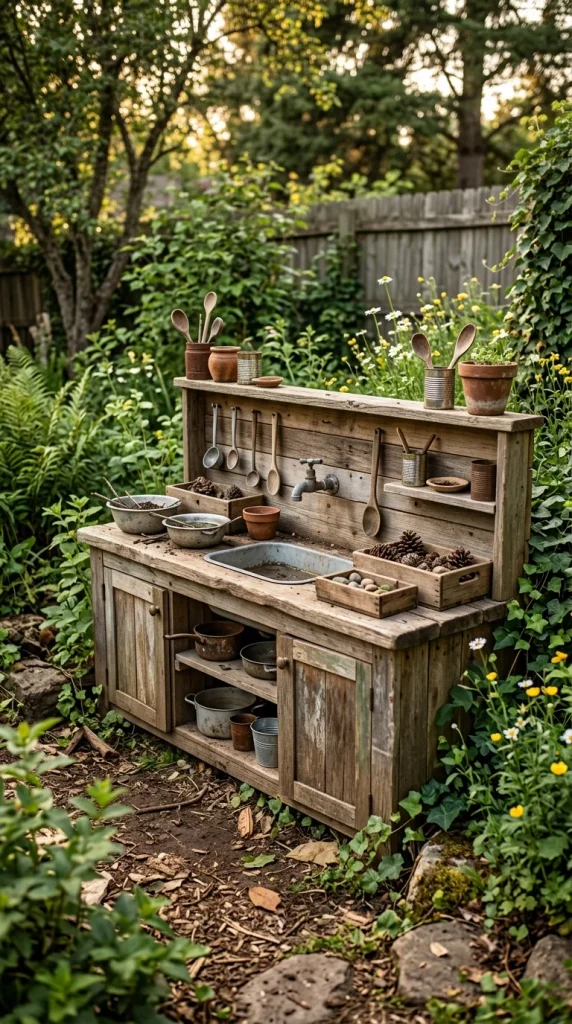
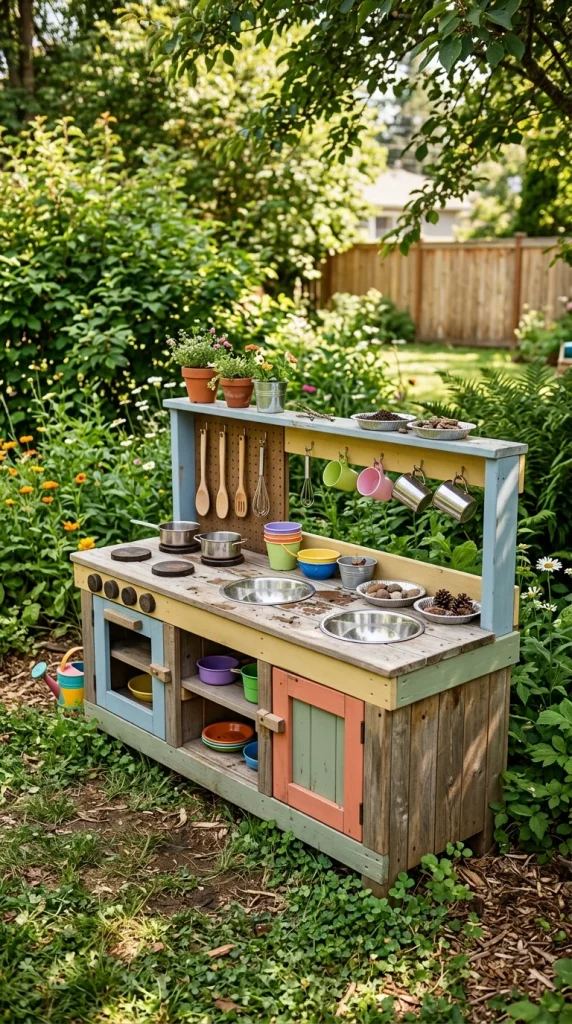
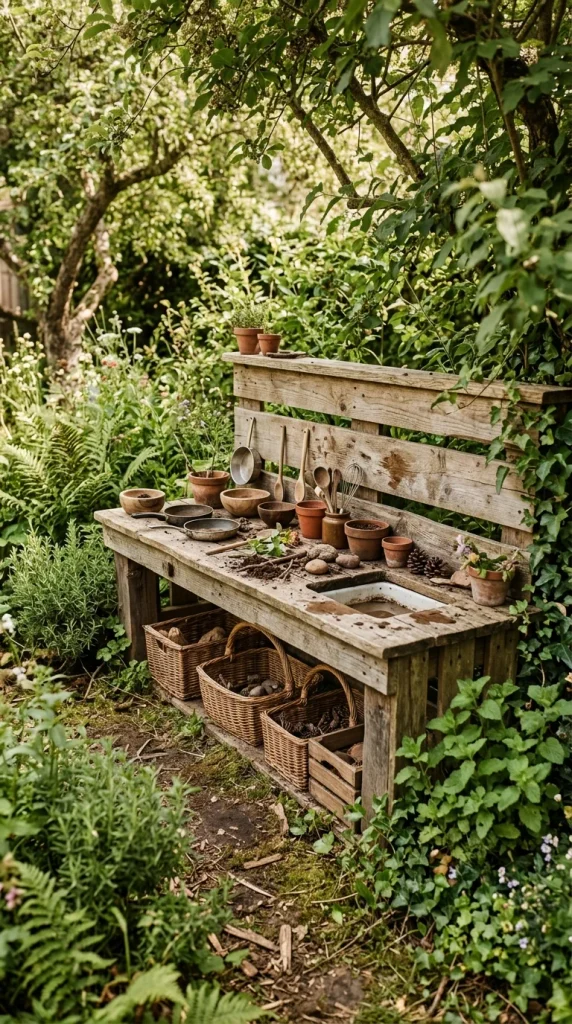
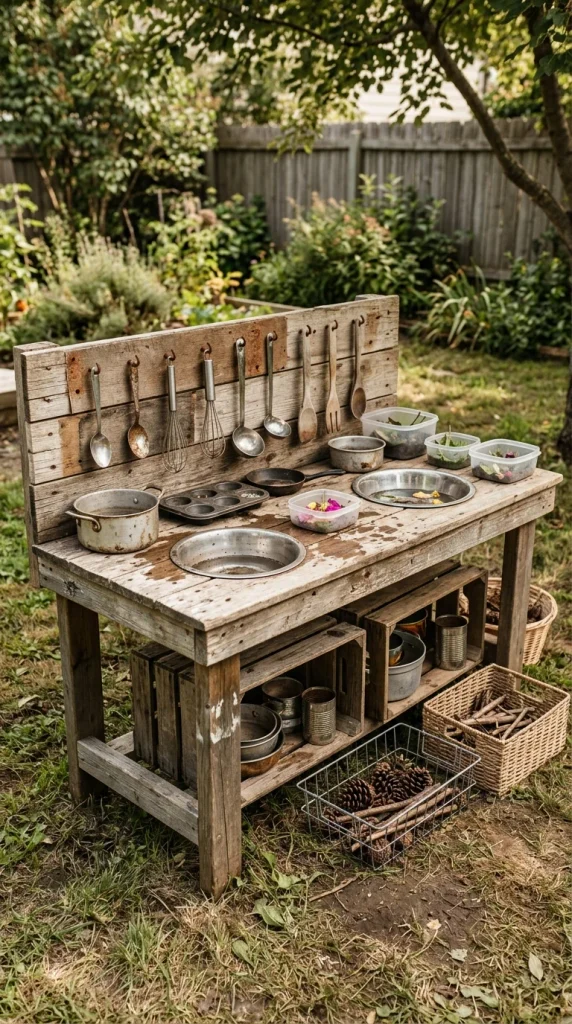
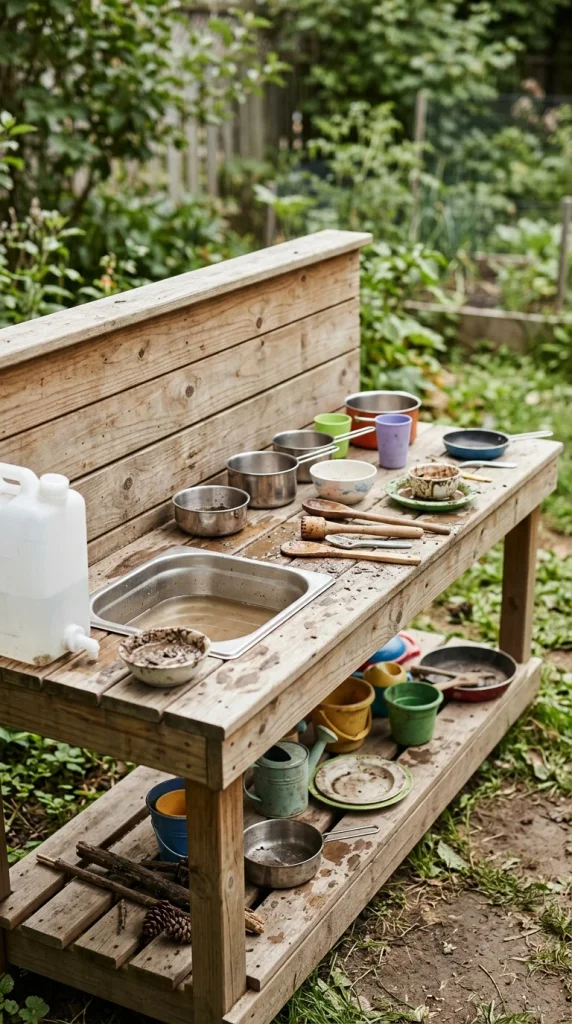
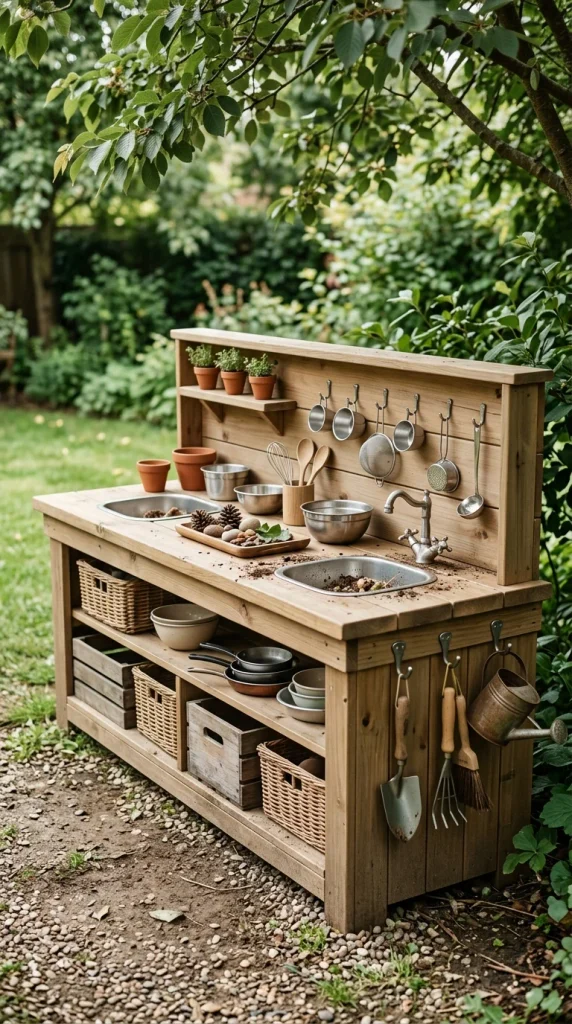
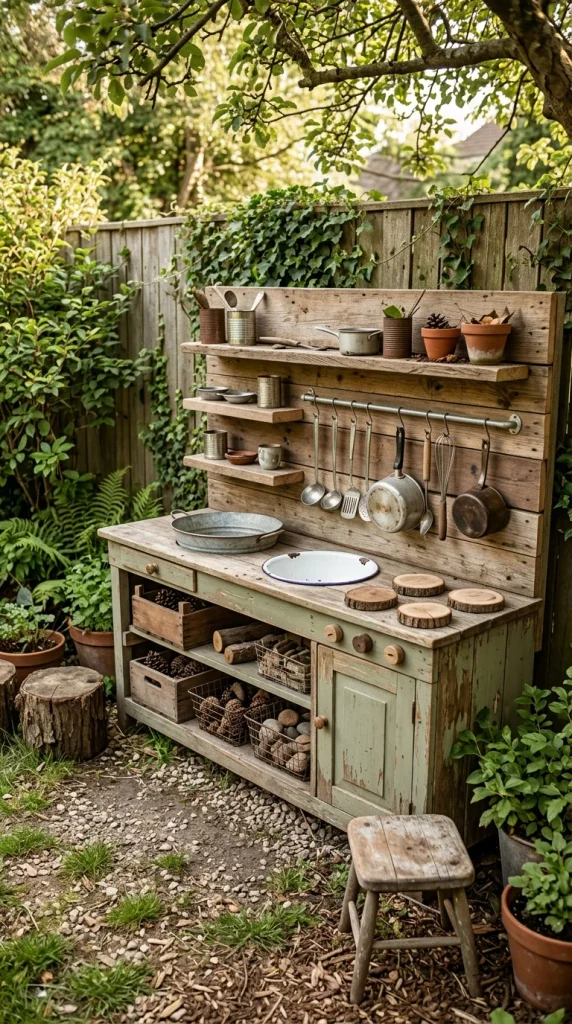
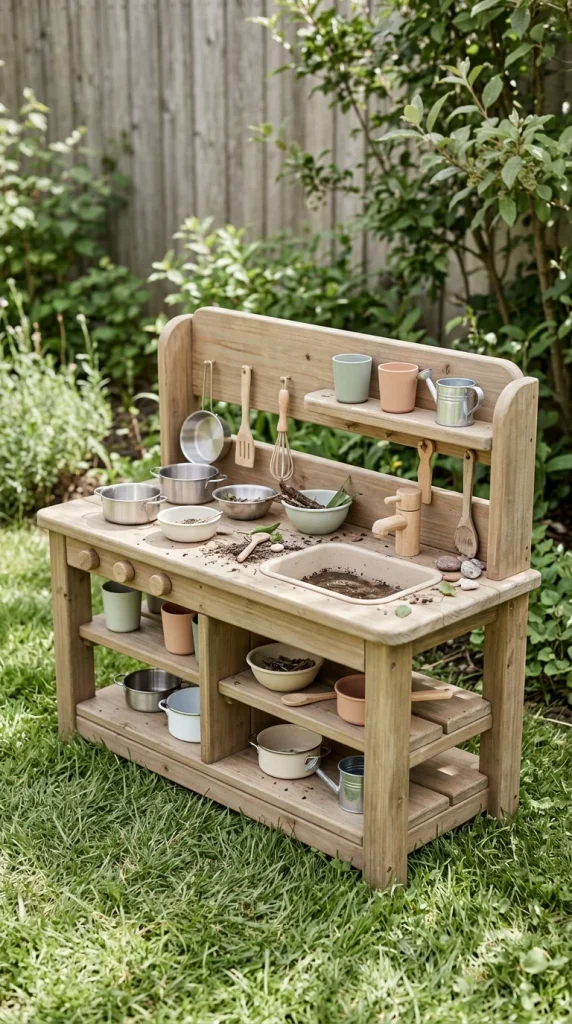
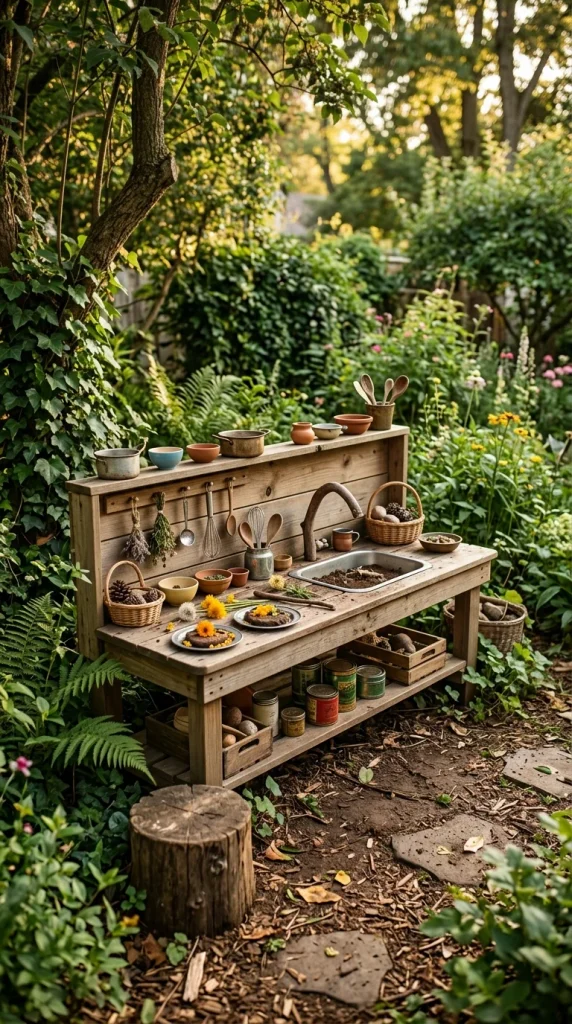
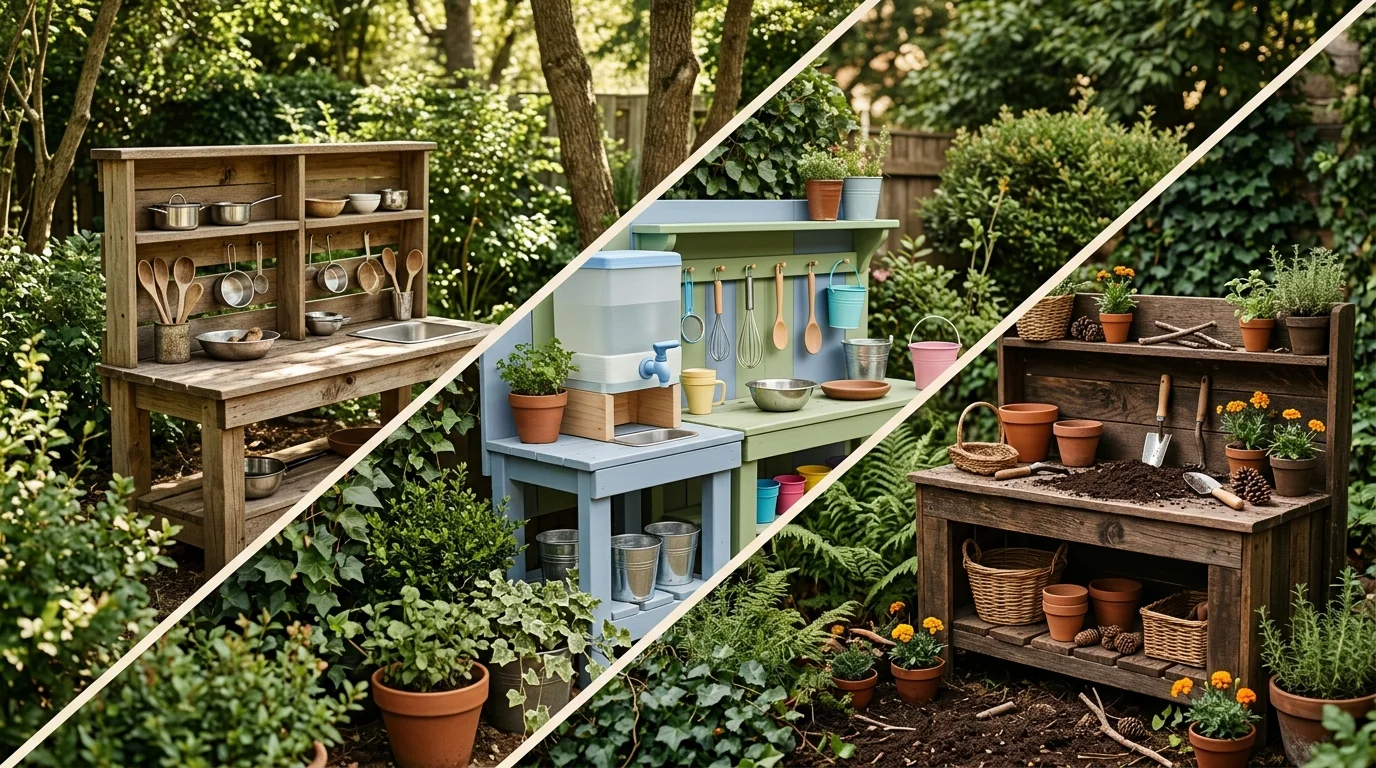
    An outdoor mud kitchen is a fun way to create a playful backyard space where kids can explore, imagine, and enjoy hands-on activities. From a simple DIY mud kitchen to a charming wooden setup, there are many creative options for every outdoor space. These outdoor mud kitchen ideas can include old pots, natural materials, water…


  • 21 Outdoor Patio Makeover Ideas to Create a Cozy and Stylish Outdoor Space

    21 Outdoor Patio Makeover Ideas to Create a Cozy and Stylish Outdoor Space

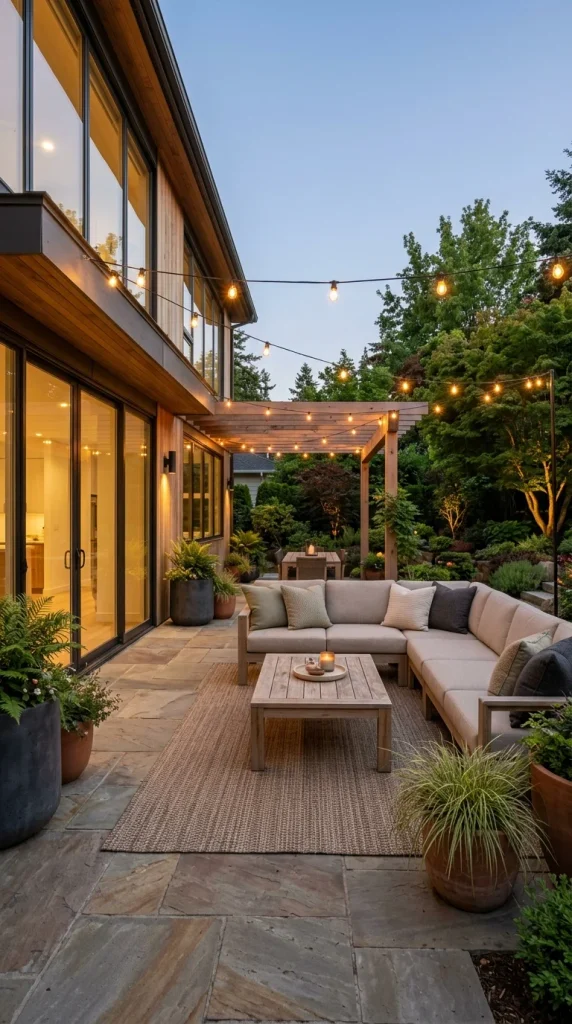
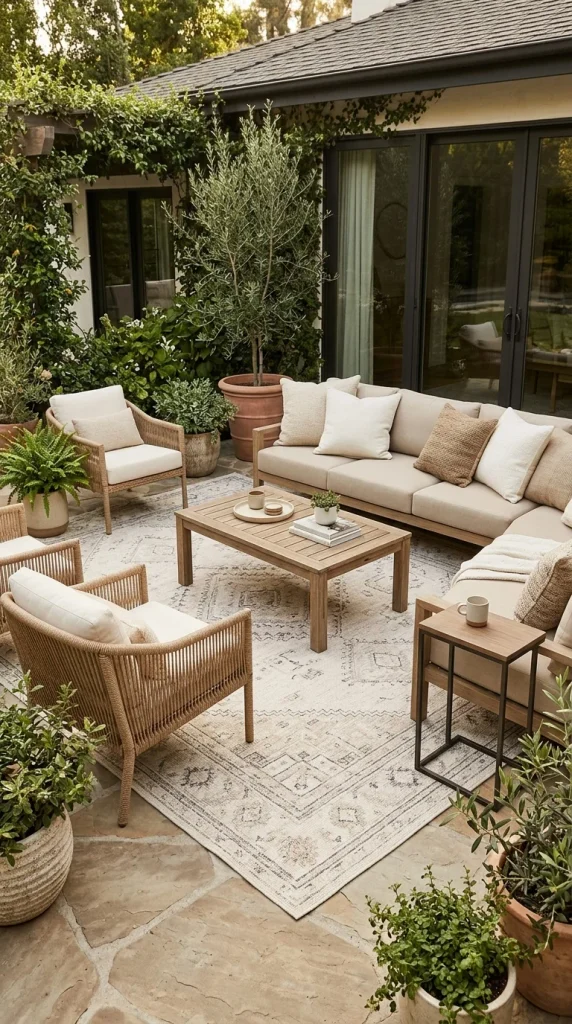
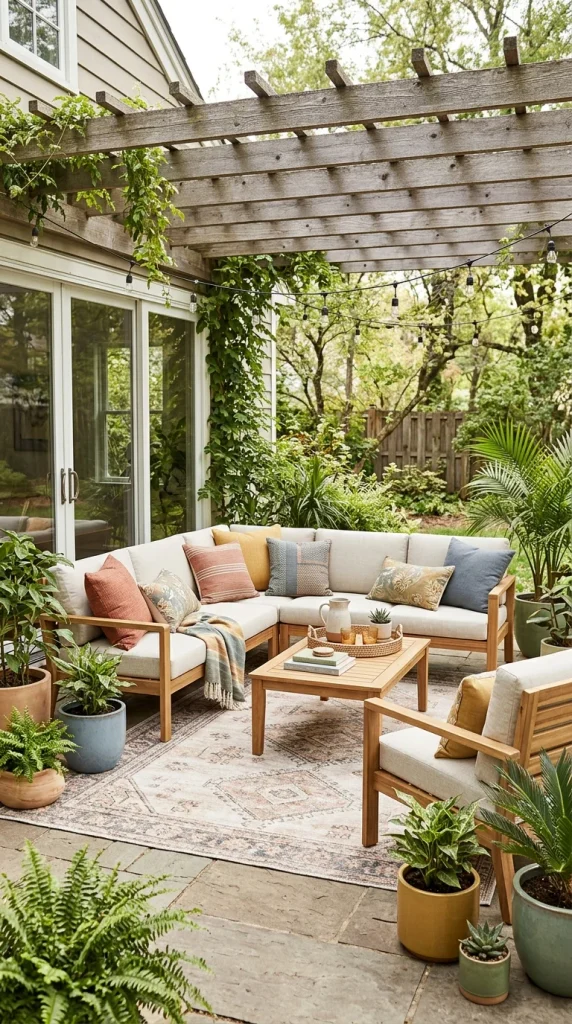
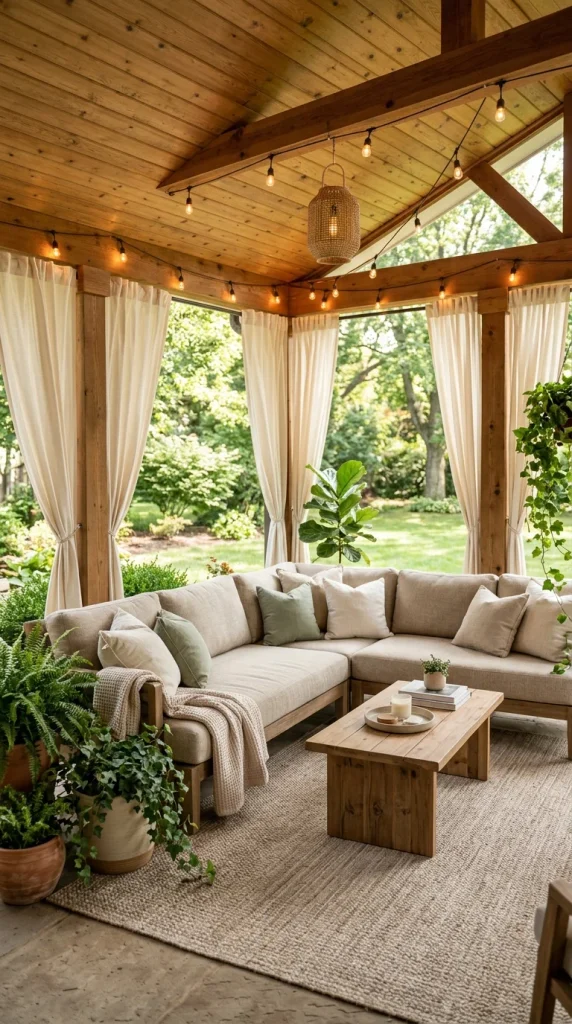
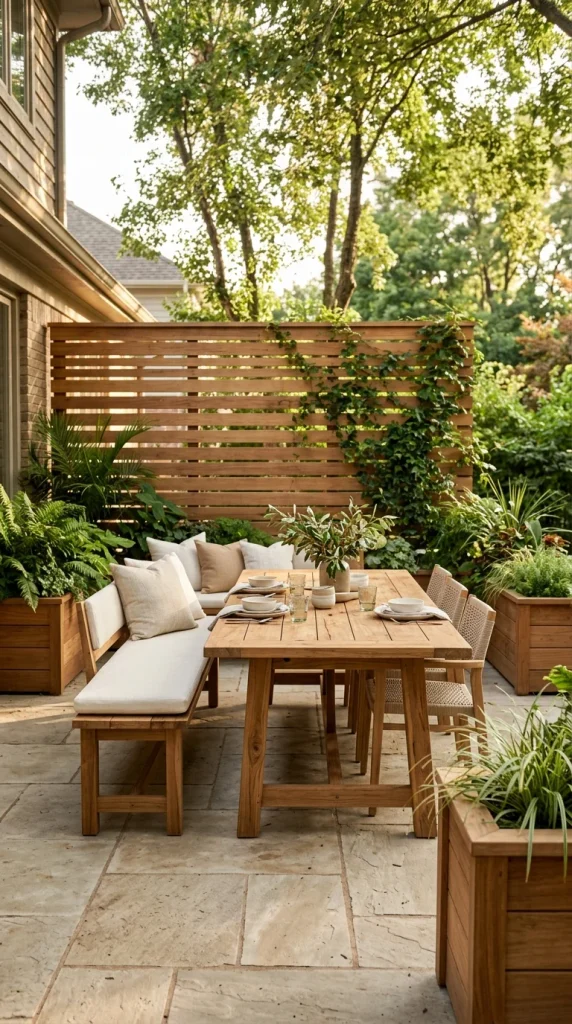
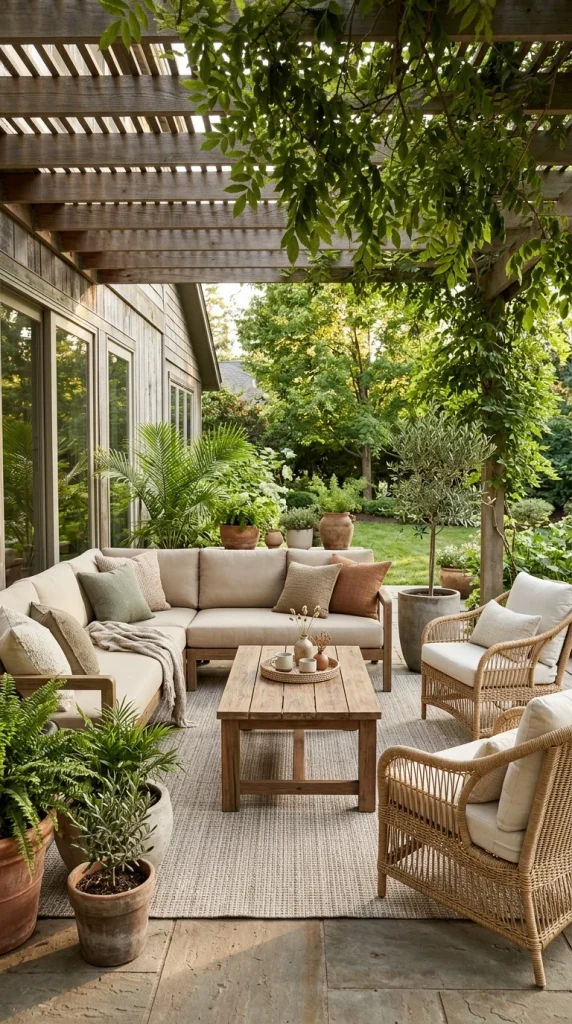
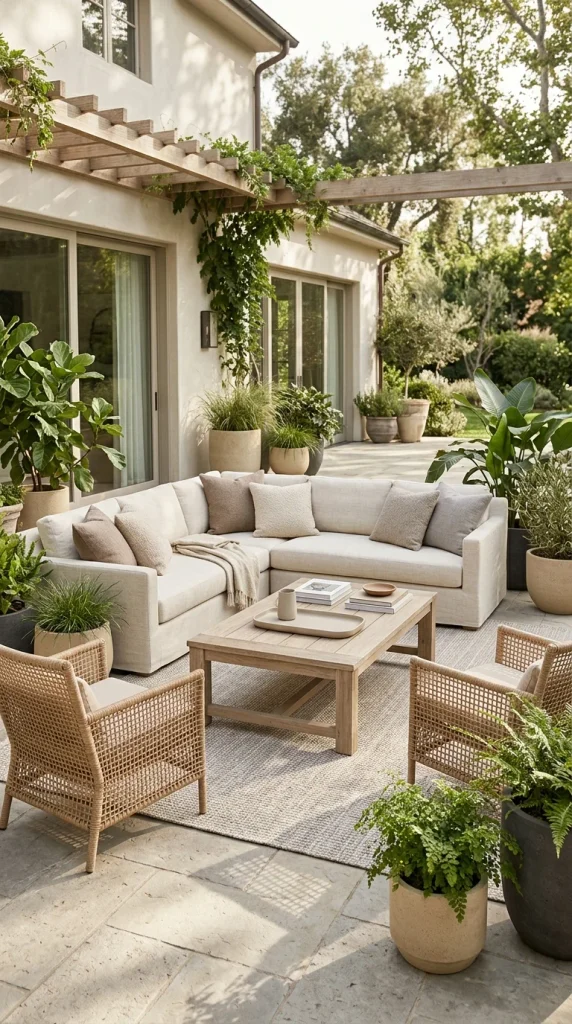
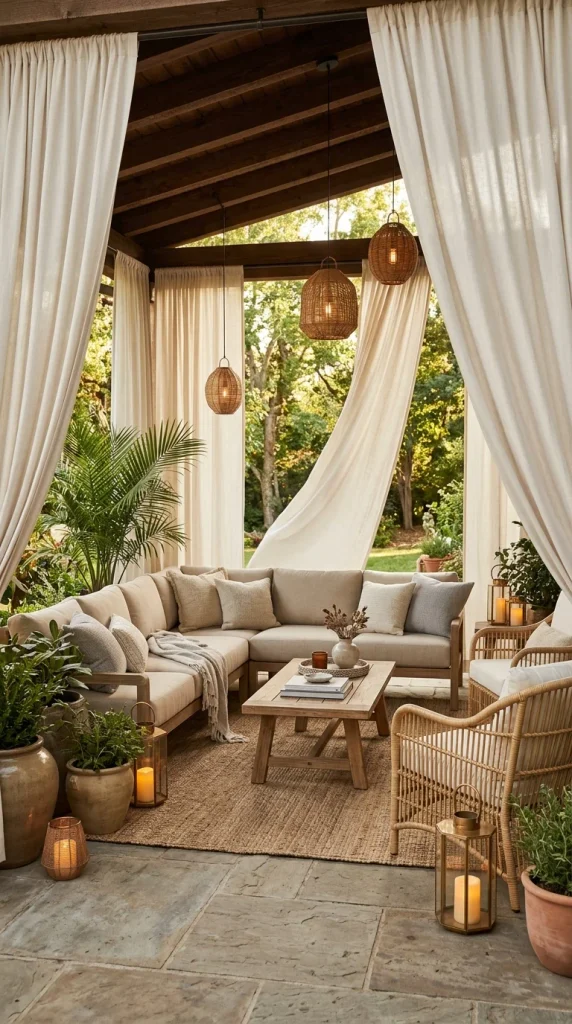
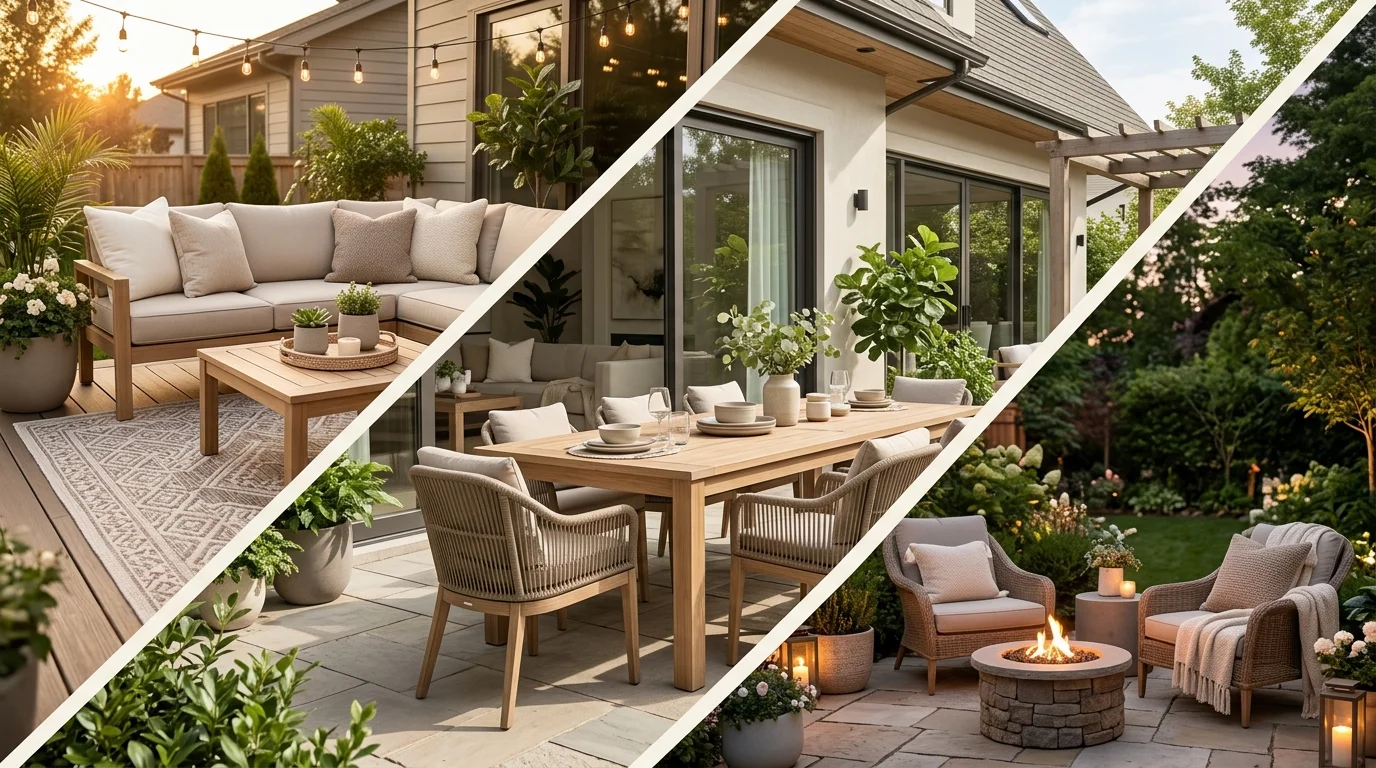
    Your patio can become a beautiful extension of your home with a few simple and thoughtful updates. These outdoor patio makeover ideas can help turn a plain area into a cozy and stylish outdoor retreat. From comfortable patio furniture and outdoor rugs to greenery, lighting, and decorative accents, small changes can create a big impact.…


  • 21 Small Home Upgrades That Make a Big Difference

    21 Small Home Upgrades That Make a Big Difference

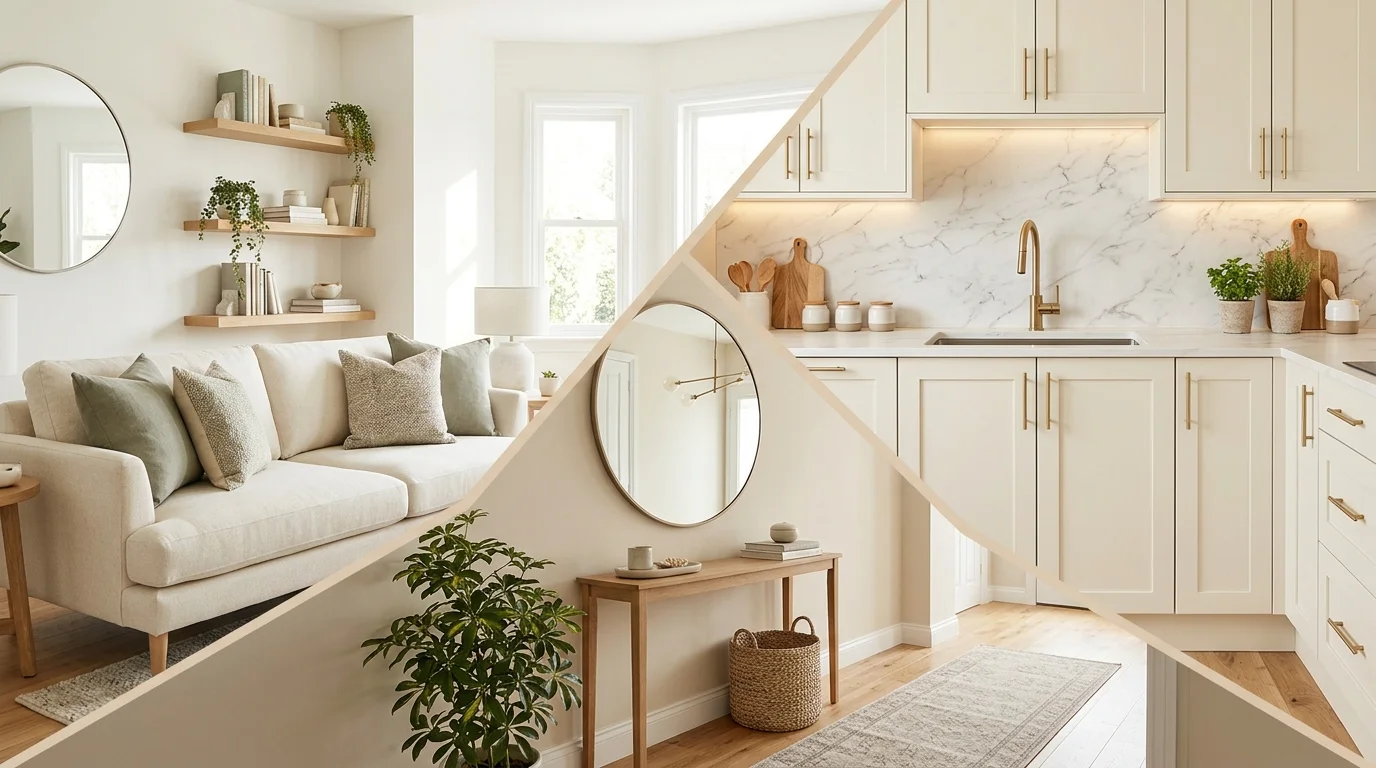
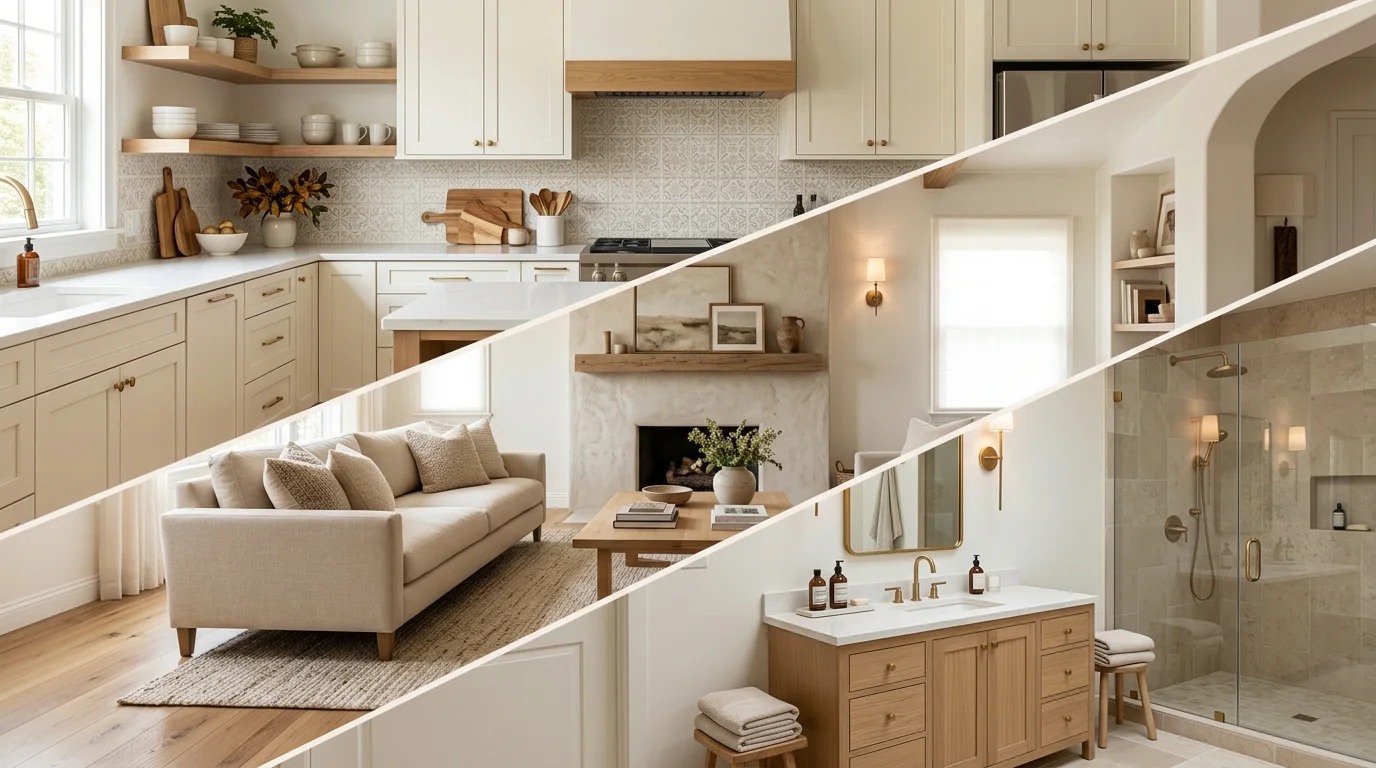
    Small changes can make a big difference in how your home looks and feels. With simple, budget-friendly home upgrades, you can create a more stylish, comfortable, and functional space without spending too much. From fresh paint and modern lighting to smart storage and easy DIY home improvements, there are many ways to refresh your home. Whether you live in a small apartment or a large house, these ideas can help you improve your space with less effort. Explore these 21 small home upgrades that make a big difference and give your home a fresh, inviting look.

    1. Fresh Interior Paint
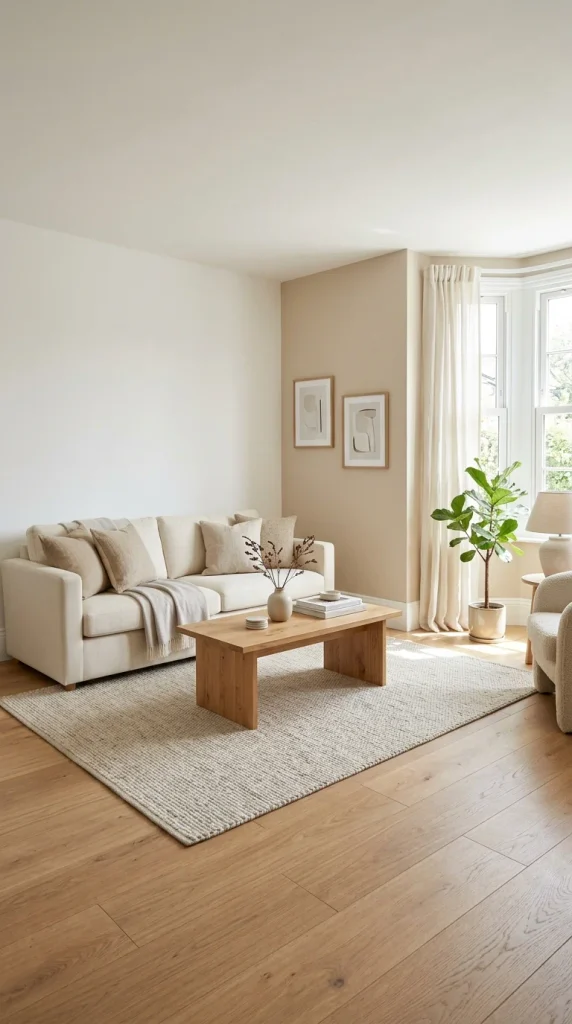
    Fresh interior paint is one of the easiest ways to give your home a new look. Choose soft white, warm beige, or light gray to make rooms feel brighter and more open. You can also paint one accent wall to add color and personality. This simple home upgrade can refresh your space without requiring a large budget.

    2. Modern Light Fixtures
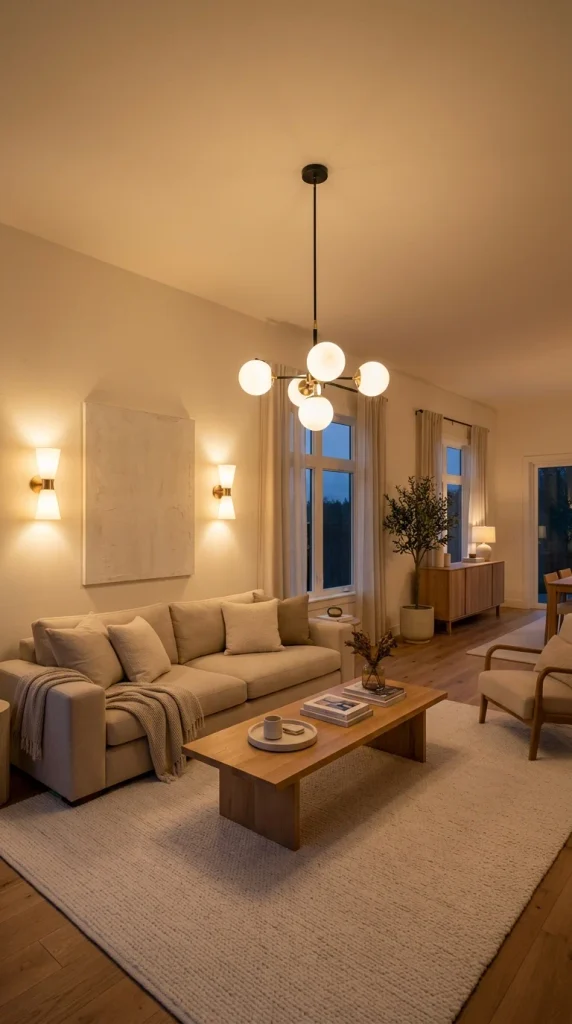
    Modern light fixtures can change the entire mood of a room. Replace old ceiling lights with stylish pendants, simple chandeliers, or modern wall sconces. Choose warm lighting to create a cozy and welcoming atmosphere. This small home improvement adds beauty while making your rooms more comfortable and useful.

    3. Stylish Cabinet Hardware

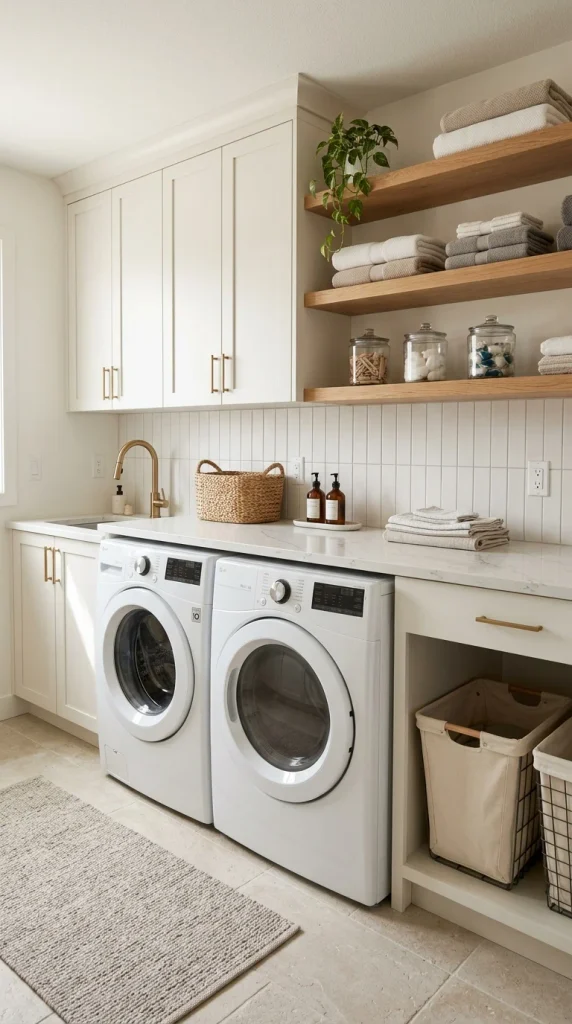
    Updating cabinet handles and knobs is a simple way to improve your kitchen or bathroom. Choose matte black, brushed gold, or polished silver finishes to match your home decor style. New hardware can make old cabinets look more modern without replacing them. It is an affordable upgrade that adds a clean and finished appearance.

    4. Peel-and-Stick Backsplash
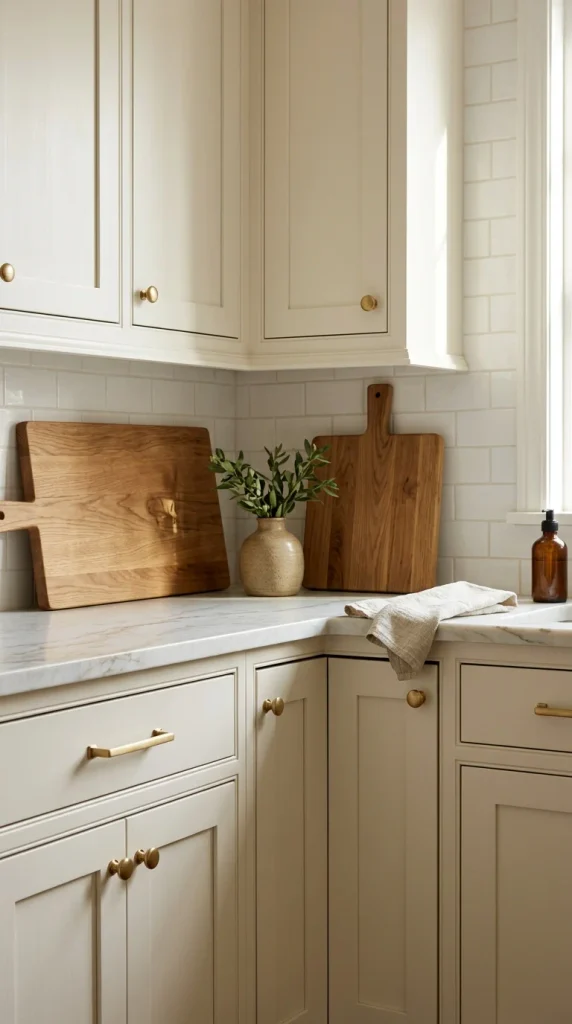
    A peel-and-stick backsplash is a practical option for refreshing your kitchen or bathroom. These easy-to-install panels come in many colors, patterns, and finishes, including marble and subway tile designs. Choose a style that complements your cabinets and countertops. Always check that the product is suitable for your surface and moisture conditions before installation.

    5. Decorative Wall Molding
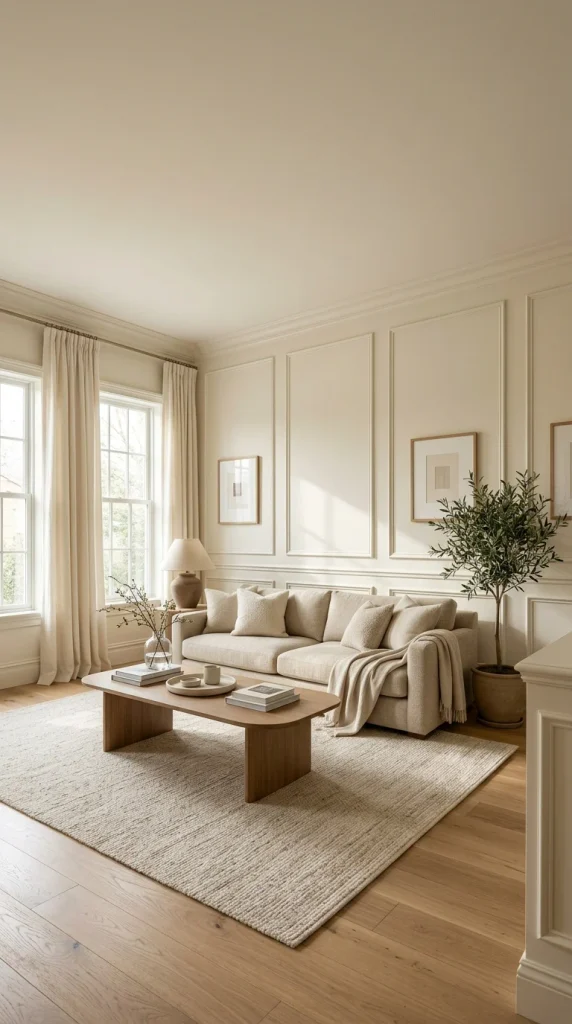
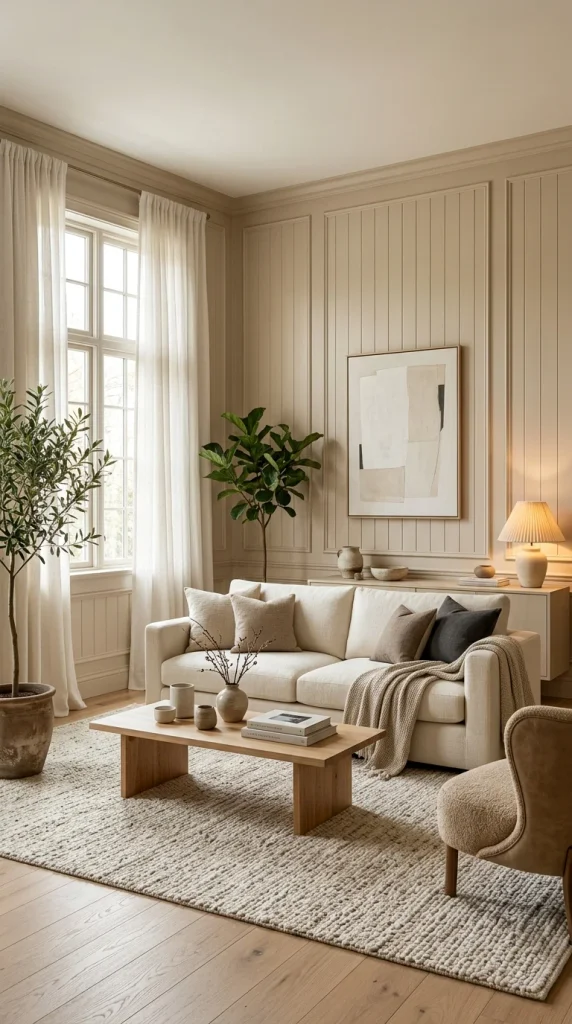
    Decorative wall molding adds character and elegance to plain walls. You can create simple rectangular panels or classic designs to give your living room or bedroom a more finished look. Paint the molding the same color as the wall for a subtle appearance. This small home upgrade can make an ordinary room feel more polished and thoughtfully designed.

    6. Updated Door Handles
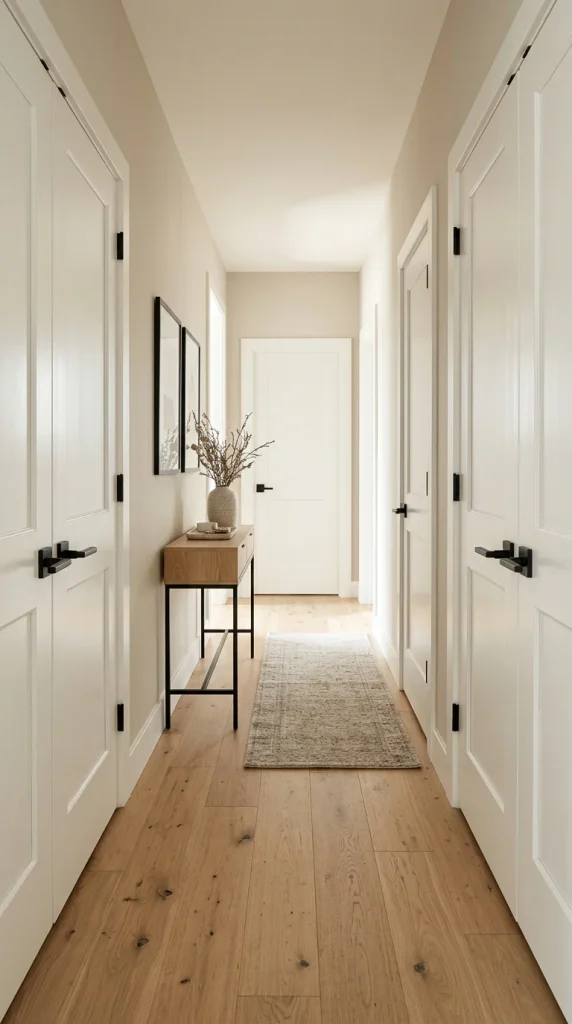
    Replacing old door handles is a quick way to refresh your home’s interior. Choose modern black handles for a bold look or brushed brass for a warm, elegant touch. Keep the finish consistent across nearby rooms to create a coordinated appearance. Before buying new handles, check the existing fittings and measurements to ensure they fit properly.

    7. Floating Wall Shelves
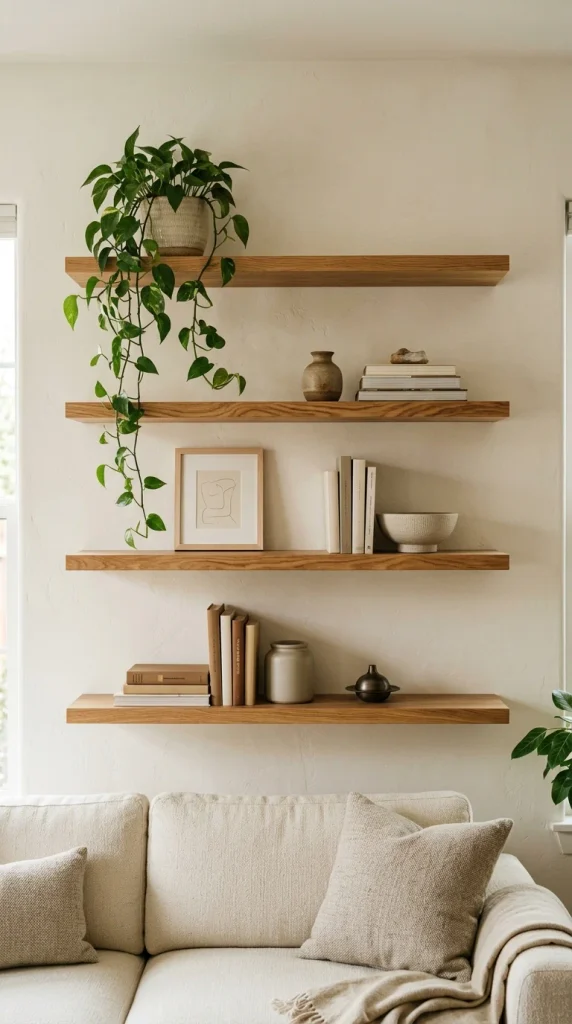
    Floating wall shelves provide extra storage without taking up valuable floor space. They work well in living rooms, bedrooms, kitchens, and bathrooms for displaying books, plants, and decorative accessories. Choose wood shelves for warmth or white shelves for a clean, simple style. Install them securely and avoid placing heavy objects on shelves that are not designed to support them.

    8. Statement Wall Mirrors

    A statement mirror can make a room feel brighter, larger, and more inviting. Place a large mirror opposite or near a window to reflect natural light throughout the space. Round mirrors create a soft look, while rectangular designs suit modern interiors. Choose a frame that complements your furniture and wall colors for a balanced appearance.

    9. Smart Storage Solutions
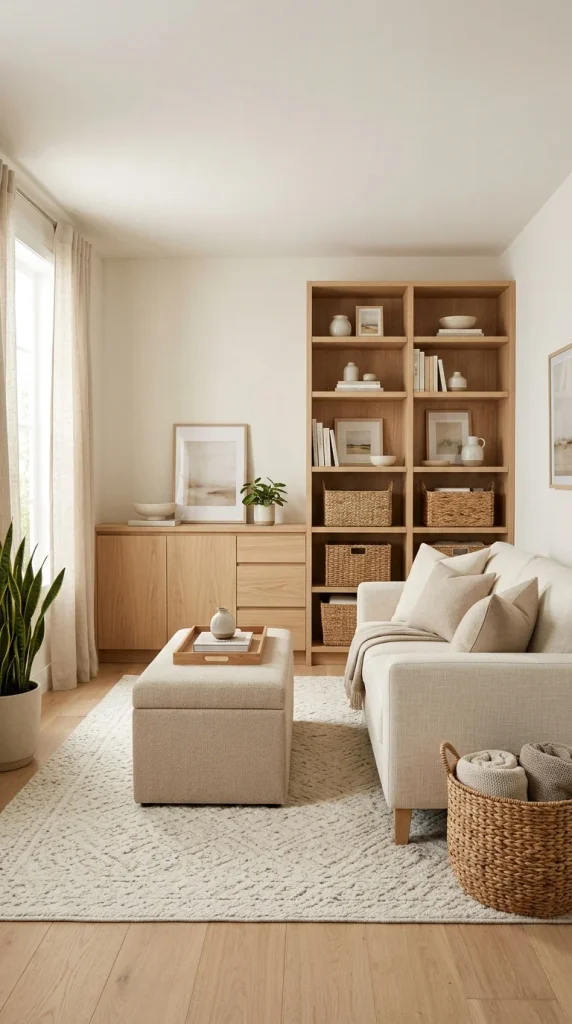
    Smart storage solutions help keep your home organized and free from everyday clutter. Use baskets, drawer dividers, storage boxes, and furniture with hidden compartments to make better use of available space. Focus on areas that collect clutter, such as entryways, bedrooms, and living rooms. A well-organized home feels calmer, looks cleaner, and is easier to maintain.

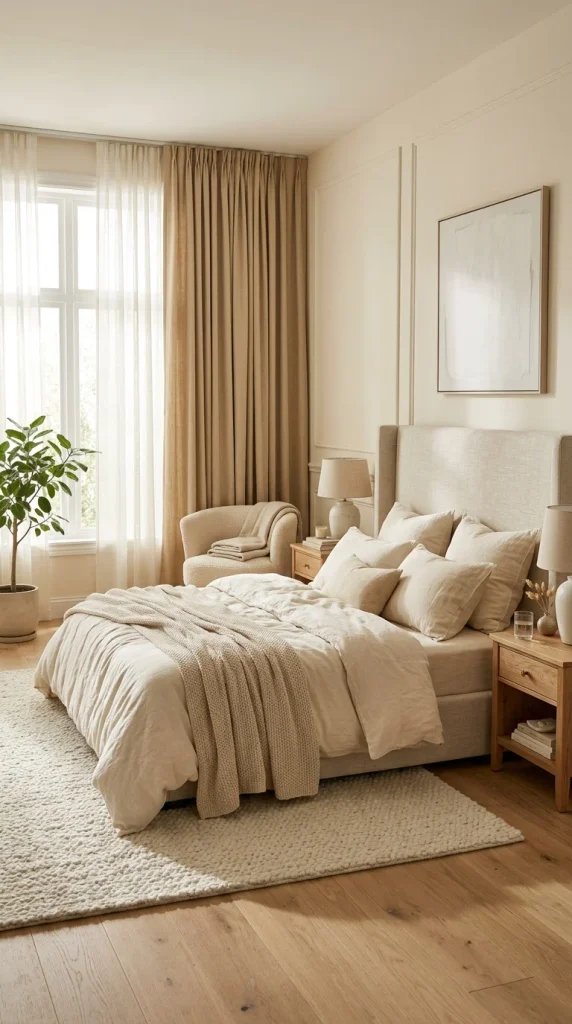
    10. Cozy Window Curtains
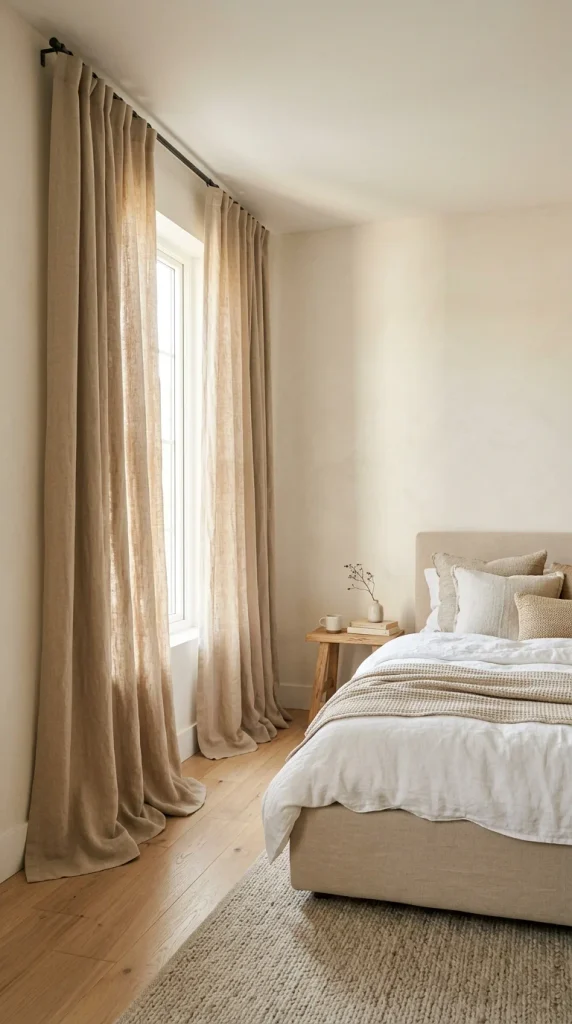
    New curtains can make your rooms feel softer, warmer, and more stylish. Choose light-colored fabrics to keep small spaces bright or thicker curtains to create a cozy bedroom atmosphere. Hanging curtains slightly above the window frame can make ceilings appear taller. Select a length and fabric that suit your windows while complementing your existing home decor.

    11. Modern Bathroom Fixtures

    Updating bathroom fixtures is a simple way to give your bathroom a fresh appearance. Replace outdated towel bars, toilet paper holders, or shower accessories with modern designs. Matching finishes, such as matte black or brushed nickel, help create a coordinated look. These small changes can make your bathroom feel cleaner and more stylish without a complete renovation.

    12. Under-Cabinet Lighting
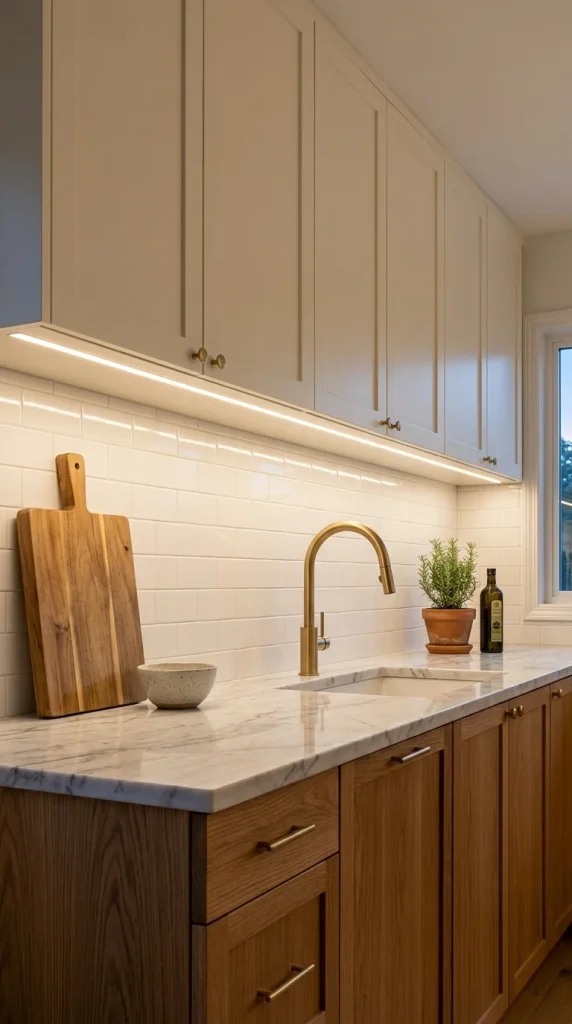
    Under-cabinet lighting improves both the appearance and function of your kitchen. Install LED strip lights beneath upper cabinets to brighten countertops and make food preparation easier. Warm white lighting creates a cozy feeling, while neutral white provides clear task lighting. Choose suitable moisture-resistant products where needed and follow the manufacturer’s installation instructions.

    13. Beautiful Indoor Plants

    Indoor plants bring natural beauty and freshness into your home. Place them on shelves, side tables, windowsills, or empty corners that need a little life. Choose low-maintenance plants if you have a busy schedule or limited gardening experience. Consider the available sunlight and watering needs before selecting plants to help them stay healthy and attractive.

    14. Fresh Front Door
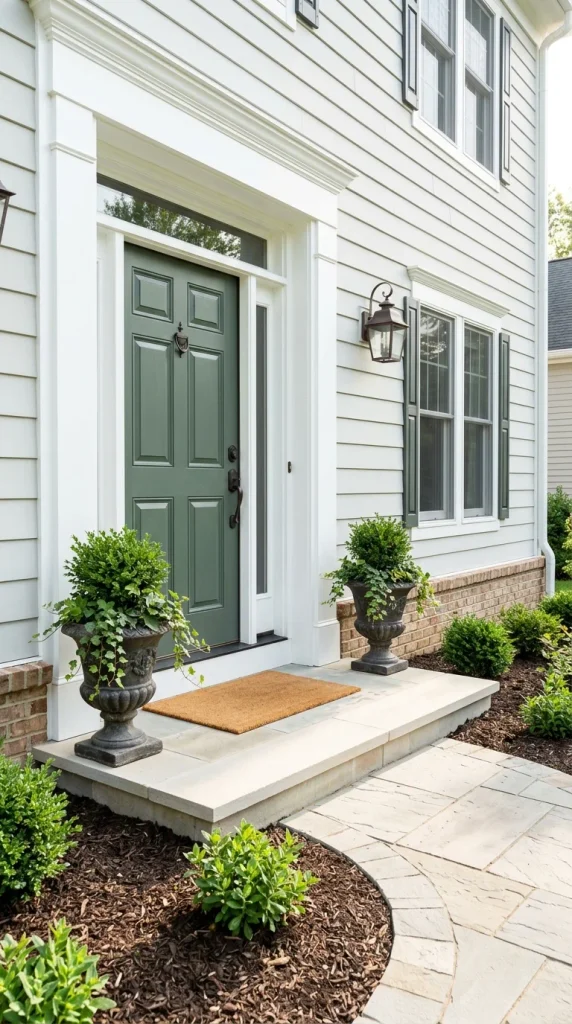
    A fresh front door color can improve your home’s curb appeal and create a welcoming first impression. Try deep green, navy blue, charcoal, or a classic black shade to complement your exterior. Clean the door and prepare the surface properly before applying suitable paint. Adding a clean doormat and a simple planter can complete the refreshed entrance.

    15. Stylish Switch Plates
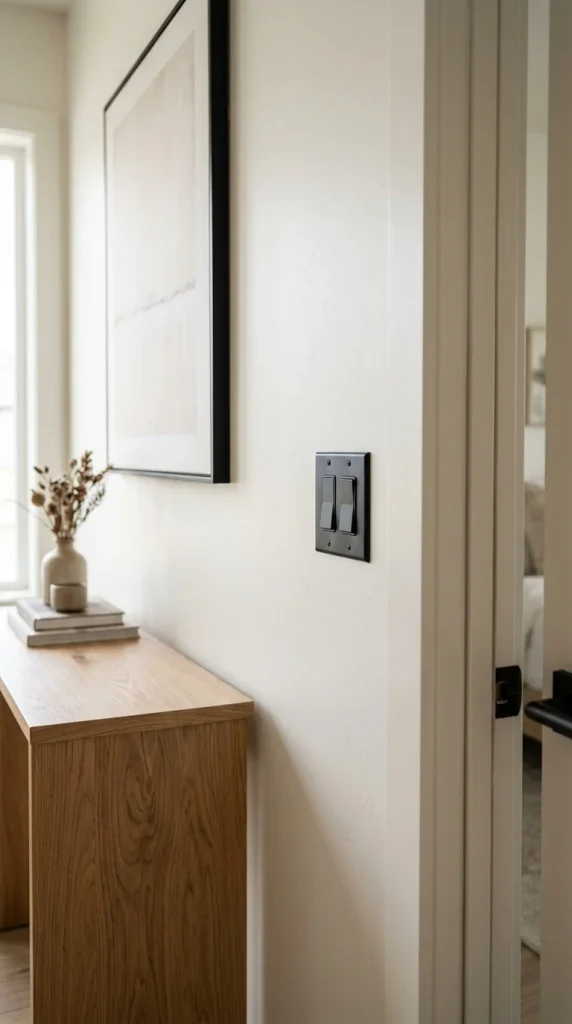
    Switch plates and outlet covers may seem like small details, but they can improve the overall look of a room. Replace yellowed, damaged, or outdated covers with clean white, matte black, or decorative options. Choose designs that work well with your wall color and interior style. Always switch off the relevant power before replacing covers, and use a qualified electrician if electrical work is needed.

    16. Cozy Area Rugs
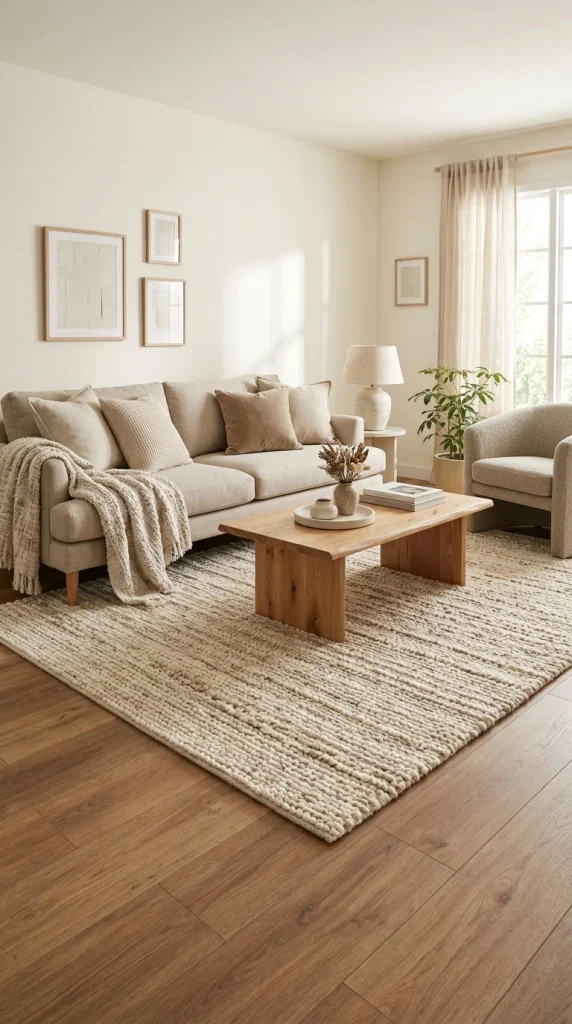
    An area rug can make a room feel warmer, more comfortable, and visually connected. Choose a soft neutral rug for a calm atmosphere or a patterned design to add personality to a simple space. In living rooms, select a size that fits comfortably beneath the main seating area. A properly sized rug helps define the room while making hard floors more pleasant underfoot.

    17. Modern Kitchen Faucets

    A modern kitchen faucet can improve the appearance and everyday use of your sink area. Choose a pull-down faucet for added convenience or a simple curved design for a clean, contemporary look. Finishes such as stainless steel, matte black, and brushed brass can complement different kitchen styles. Check the number of sink holes and the available space before purchasing a replacement.

    18. Decorative Throw Pillows

    Decorative throw pillows offer an easy and affordable way to refresh your living room or bedroom. Mix different textures, such as cotton, linen, and soft woven fabrics, to create a comfortable layered look. Choose two or three complementary colors to keep the arrangement balanced. Changing pillow covers with the seasons is a simple way to update your home without buying new furniture.

    19. Energy-Efficient Lighting
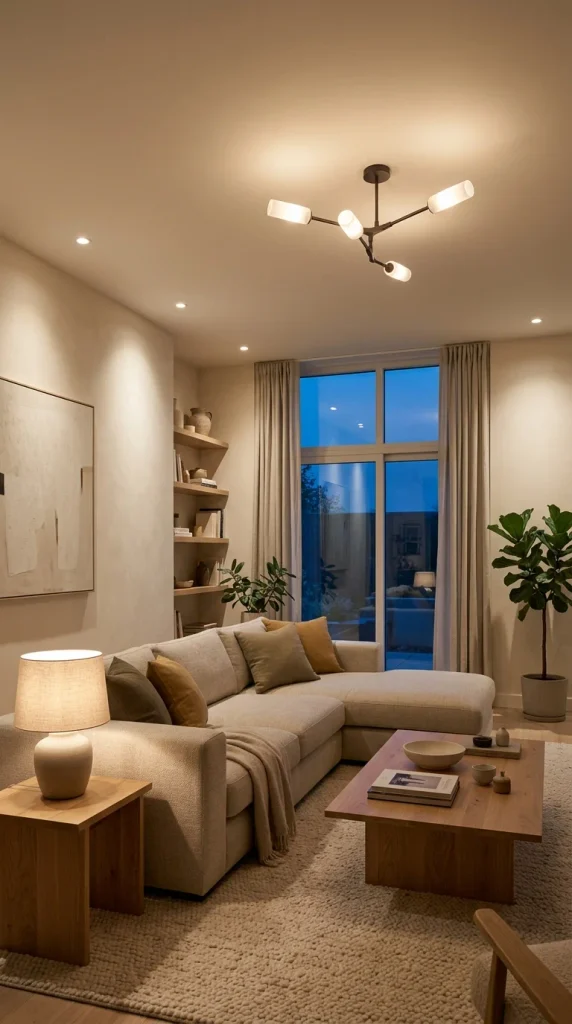
    Energy-efficient LED bulbs are a practical upgrade for almost any room. They generally use less electricity than traditional incandescent bulbs and often last much longer. Choose warm white bulbs for bedrooms and living areas, and brighter neutral white lighting for workspaces and kitchens. Check the bulb base, brightness, and compatibility with dimmer switches before making a replacement.

    20. Organized Closet Spaces

    An organized closet makes it easier to find clothes and keep your bedroom tidy. Use matching hangers, shelf dividers, small storage baskets, and drawer organizers to create a more functional arrangement. Store frequently used items where they are easy to reach and place seasonal belongings on higher shelves. You can improve closet storage without expensive remodeling by making better use of the space you already have.

    21. Welcoming Entryway Decor
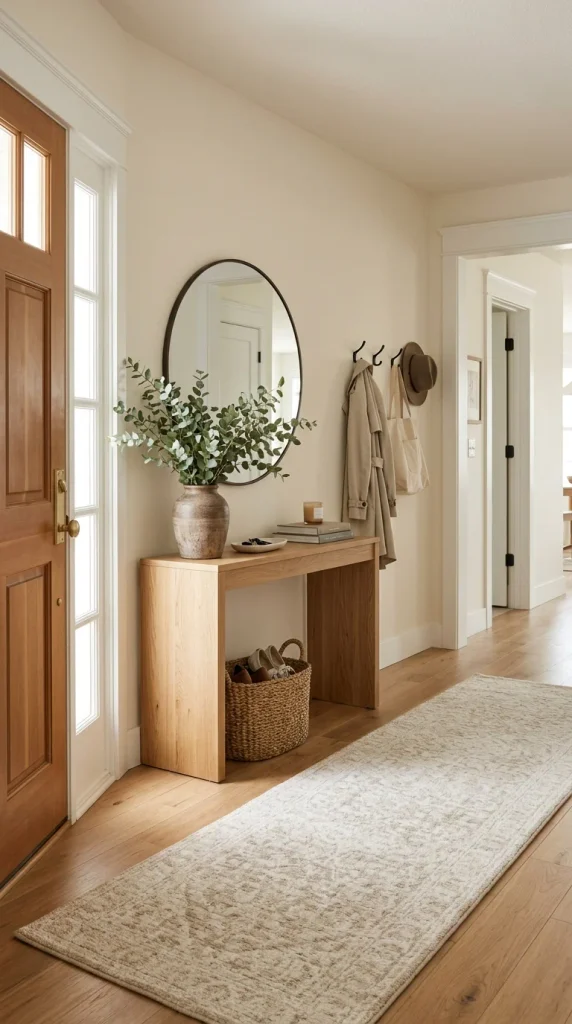
    A welcoming entryway helps your home feel organized and inviting from the moment you walk inside. Add a small console table, a decorative mirror, a basket for shoes, or a few hooks for everyday essentials. Keep the colors and accessories simple so the area does not feel crowded. Even a small entrance can become more practical and attractive with a few thoughtful changes.

    Conclusion

    Small home upgrades can transform your living space without the cost and effort of a major renovation. From fresh paint and modern lighting to smart storage and stylish accessories, simple improvements can make your home more comfortable, organized, and beautiful. Start with the areas that need the most attention and choose changes that suit your budget and personal style. With a little creativity, you can make a big difference one small upgrade at a time.

    Frequently Asked Questions

    1. What are the best small home upgrades on a budget?

    Fresh paint, new cabinet hardware, LED bulbs, decorative pillows, and floating shelves are excellent budget-friendly options. These changes can improve your home’s appearance without requiring expensive materials or professional renovations.

    2. How can I upgrade my home without renovating?

    Focus on cosmetic changes that do not require major construction. Update light fixtures, replace old handles, add curtains, organize storage, and introduce mirrors or indoor plants to refresh your rooms.

    3. Which home upgrades make a small room look bigger?

    Light wall colors, large mirrors, floating shelves, and appropriately sized rugs can help small rooms feel more spacious. Keeping surfaces clear and using furniture with visible legs can also make a room feel less crowded.

    4. What home upgrades add the most style to a room?

    Modern lighting, fresh paint, decorative wall molding, coordinated hardware, and attractive curtains can make a noticeable difference. Choose upgrades that complement each other instead of mixing too many competing styles.

    5. What colors are best for small home upgrades?

    Warm white, soft beige, light gray, and muted sage green work well in many interiors. You can introduce deeper colors, such as navy or charcoal, through accent walls, cabinet hardware, pillows, or smaller decorative items.

    6. Can I make home upgrades without hiring a professional?

    Yes, many simple upgrades, such as painting walls, organizing closets, installing suitable floating shelves, and changing decorative accessories, are manageable DIY projects. However, electrical work, plumbing changes, and installations requiring specialized skills should be handled by qualified professionals.

    7. How do I decide which home upgrade to do first?

    Start with the areas that affect your daily comfort or create the most clutter. Set a budget, compare the cost of different improvements, and choose one or two manageable projects at a time. This approach helps you improve your home gradually without overspending.

  • 21 Pink Fall Decor Ideas for a Soft, Cozy, and Beautiful Autumn Home

    21 Pink Fall Decor Ideas for a Soft, Cozy, and Beautiful Autumn Home

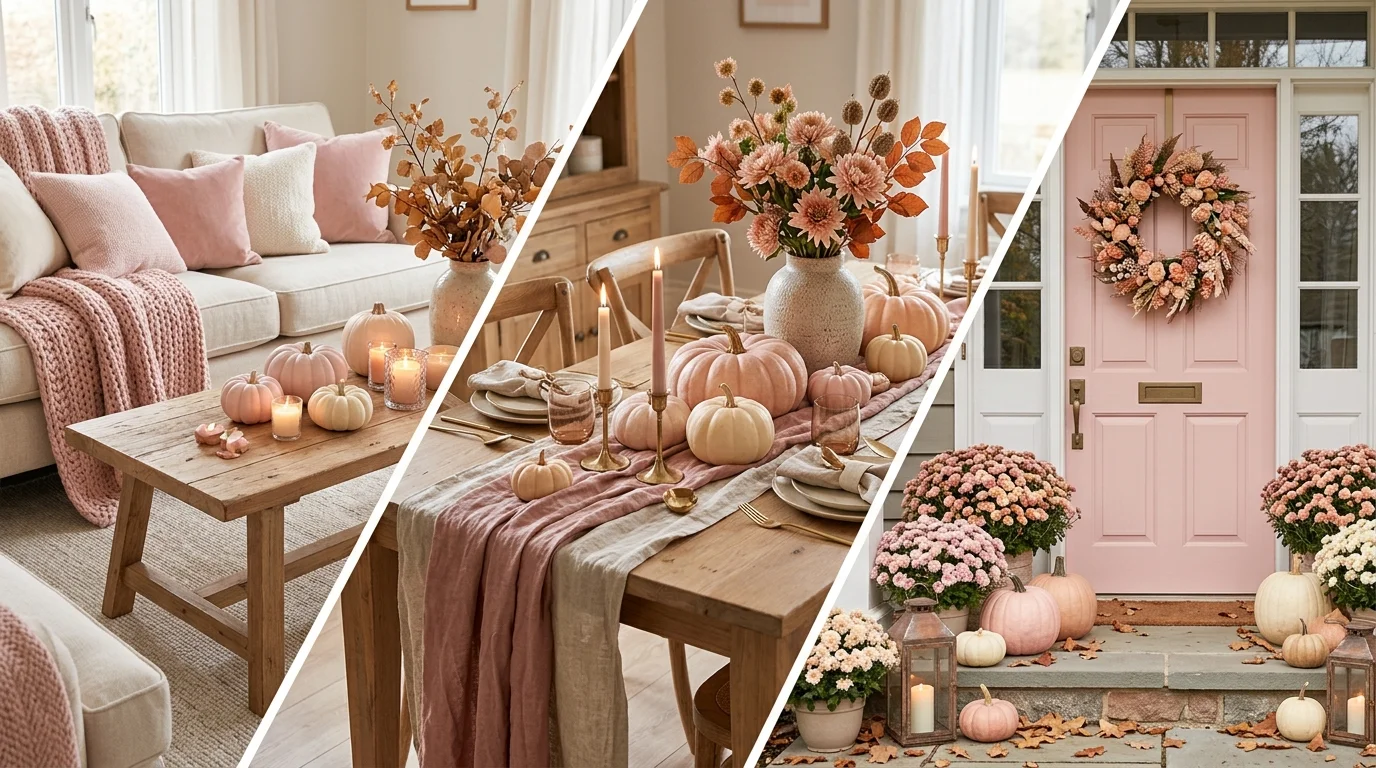
    Pink fall decor is a lovely way to make your home feel warm, cozy, and beautiful during autumn. From blush pink pumpkins and soft throw pillows to fall floral arrangements and elegant table centerpieces, there are many ways to add a seasonal touch. Pink pairs beautifully with cream, beige, gold, and rustic autumn colors for a soft and welcoming look. Explore these 21 pink fall decor ideas to create a charming and inviting autumn home.

    1. Blush Pink Pumpkin Decor

    Blush pink pumpkins are a lovely way to bring soft color into your home during autumn. You can place them on shelves, coffee tables, or your fireplace mantel for a cozy seasonal look. Mix different pumpkin sizes and add a few cream or white pumpkins for balance. This simple pink fall decor idea works well with both modern and farmhouse styles.

    2. Pink and Orange Fall Wreath

    A pink and orange fall wreath adds a cheerful touch to your front door. Choose a wreath with blush flowers, orange leaves, small berries, and natural branches for an autumn-inspired design. Hang it on a white, wooden, or neutral-colored door to make the colors stand out. You can also use a similar wreath above a mantel or on an indoor wall.

    3. Cozy Pink Fall Throw Pillows

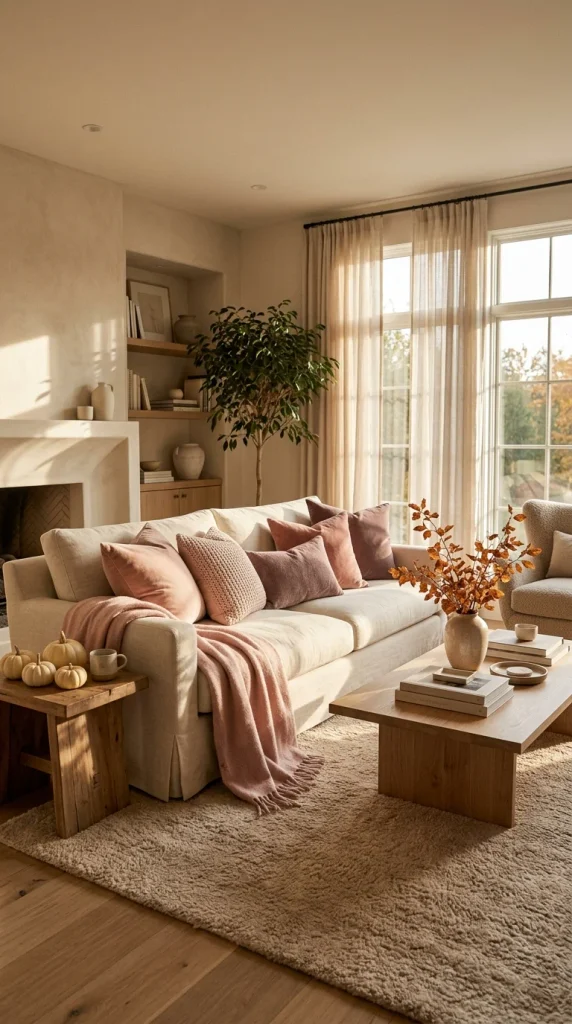
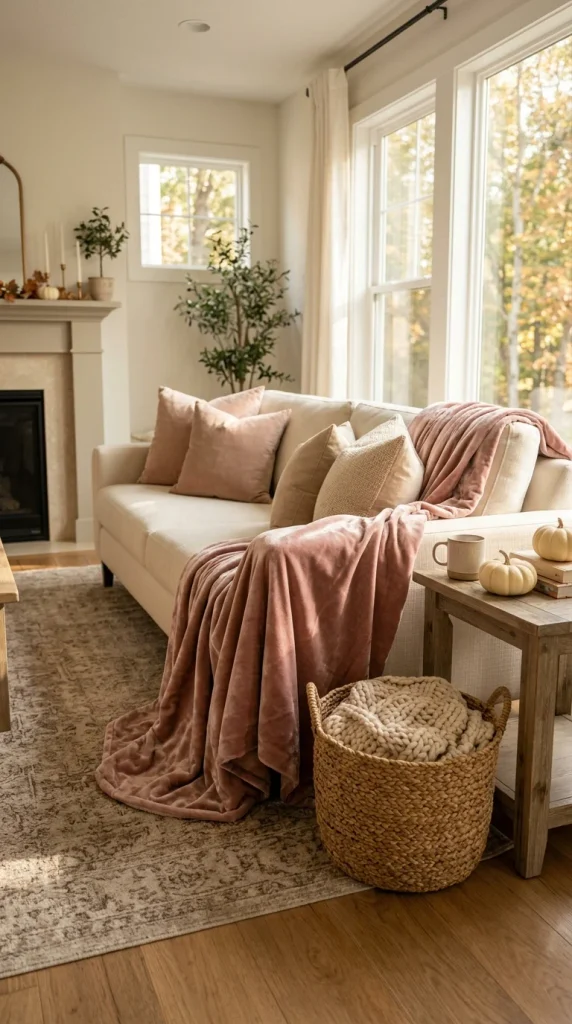
    Pink throw pillows can make your living room feel warm and comfortable when the weather gets cooler. Choose soft fabrics such as velvet, knitted cotton, or textured linen in blush, dusty pink, or rose shades. Combine them with beige, cream, or rust-colored pillows to create a balanced autumn look. Add a cozy blanket to your sofa to make the space even more inviting.

    4. Pink and Cream Fall Mantel Decor

    A pink and cream fireplace mantel creates a soft and elegant autumn display. Arrange blush pink pumpkins, cream candles, and small vases filled with seasonal flowers along the mantel. You can add a few dried leaves or natural branches to bring in a touch of fall texture. Keep the arrangement simple so the colors work together without making the space feel crowded.

    5. Pink Fall Table Centerpiece

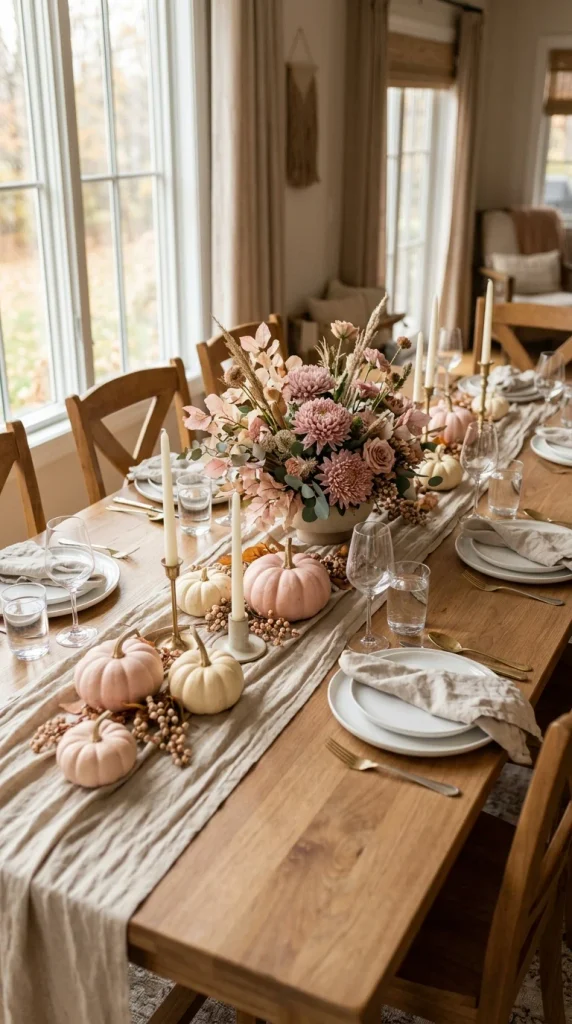
    A pink fall table centerpiece can make everyday meals and autumn gatherings feel more special. Place blush pumpkins in the center of your dining table and surround them with pink flowers or small cream candles. A neutral table runner helps connect the different colors and creates a clean, welcoming look. This decoration works beautifully for family dinners, seasonal parties, and Thanksgiving tables.

    6. Pink and Gold Pumpkin Display

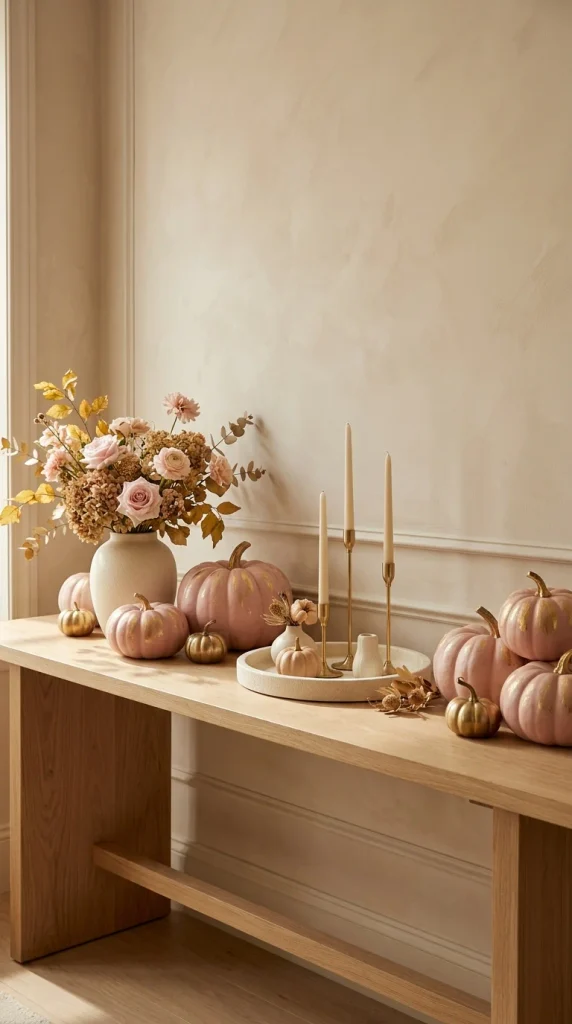
    Pink and gold pumpkins add a little shine to your autumn decorations without making them look too bold. Use blush pink pumpkins with small gold-painted accents or metallic gold pumpkins for contrast. Arrange them on a decorative tray, bookshelf, or entryway console to create an attractive display. Pairing gold with soft pink and cream creates a warm and polished fall decorating style.

    7. Pink Autumn Floral Arrangements

    Pink autumn floral arrangements bring natural beauty and gentle color into your home. Choose roses, chrysanthemums, dahlias, or seasonal flowers in blush and dusty pink shades. Place them in ceramic, glass, or rustic vases and add a few dried branches for an autumn touch. These arrangements look lovely on dining tables, kitchen counters, bedside tables, or living room consoles.

    8. Pink Fall Living Room Decor

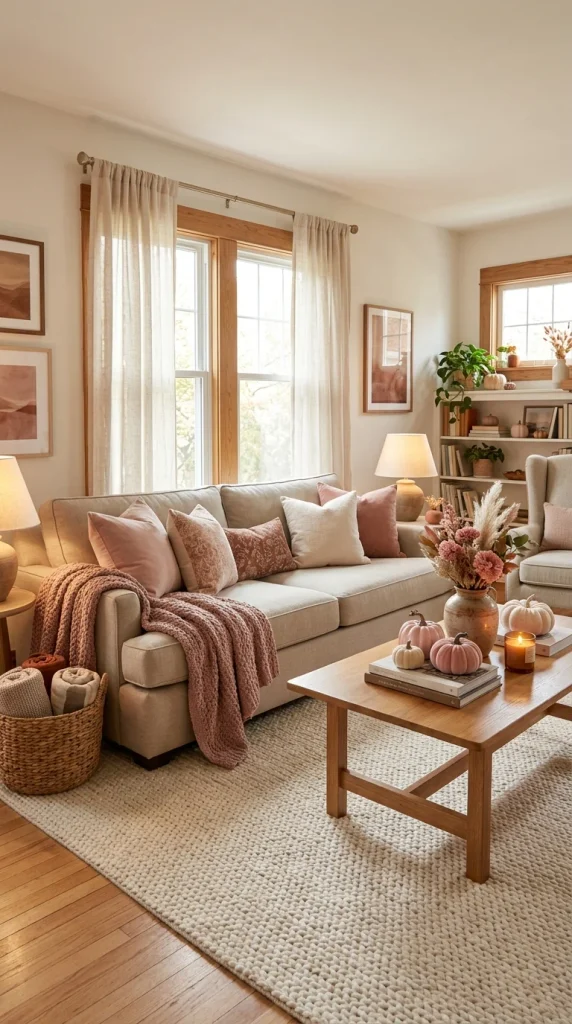
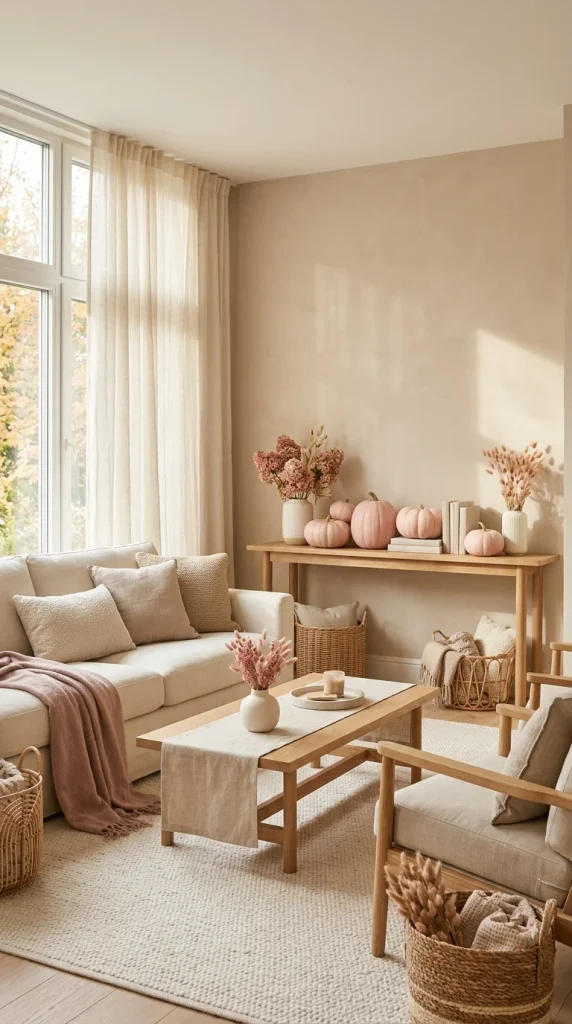
    Pink fall living room decor can make your main gathering space feel fresh, cozy, and inviting. Add pink cushions, a soft throw blanket, and a few blush pumpkins to your existing furniture. Cream rugs, wooden accents, and warm lighting help create a comfortable autumn atmosphere. You do not need to change everything; a few carefully chosen pink accessories can make a noticeable difference.

    9. Pink and White Dining Table Decor

    A pink and white dining table creates a fresh and elegant setting for autumn meals. Use white plates, blush pink napkins, and a simple pink floral centerpiece to bring the look together. Wooden chargers or gold cutlery can add warmth without taking attention away from the soft color palette. This style is ideal for anyone who wants a light, graceful alternative to traditional dark fall decorations.

    10. Pink Fall Tiered Tray Styling

    A tiered tray is a practical way to display small pink fall decorations in your kitchen or dining area. Add miniature blush pumpkins, tiny flower arrangements, small decorative signs, and cream-colored accessories. Use different heights and textures to make the display interesting while leaving enough open space between the items. A pink fall tiered tray looks especially charming on a kitchen counter, coffee bar, or sideboard.

    11. Pink Velvet Throw Blankets

    A pink velvet throw blanket adds softness and warmth to your home during the autumn season. Drape it over the arm of a sofa, place it at the end of your bed, or fold it neatly inside a basket. Blush pink and dusty rose shades pair beautifully with cream furniture, beige walls, and natural wood. This simple decoration is also useful for staying comfortable on cool autumn evenings.

    12. Pink and Neutral Entryway Decor

    Pink and neutral entryway decor creates a welcoming first impression as soon as guests enter your home. Place a blush pink vase with seasonal flowers on a console table and add a few small pumpkins nearby. A woven basket, wooden bowl, or cream-colored runner can bring extra texture to the space. Keep the arrangement simple so your entryway remains attractive and easy to use every day.

    13. Pink Fall Coffee Table Decor

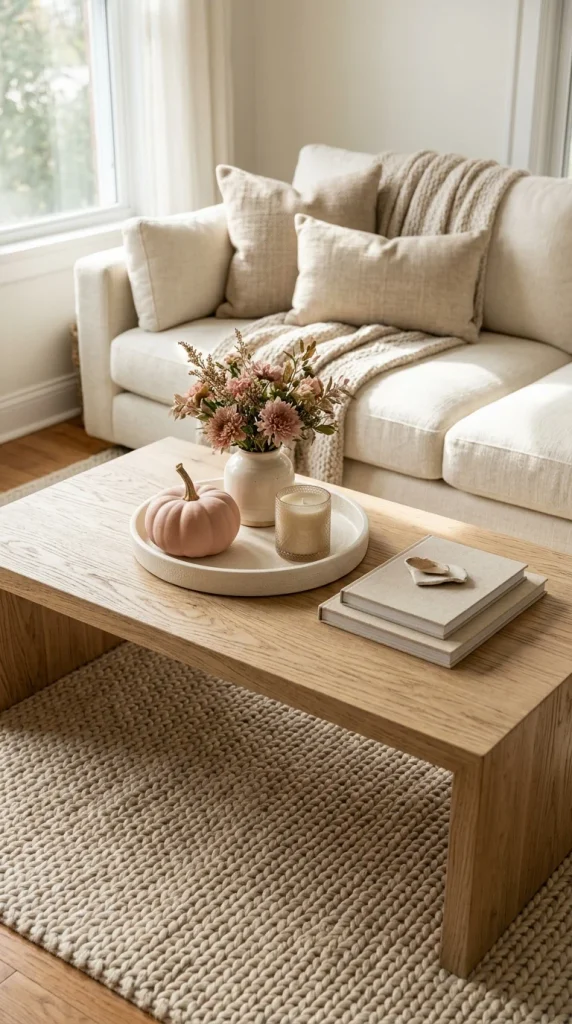
    Pink fall coffee table decor is an easy way to refresh your living room for the season. Start with a decorative tray and arrange a small pink pumpkin, a ceramic vase, and a candle on top. Add a couple of neutral-colored books to create different heights and make the display feel balanced. Keep enough space available for drinks and everyday items so your coffee table stays practical as well as beautiful.

    14. Pink Ceramic Vase Arrangements

    Pink ceramic vases are simple decorative pieces that can add a gentle autumn touch to almost any room. Choose matte blush, dusty rose, or pale pink finishes that complement your existing furniture and wall colors. Fill the vases with dried grasses, pink flowers, or branches with autumn leaves. You can display one large vase on its own or group two or three smaller vases for a more layered look.

    15. Pink and Terracotta Fall Decor

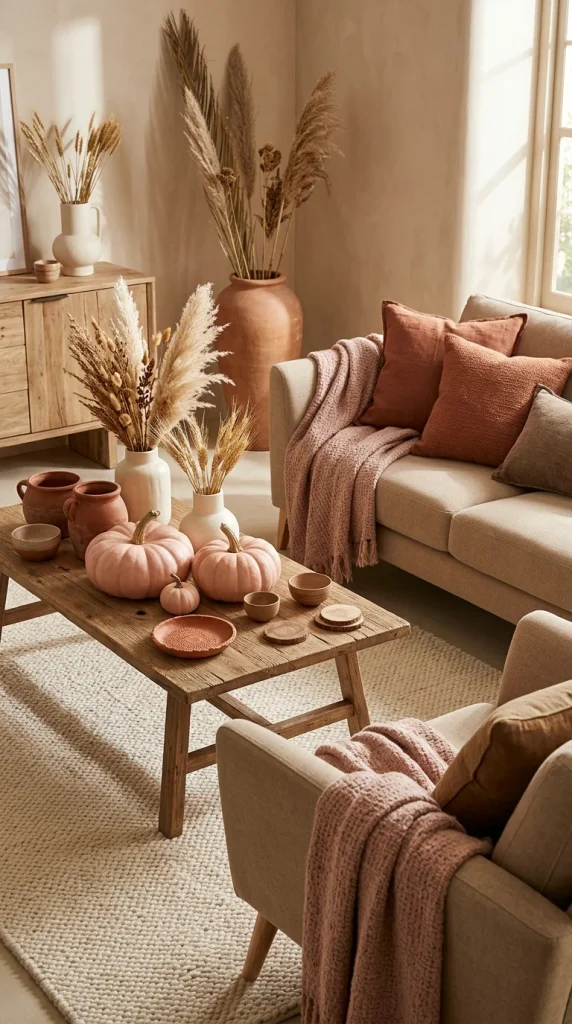
    Pink and terracotta create a warm color combination that feels perfect for autumn. Pair blush pink pumpkins with terracotta-colored cushions, earthy pottery, or rust-toned accessories. The soft pink balances the deeper orange-brown shades and keeps the overall look gentle and welcoming. This combination works especially well in living rooms, bedrooms, and dining areas with wooden furniture and neutral walls.

    16. Pink Autumn Bedroom Accents

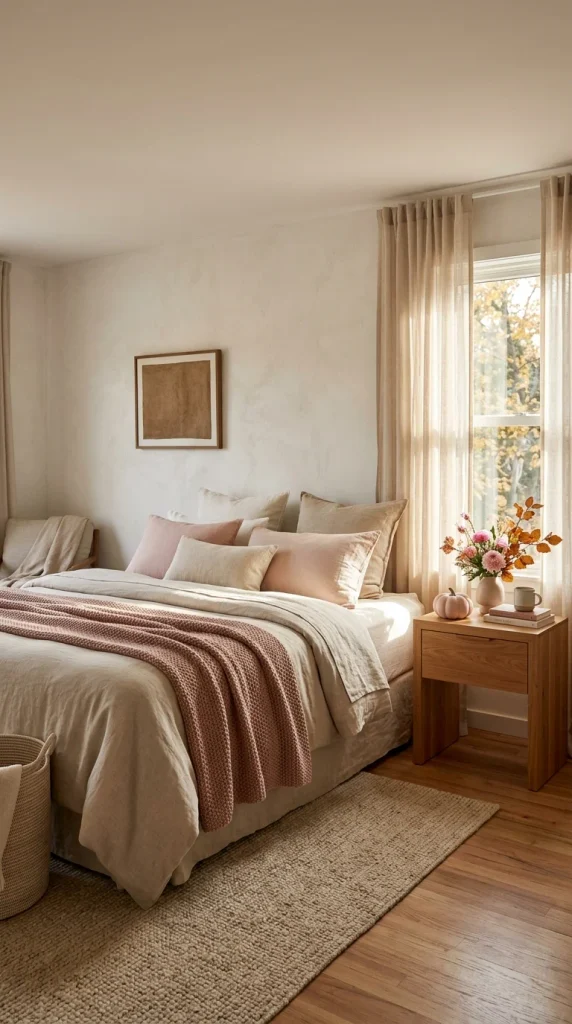
    Pink autumn bedroom accents can make your sleeping space feel peaceful, comfortable, and seasonally refreshed. Add blush pink bedding, a dusty rose throw, or a few soft cushions to your existing bed. Cream sheets, warm beige curtains, and wooden bedside tables help create a balanced and relaxing atmosphere. You can also place a small pink pumpkin or floral arrangement on your nightstand for a subtle seasonal detail.

    17. Pink Fall Candle Displays

    Pink fall candle displays add a soft glow and a cozy feeling to your autumn home. Arrange candles in blush, cream, or muted rose shades on a decorative tray with small pumpkins and seasonal leaves. Place the display on a dining table, mantel, or sideboard where it can become a gentle focal point. For safety, keep burning candles away from dried flowers, fabric, and other flammable decorations.

    18. Pink Rustic Farmhouse Decor

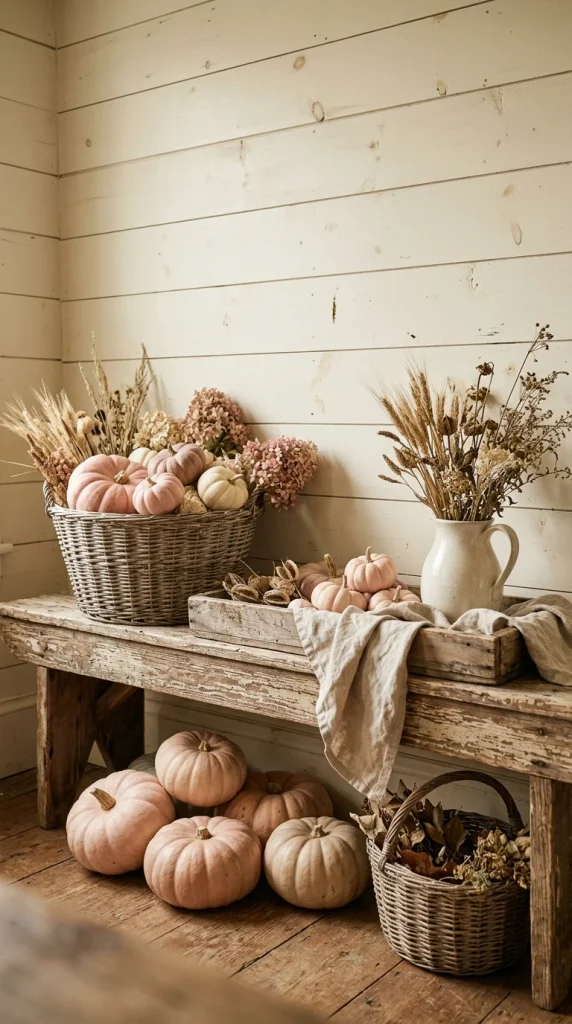
    Pink rustic farmhouse decor combines soft colors with natural materials for a relaxed autumn style. Use blush pumpkins, distressed wooden trays, woven baskets, and simple ceramic vases to create a warm display. Add cream fabrics and dried branches to keep the arrangement connected to the fall season. This decorating idea is ideal if you love the comfortable farmhouse look but want something softer than traditional orange and brown decor.

    19. Pink Fall Front Porch Decor

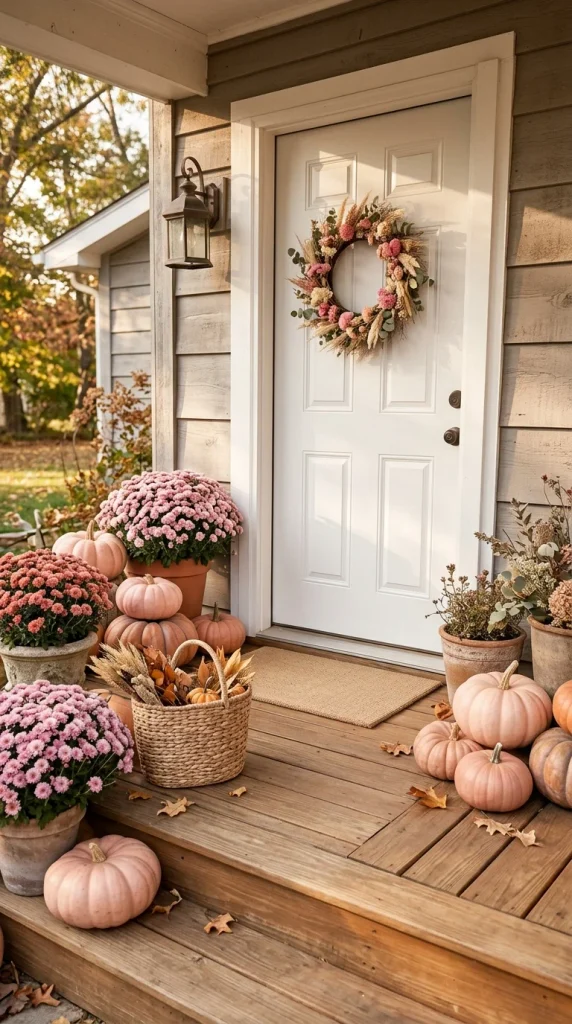
    Pink fall front porch decor gives your home’s entrance a charming and unexpected seasonal look. Arrange blush pink pumpkins beside traditional orange pumpkins and add a pot of pink chrysanthemums near the doorway. A neutral doormat, woven basket, or pink-and-cream wreath can complete the display. If your porch receives direct sunlight or rain, choose weather-resistant decorations and keep delicate fabrics in a covered area.

    20. Pink and Beige Autumn Decorations

    Pink and beige autumn decorations create a calm, coordinated look that suits many home styles. Combine blush pumpkins, beige cushions, cream vases, and natural woven accessories throughout your living space. These colors work well together because beige provides warmth while pink adds a gentle decorative touch. Repeat the same shades in two or three places to make your fall decor feel connected without looking overly matched.

    21. Soft Pink and Burgundy Fall Decor

    Soft pink and burgundy fall decor offers a rich, romantic look for the autumn season. Pair blush pink pumpkins or flowers with burgundy leaves, deep red cushions, and warm cream accessories. The darker shades add depth, while soft pink keeps the arrangement light and elegant. Try this color combination on a dining table, fireplace mantel, or living room console for a beautiful seasonal display.

    Conclusion

    Pink fall decor is a beautiful way to make your home feel cozy, warm, and inviting throughout autumn. From blush pink pumpkins and floral arrangements to soft throw blankets and elegant table centerpieces, small decorative changes can create a lovely seasonal atmosphere. Combine pink with cream, beige, gold, or burgundy to suit your personal style. With these pink fall decor ideas, you can create a beautiful autumn home that feels comfortable, stylish, and welcoming.

    Frequently Asked Questions

    1. How can I decorate my home with pink fall decor on a budget?

    You can decorate on a budget by repainting old pumpkins in blush pink, adding affordable throw pillow covers, or using flowers you already have in simple vases. Shop your home for neutral trays, baskets, and candles before buying new accessories. A few pink accents can refresh your space without requiring a complete makeover.

    2. What colors go well with pink fall decorations?

    Pink looks beautiful with cream, beige, white, gold, terracotta, and burgundy. Cream and beige create a soft, neutral look, while terracotta adds an earthy autumn feel. Burgundy is a good choice if you prefer a richer and more dramatic seasonal style.

    3. How can I use pink fall decor in a small space?

    Choose a few small decorations instead of filling every surface. A blush pumpkin on a coffee table, pink cushions on a sofa, or a small floral arrangement can add seasonal charm without taking up much room. Using similar colors throughout the space also helps it feel calm and coordinated.

    4. Is pink fall decor suitable for farmhouse-style homes?

    Yes, pink fall decor works very well with farmhouse interiors. Combine blush pumpkins with distressed wood, woven baskets, cream fabrics, and simple ceramic pieces. These natural textures keep the decorations rustic and comfortable while adding a soft, modern touch.

    5. What are the easiest DIY pink fall decorations?

    Painting small pumpkins in blush or dusty pink is one of the easiest DIY options. You can also decorate a plain wreath with pink flowers, arrange seasonal branches in a ceramic vase, or create a centerpiece using pumpkins and candles. These projects are simple and can often be made with items you already own.

    6. When should I start decorating with pink fall decor?

    You can begin decorating in late summer or early autumn when you want to introduce seasonal colors into your home. Start with lightweight pink accents, then add pumpkins, textured blankets, and richer autumn colors as the weather cools. You can keep the decorations throughout fall and Thanksgiving if they suit your home.

    7. How can I make pink fall decor look elegant rather than overly bright?

    Choose muted shades such as blush, dusty rose, and soft mauve instead of very bright pink. Balance them with cream, beige, natural wood, and a few metallic accents. Using a limited color palette and leaving some empty space around decorations will help your home look polished and elegant.

  • 21 Sunroom Paint Colors to Create a Bright and Cozy Space

    21 Sunroom Paint Colors to Create a Bright and Cozy Space

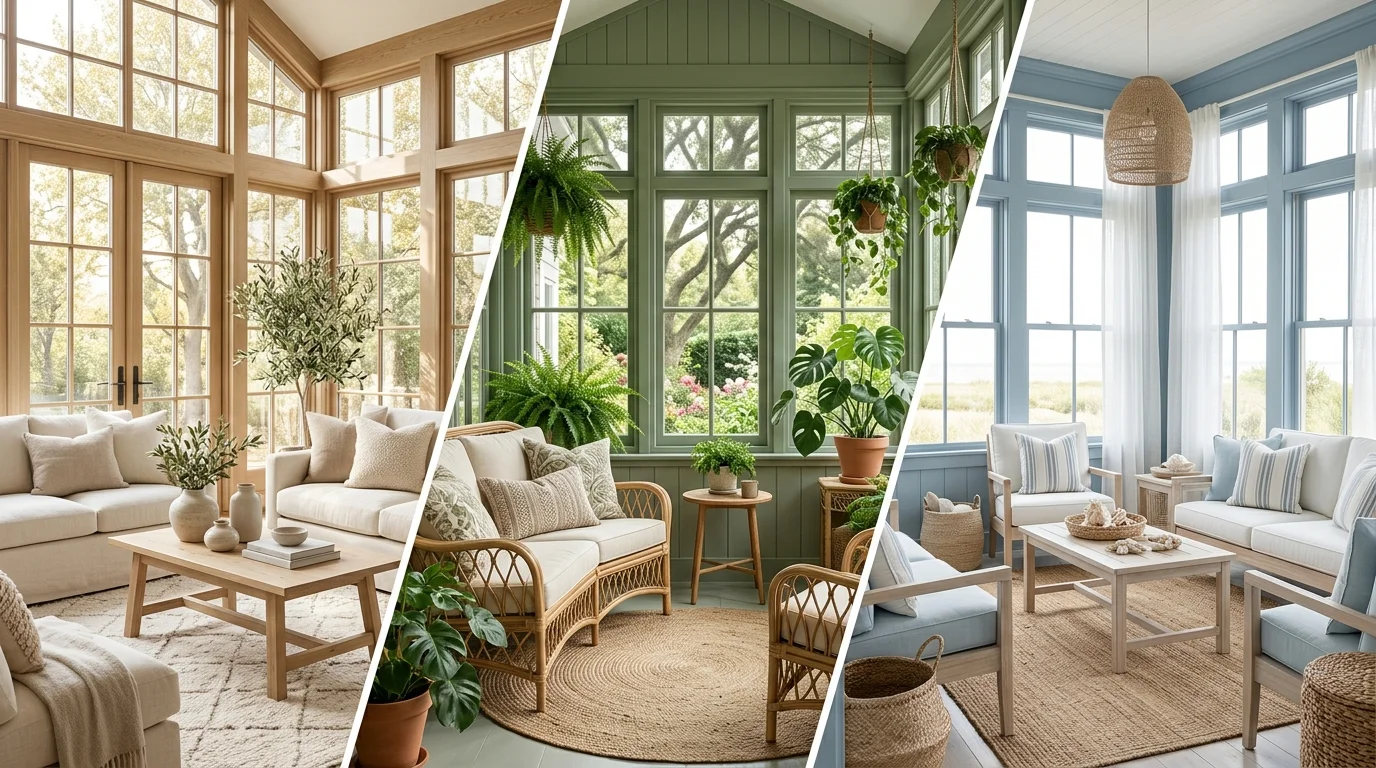
    The right sunroom paint colors can make your space feel brighter, warmer, and more inviting. From soft white and cream to sage green and dusty blue, sunroom wall colors can beautifully enhance natural light. Neutral and earthy shades create a calm, timeless look, while coastal colors bring a fresh feel. Explore these sunroom color ideas to find the perfect shade for a bright and cozy retreat.

    1. Warm White Sunroom Walls

    Warm white is a simple choice that makes a sunroom feel bright, clean, and welcoming. It works especially well when the room receives plenty of natural sunlight throughout the day. Unlike a cool white, a warm shade adds softness without making the space feel plain. Pair it with natural wood, woven furniture, and soft neutral fabrics for a cozy and timeless look.

    2. Soft Cream Sunroom Paint

    Soft cream brings warmth and comfort to a sunroom while still keeping the space light. It is a great alternative to bright white if you want a more relaxed and inviting atmosphere. Cream walls look beautiful with beige furniture, wooden accents, and natural textures. This timeless color also works well with both traditional and modern decorating styles.

    3. Light Beige Sunroom Color

    Light beige creates a calm backdrop that allows your furniture and accessories to stand out. Its warm tone works beautifully with sunlight and natural materials such as rattan and wood. Use beige walls with white trim to create a soft contrast without making the room feel busy. This is an excellent choice for a cozy sunroom that you can enjoy throughout the year.

    4. Warm Greige Sunroom Walls

    Warm greige combines the softness of beige with the clean appearance of gray. It gives sunroom walls a modern look while keeping the space comfortable and warm. This versatile color pairs easily with cream, white, brown, and muted green furnishings. Choose a lighter greige if your sunroom is small or you want to maintain an airy feeling.

    5. Soft Gray Sunroom Paint

    Soft gray can give a sunroom a fresh and sophisticated appearance without feeling too cold. Choose a warm or neutral gray to complement the natural light coming through the windows. It works well with white furniture, light wood, greenery, and simple fabrics. Add warm accessories to keep the room balanced and inviting.

    6. Sage Green Sunroom Walls

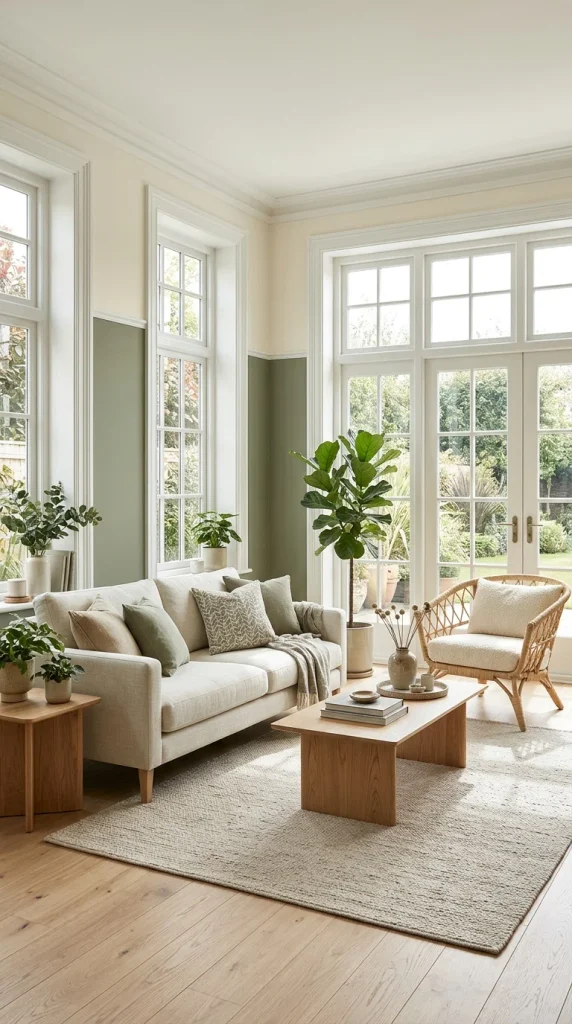
    Sage green is a beautiful choice for creating a peaceful connection with nature. Its muted green tone looks especially attractive in a room filled with sunlight and plants. Pair it with natural wood, cream upholstery, and woven accents for a relaxed atmosphere. Sage green adds gentle color while keeping the bright character of the sunroom.

    7. Olive Green Sunroom Color

    Olive green adds a deeper, earthy feeling while still working beautifully with natural surroundings. It can make a large sunroom feel more grounded and comfortable. Use it with warm wood furniture, cream fabrics, and simple greenery for a natural look. If the shade feels too strong for all the walls, use it on one accent wall instead.

    8. Light Blue Sunroom Paint

    Light blue brings a fresh and peaceful feeling to a bright sunroom. The soft color can make the room feel open while adding a gentle touch of personality. Pair it with white trim, light-colored furniture, and natural woven materials for a relaxed style. It is a great choice for a clean, airy, and calming sunroom.

    9. Dusty Blue Sunroom Walls

    Dusty blue offers more depth than pale blue while keeping the overall look soft and welcoming. Its muted quality makes it easy to combine with neutral furniture and natural textures. Add cream curtains, wooden tables, or beige seating to create a comfortable balance. This shade works well when you want a sunroom that feels classic and casually elegant.

    10. Navy Blue Accent Wall

    Navy blue can add a dramatic focal point to an otherwise light and airy sunroom. Using it on one wall creates contrast without making the entire space feel dark. Balance the deeper color with white, cream, or light beige furniture and plenty of natural light. It works especially well behind a seating area, fireplace, or other architectural feature.

    11. Natural Taupe Sunroom Paint

    Natural taupe gives a sunroom a warm, earthy appearance that feels timeless and comfortable. It works particularly well with wood furniture, linen fabrics, and woven decorative pieces. The neutral tone allows colorful plants and accessories to become natural focal points. Choose a lighter taupe if you want to maintain the bright and spacious feeling of the room.

    12. Warm Tan Sunroom Walls

    Warm tan adds subtle richness while keeping a sunroom inviting and relaxed. It pairs naturally with wood, rattan, leather, and other warm materials. Use lighter curtains and neutral furniture to keep the room from feeling too heavy. This color is a good choice for creating a cozy retreat with a comfortable and natural character.

    13. Pale Yellow Sunroom Color

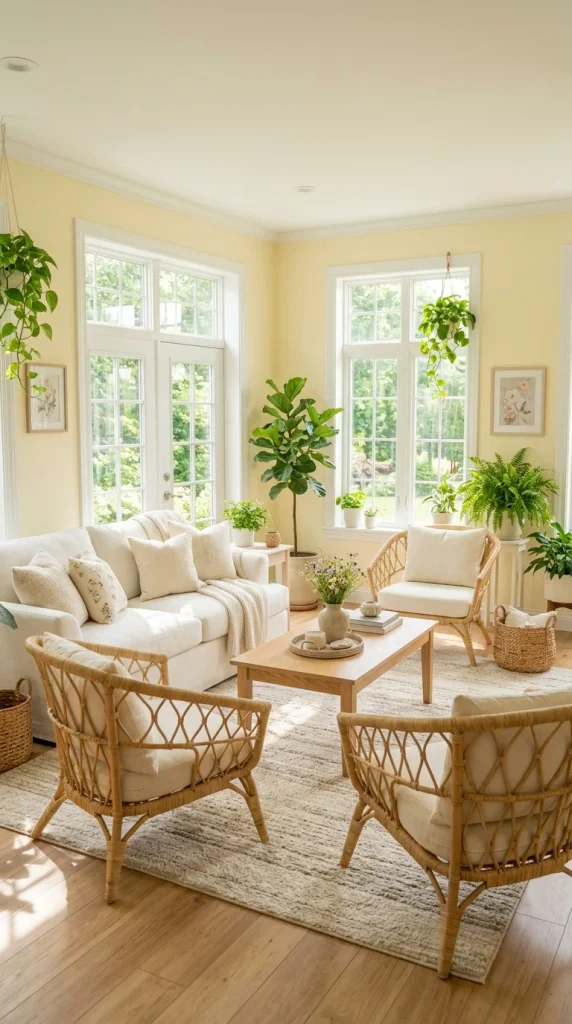
    Pale yellow can make a sunroom feel cheerful and naturally sunny without using a strong color. Its gentle warmth works beautifully with the natural light that enters through large windows. Pair it with white furniture, light wood, and green plants for a fresh appearance. Choose a muted yellow rather than a bright shade for a softer and more timeless result.

    14. Soft Blush Sunroom Paint

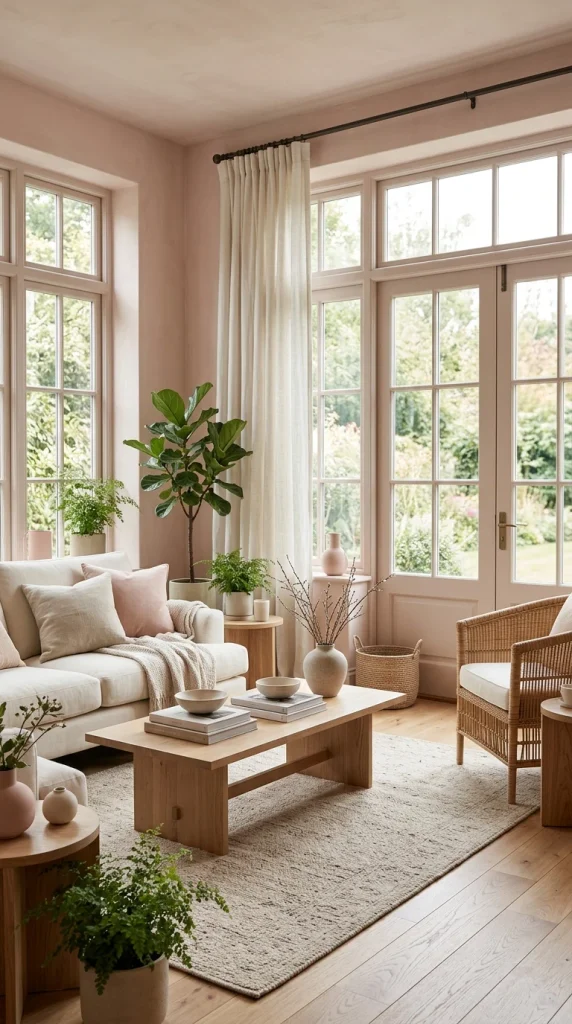
    Soft blush adds a delicate touch of warmth without becoming too bold or overwhelming. It works well in sunrooms where you want a gentle and welcoming atmosphere. Pair blush walls with cream, beige, natural wood, or muted green accents for balance. This color can give the room personality while keeping the overall design elegant.

    15. Earthy Green Sunroom Walls

    Earthy green shades help bring the feeling of the outdoors into your sunroom. They work especially well with rooms filled with houseplants, wooden furniture, and natural textures. Choose a muted green for a calm appearance rather than a very bright shade. This color family is ideal for creating a relaxing space that feels connected to nature.

    16. Terracotta Sunroom Color

    Terracotta adds warmth and character to a sunroom with its earthy, clay-inspired appearance. Because it is a stronger color, it can work beautifully as an accent wall or feature color. Balance it with cream, beige, natural wood, and woven materials to keep the space inviting. It is a good choice when you want your sunroom to feel warm and visually interesting.

    17. Coastal Blue and White

    Blue and white create a fresh combination that works naturally in bright sunrooms. Use soft blue on the walls with white trim, furniture, or decorative accents for a light coastal feel. Natural wood and woven accessories can add warmth and prevent the room from looking too plain. This combination is perfect for a relaxed and breezy atmosphere.

    18. Neutral Sunroom Paint Colors

    Neutral paint colors are a dependable choice when you want flexibility in your sunroom design. White, cream, beige, taupe, and greige can create a comfortable background for many decorating styles. They also make it easier to change pillows, rugs, curtains, and furniture over time. Choose a warm neutral if you want the room to feel cozy rather than stark.

    19. Nature-Inspired Sunroom Colors

    Nature-inspired colors can make a sunroom feel connected to the outdoor landscape. Soft greens, earthy browns, muted blues, sandy beige, and warm cream all work beautifully in this type of space. These shades pair naturally with plants, wood, stone, and woven materials. They are a practical choice when you want a peaceful room that feels relaxed throughout the year.

    20. Two-Tone Sunroom Paint

    Two-tone paint can add visual interest without requiring complicated decoration. Try a lighter color on the upper walls with a slightly deeper shade below for a balanced effect. You can also use one color on the main walls and another on an architectural feature or accent wall. Keep the shades within the same color family if you want the room to feel cohesive.

    21. Dark Accent Sunroom Wall

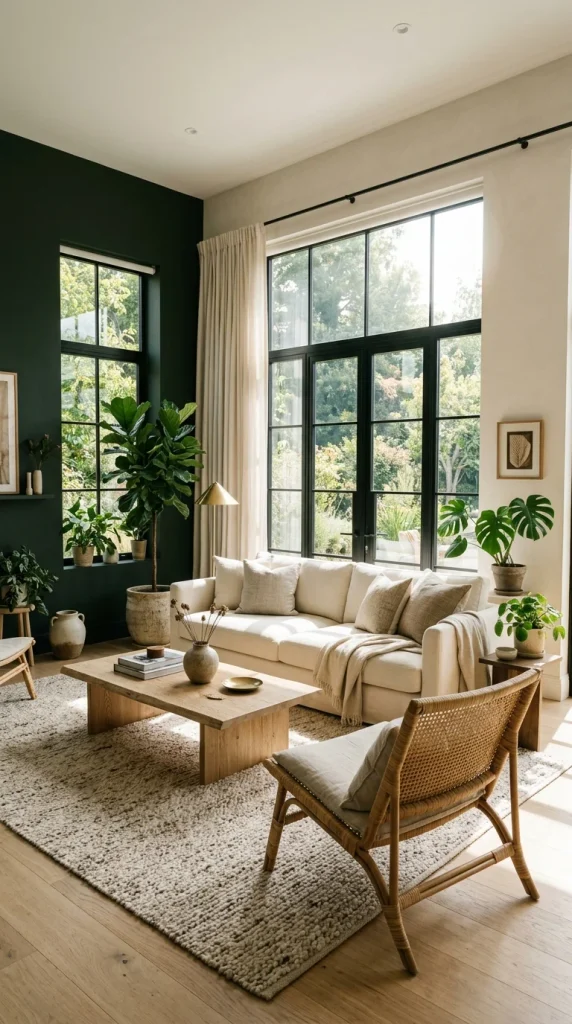
    A dark accent wall can give a bright sunroom a strong focal point and a sophisticated feel. Deep green, charcoal, navy, or rich brown can work well when balanced with lighter surfaces. Use the darker shade behind a seating area, fireplace, bookshelf, or another feature you want to highlight. Keep the remaining walls light to maintain the open and sunny character of the room.

    Conclusion

    The best sunroom paint colors should work with natural light while creating a comfortable and welcoming atmosphere. Soft neutrals are ideal for a timeless look, while greens, blues, and earthy shades can add more personality. Consider your furniture, window placement, and room size before choosing a color. With the right shade, your sunroom can become a bright and cozy place to relax.

    Frequently Asked Questions

    What are the best paint colors for a sunroom?

    Warm white, cream, beige, sage green, light blue, and soft greige are excellent choices because they work well with natural sunlight and create a comfortable atmosphere.

    What color makes a small sunroom look bigger?

    Light colors such as warm white, cream, pale beige, and light blue can make a small sunroom feel more open and spacious.

    Should a sunroom be painted a light or dark color?

    Light colors are usually best for emphasizing brightness and openness. Dark colors can also work well as an accent wall, especially in a large sunroom with plenty of windows.

    What are good neutral colors for sunroom walls?

    Warm white, cream, beige, taupe, greige, and soft gray are versatile neutral choices that work well with wood furniture, plants, and natural textures.

    Can I use green paint in a sunroom?

    Yes, green is an excellent choice because it connects the interior with nature. Sage, olive, and muted earthy greens work especially well with natural wood and plants.

    How do I choose a sunroom paint color with lots of windows?

    Test several paint samples on different walls and look at them throughout the day. Natural light can change how a paint color appears from morning to evening.

    What colors work best with natural wood in a sunroom?

    Cream, warm white, beige, sage green, soft blue, and earthy taupe pair beautifully with natural wood and create a warm, relaxed look.

  • 25 Front Yard Flower Bed Ideas to Boost Your Home’s Curb Appeal

    25 Front Yard Flower Bed Ideas to Boost Your Home’s Curb Appeal

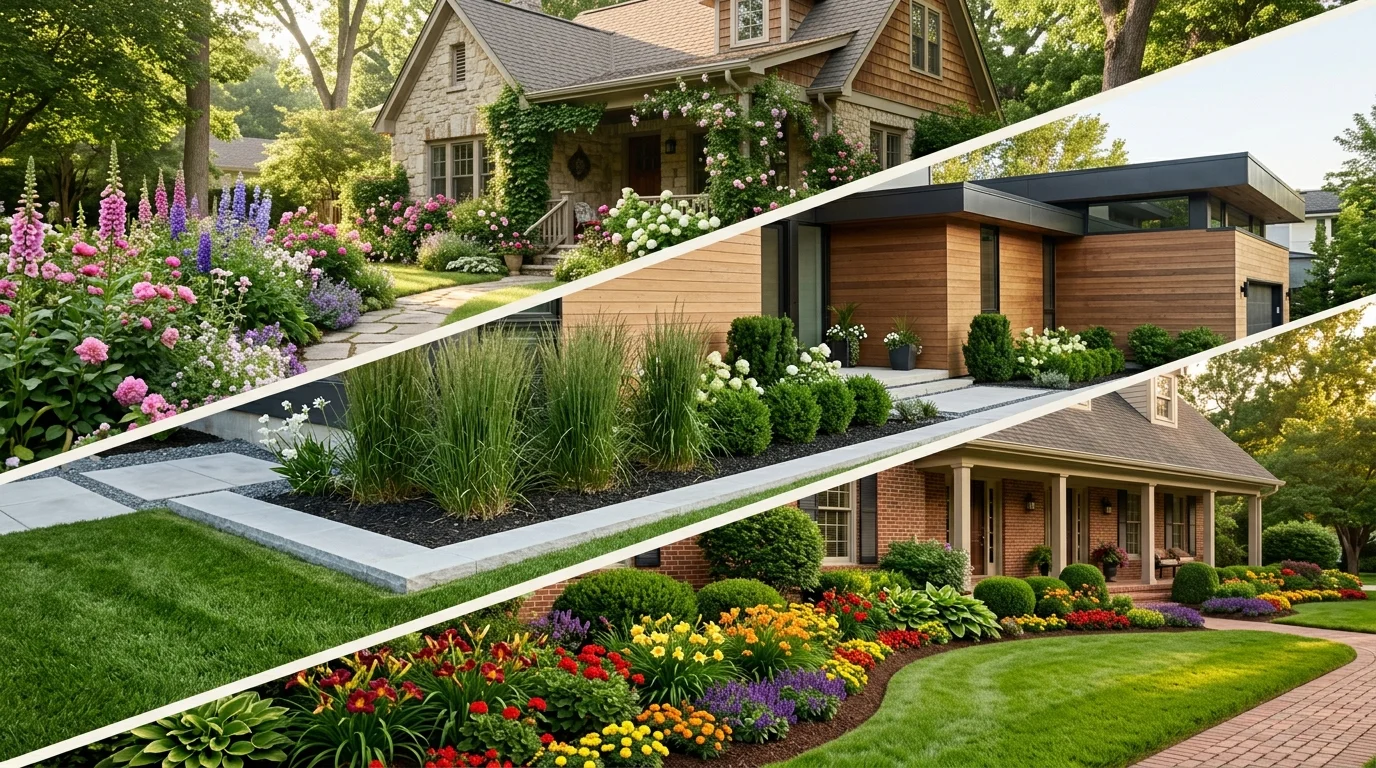
    A beautiful front yard can instantly make your home feel more welcoming, and front yard flower beds are an easy way to add color and charm. From simple flower beds for the front yard to layered designs with shrubs, edging, and seasonal blooms, there are many styles to explore. Front yard flower bed ideas can work for large lawns, small spaces, walkways, and entryways alike. With the right flowers and layout, you can create colorful landscaping that improves your home’s curb appeal. Whether you prefer a modern, cottage-style, or low-maintenance look, these 25 front yard flower bed ideas can help you create a beautiful outdoor space.

    1. Classic Cottage Front Yard Flower Bed

    A classic cottage flower bed brings a soft and welcoming feeling to the front yard. Use a mix of colorful flowers, leafy plants, and a few small shrubs for a natural look. Let the plants grow in relaxed layers instead of keeping everything perfectly even. This style works especially well around porches, walkways, and traditional homes. Choose flowers that bloom at different times to keep the bed attractive through the seasons.

    2. Colorful Mixed Flower Bed

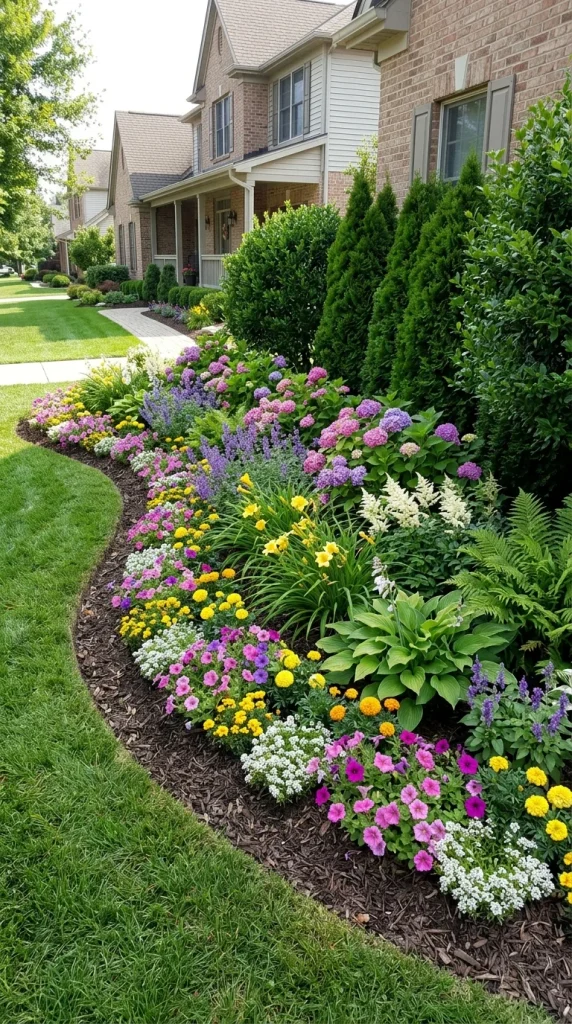
    A colorful mixed flower bed can make your front yard feel cheerful and full of life. Combine flowers in different heights, shapes, and colors to create an interesting display. Place taller plants toward the back and shorter blooms near the edge for a balanced arrangement. Soft pinks, purples, yellows, and whites can work beautifully together. Keep the color palette connected to your home’s exterior for a polished appearance.

    3. Low-Maintenance Front Yard Flower Bed

    A low-maintenance flower bed is perfect if you want beautiful landscaping without spending hours caring for it. Choose hardy plants that can handle your local growing conditions and need less frequent attention. Adding mulch around the plants can help retain moisture and reduce unwanted weeds. Keep the design simple with a few dependable plant varieties. This creates an attractive front yard while making regular maintenance easier.

    4. Curved Flower Bed Along the Lawn

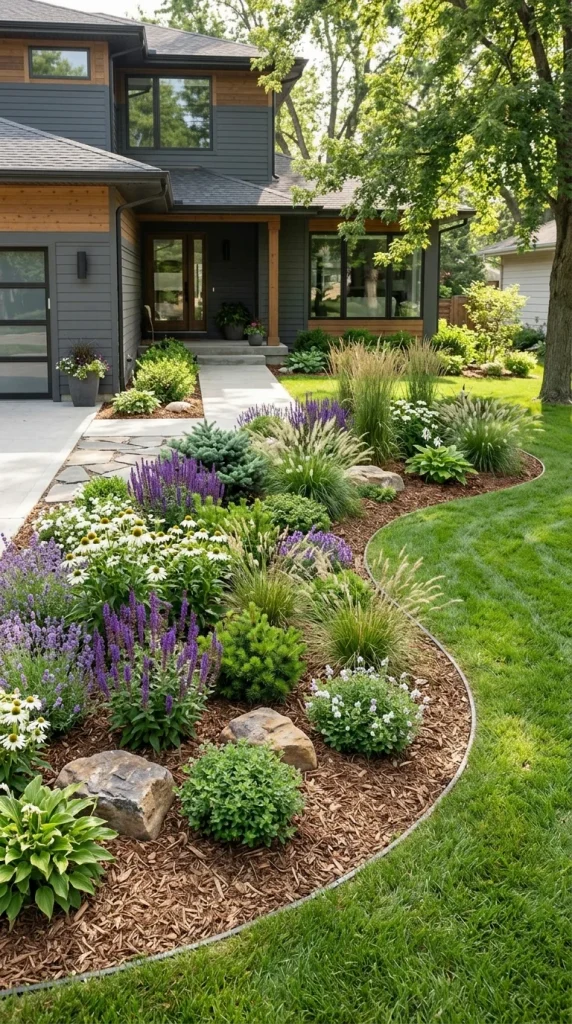
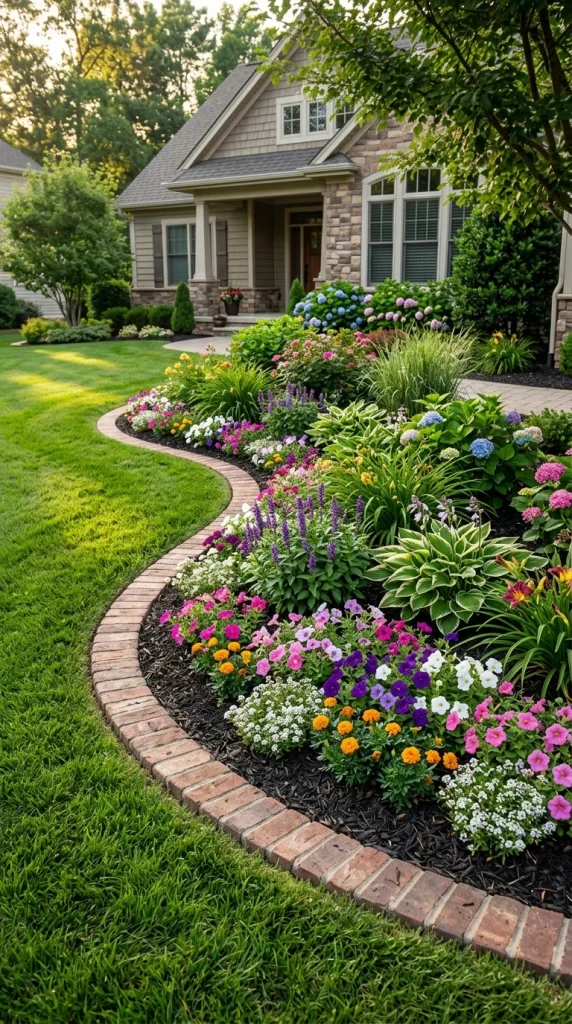
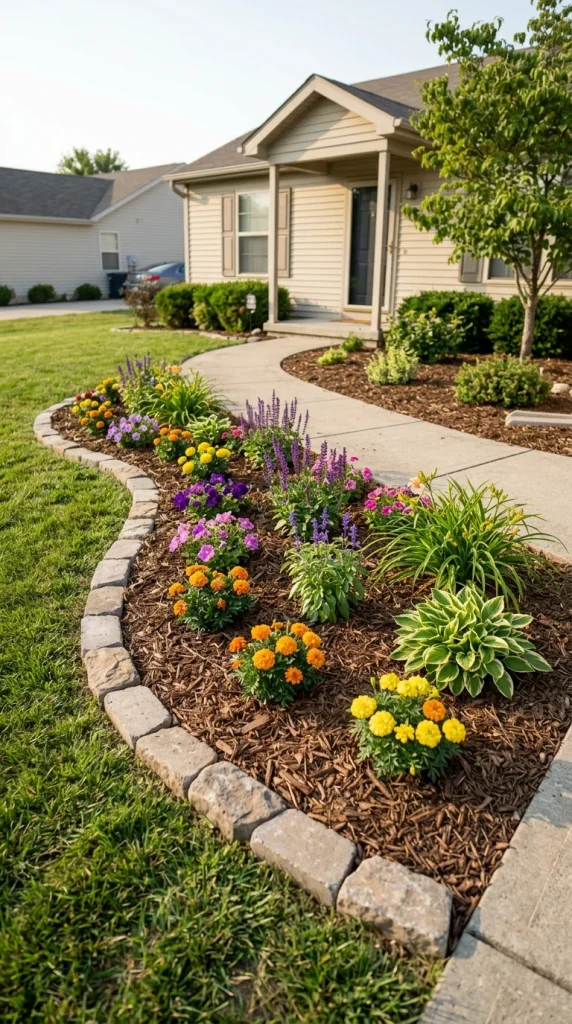
    Curved flower beds can make a front yard feel softer and more naturally designed. Instead of using straight lines, create a gentle curve that follows the shape of your lawn or home. Fill the bed with flowers, grasses, and greenery in different heights for added depth. A clean border will help separate the planting area from the grass. This simple layout can give even a basic yard a more finished look.

    5. Flower Bed Around a Front Yard Tree

    The space around a front yard tree can become a beautiful focal point with the right flower bed. Use shade-tolerant plants if the tree creates a lot of shade throughout the day. Keep the planting arrangement low so the tree remains the main feature. A simple border and a layer of mulch can make the area look neat and organized. Avoid piling soil or mulch directly against the tree trunk.

    6. Raised Front Yard Flower Bed

    Raised flower beds add structure and definition to a front yard while making the plants easier to notice. You can build the bed with stone, brick, wood, or another suitable landscape material. Fill it with a combination of colorful flowers and green foliage for contrast. Raised beds are especially useful when you want to separate flowers from grass or walkways. Keep the shape and materials consistent with the style of your home.

    7. Flower Bed Along the Front Walkway

    Adding flowers along the front walkway creates a welcoming path toward your entrance. Choose plants that stay low enough to keep the walkway clear and easy to use. Repeating the same flowers on both sides can create a balanced and organized appearance. You can mix flowers with small shrubs or ornamental grasses for more texture. Leave enough space between the plants and path so the area does not feel crowded.

    8. Modern Minimalist Flower Bed

    A modern flower bed looks best when the design is clean, simple, and carefully arranged. Choose a limited number of plant types instead of filling the space with too many colors. Green grasses, white flowers, and neatly shaped shrubs can create a calm and contemporary appearance. Simple stone or concrete edging can give the bed a crisp finish. This style works particularly well with modern homes and simple exterior designs.

    9. Flower Bed Around the Front Porch

    A flower bed around the front porch can make your home’s entrance feel warm and inviting. Place plants along the edges of the porch without blocking steps, doors, or windows. Mix flowers with greenery to create a balanced display that does not look overly busy. You can repeat colors from your front door or porch decorations for a connected look. Keep taller plants toward the back and smaller flowers near the front.

    10. White and Green Flower Bed

    White flowers paired with green foliage create a fresh and elegant front yard display. This simple color combination works with many home exterior styles and does not feel overwhelming. Use different leaf shapes and flower heights to add visual interest without adding many colors. White blooms can also brighten darker areas around an entrance or porch. A clean border or layer of natural mulch can complete the look.

    11. Perennial Flower Bed for Year-Round Beauty

    Perennial flowers are a practical choice for homeowners who want plants that return and grow again in suitable conditions. Combine different varieties so the flower bed has changing colors and textures throughout the growing season. Add evergreen shrubs or foliage plants to provide structure when fewer flowers are blooming. Choose plants according to your climate, soil, and available sunlight. This approach can create a lasting front yard landscape with less seasonal replanting.

    12. Rustic Rock and Flower Bed

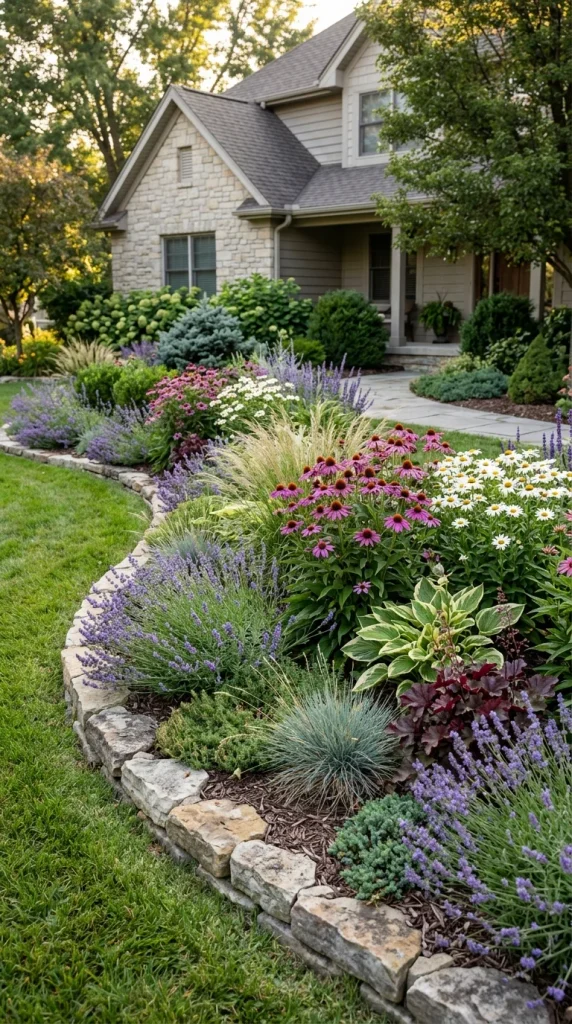
    A rustic rock and flower bed combines natural materials with colorful plants for a relaxed outdoor look. Place decorative stones around flowers and greenery to create texture and define the planting area. Choose plants with different heights so the rocks do not make the design look flat. Natural stone colors usually work well with both bright and soft flower shades. This style is a good option for homeowners who want a simple and earthy front yard.

    13. Layered Flower Bed With Shrubs

    Layering flowers with shrubs gives a front yard flower bed more depth and structure. Place taller shrubs or plants at the back, medium-height flowers in the middle, and smaller blooms along the front edge. This arrangement helps every plant remain visible instead of allowing taller plants to hide shorter ones. Mix different textures to keep the bed interesting. Repeating a few plants throughout the design can also make the landscape feel more cohesive.

    14. Small Front Yard Flower Bed

    Even a small front yard can have an attractive flower bed with a thoughtful layout. Use compact plants and keep the design proportional to the available space. A narrow bed along the house, walkway, or fence can add plenty of color without taking over the yard. Light-colored flowers and simple greenery can make the area feel open and fresh. Avoid overcrowding the space so the plants have room to grow.

    15. Symmetrical Flower Beds by the Entrance

    Symmetrical flower beds create a balanced and formal appearance around the front entrance. Place matching or similar plants on both sides of the walkway, steps, or doorway. Repeating the same colors and plant shapes can make the entrance feel organized and intentional. You can add small shrubs or flowers of different heights while keeping both sides visually similar. This design works particularly well with traditional and classic home exteriors.

    16. Cottage Garden Flower Bed

    A cottage garden flower bed brings a relaxed, colorful, and slightly informal look to the front yard. Combine flowering plants with herbs, leafy greenery, and small shrubs for a natural arrangement. Instead of keeping every plant in a strict line, allow some flowers to create a fuller appearance. Soft colors can create a romantic feel, while brighter blooms give the space more energy. A simple border can keep the abundant planting looking neat.

    17. Bright Seasonal Flower Bed

    A seasonal flower bed is an easy way to refresh your front yard throughout the year. Choose flowers that perform well during the season you want to highlight, then combine them with dependable greenery. Bright colors can create a cheerful focal point near the entrance or driveway. You can change seasonal flowers while keeping the basic bed structure the same. This allows your landscaping to look fresh without completely redesigning the yard.

    18. Flower Bed With Decorative Edging

    Decorative edging can give a flower bed a clean and finished appearance. Use materials such as stone, brick, metal, or simple landscape borders to separate flowers from the lawn. The edging should complement your home’s exterior rather than compete with the plants. A clear border also makes mowing and general yard maintenance easier. Keep the shape consistent with the overall layout of your front yard.

    19. Budget-Friendly Front Yard Flower Bed

    You do not need a large budget to create an attractive front yard flower bed. Start with a small planting area and choose easy-to-grow flowers that suit your local conditions. Repeating a few plant varieties can create a fuller look without requiring many different purchases. Natural mulch and simple edging can also improve the appearance without adding much cost. Build the flower bed gradually as your budget and gardening experience grow.

    20. Pollinator-Friendly Flower Bed

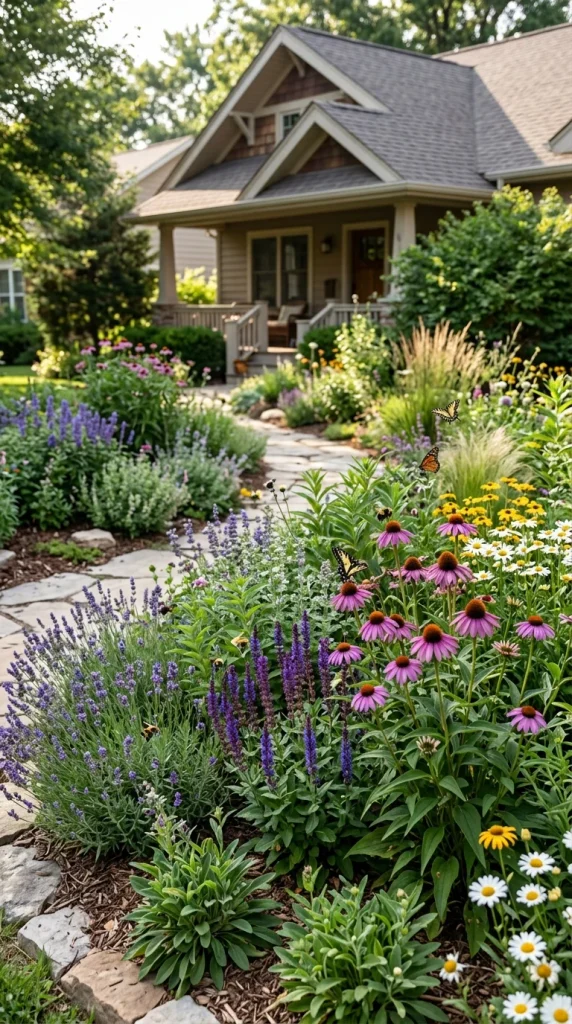
    A pollinator-friendly flower bed can add beauty while providing a useful planting space for bees, butterflies, and other beneficial insects. Choose a variety of suitable flowering plants that provide nectar and pollen during different parts of the growing season. Avoid making the design too uniform, as a mix of flowers and foliage creates a more useful habitat. Place the bed where it receives the amount of sunlight your chosen plants need. This can make your front yard both colorful and lively.

    21. Layered Colorful Flower Bed for Curb Appeal

    A layered colorful flower bed can become a strong focal point in your front yard. Use taller plants toward the back, medium-height flowers in the center, and low-growing blooms along the front edge. Choose a few complementary colors instead of mixing too many shades together. Adding greenery between colorful blooms can help the design feel balanced. With clear layers and good spacing, the flower bed can give your home an attractive boost in curb appeal.

    Conclusion

    Front yard flower beds can completely change the look and feel of your home’s exterior. Whether you prefer colorful blooms, simple greenery, raised beds, or low-maintenance plants, the key is choosing a design that fits your space and home style. Good spacing, clear edging, suitable plants, and thoughtful color choices can make the landscape look polished and welcoming. With these front yard flower bed ideas, you can create a beautiful outdoor space that adds charm and curb appeal.

    Frequently Asked Questions

    1. What are the best flowers for front yard flower beds?

    The best flowers depend on your climate, sunlight, and soil conditions. Choose plants that naturally grow well in your area and match the amount of care you can provide. Mixing different heights and bloom times can make the flower bed look attractive for longer.

    2. How can I create a front yard flower bed on a budget?

    Start with a small planting area and use a few affordable, reliable plant varieties. You can also use natural mulch and simple edging rather than expensive landscaping materials. Expanding the flower bed over time can help spread out the cost.

    3. How do I make a small front yard flower bed look bigger?

    Keep the design simple and avoid overcrowding the planting area. Use plants with different heights, repeat similar colors, and leave some open space around the bed. Light-colored flowers can also help create a brighter and more open appearance.

    4. What should I put around a front yard flower bed?

    Mulch, decorative stones, brick, or landscape edging can help define the flower bed. Choose a material that works with your home’s exterior and surrounding landscaping. A clear border can also make mowing and maintenance easier.

    5. How should I arrange plants in a front yard flower bed?

    Place taller plants toward the back, medium-height plants in the middle, and shorter flowers near the front edge. This layered arrangement allows each plant to remain visible. Repeat a few plants or colors throughout the bed for a more connected look.

    6. How can I make front yard flower beds low maintenance?

    Choose hardy plants that suit your local climate and the amount of sunlight available. Group plants with similar watering needs together and add mulch to help retain moisture and reduce weeds. Avoid using too many different plant varieties if you want easier maintenance.

    7. Where is the best place to put a flower bed in the front yard?

    Flower beds work well along walkways, around porches, beside driveways, near trees, or along the front of the house. Consider sunlight, drainage, visibility, and access before choosing the location. Keep pathways and entrances clear so the landscaping remains practical as well as beautiful.

  • 21 Interior Door Colors That Add Style and Character to Your Home

    21 Interior Door Colors That Add Style and Character to Your Home

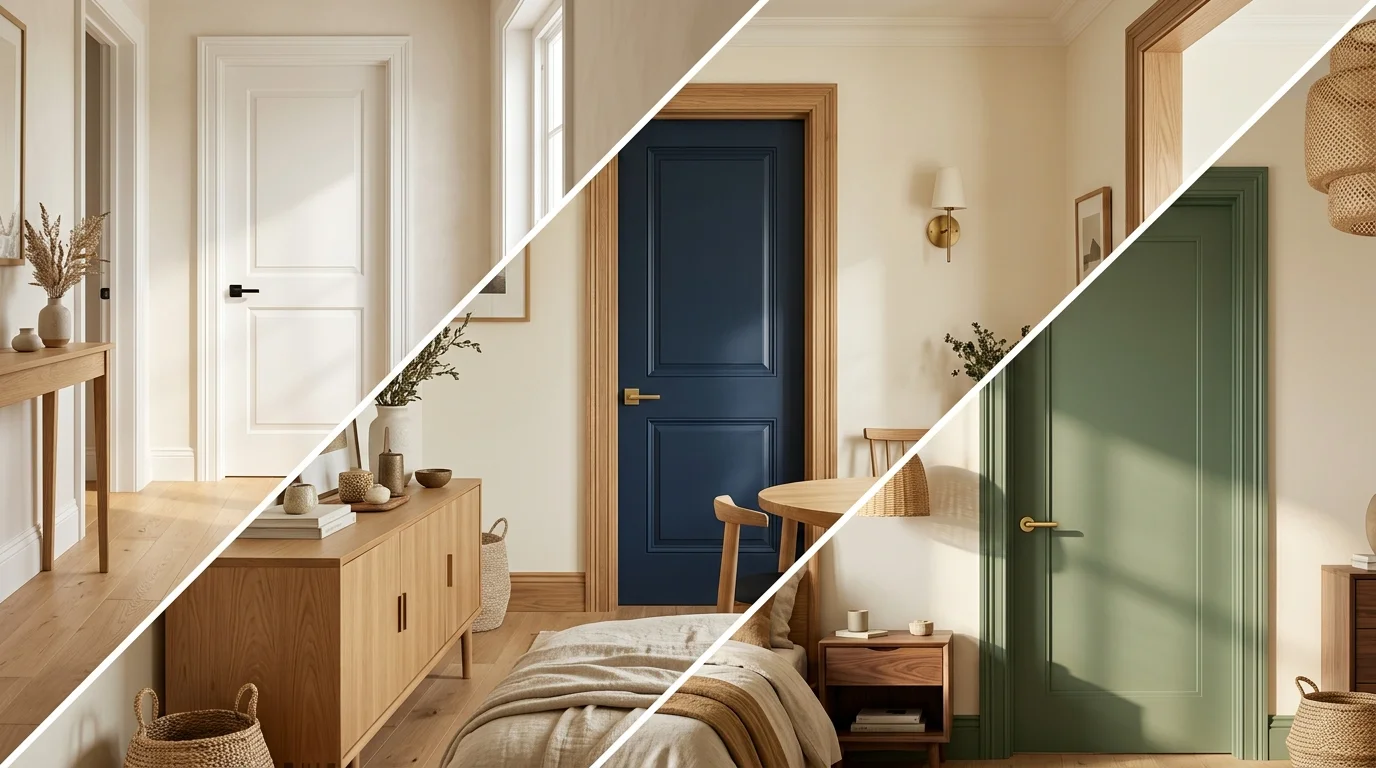
    Interior doors can be more than simple passages between rooms—they can add personality and style to your home. Choosing the right interior door colors can create a polished look, highlight your decor, and make each space feel more inviting. From soft neutral shades to bold and dark interior door colors, there are many options to explore. These interior door paint colors can complement white walls, warm wood tones, modern furniture, or colorful accents. Whether you want a timeless update or a fresh modern look, these interior door color ideas will help you find the perfect shade for your home.

    1. Classic Crisp White

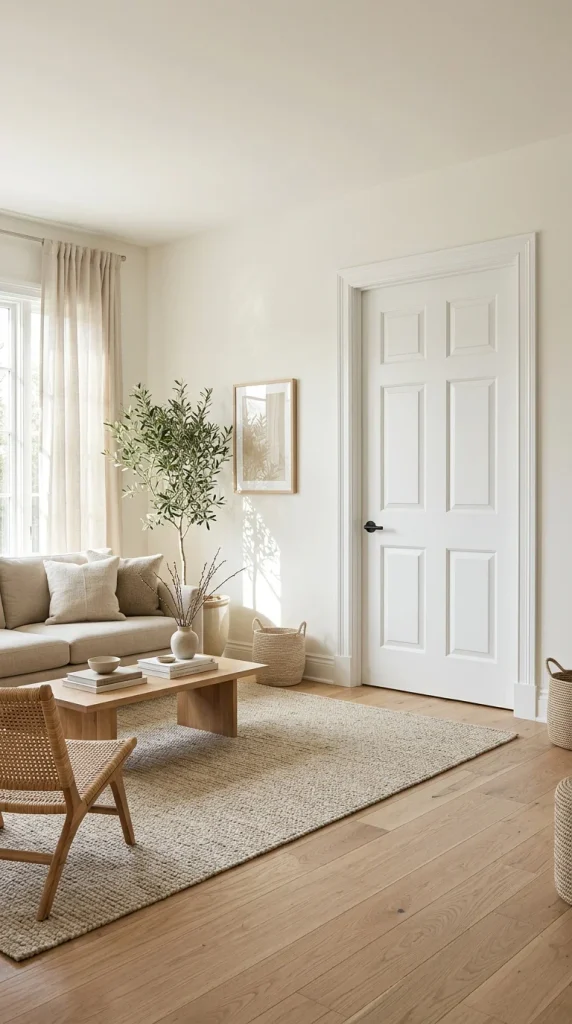
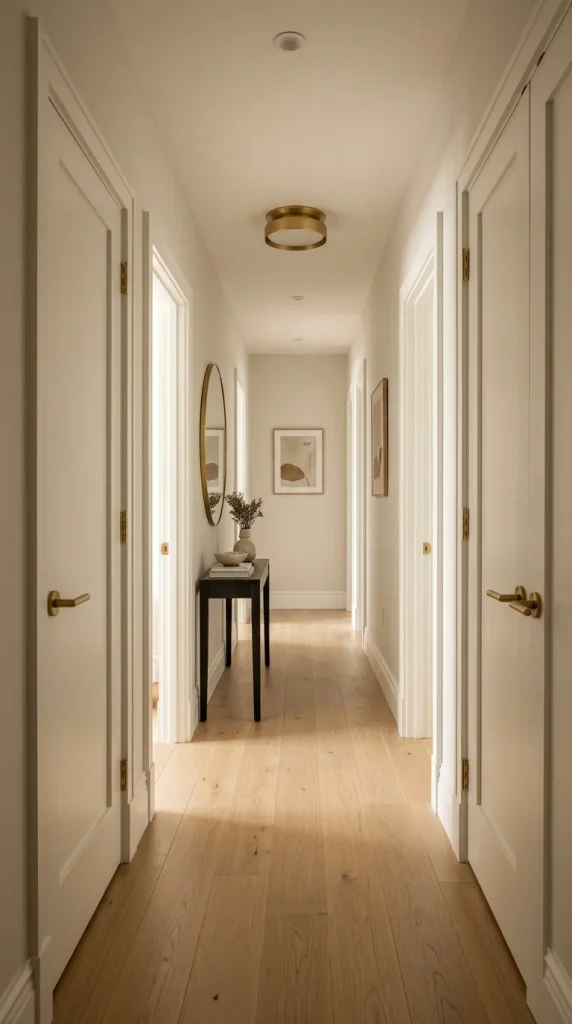
    White interior doors are a timeless choice that works with almost any decorating style. They make rooms feel clean, bright, and open without adding visual heaviness. Crisp white doors look especially beautiful with neutral walls, natural wood, and simple furniture. They are also easy to coordinate when your home has different room styles.

    2. Warm Cream

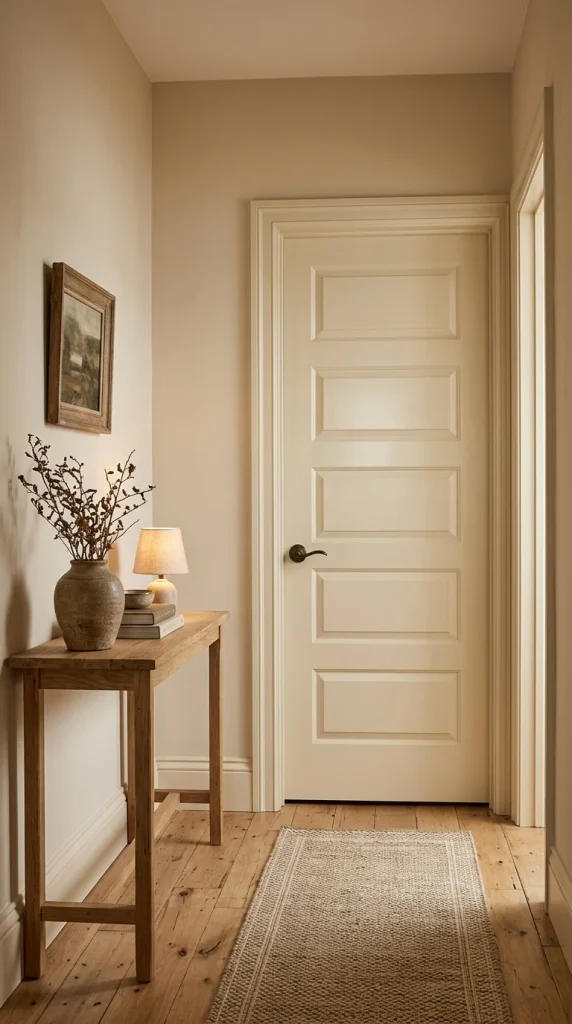
    Warm cream doors bring a softer and cozier feel than bright white. This shade works beautifully with beige walls, warm wood floors, and traditional or farmhouse decor. Cream interior door colors can make a home feel welcoming without looking too formal. Choose a warm undertone for a comfortable and balanced look.

    3. Soft Greige

    Soft greige combines the warmth of beige with the modern feel of gray. It is a versatile choice for homeowners who want something more interesting than white but still neutral. Greige doors pair well with cream walls, natural textures, and modern furniture. They can create a calm and sophisticated flow throughout the home.

    4. Light Beige

    Light beige is a gentle interior door paint color that adds warmth without becoming too noticeable. It works well in bedrooms, hallways, living rooms, and other spaces with neutral decor. Pair it with white trim for a subtle contrast or use similar warm tones throughout the room. This shade is especially useful for creating a relaxed and timeless atmosphere.

    5. Elegant Taupe

    Taupe gives interior doors a refined look while keeping the overall room soft and inviting. Its mix of gray and brown works beautifully with wood, cream, white, and earthy colors. Taupe doors are a great choice for modern, transitional, and classic interiors. They add depth without feeling too bold or dramatic.

    6. Charcoal Gray

    Charcoal gray doors can give a room a strong and stylish focal point. This deeper shade looks beautiful against white, light beige, and soft gray walls. It works particularly well in modern and contemporary homes where a little contrast is needed. Use charcoal on selected doors when you want a sophisticated look without choosing pure black.

    7. Deep Black

    Black interior doors create instant contrast and can make simple spaces feel more polished. They look especially striking with white walls, light flooring, brass hardware, and natural wood accents. For a balanced look, repeat small black details elsewhere in the room. A matte finish can give the doors a modern and elegant appearance.

    8. Navy Blue

    Navy blue is one of the best interior door colors for adding personality while keeping a classic feel. Its deep tone works well with white walls, warm wood, brass hardware, and soft neutral furnishings. Navy doors can look beautiful in bedrooms, offices, laundry rooms, and hallways. They bring color into the space without feeling overly bright.

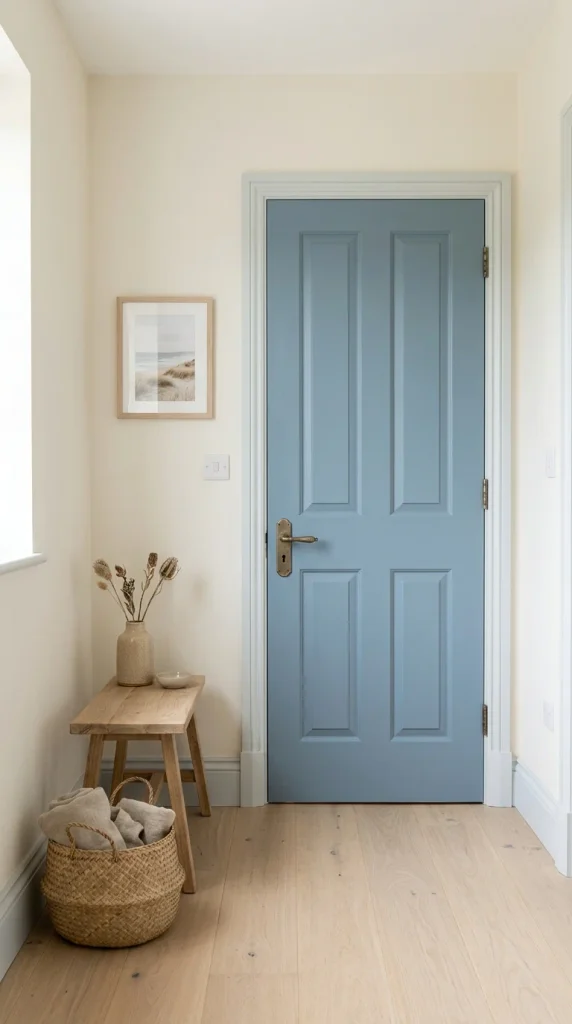
    9. Dusty Blue

    Dusty blue offers a softer alternative to dark navy and works beautifully in relaxed interiors. Its muted appearance creates a calm feeling that suits bedrooms, bathrooms, and cozy living spaces. Pair it with white trim, light wood, and cream accessories for a fresh look. This color is also easy to blend with other soft neutral shades.

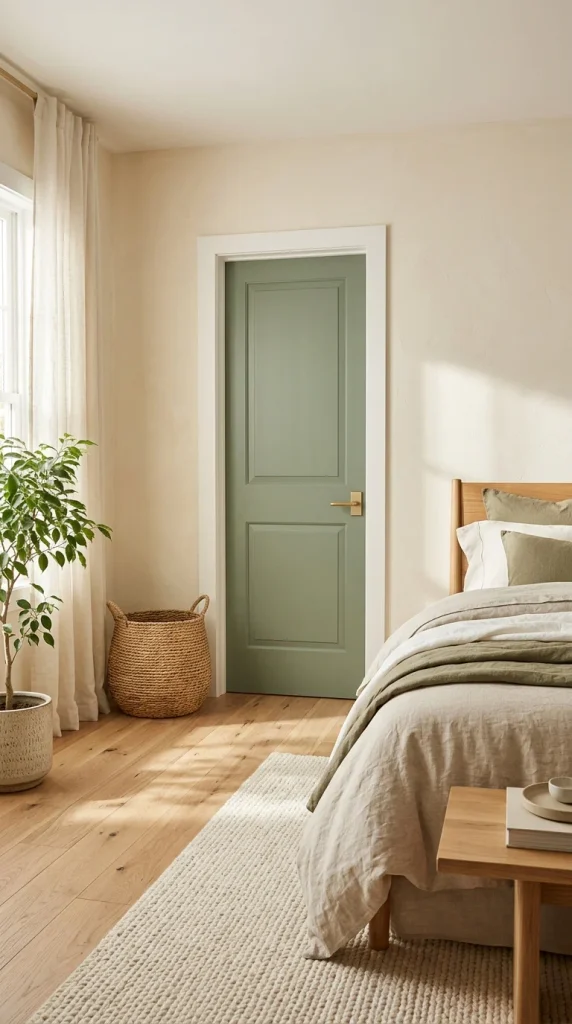
    10. Sage Green

    Sage green doors bring a natural and peaceful feeling into the home. This soft green works especially well with warm whites, beige walls, natural wood, and woven textures. It can add color while still feeling subtle and timeless. Sage is a lovely choice for bedrooms, kitchens, home offices, and cottage-inspired spaces.

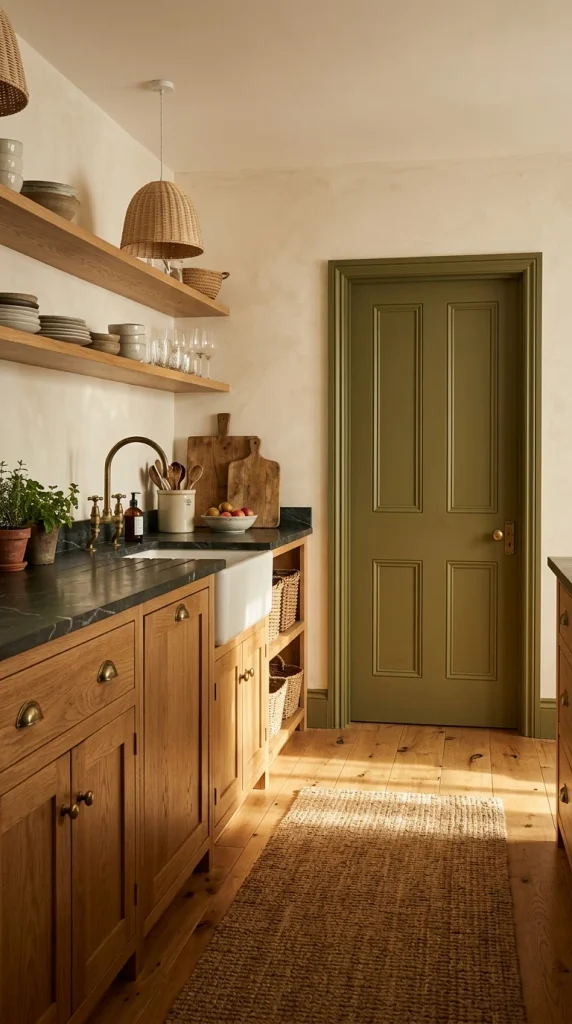
    11. Olive Green

    Olive green gives interior doors a richer and earthier appearance. It works beautifully with cream, tan, brown, brass, and natural wood finishes. This shade is ideal when you want a warm color that feels grounded rather than bright. Use it on one or two doors to create a stylish accent without overwhelming the room.

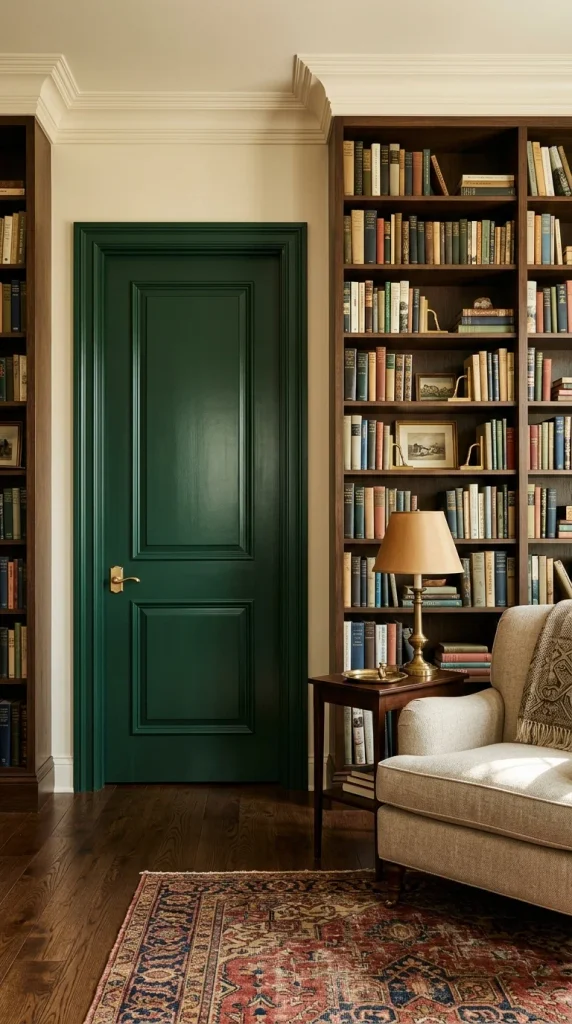
    12. Forest Green

    Forest green creates a dramatic yet natural look that works well in traditional and modern homes. Its deep tone can make a plain doorway feel like an intentional design feature. Pair it with warm white walls, wood flooring, and simple brass or black hardware. Forest green is especially attractive on doors leading to offices, studies, or bedrooms.

    13. Muted Terracotta

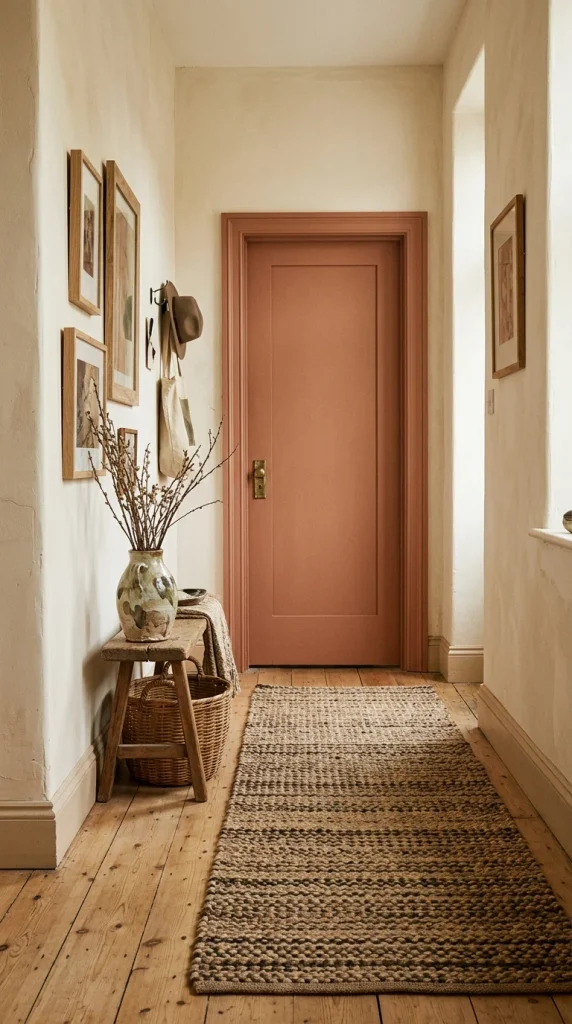
    Muted terracotta adds warmth and personality through a soft earthy color. It works nicely with cream walls, natural wood, beige furniture, and handmade decor. Unlike brighter orange tones, muted terracotta feels comfortable and sophisticated. It can be a beautiful choice for a kitchen, hallway, or creative space that needs a warm accent.

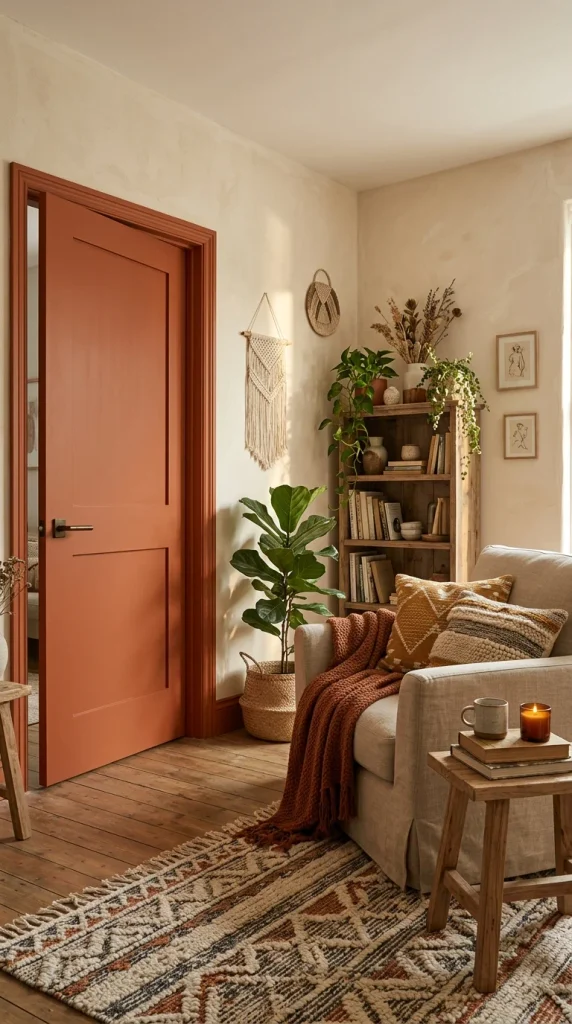
    14. Warm Rust

    Warm rust is a bold but welcoming color that can give interior doors a cozy character. It pairs naturally with cream, tan, brown, olive, and other earthy shades. This color works especially well in homes with rustic, eclectic, or bohemian decor. Use it on a statement door when you want the room to feel warm and expressive.

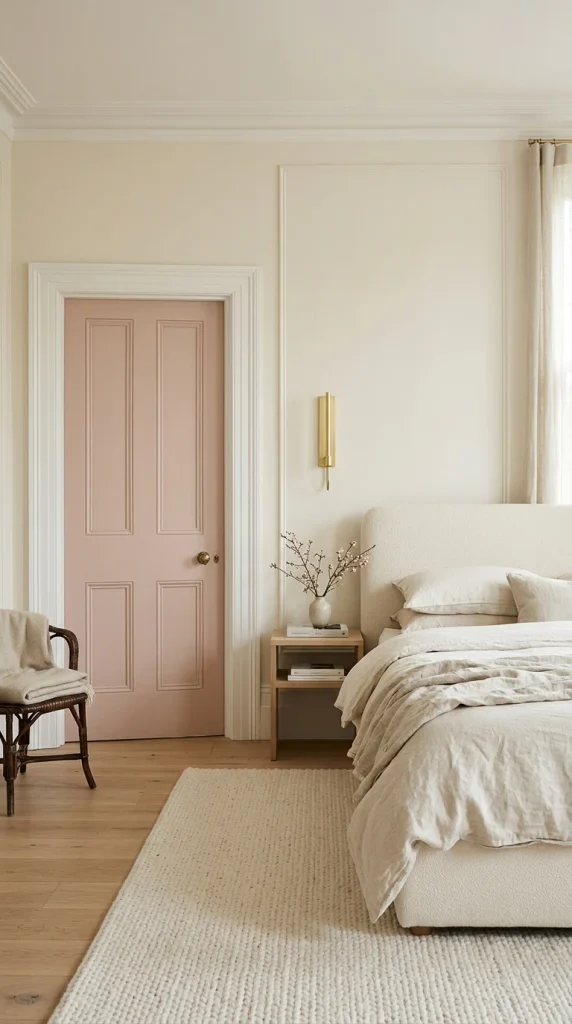
    15. Soft Blush Pink

    Soft blush pink can add a delicate touch of color without making a room feel overly bright. It works beautifully with white, cream, light gray, natural wood, and gold or brass accents. Blush doors are especially charming in bedrooms, dressing areas, and creative spaces. Choose a muted pink for a more grown-up and sophisticated appearance.

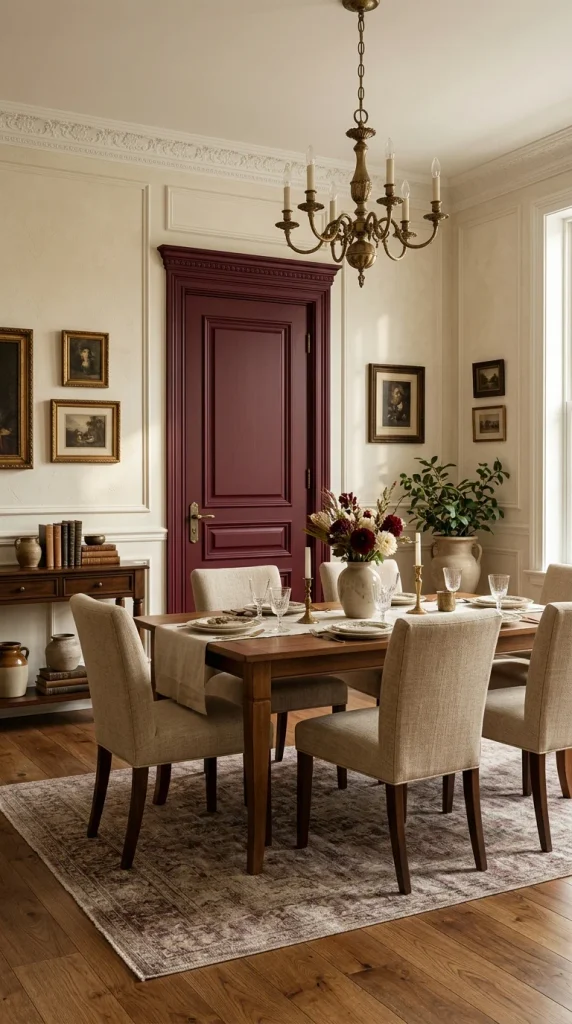
    16. Deep Burgundy

    Deep burgundy gives interior doors a rich and dramatic appearance. Its warm red tone works well with cream, beige, dark wood, and antique-inspired finishes. Burgundy can make a doorway feel elegant and intentional, especially in dining rooms or traditional spaces. Because it is strong, using it on one feature door can create enough impact.

    17. Moody Chocolate Brown

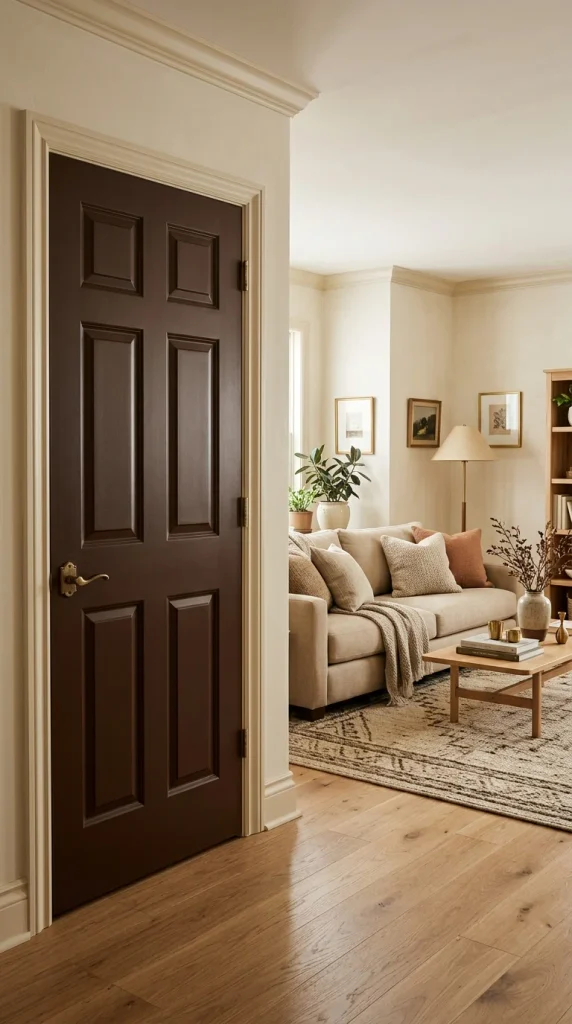
    Chocolate brown doors bring warmth and depth to rooms while creating a connection with natural wood tones. This color works beautifully with cream walls, beige fabrics, warm lighting, and brass hardware. It is a good alternative to black when you want a darker door with a softer feeling. The result can feel cozy, classic, and inviting.

    18. Natural Wood Stain

    Natural wood doors add warmth, texture, and character without relying on painted color. Light oak can create an airy look, while medium or darker stains offer a richer appearance. Wood doors work well with neutral walls, modern spaces, farmhouse interiors, and organic decor. Choose a stain that complements the existing flooring and furniture for a connected look.

    19. Two-Tone Painted Doors

    Two-tone doors offer a creative way to combine two complementary shades. You can use a neutral color with a deeper accent or pair two soft tones for a subtle effect. This approach can make a plain door feel more custom and decorative. Keep the colors connected to the room’s existing palette so the door feels intentional rather than distracting.

    20. Bold Emerald Green

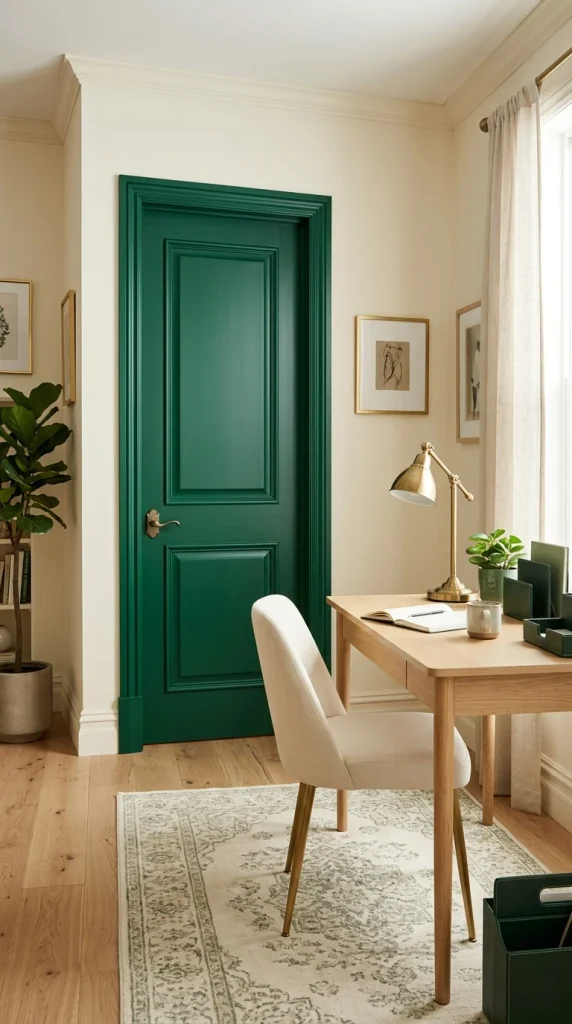
    Emerald green is a lively choice for homeowners who want their interior doors to stand out. Its rich color looks beautiful with warm white, cream, brass, and natural wood. An emerald door can become a memorable focal point in an otherwise neutral room. Use it where you want a strong dose of personality, such as a study, entryway, or bedroom.

    21. Classic Dark Gray

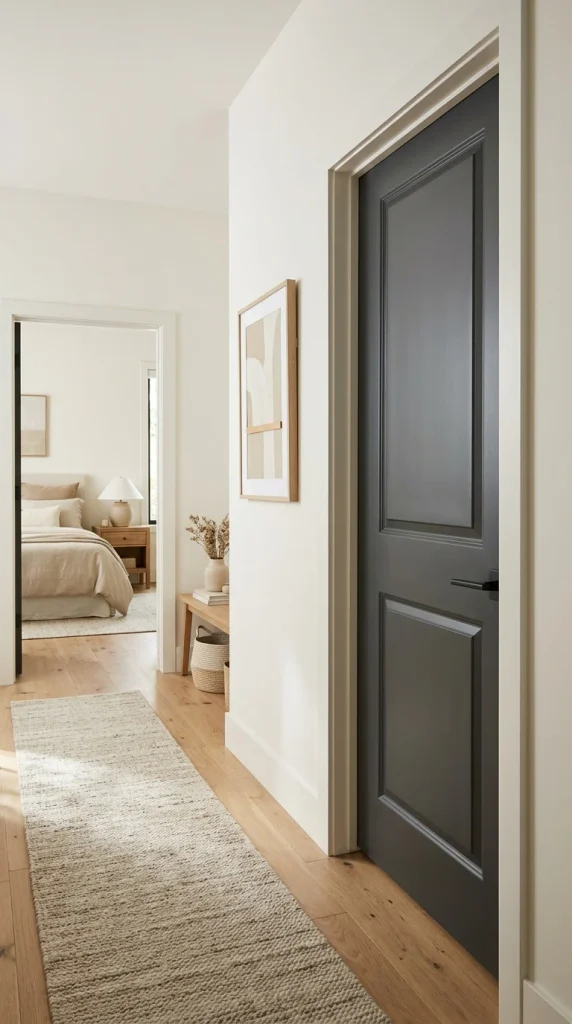
    Classic dark gray offers the drama of a deep color while remaining slightly softer than black. It works with many interior styles and can easily complement white walls, wood flooring, and neutral furniture. Dark gray doors are especially useful when you want contrast without making the room feel too heavy. Use matching hardware and trim to create a clean, finished appearance.

    Conclusion

    The right interior door colors can make a noticeable difference in how your home feels and looks. Neutral shades create a calm and timeless style, while darker or brighter colors can add contrast and personality. Consider your wall color, flooring, furniture, and natural light before choosing a door paint color. With the right shade, even a simple interior door can become a beautiful part of your home’s design.

    Frequently Asked Questions

    1. What is the most popular color for interior doors?

    White remains one of the most popular choices because it is bright, timeless, and easy to match with different decor styles. However, gray, greige, black, navy, and soft green are also popular for homeowners who want more character.

    2. Should interior doors match the walls?

    Interior doors do not have to match the walls. Matching colors can create a seamless appearance, while contrasting colors can make the doors stand out as a design feature. Choose based on the overall style and amount of contrast you want.

    3. What interior door colors work best with white walls?

    Almost any shade can work with white walls. Black, charcoal, navy, sage green, natural wood, and warm gray create attractive contrast, while cream and beige offer a softer and more subtle appearance.

    4. Are dark interior doors a good idea for small rooms?

    Yes, dark doors can work in small rooms when used thoughtfully. They can add definition without making the entire space feel dark. Keep the surrounding walls, ceiling, and larger furniture pieces light to maintain an open feeling.

    5. What is the best finish for painted interior doors?

    A satin or semi-gloss finish is usually practical for interior doors because it is easier to clean and more resistant to everyday wear. A matte finish can look elegant, but it may require more care in busy areas.

    6. Should interior doors match the trim?

    They can match, but they do not have to. Matching doors and trim create a classic, coordinated look, while contrasting the door with the trim can make the doorway more noticeable and modern.

    7. How can I choose the right interior door color?

    Start by looking at the existing wall color, flooring, furniture, and hardware in the room. Choose a shade that complements these elements rather than competing with them. Testing a small paint sample in different lighting is also helpful before painting the entire door.

  • 21 Stylish Window Treatment Ideas for a Beautiful Home

    21 Stylish Window Treatment Ideas for a Beautiful Home

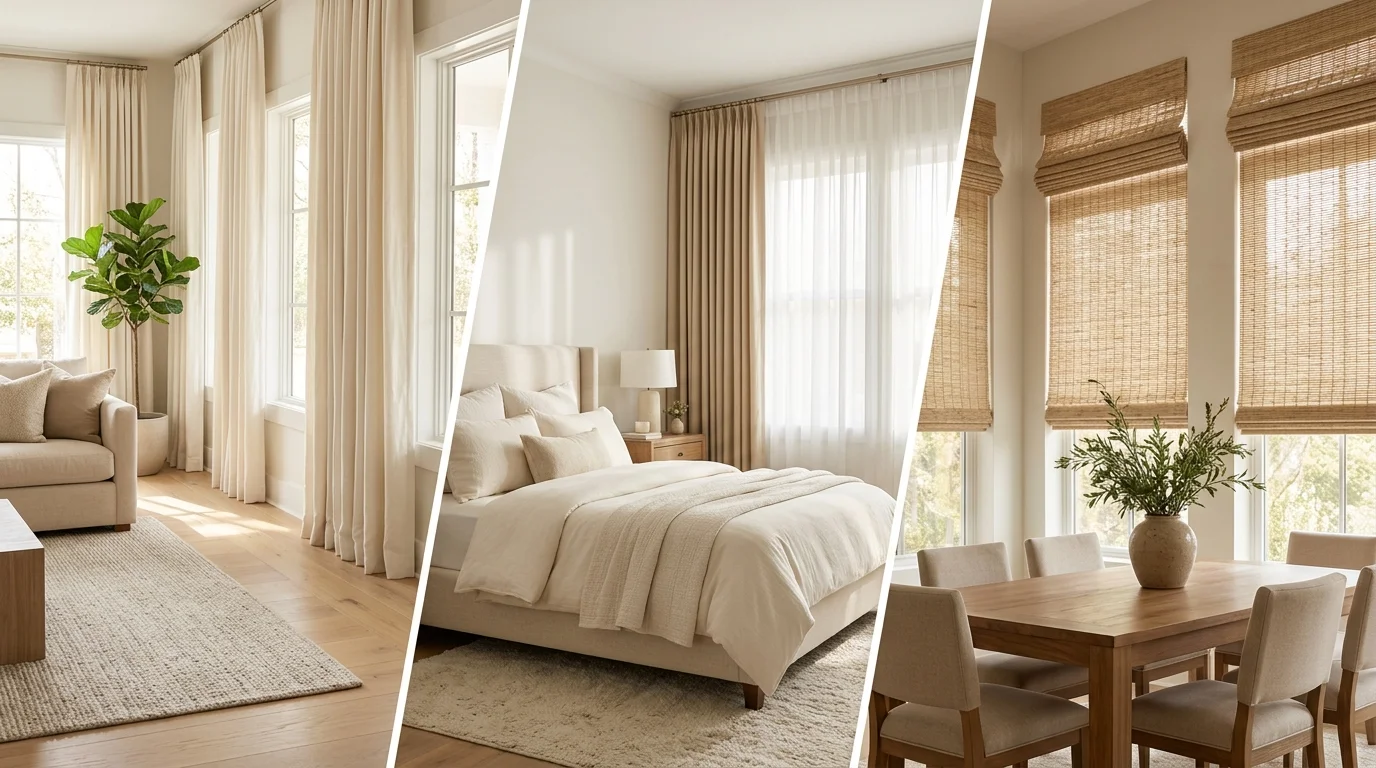
    Window treatments can instantly change the look, comfort, and mood of any room. From elegant curtains and soft drapes to modern blinds and simple shades, there are many window treatment ideas to suit every home. The right window treatments can add privacy, control natural light, and make your space feel more welcoming. Whether you prefer a cozy farmhouse style, a clean modern look, or timeless elegance, you can find beautiful options to match your decor. These stylish window treatment ideas will help you dress your windows while adding warmth, character, and function to your home.

    1. Floor-to-Ceiling Linen Curtains

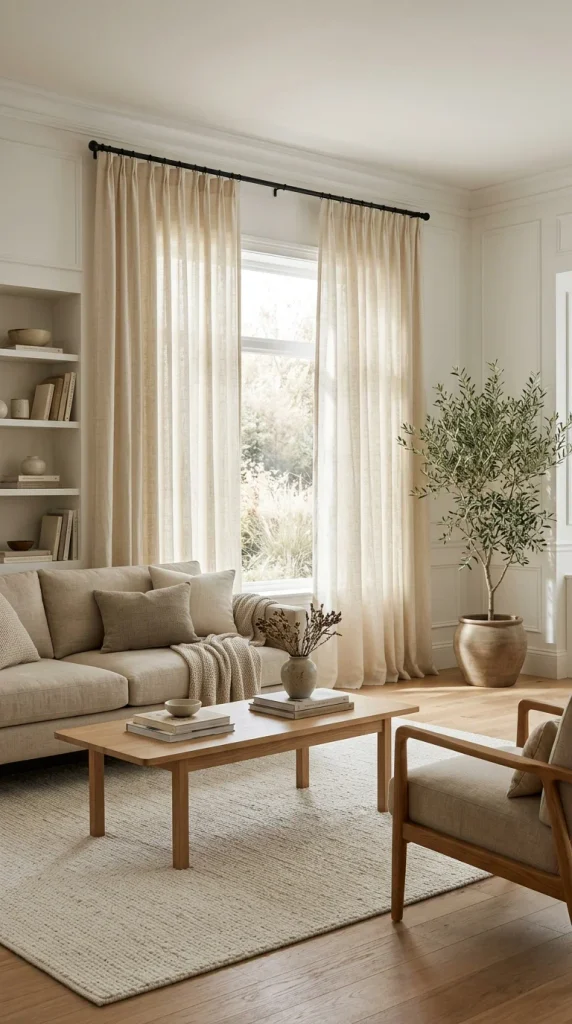
    Floor-to-ceiling linen curtains can make a room feel taller, softer, and more elegant. Their natural texture adds warmth without making the space look heavy. Choose light neutral shades such as cream, beige, or soft white for a relaxed appearance. Hang the curtain rod slightly above the window frame to create a more spacious look.

    2. Layered Sheer and Blackout Curtains

    Layering sheer and blackout curtains gives you both style and practical light control. Keep the sheer panels closed during the day for soft natural light and use the blackout layer when you need more privacy. This combination works especially well in bedrooms and living rooms. Choose coordinating colors for a polished and comfortable finish.

    3. Classic Roman Shades

    Roman shades offer a clean and timeless way to dress your windows. When raised, they create neat folds, while lowering them gives you privacy and light control. Neutral fabrics work beautifully in traditional, modern, and transitional rooms. They are also a great choice when you want a simple window treatment without long curtains.

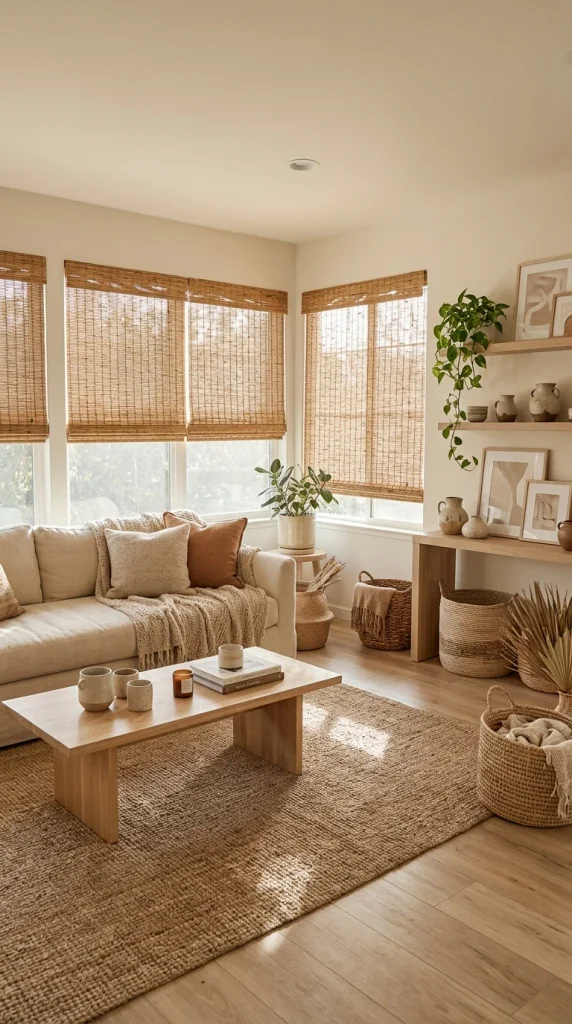
    4. Natural Woven Bamboo Shades

    Natural woven bamboo shades bring an organic and earthy feeling to the room. Their warm texture works well with wood furniture, neutral fabrics, and natural accessories. These shades can gently filter sunlight while adding visual interest to plain windows. They are especially attractive in coastal, boho, farmhouse, and relaxed interiors.

    5. Elegant Pinch-Pleat Drapes

    Pinch-pleat drapes create a tailored and sophisticated appearance. Their evenly spaced folds give the fabric a structured look that works well in formal dining rooms, bedrooms, and elegant living spaces. Choose a soft neutral fabric for timeless appeal or a deeper shade for more drama. Pair them with a simple curtain rod for a refined finish.

    6. Simple Roller Shades

    Roller shades are a practical option for homeowners who prefer a clean and uncluttered appearance. They take up very little visual space and can easily match different decorating styles. Choose light-filtering fabric for living areas or blackout material for bedrooms. Neutral shades can blend into the room, while patterned options can add a subtle decorative touch.

    7. Soft White Sheer Curtains

    Soft white sheer curtains can make a room feel bright, airy, and welcoming. They allow natural light to enter while providing a gentle layer of privacy. Use them alone in spaces where full privacy is not essential or layer them with heavier curtains. Their simple appearance works beautifully with both modern and classic home decor.

    8. Relaxed Café Curtains

    Café curtains cover only part of the window, making them a charming choice for kitchens and casual dining areas. They provide privacy while still allowing plenty of sunlight into the upper portion of the window. Choose cotton, linen, or a small patterned fabric for a relaxed look. This style is particularly useful for windows facing streets or neighboring homes.

    9. Classic Wooden Blinds

    Wooden blinds add warmth, structure, and timeless character to your windows. Their adjustable slats make it easy to control sunlight and privacy throughout the day. Natural wood tones pair well with neutral furniture, while painted white blinds create a brighter appearance. They are versatile enough for bedrooms, offices, kitchens, and living rooms.

    10. Patterned Curtains for a Bold Accent

    Patterned curtains can turn a simple window into an eye-catching feature. Floral prints, stripes, geometric designs, and subtle botanical patterns can add personality without changing the entire room. If your furniture is mostly neutral, a pattern can bring welcome visual interest. Keep the rest of the decor simple so the curtains remain the main accent.

    11. Minimalist Neutral Drapes

    Neutral drapes are an easy way to create a calm and sophisticated room. Shades such as ivory, taupe, beige, and soft gray can complement many different color palettes. Choose a simple fabric with minimal detailing for a clean appearance. These window treatments are especially useful when you want your curtains to blend naturally with the rest of your decor.

    12. Layered Curtains with Roman Shades

    Combining curtains with Roman shades creates a rich and finished window design. The shade provides flexible light control, while the curtains add softness and decorative appeal. Use similar colors or complementary patterns so the layers feel connected. This treatment works especially well in bedrooms, dining rooms, and spacious living areas.

    13. Cozy Velvet Window Drapes

    Velvet drapes add softness and a sense of luxury to a room. Their heavier fabric can also help block light and create a more intimate atmosphere. Deep green, warm brown, navy, or burgundy can create a dramatic look, while cream and beige feel softer. Velvet is especially attractive in bedrooms, reading corners, and elegant living rooms.

    14. Farmhouse Gingham Curtains

    Gingham curtains bring a relaxed farmhouse feeling to windows. Their simple checked pattern adds charm without overwhelming the room. Black-and-white, beige-and-white, or muted green combinations can work beautifully with farmhouse furniture. Use them in kitchens, breakfast areas, laundry rooms, or casual living spaces for a cozy touch.

    15. Light-Filtering Cellular Shades

    Cellular shades are a smart choice when you want soft daylight with better insulation and privacy. Their honeycomb design helps create a comfortable indoor environment while giving windows a neat appearance. Light-filtering versions are ideal for living rooms and home offices. Choose a soft neutral color to keep the overall look bright and understated.

    16. Elegant Bay Window Curtains

    Bay windows can become a beautiful focal point when dressed with carefully chosen curtains. Full-length panels can emphasize the architectural shape while adding softness to the room. Use a curtain rod designed to follow the window angles or choose individual panels for each section. Light fabrics can keep the area open and bright.

    17. Rattan Woven Window Shades

    Rattan woven shades add texture and natural character to plain windows. Their warm appearance works especially well with wood, linen, jute, and other organic materials. They can soften strong sunlight while keeping the room connected to a natural decorating style. Pair them with simple curtains if you want additional privacy and softness.

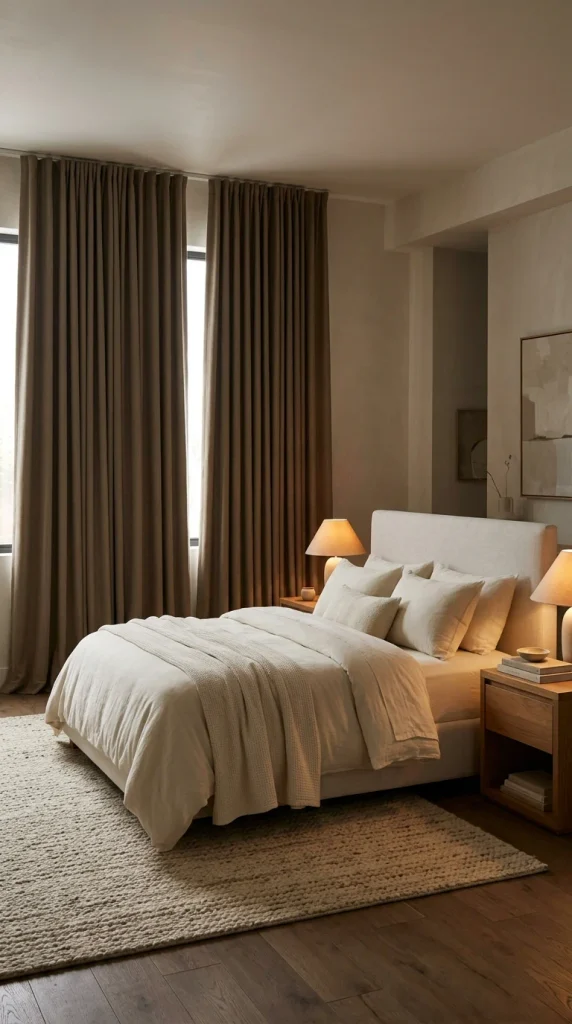
    18. Blackout Curtains for Bedrooms

    Blackout curtains are ideal for bedrooms where controlling light and creating privacy are important. Their dense fabric can help darken the room and create a more restful atmosphere. Choose colors that coordinate with your bedding or bedroom walls for a cohesive look. Floor-length panels can also make the bedroom feel more polished and comfortable.

    19. Tailored Valance and Curtain Combo

    A tailored valance paired with curtains creates a traditional and decorative window treatment. The valance can hide the curtain hardware while adding a finished appearance to the top of the window. Choose a simple fabric if your room already has several decorative elements. This style works particularly well in classic, traditional, and country-inspired spaces.

    20. Natural Cotton Window Panels

    Cotton window panels offer an affordable and comfortable way to dress your windows. They are available in many colors, patterns, and weights, making them easy to coordinate with different rooms. Lightweight cotton can create an airy feel, while heavier cotton provides more privacy. Choose washable fabrics for busy areas such as kitchens and family rooms.

    21. Modern Two-Tone Window Treatments

    Two-tone window treatments combine two complementary colors or fabrics for a modern and interesting look. You can use a darker shade along the bottom or sides with a lighter main fabric. This approach adds depth without requiring complicated decoration. Keep the colors connected to your existing furniture, walls, or accessories for a balanced finish.

    Conclusion

    The right window treatments can make a room feel more comfortable, stylish, and complete. From soft linen curtains and Roman shades to natural woven blinds and practical blackout panels, there are options for every decorating style and need. Consider your room’s natural light, privacy, colors, and overall decor before choosing a treatment. With the right combination of fabric, texture, and placement, your windows can become an attractive part of your home.

    Frequently Asked Questions

    What are the most popular window treatments?

    Curtains, Roman shades, roller shades, blinds, and woven shades are among the most popular choices. The best option depends on your room, privacy needs, light control, and decorating style.

    What are the best window treatments for small rooms?

    Simple roller shades, Roman shades, and lightweight curtains work well in small rooms. Choose light colors and avoid overly heavy fabrics to keep the space feeling open and bright.

    Which window treatments are best for bedrooms?

    Blackout curtains, blackout roller shades, and layered curtains are excellent choices for bedrooms. They provide better privacy and help reduce unwanted light when you want a darker sleeping environment.

    What window treatments are best for a budget?

    Basic roller shades, ready-made cotton curtains, and simple blinds are generally budget-friendly options. You can also choose affordable curtain panels and upgrade the look with attractive hardware.

    Should window treatments match the wall color?

    They do not have to match exactly. Choosing a curtain or shade that is a few tones lighter, darker, or complementary to the walls can create a more interesting and layered appearance.

    Are curtains or blinds better for privacy?

    Both can provide good privacy when selected correctly. Blackout curtains offer strong coverage, while blinds and shades allow you to adjust how much of the window is exposed throughout the day.

    How high should curtains be hung?

    In many rooms, hanging the curtain rod several inches above the window frame can make the ceiling appear taller. Extending the rod beyond the window sides can also make the window look wider when the curtains are open.

  • 22 Home Renovation Ideas to Transform Your Space Into a Stylish and Comfortable Home

    22 Home Renovation Ideas to Transform Your Space Into a Stylish and Comfortable Home

    Home renovations can transform your space into a stylish, comfortable, and functional home. Whether you want a small update or a complete home makeover, simple changes can make a big difference. From modern home improvements to cozy room updates, there are many ways to refresh your interior. These home renovation ideas can help improve both the look and everyday comfort of your home. Explore these 22 ideas to find inspiration for your next home improvement project.

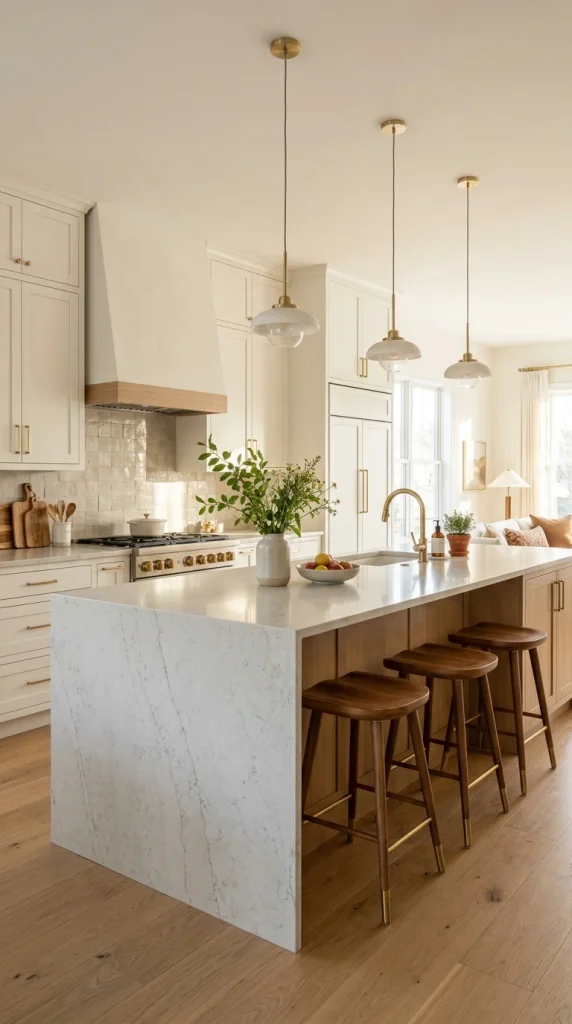
    1. Refresh the Kitchen Cabinets

    Refreshing your kitchen cabinets can quickly change the overall look of your kitchen. You can paint them in a soft neutral shade or choose a deeper color for a bold update. Replacing old handles with modern hardware can also make the cabinets feel new. This is a practical renovation idea that adds style without changing the entire kitchen.

    2. Upgrade the Kitchen Countertops

    New countertops can give your kitchen a cleaner and more finished appearance. Materials like quartz, granite, or durable laminate offer different looks and price points. Choose a surface that works well with your cabinets and backsplash. A simple countertop upgrade can make the kitchen more functional and attractive.

    3. Create an Open-Concept Living Space

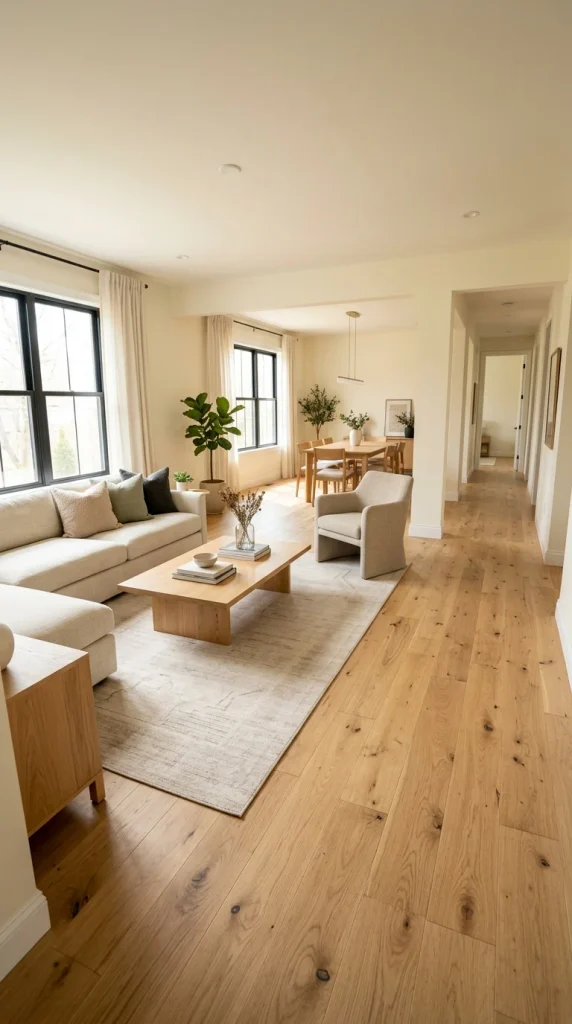
    Opening up a cramped layout can make your home feel brighter and more spacious. If the structure allows it, removing a non-load-bearing wall can connect the kitchen, dining, and living areas. This layout makes everyday activities and entertaining easier. Always check with a professional before removing or changing walls.

    4. Add a Statement Kitchen Backsplash

    A new backsplash is an easy way to add personality during a kitchen renovation. Subway tile, patterned tile, stone, and handmade-look finishes can create different styles. Choose colors that complement your cabinets and countertops. A well-planned backsplash can also protect the wall behind your cooking area.

    5. Update the Bathroom Vanity

    Replacing an outdated bathroom vanity can instantly make the room feel fresher. Choose a vanity with enough storage for towels, toiletries, and everyday essentials. A simple wood finish can add warmth, while a clean white design creates a brighter look. Pair it with a modern mirror and suitable lighting for a complete update.

    6. Install a Walk-In Shower

    A walk-in shower can make a bathroom feel more open and comfortable. Frameless glass panels can create a clean appearance, while built-in niches provide useful storage. Choose slip-resistant flooring for better everyday safety. This renovation works especially well when you want a practical bathroom with a modern feel.

    7. Refresh the Bathroom Flooring

    Updating the bathroom floor can completely change the feel of the space. Porcelain, ceramic, and stone-look tiles offer many attractive options. Choose a durable and moisture-resistant material that can handle daily use. A simple neutral floor can also make the bathroom easier to style with different colors and accessories.

    8. Create a Cozy Living Room

    A living room renovation does not always require major construction. Fresh paint, comfortable seating, updated flooring, and better lighting can make the room feel completely different. Arrange furniture to encourage conversation and keep the walkway clear. Add a rug and a few warm textures to create a comfortable atmosphere.

    9. Upgrade the Fireplace Wall

    The fireplace can become a beautiful focal point with the right renovation. Consider updating the surround with stone, tile, brick, or a simple painted finish. A new mantel can provide space for artwork and carefully chosen decor. Keep the design balanced so the fireplace feels connected to the rest of the room.

    10. Add Built-In Storage

    Built-in storage can help make your home more organized while adding a polished look. Consider shelves around a fireplace, cabinets under stairs, or storage along an empty wall. Choose finishes that match your interior style for a seamless appearance. This renovation is especially useful when you want to reduce clutter without sacrificing floor space.

    11. Transform the Entryway

    The entryway sets the tone for the rest of your home. A fresh coat of paint, a practical console, wall hooks, and a small bench can make this area more useful. Add a mirror to reflect light and make the space feel larger. Keep the decor simple so the entrance stays welcoming and easy to use.

    12. Update Interior Doors

    Replacing old interior doors can give your home a subtle but noticeable upgrade. Modern panel doors, glass doors, or simple wood designs can complement different decorating styles. Choose matching hardware throughout the home for a more coordinated appearance. This small renovation can make older rooms feel cleaner and more updated.

    13. Refresh the Staircase

    A staircase can become an attractive feature instead of simply serving as a passage between floors. You can update the railing, refinish wooden steps, or replace worn carpet. A simple runner can add comfort and visual interest. Choose materials and finishes that work naturally with the flooring and colors around the staircase.

    14. Add Stylish Wall Paneling

    Wall paneling can add character and architectural interest to plain rooms. Simple vertical panels, traditional molding, or modern geometric designs can create a beautiful feature wall. Paint the paneling in the same color as the wall for a subtle effect. It works well in living rooms, bedrooms, dining rooms, and entryways.

    15. Upgrade the Lighting Fixtures

    Good lighting can make a renovated space feel warmer and more inviting. Replace outdated fixtures with pendant lights, chandeliers, sconces, or modern ceiling lights that suit the room. Use different layers of lighting for general, task, and accent purposes. Choosing the right fixtures can improve both the mood and function of your home.

    16. Install New Flooring

    New flooring can make several rooms feel fresh and connected. Hardwood, engineered wood, luxury vinyl, tile, and laminate each offer different benefits. Consider durability and maintenance as well as appearance when choosing a material. A consistent flooring style can also create a smoother flow between connected spaces.

    17. Create a Functional Home Office

    A home office renovation can give you a comfortable place to work, study, or manage daily tasks. Start with a suitable desk, supportive chair, and enough storage to keep supplies organized. Add good lighting near the workspace to reduce eye strain. Keep the design simple and calm so the room feels productive rather than crowded.

    18. Improve Bedroom Storage

    Better bedroom storage can make the space feel calmer and more organized. Consider built-in wardrobes, under-bed drawers, floating shelves, or a well-planned closet system. Choose storage that uses available wall and floor space efficiently. Keeping everyday items organized can make the bedroom feel more comfortable and relaxing.

    19. Refresh the Laundry Room

    A laundry room renovation can make everyday chores easier and more enjoyable. Add cabinets or shelves for detergents, cleaning supplies, and linens. A countertop above front-loading machines can provide a useful folding surface. Light colors, durable flooring, and good lighting can also make the room feel cleaner and more spacious.

    20. Upgrade the Outdoor Living Area

    Renovating an outdoor living area can give your home more usable space. A comfortable seating area, durable flooring, outdoor lighting, and weather-resistant furniture can create a welcoming extension of the interior. Choose materials that can handle your local weather. Keep the design practical so the area remains easy to maintain.

    21. Create a Beautiful Patio

    A renovated patio can become a relaxing place for meals, gatherings, or quiet evenings. Start with durable paving or decking and add comfortable outdoor seating. Planters, soft lighting, and a simple outdoor rug can make the area feel more inviting. Keep the layout open enough for easy movement and everyday use.

    22. Add Fresh Paint Throughout the Home

    Fresh paint is one of the simplest ways to transform your home without a major renovation. Soft whites, warm neutrals, beige, and light earthy tones can create a calm and timeless backdrop. For more personality, use a deeper shade on one feature wall. Choose finishes based on how much cleaning and daily use each room receives.

    Conclusion

    Home renovations can make your space more comfortable, practical, and beautiful without requiring every room to be completely rebuilt. From updated kitchens and bathrooms to better storage, lighting, flooring, and outdoor areas, small improvements can create a noticeable change. Choose renovations that match your needs, budget, and personal style to create a home that feels truly yours.

    Frequently Asked Questions

    1. What is the best home renovation to start with?

    Start with the area that causes the most problems in your daily life. Kitchens, bathrooms, storage, and flooring are often good places to begin because they can improve both function and appearance.

    2. How can I renovate my home on a small budget?

    Focus on affordable changes such as painting, updating cabinet hardware, replacing light fixtures, refreshing doors, or adding simple storage. These improvements can create a fresh look without a large construction budget.

    3. What home renovations add the most style?

    Kitchen updates, bathroom improvements, new flooring, statement lighting, wall paneling, and fresh paint can have a strong visual impact. Choose finishes that work together rather than trying to use too many different styles.

    4. What renovations work best for small homes?

    Built-in storage, lighter paint colors, efficient layouts, multifunctional furniture, and improved lighting are useful for small spaces. These changes can make rooms feel more open while providing practical storage.

    5. Which materials are best for home renovations?

    Choose materials based on the room and how it will be used. Durable tile works well in bathrooms, quartz can be practical for kitchen countertops, and hard-wearing flooring is useful in busy areas.

    6. How do I choose colors for a home renovation?

    Start with colors you already enjoy and consider the amount of natural light in each room. Warm neutrals create a timeless base, while muted greens, blues, or earthy shades can add personality without overwhelming the space.

    7. Should I renovate one room at a time?

    Renovating one room at a time can make it easier to control your budget, schedule, and daily routine. Start with the room that needs the most attention and create a clear plan before moving on to the next area.

  • 21 Sideboard Decor Ideas to Create a Stylish and Welcoming Space

    21 Sideboard Decor Ideas to Create a Stylish and Welcoming Space

    A beautifully styled sideboard can instantly make a room feel more polished, warm, and inviting. These sideboard decor ideas show how to combine mirrors, artwork, lamps, vases, greenery, and decorative accents without making the space feel cluttered. Whether you need dining room sideboard decor, living room styling, or simple buffet table decor, there are plenty of easy options to try. From modern and minimal looks to cozy and rustic arrangements, you can find a style that suits your home. With the right balance of height, texture, and color, your sideboard can become a beautiful focal point.

    1. Statement Mirror Sideboard Decor

    A large mirror can make sideboard decor feel bright, elegant, and balanced. Choose a round, arched, or rectangular mirror that fits the style of your room. Place a few simple pieces such as a vase, candle, or small bowl on the sideboard. The mirror will reflect light and make the area feel more open. This is an easy choice for both dining rooms and living spaces.

    2. Cozy Lamp and Vase Styling

    Pairing a table lamp with a decorative vase creates a warm and inviting sideboard arrangement. Choose a lamp with a soft shade to add gentle lighting in the evening. Place a vase with flowers or branches on the opposite side for balance. Keep the colors connected to your existing furniture and walls. This simple combination works well in both modern and traditional homes.

    3. Fresh Greenery Sideboard Arrangement

    Fresh greenery can bring natural beauty to your sideboard without making the arrangement complicated. Place a leafy plant in a ceramic, stone, or woven planter for added texture. You can also use eucalyptus, olive branches, or simple seasonal greenery in a tall vase. Keep the rest of the surface fairly simple so the greenery remains the main feature. This style gives the room a fresh and relaxed feeling.

    4. Layered Artwork and Accessories

    Layering artwork is a great way to create interesting sideboard decor without filling every inch of the surface. Lean one larger artwork against the wall and place a smaller frame or decorative object in front. Add a vase, candle, or small bowl to complete the arrangement. Use different heights to make the display feel natural. Neutral artwork works especially well when you want a calm and timeless look.

    5. Neutral Sideboard Decor

    Neutral colors can make a sideboard look peaceful, sophisticated, and easy to live with. Try shades such as cream, beige, white, taupe, and soft brown throughout the arrangement. Add different textures through ceramics, wood, linen, or woven accessories. A few carefully chosen pieces are often enough to create a beautiful display. This approach works especially well in warm and cozy interiors.

    6. Elegant Ceramic Vase Display

    Ceramic vases are simple accessories that can add personality to a sideboard. Choose one large vase as a focal point or group two or three vases in different sizes. White, cream, earthy, and muted shades can create a soft and elegant appearance. Add dried stems or fresh branches if you want extra height. Leave some open space around the vases so the arrangement does not look crowded.

    7. Books and Decorative Objects

    Decorative books can give your sideboard a collected and personal appearance. Stack a few attractive books horizontally and place a small object, candle, or vase on top. You can combine books with ceramics, wooden pieces, or small sculptures for more visual interest. Choose colors that complement the rest of the room. This arrangement is simple to change whenever you want a fresh look.

    8. Woven Basket and Natural Accents

    Woven baskets bring warmth and natural texture to sideboard decor. A small basket can hold blankets, magazines, or other useful items while keeping the space attractive. Combine it with wooden accessories, neutral ceramics, or greenery for a relaxed look. Natural materials work particularly well with warm wood furniture. This idea is practical when you want your decor to be both beautiful and useful.

    9. Candlelit Sideboard Styling

    Candles can instantly create a warm and comfortable atmosphere around a sideboard. Use candle holders in materials such as glass, ceramic, metal, or wood to match your decorating style. Group candles at different heights for a more interesting display. You can also add a small vase or decorative bowl beside them. For safety, keep candles away from curtains, artwork, and other flammable items.

    10. Gallery Wall Above a Sideboard

    A gallery wall can turn the space above a sideboard into an attractive focal point. Mix framed artwork, photographs, and simple prints while keeping a connection between their colors. You can use matching frames for a clean appearance or different frames for a more collected style. Keep the arrangement centered with the sideboard below. This idea works especially well when the wall feels empty.

    11. Seasonal Sideboard Decor

    Changing your sideboard decor with the seasons is an easy way to keep your home feeling fresh. Use flowers and light colors during spring, warm textures during fall, and simple greenery during winter. You do not need to replace everything; changing just a few accessories can make a difference. Keep the main furniture and larger pieces consistent. This makes seasonal decorating simple and budget-friendly.

    12. Vintage Sideboard Styling

    Vintage pieces can give a sideboard a charming and lived-in character. Look for old books, antique-style mirrors, ceramic vessels, brass accents, or thrifted artwork. Mix these pieces with a few modern accessories so the display feels balanced rather than dated. Choose items with similar warm or muted tones. The result can feel personal, cozy, and full of character.

    13. Modern Sculptural Decor

    Sculptural accessories are a stylish choice for a modern sideboard. Look for simple objects with curved, geometric, or organic shapes. A single statement sculpture can work beautifully beside a small vase or lamp. Avoid adding too many small decorations, as modern styling usually benefits from open space. This approach creates a clean and sophisticated focal point.

    14. Rustic Farmhouse Sideboard Decor

    Rustic farmhouse styling works well when you want your sideboard to feel warm and welcoming. Combine natural wood, woven baskets, ceramic pitchers, and simple greenery. Soft white, beige, cream, and earthy colors help create the classic farmhouse feeling. Add a vintage-inspired sign or framed artwork if it suits your room. Keep the arrangement relaxed rather than perfectly matched.

    15. Natural Wood and Earthy Accents

    Natural wood accessories can add warmth to almost any sideboard arrangement. Try wooden bowls, frames, trays, or small sculptures alongside earthy ceramics and greenery. These materials work especially well with cream, beige, brown, and muted green colors. Use different textures to keep the display interesting. The overall effect feels natural, comfortable, and timeless.

    16. Large Artwork Sideboard Display

    One large piece of artwork can make a strong statement above a sideboard. Choose a painting, abstract print, landscape, or simple artwork that complements the room’s color palette. Keep the accessories below it minimal so the artwork remains the main attraction. A small vase and lamp may be all you need. This is an excellent option for creating a polished look with very little decor.

    17. Matching Table Lamp Arrangement

    Two matching lamps can give a sideboard a balanced and elegant appearance. Place one lamp on each side and leave the center open for a vase, artwork, or decorative bowl. This arrangement works particularly well on wider sideboards. Choose lamps that match the furniture and overall room style. The symmetrical layout can make the space feel organized without looking boring.

    18. Colorful Floral Sideboard Decor

    Flowers are an easy way to add color and life to sideboard decor. Choose blooms that complement the colors already found in your room rather than competing with them. A colorful arrangement can become the main focal point while simple accessories support it. Use a beautiful vase to add another layer of style. Change the flowers throughout the year for a fresh and cheerful display.

    19. Minimalist Sideboard Styling

    Minimalist sideboard decor focuses on using fewer pieces with more intention. Start with one or two larger accessories and leave plenty of open space around them. A simple vase, lamp, artwork, or sculptural object can be enough. Stick to a limited color palette for a calm appearance. This style is especially useful when you want your room to feel clean and uncluttered.

    20. Dining Room Sideboard Centerpiece

    A sideboard in the dining room can become a useful and beautiful part of the space. Create a centerpiece with a large vase, flowers, candles, or a decorative bowl. Add a tray for smaller items to keep everything visually organized. Choose accessories that complement your dining table and chairs. This creates a cohesive look throughout the dining area without making it feel overly decorated.

    21. Balanced Layered Sideboard Decor

    A balanced arrangement brings all your favorite sideboard decor pieces together in a thoughtful way. Start with a taller item, such as a lamp, mirror, or vase, and then add medium and smaller accessories around it. Mix textures, shapes, and heights while leaving some empty space. Avoid placing identical objects in every area unless you want a symmetrical look. A balanced display should feel natural, stylish, and easy to maintain.

    Conclusion

    Beautiful sideboard decor does not need to be complicated or expensive. The key is to combine a few useful and decorative pieces while paying attention to height, color, texture, and balance. Whether you prefer modern, farmhouse, rustic, or minimalist styling, a thoughtfully decorated sideboard can become a welcoming focal point in your home. Start with pieces you already love and build the arrangement slowly until it feels right.

    Frequently Asked Questions

    1. How do I decorate a sideboard on a budget?

    Start with items you already have, such as books, vases, candles, framed prints, and plants. Rearranging existing pieces can create a completely different look without spending much money. Add one new statement item if you want to refresh the arrangement.

    2. What should I put on top of a sideboard?

    Popular choices include lamps, mirrors, artwork, vases, greenery, candles, books, bowls, and decorative objects. Choose a few pieces with different heights rather than covering the entire surface.

    3. How do you style a sideboard in a small space?

    Keep the arrangement simple and avoid using too many large accessories. A mirror can help reflect light, while one tall vase and a few smaller pieces can create interest without taking up much visual space.

    4. What colors work best for sideboard decor?

    Neutral shades such as cream, beige, white, taupe, brown, and soft gray are easy to style. You can also introduce muted greens, blues, or warm earthy colors for more personality.

    5. Should sideboard decor match the dining table?

    It does not have to match exactly. However, using similar colors, materials, or design styles can help the dining room feel connected and cohesive.

    6. How do I make sideboard decor look balanced?

    Use different heights and sizes to create visual balance. For example, pair a tall lamp or vase with smaller objects and leave some open space between the groups. This keeps the arrangement from feeling crowded.

    7. Can a sideboard be both decorative and functional?

    Yes. Use baskets, trays, bowls, or storage boxes to keep useful items organized while maintaining an attractive appearance. The best sideboard styling combines practical storage with decorative pieces.

  • 21 Outdoor Mud Kitchen Ideas for Creative Backyard Play

    21 Outdoor Mud Kitchen Ideas for Creative Backyard Play

    An outdoor mud kitchen is a fun way to create a playful backyard space where kids can explore, imagine, and enjoy hands-on activities. From a simple DIY mud kitchen to a charming wooden setup, there are many creative options for every outdoor space. These outdoor mud kitchen ideas can include old pots, natural materials, water stations, and easy storage. A kids’ mud kitchen also encourages pretend play while helping children connect with nature. Whether you have a large yard or a small garden, these ideas can make outdoor play more creative, active, and enjoyable.

    1. Simple Wooden Mud Kitchen

    A simple wooden mud kitchen can create a charming play area without taking up too much space. Use a sturdy wooden counter with a lower shelf for storing pots, bowls, and cooking tools. Keep the design natural with unfinished or lightly stained wood. Add a shallow basin for mixing mud and water. This easy setup gives children plenty of room for creative pretend play.

    2. DIY Pallet Mud Kitchen

    Old wooden pallets can be turned into a fun and affordable outdoor mud kitchen. Stack or arrange the pallets to create a basic counter and storage area. Add hooks for hanging spoons, pans, and small gardening tools. A coat of outdoor-safe finish can help protect the wood from moisture. This DIY idea is perfect for families who enjoy simple backyard projects.

    3. Rustic Backyard Mud Kitchen

    A rustic mud kitchen fits beautifully into a natural backyard or garden setting. Use reclaimed wood, stone details, wooden crates, and simple metal containers for an authentic look. Keep the colors earthy to blend the play area with its surroundings. A few plants nearby can make the space feel even more inviting. It creates a cozy spot where children can enjoy imaginative outdoor play.

    4. Mud Kitchen with a Water Station

    Adding a water station makes an outdoor mud kitchen even more exciting for kids. Place a small water container, outdoor tap, or safe pouring station beside the counter. Children can mix water with soil, leaves, and sand to create their own pretend recipes. Keep a bucket nearby to collect used water and reduce mess. Make sure the water area is positioned where spills can drain safely.

    5. Small Mud Kitchen for Tiny Yards

    A small mud kitchen can work wonderfully when outdoor space is limited. Choose a narrow counter with a single shelf underneath for storage. A compact design can still include bowls, utensils, a mixing area, and a small water container. Place it against a fence or garden wall to save valuable floor space. This makes it easy to create a fun play zone without crowding the yard.

    6. Colorful Mud Kitchen for Kids

    Bright colors can make a mud kitchen feel playful and exciting. Paint the wooden counter in cheerful shades while keeping the surrounding area natural and simple. Colorful bowls, pots, spoons, and buckets can add more personality without requiring a large setup. Choose durable outdoor-safe finishes for any painted surfaces. The result is a cheerful space that encourages imaginative play.

    7. Mud Kitchen with Open Shelving

    Open shelving makes it easy for children to see and reach their play accessories. Add one or two sturdy shelves underneath the main counter for bowls, pots, pans, and containers. Keep frequently used items on the lower shelf so children can access them more easily. Use baskets or wooden crates to keep smaller pieces together. This design combines practical storage with an attractive open look.

    8. Natural Garden Mud Kitchen

    A natural garden mud kitchen can blend beautifully with flowers, herbs, trees, and other outdoor greenery. Use untreated-looking wood, stone, clay pots, and natural baskets to create a relaxed setting. Place the kitchen near a patch of soil where children can safely collect leaves and natural materials. Keep delicate plants protected from heavy play. This setup makes the backyard feel like a small outdoor discovery space.

    9. Budget-Friendly Mud Kitchen

    You do not need to spend a lot of money to create an enjoyable outdoor mud kitchen. Reuse old wooden furniture, crates, metal bowls, containers, and kitchen utensils when possible. A basic table or sturdy bench can even become the main counter. Focus on creating useful areas for mixing, storing, and playing rather than adding expensive decorations. With a little creativity, a simple setup can provide hours of outdoor fun.

    10. Mud Kitchen with a Mini Sink

    A mini sink gives an outdoor mud kitchen a more realistic pretend-cooking feel. You can use a shallow metal bowl or another suitable basin as the sink. Place it securely into the counter and keep a water container nearby for easy filling. Add a small shelf underneath for towels and play dishes. Make sure all water containers and fixtures are stable and child-safe.

    11. Covered Outdoor Mud Kitchen

    A covered mud kitchen allows children to enjoy outdoor play in different weather conditions. Place the kitchen under a small roof, pergola, awning, or covered patio area. This also helps protect wooden surfaces and play accessories from direct rain and strong sunlight. Keep the space open on the sides for good airflow and visibility. A covered location can make the mud kitchen more comfortable throughout the year.

    12. Mud Kitchen with a Potting Bench

    A potting bench can easily become a practical base for an outdoor mud kitchen. Its work surface provides plenty of room for mixing mud, arranging pretend ingredients, and preparing play recipes. Lower shelves can hold pots, buckets, and gardening tools. Add hooks along the side for spoons and small pans. This idea works especially well in gardens where children enjoy playing with natural materials.

    13. Creative Mud Kitchen with Storage

    Good storage can keep an outdoor mud kitchen organized and ready for play. Include shelves, baskets, crates, or hooks to hold the different accessories. Labeling is not necessary, but grouping similar items together makes cleanup easier. Keep heavier objects on lower shelves for better stability. A well-organized kitchen gives children more space to focus on creative play.

    14. Montessori-Inspired Mud Kitchen

    A Montessori-inspired mud kitchen can encourage children to explore simple tasks independently. Keep useful tools such as bowls, spoons, cups, and small containers within easy reach. Natural wood and simple materials can create a calm and uncluttered appearance. Allow children to choose their own ingredients and activities during supervised play. The focus should be on hands-on exploration rather than having a perfectly finished play setup.

    15. Mud Kitchen with a Gardening Corner

    Combining a mud kitchen with a small gardening corner creates a fun connection between cooking and nature. Place a few child-friendly gardening tools, small pots, and containers beside the kitchen. Children can collect safe leaves, flowers, herbs, or soil for imaginative recipes. Keep any plants or materials used for play clearly separate from edible garden crops. This setup can make outdoor time more engaging and interactive.

    16. Upcycled Outdoor Mud Kitchen

    An upcycled mud kitchen is a creative way to give old household items a new purpose. Repurpose a small table, wooden cabinet, crates, old bowls, or unused kitchen utensils. Check every item carefully for sharp edges, loose parts, rust, or unstable construction before using it. Keep the finished design simple and sturdy. This approach can create a unique mud kitchen while reducing unnecessary spending.

    17. Compact Mud Kitchen for Toddlers

    A toddler-friendly mud kitchen should be low enough for small children to reach comfortably. Choose a stable counter with rounded edges and lightweight accessories that are easy to handle. Keep the setup simple with bowls, spoons, cups, and a small mixing area. Avoid tiny pieces that could be unsafe for young children. A compact design gives toddlers a comfortable space for supervised sensory and pretend play.

    18. Farmhouse-Style Mud Kitchen

    A farmhouse-style mud kitchen can bring a warm and charming look to the backyard. Use natural wood, simple shelves, vintage-inspired containers, and neutral colors for the design. A small sign or decorative detail can add personality, but keep the area practical for play. Galvanized-style bowls and metal pots can complement the farmhouse appearance. This style works especially well beside a garden, porch, or rustic outdoor space.

    19. Mud Kitchen with Hanging Utensils

    Hanging utensils can make a mud kitchen look organized while keeping frequently used tools easy to reach. Install sturdy hooks along the back or side of the counter for spoons, small pans, cups, and safe gardening tools. Leave enough space between each item so children can remove them easily. Keep the hooks and hanging objects securely attached. This simple feature adds both function and visual interest to the play area.

    20. Outdoor Mud Kitchen with a Prep Counter

    A dedicated prep counter gives children more room to mix, arrange, and create pretend meals. Use a wide wooden surface with separate areas for bowls, natural ingredients, and utensils. Add a lower shelf for storing extra accessories when they are not being used. A smooth but durable surface can also make cleanup easier. This design is ideal for children who enjoy longer, more involved pretend cooking sessions.

    21. Whimsical Mud Kitchen Play Area

    A whimsical mud kitchen can turn a simple backyard corner into a magical pretend-play space. Add natural decorations, colorful containers, small wooden crates, and playful garden details around the main kitchen. Keep the design open enough for children to move around comfortably. A few creative touches can make the space feel special without making it complicated. The goal is to create an inviting outdoor area where imagination can lead the play.

    Conclusion

    An outdoor mud kitchen is a simple and creative way to make backyard play more exciting. Whether you choose a DIY pallet design, a compact setup, or a rustic garden kitchen, focus on sturdy materials, practical storage, and a comfortable layout. Adding water, natural materials, and child-friendly accessories can make the space even more enjoyable. With thoughtful planning, a small outdoor corner can become a fun place for imaginative play.
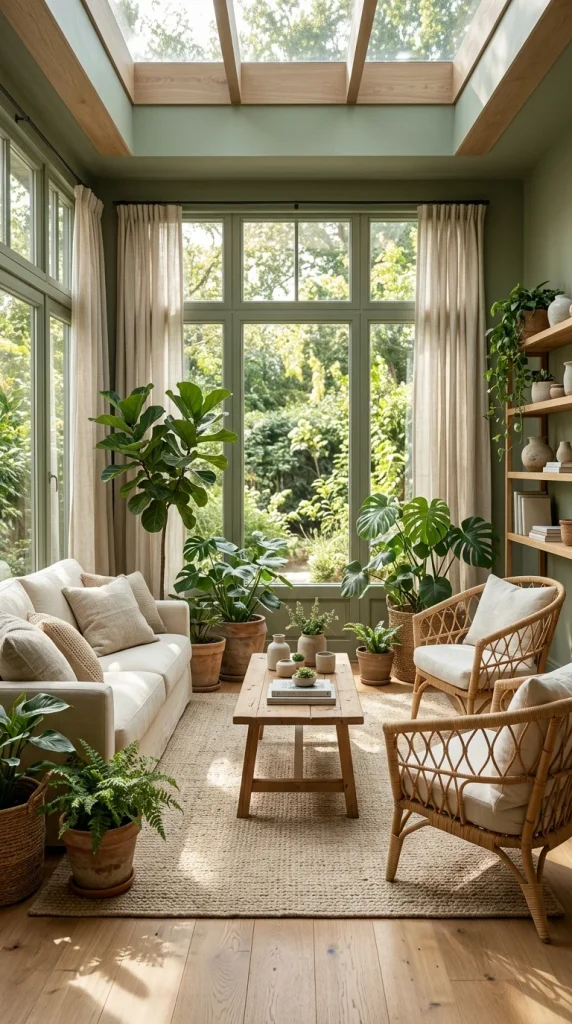
    Frequently Asked Questions

    What is an outdoor mud kitchen?

    An outdoor mud kitchen is a child-friendly play station designed for pretend cooking using materials such as mud, soil, sand, water, leaves, and natural objects. It usually includes a counter, storage, bowls, utensils, and sometimes a water station.

    How much does it cost to make an outdoor mud kitchen?

    The cost can vary depending on the materials and size. A simple mud kitchen can be made inexpensively by reusing old furniture, pallets, crates, bowls, and kitchen utensils. Buying new weather-resistant materials will usually increase the overall cost.

    Can I make a mud kitchen in a small backyard?

    Yes, a mud kitchen can work in a very small outdoor space. Choose a narrow counter, use vertical storage, and place the kitchen against a fence or wall. A compact design can still provide plenty of room for imaginative play.

    What materials are best for an outdoor mud kitchen?

    Durable wood, stainless steel or suitable metal containers, outdoor-safe finishes, and sturdy plastic accessories are practical choices. Avoid materials with sharp edges, loose parts, or finishes that are not suitable for outdoor or child use.

    Where should I place an outdoor mud kitchen?

    Choose a level location with good visibility and enough space for children to move around safely. A spot near a garden or soil area can be convenient, while partial shade can make the play area more comfortable during sunny weather.

    How do I keep an outdoor mud kitchen clean?

    Keep a separate container or bucket for dirty tools and encourage children to rinse reusable items after play. Store utensils and containers where they can dry properly. Periodically check the wooden surfaces, storage areas, and accessories for dirt, mold, rust, or damage.

    What should I put in an outdoor mud kitchen?

    Useful accessories include old pots, bowls, wooden spoons, measuring cups, small pans, buckets, sieves, and child-friendly gardening tools. Natural materials such as leaves, sticks, flowers, sand, and soil can also provide plenty of pretend-cooking possibilities.

  • 21 Outdoor Patio Makeover Ideas to Create a Cozy and Stylish Outdoor Space

    21 Outdoor Patio Makeover Ideas to Create a Cozy and Stylish Outdoor Space

    Your patio can become a beautiful extension of your home with a few simple and thoughtful updates. These outdoor patio makeover ideas can help turn a plain area into a cozy and stylish outdoor retreat. From comfortable patio furniture and outdoor rugs to greenery, lighting, and decorative accents, small changes can create a big impact. Whether you are planning a small patio makeover or a complete backyard refresh, there are plenty of ways to improve the space. Use these patio decorating ideas to create an inviting outdoor living area for relaxing, dining, and entertaining.
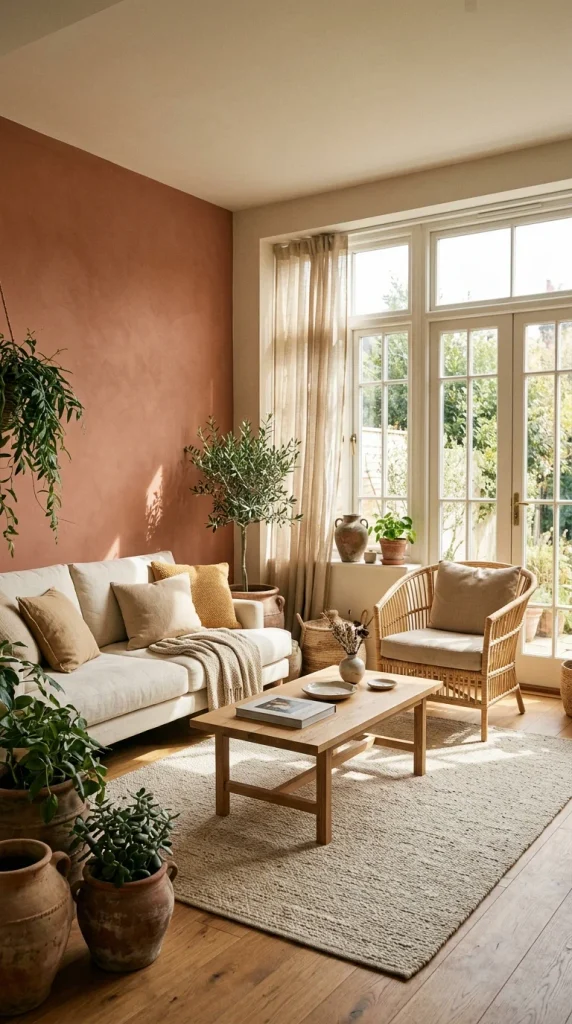
    1. Cozy Seating Area

    A comfortable seating area can instantly make your patio feel more welcoming. Choose weather-resistant chairs, a small sofa, or cushioned benches that fit the size of your space. Add soft pillows and a throw for extra comfort and warmth. Arrange the furniture so people can easily talk and enjoy the outdoor view.
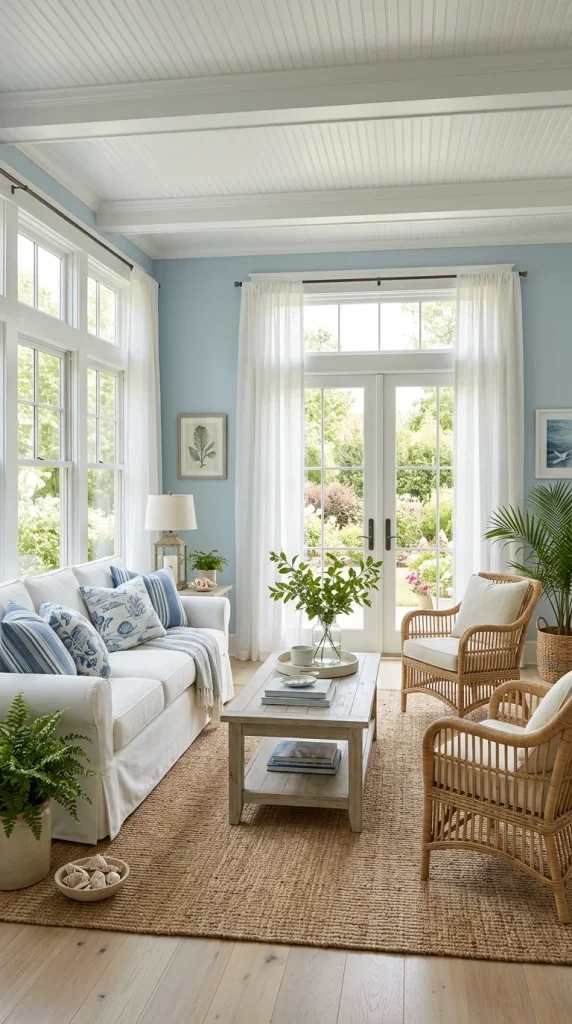
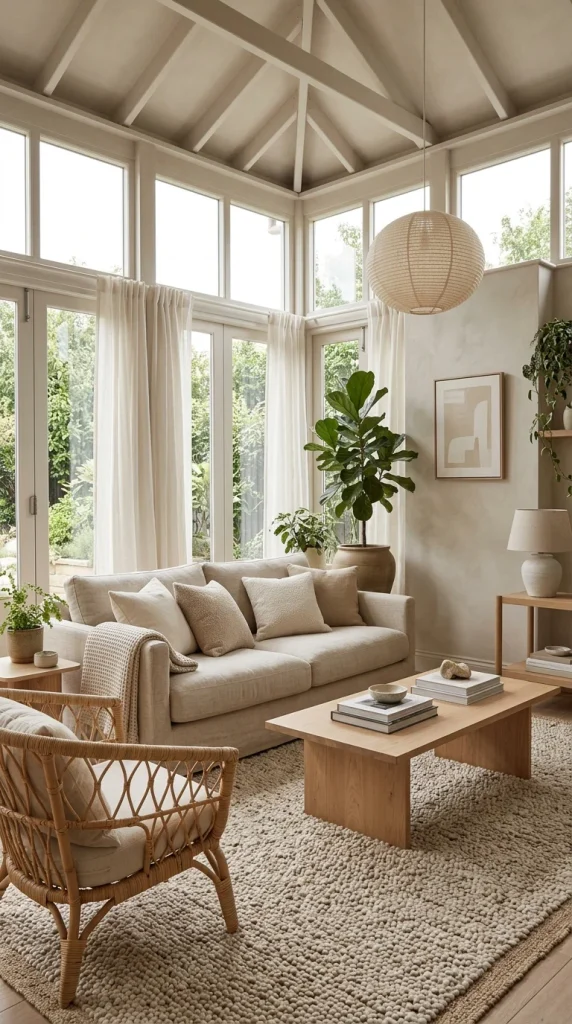
    2. Outdoor Area Rug

    An outdoor rug can give your patio a finished and cozy appearance while defining the seating area. Choose a durable material that can handle moisture, sunlight, and everyday use. Neutral patterns work well for a calm look, while colorful designs can add personality. Make sure the rug is large enough to sit comfortably under the main furniture.

    3. String Light Ambiance

    String lights are an easy way to create a warm atmosphere after sunset. Hang them across the patio, along a railing, or above a seating area for a soft glow. They can make simple furniture feel more inviting without requiring a major makeover. Choose warm white bulbs for a relaxed and comfortable outdoor setting.

    4. Potted Plant Display

    Plants can bring natural beauty and fresh color to an outdoor patio. Place potted plants around seating areas, corners, steps, or empty walls to make the space feel more lively. Mix different pot sizes and plant heights for a layered look. Choose plants that suit your local weather and the amount of sunlight your patio receives.

    5. Stylish Outdoor Dining

    Turn your patio into a useful dining space with a comfortable outdoor table and chairs. Choose a table size that leaves enough room for people to walk around easily. Add simple table decor, such as a centerpiece, lanterns, or potted herbs. This setup makes the patio perfect for casual family meals and outdoor gatherings.

    6. Built-In Bench Seating

    Built-in bench seating is a smart choice when you want comfortable seating without using too much floor space. A wooden or painted bench can fit neatly along a wall or patio edge. Add weather-resistant cushions and pillows to make it more inviting. It can also provide a practical seating solution for larger gatherings.

    7. Cozy Fire Pit Corner

    A fire pit can become a natural gathering point on a spacious patio. Place comfortable chairs around it while keeping enough distance for safe movement. Add outdoor cushions, blankets, and a small side table to create a relaxed setting. Always choose a fire pit that suits your patio size and follow local safety requirements.

    8. Modern Patio Furniture

    Modern furniture can give an outdoor patio a clean and updated appearance. Look for simple shapes, durable materials, and colors that complement your home’s exterior. A sofa, lounge chairs, and a compact coffee table can create a balanced arrangement. Keep the furniture practical so the patio remains comfortable and easy to use.

    9. Boho Patio Styling

    Boho styling can make a patio feel relaxed, warm, and full of personality. Combine natural materials such as wood, rattan, woven textures, and soft fabrics. Add patterned pillows, plants, lanterns, and neutral tones for an effortless look. Keep the arrangement casual rather than overly matched to create a comfortable retreat.

    10. Outdoor Privacy Screen

    A privacy screen can make your patio feel more peaceful, especially when it is close to neighbors. Wooden slats, lattice panels, outdoor curtains, or tall plants can create a comfortable sense of separation. Choose a design that matches the style of your home and patio furniture. A well-placed screen can also help define the outdoor living area.

    11. Colorful Patio Accents

    Adding a few colorful accents can completely refresh a simple patio. Use colorful cushions, outdoor rugs, planters, or small decorative pieces to bring personality into the space. You do not need many colors to make an impact. Choose two or three shades that work well together for a balanced and cheerful look.

    12. Covered Patio Retreat

    A covered patio can provide shade and make outdoor living more comfortable during bright or changing weather. Add comfortable furniture underneath the covered area and use soft lighting to make it inviting. Outdoor curtains can provide extra shade and privacy when needed. Keep the decor simple so the space remains open and relaxing.

    13. Natural Wood Details

    Natural wood can add warmth and texture to an outdoor patio makeover. Consider wooden furniture, planters, privacy screens, or decorative wall details. Pair the wood with neutral cushions and greenery for a calm, natural appearance. Choose properly treated outdoor wood so it can better handle moisture and changing weather.

    14. Vertical Garden Wall

    A vertical garden is a useful way to add greenery when floor space is limited. Use wall-mounted planters, hanging pots, or a simple trellis to create a green focal point. Mix different plants to add texture and visual interest. This idea can make even a small patio feel fresher without taking up valuable seating space.

    15. Outdoor Coffee Table

    An outdoor coffee table can make a patio seating area more practical and complete. Choose a weather-resistant table that provides enough space for drinks, books, snacks, or small decorations. Wood, metal, and weather-resistant composite materials can all work well outdoors. Keep the table proportional to your seating so the area does not feel crowded.

    16. Neutral Patio Decor

    Neutral colors can create a peaceful and timeless patio that feels easy to maintain and update. Use shades such as cream, beige, taupe, soft gray, and natural brown throughout the furniture and accessories. Add plants or subtle patterns to prevent the space from looking flat. This style works especially well for a calm and sophisticated outdoor retreat.

    17. Small Space Seating

    Even a small patio can feel comfortable with carefully chosen furniture. Use compact chairs, a small loveseat, or a narrow bench instead of oversized pieces. Folding furniture can also provide flexibility when you need extra floor space. Keep pathways clear and use vertical decor to make the area feel open and organized.

    18. DIY Patio Planters

    DIY planters can add a personal touch to your patio without requiring a large budget. Repurpose suitable containers, wooden boxes, or simple pots to create attractive plant displays. Paint or decorate them in colors that complement your outdoor furniture. Group several planters together to create an attractive focal point in an empty corner.

    19. Outdoor Curtain Styling

    Outdoor curtains can soften a patio while adding shade and privacy. Hang them around a covered seating area or along an outdoor structure to create a cozy room-like feeling. Light neutral curtains can keep the space bright and airy. Choose outdoor-rated fabric that is designed to handle moisture and sunlight.

    20. Cozy Evening Retreat

    Create a relaxing evening retreat by combining comfortable seating, soft lighting, and a few warm accessories. Add lanterns or string lights around the seating area to create a gentle glow. Keep blankets nearby for cooler evenings and use a small table for drinks. The result is a patio that feels inviting long after the sun goes down.

    21. Fresh Patio Makeover

    A fresh patio makeover does not always require replacing everything. Start by cleaning the space, rearranging existing furniture, and removing unnecessary clutter. Then add a few updated pieces such as cushions, plants, lighting, or an outdoor rug. Small changes can give an older patio a completely refreshed and more welcoming appearance.

    Conclusion

    A beautiful outdoor patio makeover can make your home feel more connected to the outdoors without requiring complicated changes. Comfortable furniture, warm lighting, greenery, rugs, and practical layouts can transform even a simple patio into a welcoming retreat. Focus on pieces that suit your space, lifestyle, and budget. With a few thoughtful updates, your patio can become a cozy place for relaxing, dining, and spending time with family and friends.

    Frequently Asked Questions

    1. How can I make my outdoor patio look better on a budget?

    Start with affordable changes such as rearranging furniture, adding outdoor cushions, plants, string lights, and an outdoor rug. Cleaning and decluttering the patio can also make a noticeable difference without spending much money.

    2. How do I make a small patio feel cozy?

    Choose compact furniture and avoid filling every corner. Use vertical planters, a small outdoor rug, soft lighting, and a few comfortable accessories to create a cozy atmosphere without making the patio feel crowded.

    3. What colors work best for an outdoor patio makeover?

    Neutral shades such as beige, cream, taupe, gray, and natural wood tones create a timeless look. You can add small touches of green, blue, terracotta, or another favorite color through pillows, rugs, and planters.

    4. What materials are best for outdoor patio furniture?

    Weather-resistant materials such as treated wood, powder-coated metal, aluminum, and outdoor-rated synthetic materials are practical choices. Look for furniture designed specifically for outdoor use and follow the care instructions.

    5. Where should I place furniture on a patio?

    Arrange furniture around the main purpose of the space, such as conversation, dining, or relaxing. Keep comfortable walking paths between furniture pieces and avoid blocking doors, stairs, or important access points.

    6. How can I add privacy to my outdoor patio?

    Outdoor curtains, privacy screens, lattice panels, tall plants, and trellises can help create a more private patio. Choose an option that provides enough coverage while still allowing airflow and natural light.

    7. How can I make my patio comfortable for evening use?

    Use warm outdoor lighting such as string lights, lanterns, or suitable wall lights. Add comfortable cushions and blankets, and arrange seating around a table or focal point so the patio remains practical and inviting after dark.