havenoracozydecor

  • 21 Cozy Nursery Decor Ideas for a Warm and Peaceful Space

    21 Cozy Nursery Decor Ideas for a Warm and Peaceful Space

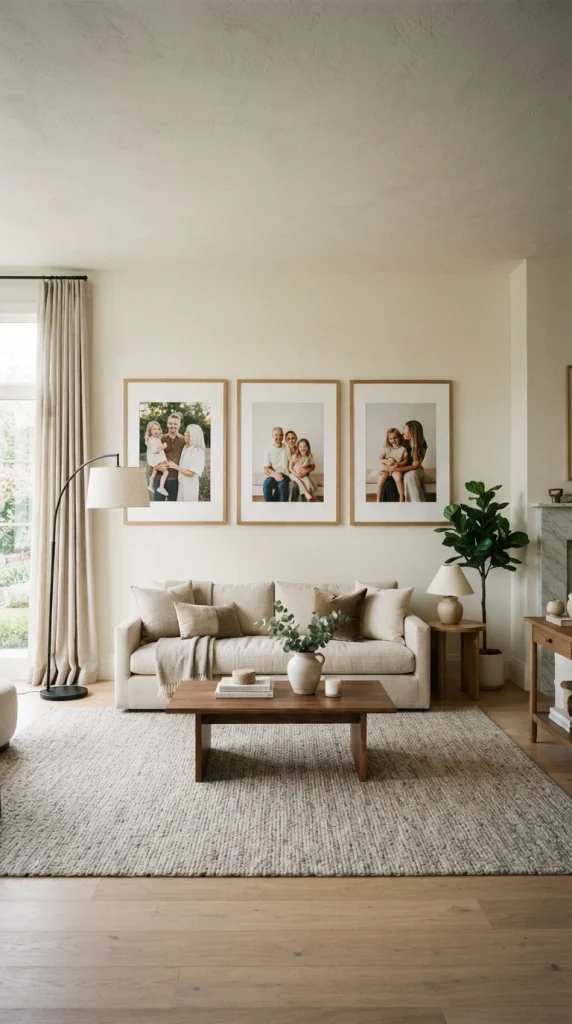
    Preparing for the arrival of a baby brings excitement and anticipation, but it can also bring anxiety and stress. The best nursery decorating ideas focus on creating a nursery that feels peaceful, stylish, and easy to use. If you feel stuck, looking at pretty nurseries can give you inspiration and the right idea for your…


  • 25 Eye-Catching Photo Gallery Wall Ideas That Instantly Upgrade Your Room

    25 Eye-Catching Photo Gallery Wall Ideas That Instantly Upgrade Your Room

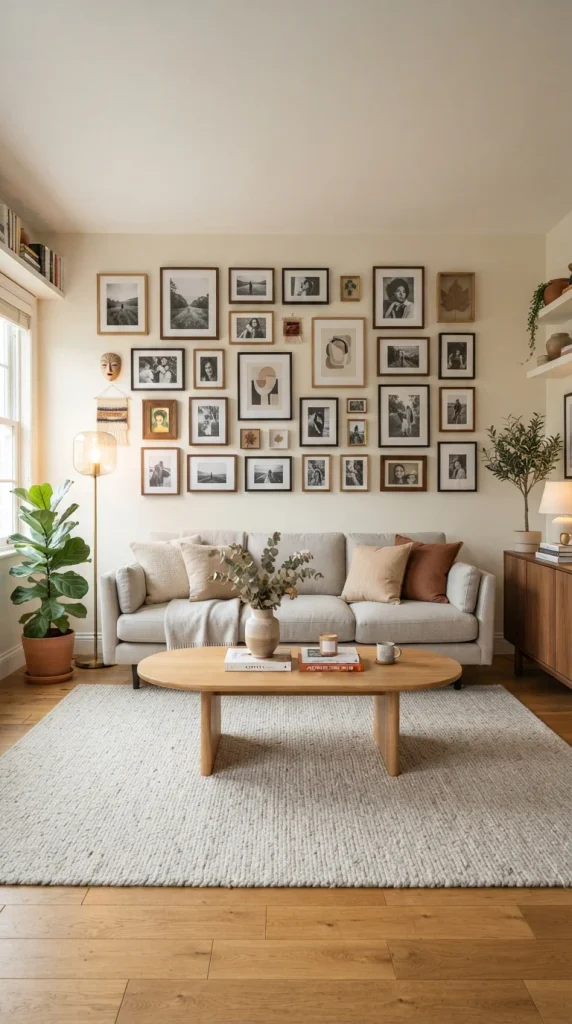
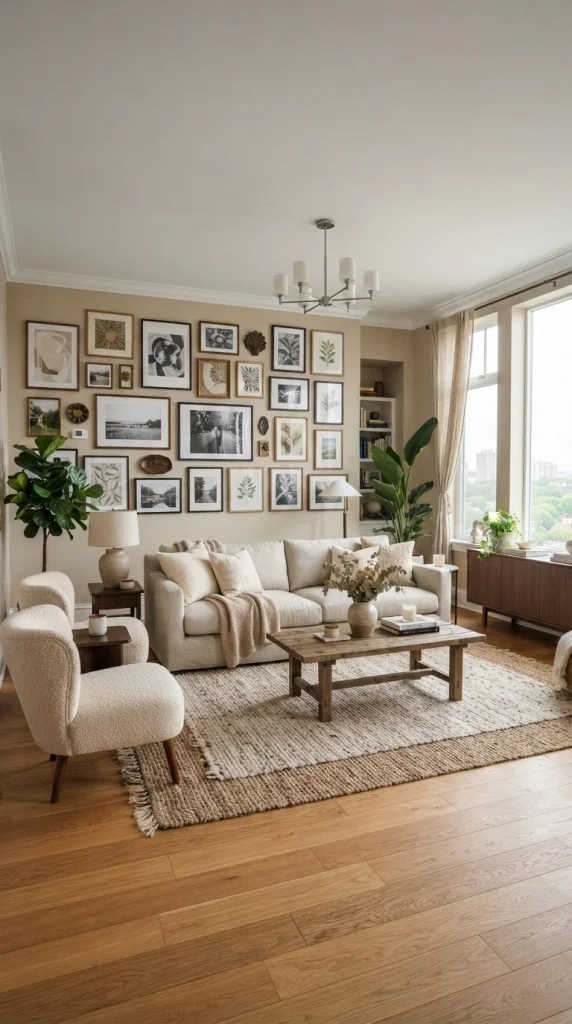
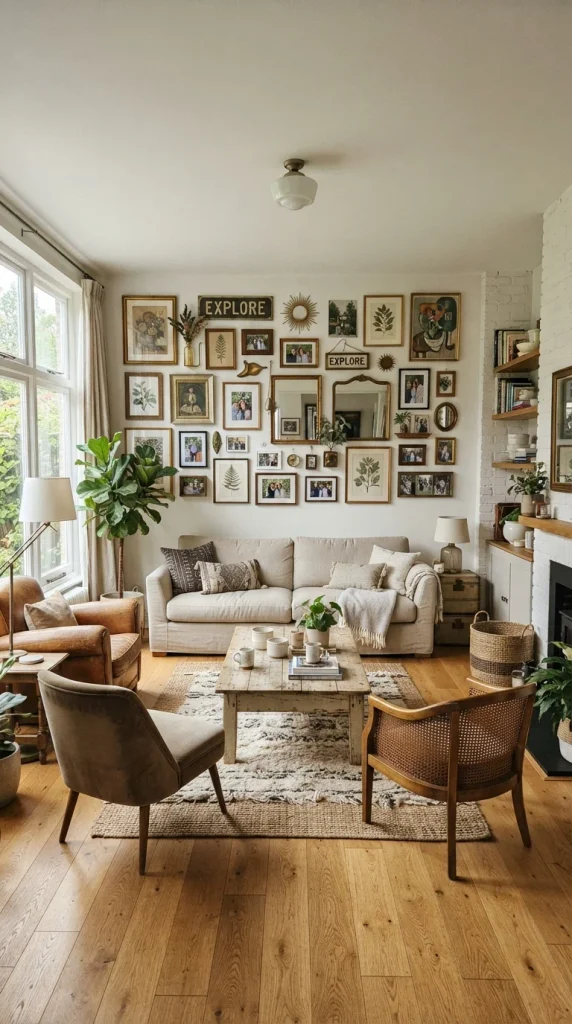
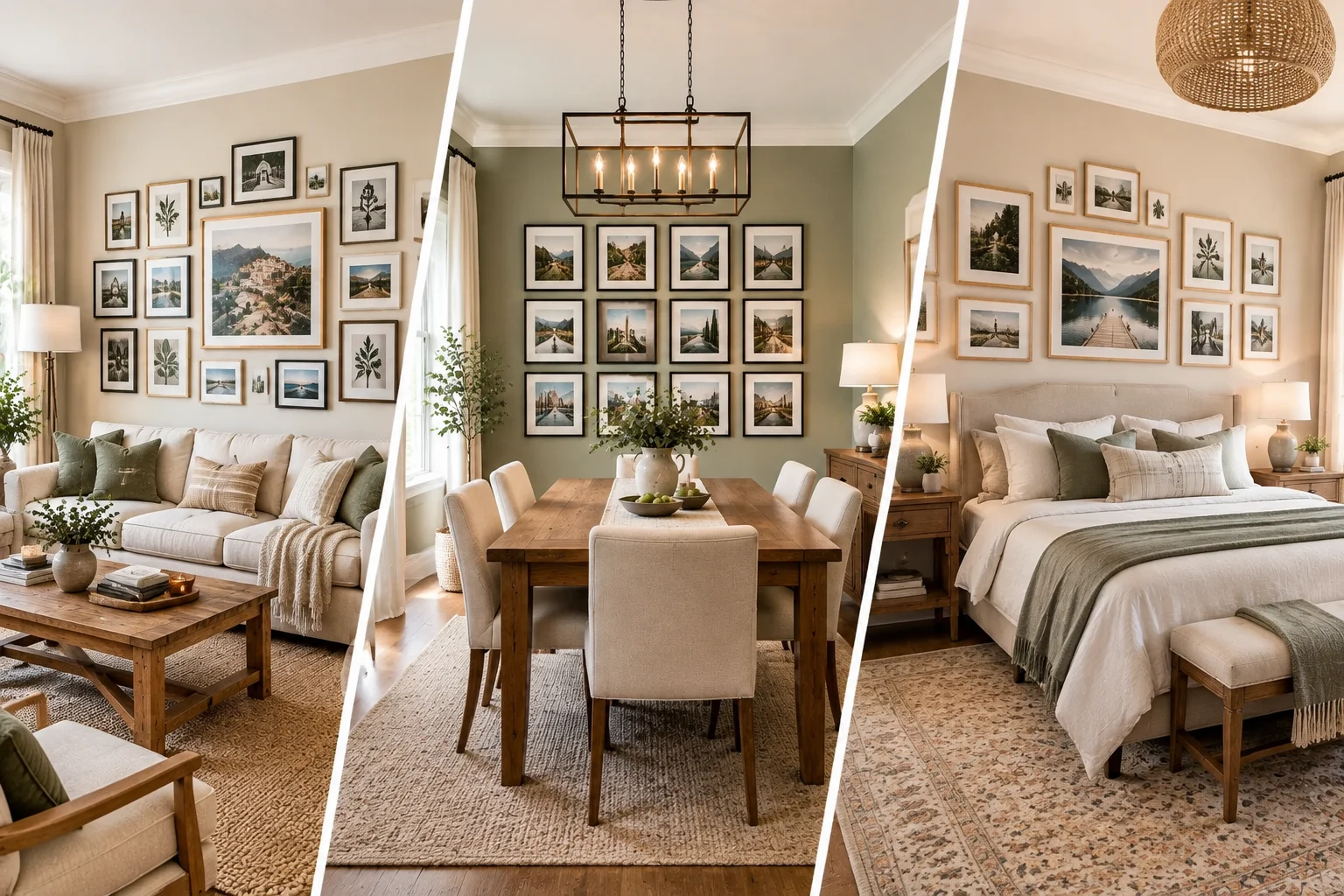
    A beautiful photo gallery wall adds more than decoration; it tells your personal story through your home interiors. The best gallery wall ideas combine a stylish backdrop, creative hanging arrangement, and meaningful pieces like family photos, artwork, and personal prints. Whether placed in a living room, bedroom, or bathroom, a gallery wall can become a…


  • 22 Dreamy Kitchen Cabinet Ideas That’ll Turn Your Kitchen Into a Beautiful Space

    22 Dreamy Kitchen Cabinet Ideas That’ll Turn Your Kitchen Into a Beautiful Space

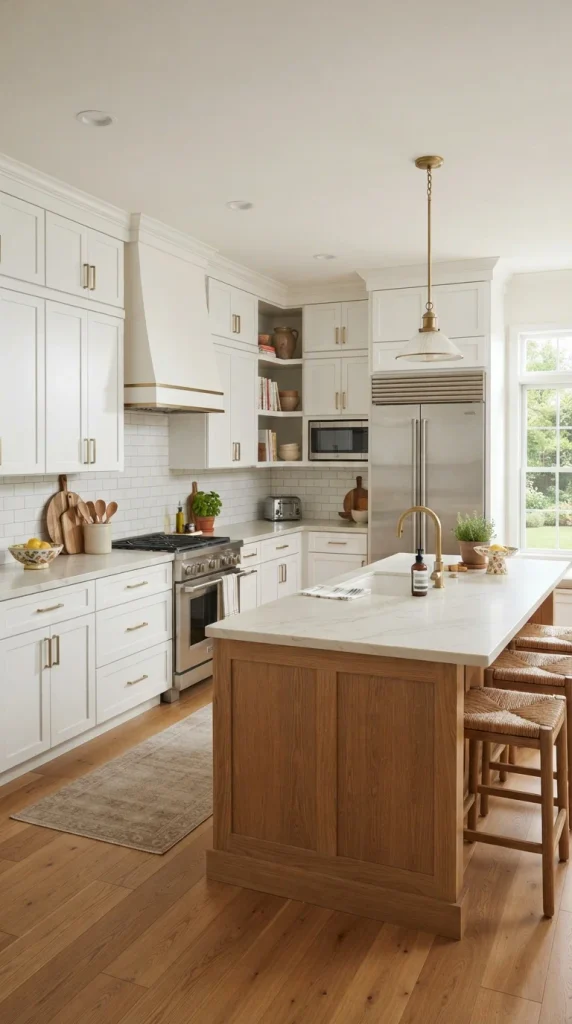
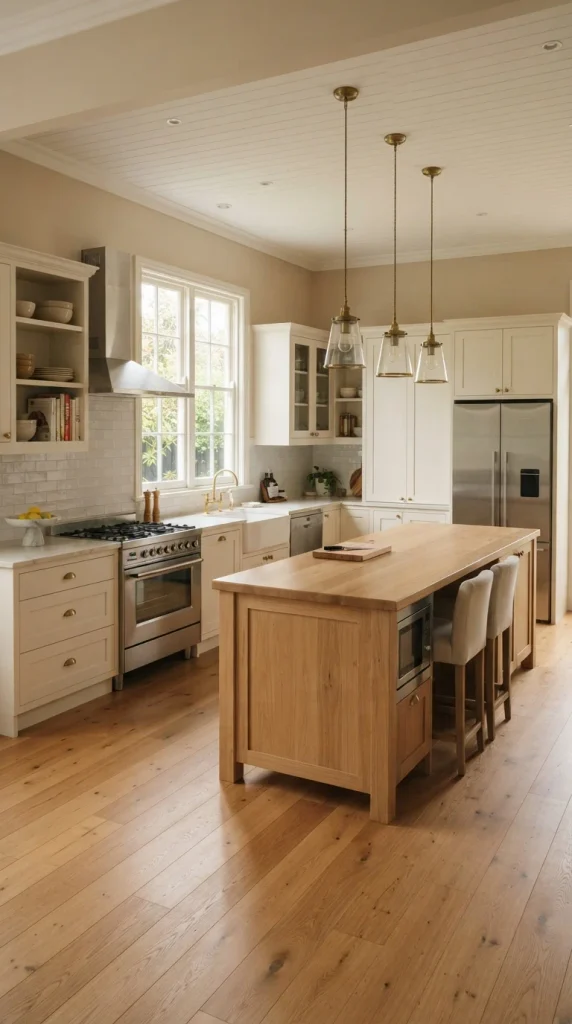
    When planning a kitchen reno, I always find that the right kitchen cabinet ideas can change the entire feeling of a kitchen without making it look overdone. Start with the color, material, and size that suit your space, then consider the small features that give the room more personality. A soft new paint color or…


  • 21 Living Room Wall Decor Ideas That Turn Blank Walls Into Focal Points

    21 Living Room Wall Decor Ideas That Turn Blank Walls Into Focal Points

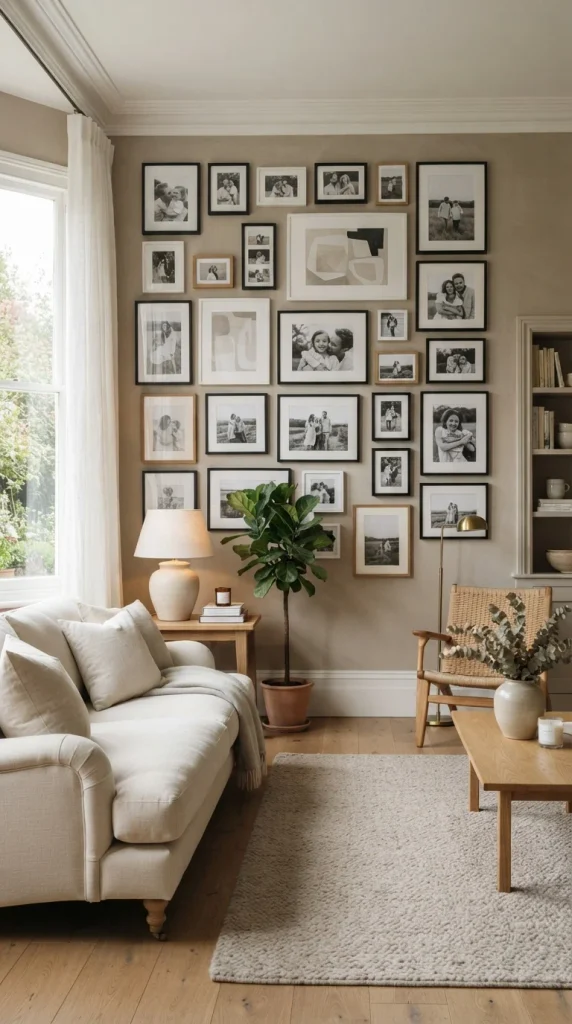
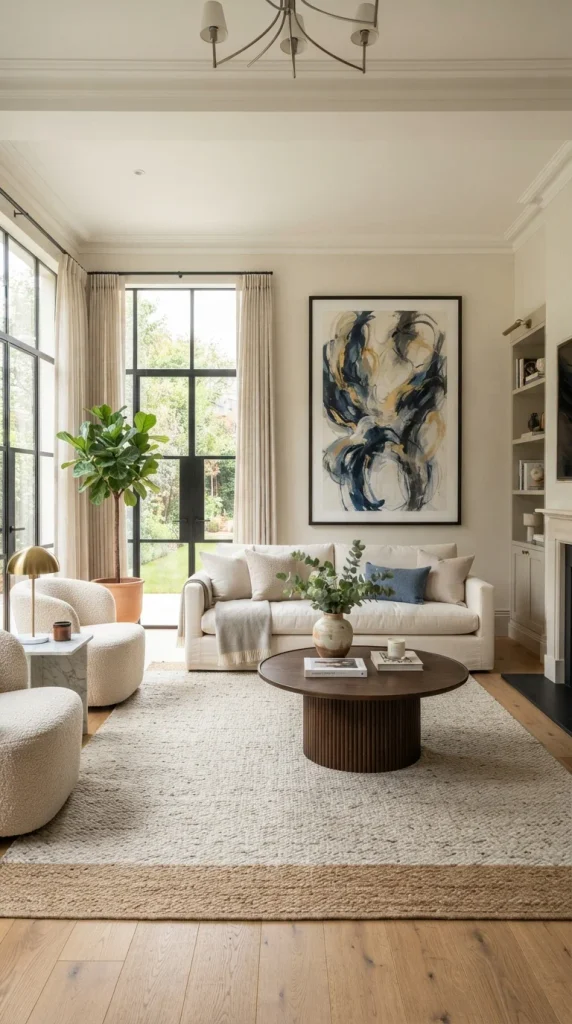
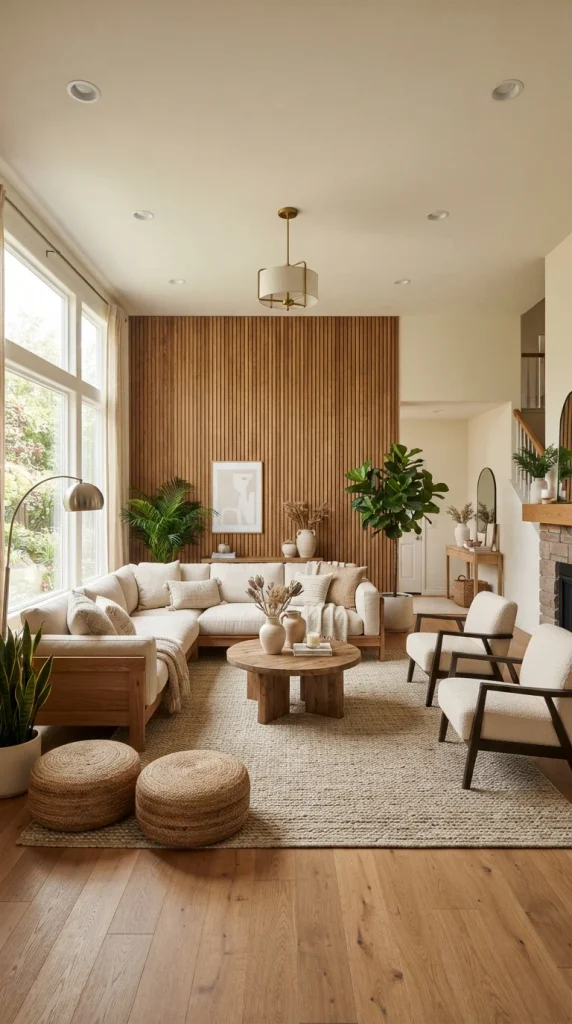
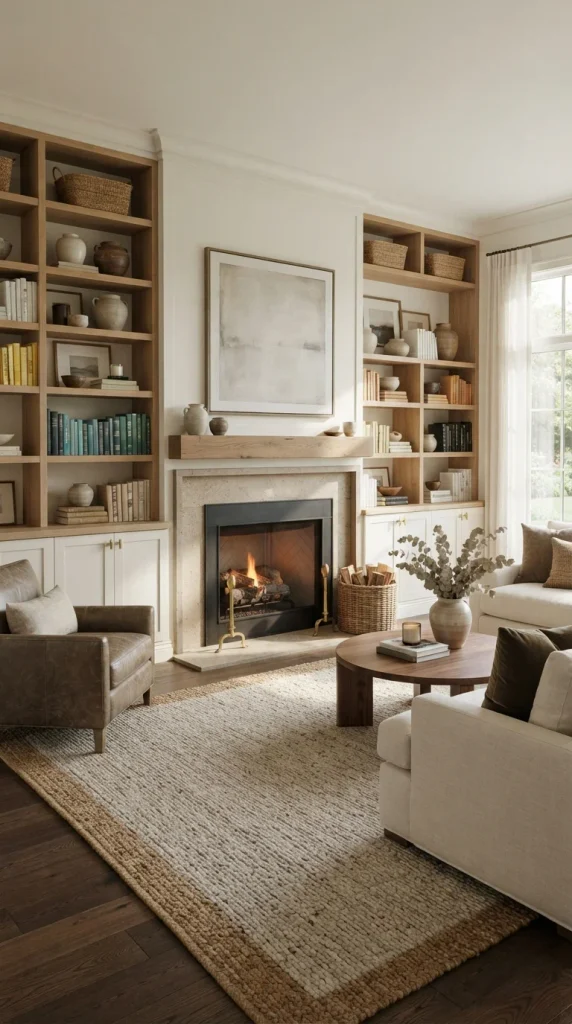
    A blank wall can quickly become a beautiful focal point with simple, thoughtful wall decor. Start with your sofa, interior style, and room decor, then choose pieces that reflect your personality and personal style. Framed artwork, mirrors, floating shelves, gallery walls, and botanical decor can add warmth, texture, and visual appeal without making the room…


  • 22 Dining Room Decor Ideas for a Stylish and Welcoming Space

    22 Dining Room Decor Ideas for a Stylish and Welcoming Space

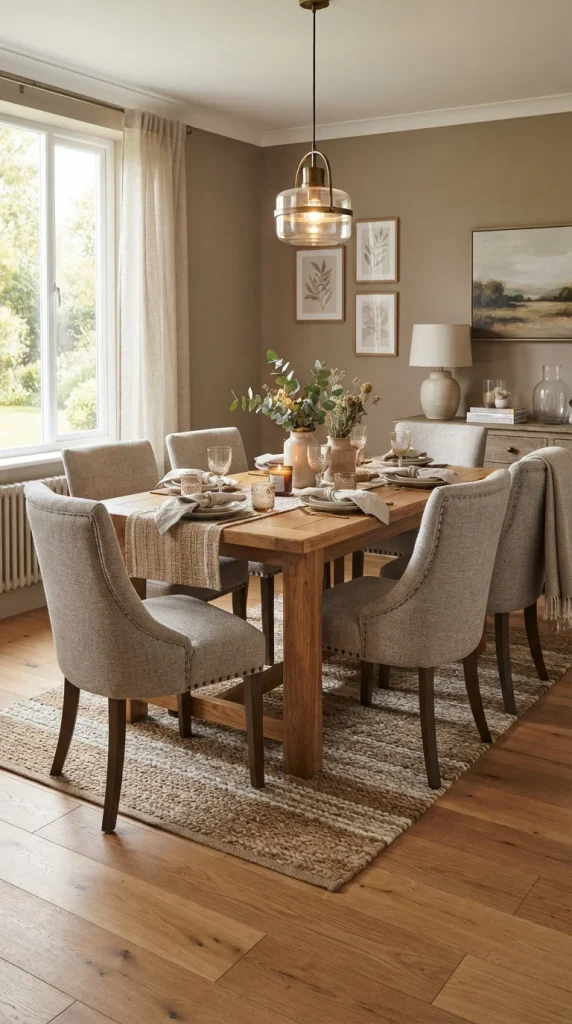
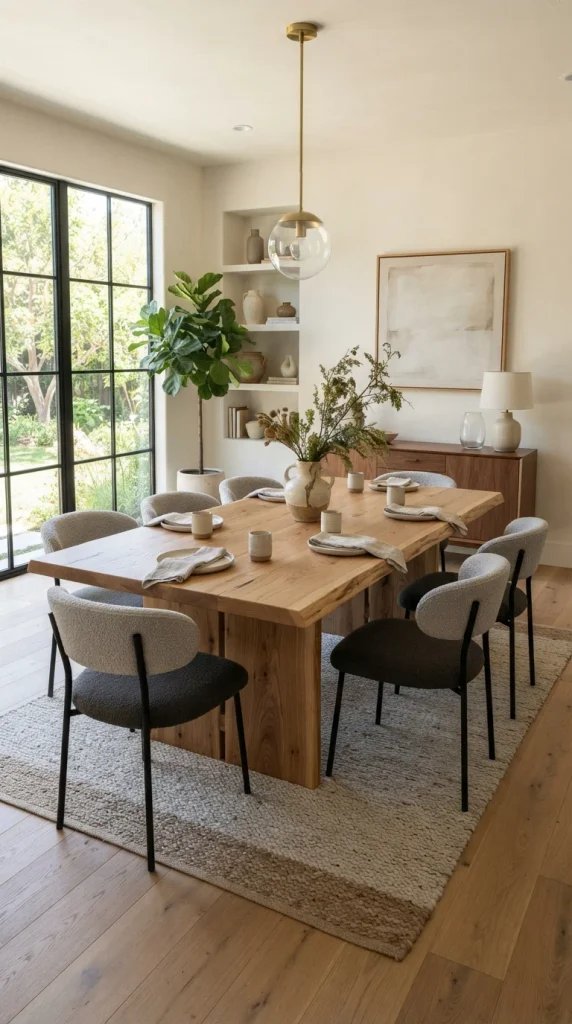
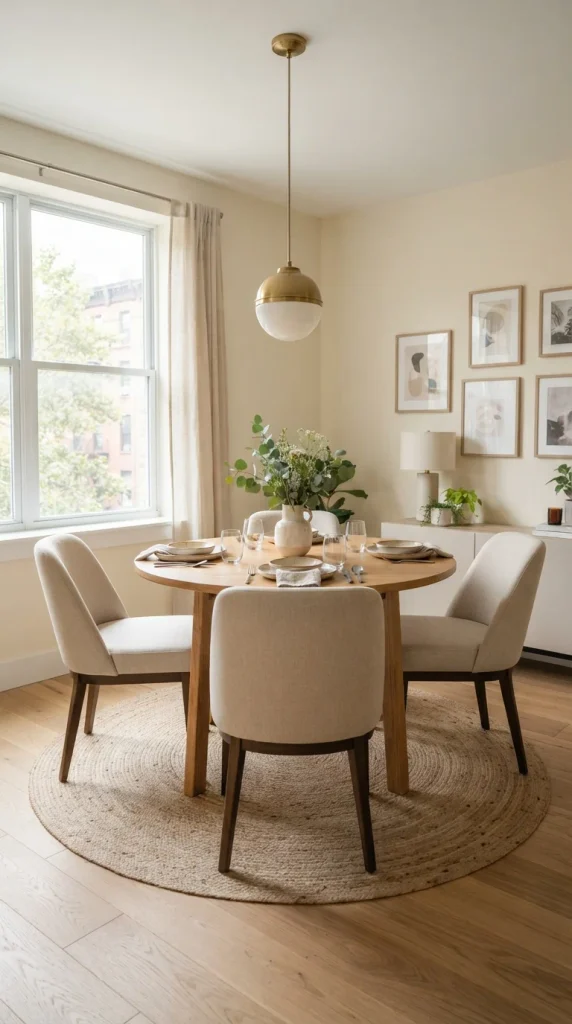
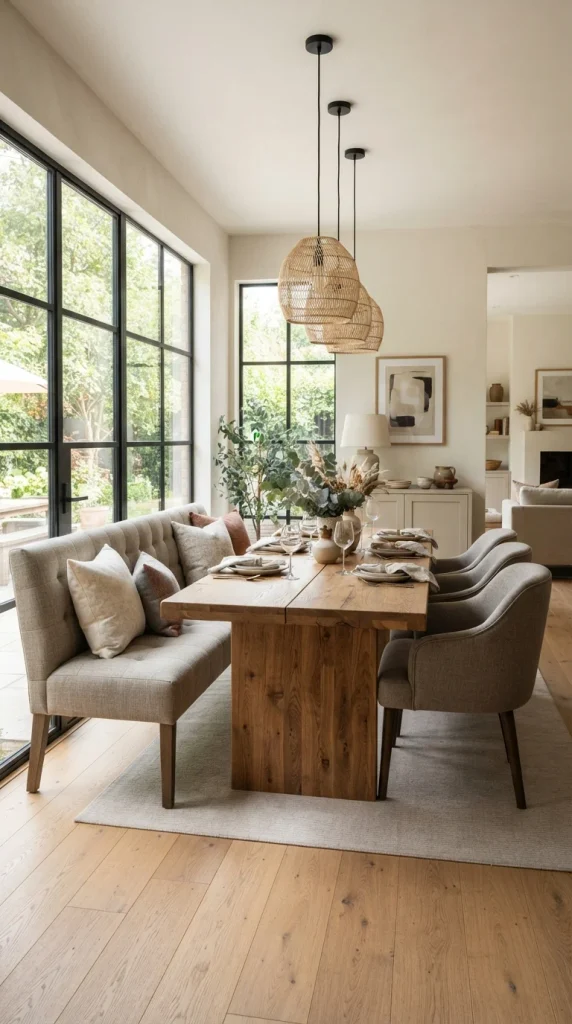
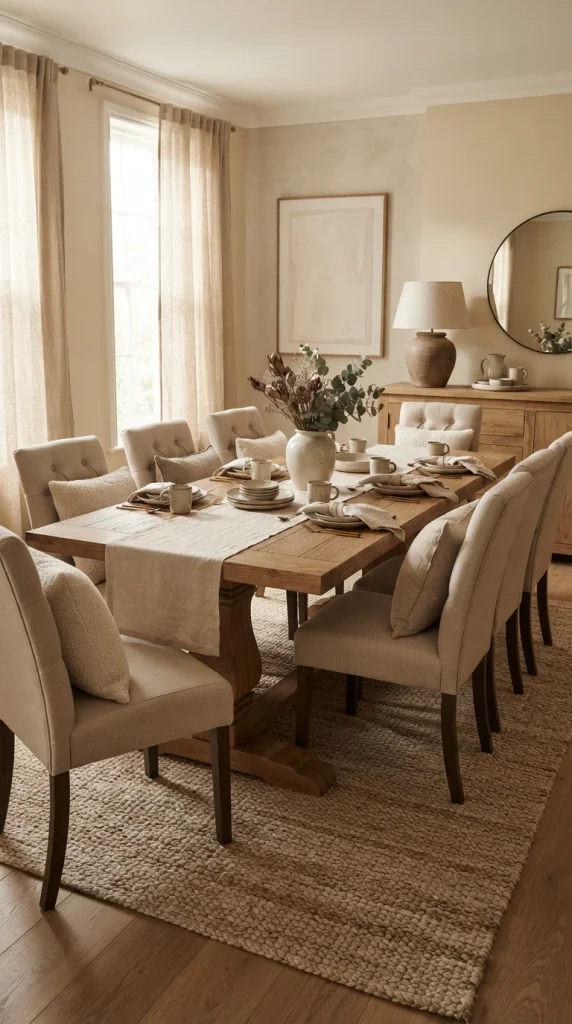
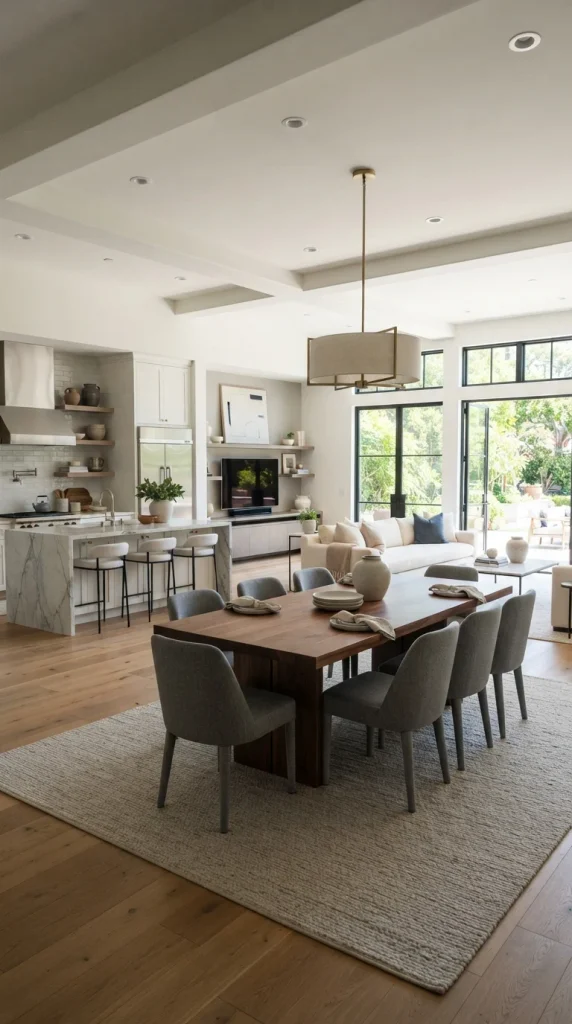
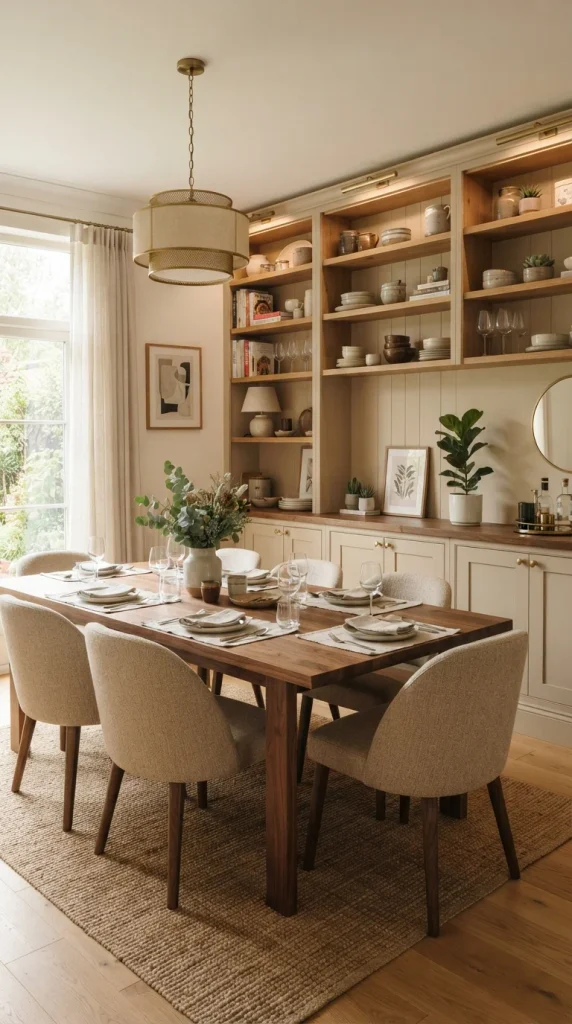
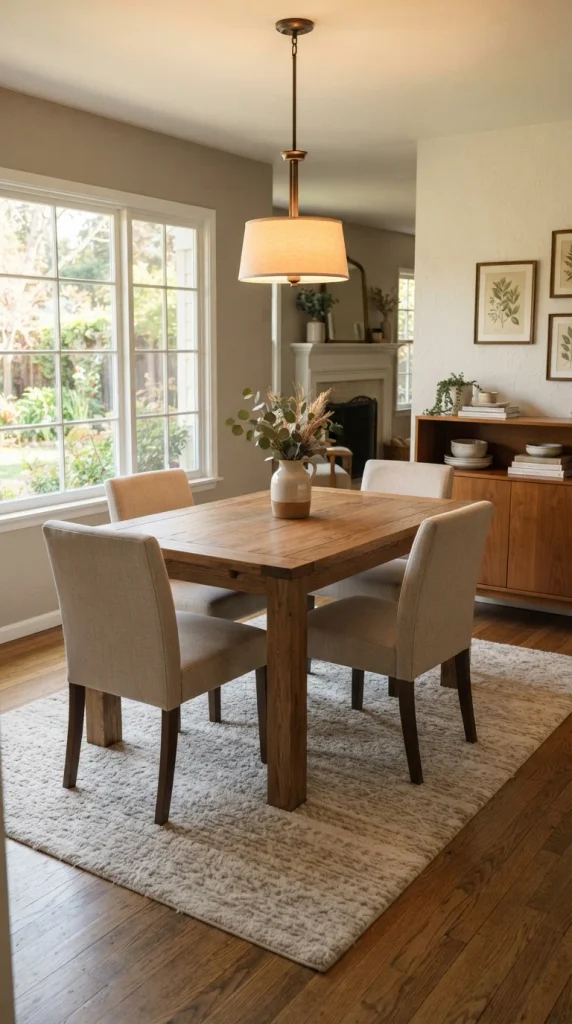
    Small dining rooms can be a challenge, but they also offer an opportunity to make thoughtful choices. With limited space, an ill-sized dining chair or bar cart can make the room feel overwhelmed and cluttered, so being intentional when selecting furniture pieces is key. A dining table with a thoughtful shape can work beautifully with…


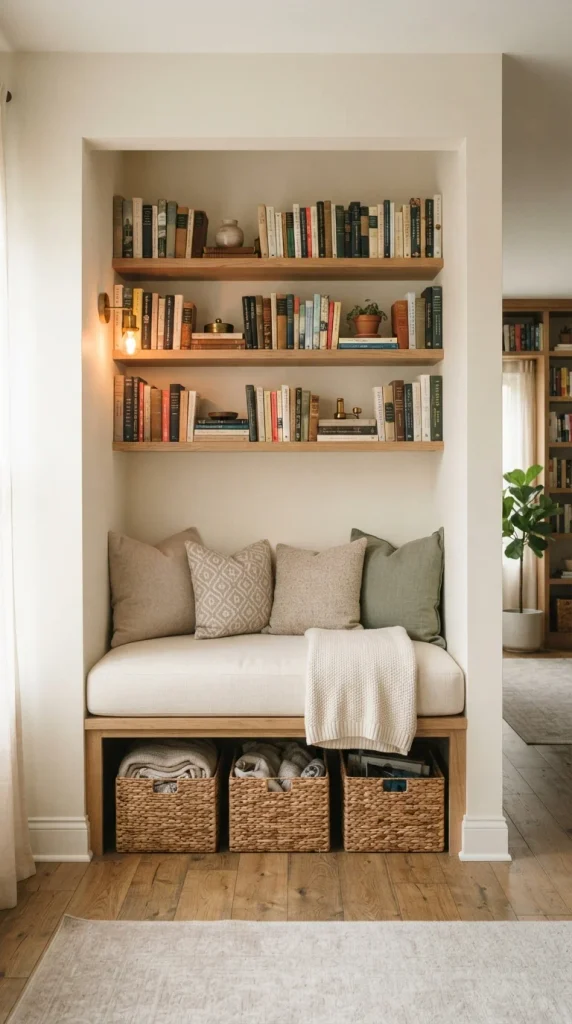
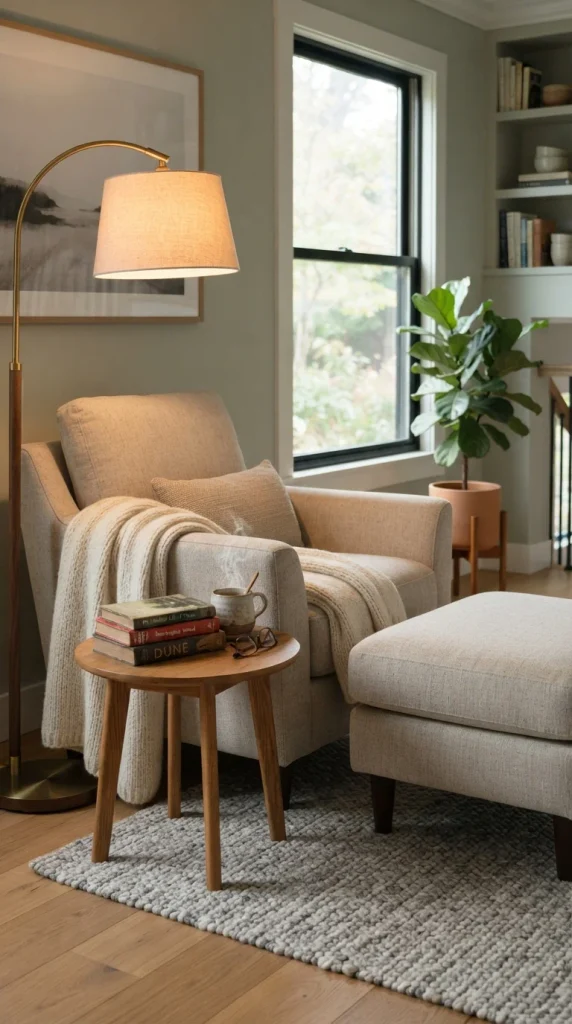
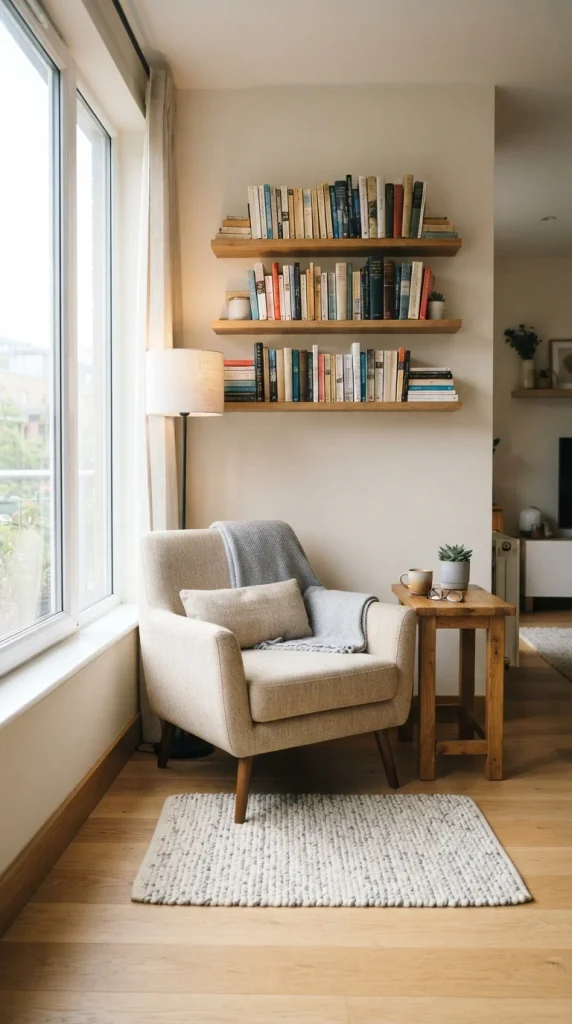
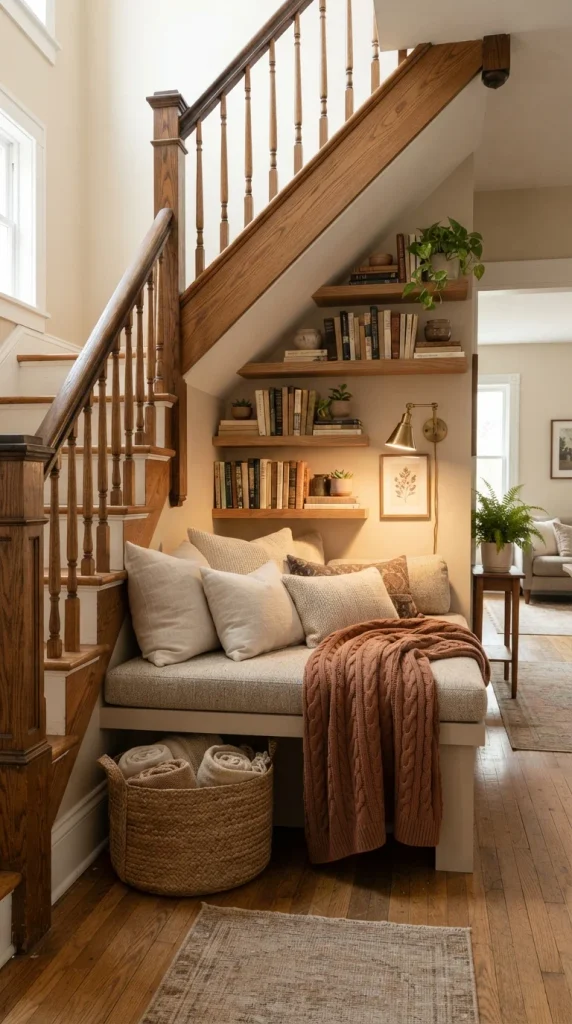
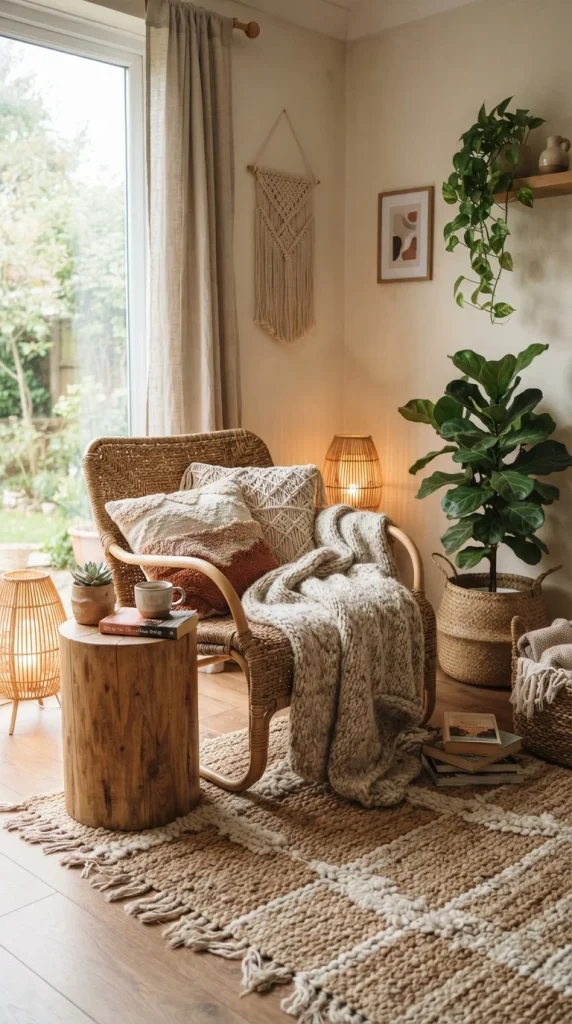
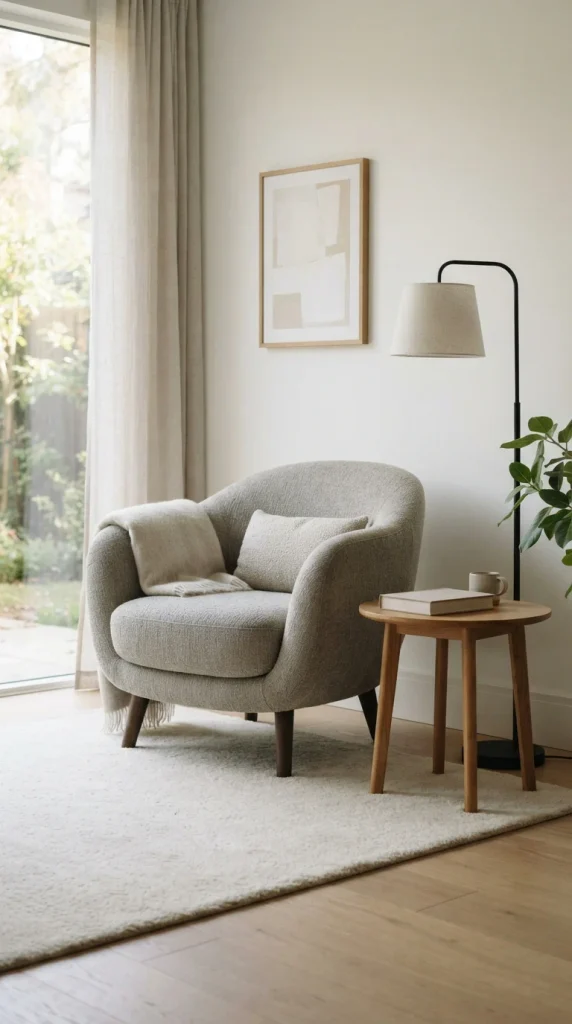
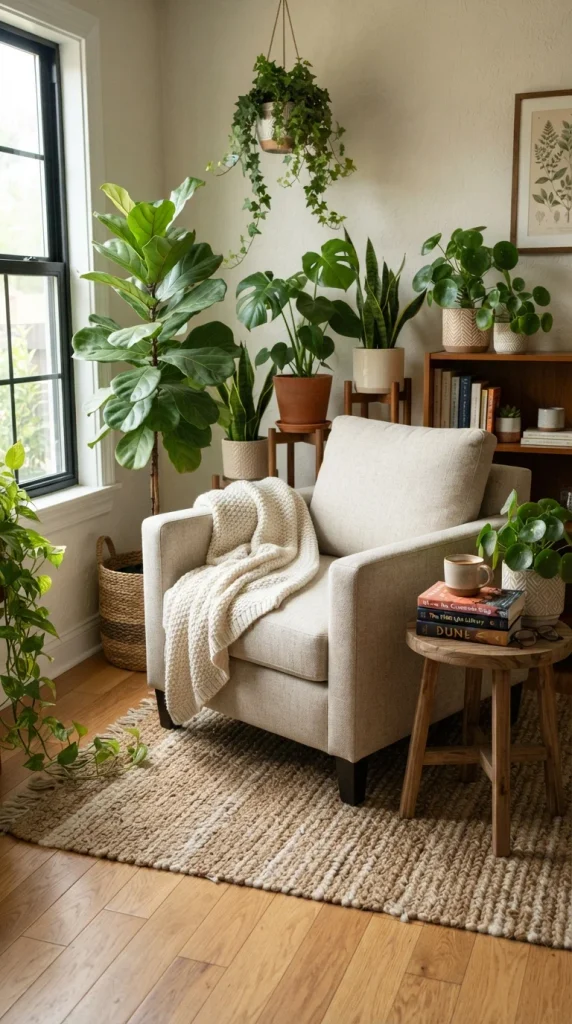
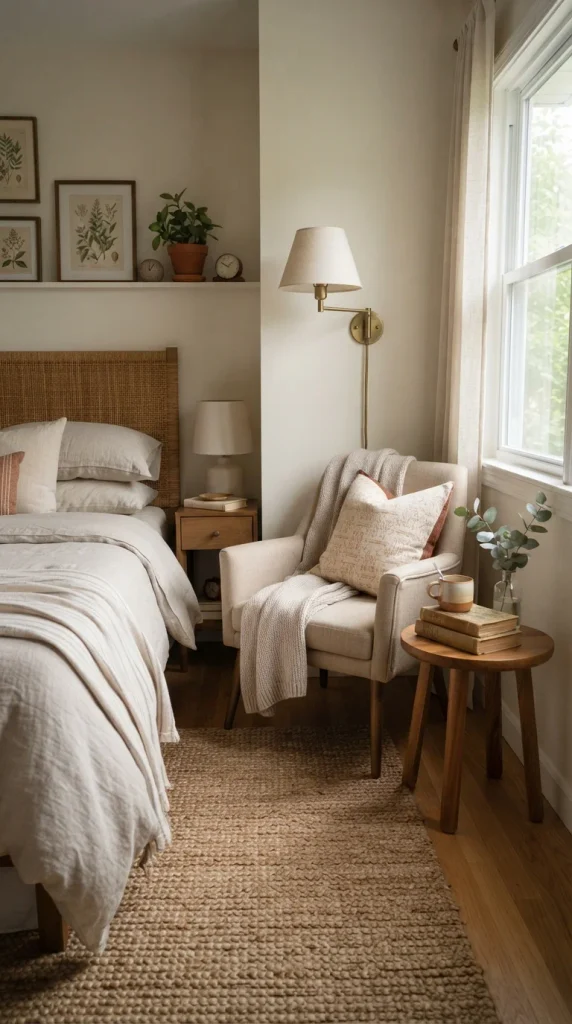
  • 25 Cozy Reading Corner Ideas for a Relaxing Home

    25 Cozy Reading Corner Ideas for a Relaxing Home

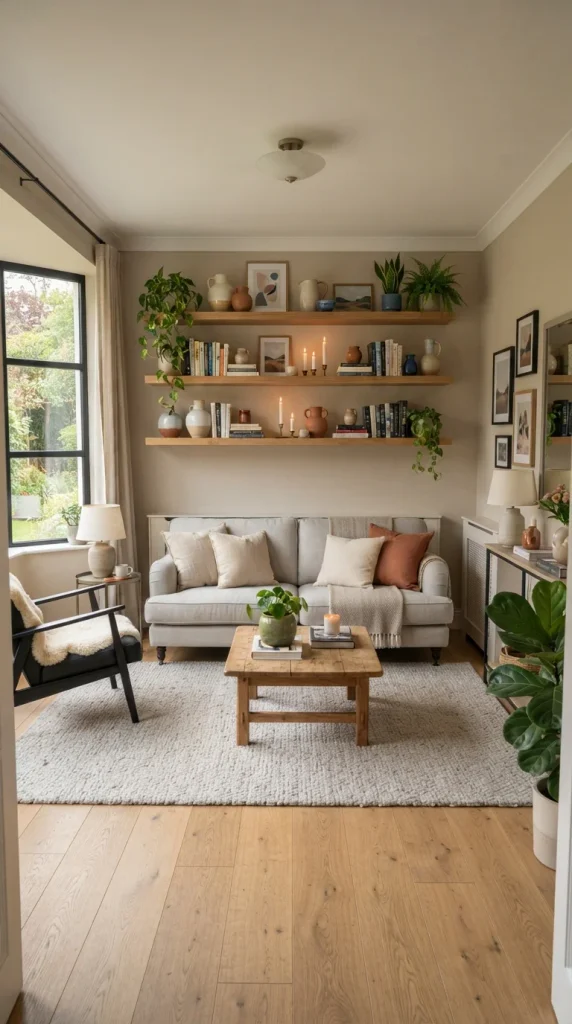
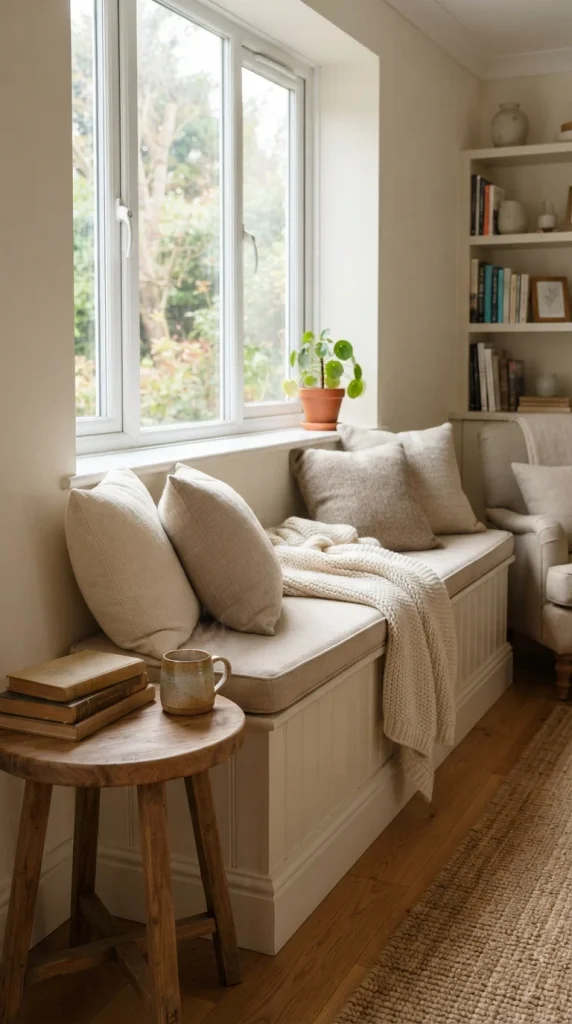
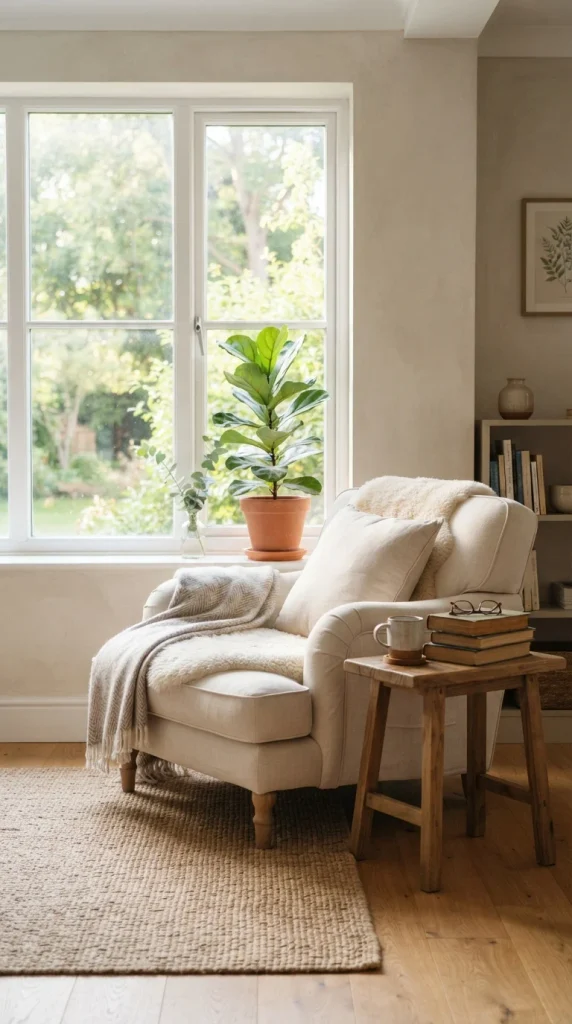
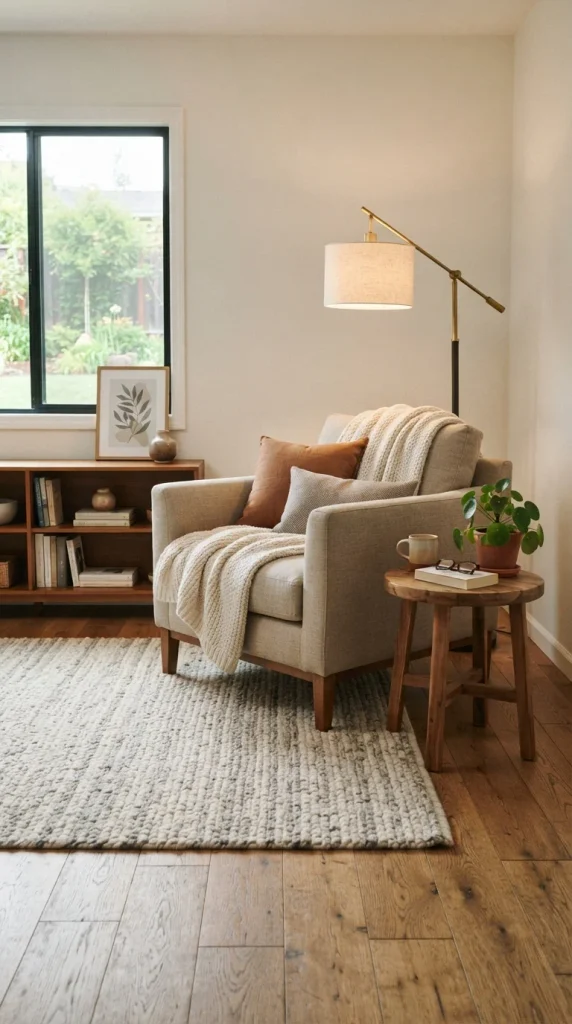
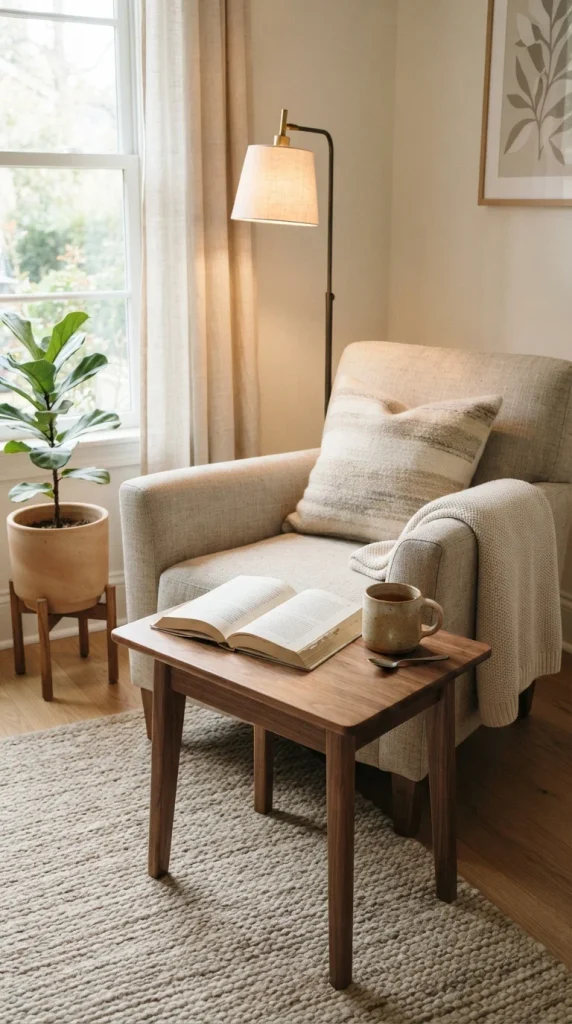
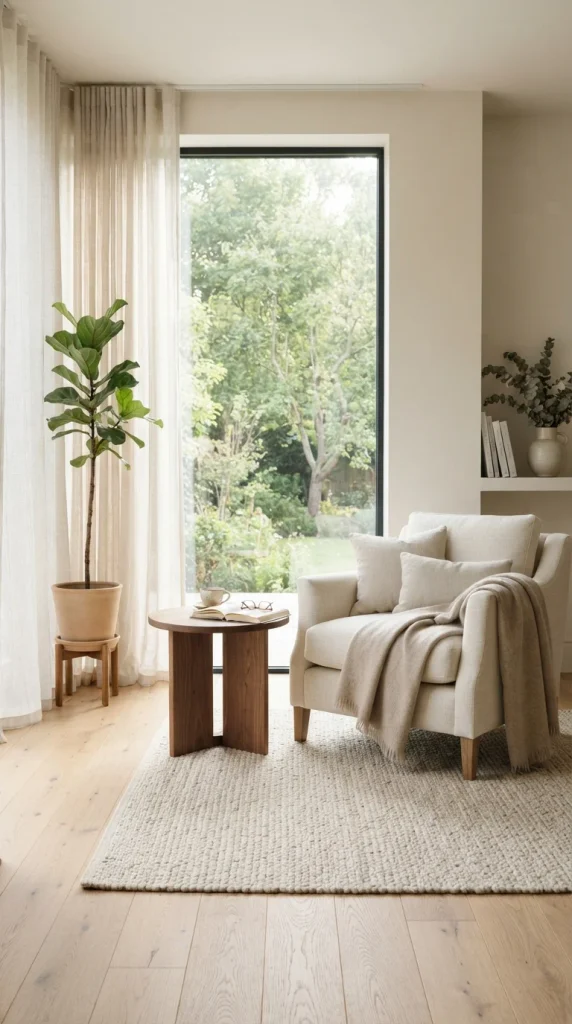
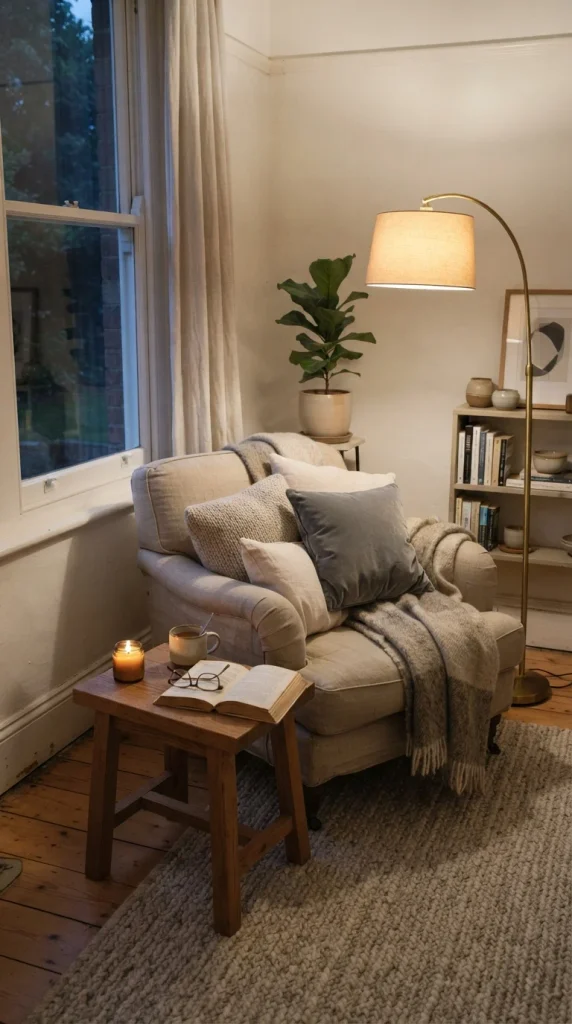
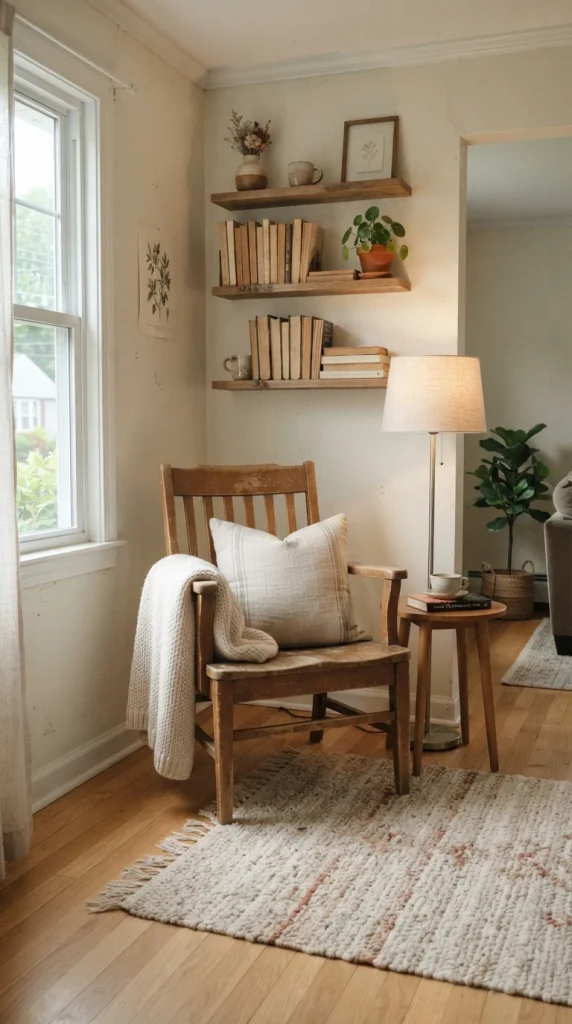
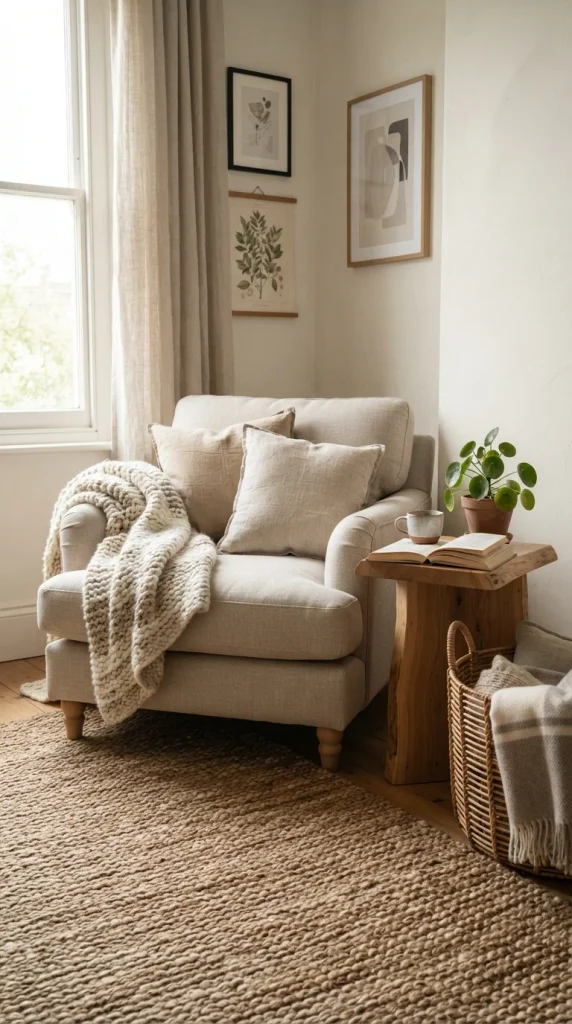
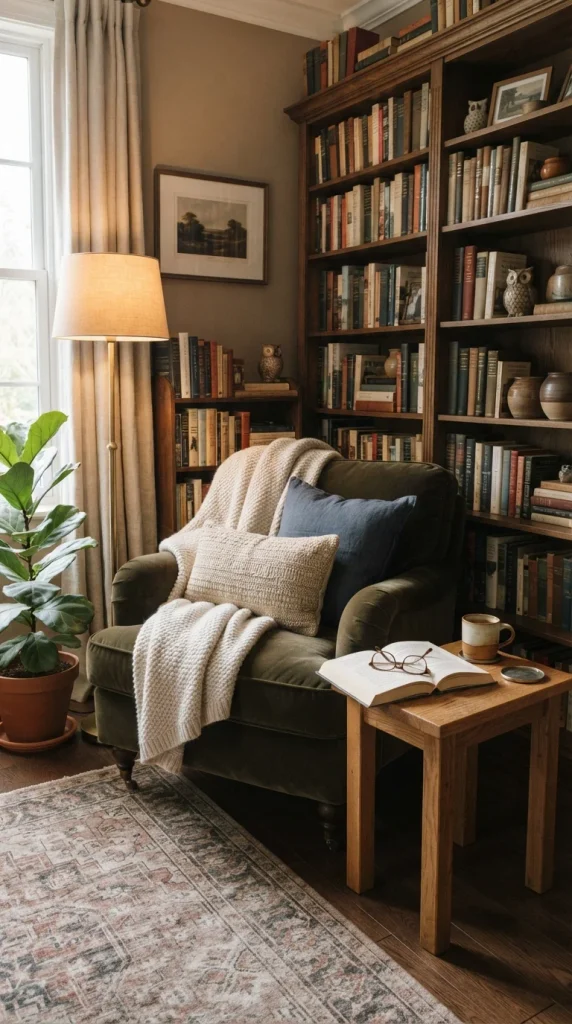
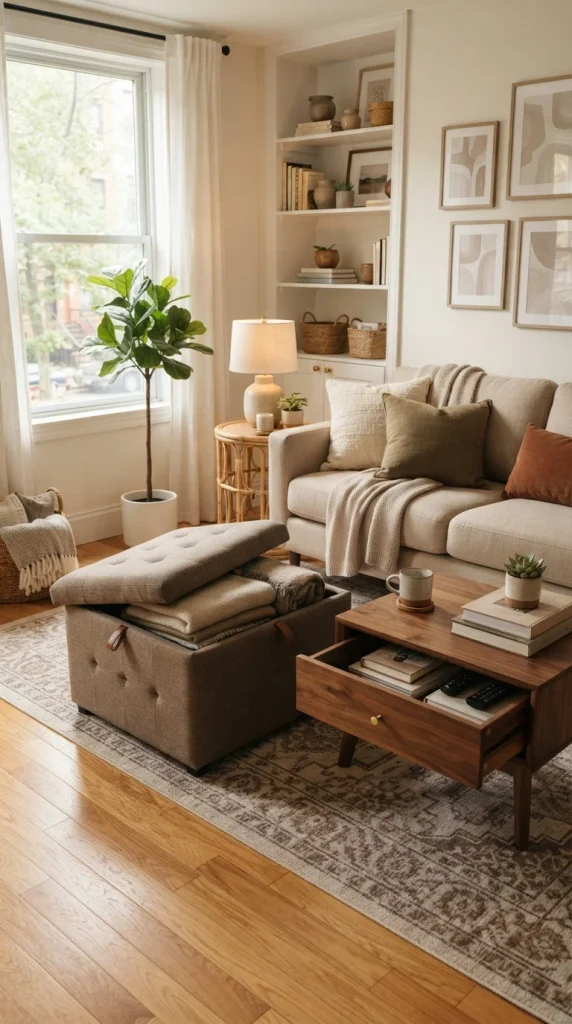
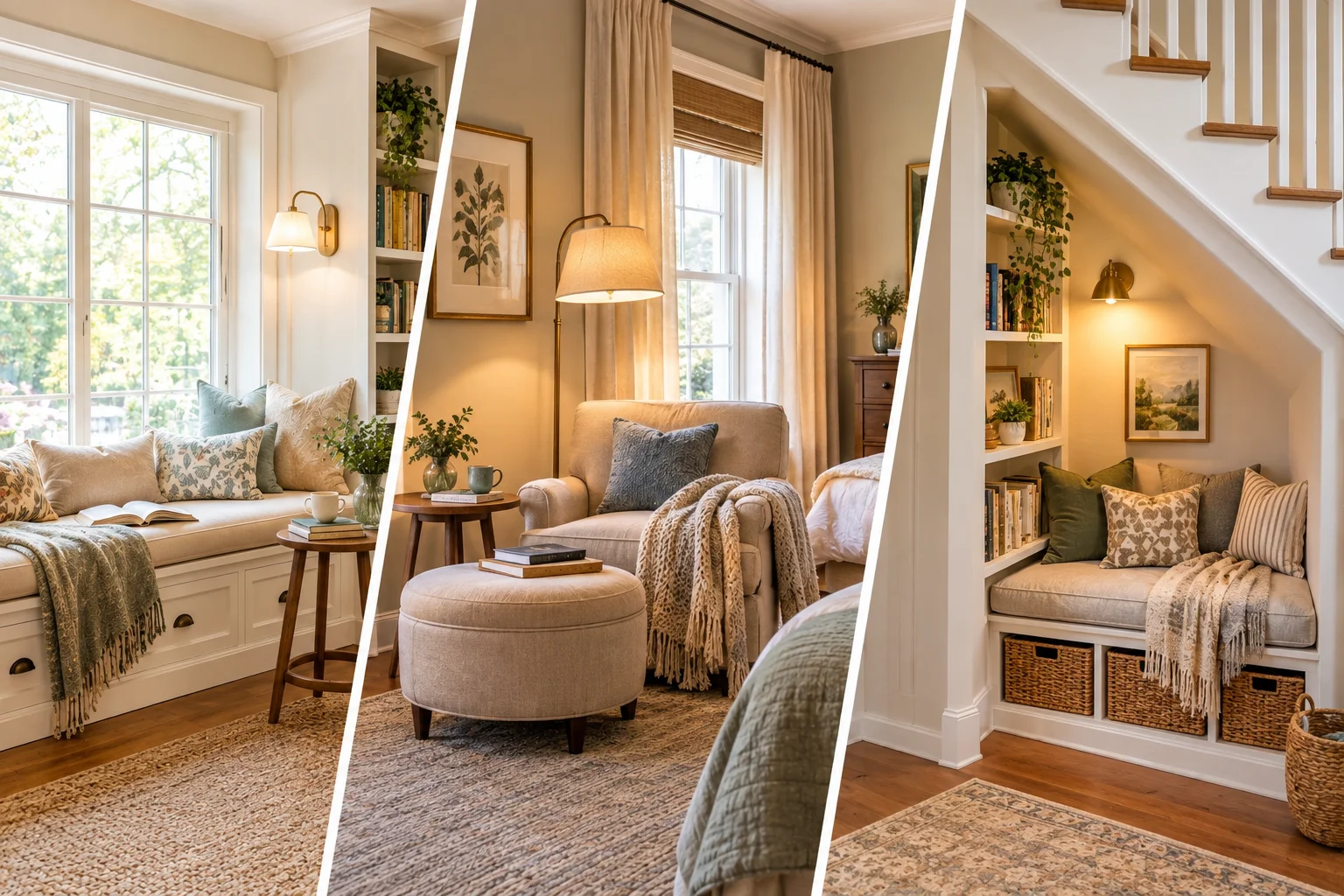
    A reading nook does not need a large home library or a separate room. In my experience, some of the best cozy reading corners can be created in unexpected places, such as a window seat, an unused corner, a landing, or a quiet part of the living room. Even a small reading nook beside the…


  • 21 Hallway Ideas That Make Small Spaces Feel Bigger and More Stylish

    21 Hallway Ideas That Make Small Spaces Feel Bigger and More Stylish

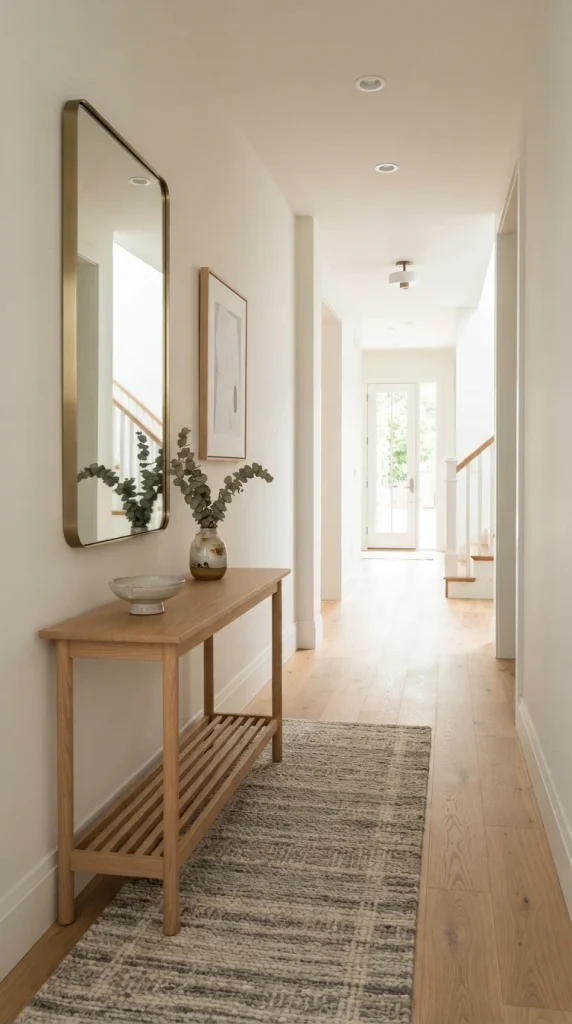
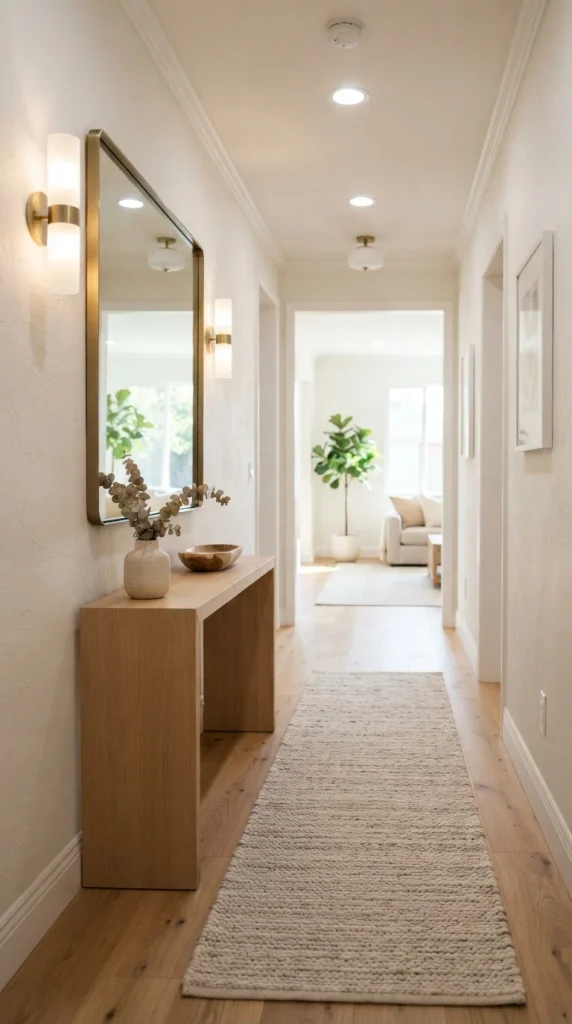
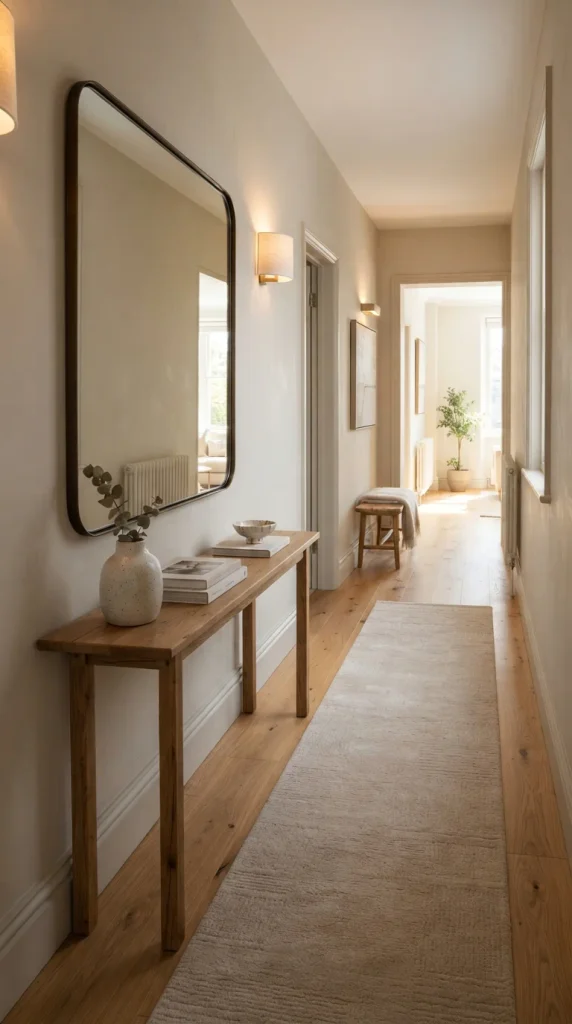
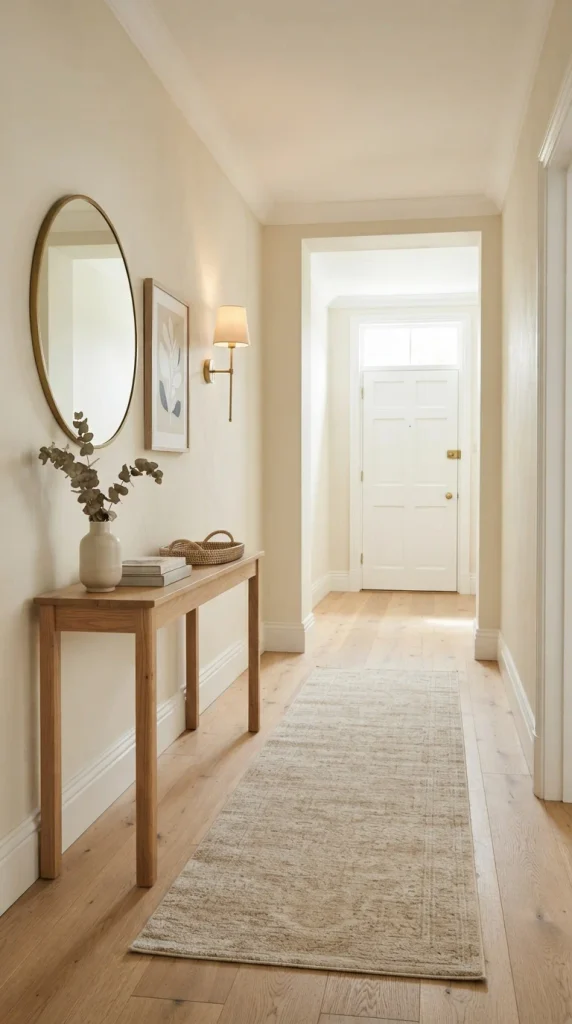
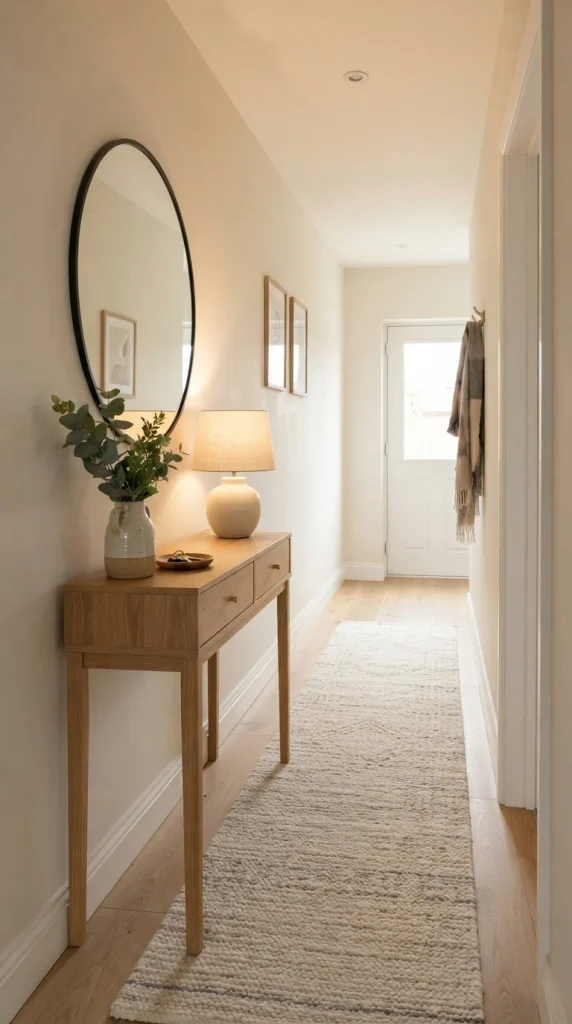
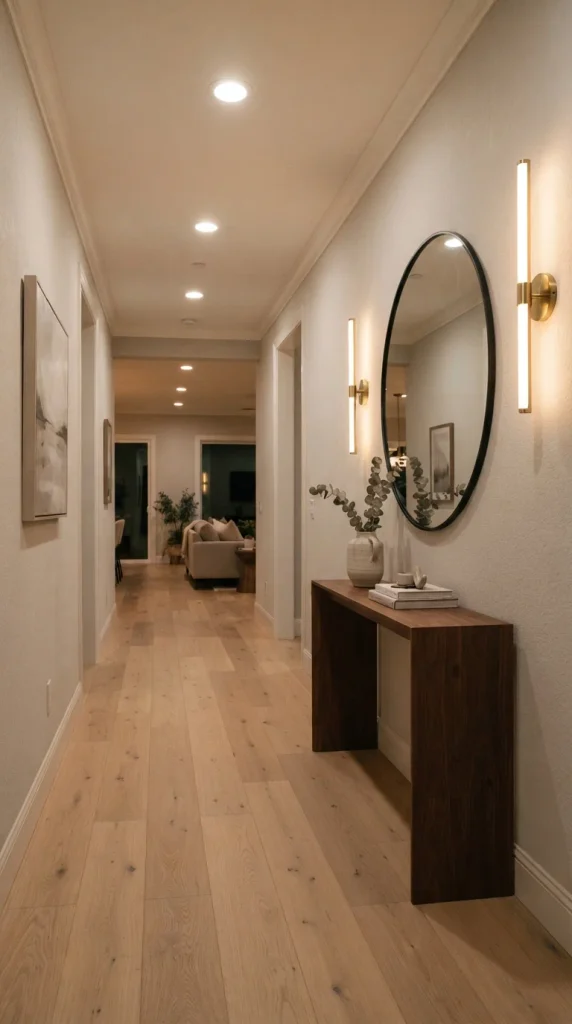
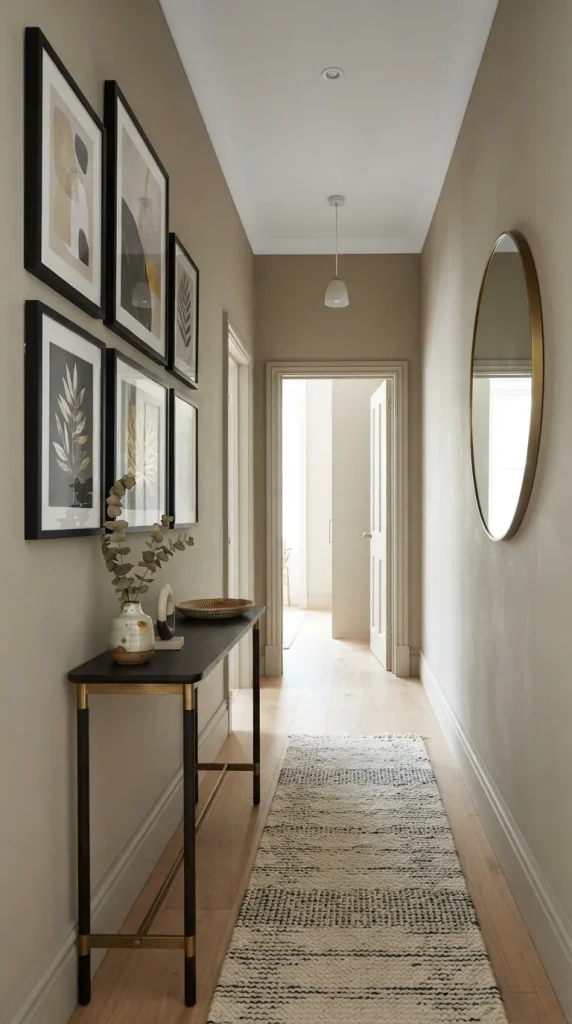
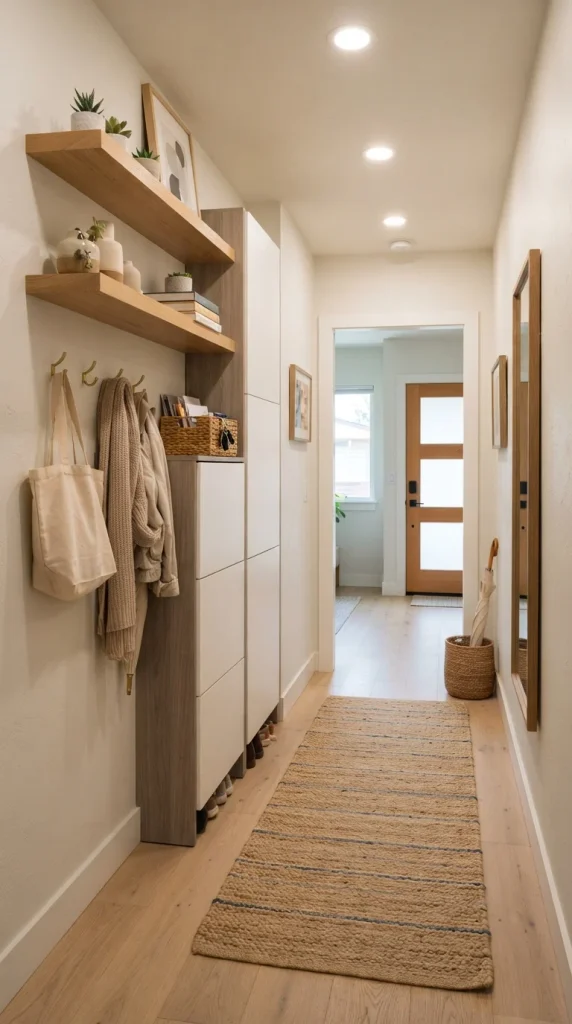
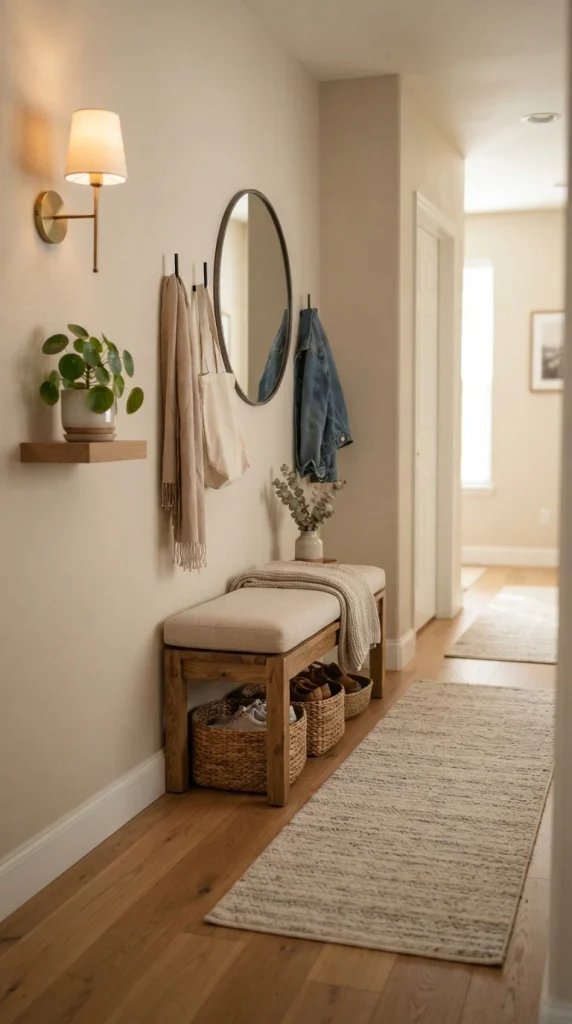
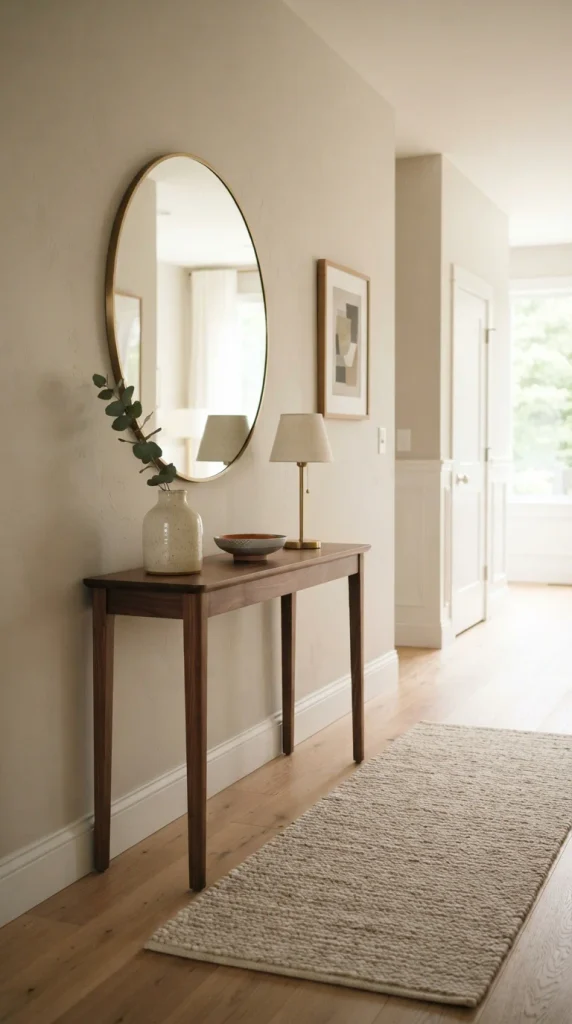
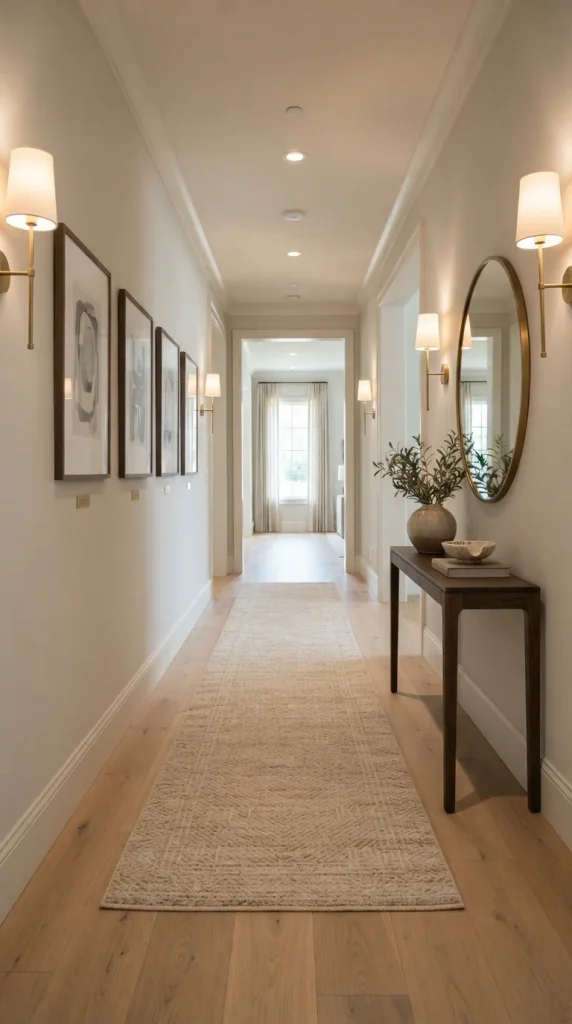
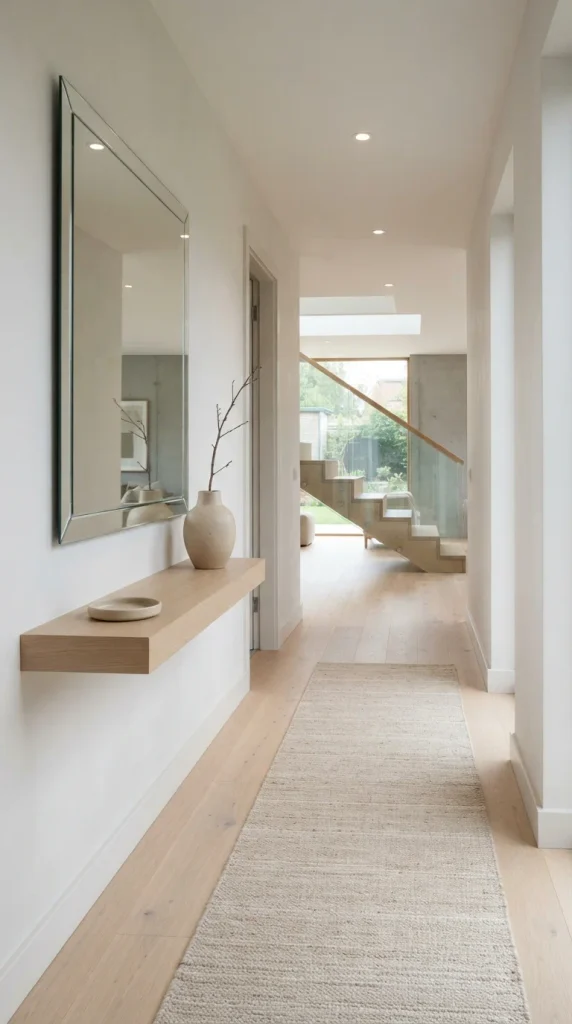
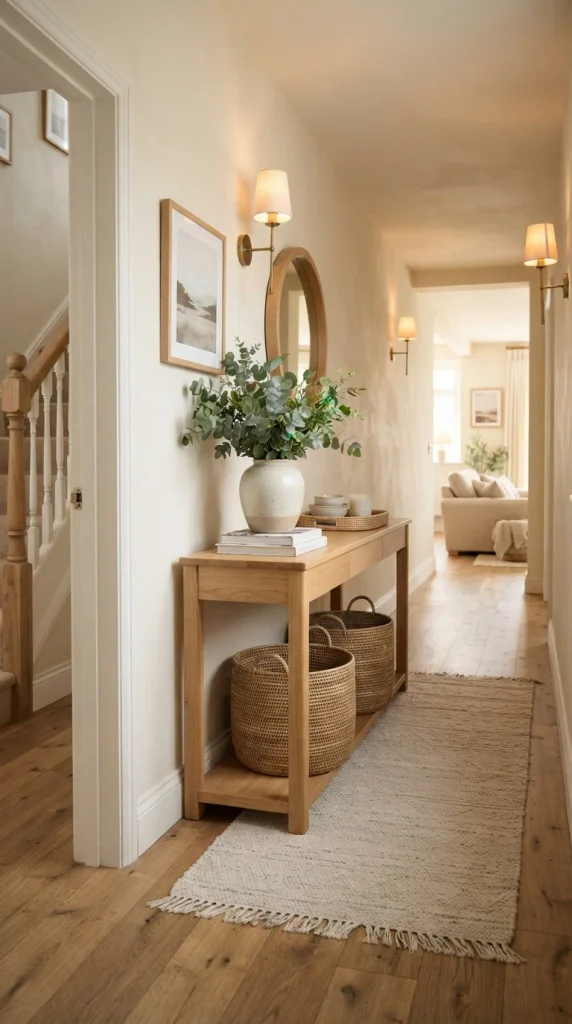
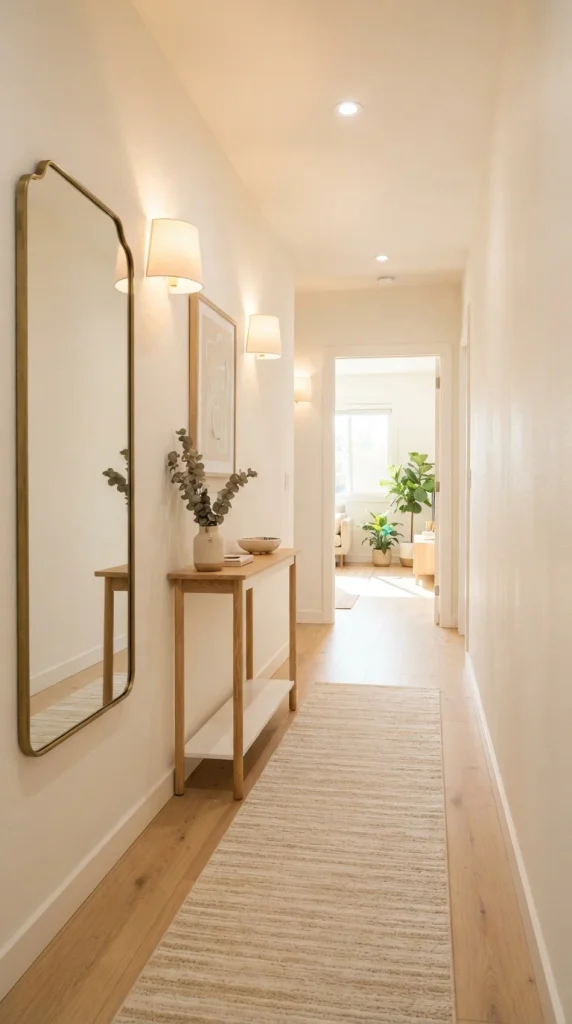
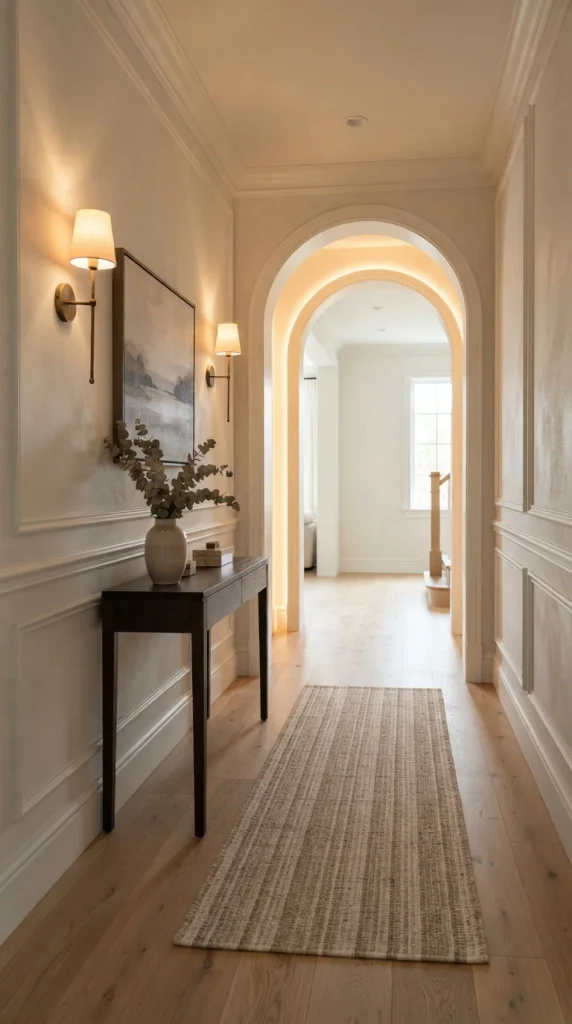
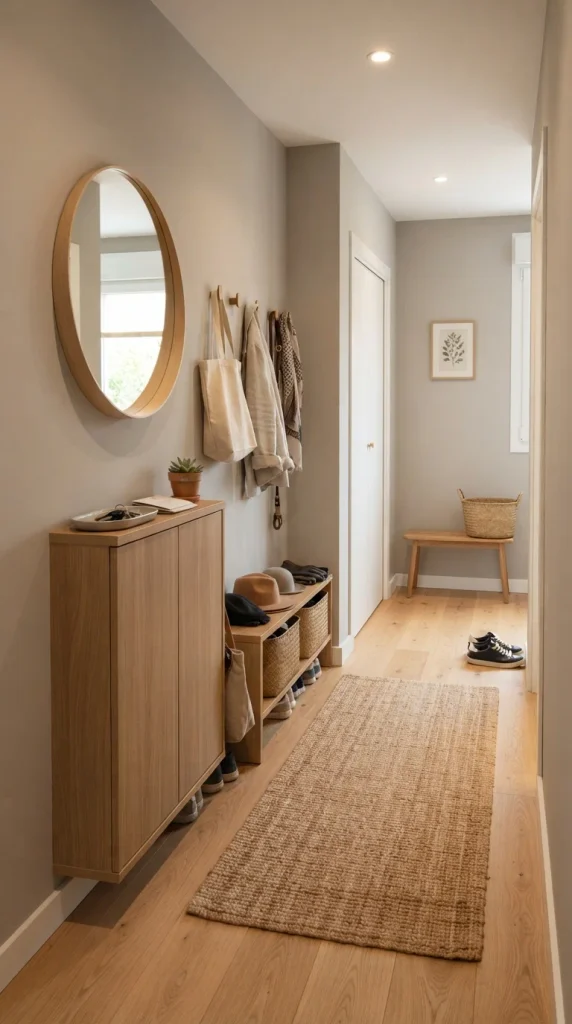
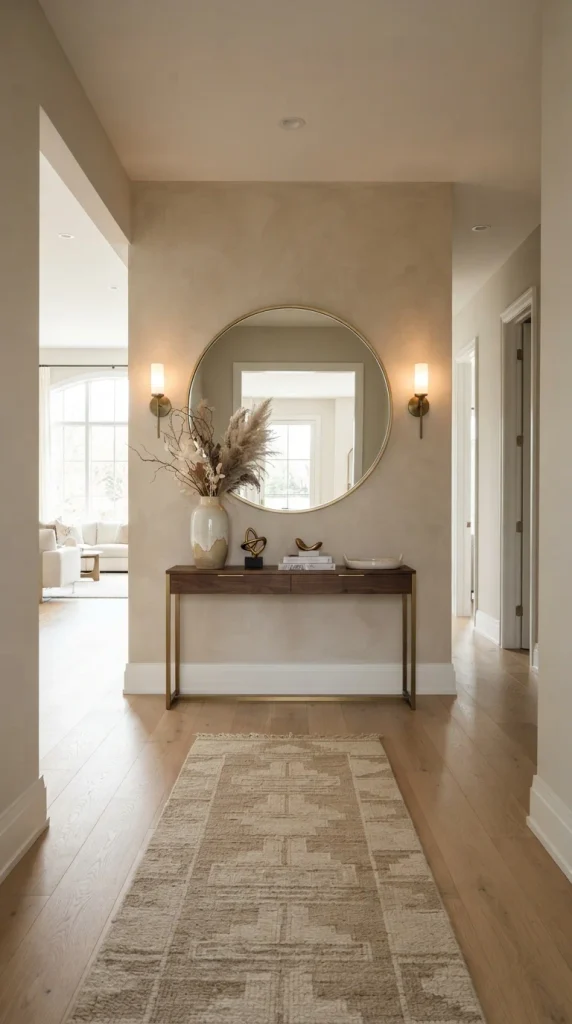
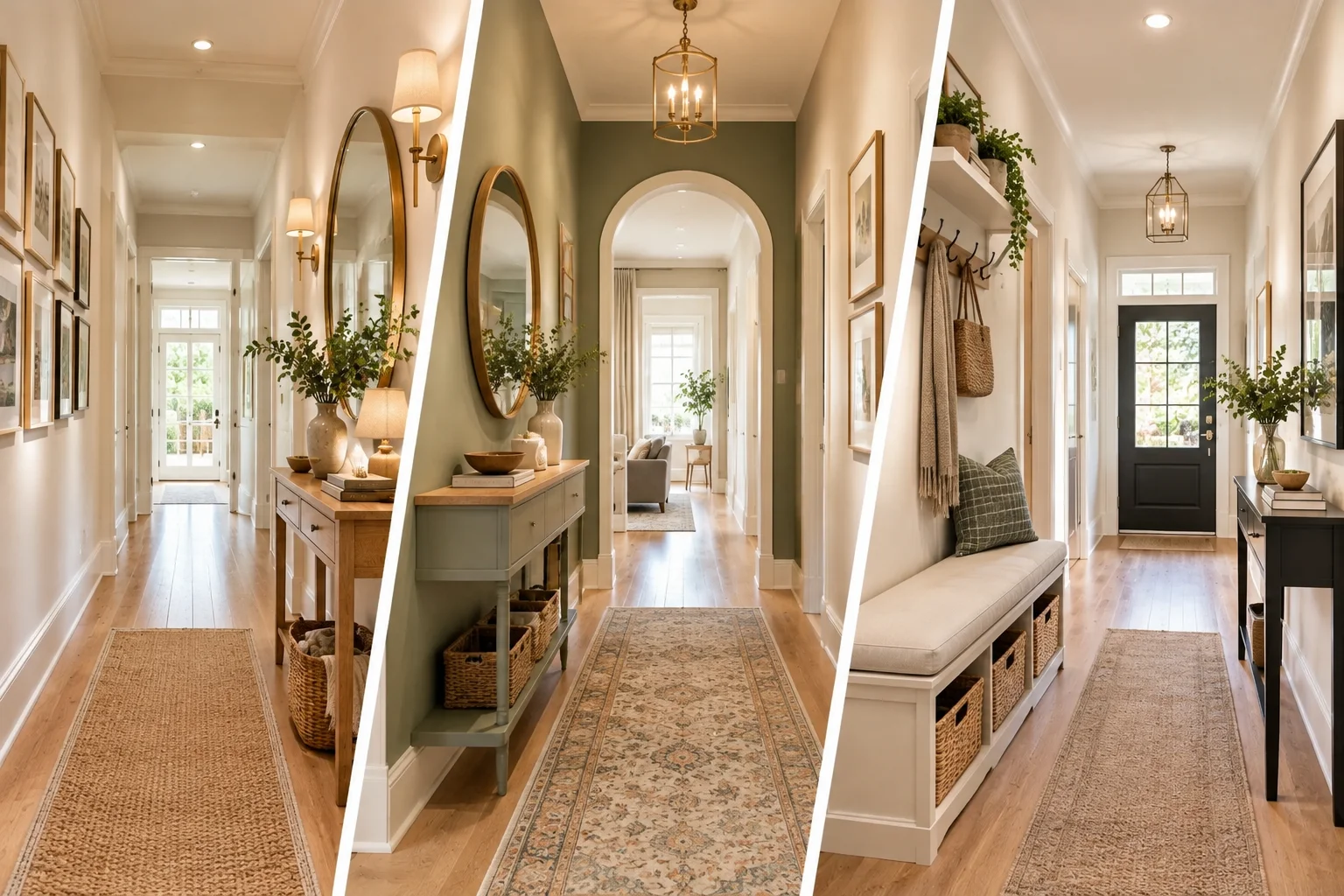
    Good hallway decor starts with seeing the passage as part of the home rather than empty space between rooms. Thoughtful hallway design, hallway decorating, and hallway styling can turn a plain hallway decoration into a simple hallway makeover with plenty of hallway inspiration. For narrow hallway ideas and small hallway ideas, focus on keeping the…


  • 25 Cozy & Stylish Bedroom Designs Ideas for Women

    25 Cozy & Stylish Bedroom Designs Ideas for Women

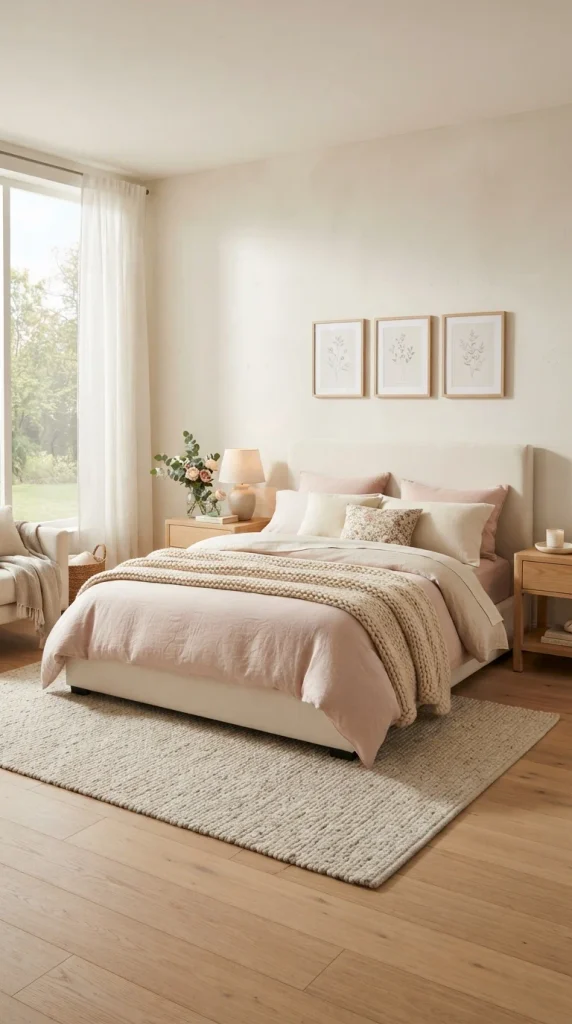
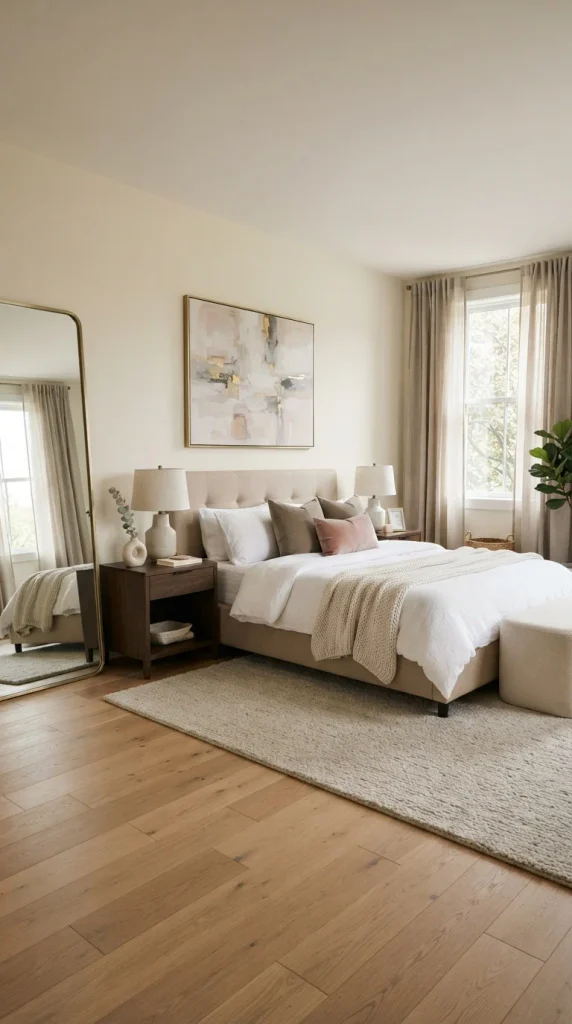
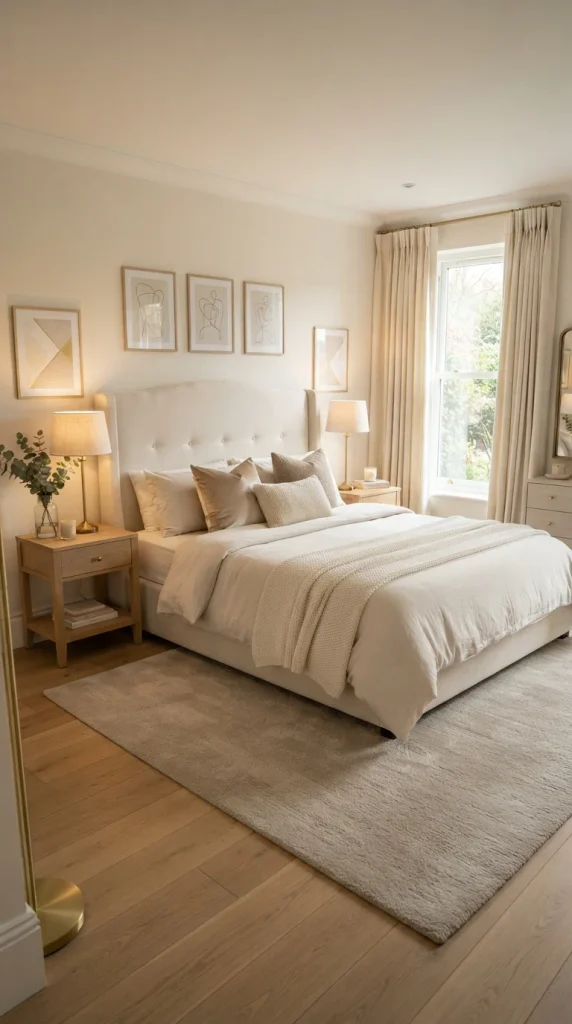
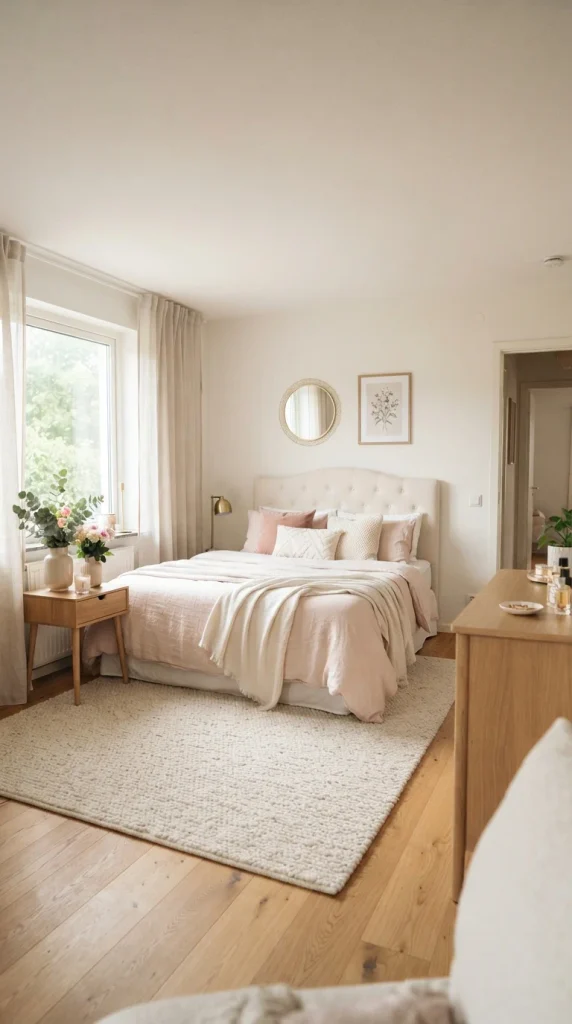
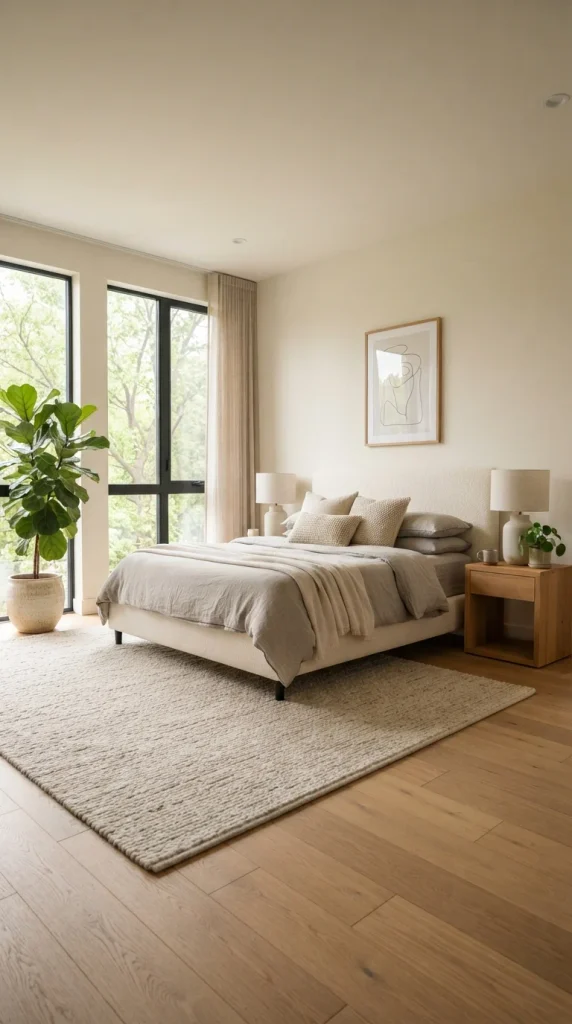
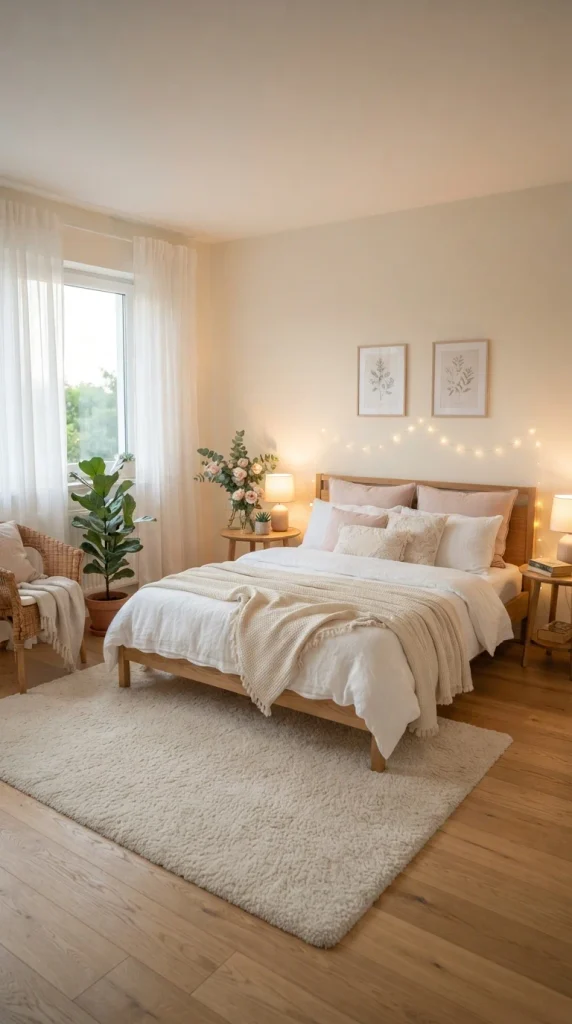
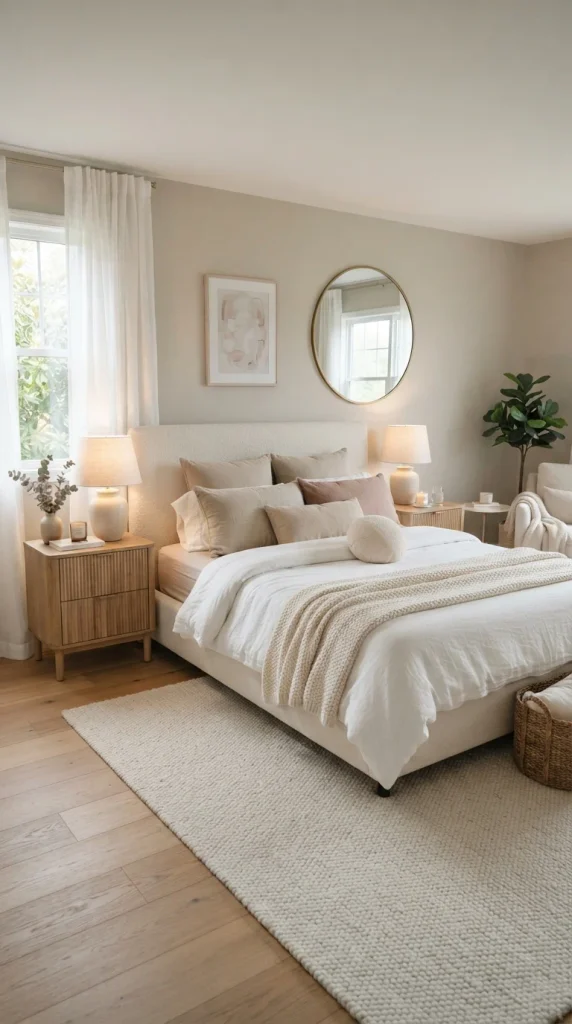
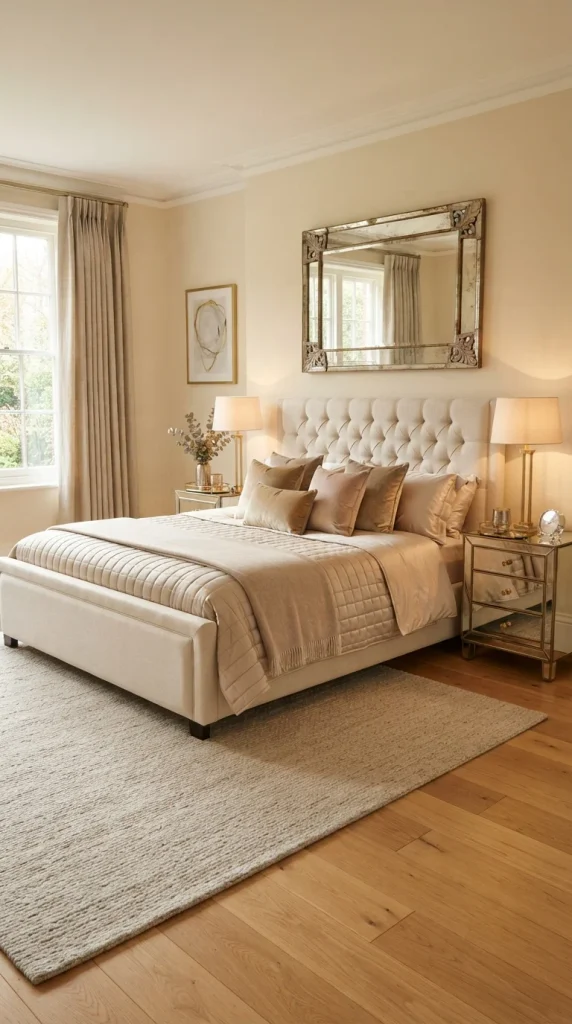
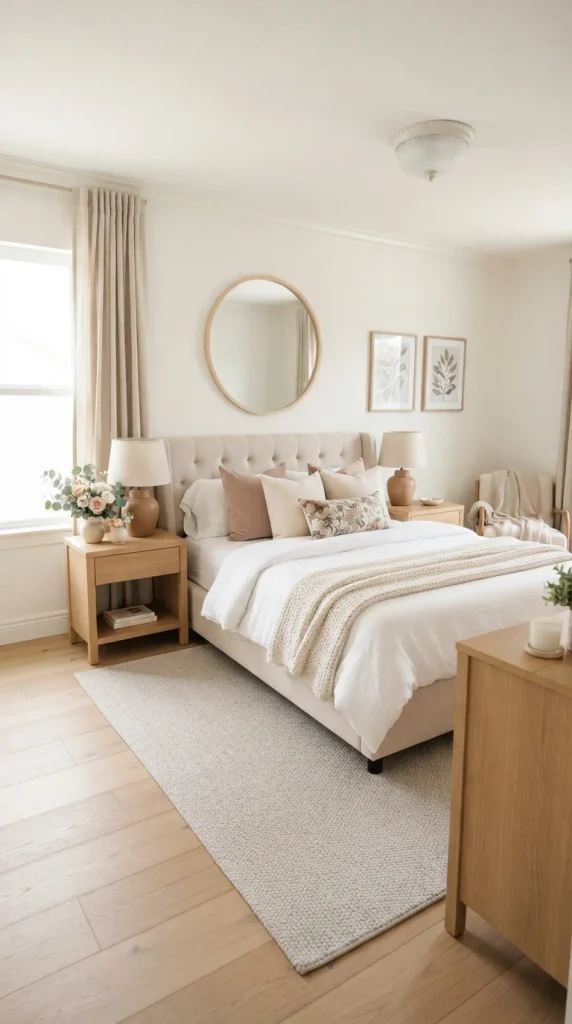
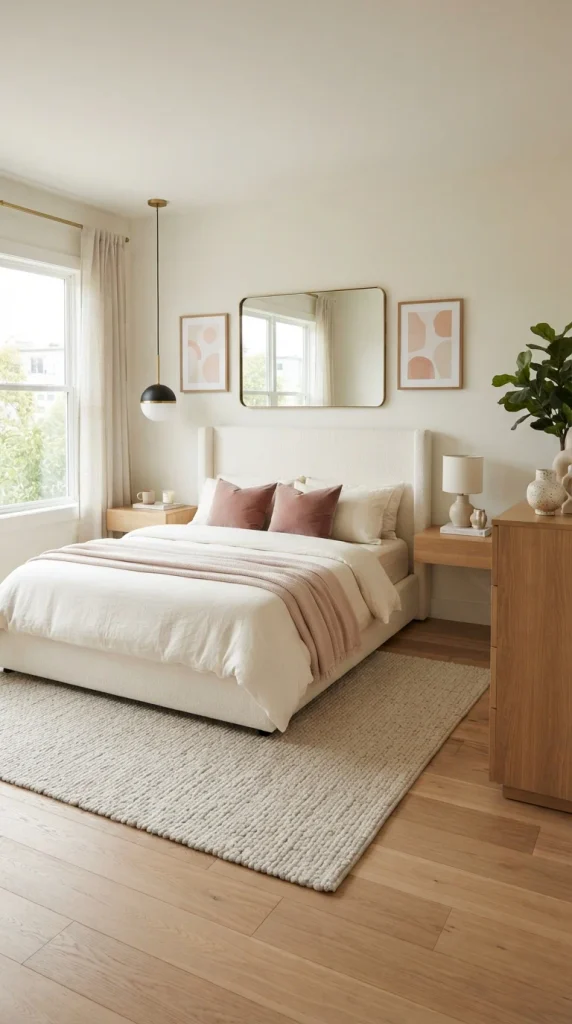
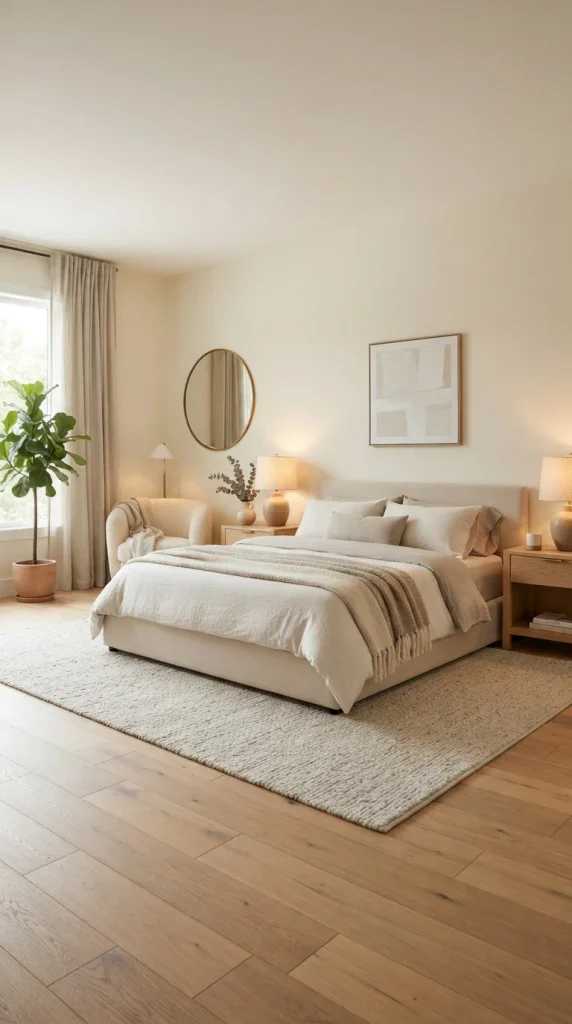
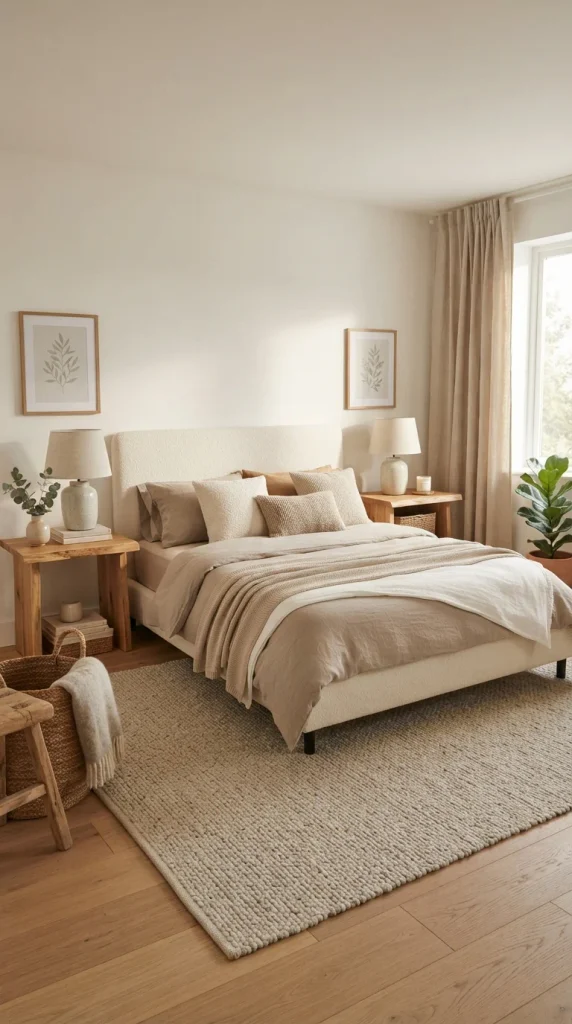
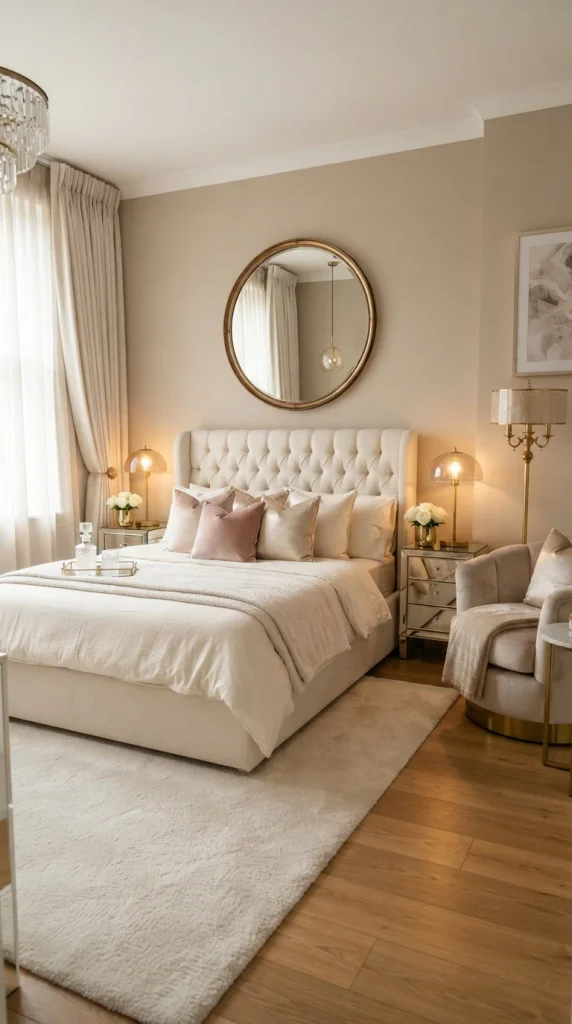
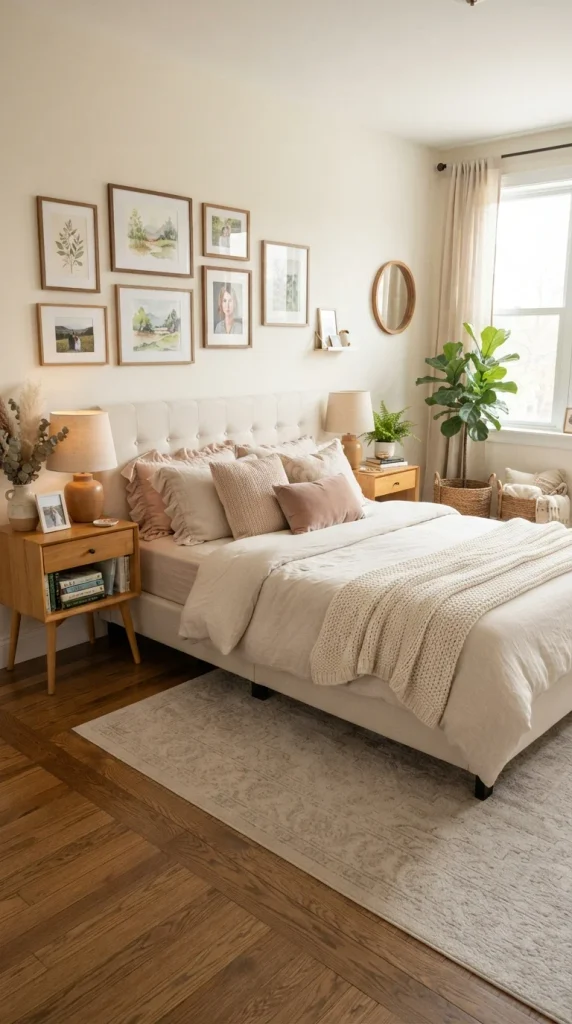
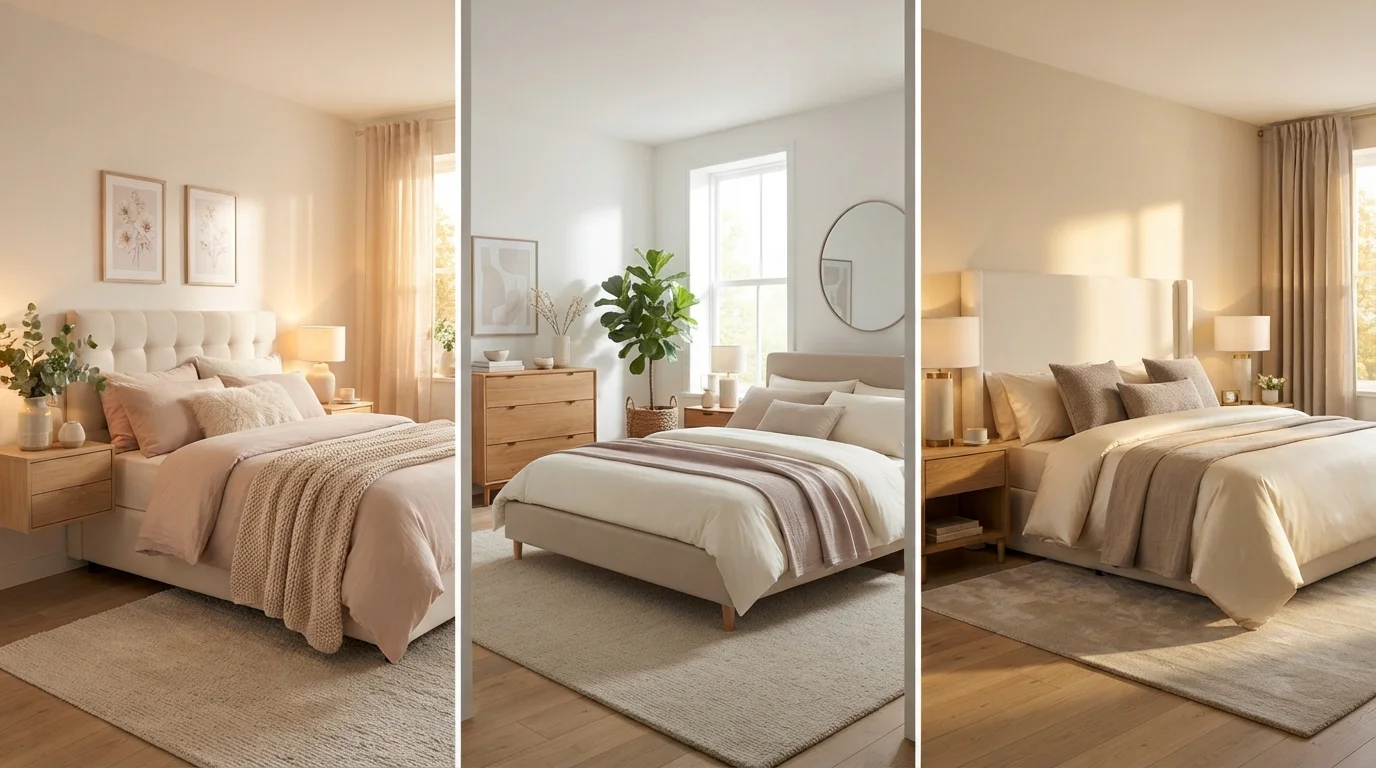
    Creating bedrooms that feel personal is all about making the space match your personality while keeping it relaxed and restful. Unlike the usual tips often shared for kids, teenagers, and men, women’s bedroom ideas can explore more fun spaces and creative ways to decorate. Try a bold, bright, fun, or feminine look, or mix strong…


  • 21 Smart Home Storage Solutions for a Clutter-Free and Stylish Home

    21 Smart Home Storage Solutions for a Clutter-Free and Stylish Home

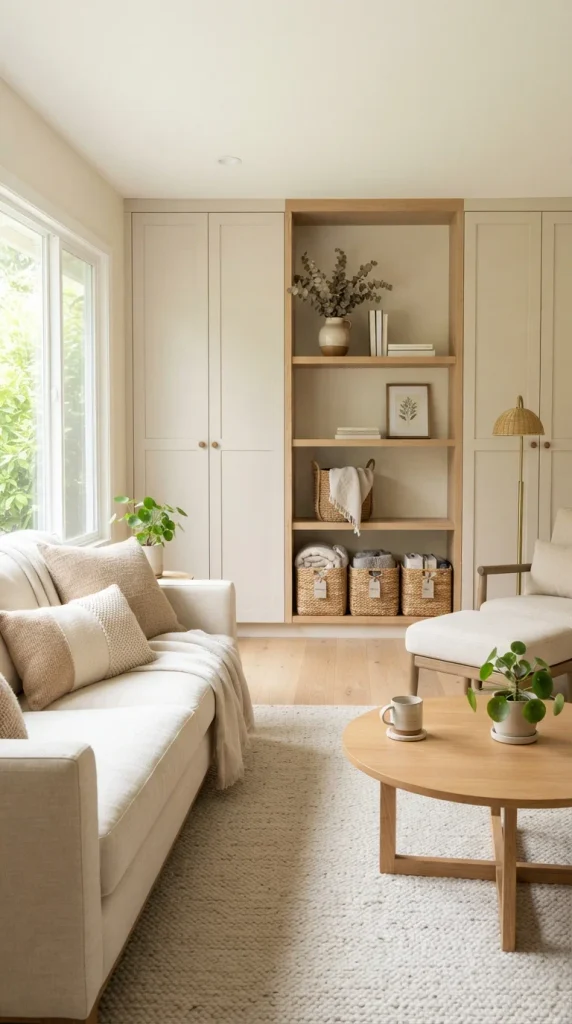
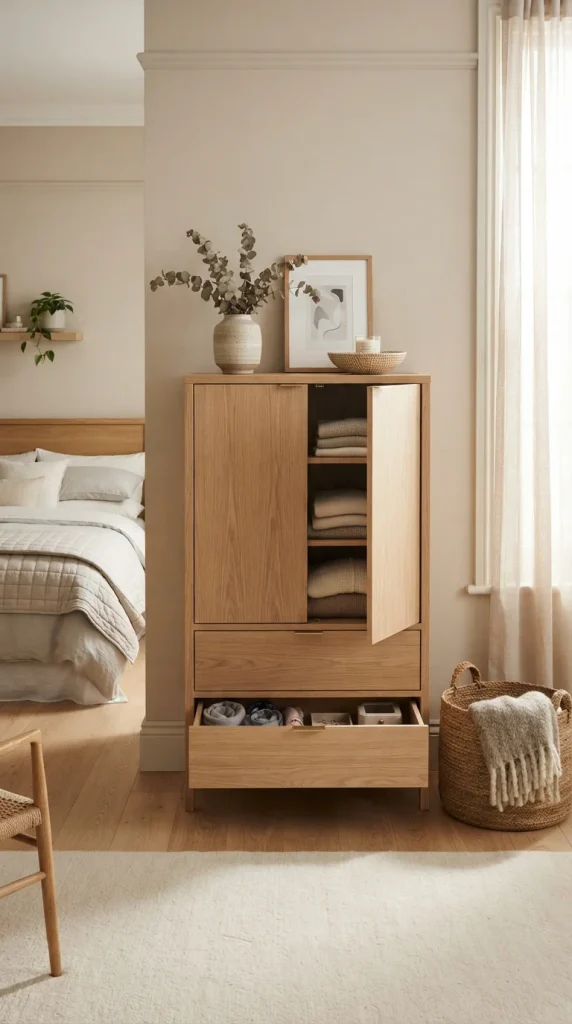
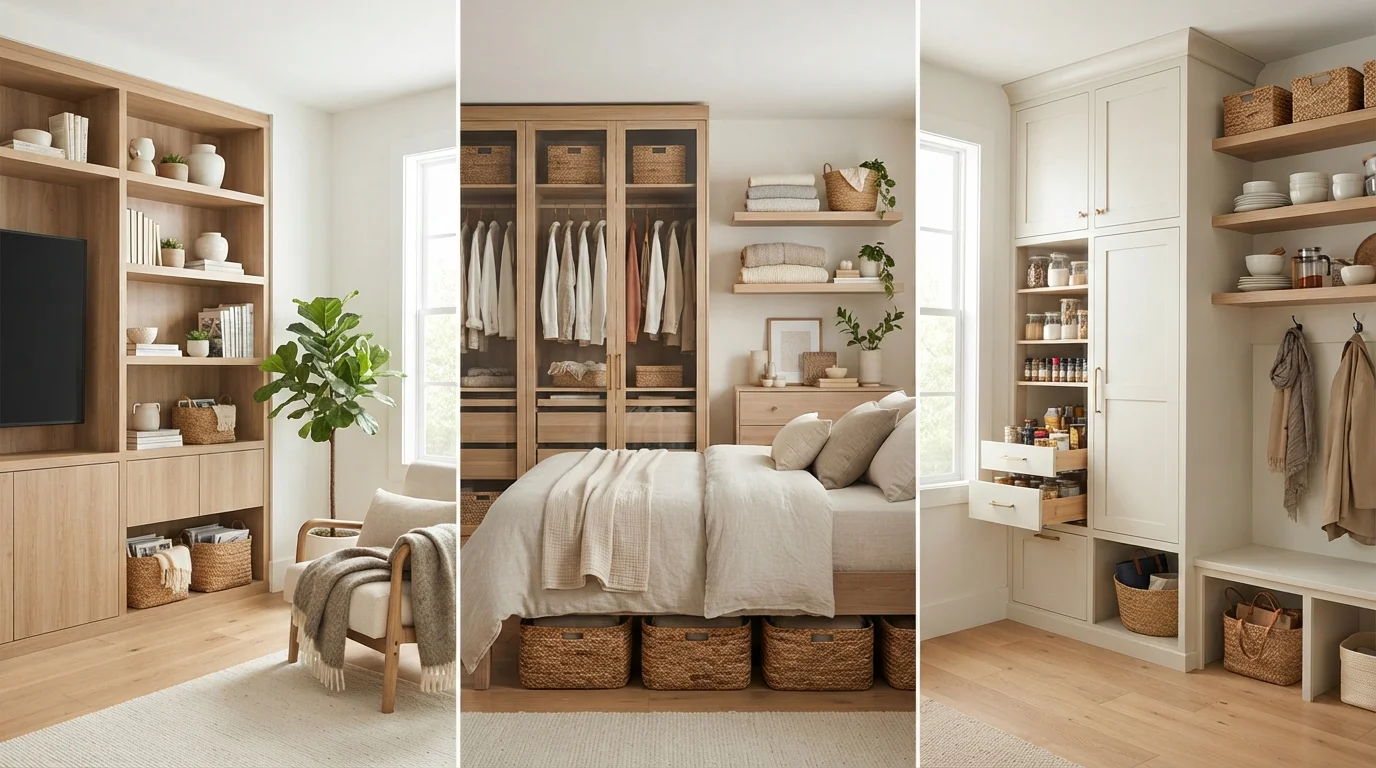
    When I plan storage for a cluttered home, I always start by looking at how everything you own is actually used rather than adding more cabinets. The goal is to create a well-organized haven where clothes, bedroom clothing, bathroom linens, and living room items all have a designated home. In small closets, tiny spaces, and…


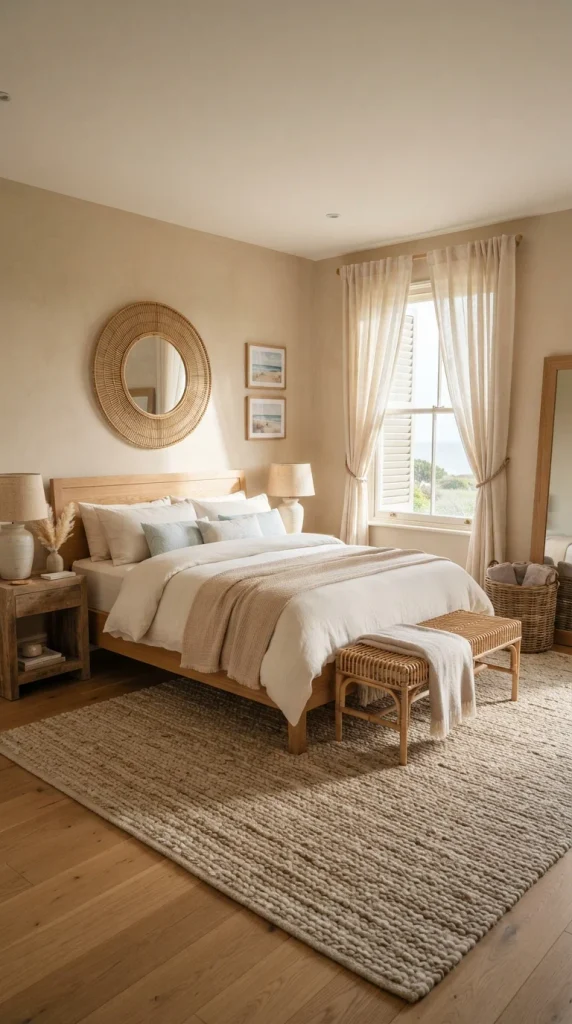
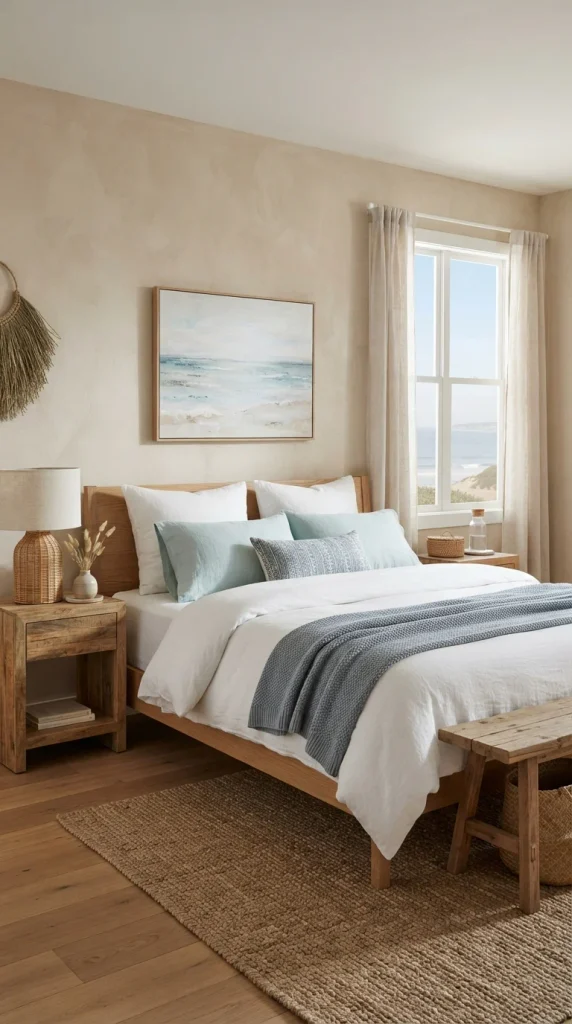
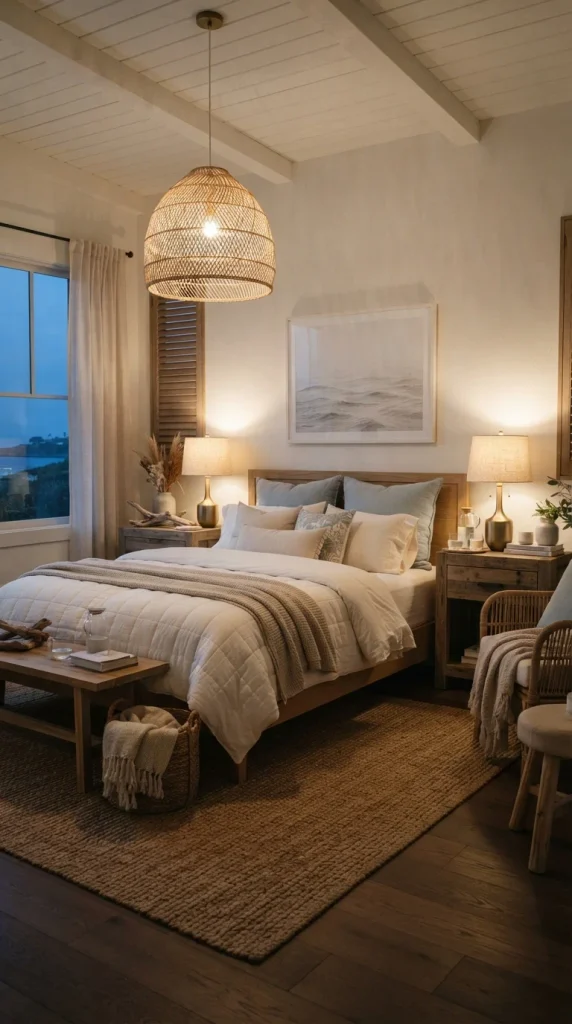
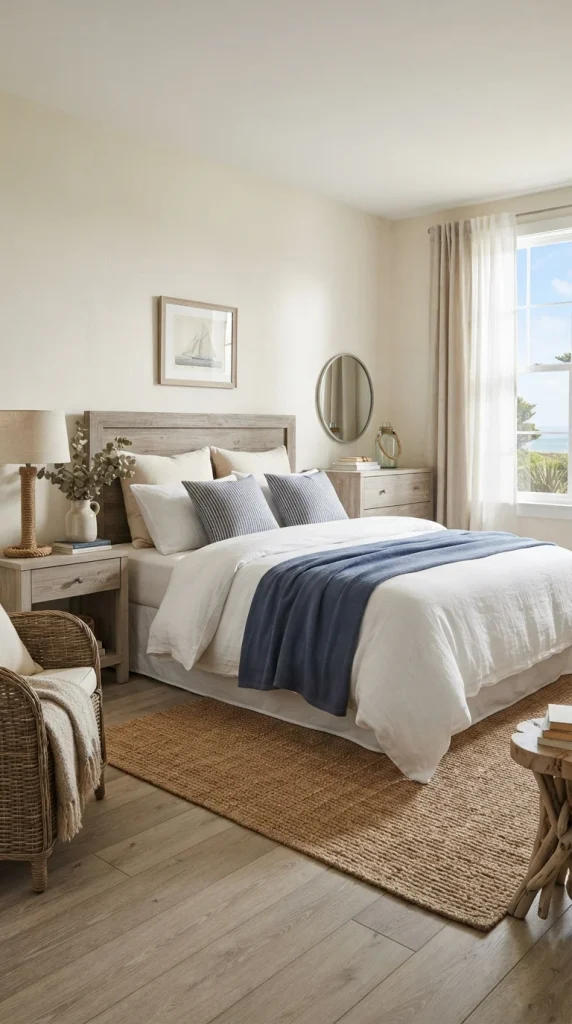
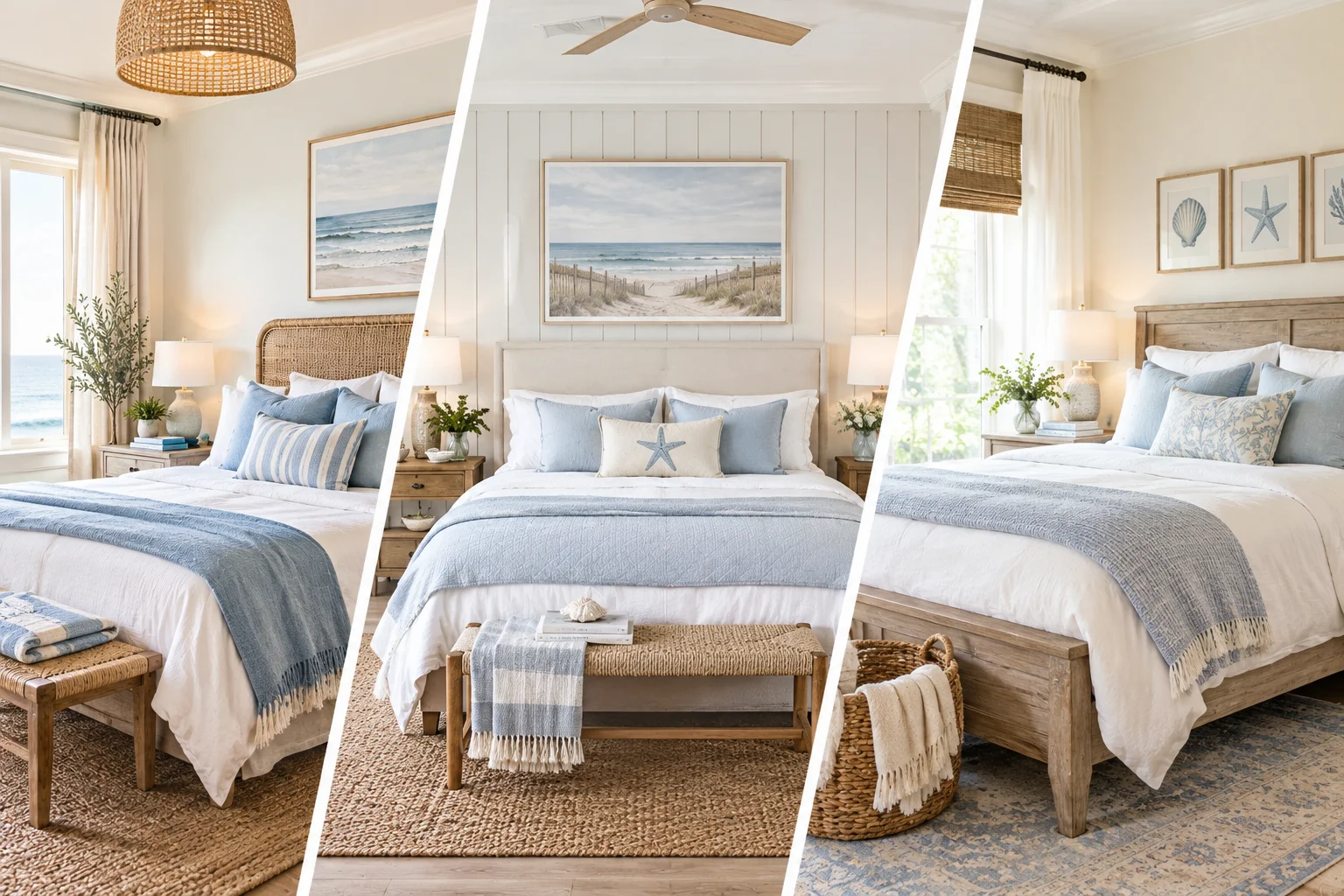
  • 24 Coastal Bedroom Ideas That Bring Beachside Bliss Home

    24 Coastal Bedroom Ideas That Bring Beachside Bliss Home

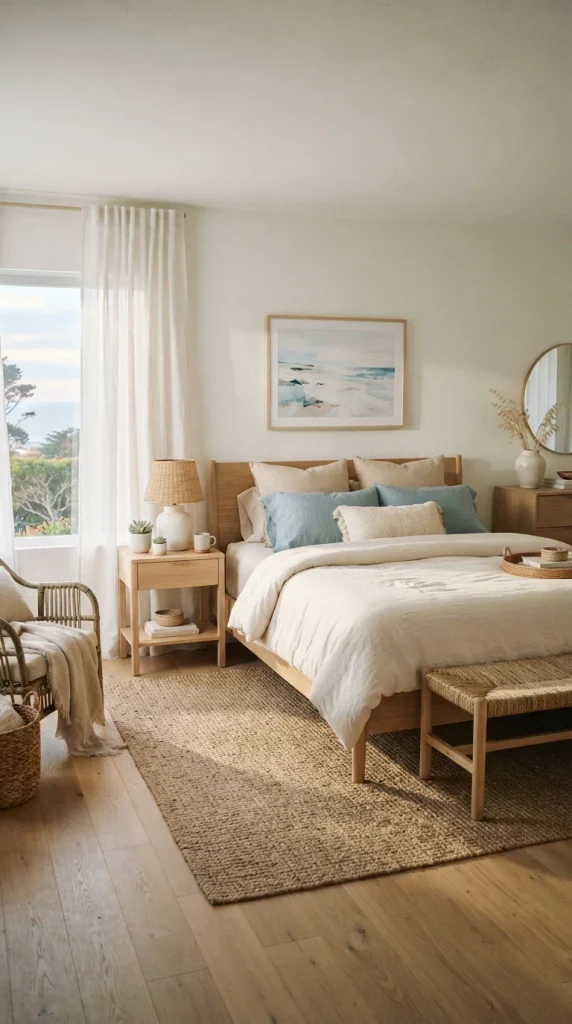
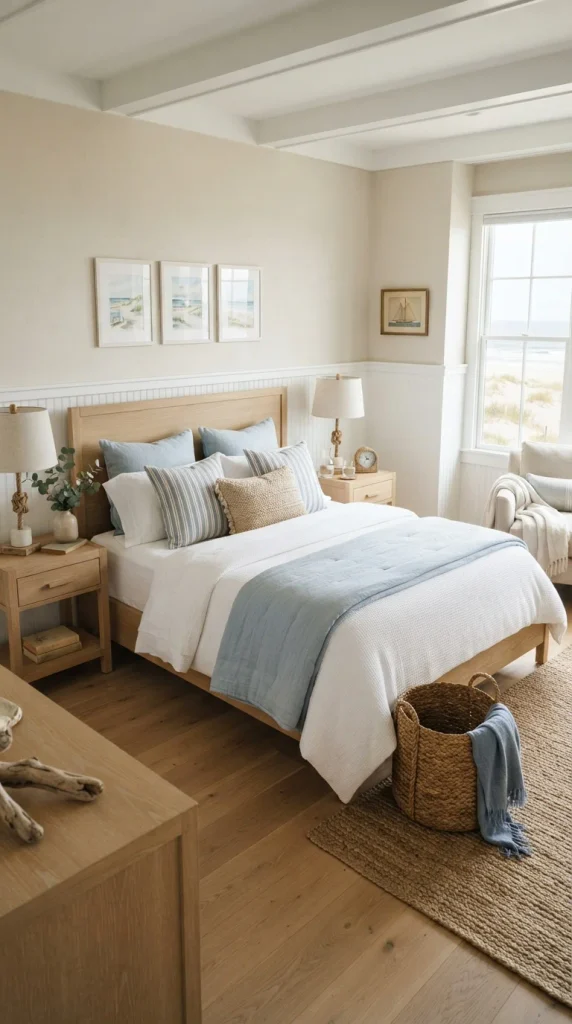
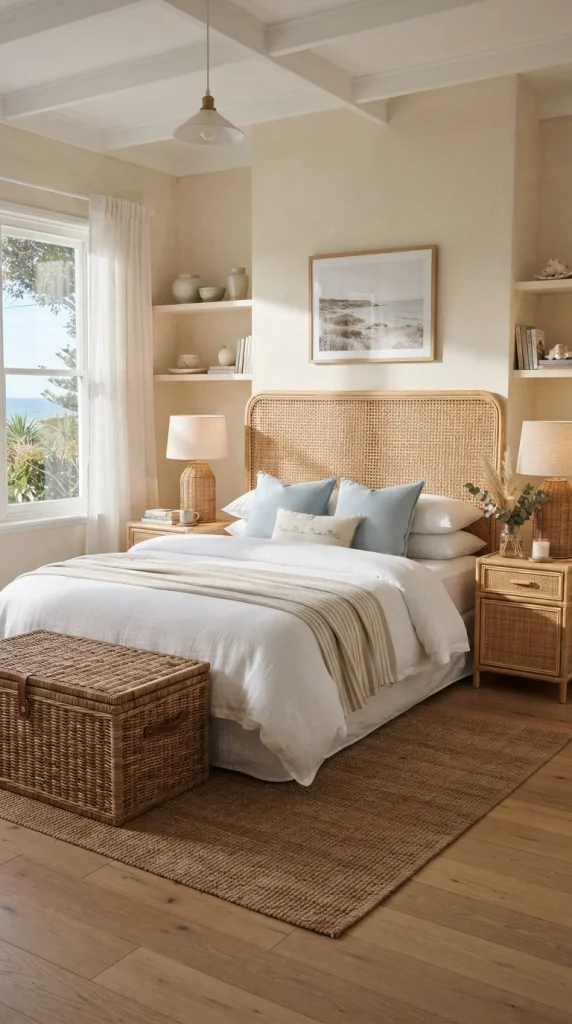
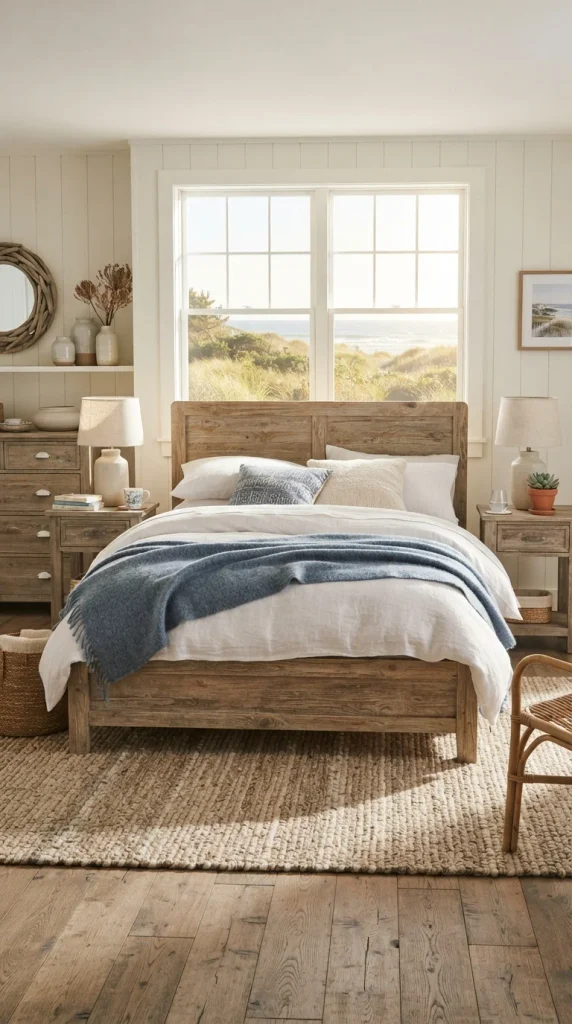
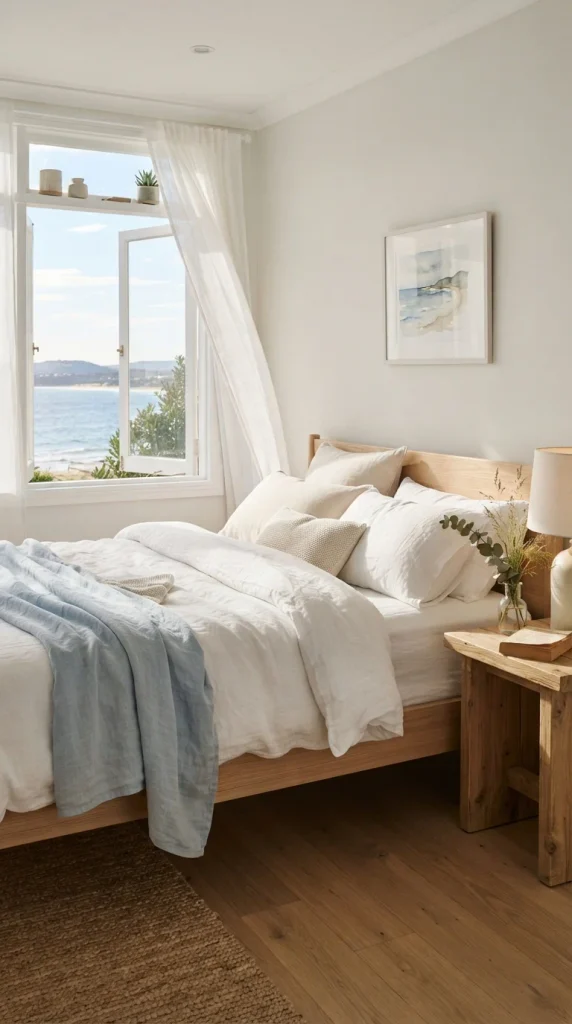
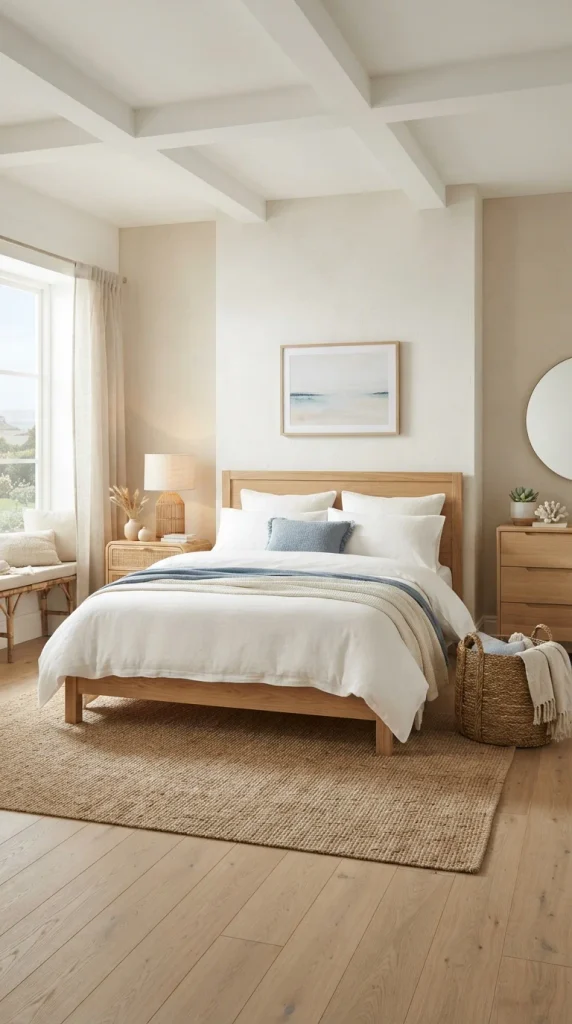
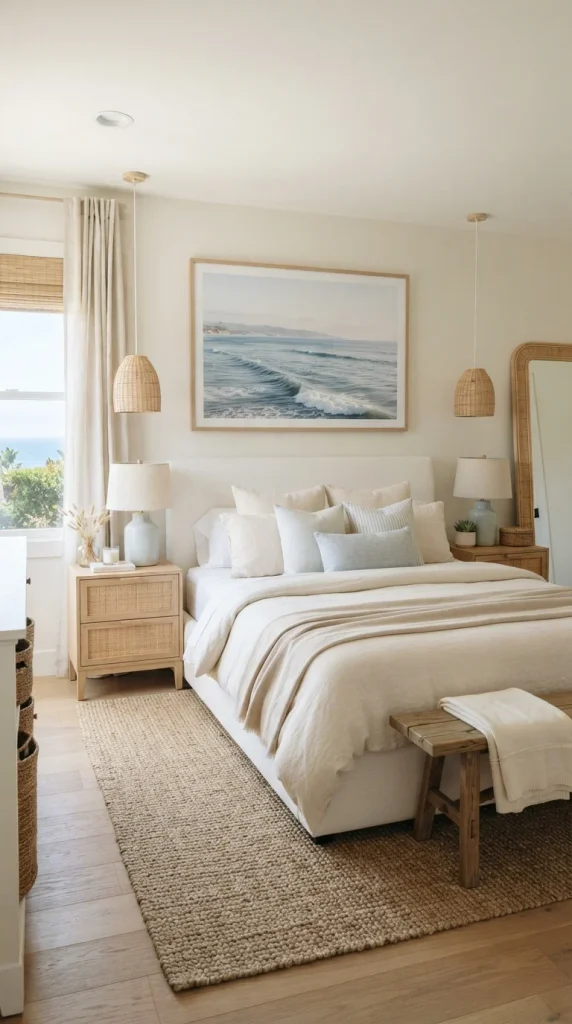
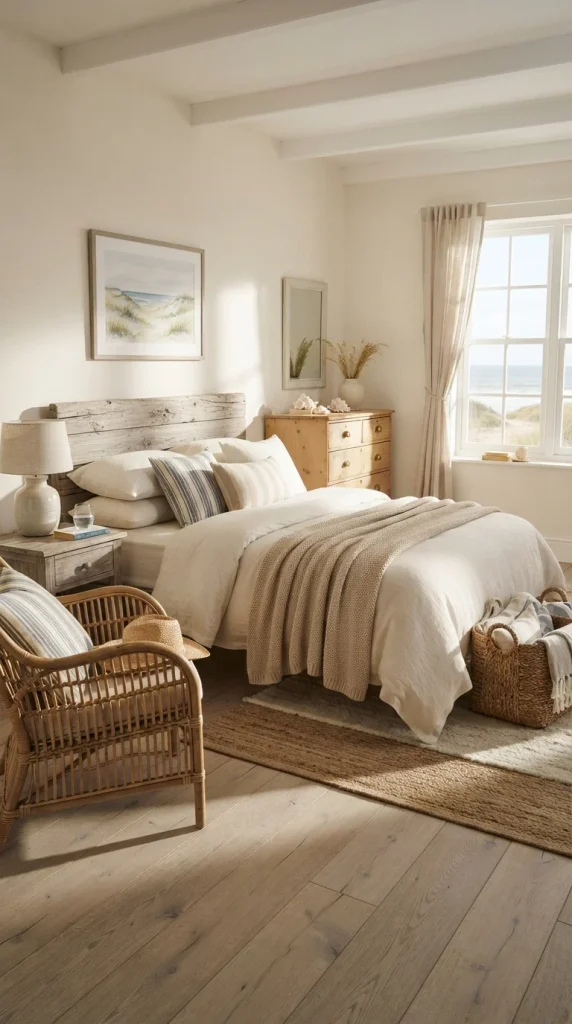
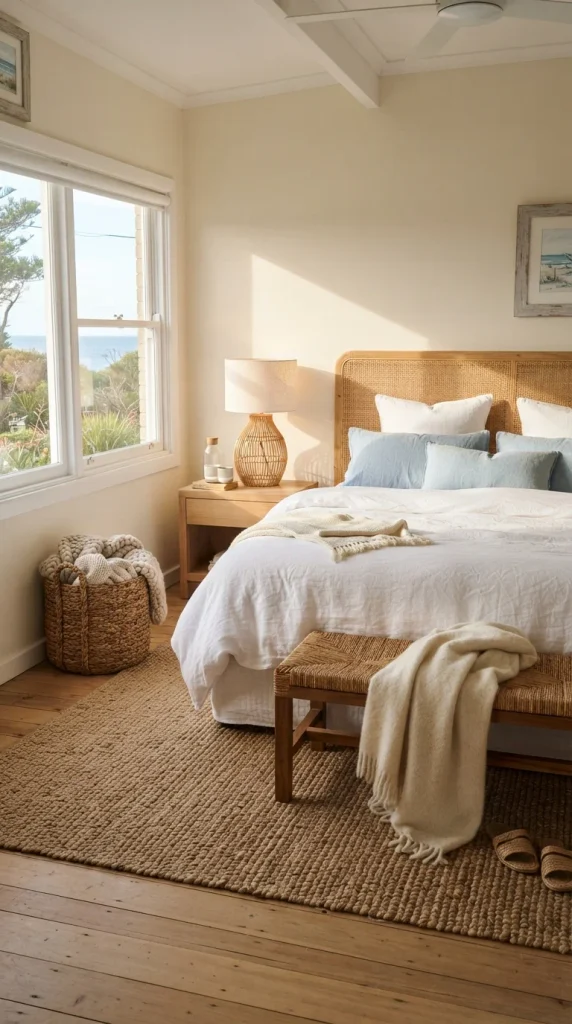
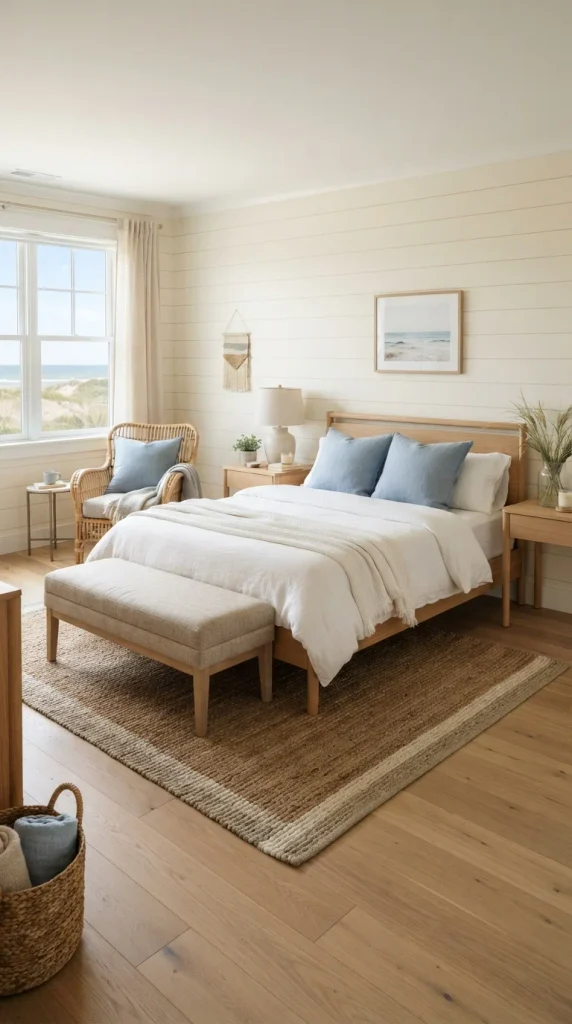
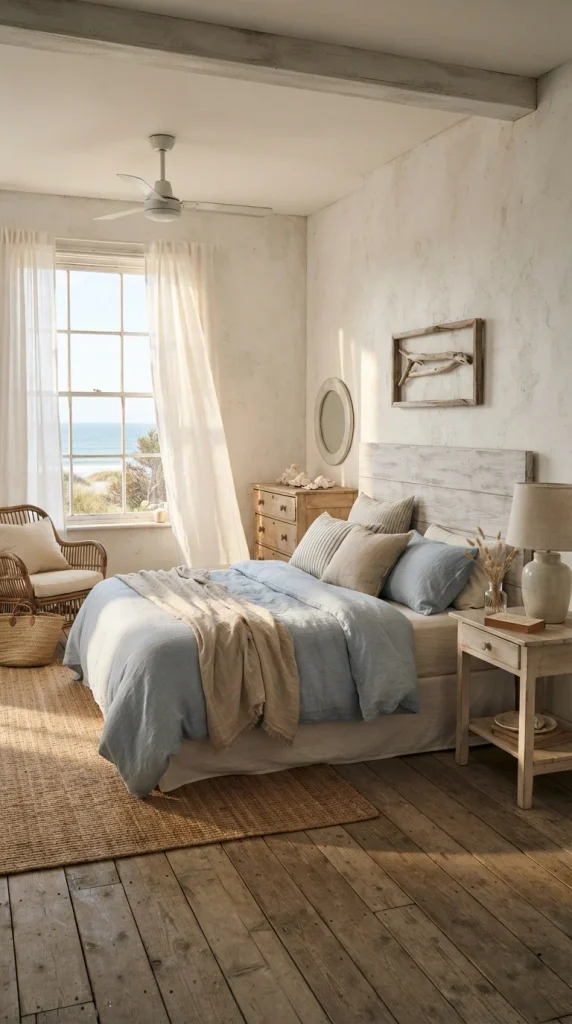
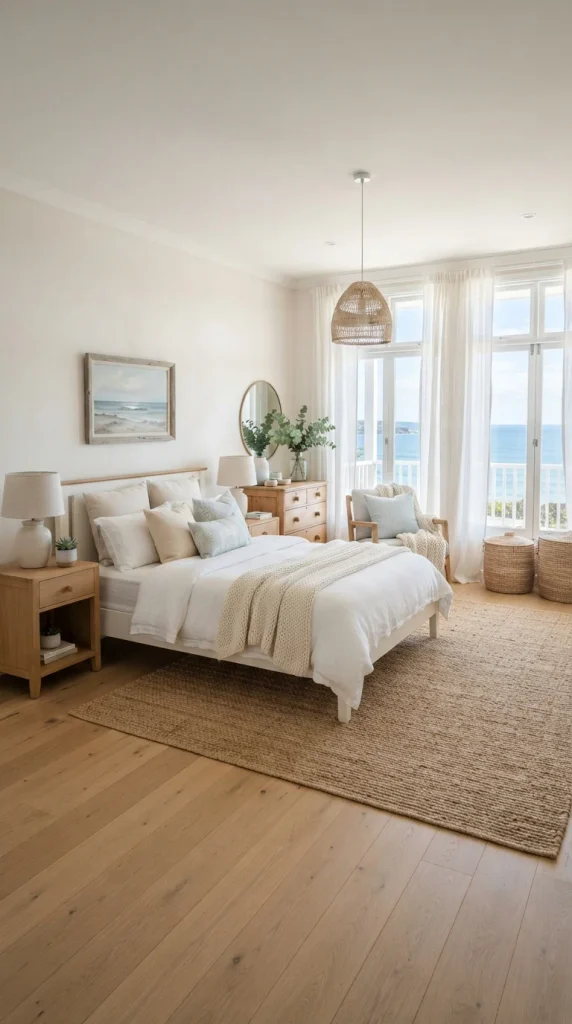
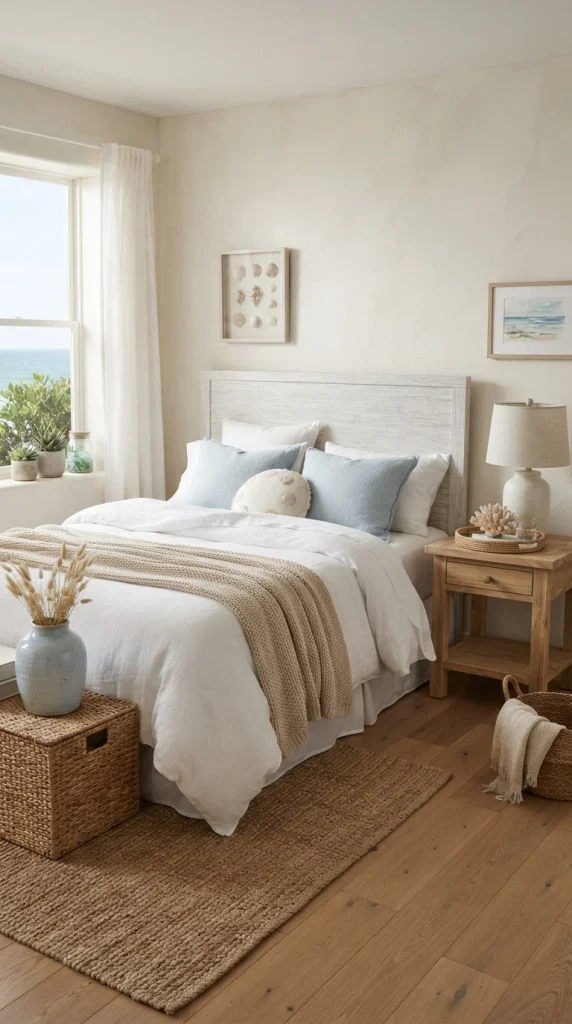
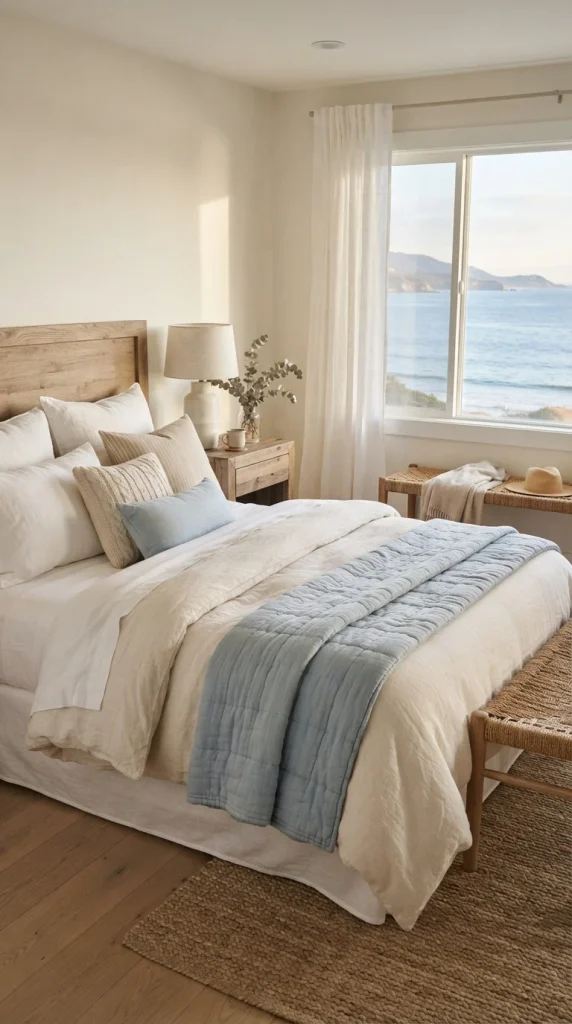
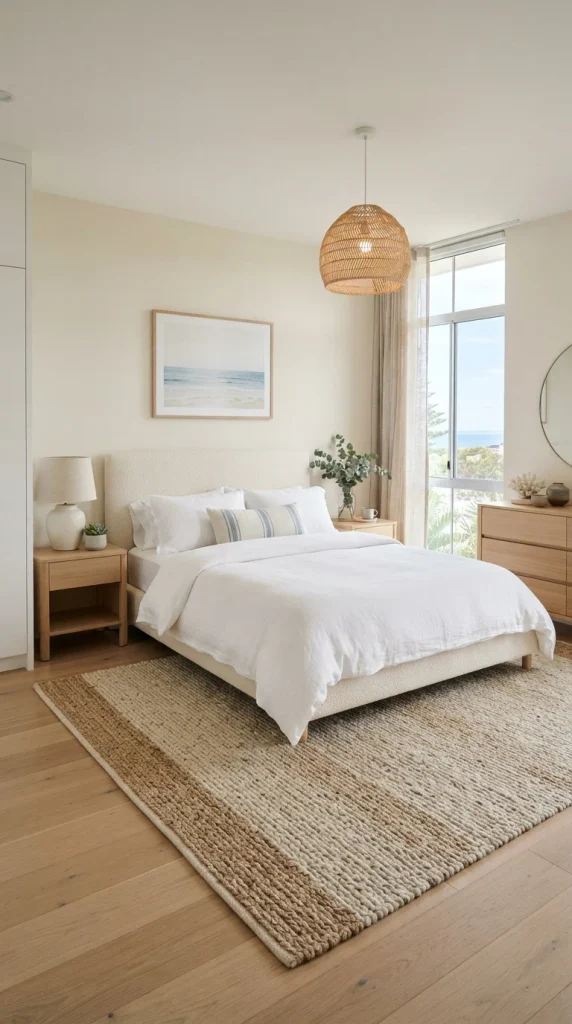
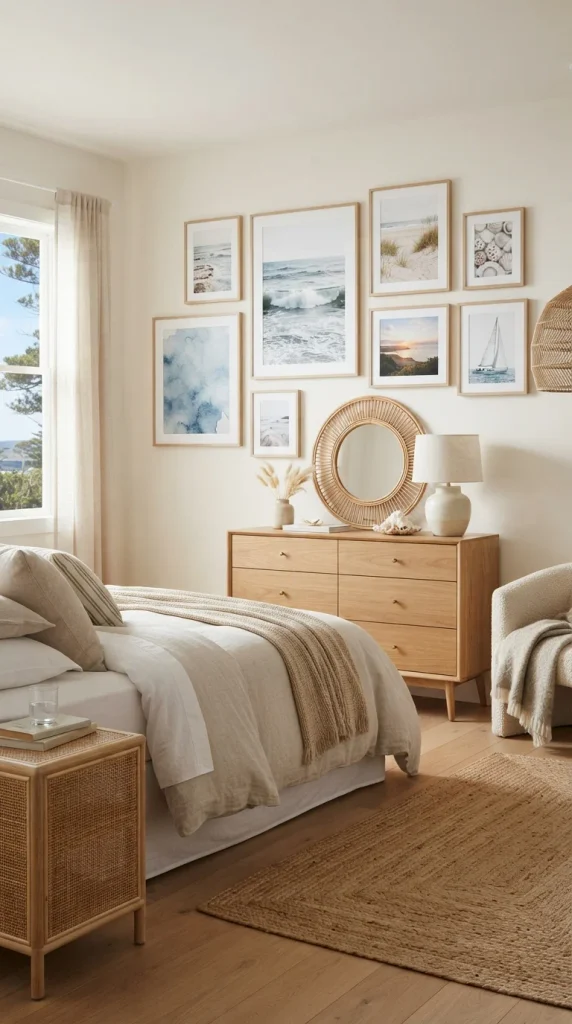
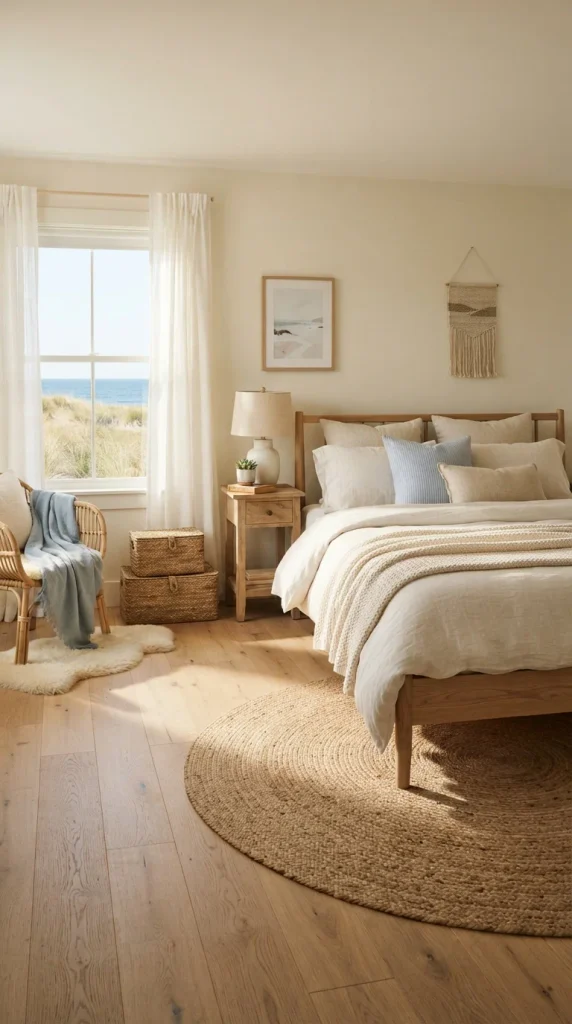
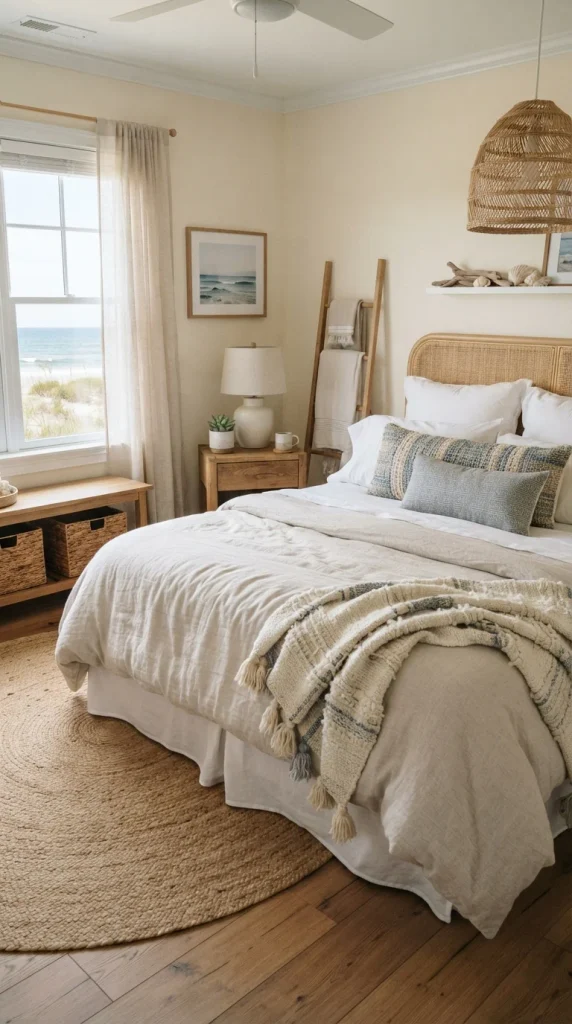
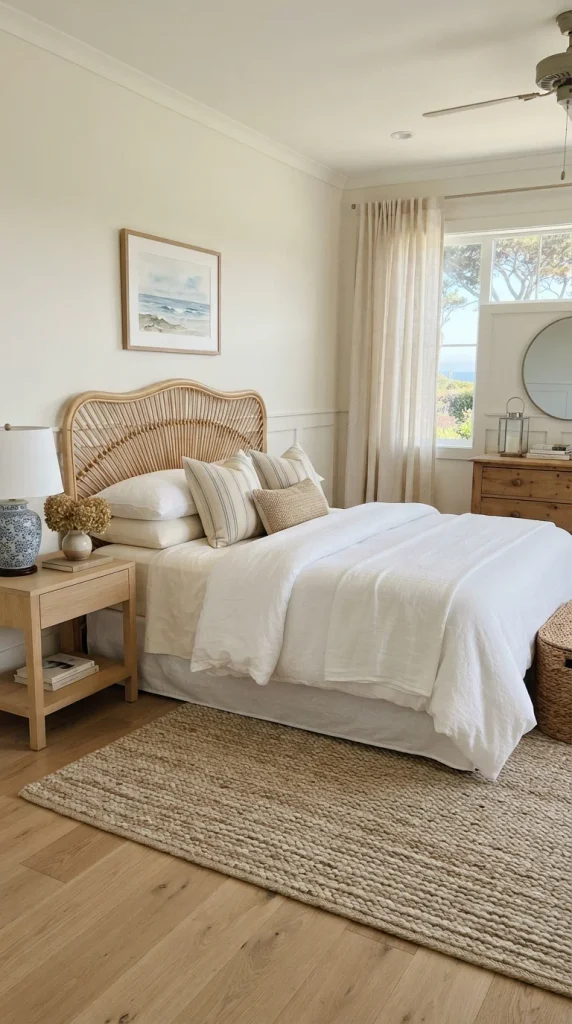
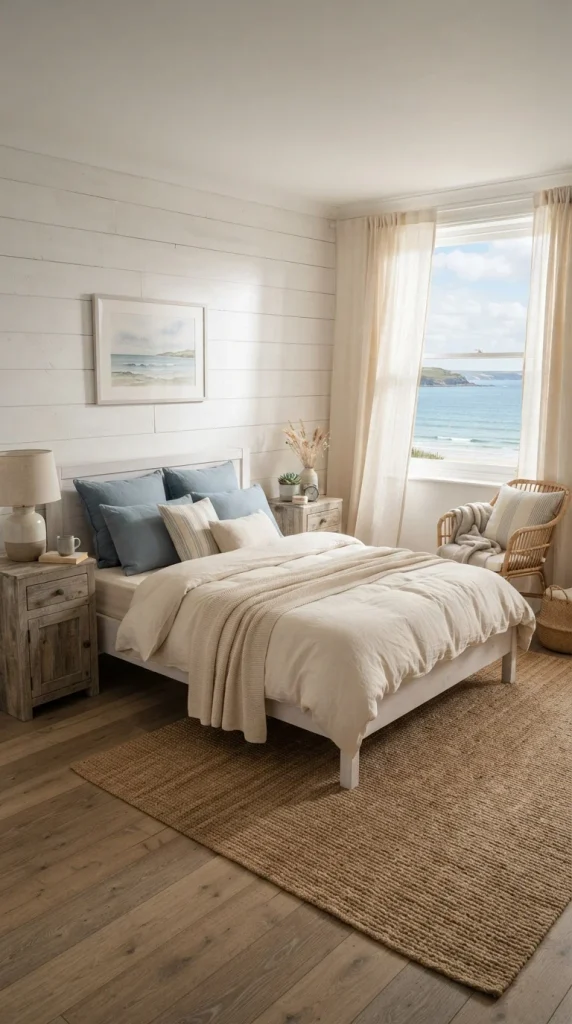
    Good coastal bedroom decorating starts with creating a calm feeling rather than filling the room with obvious beach items. I like to build a coastal bedroom decor scheme around a relaxed coastal-style bedroom that feels natural and lived-in. A beach-inspired bedroom can borrow from coastal interior design and coastal bedroom design by using a soft…


  • 21 Cozy Nursery Decor Ideas for a Warm and Peaceful Space

    21 Cozy Nursery Decor Ideas for a Warm and Peaceful Space

    Preparing for the arrival of a baby brings excitement and anticipation, but it can also bring anxiety and stress. The best nursery decorating ideas focus on creating a nursery that feels peaceful, stylish, and easy to use. If you feel stuck, looking at pretty nurseries can give you inspiration and the right idea for your baby’s room. A thoughtful nursery decor plan can turn a new room into a cosy and special space. For every new parent, a practical and functional nursery design helps manage daily life in a less stressful and chaotic way. A well-organized baby room with the right nursery style and nursery space can support your little bundle of joy while meeting all your nursery needs.

    1. Soft Neutral Nursery Design
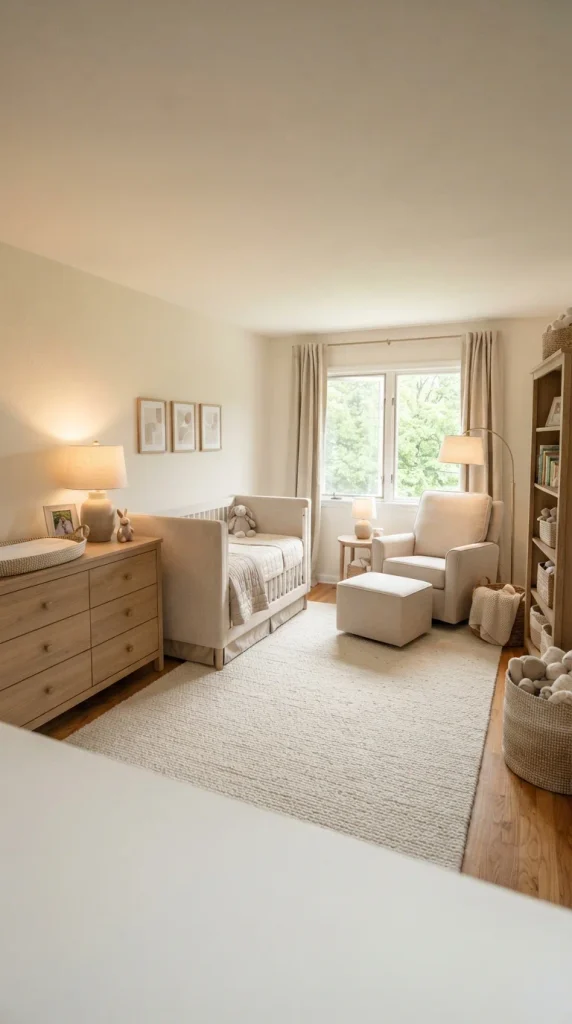
    A soft neutral nursery design can make the baby’s room feel calm, warm, and welcoming. Shades like cream, beige, soft white, and light taupe create a peaceful background without making the space feel plain. Add a few warm textures through rugs, curtains, blankets, or baskets to make the room feel more comfortable. Wooden furniture can also bring a natural touch to the neutral setting. Keep the colors balanced so the nursery feels bright during the day and relaxing at night. A few simple decorative pieces can add personality without making the room look crowded. This style is also easy to update as your child grows. The result is a timeless nursery that feels cozy, clean, and peaceful.

    2. Warm Wooden Nursery Accents
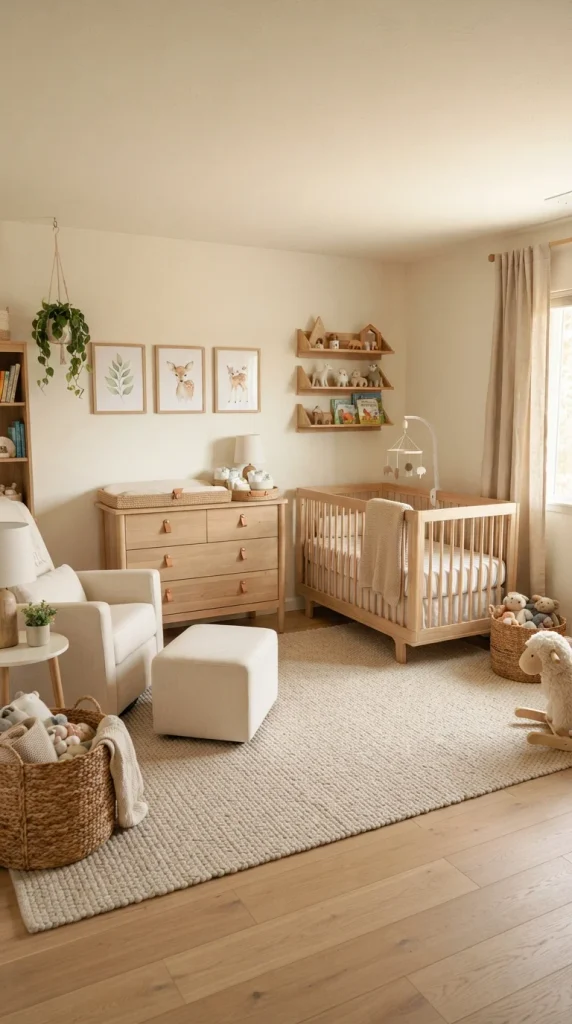
    Warm wooden nursery accents can instantly make a baby room feel more inviting and natural. A wooden crib, small shelf, changing table, or storage basket can add warmth without overwhelming the space. Light wood works especially well with cream, white, beige, and soft pastel colors. I like using natural wood because it gives the nursery a simple and timeless character. Wooden picture frames and small decorative objects can also bring the different parts of the room together. Avoid using too many heavy pieces if the room is small. Instead, choose a few useful items that also add visual warmth. This approach creates a comfortable nursery that feels natural, balanced, and easy to enjoy.

    3. Cozy Crib Corner Setup
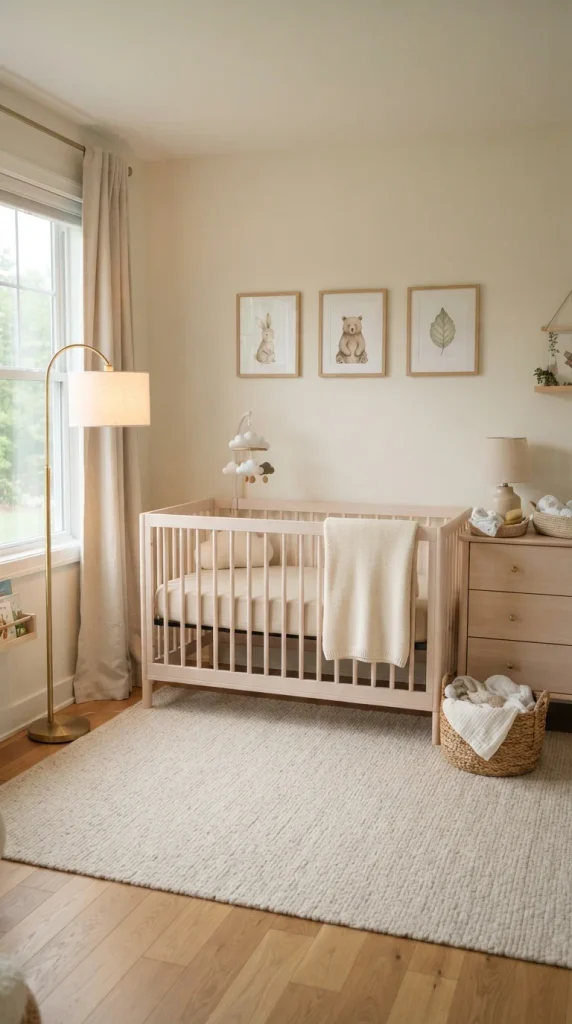
    A cozy crib corner setup can become the main focus of the nursery while keeping the sleeping area peaceful. Place the crib where there is enough open space around it and keep the surrounding decoration simple. A soft rug, gentle wall art, or a small shelf nearby can make the corner feel complete. Choose colors that are soothing rather than overly bright or busy. Keep decorative items securely away from the crib and follow current safe-sleep guidance when arranging the sleeping space. The crib should remain simple and free from unnecessary loose items. A thoughtfully arranged corner can make the nursery feel organized and welcoming. It also gives the room a clear focal point without making it feel crowded.

    4. Calm Nursery Color Palette

    A calm nursery color palette can help create a peaceful atmosphere from the moment you enter the room. Soft beige, warm white, dusty blue, muted green, gentle pink, and light gray are popular choices for a relaxing space. You do not need to use only one shade throughout the room. Instead, combine two or three related colors for a layered appearance. Use the strongest color in small amounts through artwork, cushions, curtains, or accessories. Keeping larger surfaces lighter can help the room feel open and comfortable. Natural materials can soften the overall look even further. A thoughtful color palette makes it easier to create a nursery that feels warm without becoming visually overwhelming.

    5. Dreamy Nursery Wall Decor

    Dreamy nursery wall decor can add personality while keeping the room soft and peaceful. Simple prints, nature-inspired artwork, stars, clouds, animals, or delicate patterns can create a charming backdrop. A small gallery arrangement can work beautifully above a dresser or on an empty wall. Choose artwork that matches the nursery’s colors so everything feels connected. Avoid filling every wall because a little empty space can make the room feel calmer. Make sure wall decorations are securely mounted and positioned safely away from the crib. I find that simple artwork often creates more charm than a wall filled with too many decorations. The right pieces can make the nursery feel personal, warm, and thoughtfully designed.

    6. Natural Texture Elements
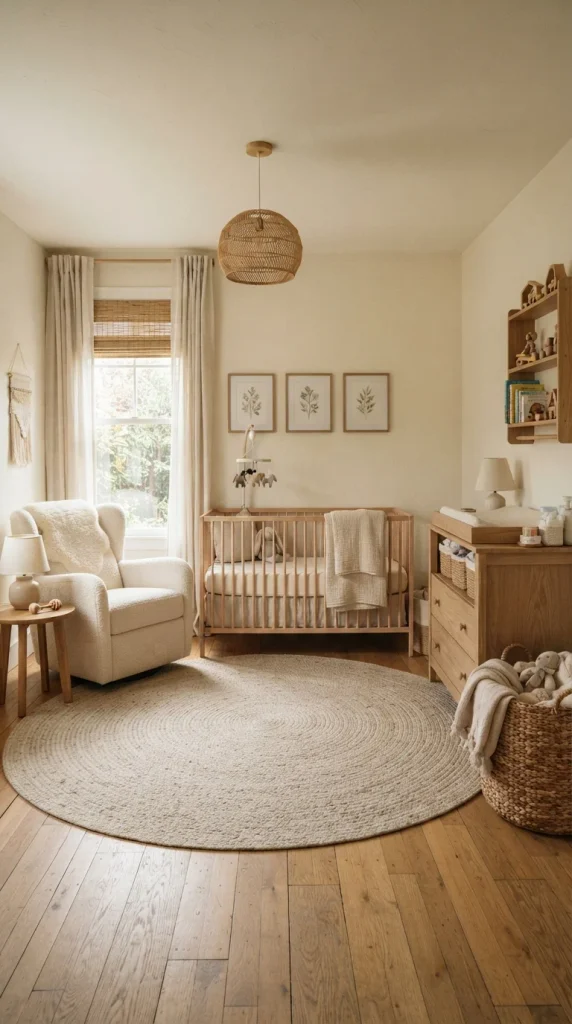
    Adding natural texture elements is an easy way to make a nursery feel warmer and more comfortable. Woven baskets, cotton fabrics, linen curtains, wool-style rugs, and wooden accessories can give the room a soft layered appearance. These materials also help prevent a neutral nursery from looking flat or unfinished. Choose textures that are practical and easy to clean because baby rooms can quickly become messy. A woven basket can hold blankets while also becoming part of the decor. Soft curtains can add warmth without making the room feel heavy. When natural textures are mixed carefully, the nursery feels relaxed and lived-in. This creates a cozy environment without needing lots of decorative objects.

    7. Comfortable Reading Nook
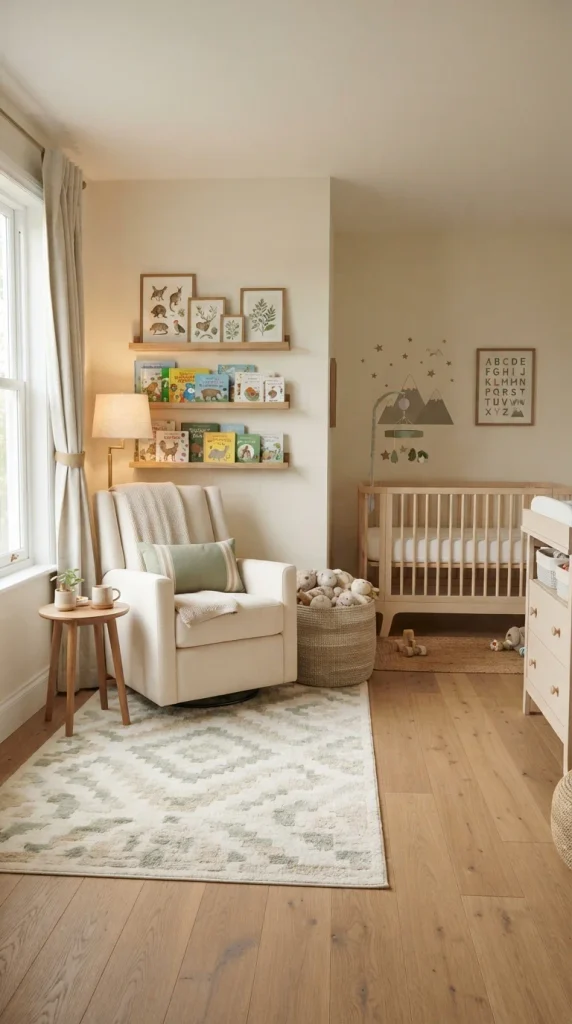
    A comfortable reading nook can give parents and children a special place to enjoy quiet moments together. Start with a supportive chair or small seating area that is comfortable for longer periods. Add a soft rug, a small side table, and a few children’s books within easy reach. Keep the colors consistent with the rest of the nursery so the nook feels like part of the overall design. A nearby basket can provide simple book storage while keeping everything tidy. Soft lighting can make the corner useful during evening routines. Choose furniture that is sturdy and easy to clean for everyday use. Even a small unused corner can become a meaningful and cozy part of the nursery.

    8. Stylish Nursery Storage Solutions
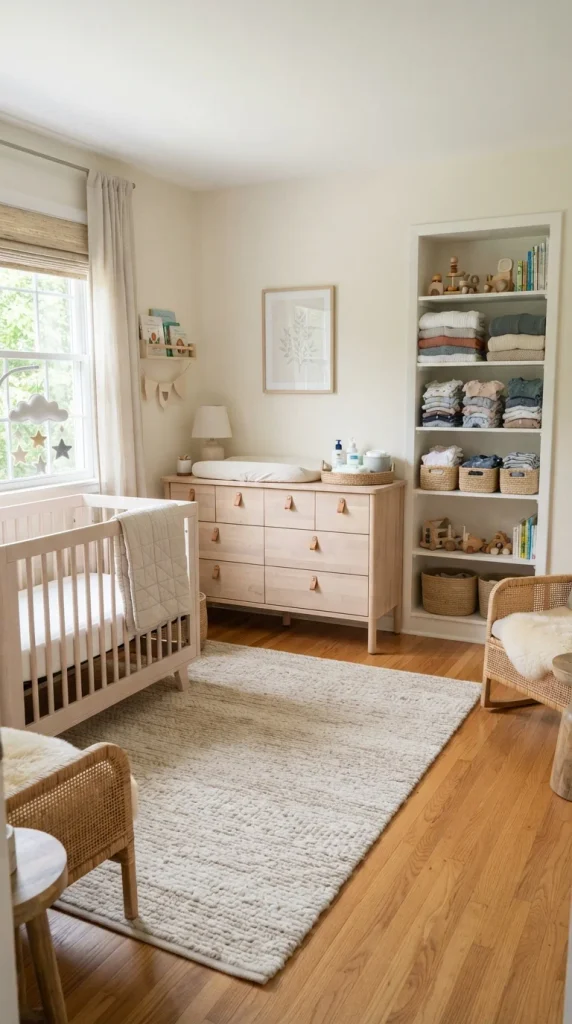
    Stylish nursery storage solutions can help keep everyday baby items organized without taking away from the room’s beauty. Use baskets, drawers, shelves, and small containers to give diapers, blankets, clothing, and toys a proper place. Open shelves are useful for items you need often, while closed storage can hide things that create visual clutter. Choose storage pieces that match the nursery furniture for a more finished appearance. Labeling baskets can also make busy routines easier for new parents. Keep frequently used items within easy reach but avoid creating unsafe climbing opportunities. Good storage makes cleaning faster and keeps the room feeling peaceful. The best solutions are both attractive and genuinely useful.

    9. Minimalist Baby Room Setup

    A minimalist baby room setup focuses on keeping only the items that are useful, comfortable, or meaningful. Start with essential furniture and leave enough open space for easy movement around the room. Simple colors, clean shapes, and limited decoration can make the nursery feel calm and uncluttered. This does not mean the room has to feel cold or empty. Add warmth through soft fabrics, natural wood, and a few carefully chosen accessories. Keep toys and baby supplies organized so the space stays visually peaceful. A minimalist approach can also make cleaning and daily routines easier. By choosing quality over quantity, you can create a nursery that feels comfortable without becoming crowded.

    10. Soft Lighting for Nursery

    Soft lighting for nursery spaces can make a big difference in creating a warm and relaxing mood. Use gentle ambient lighting rather than relying only on one bright ceiling light. A dimmable lamp can be useful during evening routines because it provides enough light without making the room feel harsh. Curtains can also help control natural daylight during naps and bedtime. Choose lighting fixtures that are securely installed and keep cords safely out of reach. Warm-toned bulbs can create a softer atmosphere than very bright white lighting. You can also use a small decorative lamp to add character to a dresser or side table. A thoughtful lighting plan makes the nursery feel comfortable at different times of day.

    11. Personalized Nursery Touches

    Personalized nursery touches can make the room feel more special and connected to your family. A framed name, meaningful artwork, family keepsake, or handmade decoration can add character without requiring a large decorating budget. Choose a few items that have genuine meaning instead of filling the room with decorations. Soft colors and simple frames can help personal pieces blend naturally with the overall design. Handmade details can also bring warmth and make the nursery feel less like a showroom. Keep anything small or fragile securely out of reach of the baby. These personal details can become treasured memories as your child grows. A few thoughtful touches are often enough to make the room feel truly yours.

    12. Elegant Nursery Furniture Choices

    Choosing elegant nursery furniture is about finding pieces that look beautiful while supporting everyday needs. A comfortable crib, useful changing table, practical dresser, and supportive chair can create a strong foundation for the room. Look for simple designs that can work with different decorating styles as your child gets older. Neutral furniture is especially flexible because it pairs well with many colors and accessories. Make sure every piece is sturdy and designed appropriately for its intended use. Avoid overcrowding the room with furniture that is rarely needed. Good furniture placement should leave clear pathways for comfortable movement. When style and function work together, the nursery becomes easier to use and more enjoyable.

    13. Nature Inspired Nursery Style
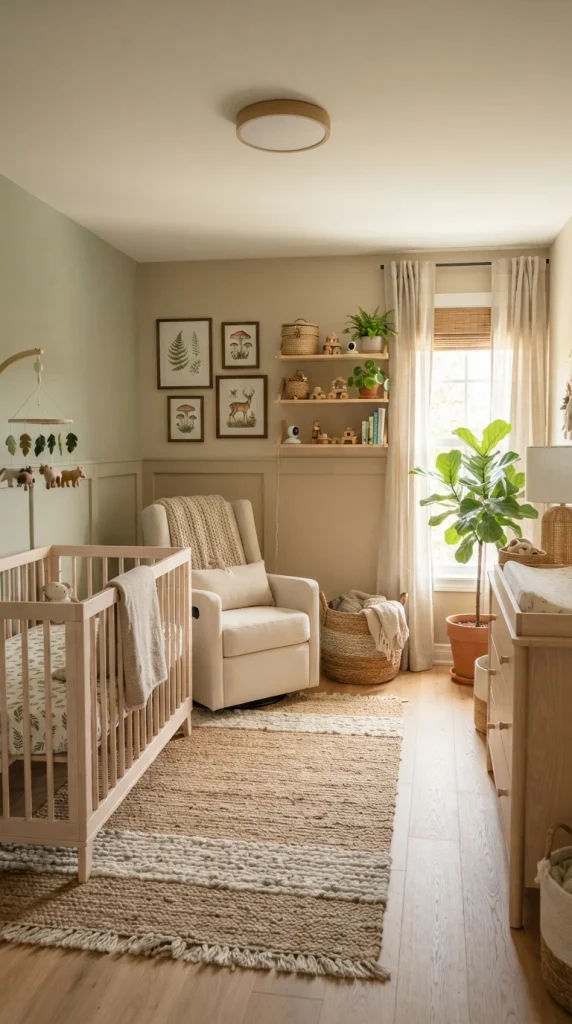
    A nature inspired nursery style can create a peaceful feeling through earthy colors, natural materials, and simple botanical details. Soft green, beige, cream, and warm brown can form a relaxing color scheme. Add woodland artwork, leaf patterns, wooden accessories, or woven baskets for a gentle natural theme. You can bring in plant-inspired designs without filling the room with unnecessary objects. Natural textures can make the space feel warmer and more inviting. Keep the overall theme subtle so it remains timeless rather than overly themed. This style works well for both small and large nurseries. The result is a calm room that feels connected to the softness and beauty of nature.

    14. Modern Gender Neutral Nursery

    A modern gender neutral nursery can feel stylish, warm, and welcoming without relying on traditional color themes. Combine shades such as cream, beige, sage green, warm gray, or muted yellow to create a balanced look. Simple furniture and clean lines can give the room a modern appearance. Add personality through artwork, textiles, wooden details, and small decorative pieces. A neutral foundation also makes it easy to change the room as your child grows. Keep the decoration playful but avoid making every item follow the same theme. This gives the nursery a more natural and collected feeling. With the right balance, a gender-neutral room can feel both modern and deeply cozy.

    15. Cozy Rocking Chair Corner
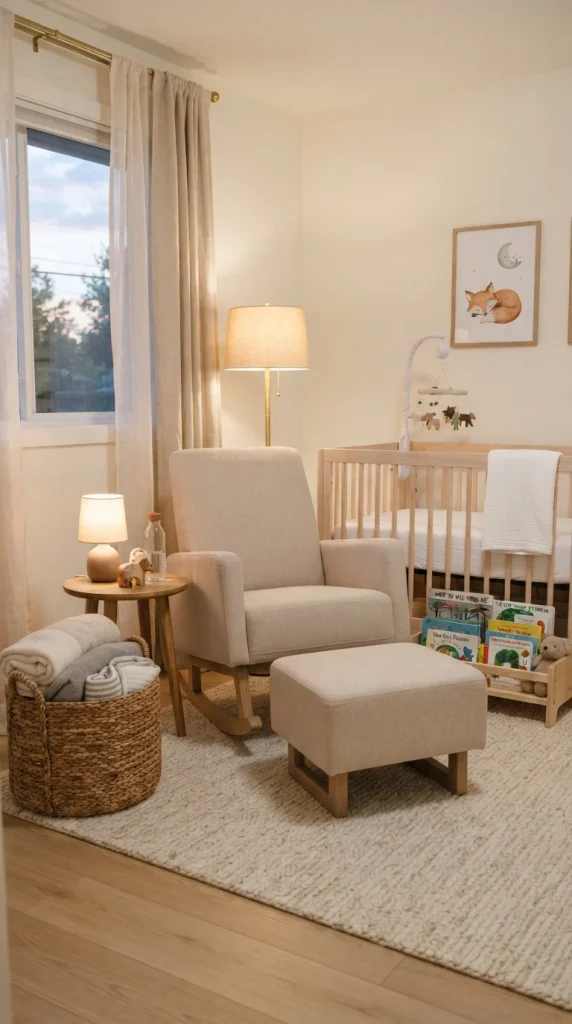
    A cozy rocking chair corner can become one of the most useful areas in the nursery. Choose a chair with good support because feeding, reading, and soothing a baby can take time. Place it near a small table where you can keep a book, water bottle, or other useful items. A soft throw or washable cushion can make the chair feel more inviting. Add a floor lamp or gentle nearby lighting for evening use. Keep enough space around the chair so it can move comfortably without hitting other furniture. A small basket beside it can hold blankets or books. This simple corner can make everyday moments with your baby feel more comfortable and relaxed.

    16. Beautiful Nursery Gallery Wall

    A beautiful nursery gallery wall can bring color, personality, and visual interest to an otherwise simple room. Mix a few framed prints with simple illustrations, family photographs, or nature-inspired artwork. Keep the frames in similar tones if you want a more organized appearance. Arrange the pieces on the floor first to find a layout you like before putting anything on the wall. Avoid placing heavy or poorly secured items where they could become a safety concern. A gallery wall works particularly well above a dresser or on a larger empty wall. Keep some space between pieces so the arrangement does not feel crowded. A carefully planned display can become a charming feature without overwhelming the nursery.

    17. Functional Changing Station
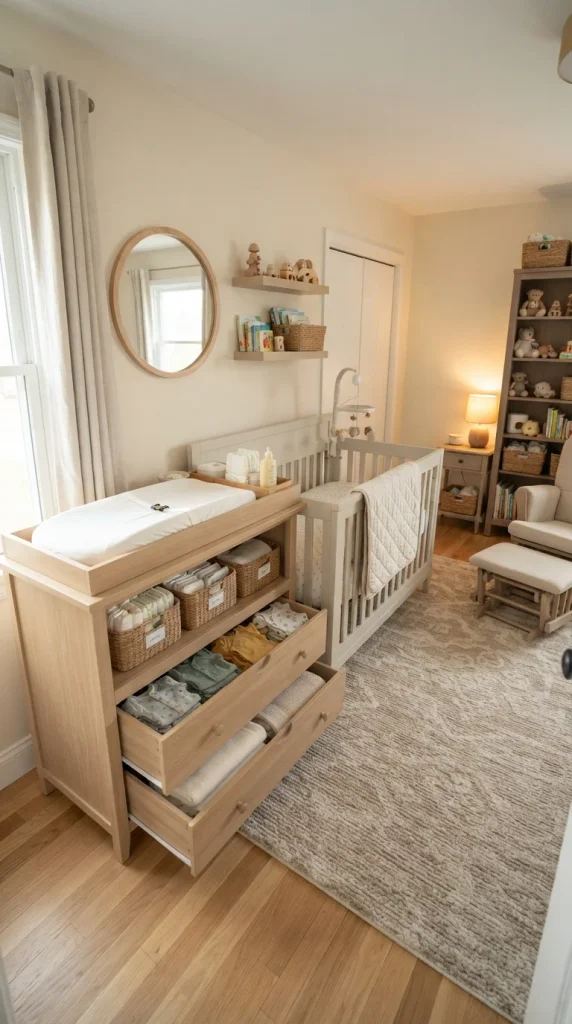
    A functional changing station should make everyday routines simple and organized. Place diapers, wipes, creams, clothing, and other essentials within easy reach while keeping the surface clear and manageable. Use small baskets or drawer organizers to separate different supplies. Choose a changing area with enough storage so frequently used items do not spread around the room. Safety should always come first, so follow the manufacturer’s instructions and never leave a baby unattended on a changing surface. A clean and organized station can save time during busy moments. Matching storage containers can also help the area look neat. When practical design meets simple organization, this part of the nursery becomes much easier to use.

    18. Peaceful Sleep Space Design
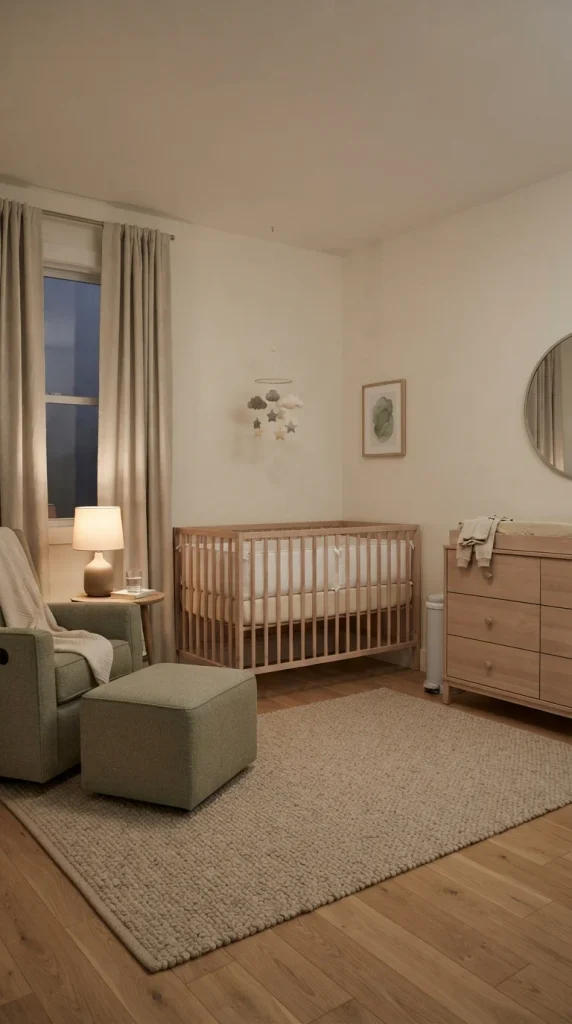
    A peaceful sleep space design should focus on comfort, simplicity, and safe sleep practices. Keep the crib area uncluttered and follow current guidance for safe infant sleep rather than treating decorative items as part of the sleeping surface. Soft wall colors and gentle lighting can create a relaxing atmosphere around the crib. Blackout curtains may help control daylight, while a consistent bedtime routine can make the space feel familiar. Keep the room comfortable without making it excessively warm. Simple decoration around the sleeping area can provide visual interest while keeping the crib itself clear. The goal is to create a calm environment that supports restful routines. A peaceful design can also make nighttime care feel more organized for parents.

    19. Charming Nursery Shelf Decor
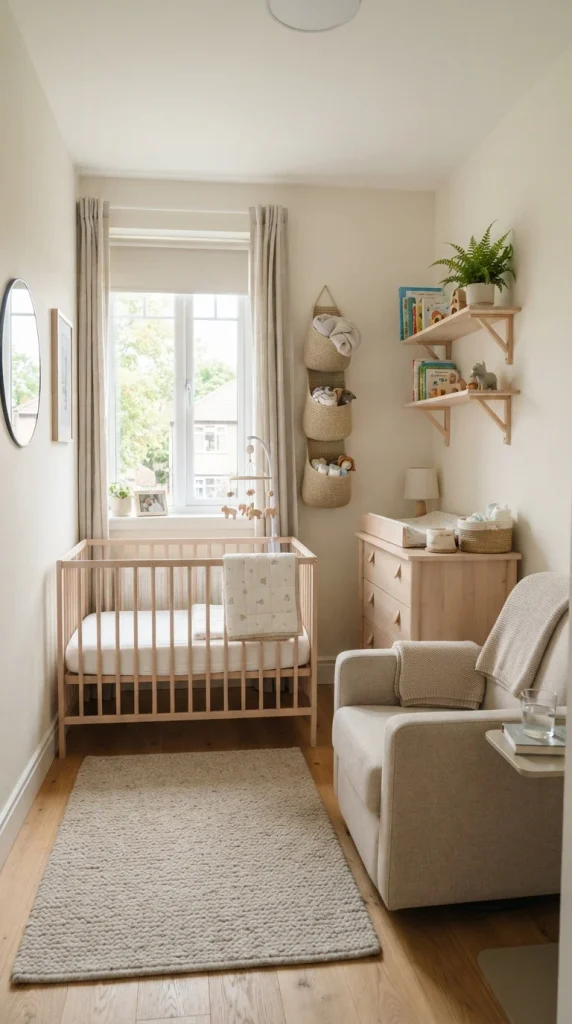
    Charming nursery shelf decor can add personality while providing a useful place for small items. Use shelves for lightweight books, framed artwork, soft decorative pieces, or attractive storage baskets. Keep the arrangement simple and leave some empty space so the display does not look crowded. Choose colors and materials that connect with the rest of the nursery. Avoid placing small objects where a growing child could easily reach them. Secure shelves properly to the wall and follow appropriate safety guidance. Rotating a few decorations from time to time can keep the room feeling fresh. A well-arranged shelf can provide a stylish detail without taking up valuable floor space.

    20. Small Nursery Space Ideas

    Small nursery space ideas can help you create a comfortable room without making it feel cramped. Choose furniture that fits the scale of the room and avoid pieces that serve little purpose. Use vertical storage, wall shelves, baskets, and drawers to make better use of available space. Light colors can help the room feel more open, while mirrors can add brightness when positioned safely. Keep the floor as clear as possible so movement remains easy. A compact changing station or multifunctional dresser can also save valuable space. Use decoration selectively instead of covering every available surface. With thoughtful planning, even a small nursery can feel warm, organized, and comfortable.

    21. Timeless Cozy Baby Room
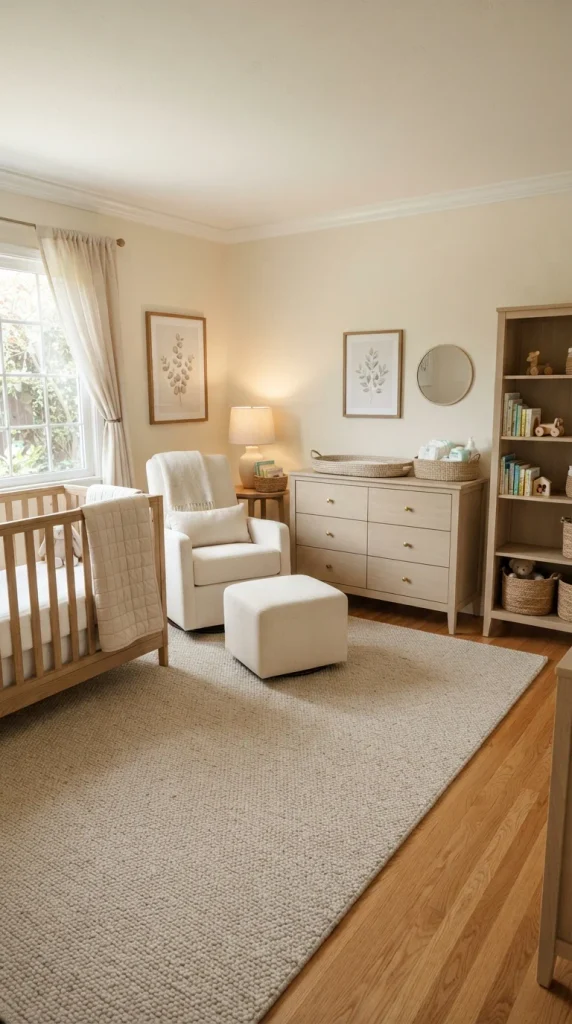
    A timeless cozy baby room combines comfort, practical furniture, and simple decoration that can grow with your child. Choose neutral foundations and add personality through artwork, textiles, and accessories that can easily be changed later. Natural wood, soft fabrics, warm lighting, and gentle colors can create a welcoming atmosphere without following a short-lived trend. Keep everyday supplies organized so the room remains easy to use. Leave enough open space for movement and future changes. Personal details can make the room feel special without making the design too specific. I find that the most successful nurseries balance beauty with real family routines. This creates a baby room that feels peaceful today and remains useful as your child grows.

    Conclusion

    The best nursery decor ideas are not about filling every corner with decoration. A warm nursery comes from choosing calming colors, comfortable furniture, useful storage, soft textures, and personal details that make the room feel welcoming. Keep safety and everyday routines in mind while creating a space that feels peaceful for both baby and parents. With a few thoughtful choices, even a small room can become a cozy and practical place to enjoy those early years.

    Frequently Asked Questions

    What colors work best for a cozy nursery?

    Soft neutrals, warm whites, beige, muted green, dusty blue, and gentle gray are good choices. They create a calm background and can easily work with different furniture and accessories.

    How can I decorate a small nursery without making it feel crowded?

    Choose compact furniture, use vertical storage, keep the floor open, and avoid too many decorative items. Light colors and simple layouts can also make the room feel more spacious.

    How can I create a nursery on a small budget?

    Start with essential furniture and add inexpensive details such as baskets, simple artwork, washable textiles, and handmade decorations. You do not need to decorate every wall to create a beautiful nursery.

    What materials are good for nursery decor?

    Natural wood, cotton, linen, woven fibers, and washable fabrics can add warmth and texture. Choose materials that are durable, easy to clean, and suitable for their intended use.

    Where should nursery wall decor be placed?

    Wall art can work above a dresser, beside a reading corner, or on an empty accent wall. Keep decorations securely mounted and away from areas where a baby could reach or pull them down.

    How do I make a nursery feel cozy without using too much decor?

    Focus on soft lighting, warm colors, comfortable textiles, natural materials, and a few meaningful accessories. Leaving some empty space can actually make the room feel calmer and more comfortable.

    What should I prioritize when decorating a nursery?

    Prioritize safe sleep arrangements, practical furniture, easy storage, comfortable lighting, and clear movement around the room. Once these basics are handled, add decorative details that reflect your preferred style.

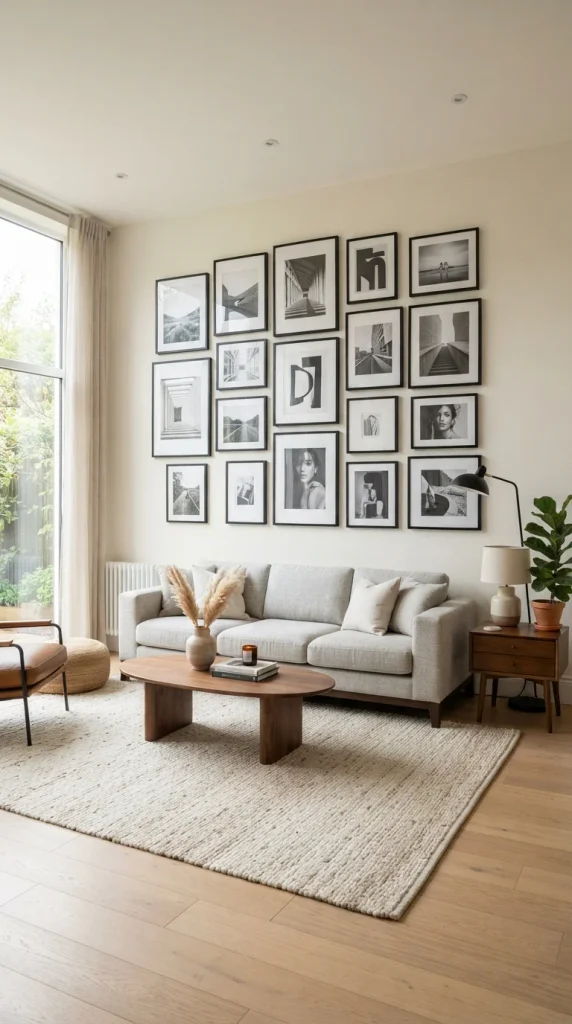
  • 25 Eye-Catching Photo Gallery Wall Ideas That Instantly Upgrade Your Room

    25 Eye-Catching Photo Gallery Wall Ideas That Instantly Upgrade Your Room

    A beautiful photo gallery wall adds more than decoration; it tells your personal story through your home interiors. The best gallery wall ideas combine a stylish backdrop, creative hanging arrangement, and meaningful pieces like family photos, artwork, and personal prints. Whether placed in a living room, bedroom, or bathroom, a gallery wall can become a timeless focal point that reflects your personality and style. With a free wall, thoughtful décor, and creativity, you can create a customised display that makes your space feel warm, stylish, and unique.
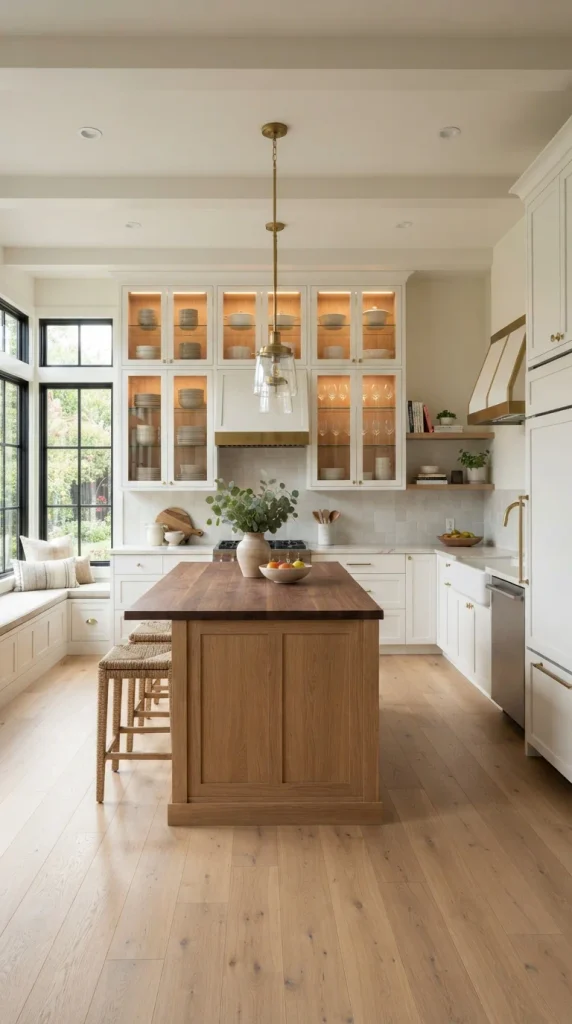
    1. Classic Family Photo Wall

    A classic family photo wall brings warmth and personality into any room. Choose a collection of favorite family pictures that share a similar color tone or feeling. Use simple frames so the photos remain the main focus. Arrange the frames in a balanced grid or relaxed layout depending on your room style. Black, white, or natural wood frames can work beautifully with most decor. Leave even spacing between each picture for a neat appearance. This type of gallery wall can turn an empty wall into a meaningful display. It also gives the room a personal touch that feels welcoming and lived-in.
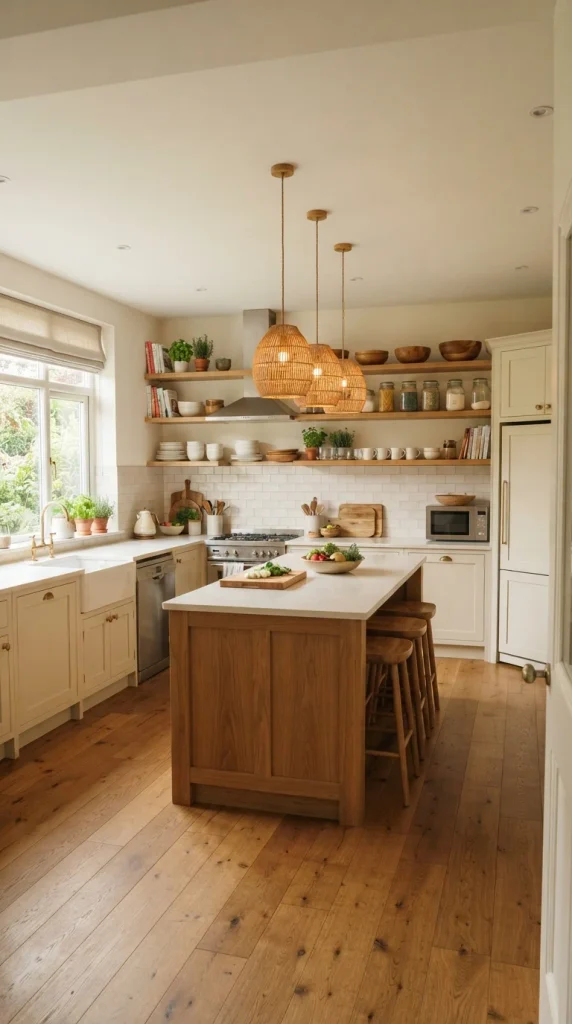
    2. Modern Gallery Wall Layout

    A modern gallery wall works well when you want your room to feel stylish without looking crowded. Start by choosing frames with clean lines and simple shapes. A combination of photographs and small artwork can create more visual interest. Keep the spacing consistent to give the arrangement a polished look. Neutral colors usually make a modern gallery wall feel calm and sophisticated. Before hanging anything, place the frames on the floor to test the layout. This simple step helps you create a balanced design that fits the wall properly.

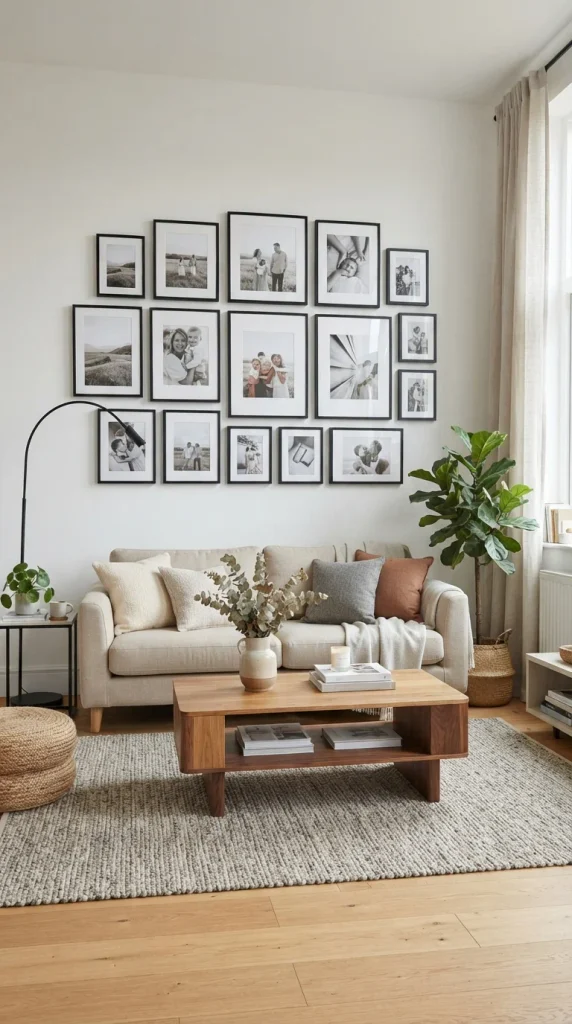
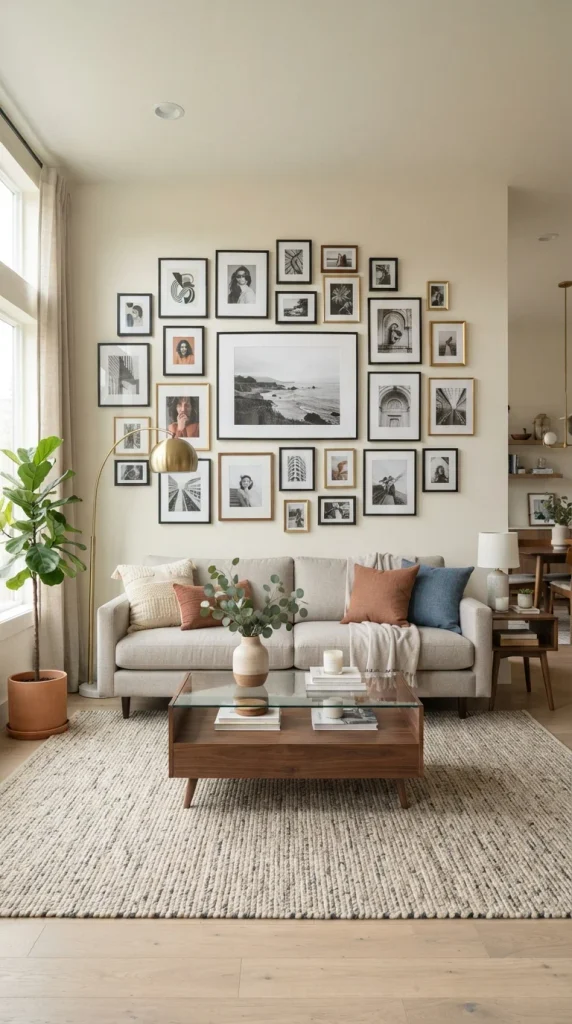
    3. Black And White Photos

    Black and white photos create a timeless gallery wall with a calm and elegant appearance. They are especially useful when your room already has several colors or patterns. Matching black frames can make the display feel more organized and dramatic. You can use family portraits, travel pictures, old photographs, or everyday moments. Keep the background wall light if you want the photographs to stand out clearly. A simple arrangement can look just as impressive as a large collection. This style works beautifully in bedrooms, living rooms, hallways, and home offices.

    4. Minimalist Photo Wall Display

    A minimalist photo wall is perfect when you prefer a clean and uncluttered room. Instead of covering the entire wall, select a few meaningful photographs. Choose thin frames in neutral shades such as white, black, or light wood. Keep plenty of open wall space around the display for an airy appearance. Matching frame sizes can make the arrangement look especially neat. You can also use a simple row of three or four pictures above a console or sofa. The result is subtle, personal, and easy to maintain.

    5. Mixed Frame Gallery Wall

    A mixed frame gallery wall gives you more freedom to combine different shapes, sizes, and finishes. You can pair wooden frames with black, white, or metallic ones for a collected look. The key is to create one connection between the frames, such as a shared color or photo style. Place larger frames near the center and smaller ones around them for visual balance. Try laying everything out on the floor before attaching anything to the wall. This helps you adjust the arrangement without making unnecessary holes. A thoughtful mix can make your gallery wall feel creative and naturally collected.
    6. Large Statement Photo Wall

    A large statement photo wall can become the main feature of an otherwise simple room. Choose several larger photographs that have a similar visual style. Oversized frames can make a blank wall feel more finished without requiring many small decorations. This approach works particularly well behind a sofa, bed, or dining table. Keep the surrounding furniture and accessories relatively simple so the wall does not feel overwhelming. Use consistent spacing to make the large display look intentional. With the right arrangement, a statement photo wall can completely change the character of a room.
    7. Small Space Gallery Wall

    Small rooms can still have beautiful gallery walls when the arrangement is planned carefully. Use a narrow section of wall instead of trying to fill a large area. Smaller frames can create interest without making the room feel crowded. A vertical arrangement can also draw the eye upward and make the wall feel taller. Choose light-colored frames if you want the display to blend softly with the room. Keep the number of photographs limited and meaningful. This creates a stylish display while preserving the open feeling that small spaces need.

    8. Cozy Bedroom Photo Display

    A photo gallery wall can make a bedroom feel more personal and comfortable. Place favorite photographs above a dresser, beside the bed, or on a suitable accent wall. Soft wood frames or warm neutral finishes can complement cozy bedroom decor. Choose photographs that create pleasant memories and a peaceful mood. Avoid arranging too many pictures directly above the bed if the wall feels visually busy. A simple row or balanced cluster can look elegant without becoming distracting. The finished display can make your bedroom feel more personal and thoughtfully decorated.

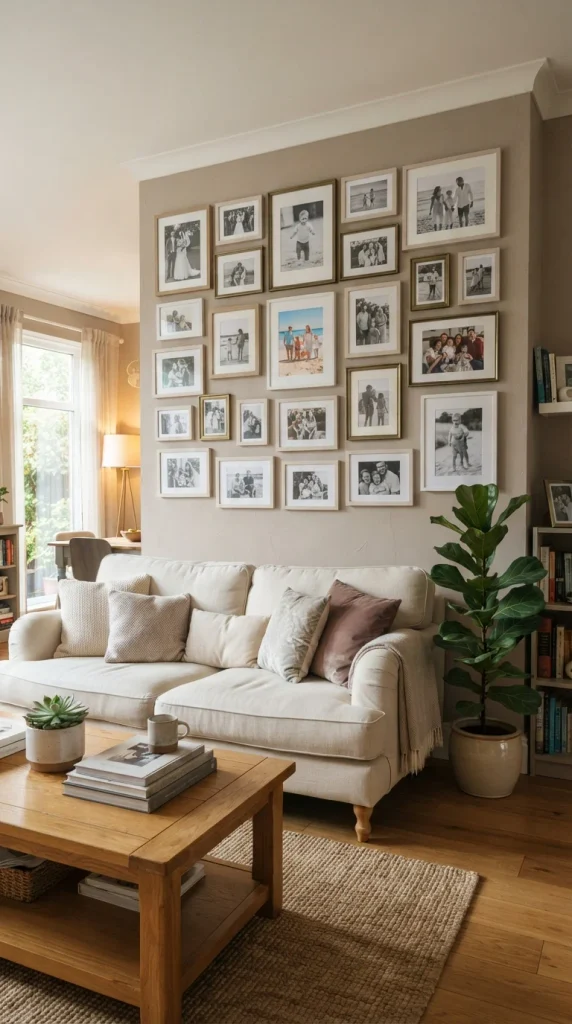
    9. Living Room Gallery Wall

    A living room gallery wall can fill an empty wall while adding personality to the main gathering space. A large arrangement above the sofa is one of the easiest places to create a focal point. Combine family photographs, travel memories, and a few decorative prints if desired. Keep the overall colors connected to your furniture and existing decor. Make sure the gallery wall is not too wide or too narrow compared with the sofa underneath it. Balanced proportions will help the entire wall feel intentional. This approach adds character while keeping the living room warm and inviting.

    10. Staircase Photo Gallery

    The wall beside a staircase is often an overlooked place for a photo display. A gallery wall can follow the angle of the stairs to create a natural visual flow. Use a mixture of portrait and landscape photographs to fit different frame sizes. Keep the bottom edge of the arrangement aligned with the staircase rather than forcing a straight horizontal line. Similar frame finishes can help the collection look organized. Family photographs work especially well in this location because the display becomes part of the home’s everyday journey. Leave enough space around the frames so the staircase remains comfortable and visually open.

    11. Grid Style Photo Wall

    A grid-style photo wall is ideal if you like clean lines and organized decor. Choose photographs with similar dimensions and place them in evenly spaced rows. Matching frames make the grid feel especially polished and modern. This style works well above desks, sofas, dining areas, and bedroom furniture. Measure the wall carefully before hanging the first frame. A small spacing mistake can become noticeable when several pictures are arranged in straight lines. Once installed correctly, a grid gallery wall creates a simple and sophisticated focal point.

    12. Eclectic Picture Wall

    An eclectic picture wall allows you to mix photographs, artwork, textures, and different frame styles. It is a good choice for rooms with a relaxed and collected decorating style. You can combine family pictures with travel memories, small prints, and decorative objects. To prevent the wall from looking random, repeat one or two colors throughout the arrangement. Vary the frame sizes while keeping enough space between each piece. Start with your largest item and build the arrangement outward. The final result should feel personal, creative, and naturally gathered over time.
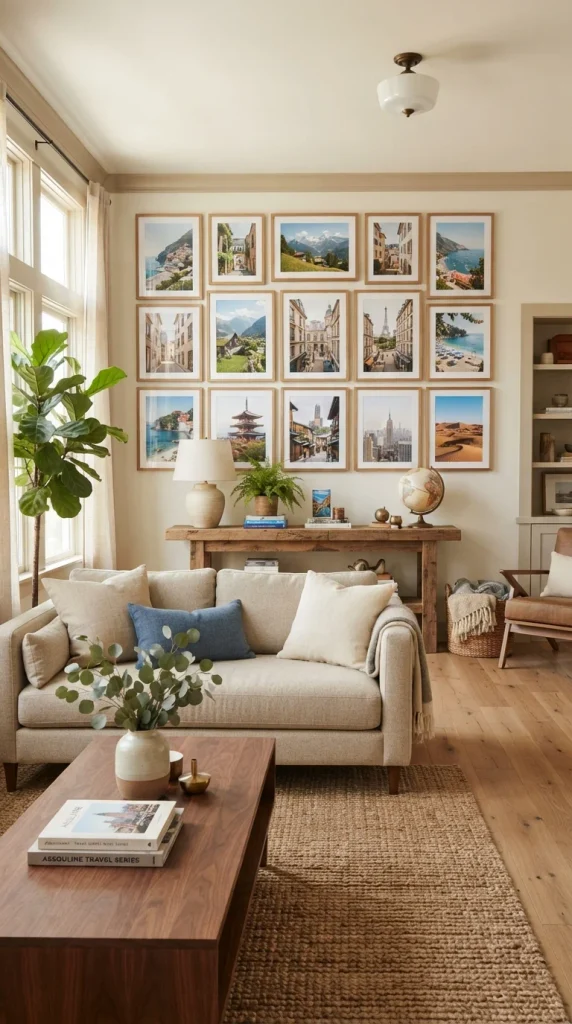
    13. Travel Photo Gallery

    A travel photo gallery lets you bring favorite destinations and memories into your home. Choose photographs that show different places while still sharing a similar color or editing style. You can arrange them chronologically or simply create a balanced visual collection. Natural wood frames can give the display a relaxed and warm feeling. A travel gallery works well in living rooms, hallways, offices, and reading areas. Add only your favorite images instead of trying to display every travel photograph. This keeps the wall attractive while making each picture feel special.
    14. Black Frame Photo Display

    Black frames give photographs a strong outline and help create a polished gallery wall. They work especially well against white, cream, beige, or softly colored walls. You can use identical frames for a clean look or mix several sizes for more movement. Black frames are also easy to coordinate with black lighting, furniture, or small decorative accents. Keep the photographs visually connected so the strong frames do not become the only focus. A balanced arrangement can make the entire wall look sophisticated and modern. This is a simple choice that works with many different home decor styles.

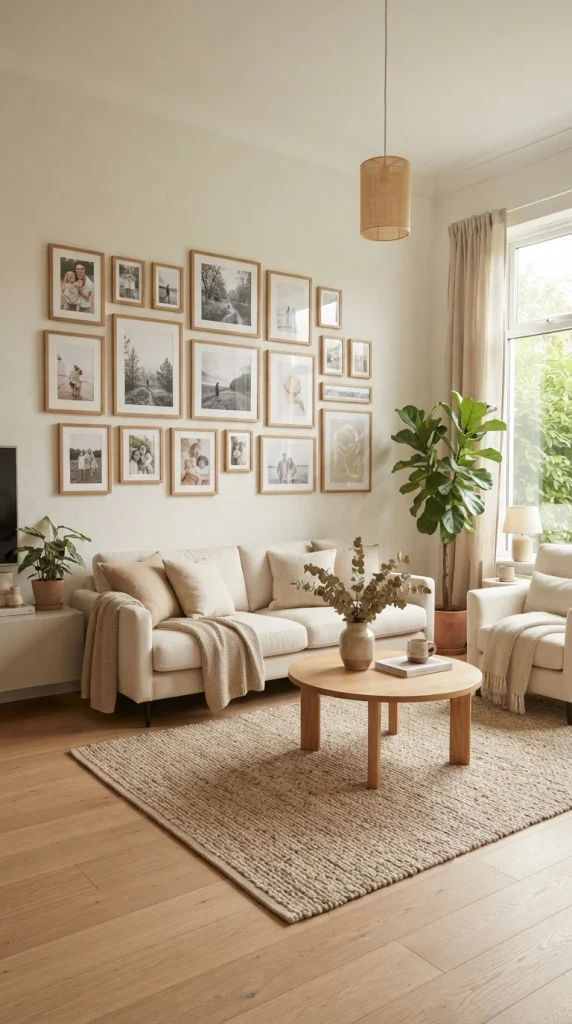
    15. Wood Frame Gallery Wall

    Wood frames bring warmth and natural texture to a photo gallery wall. Light wood can create an airy Scandinavian-inspired look, while darker wood can feel richer and more traditional. Choose frames that complement the existing wood tones in your furniture whenever possible. Family photos, nature images, and travel pictures all work beautifully with wooden frames. Keep the layout simple if the wood has a strong natural grain. You can also mix several wood tones for a more collected appearance. This style makes a gallery wall feel warm, relaxed, and connected to the rest of the room.
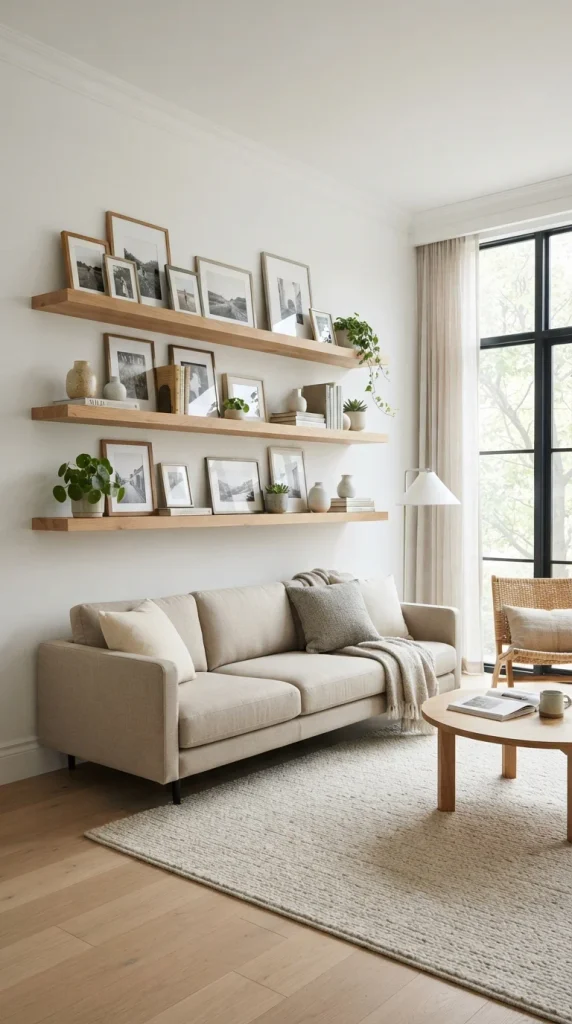
    16. Floating Shelf Photo Wall

    Floating shelves provide a flexible way to display photographs without permanently fixing every frame to the wall. Place two or three shelves vertically or horizontally depending on the available space. Lean framed photographs against the wall and overlap a few pieces for a relaxed layered effect. You can easily change the photographs whenever you want a fresh look. Keep the shelf arrangement visually balanced by mixing larger and smaller frames. Avoid filling every inch of the shelves because some open space helps the display breathe. This is especially useful for renters or anyone who enjoys changing their decor often.

    17. Symmetrical Gallery Wall

    A symmetrical gallery wall creates a sense of order and balance. Use matching frames and similar-sized photographs to build an even arrangement. This style works particularly well above sofas, beds, consoles, and dining tables. Measure the wall before hanging the first picture so each frame stays properly aligned. Keep the spaces between photographs consistent for a professional appearance. Neutral photographs can make the design feel calm and timeless. If you enjoy organized decor, a symmetrical gallery wall can provide structure without making the room feel plain.

    18. Asymmetrical Photo Arrangement

    An asymmetrical photo arrangement gives your wall a more relaxed and artistic feeling. Instead of matching every frame, use different sizes and positions to create movement. Start with one larger photograph and build smaller frames around it. Keep a consistent visual connection through colors, frame finishes, or the type of photographs you choose. The arrangement should look balanced even though both sides are not identical. Lay the pieces out before hanging them so you can adjust the overall shape. This approach works well for casual interiors that favor personality over perfect symmetry.

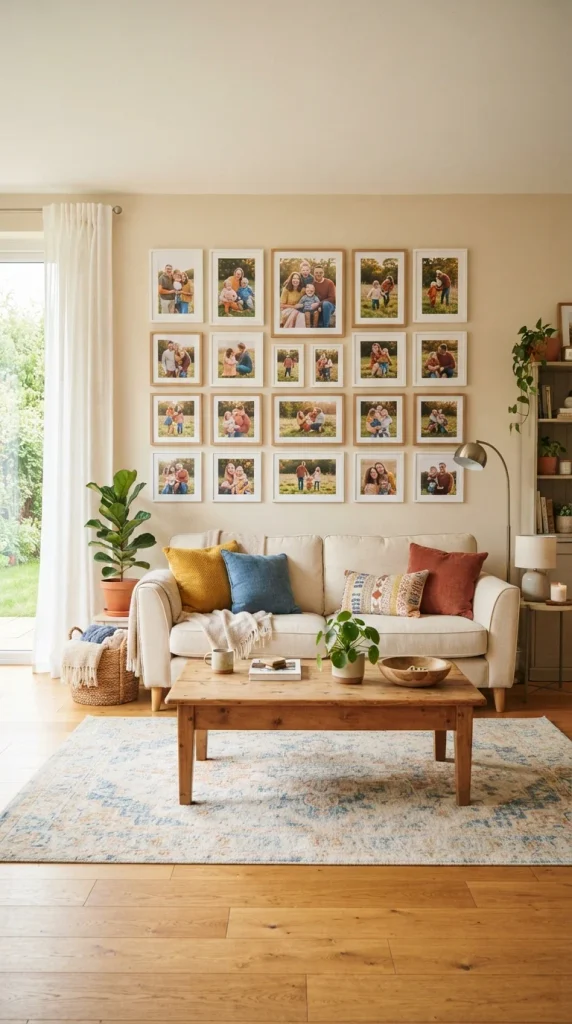
    19. Colorful Family Photo Wall

    A colorful family photo wall can make a room feel cheerful and full of life. Choose photographs with bright natural colors that reflect happy moments and everyday memories. If the images are very colorful, use simple neutral frames to keep the wall from becoming too busy. You can arrange the photos in a neat grid or create a more relaxed cluster. Consider the colors already present in the room when selecting your pictures. This helps the gallery wall feel connected to the rest of the decor. A colorful display can become a joyful focal point without needing many additional decorations.

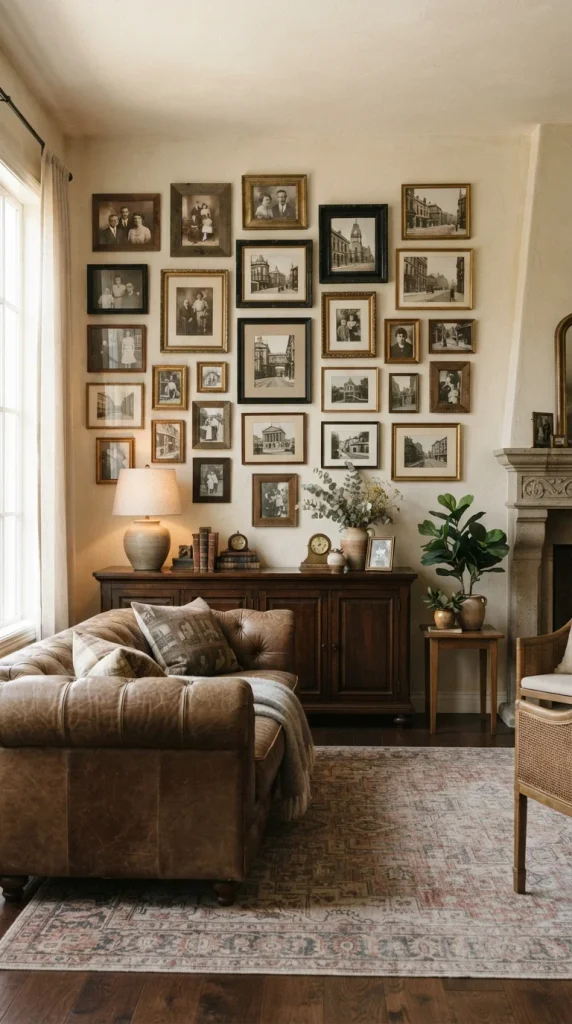
    20. Vintage Photo Gallery

    A vintage photo gallery brings character and a sense of history into your home. Old family photographs, sepia images, or vintage-inspired prints can create a nostalgic display. Choose frames with aged wood, simple black finishes, or subtle antique details. Keep the arrangement slightly relaxed rather than overly perfect to support the vintage feeling. You can mix photographs from different periods while keeping similar tones throughout the collection. This style works beautifully in hallways, bedrooms, dining rooms, and cozy living spaces. The result feels personal, timeless, and full of stories.

    21. Personalized Memory Wall

    A personalized memory wall can showcase the photographs that mean the most to you. Include pictures from family celebrations, special trips, everyday moments, and important milestones. Instead of focusing only on how many pictures you can fit, choose images that tell a story. Use frames that match your room so the memories become part of the overall decor. Arrange the photographs in a way that feels natural rather than overly formal. Leave some space between meaningful images so each one can be appreciated. This type of gallery wall turns decoration into something deeply personal and welcoming.

    22. Oversized Family Portraits

    Oversized family portraits can make a strong visual statement while keeping the gallery wall simple. Instead of using many small photographs, choose one or two large portraits. Place them above a sofa, console, or bedroom dresser where they can become the main focal point. Simple frames help the large images feel elegant rather than overwhelming. Make sure the artwork is properly centered with the furniture underneath it. Leave enough surrounding wall space to give the portraits room to stand out. This approach works especially well in rooms with a clean and uncluttered design.

    23. Simple Hallway Photo Wall

    A hallway can become much more inviting with a simple collection of framed photographs. Use a narrow arrangement that follows the length of the hallway without blocking the walking area. Smaller frames are often easier to balance in this type of space. Family photographs, travel memories, and black and white images can all work well. Keep the frames consistent if you want a neat and organized appearance. Make sure the pictures are hung at a comfortable viewing height. A simple hallway gallery can turn an ordinary passage into a warm and personal part of the home.

    24. Creative Gallery Wall Ideas

    A creative gallery wall gives you the freedom to combine photographs with decorative elements. You can mix different frame sizes, orientations, textures, and photo styles while keeping the overall arrangement balanced. Start with your favorite photograph and build the design around it. Try different layouts on the floor before putting anything on the wall. Repeating one color or material can help connect the different pieces. Do not worry about making every space perfectly equal if you prefer a relaxed look. The goal is to create a display that feels personal while still working with your room’s decor.

    25. Timeless Photo Wall Decor

    Timeless photo wall decor focuses on pieces and arrangements that will still look beautiful as your room changes. Choose classic frames, meaningful photographs, and a layout that does not depend heavily on current trends. Neutral colors such as black, white, cream, and natural wood are easy to update around. Leave enough flexibility to replace photographs as your family and memories grow. A simple arrangement can remain attractive even when furniture or wall colors change. Focus on photographs that have lasting meaning rather than temporary decorative appeal. This creates a gallery wall that feels personal, comfortable, and enduring.

    Conclusion

    An eye-catching photo gallery wall can make an ordinary room feel more personal, finished, and inviting. Whether you prefer a clean grid, a colorful family display, a modern arrangement, or a relaxed collection of memories, the key is choosing photographs and frames that work with your space. Pay attention to scale, spacing, colors, and placement before hanging everything. With a little planning, your favorite memories can become beautiful wall decor that makes the room feel truly yours.

    Frequently Asked Questions

    1. How many photos should I use for a gallery wall?

    There is no fixed number of photos you need. A small wall may look complete with three to six pictures, while a larger wall can handle a bigger collection. Choose enough photographs to fill the space without making it feel crowded.

    2. What is the best wall for a photo gallery?

    Large empty walls above sofas, beds, consoles, and dining tables are popular choices. Hallways and staircase walls can also work well. Choose a wall where the photographs can be seen easily and where the arrangement will not interfere with furniture or movement.

    3. Should gallery wall frames match?

    Matching frames create a clean and organized look, but they are not required. You can mix frame styles as long as there is some connection between them, such as a similar color, material, or finish.

    4. How can I make a gallery wall look good in a small room?

    Use fewer photographs, smaller frames, and a simple arrangement. A vertical layout can make the wall feel taller, while light-colored frames can help keep the room visually open. Avoid filling every available section of wall.

    5. What colors work best for photo gallery wall frames?

    Black, white, natural wood, and soft neutral frames are easy to coordinate with most interiors. Choose a frame color that connects with existing furniture, lighting, or other decorative details in the room.

    6. How do I arrange photos before hanging them?

    Lay all the frames on the floor and experiment with different layouts first. Keep the most important or largest photograph near the visual center. Once you like the arrangement, measure the spacing and transfer the layout to the wall.

    7. Can I create a gallery wall without damaging the wall?

    Yes. Depending on the frame weight and wall surface, removable picture-hanging strips or hooks can be useful alternatives to traditional nails. Always check the weight limit of the hanging product before using it.

  • 22 Dreamy Kitchen Cabinet Ideas That’ll Turn Your Kitchen Into a Beautiful Space

    22 Dreamy Kitchen Cabinet Ideas That’ll Turn Your Kitchen Into a Beautiful Space

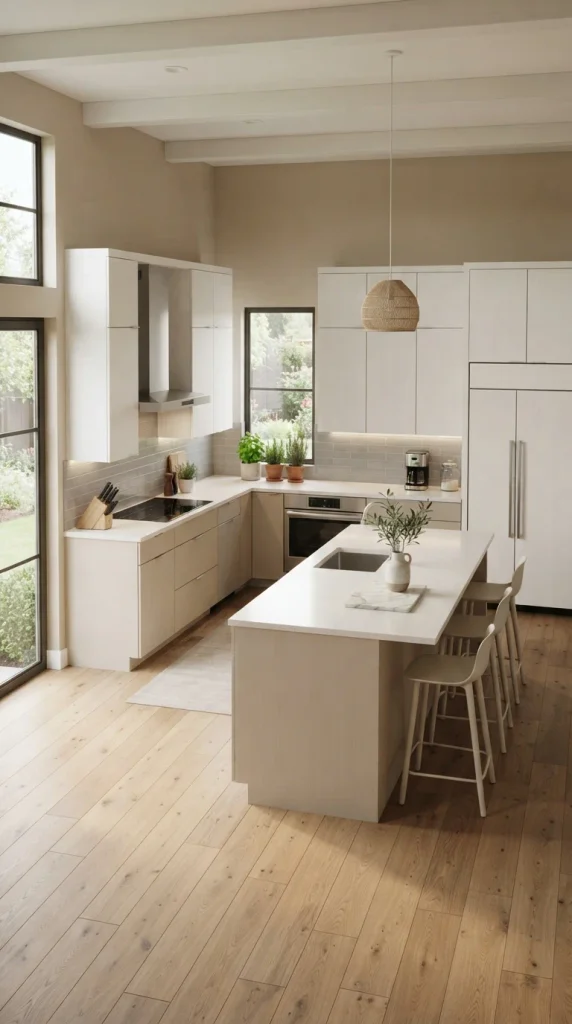
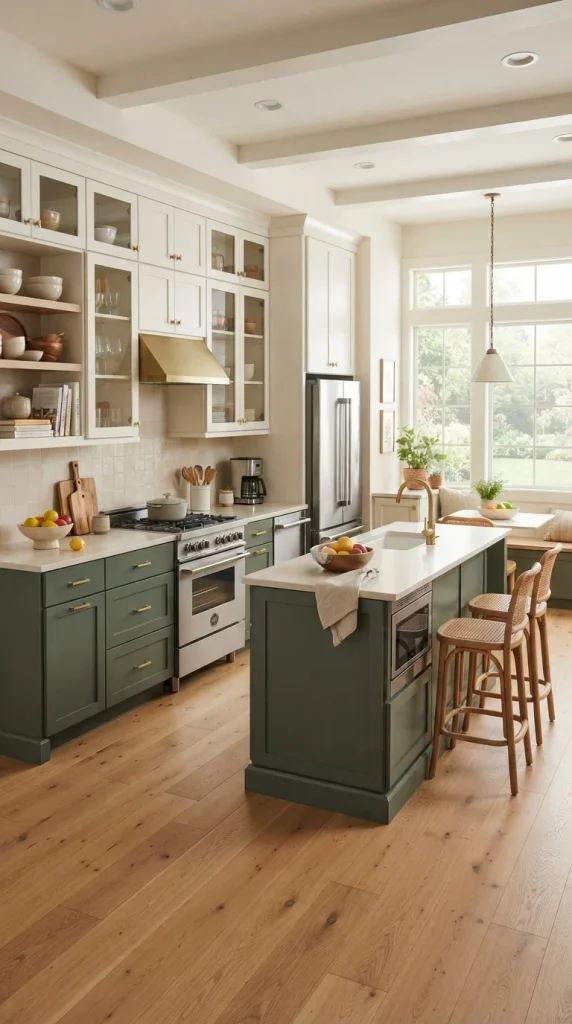
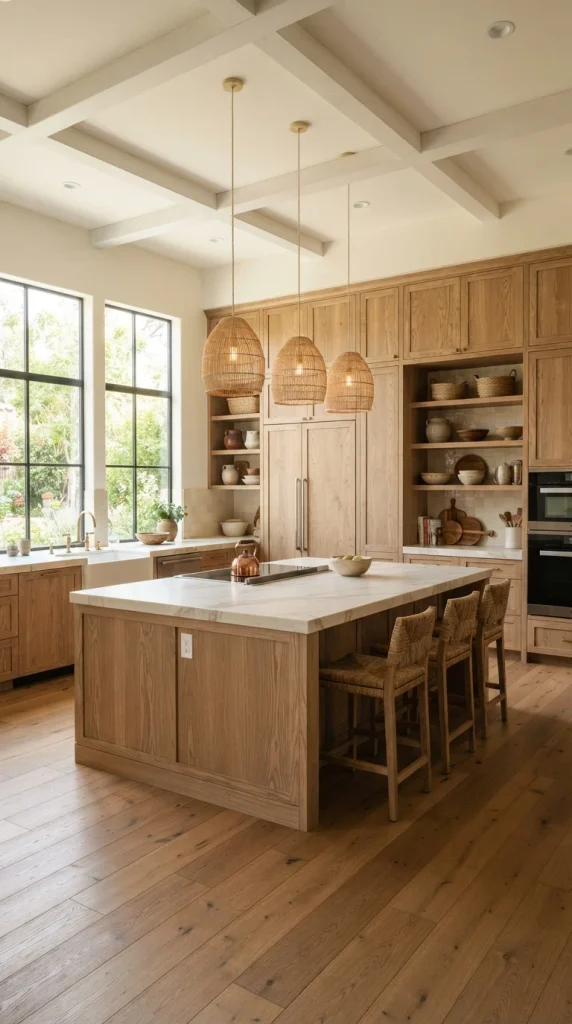
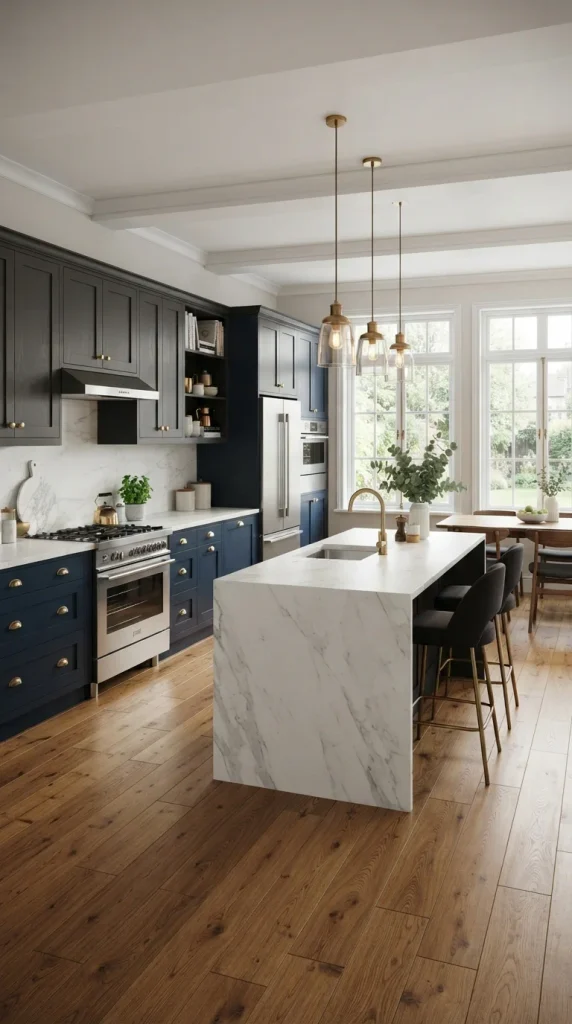
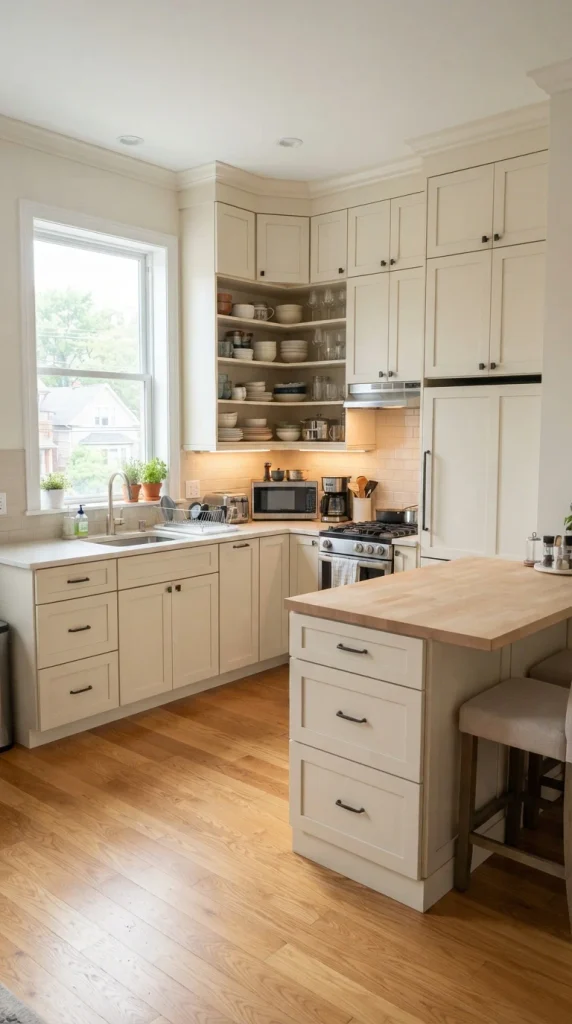
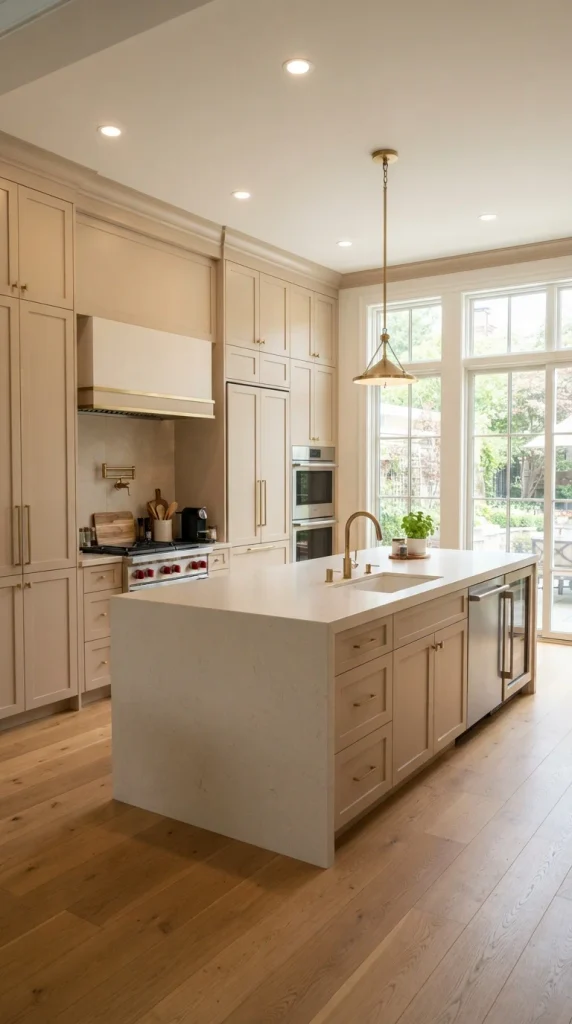
    When planning a kitchen reno, I always find that the right kitchen cabinet ideas can change the entire feeling of a kitchen without making it look overdone. Start with the color, material, and size that suit your space, then consider the small features that give the room more personality. A soft new paint color or subtle paint color can refresh an older kitchen cabinet, while hardware, front finishes, and warm stain colors add the final finishing touch. I especially like combining open shelving with Shaker cabinets for a relaxed open-shelving moment, while ornate pulls can bring charm to traditional kitchens. For a more current look, modern kitchen cabinet ideas with a clean, streamlined, and unencumbered design create a fresh and orderly appeal. These designer-approved choices can provide plenty of inspiration without simply copying what is trending, helping you shape kitchen cabinet designs that feel personal and bring you closer to the kitchen of your dreams.

    1. Modern Kitchen Cabinets

    Modern kitchen cabinets give the kitchen a clean and organized appearance. Choose simple doors with smooth surfaces and minimal decoration for this style. Neutral shades such as white, beige, gray, and soft wood tones work beautifully. Flat-panel doors can make the kitchen feel more open and less busy. You can pair the cabinets with simple hardware for a polished finish. Adding under-cabinet lighting can also make the work areas brighter. Modern cabinets are especially useful when you want style without too many details. Keep the surrounding decor simple so the cabinets remain the main feature.

    2. White Kitchen Cabinets

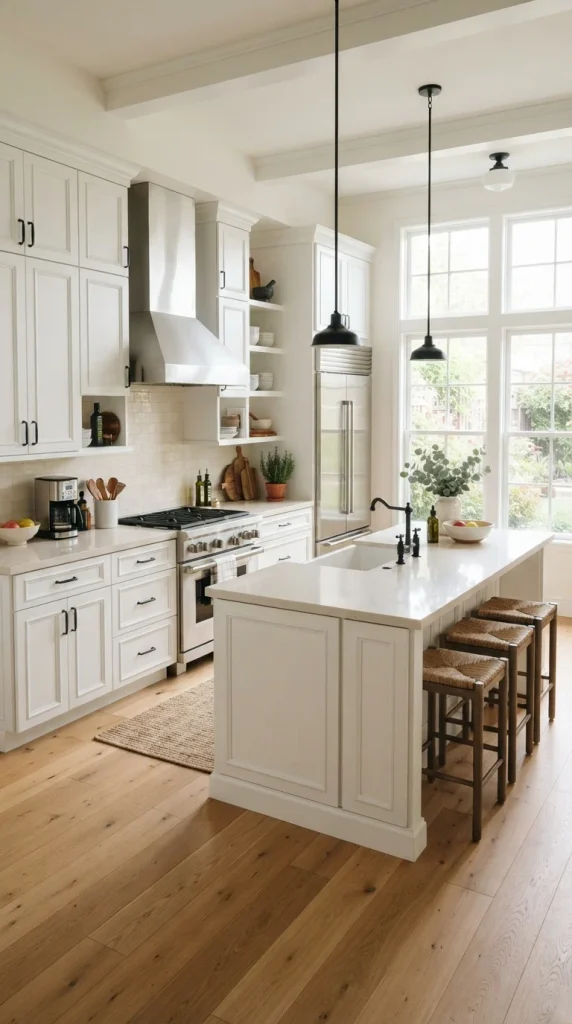
    White kitchen cabinets can make a kitchen feel bright, fresh, and welcoming. They reflect natural light and can help smaller kitchens appear more spacious. White works well with wood countertops, stone surfaces, and many backsplash styles. You can add warmth with woven baskets, wooden accessories, or soft lighting. Matte white cabinets create a calm look, while glossy finishes feel more contemporary. Simple handles in black, brass, or silver can add a subtle decorative touch. Because white is easy to coordinate, it works with both classic and modern kitchens. Choose easy-to-clean finishes if the cabinets will receive heavy daily use.

    3. Two-Tone Cabinet Style

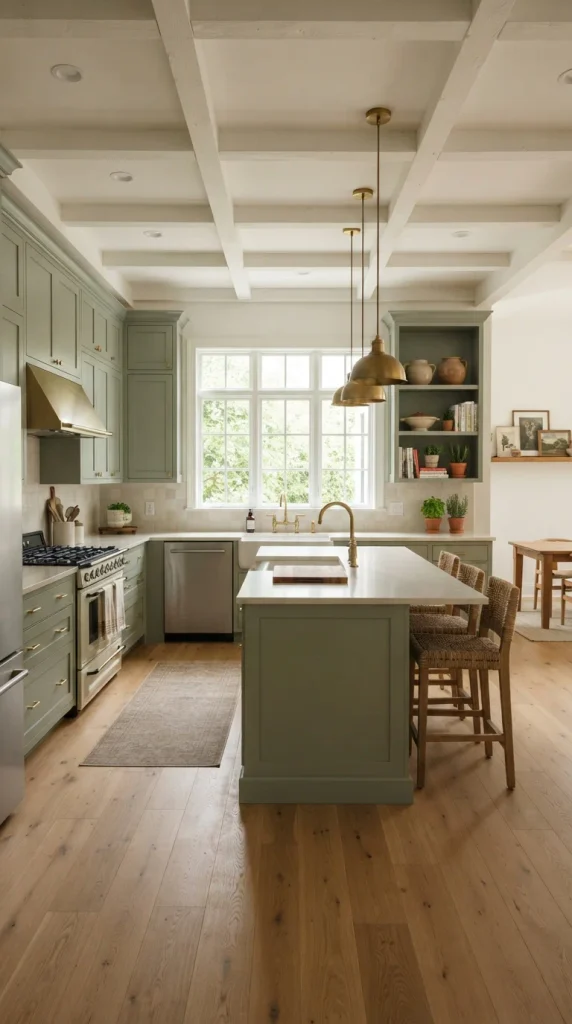
    Two-tone kitchen cabinets add visual interest without making the room feel overly decorated. You can use one color for the upper cabinets and another for the lower cabinets. Another option is to use a different shade on the kitchen island. White and natural wood create a warm and balanced combination. Soft green with cream can give the kitchen a relaxed appearance. Darker lower cabinets can also ground a bright kitchen beautifully. Try to keep the colors connected through the countertop or backsplash. This approach lets you add personality while keeping the overall design coordinated.

    4. Natural Wood Cabinets

    Natural wood cabinets bring warmth and texture into the kitchen. Oak, maple, walnut, and other wood finishes can create different moods. Light wood works especially well in bright and modern kitchens. Darker wood can give the space a richer and more traditional feeling. The natural grain also adds character without requiring extra decoration. Pair wood cabinets with simple countertops to let the material stand out. Soft lighting can make the wood tones look even warmer in the evening. A protective finish is important for keeping the cabinets looking beautiful over time.

    5. Dark Kitchen Cabinets

    Dark kitchen cabinets can create a dramatic and sophisticated appearance. Deep navy, charcoal, espresso, and rich green are popular choices for this look. Because dark colors can absorb light, good kitchen lighting is especially important. Pairing dark cabinets with light countertops can create a pleasant contrast. Natural wood accents can also soften the deeper cabinet color. Use simple hardware if you want the cabinets to feel elegant rather than heavy. Dark cabinets can work particularly well on an island or lower cabinets. Balance them with lighter walls and surfaces to keep the kitchen feeling comfortable.

    6. Shaker Style Cabinets

    Shaker style cabinets are known for their simple doors and clean framed design. They can fit comfortably into traditional, farmhouse, transitional, and modern kitchens. White Shaker cabinets create a timeless and bright appearance. Wood finishes can make the same style feel warmer and more natural. You can change the overall look by choosing different handles and countertops. Simple black hardware gives them a modern touch, while brass feels more classic. Their straightforward design also makes them easy to decorate around. Choose durable materials and quality hinges if you want cabinets that handle everyday use well.

    7. Glass Front Cabinets

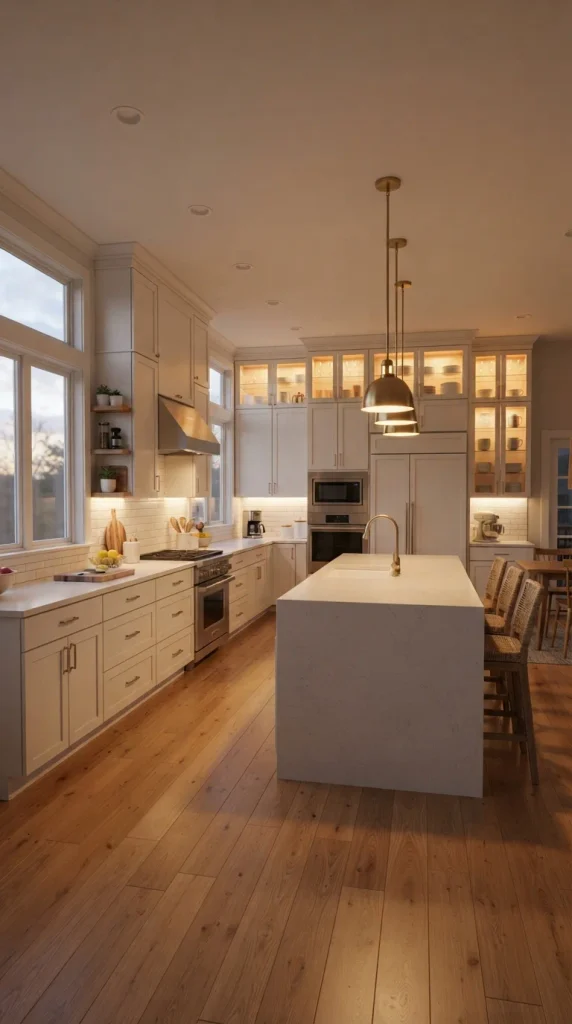
    Glass front cabinets can make a kitchen feel lighter and more open. They are useful for displaying attractive dishes, glasses, bowls, or decorative pieces. Clear glass gives a more open appearance, while textured glass offers a softer look. Use these cabinets for items that you enjoy seeing rather than everyday clutter. Interior lighting can make glass-front sections look especially beautiful at night. Keep the shelves organized because everything inside remains visible. Mixing a few glass doors with solid cabinets can create a balanced design. This style works best when the displayed items have similar colors or a coordinated appearance.

    8. Open Cabinet Shelving

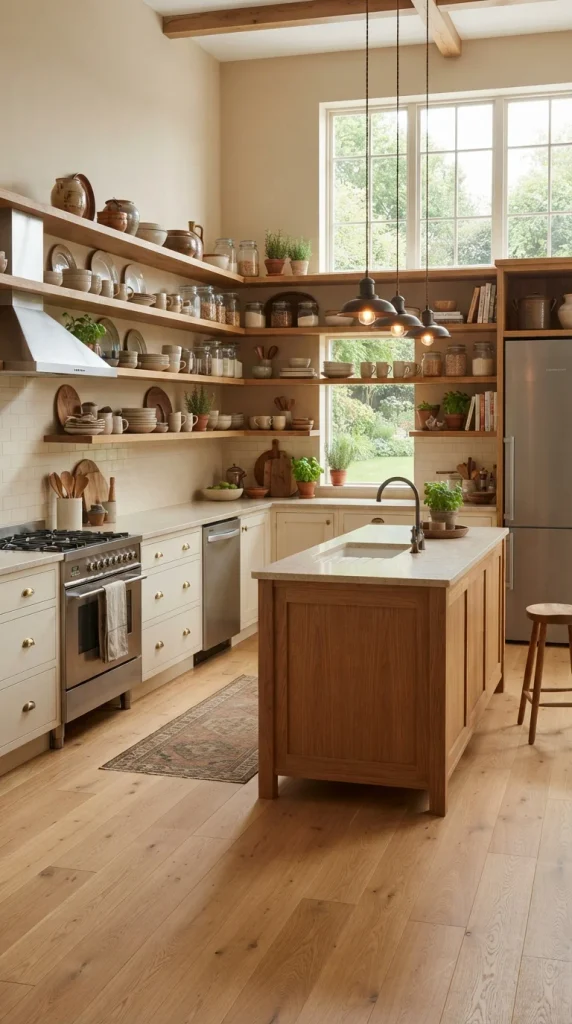
    Open shelving can make frequently used kitchen items easy to reach. It also gives you an opportunity to display dishes, jars, cookbooks, and small decor. Wooden shelves can add warmth to a kitchen filled with painted cabinets. For a cleaner appearance, avoid filling every shelf with too many objects. Keep everyday items grouped together so the shelves remain practical. You can place decorative pieces on the upper shelves and useful items below. Open shelving works particularly well in small areas where bulky cabinets may feel heavy. Choose strong brackets and shelves that can safely support the items you plan to store.

    9. Small Kitchen Cabinets

    Small kitchens need cabinets that make good use of every available area. Tall cabinets can provide valuable storage without taking up additional floor space. Use drawers for smaller cooking tools and deep cabinets for larger items. Corner cabinets can also help prevent awkward spaces from going unused. Light cabinet colors can make a compact kitchen feel brighter and more open. Simple door styles can reduce visual clutter in a small room. Consider pull-out shelves when reaching deep cabinet areas is difficult. Good organization can make a small kitchen feel much more comfortable to use.

    10. Floor-to-Ceiling Cabinets

    Floor-to-ceiling cabinets provide a large amount of storage in one vertical area. They are especially useful for kitchens with limited floor space. Tall cabinets can hold pantry items, appliances, serving pieces, and cleaning supplies. Using the full wall height can also give the kitchen a more finished appearance. Keep frequently used items at comfortable heights for easier access. Less-used items can be stored on higher shelves or inside upper sections. A consistent cabinet finish helps tall storage blend naturally into the kitchen. This design is practical when you want maximum storage without adding many separate units.

    11. Kitchen Pantry Cabinets

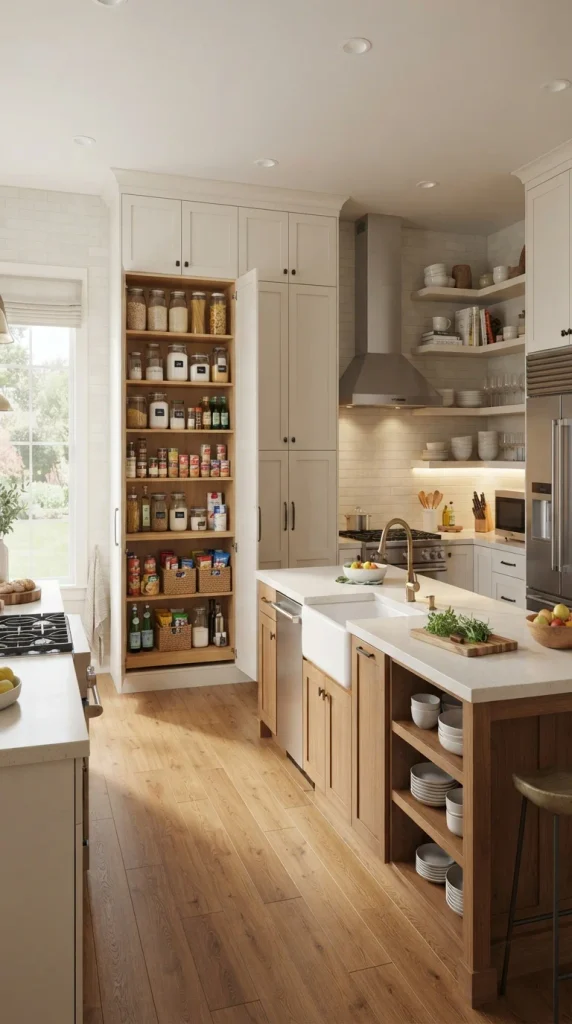
    Kitchen pantry cabinets offer a convenient place to organize dry foods and cooking supplies. Tall pantry units can store cereals, cans, spices, snacks, and baking ingredients. Adjustable shelves make it easier to fit containers of different sizes. Pull-out shelves can make deep storage areas easier to reach. Clear containers can help you see what you have and reduce unnecessary purchases. Group similar foods together so everyday cooking becomes easier. Keep heavier items on lower shelves for safer and more comfortable access. A well-organized pantry cabinet can make the entire kitchen feel less cluttered.

    12. Open Shelving Cabinets

    Open shelving cabinets combine storage with an attractive display area. They can make useful kitchen items feel like part of the room’s decoration. Place plates, mugs, bowls, and attractive containers where they are easy to reach. Use matching or complementary pieces to create a more organized appearance. Wood shelves can soften kitchens with white or painted cabinets. Avoid overcrowding the shelves because too many items can quickly look messy. Leave some empty space between objects to keep the design feeling relaxed. This approach is a good choice when you want practical storage with an open feel.

    13. Handleless Cabinet Design

    Handless cabinets create a smooth and uncluttered kitchen appearance. They can make cabinet surfaces look continuous and visually simple. Some designs use push-to-open mechanisms, while others have integrated finger pulls. This style works especially well in modern and minimalist kitchens. Light-colored handless cabinets can make a small kitchen feel even more spacious. Because there are fewer visible details, the cabinet material becomes more noticeable. Choose reliable hardware because the opening system will be used frequently. Keep countertops simple to maintain the clean appearance of the overall design.

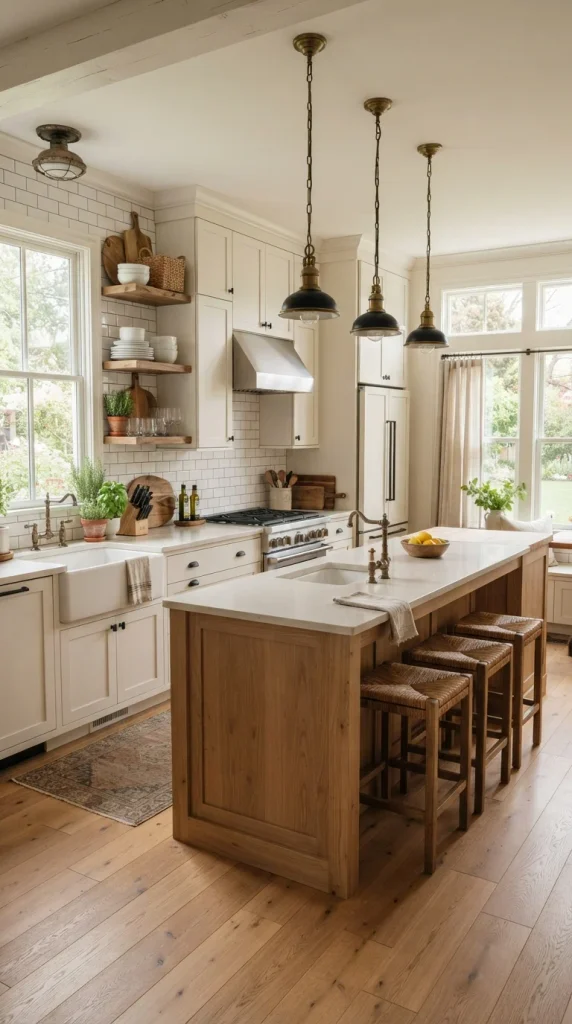
    14. Farmhouse Kitchen Cabinets

    Farmhouse kitchen cabinets create a warm and comfortable feeling. White, cream, muted green, and natural wood are common choices for this style. Shaker doors work especially well because their simple design feels traditional and relaxed. Wooden shelves and simple hardware can add extra farmhouse character. You can pair the cabinets with natural stone or wood-look countertops. Avoid adding too many rustic details if you want the space to feel fresh rather than dated. Open storage can be used for everyday dishes and farmhouse-style accessories. The goal is to create a kitchen that feels welcoming, practical, and lived-in.

    15. Minimalist Cabinet Style

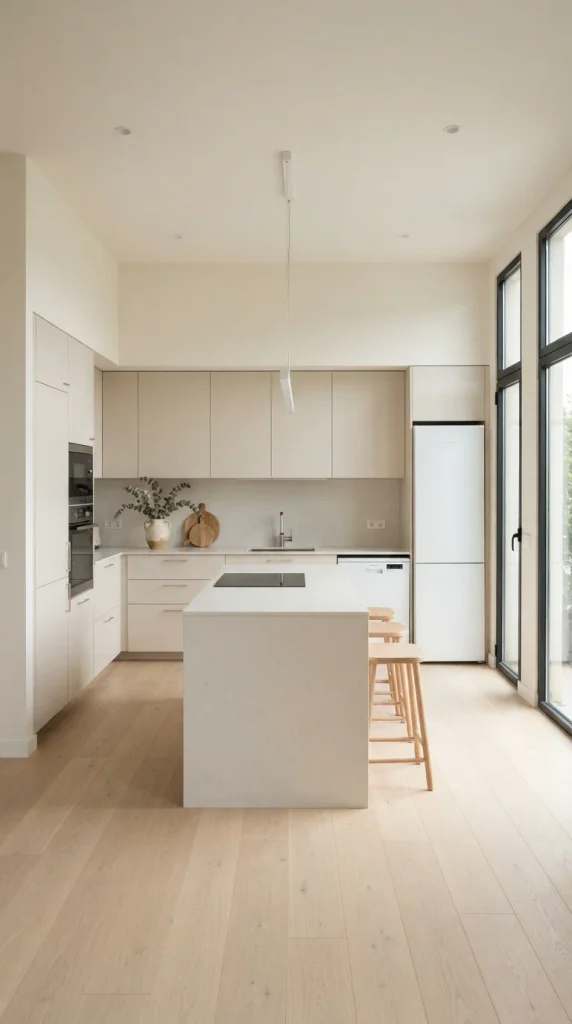
    Minimalist cabinets focus on clean lines, simple colors, and useful storage. They avoid unnecessary decoration and help create a calm kitchen environment. Flat-panel doors are a natural choice for this style. Neutral colors such as white, beige, gray, and soft brown work beautifully. Keep countertop appliances stored away when possible to maintain a tidy appearance. Choose cabinet hardware that is subtle or completely hidden. A small amount of carefully selected decor can add warmth without creating clutter. This style is ideal for people who prefer a kitchen that feels organized and peaceful.

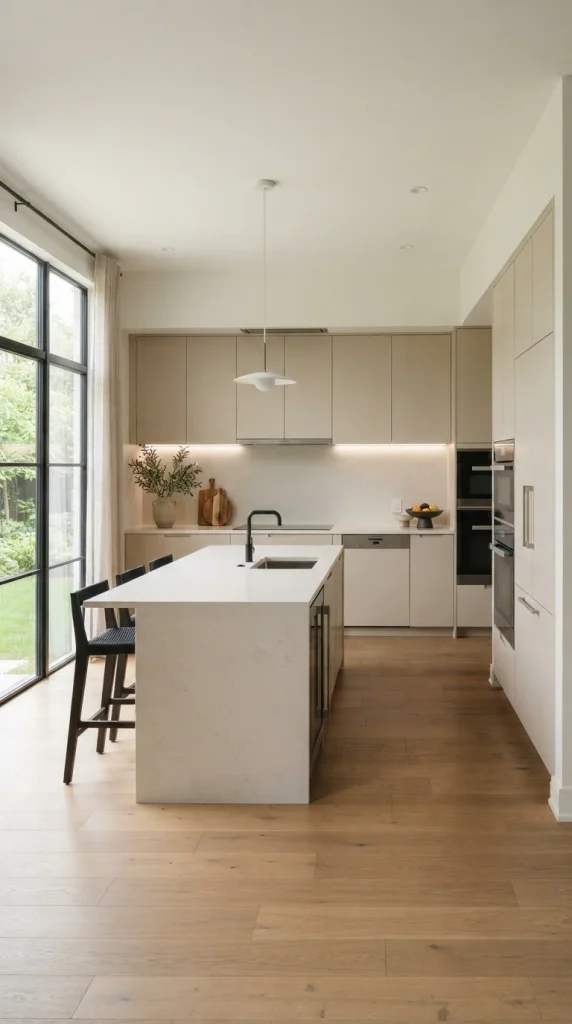
    16. Warm Neutral Cabinets

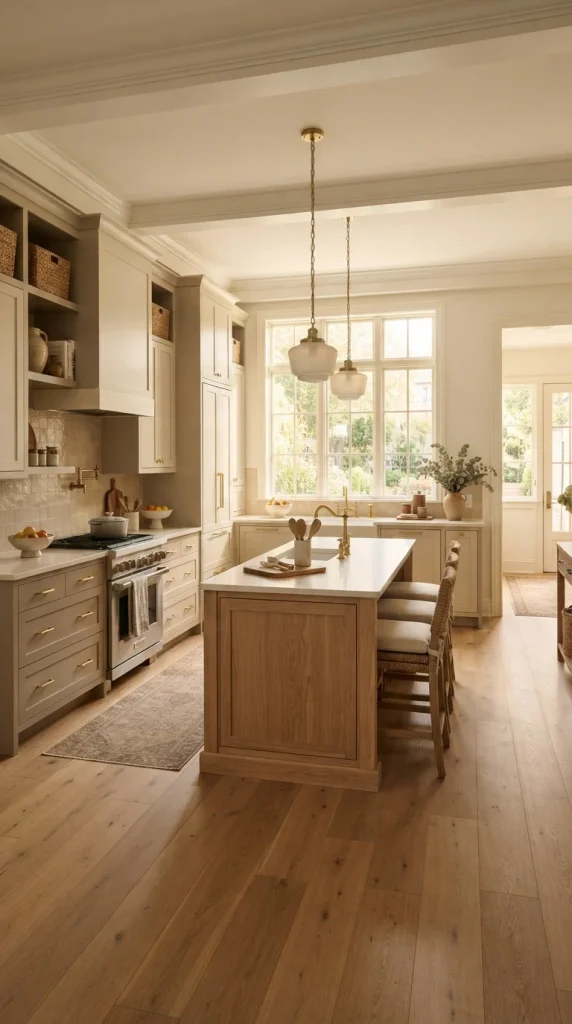
    Warm neutral cabinets can make a kitchen feel comfortable and inviting. Cream, beige, taupe, warm white, and light brown are useful choices. These shades are softer than stark white while still keeping the kitchen bright. They work well with natural wood, stone, brass, and woven textures. Warm neutrals are also easy to update because they pair with many decor styles. Use similar warm tones in the backsplash or flooring for a connected look. Soft lighting can bring out the cozy quality of these cabinet colors. This approach works especially well when you want a timeless kitchen with a relaxed mood.

    17. Blue Kitchen Cabinets

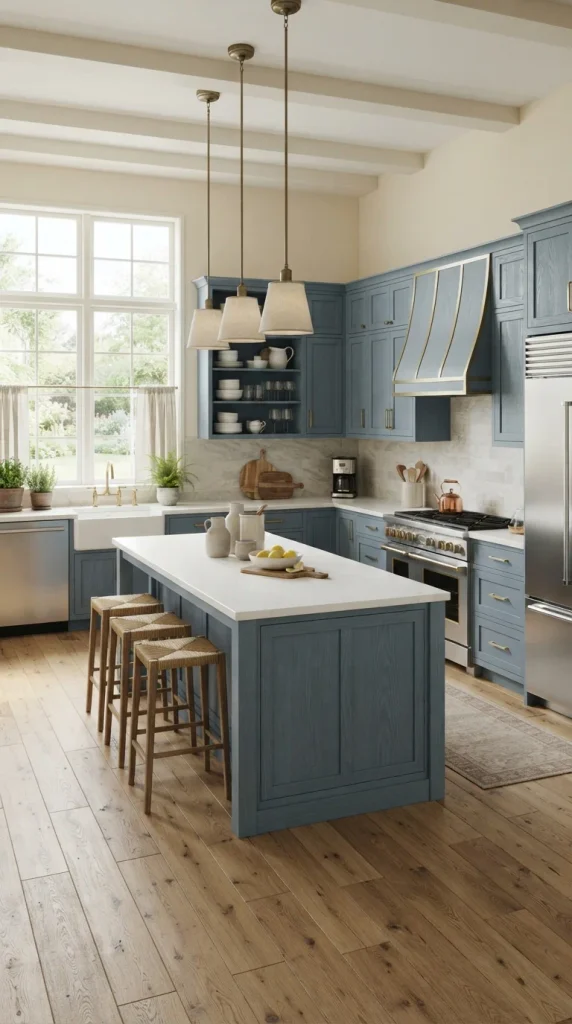
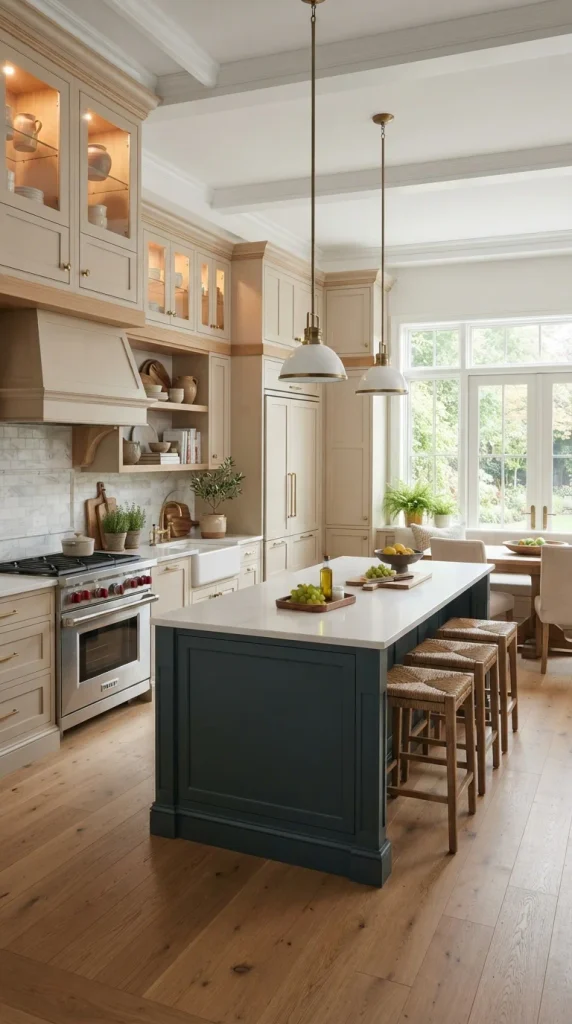
    Blue kitchen cabinets can bring color into the room while maintaining a calm appearance. Soft blue creates an airy feeling, while navy offers a deeper and richer look. Blue cabinets pair nicely with white countertops and light backsplashes. Natural wood can also balance the coolness of blue beautifully. Brass or warm metal hardware can add a welcoming finishing touch. If you prefer a subtle change, use blue only on the island or lower cabinets. Keep the surrounding colors simple so the blue remains the main feature. Choose a shade that works well with the natural light entering the kitchen.

    18. Green Kitchen Cabinets

    Green cabinets can give the kitchen a natural and relaxing character. Soft sage green is a gentle choice for a light and comfortable kitchen. Deeper olive or forest green can create a richer and more dramatic atmosphere. Green works beautifully with wood countertops, cream walls, and natural textures. Brass hardware can add warmth without competing with the cabinet color. For a smaller kitchen, lighter green shades can help maintain an open feeling. You can also use green on the island while keeping the main cabinets neutral. Choose a finish that complements the amount of natural light entering the room.

    19. Cabinet Lighting Ideas

    Cabinet lighting can make kitchen cabinets more useful and visually appealing. Under-cabinet lights can brighten countertops where you prepare food. Interior lighting can make glass-front or display cabinets stand out. Warm white lighting usually creates a comfortable and welcoming atmosphere. Use brighter task lighting in areas where you regularly chop, mix, or cook. Hidden LED strips can provide light without adding visual clutter. Make sure the lighting is positioned to reduce shadows on the work surface. Good cabinet lighting can improve both the appearance and everyday function of the kitchen.

    20. Smart Cabinet Storage

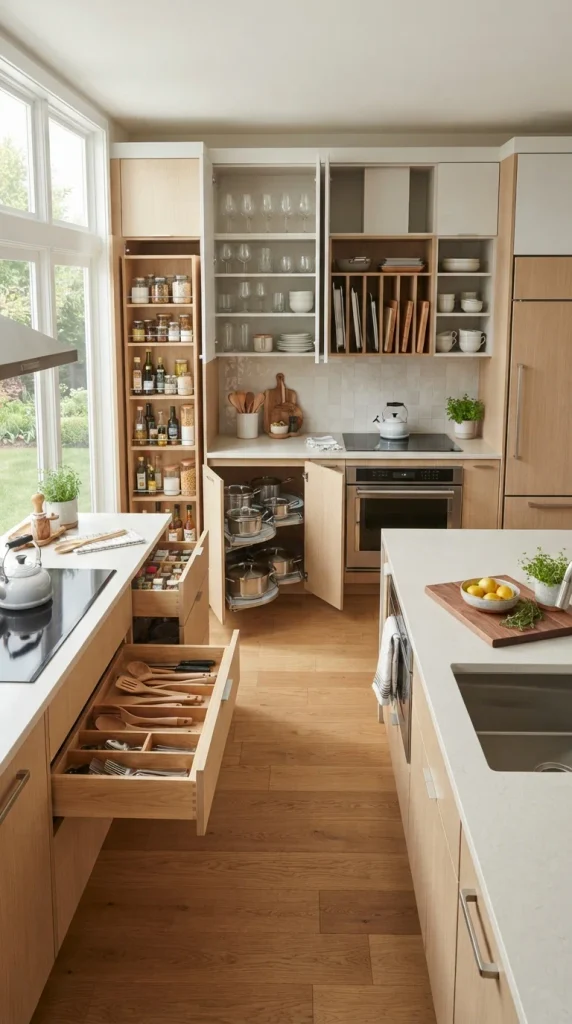
    Smart cabinet storage helps you keep the kitchen organized without needing more space. Pull-out drawers can make deep cabinets easier to use. Dividers are useful for organizing baking sheets, cutting boards, and trays. Lazy Susans can make corner cabinets more accessible. Drawer organizers can keep utensils separated and easy to find. Vertical storage can also make better use of narrow cabinet areas. Place the items you use most often in the easiest-to-reach locations. Thoughtful storage allows the cabinets to work around your daily cooking habits.

    21. Decorative Cabinet Details

    Small decorative details can give kitchen cabinets more personality. Simple hardware is one of the easiest ways to change the overall appearance. Glass doors, trim, wood accents, and decorative panels can add visual interest. You can also use different hardware finishes to create a subtle focal point. Avoid adding too many details because cabinets should still feel practical and balanced. Choose accents that connect with the countertop, lighting, or kitchen fixtures. A few thoughtful details can make standard cabinets feel more custom. The best choices are those that add character without making the kitchen feel crowded.

    22. Timeless Cabinet Design

    Timeless kitchen cabinets focus on styles and materials that can remain attractive for years. Simple door profiles and neutral colors are easy to live with over time. White, cream, natural wood, and soft neutral shades offer plenty of flexibility. Choose durable cabinet materials and hardware for everyday use. Classic designs can also be updated later with new handles or lighting. Avoid following every short-lived trend if you want a long-lasting look. A balanced combination of practical storage and simple design creates lasting appeal. Timeless cabinets give you a strong foundation that can adapt as your kitchen style changes.

    Conclusion

    Kitchen cabinets have a major role in both the look and function of your kitchen. The right style, color, material, and storage features can make everyday cooking easier while creating a space that feels welcoming. Whether you prefer modern cabinets, natural wood, classic Shaker doors, or colorful finishes, focus on choices that suit your space and daily needs. With thoughtful organization and practical details, your kitchen cabinets can stay beautiful, useful, and comfortable for years.

    Frequently Asked Questions

    1. What is the most practical kitchen cabinet style?

    Shaker-style and simple modern cabinets are practical choices because they have clean designs and work with many kitchen styles. The best option also depends on your storage needs, available space, and preferred maintenance level.

    2. What kitchen cabinet colors make a small kitchen look bigger?

    White, cream, light beige, and other soft colors can help a small kitchen feel brighter and more open. Using similar light tones on nearby walls can create an even more spacious appearance.

    3. Are natural wood kitchen cabinets still a good choice?

    Yes. Natural wood cabinets add warmth, texture, and character to a kitchen. Light woods can create an airy appearance, while darker woods offer a richer and more traditional feel.

    4. How can I add more storage to existing kitchen cabinets?

    Use drawer organizers, pull-out shelves, cabinet dividers, vertical racks, and corner storage solutions. These additions can improve organization without requiring a complete cabinet replacement.

    5. What cabinet material is easiest to maintain?

    Smooth, durable cabinet finishes are generally easier to wipe and maintain. The best choice depends on the specific material and finish, so consider how much cooking, moisture, and daily activity your kitchen receives.

    6. Should upper and lower kitchen cabinets be the same color?

    They do not have to be. Matching cabinets create a unified appearance, while two-tone cabinets can add contrast and visual interest. Using a related color palette helps keep the design balanced.

    7. How much do kitchen cabinets usually cost?

    The cost can vary widely based on cabinet material, size, construction, hardware, finish, and installation. For a realistic budget, measure your kitchen first and compare the cost of stock, semi-custom, and custom options.

  • 21 Living Room Wall Decor Ideas That Turn Blank Walls Into Focal Points

    21 Living Room Wall Decor Ideas That Turn Blank Walls Into Focal Points

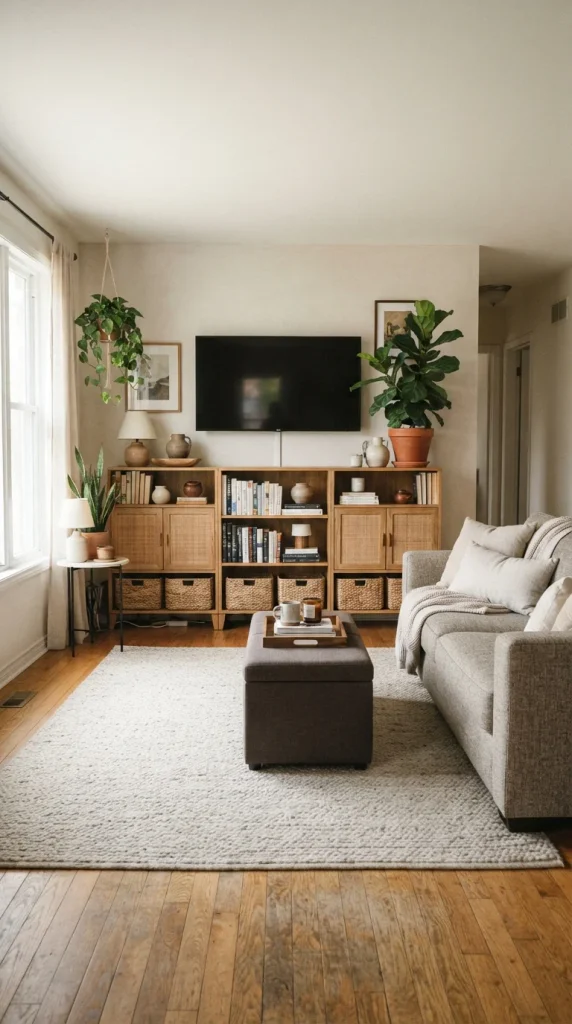
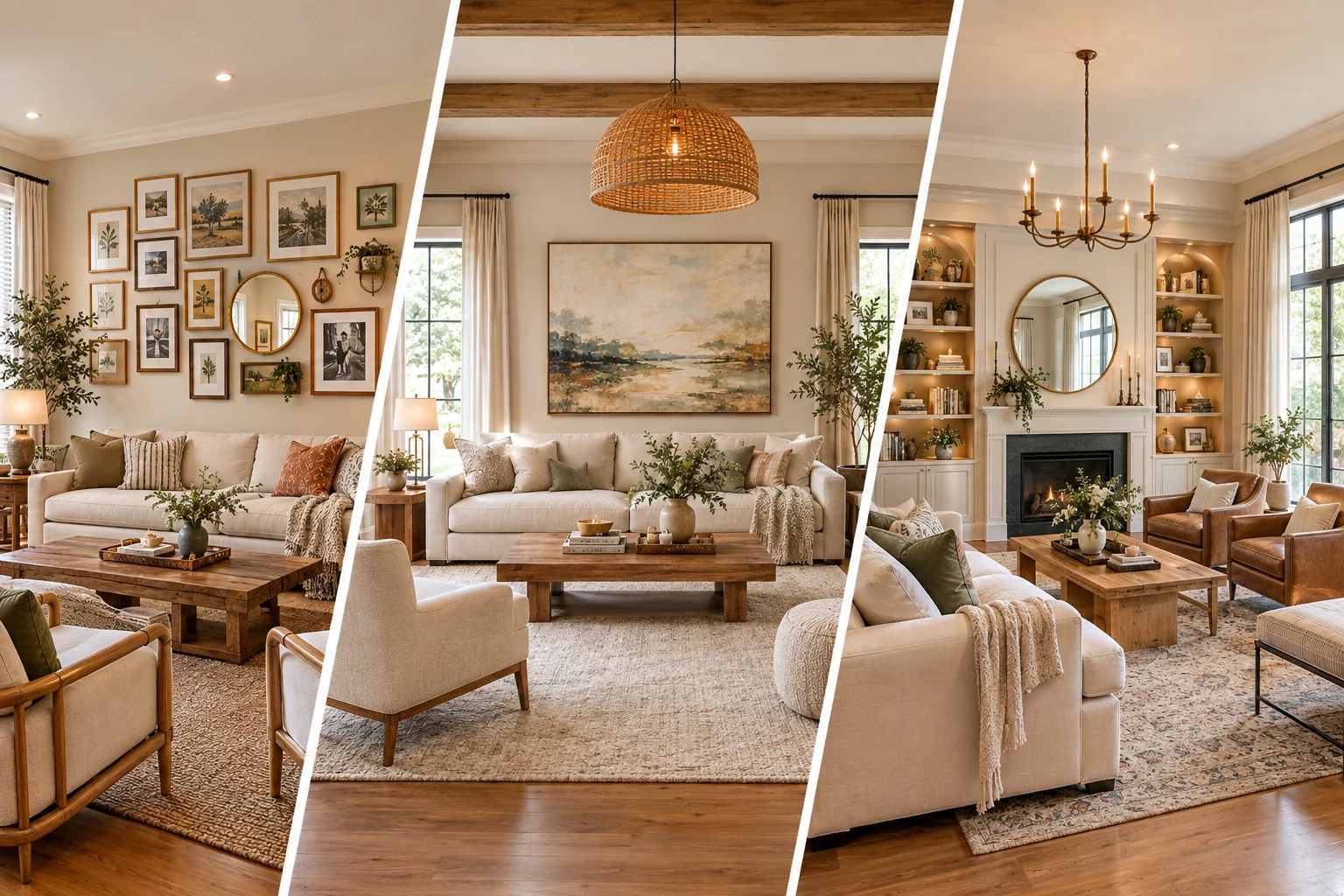
    A blank wall can quickly become a beautiful focal point with simple, thoughtful wall decor. Start with your sofa, interior style, and room decor, then choose pieces that reflect your personality and personal style. Framed artwork, mirrors, floating shelves, gallery walls, and botanical decor can add warmth, texture, and visual appeal without making the room feel crowded. For extra character, try wallpaper, wainscoting, architectural details, or accent lighting to create depth. I find that mixing artwork, photography, decorative baskets, greenery, and vintage signage gives a living room a relaxed and collected look. Keep color, patterns, and visual balance in mind so every piece feels connected. With the right wall arrangements and decorative elements, even a boring wall can become a welcoming part of your home interior.

    1. Gallery Wall Displays

    A gallery wall is an easy way to give a blank living room wall a personal touch. Mix framed artwork, family photos, prints, and small decorative pieces for a collected look. Keep a similar color theme so the display feels connected. You can use matching frames for a clean and modern style. Different frame shapes can create a more relaxed and creative look. Leave equal spacing between pieces to keep the arrangement neat. Place the center of the gallery near eye level for comfortable viewing. This simple setup can quickly turn an empty wall into a beautiful focal point.

    2. Oversized Statement Artwork

    Large artwork can make a strong impact without needing many decorations. Choose one piece that fits the colors and mood of your living room. An oversized painting works especially well above a sofa or console table. Keep the surrounding wall fairly simple so the artwork remains the main feature. Soft landscapes can create a calm feeling, while abstract designs can add a modern touch. Make sure the artwork is wide enough to relate visually to the furniture below it. A properly sized frame can also make the room feel more polished. This approach is simple, stylish, and easy to update.

    3. Floating Shelf Styling

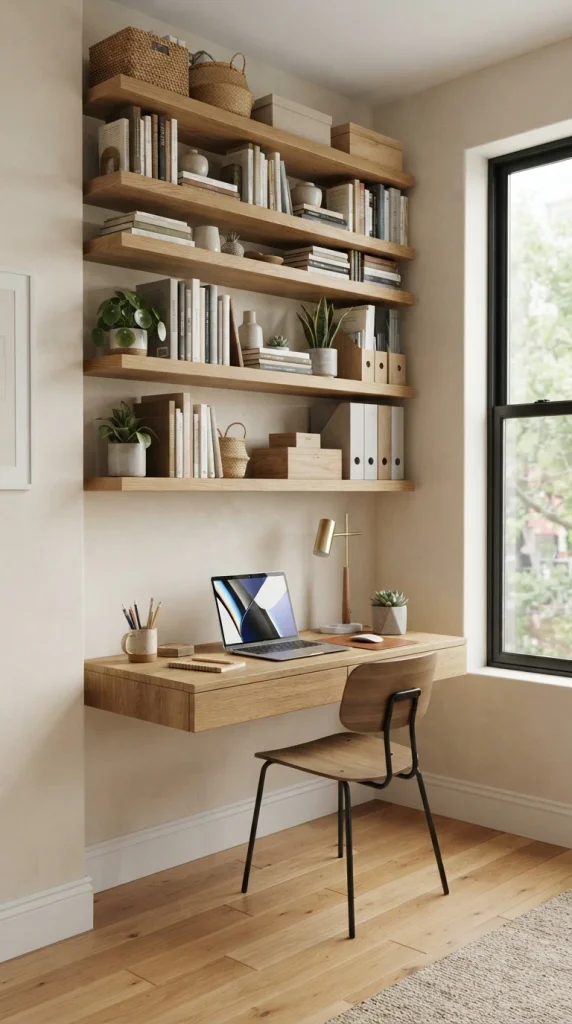
    Floating shelves offer both decoration and useful display space. Use them to show books, small artwork, vases, candles, and personal accessories. Keep some empty space between objects so the shelves do not look crowded. Mixing different heights creates a more natural arrangement. Wooden shelves can add warmth, while simple white shelves suit a modern room. Try placing two or three shelves in a balanced vertical arrangement. Change the displayed pieces with the seasons if you enjoy refreshing your decor. This makes a blank wall useful while keeping the room attractive.

    4. Large Living Room Mirrors

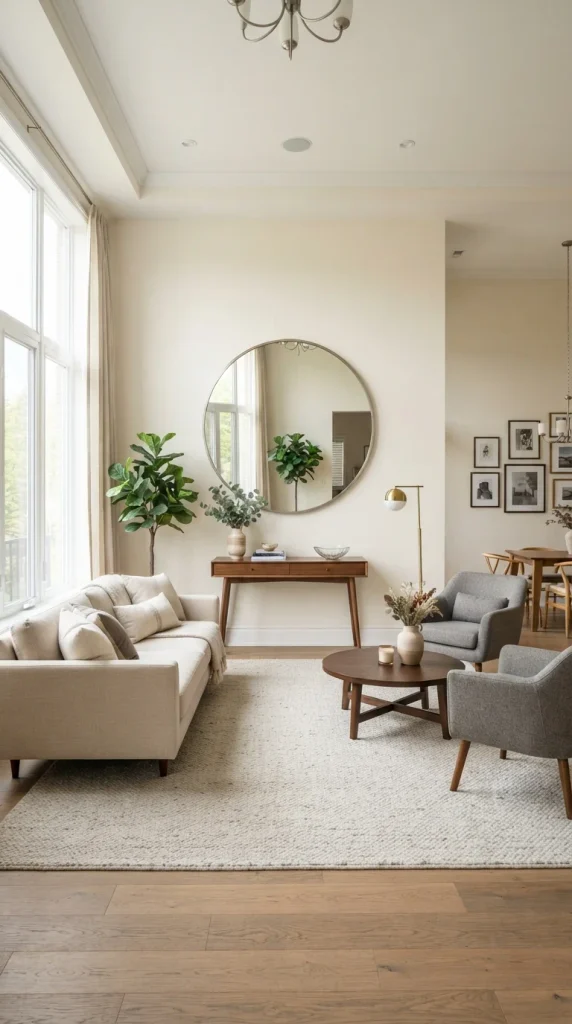
    A large mirror can make a living room feel brighter and more open. Place it where it can reflect natural light or an attractive part of the room. A round mirror can soften a room filled with straight furniture lines. A rectangular mirror can create a more structured and traditional look. Choose a frame that works with your existing furniture and finishes. Avoid placing the mirror where it reflects clutter or an unattractive view. One well-positioned mirror can often replace several smaller decorations. It adds both practical function and visual interest to the wall.

    5. Cozy Family Photo Wall

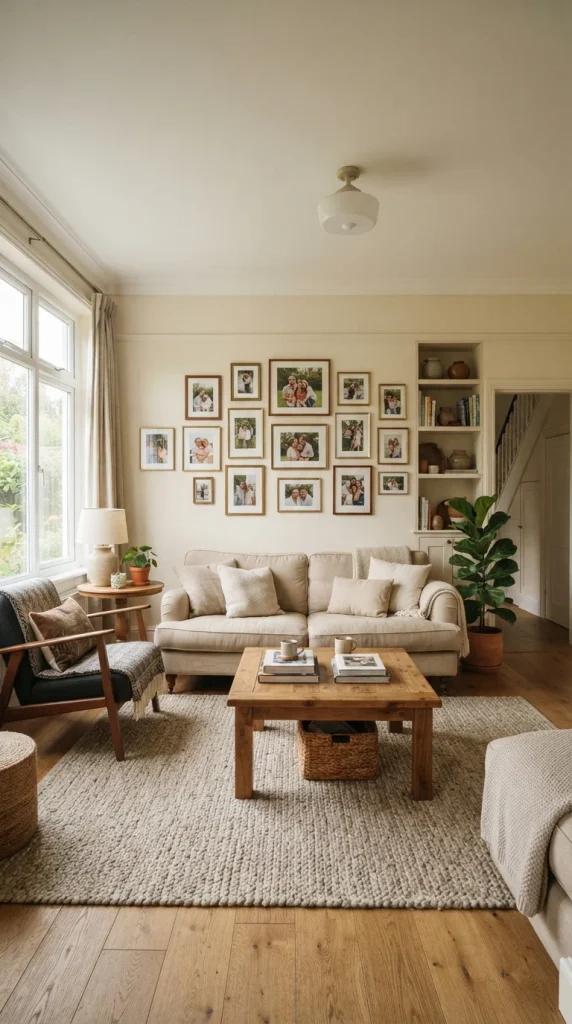
    A family photo wall can make the living room feel warm and personal. Choose photographs that share similar tones for a more organized appearance. Black-and-white pictures work especially well with simple modern frames. You can also mix travel photos, family moments, and meaningful memories. Arrange the frames before hanging them to find a layout you like. Keep the display connected to the furniture beneath it. Avoid using too many photographs if the wall is small. A thoughtful collection can turn an empty wall into a meaningful part of the home.

    6. Modern Abstract Wall Art

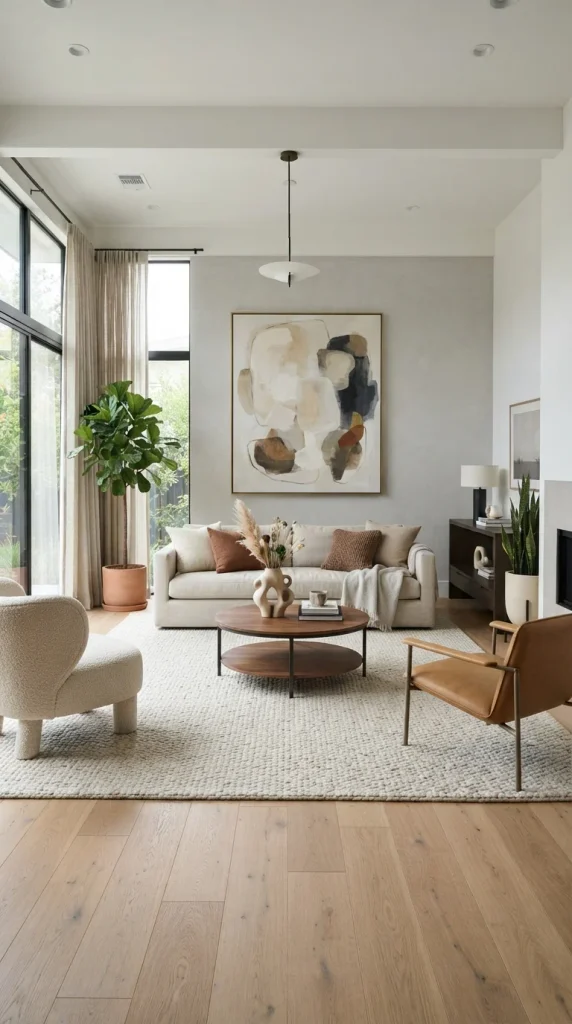
    Abstract wall art can bring color, movement, and personality to a simple living room. Choose artwork that repeats one or two colors already found in the space. Soft neutral artwork works well in calm interiors, while stronger colors can create a bold accent. Large abstract pieces can stand alone above a sofa or cabinet. Smaller pieces can be grouped into a balanced arrangement. Consider the shapes of your furniture when choosing the artwork. Simple frames can keep the overall look clean and modern. The goal is to create interest without making the wall feel too busy.

    7. Textured Accent Wall

    A textured accent wall can add depth without relying on many decorative objects. Wood panels, limewash finishes, plaster effects, or subtle wall treatments can change the feel of the room. Choose one wall as the main feature instead of applying texture everywhere. Neutral colors are useful when you want the texture to remain subtle. A darker shade can create a stronger focal point behind a sofa or television. Keep other decorations simple so the wall remains easy to appreciate. Good lighting can highlight the texture throughout the day. This is a useful option when you want the wall itself to become the artwork.

    8. Elegant Wall Paneling

    Wall paneling can give a living room a more finished and architectural appearance. Simple rectangular panels work well with both classic and modern interiors. Paint the panels the same color as the wall for a subtle effect. For more contrast, choose a slightly darker or lighter shade. Paneling looks especially attractive behind a sofa, fireplace, or television. Keep the surrounding accessories simple to avoid competing with the pattern. Proper spacing helps the wall feel balanced and intentional. This treatment can make an ordinary wall look more detailed and sophisticated.

    9. Decorative Wall Baskets

    Decorative baskets bring natural texture and warmth to a living room wall. Choose baskets in different sizes and arrange them as a loose collection. Neutral woven materials work well with coastal, boho, rustic, and relaxed interiors. You can keep the colors similar while varying the shapes for visual interest. Place the largest basket near the center and build outward with smaller pieces. Make sure the arrangement feels balanced rather than perfectly symmetrical. Baskets are lightweight and can be easier to change than permanent wall treatments. They are a simple way to add character to an empty wall.

    10. Botanical Wall Displays

    Botanical displays can bring a fresh and natural feeling into the living room. Use framed botanical prints, preserved leaves, or carefully placed artificial greenery. Choose plants or artwork that match the amount of natural light in the space. Green tones work beautifully with wood, cream, beige, and other natural colors. A vertical arrangement can make a low wall feel taller. Keep the display simple so the greenery does not overwhelm the room. You can also place small plants on nearby shelves to connect the wall with the rest of the decor. This creates a calm and welcoming atmosphere.

    11. Statement Wall Clock

    A large wall clock can act as both useful decor and a strong focal point. Choose a design that matches the furniture and overall style of your living room. Wooden clocks add warmth, while metal designs can create a more modern appearance. A large clock works well above a console, sofa, or empty section of wall. Make sure the numbers and hands are easy to see from across the room. Avoid surrounding it with too many small objects. Giving the clock enough space allows its shape to stand out. It is a practical choice for a wall that needs one strong feature.

    12. Vintage Artwork Collection

    Vintage artwork can give a living room a sense of history and personality. Look for old-style paintings, botanical prints, maps, or decorative signs that suit your space. You do not need every piece to match perfectly. Similar colors or frame finishes can help different pieces feel connected. Mix larger and smaller artwork to create a relaxed collection. Place the group where it can be seen comfortably from the main seating area. Avoid filling every inch of the wall around the collection. A few carefully selected vintage pieces can make the room feel collected rather than overly decorated.

    13. Minimalist Frame Arrangements

    A minimalist frame arrangement works well when you prefer a clean and quiet living room. Choose a few pieces with simple frames and plenty of space around them. Black, white, wood, or neutral frames can keep the look timeless. Use artwork with similar colors for a calm visual effect. A straight arrangement can create a neat and structured appearance. For a softer look, slightly vary the sizes while keeping the spacing consistent. Place the display at a comfortable viewing height. This approach proves that a wall does not need many decorations to feel complete.

    14. Fireplace Wall Decor

    A fireplace wall naturally attracts attention, so the decor should support rather than hide its character. A large mirror or artwork can create a strong feature above the mantel. You can also add a few simple objects such as vases, candles, or small framed pieces. Keep the mantel balanced without filling it from end to end. Natural materials can make the fireplace feel warm and inviting. If the fireplace already has detailed surroundings, choose simpler wall decor. The colors should connect with the seating and other room finishes. A thoughtful arrangement can make the fireplace the natural heart of the living room.

    15. Bold Wallpaper Accent

    Wallpaper can completely change the mood of a living room without replacing the furniture. Use it on one wall when you want a clear focal point. Soft botanical patterns create a relaxed look, while geometric designs feel more contemporary. Choose colors that connect with your sofa, rug, curtains, or accessories. Large patterns usually work better when the rest of the room is simple. Smaller patterns can add detail without becoming overwhelming. Before installing wallpaper, check how the design looks under both natural and artificial lighting. A carefully selected pattern can give the room depth and personality.

    16. Sculptural Wall Decorations

    Sculptural wall decorations can add dimension to a room where flat artwork feels too ordinary. Try simple metal shapes, carved wood pieces, ceramic forms, or other three-dimensional designs. Choose a piece that has enough space around it to remain visible. Sculptural decor works especially well with neutral walls and simple furniture. You can use one large piece or arrange several smaller pieces together. Keep the colors connected to the rest of the room for a balanced appearance. Consider how shadows change throughout the day when choosing the placement. This type of decor gives the wall a more artistic and layered feeling.

    17. Black and White Gallery

    A black and white gallery wall creates a classic look that works with many decorating styles. Use photographs, sketches, typography, or simple artwork in a limited color palette. Matching black frames can make the arrangement feel clean and organized. White space between each piece keeps the display from becoming too heavy. You can place the gallery above a sofa, console, or reading chair. Mix different artwork sizes to create movement while keeping the overall layout balanced. This style is especially useful when your furniture already includes several colors. The simple palette allows the wall to stand out without competing with the room.

    18. Layered Wall Art

    Layered wall art creates a relaxed look by combining artwork with shelves, mirrors, or other decorative pieces. Start with one larger piece as the main anchor. Add smaller frames or objects around it without making the arrangement too symmetrical. Different textures can make the display feel more interesting. Wood, metal, glass, and fabric can work together when their colors are connected. Leave small areas of empty wall so the arrangement can breathe. Check the display from different seating positions before making the final placement. This method gives the living room a collected and personal appearance.

    19. Built-In Shelf Decor

    Built-in shelves can turn a plain wall into a useful and attractive feature. Use them to display books, artwork, ceramics, plants, and meaningful accessories. Mix tall and short objects to create visual movement. Keep some shelves partly empty so the display does not look crowded. Similar colors can help different objects feel like part of one arrangement. Add lighting inside the shelves if you want the display to stand out in the evening. Avoid placing too many small items together because they can quickly create visual clutter. A balanced shelf display can provide both storage and personality.

    20. Natural Wood Wall Accents

    Natural wood can bring warmth and texture to a living room wall. Try wood slats, reclaimed boards, carved panels, or simple wooden artwork. Light wood suits bright and relaxed rooms, while darker wood can create a richer atmosphere. Use the material on one wall when you want it to become the main feature. Pair it with soft fabrics and neutral furniture for a comfortable feeling. Keep the wood finish consistent with other wooden elements in the room when possible. Good lighting can highlight the natural grain and texture. This approach works especially well when you want the space to feel warm and connected to nature.

    21. Eclectic Gallery Wall

    An eclectic gallery wall gives you more freedom to mix artwork, photographs, mirrors, signs, and personal objects. The pieces do not need to match exactly to create a successful display. Use a shared color, frame finish, or theme to create some visual connection. Start with the largest piece and build the arrangement around it. Mix horizontal and vertical pieces to make the wall feel lively. Before hanging everything, lay the pieces on the floor and test different arrangements. Leave enough breathing room so the collection does not feel crowded. The final result should feel personal, comfortable, and naturally collected.

    Conclusion

    The right living room wall decor can turn an empty wall into one of the most inviting parts of your home. Whether you choose artwork, shelves, mirrors, wallpaper, wood, or a gallery display, focus on balance and personal style. Start with one strong focal point and build around it with pieces that complement your furniture and colors. Simple choices can create a warm, stylish space without making the wall feel crowded.

    Frequently Asked Questions

    1. What is the easiest way to decorate a blank living room wall?

    A large mirror, oversized artwork, or simple gallery wall is an easy starting point. Choose one main piece that fits the wall size and matches your existing furniture.

    2. How can I decorate a small living room wall without making it feel crowded?

    Use fewer, larger pieces instead of many small decorations. A mirror, slim floating shelves, or one large artwork can add interest while keeping the space visually open.

    3. What wall decor looks best above a sofa?

    Large artwork, a gallery arrangement, a wide mirror, or several balanced frames usually work well above a sofa. Keep the display proportional to the sofa width.

    4. How can I decorate a living room wall on a budget?

    Try printable artwork, family photos, thrifted frames, DIY gallery walls, or simple floating shelves. Rearranging pieces you already own can also create a fresh look without much cost.

    5. What colors work well for living room wall decor?

    Choose colors that already appear in your sofa, rug, curtains, or accessories. Neutral rooms can handle stronger artwork, while colorful rooms often look better with simpler wall pieces.

    6. How high should wall art be hung in a living room?

    Artwork should generally be placed at a comfortable eye level rather than too close to the ceiling. When hanging art above furniture, leave enough space between the furniture and artwork so the arrangement feels connected.

    7. How do I make my living room wall decor look cohesive?

    Repeat one or two colors, materials, or frame finishes throughout the display. This creates a connection between different pieces while still allowing the wall to have personality.

  • 22 Dining Room Decor Ideas for a Stylish and Welcoming Space

    22 Dining Room Decor Ideas for a Stylish and Welcoming Space

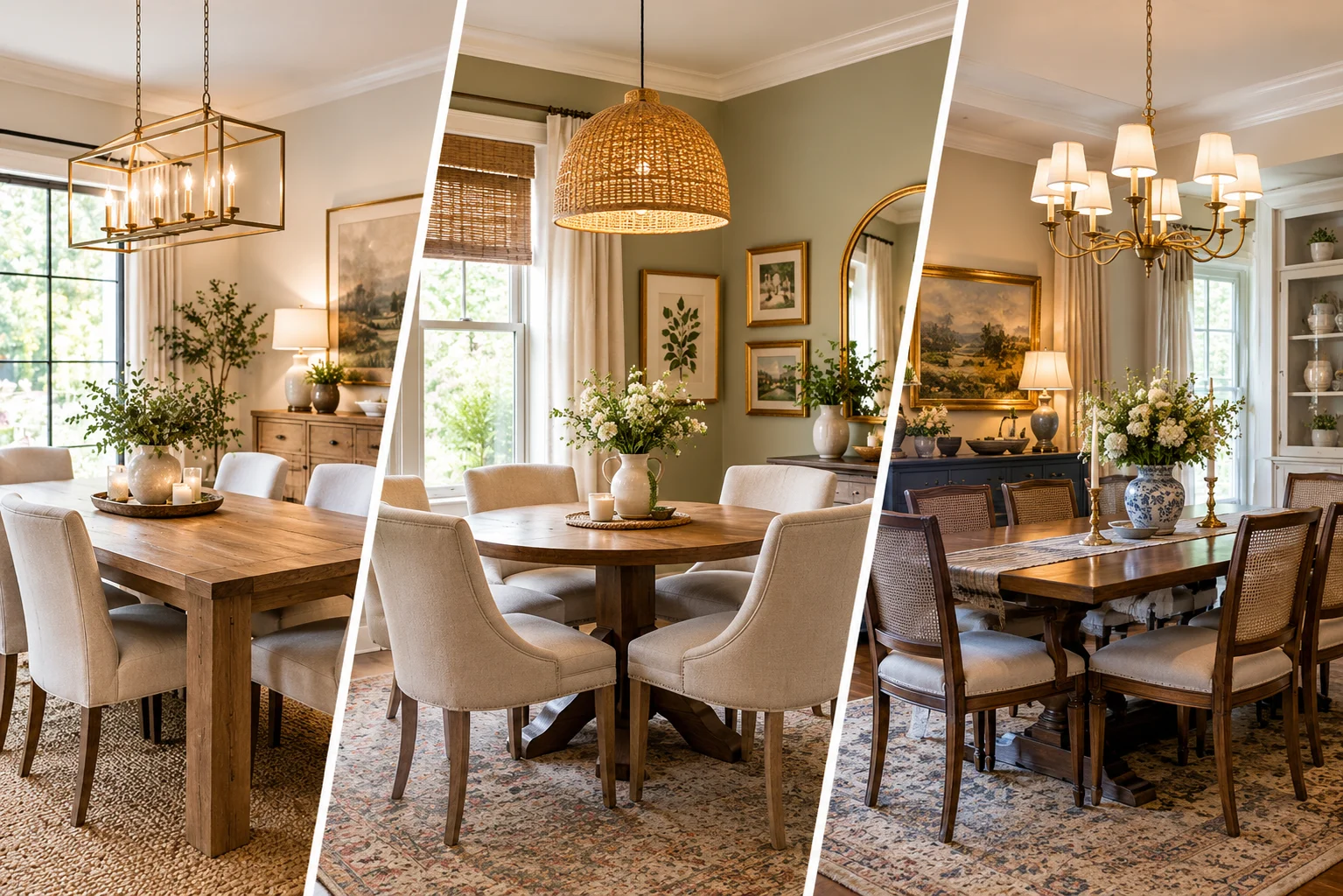
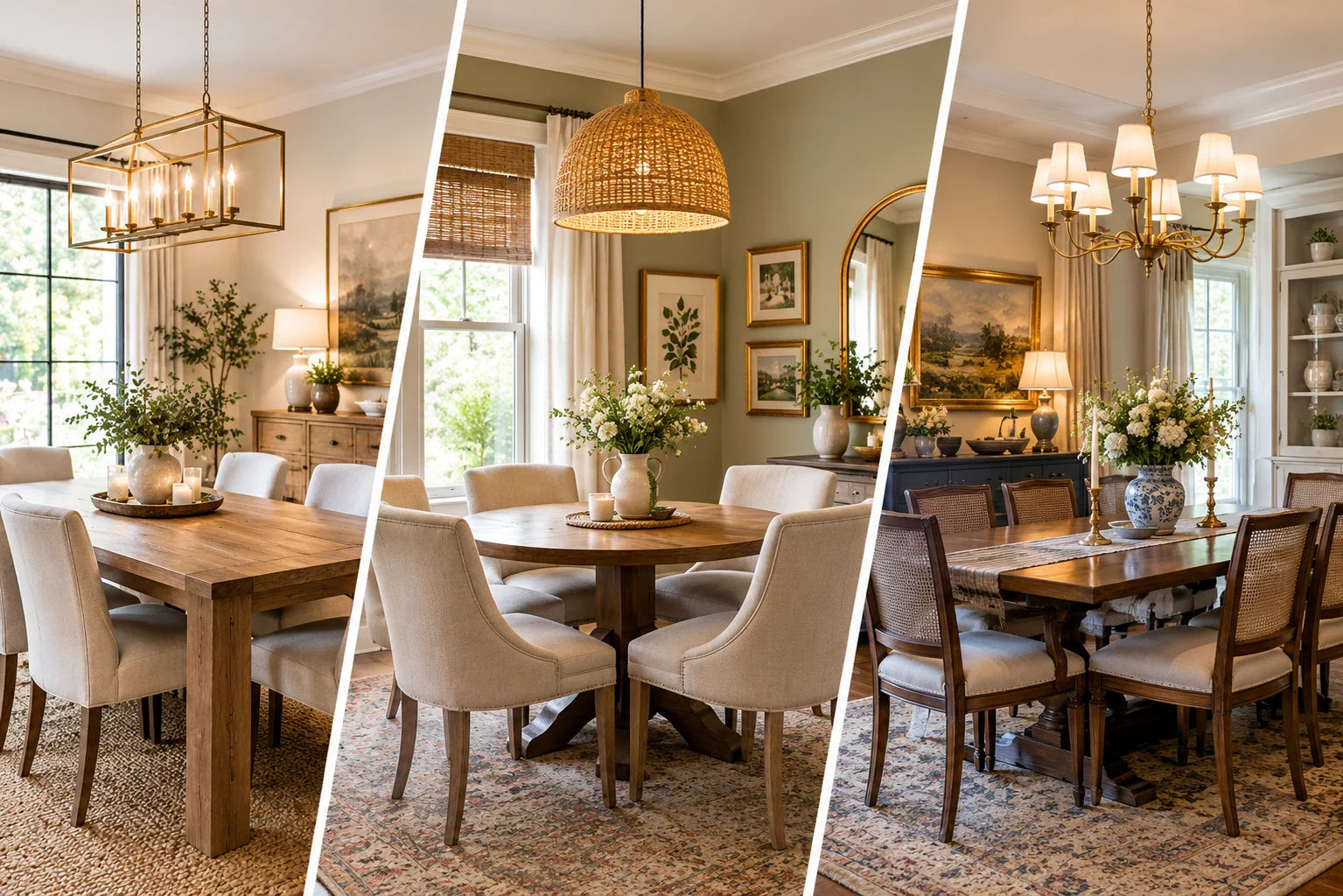
    Small dining rooms can be a challenge, but they also offer an opportunity to make thoughtful choices. With limited space, an ill-sized dining chair or bar cart can make the room feel overwhelmed and cluttered, so being intentional when selecting furniture pieces is key. A dining table with a thoughtful shape can work beautifully with the room’s dimensions, while a bench can add flexible seating without using too much space. Wallpaper is another easy way to create a big impact through one of the more subtle ways of styling a room. I also find that bigger dining rooms can provide useful inspiration for ideas that work in a small space, especially when you focus on the smallest footprint.

    A dining room should feel comfortable enough to gather with family and friends, whether you are hosting an elaborate dinner party or enjoying a quick weeknight dinner. Sociable, open-plan rooms can connect naturally with the rest of the home, while a cosy, standalone dining area can create a warmer feeling. Dining rooms come in many shapes and sizes, so there is no need to follow just one style of decorating. Choosing the right shade and combining practical furniture with thoughtful accents can create a versatile, welcoming, and visually stunning room. This approach works well for modern dining rooms, traditional dining rooms, and different schemes throughout the home.

    With a little creative eye, even an awkward corner can become a perfect space for a dining room. Good styling does not mean filling every area; instead, it means knowing which pieces are truly useful and where they create the most impact. A designer-approved approach can help you think outside the box by using practical furniture, balanced decoration, and smart placement. The goal is to create a room that feels natural for everyday living space needs while remaining ready for special occasions. In any home, creating a comfortable dining area is necessary, and these ideas can help you find the perfect spot while making the most of different shapes and sizes.

    1. Choose a Statement Dining Table

    A statement dining table can become the main feature of your dining room. Choose a table that fits the room without making it feel crowded. Wood tables bring warmth and a natural feeling to the space. A round table can work especially well in smaller rooms. For larger rooms, a long rectangular table can create a balanced look. Pay attention to the table’s shape, size, and finish. Keep the surrounding area open enough for comfortable movement. A beautiful table can make everyday meals feel more special.

    2. Add Comfortable Dining Chairs

    Comfortable dining chairs can make the room much more enjoyable for everyday use. Choose chairs that provide good support and match the height of your table. Upholstered chairs can add softness and warmth to the space. Wooden chairs are a simple choice for a natural or traditional look. You can also mix different chair styles for a more relaxed appearance. Keep the colors connected to the rest of the room. Make sure there is enough space between each chair. The right seating can make family meals and gatherings feel more welcoming.

    3. Create a Cozy Dining Nook

    A cozy dining nook is a smart way to use an unused corner of your home. A small table with a built-in bench can provide comfortable seating without taking much space. Add soft cushions to make the bench more inviting. Keep the color palette warm and simple for a relaxed atmosphere. A pendant light above the table can help define the area. Add a small piece of artwork or a few plants nearby. This setup works especially well in apartments and small homes. It can become a favorite spot for breakfast, coffee, or family meals.

    4. Use a Warm Color Palette

    A warm color palette can instantly make a dining room feel comfortable and inviting. Soft beige, cream, warm white, and earthy tones are easy to use. You can introduce deeper shades through chairs, curtains, rugs, or artwork. Avoid using too many strong colors in one room. Instead, choose a few shades that work naturally together. Warm colors can also make a large dining room feel more intimate. Natural wood furniture pairs beautifully with these tones. A balanced palette creates a peaceful background for meals and gatherings.

    5. Style a Beautiful Centerpiece

    A simple centerpiece can give your dining table a finished and thoughtful appearance. Fresh flowers are an easy choice when you want a natural touch. A bowl of fruit can create a casual look for everyday dining. Candles can add a soft glow during evening meals. You can also use a ceramic vase, wooden tray, or small collection of decorative objects. Keep the centerpiece low enough so people can see across the table. Avoid adding too many items that make the table difficult to use. A carefully chosen centerpiece should feel beautiful without becoming distracting.

    6. Hang Elegant Dining Room Lighting

    Good dining room lighting can change the entire mood of the space. A pendant light above the table creates a clear focal point. Chandeliers can add elegance to larger or more formal dining rooms. For a softer look, choose fixtures with warm-toned bulbs. Make sure the light is positioned at a comfortable height above the table. Wall lights can provide extra lighting around the room. Natural daylight should also be considered when planning the space. The right lighting makes the dining room feel warm, practical, and inviting.

    7. Decorate the Dining Room Walls

    Dining room walls offer plenty of opportunities to add personality to the space. Artwork can introduce color without taking up floor space. A large mirror can make a small room feel brighter and more open. Gallery walls can work well when you want a collected appearance. Wallpaper can also create a strong visual feature behind the dining table. Choose wall decor that connects with the furniture and color scheme. Avoid covering every wall with decoration. A few well-placed pieces can create a polished and comfortable room.

    8. Try a Round Dining Table

    A round dining table can be a practical choice for small dining areas. Its curved shape allows people to move around the table more easily. It also creates a friendly arrangement where everyone can see each other. Round tables work especially well in square rooms and dining nooks. Choose a size that leaves enough walking space around the chairs. Wood finishes can add warmth, while glass can make the room feel lighter. Pair the table with comfortable chairs that complement its shape. This simple change can make a small dining area feel more open.

    9. Add a Stylish Dining Bench

    A dining bench can provide flexible seating while giving the room a relaxed look. It can fit several people without requiring many individual chairs. Place the bench along one side of a rectangular dining table. Choose an upholstered design for extra comfort during longer meals. Wooden benches work beautifully with farmhouse, rustic, and modern styles. You can add cushions or a soft throw for more warmth. A bench can also be pushed under the table when it is not being used. This makes it useful for dining rooms where space is limited.

    10. Layer Soft Textures

    Adding soft textures can make a dining room feel warmer and more comfortable. Start with an area rug beneath the dining table to soften the room. Upholstered chairs can add another layer of comfort. Curtains can bring softness to windows while helping control natural light. Table runners and fabric napkins can add small decorative details. Choose materials that complement the furniture instead of competing with it. Mixing wood, fabric, woven materials, and ceramics can create visual interest. These layers help the dining room feel welcoming without looking overly decorated.

    11. Bring in Natural Elements

    Natural elements can make a dining room feel fresh and connected to the outdoors. Wooden furniture is an easy way to introduce natural warmth. Add plants in simple pots to bring greenery into the space. Woven baskets, rattan chairs, and natural fibers can add texture. Fresh flowers can provide seasonal color without requiring major changes. Stone, ceramic, and clay accessories can also create an earthy feeling. Keep the arrangement simple so the room remains calm. Natural details work well with both modern and traditional dining styles.

    12. Create an Open Plan Dining Area

    An open plan dining area should feel connected to nearby living spaces while still having its own identity. Use a dining table or rug to visually define the eating area. Matching colors can help connect the dining room with the kitchen or living room. Lighting can also create a clear boundary above the table. Keep furniture placement open so people can move comfortably between spaces. Choose decor that complements the surrounding rooms. Avoid adding too many large pieces that can make the area feel crowded. A thoughtful layout can make an open home feel organized and welcoming.

    13. Use Wallpaper for Impact

    Wallpaper can create a strong focal point without requiring major furniture changes. Use it on one wall behind the dining table for a stylish effect. Soft patterns can create a calm and elegant atmosphere. Botanical prints can bring a natural feeling into the room. Geometric designs can work well with modern furniture. Choose colors that connect with your chairs, table, and accessories. If the dining room is small, a lighter pattern can help keep the space feeling open. A well-chosen wallpaper can give the room character and visual depth.

    14. Add a Large Area Rug

    A large area rug can bring the dining furniture together and make the room feel complete. Choose a rug that extends beyond the chairs even when they are pulled away from the table. This helps create a comfortable and balanced arrangement. Neutral rugs work well when the furniture already has strong colors or patterns. Patterned rugs can add interest to a simple dining room. Choose a material that is practical and easy to clean. Make sure the rug does not interfere with chair movement. The right rug can add warmth while visually defining the dining area.

    15. Display Beautiful Tableware

    Beautiful tableware can make an ordinary dining room feel more thoughtfully styled. Display plates, bowls, glasses, and serving pieces on open shelves or inside a glass cabinet. Choose pieces that match the room’s overall color palette. Ceramic dishes can add a handmade feeling to the space. Glassware can bring a lighter and more elegant touch. Keep everyday pieces within easy reach for practical use. You can also display a few special items for decoration. Well-arranged tableware adds personality without taking up much floor space.

    16. Create a Modern Dining Space

    A modern dining space usually works best with clean lines and simple decoration. Choose furniture with a clear shape and avoid unnecessary visual clutter. A sleek dining table can be paired with comfortable chairs in a simple design. Neutral colors can create a calm and sophisticated background. Add one or two bold details through artwork, lighting, or accessories. Natural wood can soften the clean appearance of modern furniture. Keep the table styling simple for an uncluttered look. This approach creates a dining room that feels fresh, practical, and timeless.

    17. Style a Traditional Dining Room

    A traditional dining room can feel elegant while still remaining comfortable for everyday life. Wooden furniture is a classic choice for this style. Add a chandelier or classic pendant light above the table for extra character. Framed artwork can give the walls a more established appearance. Use warm colors, patterned fabrics, and traditional accessories in moderation. A large rug can help bring the furniture together. Avoid making every piece look overly formal or matching. Combining classic details with comfortable elements creates a welcoming traditional space.

    18. Make a Small Dining Room Work

    Making a small dining room work starts with choosing furniture that fits the available space. Measure the room before buying a table, chairs, or storage pieces. Round tables and benches can help save valuable floor space. Wall-mounted shelves can provide storage without making the room feel crowded. Mirrors can reflect light and create the feeling of more space. Keep decoration simple and choose useful pieces whenever possible. Light colors can also make a compact room feel brighter. With careful planning, even a small dining area can feel stylish and comfortable.

    19. Add Built-In Dining Storage

    Built-in dining storage can make the room more organized while adding useful display space. Cabinets can store plates, serving dishes, glasses, and table linens. Open shelves can hold books, plants, and decorative objects. Choose cabinet finishes that complement the dining table and chairs. Built-in storage can be especially useful in smaller homes. Keep frequently used items at an easy-to-reach height. Mix closed storage with open shelves to balance function and decoration. This approach helps keep the dining room neat without sacrificing style.

    20. Mix Different Dining Room Styles

    Mixing dining room styles can create a more personal and interesting space. You can pair a modern table with traditional chairs for a balanced contrast. Vintage accessories can add character to an otherwise simple room. Natural wood can help connect different furniture finishes. Keep the colors consistent so the different styles do not feel disconnected. Choose pieces that share a similar shape, material, or visual detail. Avoid adding too many competing patterns or finishes. A thoughtful mix can make the dining room feel collected rather than overly matched.

    21. Create an Inviting Family Dining Area

    An inviting family dining area should be comfortable enough for everyday meals and relaxed conversations. Choose sturdy furniture that can handle regular use. Comfortable chairs make it easier for everyone to stay at the table longer. Keep frequently used tableware nearby for convenience. Add warm lighting to create a pleasant atmosphere during evening meals. A simple centerpiece can add style without getting in the way. Leave enough room around the table for easy movement. When comfort and function come first, the dining room naturally becomes a favorite place for family time.

    22. Add Personal Decorative Touches

    Personal decorative touches can make a dining room feel unique to your home. Display artwork that reflects your taste and memories. Add a favorite vase, collection, or handmade object to the room. Family photographs can bring warmth without requiring major changes. Choose accessories that connect with the room’s colors and furniture. Avoid filling every surface because a few meaningful pieces can have more impact. Seasonal details can also refresh the room throughout the year. Personal decoration gives the dining space character while keeping it comfortable and welcoming.

  • 25 Cozy Reading Corner Ideas for a Relaxing Home

    25 Cozy Reading Corner Ideas for a Relaxing Home

    A reading nook does not need a large home library or a separate room. In my experience, some of the best cozy reading corners can be created in unexpected places, such as a window seat, an unused corner, a landing, or a quiet part of the living room. Even a small reading nook beside the bed, sofa, or in an office can become an extra-special spot for dedicated reading time. These cozy corners can feel warm, inviting, and showstopping without making the room feel crowded.

    A good example comes from Sarah Lederman of Sarah Lederman Interiors, who created a small reading nook in a Victorian town house on Manhattan’s Upper West Side. The landing between the living room and dining room became a cozy spot with simple cushions, poufs, and a throw. What had been a pass-through area became a highly utilized lounge spot. This shows how thoughtful interior design can turn an ordinary functional space into a relaxing reading area without major changes.

    When creating a comfortable reading space, start with comfortable seating that supports long hours of lounging and reading comfort. A window seat, armchair, or deep sofa can create a natural seating area, while an ottoman, wedge pillow, cushions, and pillows add extra comfort. A side table keeps reading materials and a favorite beverage close by, making it easier to settle in with a good book or your favorite reads. A soft rug, soft furnishings, and simple decor can also make the reading setup feel more finished and welcoming.

    1. Window Seat Reading Nook

    A window seat can become a beautiful place for reading and relaxing. Place a soft cushion on the seat to make it more comfortable, then add a few pillows and a warm throw for extra softness. Natural light makes the space bright and pleasant during the day, while a small side table can hold books, tea, or a favorite beverage. Keep the decor simple so the window remains the main feature, and add a small plant nearby to bring a fresh touch to the space. This simple setup can turn an unused window area into a peaceful reading spot.

    2. Cozy Bedroom Reading Corner

    A bedroom can easily include a quiet corner for reading before sleep. Place a comfortable chair beside a window or near an empty wall, then add a soft rug to help define the reading area and bring warmth. Use a floor lamp for comfortable lighting during the evening and keep a small table nearby for books and other reading materials. Add cushions and a throw to make the chair feel more inviting, and choose colors that work naturally with your existing bedroom decor. This setup creates a relaxing space without taking over the whole room.

    3. Small Space Reading Nook

    A small home does not need to miss out on a cozy reading nook. Look for unused corners beside furniture, windows, or shelves, and choose a compact chair that provides comfortable seating without using much space. Wall shelves can keep books organized while saving valuable floor space, while light colors can make the corner feel open and airy. Use a small lamp for good lighting without adding visual clutter, and keep only a few decorative elements to maintain a clean look. Even a tiny corner can become a useful and comfortable reading space.

    4. Living Room Reading Corner

    A living room reading corner can create a quiet area within a busy space. Choose a comfortable chair that fits naturally with the existing furniture and place it near a window if you want to enjoy natural light. A side table can hold books, glasses, or a warm drink, while a soft rug underneath can make the area feel more defined. Use pillows and cushions to improve reading comfort, and add a nearby floor lamp to make the corner useful after sunset. This arrangement adds both function and style to the living room.

    5. Comfortable Armchair Reading Spot

    An armchair is one of the easiest ways to create a dedicated reading spot. Choose a chair with enough depth to support comfortable sitting, and add a soft cushion behind your back for extra support. A small ottoman can give your feet a comfortable place to rest, while a floor lamp beside the chair provides focused lighting. Keep a side table nearby for your current book and favorite beverage, and add a soft throw to make the chair feel warm and inviting. Together, these simple pieces create a relaxing spot where you can enjoy a good book.

    6. Reading Corner with Bookshelves

    Bookshelves can make a reading corner feel personal and practical. Place a comfortable chair directly beside or near the shelves so your favorite books remain within easy reach. Mix books with a few plants and simple decorative elements, but avoid filling every shelf so the display does not feel crowded. Warm lighting can make the books and surrounding decor feel more inviting, while a small rug can add softness and visually connect the area. This setup works especially well for people who enjoy having their books close by.

    7. Warm Reading Nook Lighting

    Good lighting is an important part of a comfortable reading nook. A floor lamp beside your chair can provide focused light for reading, while table lamps work well when you have a nearby side table. Natural light is also useful during the daytime, but warm lighting can create a relaxing atmosphere in the evening. Avoid placing bright lights directly in front of your eyes, and consider layered lighting so the reading area remains useful at different times. The right light can make a simple corner feel warm, peaceful, and inviting.

    8. Cozy Corner with Soft Cushions

    Soft cushions can quickly make an ordinary corner feel more comfortable. Place several cushions on a chair, bench, or window seat, and choose different textures while keeping the colors visually connected. Add a soft throw that can be used during cooler evenings, and place a rug underneath for another layer of comfort. A small table nearby can hold books and drinks, while simple decor can complete the corner without making it feel busy. This approach creates a warm reading space that feels easy and relaxed.

    9. Reading Nook with Floor Lamp

    A floor lamp is a practical addition to almost any reading nook. Place it beside the chair so the light reaches your reading area, and choose a simple design that matches your home decor. An adjustable lamp can make it easier to direct light where you need it, while a soft rug can create a comfortable foundation. Add an ottoman if you enjoy putting your feet up while reading, and keep a small table nearby for books and a favorite beverage. These simple additions can turn an empty corner into a useful reading area.

    10. Relaxing Window Reading Space

    A window can provide the perfect background for a peaceful reading space. Position a chair or bench where you can enjoy the natural light, and use soft cushions to make the seating more comfortable. A small plant beside the window can add a natural decorative touch, while simple surrounding decor keeps the view noticeable. Add a floor lamp for reading when daylight fades and a small side table to keep books within easy reach. This arrangement creates a calm place for quiet reading and relaxation.

    11. Built-In Reading Nook

    A built-in reading nook can make good use of an awkward part of the home. A bench can be fitted into a wall opening, alcove, or window area, then finished with a thick cushion for comfortable seating. Built-in shelves can provide convenient storage for books, while baskets underneath the bench can hold blankets and other items. Warm lighting can make the space more welcoming, and finishes that match the surrounding room will help create a seamless look. The result is a practical reading corner that feels like a natural part of the home.

    12. Reading Corner with Ottoman

    An ottoman can make a reading corner much more comfortable. Choose one that matches the chair or surrounding furniture and use it as a place to rest your feet while reading. Some ottomans also provide hidden storage for blankets and books, making them useful in small spaces. Place a small side table next to the chair for everyday essentials, and add a soft rug underneath to create a warm foundation. A floor lamp can provide comfortable lighting in the evening, helping these simple additions create a relaxed and complete reading corner.

    13. Cozy Reading Corner for Apartments

    Apartments often have limited space, but that does not prevent you from creating a cozy reading corner. Look for a quiet area beside a window, sofa, or bedroom wall, and choose compact furniture that does not make the room feel crowded. A narrow side table can provide useful space without taking much room, while wall shelves can replace large bookcases when floor space is limited. Use a soft rug to visually separate the reading area from the rest of the room, and keep the decor simple with pieces that serve a purpose. With thoughtful planning, even a small apartment can have a relaxing reading space.

    14. Reading Nook Under the Stairs

    The space beneath the stairs is often overlooked in home design, but with the right furniture, it can become a charming reading nook. Place a compact chair or built-in bench inside the available space, then add cushions and a throw to create a comfortable seating area. Wall-mounted shelves can provide storage for books without taking floor space, while a small lamp can help if the area does not receive enough natural light. Keep the colors and materials connected to the surrounding interior design. This unused corner can become a quiet spot for reading and relaxing.

    15. Boho-Inspired Reading Corner

    A boho reading corner can feel warm, relaxed, and full of personality. Start with comfortable seating and layer it with textured cushions, then add a woven rug to bring warmth and natural character to the floor. Place plants in simple baskets or decorative pots for a fresh touch, and use wooden furniture to support the relaxed decorating style. Soft lighting can create a calm atmosphere in the evening, while a few handmade or natural decorative elements can add personal touches. The goal is to create a comfortable space that feels collected rather than overly styled.

    16. Minimalist Reading Nook Design

    A minimalist reading nook focuses on comfort without unnecessary decoration. Choose one comfortable chair as the main feature of the space and add a small side table for books and everyday essentials. A simple floor lamp can provide useful reading light, while a soft rug can add warmth without creating visual clutter. Use a calm color palette that is easy on the eyes, and add one plant or a small piece of decor for personality. This simple design creates a peaceful reading area that feels clean, organized, and comfortable.

    17. Reading Corner with Indoor Plants

    Plants can make a reading corner feel fresh and connected to nature. Place a medium-sized plant beside the chair if you have enough floor space, or use smaller plants on shelves and a nearby side table. Choose plants that suit the amount of natural light available, and combine greenery with warm wood and soft textiles for a cozy atmosphere. A comfortable chair and soft cushions will make the area more inviting, while organized plants will keep them from interfering with your reading space. This combination creates a relaxing corner with a natural and welcoming feel.

    18. Small Bedroom Reading Nook

    A small bedroom can still have a dedicated corner for reading. Use the space beside a window or an empty section near the bed, and choose a slim chair that provides comfortable seating without taking over the room. Add a small table for books, glasses, and a drink, while a wall-mounted lamp can save valuable floor space. Soft bedding colors can inspire the palette for the reading corner, and a cushion and throw can provide extra comfort during longer reading sessions. This setup gives the bedroom another useful purpose while keeping it peaceful.

    19. Cozy Reading Corner with Rug

    A rug can make a reading corner feel warmer and more defined. Choose a soft rug that is large enough to sit beneath the chair, then place the chair and side table together on or partly over the rug. Add cushions and a throw to create a comfortable seating area, and use a nearby lamp for good lighting during evening reading. Choose colors that complement the existing room decor, and add a simple plant or small decorative piece to finish the arrangement. This layered approach creates a cozy atmosphere without requiring major changes.

    20. Reading Nook with a Side Table

    A side table may be small, but it can make a reading nook much more functional. Keep your current book within easy reach while sitting in the chair, and use the table for a lamp, glasses, or a favorite beverage. Choose a size that fits comfortably beside the seating, with a wooden table adding warmth or a simple metal design creating a more modern feel. Add a small plant or decorative object if there is enough space, but avoid filling the surface with unnecessary items. A well-placed side table keeps the reading corner practical and organized.

    21. Bright and Airy Reading Corner

    A bright reading corner can make the entire space feel fresh and open. Place the seating near a window to take advantage of natural light, and use light-colored cushions and soft furnishings to maintain an airy feeling. Choose simple furniture that does not visually overwhelm the area, and add a small plant for a natural touch. A lightweight rug can make the space more comfortable, while a lamp can provide useful light when natural light fades. This approach creates a peaceful reading space that feels open, calm, and refreshing.

    22. Quiet Reading Corner for Relaxation

    A quiet reading corner should feel separate from the busiest parts of the home. Choose a peaceful location away from heavy foot traffic when possible, and make comfortable seating the main priority for longer reading sessions. Add pillows, cushions, and a soft throw to make the area inviting, then use warm lighting to create a calming atmosphere after dark. Keep a small table nearby for books and a favorite beverage, and use simple decor to make the area feel personal without becoming distracting. This kind of reading space gives you a comfortable place to slow down and enjoy some quiet time.

    23. DIY Cozy Reading Nook

    Creating a DIY reading nook can be simple and budget-friendly. Start by choosing an unused corner that has enough room for seating, then use a basic chair or floor cushion as the foundation of the space. Add a soft rug, cushions, and a throw for comfort, while wall shelves can provide affordable storage for your favorite books. Use a simple lamp to improve the lighting without making expensive changes, and add plants or handmade decor for personal touches. With a little creativity, an ordinary corner can become a cozy and useful reading nook.

    24. Reading Corner with Layered Textures

    Layered textures can make a reading corner feel much warmer and more inviting. Start with a comfortable chair and add cushions in different fabrics, then use a soft throw for another layer of comfort and visual interest. Place a textured rug underneath the seating to ground the space, and combine natural materials such as wood, cotton, and woven fibers. Keep the colors coordinated so the different textures do not feel overwhelming, and add simple decor and a plant to bring the arrangement together. This combination creates a comfortable reading setup with depth, warmth, and style.
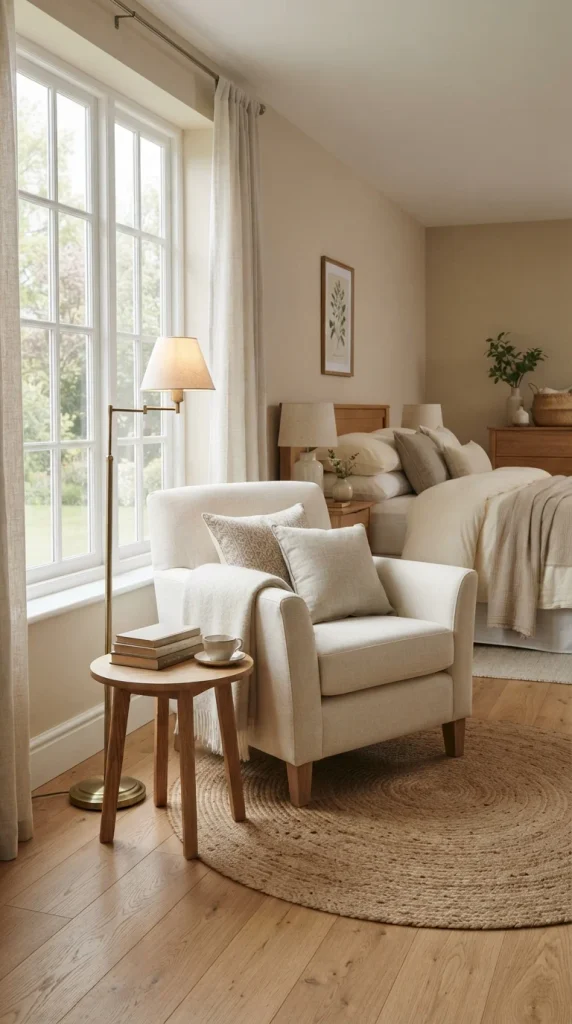
    25. Peaceful Reading Nook for Book Lovers

    A peaceful reading nook should be designed around the way you enjoy reading. Keep your favorite books nearby so choosing your next read is easy, and make comfortable seating the foundation for longer reading sessions. A side table can hold your book, glasses, and favorite beverage, while soft lighting works well for evenings and natural light brightens the space during the day. Add cushions, pillows, and a throw to make the corner feel inviting, then use personal decor and plants to give it a unique atmosphere. With these thoughtful details, the nook becomes a relaxing space where book lovers can enjoy their favorite reads.

  • 21 Hallway Ideas That Make Small Spaces Feel Bigger and More Stylish

    21 Hallway Ideas That Make Small Spaces Feel Bigger and More Stylish

    Good hallway decor starts with seeing the passage as part of the home rather than empty space between rooms. Thoughtful hallway design, hallway decorating, and hallway styling can turn a plain hallway decoration into a simple hallway makeover with plenty of hallway inspiration. For narrow hallway ideas and small hallway ideas, focus on keeping the hallway space open while adding useful details. Hallway wall decor, hallway lighting, and carefully chosen hallway furniture can make a hallway entryway feel more welcoming. A hallway console table, hallway sideboard, or hallway bench can add function without making the passage feel crowded, while hallway shelves, hallway baskets, and hallway storage keep everyday items organized. These hallway storage ideas become especially useful when you need hallway storage solutions and practical hallway space-saving ideas. For long hallway ideas, use repeated details to create balance, while dark hallway ideas can benefit from brighter finishes and reflective surfaces.

    The right colors and accessories can completely change how a corridor feels. Try modern hallway ideas, cozy hallway ideas, stylish hallway ideas, minimalist hallway ideas, or farmhouse hallway ideas depending on the character of the home. Simple hallway paint ideas and hallway color ideas can visually widen the space, especially when supported by a calm hallway color scheme, soft hallway neutral colors, or carefully placed hallway accent colors. A hallway mirror can reflect light, while a hallway lamp, hallway table, hallway cabinet, hallway drawers, and hallway doors can add practical detail. For decoration, use hallway vases, hallway flowers, hallway artwork, hallway frames, and a hallway gallery to create personality without filling every surface. A hallway gallery wall, hallway mirrors, hallway runner, and hallway rug can guide the eye through the space, while a hallway runner rug adds softness underfoot. If the home has a distinctive hallway accent wall, use it as a hallway focal point instead of competing with it through too many accessories.

    A successful hallway layout should connect the hallway walls, hallway floor, and hallway ceiling with the rooms around it. Consider hallway architectural features, an attractive hallway arch, or a defined hallway corridor as opportunities to add visual interest. Even a narrow corridor, windowless hallway, or curved hallway can become a welcoming hallway when its lighting, storage, and decoration work together. The goal is a functional hallway that also feels cozy hallway in mood, bright hallway in appearance, and elegant hallway in detail. Modern hallway decor can sit comfortably beside practical hallway decor, small hallway decor, and narrow hallway decor, making the hallway entrance, home hallway, and entryway hallway feel connected. Think about the hallway transition and room-to-room transition so the space supports the rest of the home. Good hallway functionality, hallway character, and hallway atmosphere come from details that feel intentional, while hallway statement decor gives the space a memorable feature. These hallway styling tips, hallway decorating tips, and hallway design tips can help create a polished passage that feels useful, personal, and naturally connected to the rooms beyond it.

    1. Maximize Narrow Hallways

    A narrow hallway can feel much larger when every part of the space is used carefully. Keep the walkway clear and avoid large furniture that blocks movement. Use slim furniture such as a narrow console or floating shelf to add function without taking up much floor space. Light-colored walls can also make the hallway feel more open and airy. A large mirror is useful because it reflects light and creates a sense of extra depth. I have found that simple layouts often work better than filling a small hallway with too many decorative pieces. Keep the floor mostly open and choose a runner that guides the eye forward. This creates a hallway that feels organized, comfortable, and visually spacious.

    2. Brighten Small Hallway Spaces

    Small hallways can sometimes feel dark because they receive little natural light. A simple way to brighten the space is to use soft wall colors such as warm white, cream, beige, or light gray. Good hallway lighting can make an even bigger difference, especially when there are no windows nearby. Wall sconces, ceiling lights, or small decorative lamps can add a warm glow without using much space. Reflective surfaces such as mirrors can spread available light around the hallway. Keep the decor light and avoid using too many dark accessories together. A bright hallway feels cleaner and more welcoming from the moment you enter the home. These small changes can make a narrow space feel fresh without requiring a major renovation.

    3. Use Mirrors for Depth

    Mirrors are one of the easiest decorating tricks for making a small hallway appear larger. A large mirror can reflect light, furniture, and nearby rooms, giving the space more visual depth. Place one opposite a light source or near the end of the hallway for the strongest effect. A collection of smaller mirrors can also work if you prefer a more decorative look. Choose frames that match the style of the home so the mirror feels like part of the overall design. In my experience, a simple mirror often adds more impact than several small decorations. Avoid covering every wall with reflective pieces because the hallway can start to feel busy. One well-placed mirror can provide both style and function.

    4. Choose Light Wall Colors

    The color of the walls has a strong effect on how a small hallway feels. Light shades can make the walls appear farther apart and help the space feel open. Soft white, warm beige, pale gray, and muted cream are easy choices for a timeless hallway. If you want more personality, try a gentle pastel shade instead of a very dark color. Keep the ceiling lighter than the walls when possible to create a greater sense of height. You can also use the same color on nearby doors for a smooth and connected appearance. I prefer soft neutral colors when the goal is to make a narrow hallway feel spacious. The right paint can refresh the entire area without changing the layout.

    5. Add a Slim Console

    A slim console table can bring useful storage and decoration into a small hallway without overwhelming it. Look for a design with a shallow depth so people can walk past comfortably. A simple console can hold a small lamp, vase, framed artwork, or a bowl for everyday items. Choose furniture with open legs or a floating design if you want the floor to remain visually clear. Light wood, painted finishes, or neutral colors can help maintain an airy feeling. Avoid placing too many objects on the surface because a crowded console can make the hallway look smaller. A carefully styled console creates a useful stopping point without reducing the walking area. It is a practical choice when you want your hallway to feel finished and organized.

    6. Create Smart Hallway Storage

    Smart storage can completely change the way a small hallway works. Instead of adding bulky cabinets, use vertical shelves, wall hooks, slim cupboards, or baskets. Closed storage is especially helpful for keeping shoes, bags, and everyday items out of sight. Choose furniture that uses height rather than taking up valuable floor space. Matching baskets can make open storage look neat and intentional. If the hallway is very narrow, floating shelves can provide storage while keeping the floor clear. I have found that the best hallway storage is simple enough to use every day. When everything has a place, the hallway naturally feels larger, calmer, and more stylish.

    7. Style a Narrow Entryway

    A narrow entryway should feel welcoming without becoming crowded. Start with one or two useful pieces, such as a small bench, slim console, or wall-mounted storage unit. Add a mirror above the furniture to create depth and reflect light. A small tray can hold keys and other daily essentials while keeping the surface tidy. Use a runner to visually connect the entryway with the rest of the hallway. Keep decorative items simple so the space remains easy to walk through. A few coordinated details can make a narrow entrance feel intentional and attractive. The goal is to create a practical welcome area that feels open rather than packed.

    8. Add a Hallway Runner

    A hallway runner can add warmth, pattern, and comfort while visually lengthening the space. Choose a runner that leaves a little floor visible along both sides so the hallway does not feel completely covered. Light patterns can work well in small spaces, while simple neutral designs create a calm look. Make sure the rug is secure so it does not move when people walk across it. A washable runner is also useful for a busy family home because hallways receive plenty of daily traffic. Match the colors of the runner with your walls and nearby rooms for a connected appearance. A well-chosen runner can make a plain hallway feel softer and more finished. It is one of the easiest ways to introduce personality without using wall or floor space.

    9. Make Walls More Stylish

    Empty hallway walls are a great opportunity to add personality without taking away walking space. Hang framed artwork, family photographs, mirrors, or a simple collection of prints along one wall. Keep the arrangement balanced so the hallway does not feel visually crowded. A few larger pieces can often look cleaner than many tiny decorations. You can also use a painted accent wall to create interest in an otherwise plain corridor. Choose artwork that connects with the colors and style used in nearby rooms. Wall decor should add character while allowing the hallway to remain easy to move through. With thoughtful placement, even a narrow wall can become one of the most attractive features in the home.

    10. Install Functional Lighting

    Good lighting is essential when decorating a small hallway, especially when natural light is limited. Ceiling fixtures provide general brightness, while wall sconces can add a softer decorative glow. Choose fixtures that suit the scale of the hallway rather than oversized designs that dominate the ceiling. Warm lighting can make neutral walls feel more comfortable and inviting. If the hallway has artwork or architectural details, directional lighting can highlight them beautifully. Keep switches easy to reach so the lighting is practical as well as attractive. I like using layers of light because they make a hallway feel more welcoming at different times of the day. The right lighting can make even a windowless corridor feel brighter and more open.

    11. Create a Gallery Wall

    A gallery wall can give a small hallway a strong decorative personality without using floor space. Start by choosing a simple theme, such as family photos, artwork, botanical prints, or black-and-white pictures. Keep the frames connected through similar colors or materials for a more organized appearance. If the hallway is narrow, arrange the artwork vertically or in a clean line. Leave enough space between pieces so the wall does not feel overloaded. A gallery wall can also draw attention away from the limited width of the corridor. Use pieces that have personal meaning instead of filling the wall just for decoration. A thoughtful display can make the hallway feel like an important part of the home rather than an empty passage.

    12. Use Vertical Storage

    When floor space is limited, look upward for storage opportunities. Tall shelving, wall-mounted cabinets, hooks, and vertical organizers can provide useful storage without making the walkway narrower. Keep frequently used items within easy reach and place less-used belongings higher up. Closed cabinets can hide clutter, while baskets can make open shelves look more organized. Choose a slim design that follows the shape of the hallway rather than projecting too far into the walkway. Vertical storage is especially useful in apartments and smaller homes where every inch matters. It also helps keep shoes, bags, coats, and other daily items under control. By using the wall height wisely, you can add function while keeping the floor open.

    13. Add a Cozy Hallway Bench

    A small bench can make a hallway more comfortable while providing a useful place to sit when putting on shoes. Choose a narrow design that leaves enough room for people to walk around it easily. A cushioned seat can bring softness and warmth to the area without requiring many additional decorations. If the bench has storage underneath, use baskets to keep shoes, blankets, or bags neatly hidden. Light wood and neutral upholstery can help a small hallway feel open and relaxed. Avoid oversized benches because they can quickly make a narrow corridor feel cramped. A simple bench works especially well near an entrance where function is important. With the right size and placement, it can become both a practical and attractive feature.

    14. Decorate With Simple Accessories

    Small accessories can add character to a hallway without making it feel cluttered. A vase, small lamp, framed picture, bowl, or decorative object can be enough to finish a console or shelf. Choose a few pieces that share similar colors or materials so the display feels intentional. Avoid covering every available surface because empty space helps a small hallway breathe. Natural elements such as flowers, branches, or simple greenery can add warmth without overwhelming the design. Rotate decorative items from time to time if you enjoy refreshing the space. I find that simple styling often looks more expensive and polished than a crowded arrangement. The key is to use accessories as small accents rather than trying to decorate every inch.

    15. Style Long Hallways Beautifully

    Long hallways can sometimes feel empty, but their length provides plenty of room for creative styling. Use artwork, mirrors, lighting, or a runner to create a visual path from one end to the other. Repeating similar frames or lights can make the hallway feel balanced and connected. A console table can fill a wider section without interrupting the walkway. Avoid placing large furniture pieces at regular intervals because this can make the corridor feel cramped. Instead, create one or two focal areas and leave enough open space between them. A consistent color palette will also help the long hallway feel connected to nearby rooms. With thoughtful spacing, a long corridor can feel elegant rather than awkward.

    16. Create a Minimalist Hallway

    A minimalist hallway works especially well when the space is small or narrow. Start by removing items that do not have a clear purpose or add meaningful visual interest. Choose simple furniture with clean lines and keep decorative pieces limited. Soft neutral colors can create a calm background while natural wood adds warmth. A single mirror, artwork piece, or vase can become enough decoration for the entire area. Keep storage organized so shoes, bags, and other items do not collect on the floor. Minimalist styling allows the hallway’s shape and architecture to remain visible. The result is a clean space that feels larger, calmer, and easier to maintain.

    17. Add Warm Natural Details

    Natural materials can make a small hallway feel comfortable and inviting. Add touches such as wood furniture, woven baskets, linen details, ceramic vases, or simple greenery. These materials bring texture without requiring bold colors or complicated decoration. A wooden console can soften a bright hallway, while woven baskets can provide practical storage underneath. Plants or fresh flowers can add life to an otherwise plain passage. Keep the natural details balanced so the space does not become visually busy. Warm materials also work well with neutral walls and soft lighting. A few carefully chosen natural elements can give the hallway a relaxed character while keeping the overall design simple.

    18. Make Dark Hallways Brighter

    A dark hallway can feel smaller than it actually is, so improving brightness should be a priority. Start with light wall colors that reflect available daylight and artificial lighting. Add a mirror opposite a light source to spread brightness through the corridor. Use warm ceiling lights or wall sconces to remove gloomy areas without making the hallway feel harsh. Light-colored rugs and furniture can also help reflect light and create a softer appearance. Keep heavy dark accessories to a minimum if the goal is to visually open the space. If there is a window nearby, avoid blocking it with large furniture or thick decorations. These changes can make a dark hallway feel brighter, cleaner, and much more welcoming.

    19. Highlight Architectural Features

    Architectural details can give a hallway a unique character, so they should not always be hidden or ignored. Arches, molding, doors, niches, beams, and interesting wall shapes can become natural focal points. Use paint, lighting, or carefully placed artwork to draw attention to these features. Keep the surrounding decoration simple so the architecture remains the main attraction. An arch can also create a beautiful transition between two rooms while adding a sense of depth. If the hallway has original details, matching them with suitable colors and materials can make the design feel more intentional. Highlighting what is already there is often more effective than adding too many new decorations. This approach gives the hallway personality while keeping the design elegant.

    20. Keep Small Hallways Clutter-Free

    Clutter is one of the fastest ways to make a small hallway feel even smaller. Give shoes, bags, coats, keys, and other daily items a dedicated place so they do not collect along the walkway. Use baskets, hooks, drawers, or closed cabinets to keep everyday belongings organized. A small tray on a console can prevent keys and small objects from spreading across the surface. Try to keep the floor as clear as possible because open floor space makes the corridor appear wider. Regularly remove items that do not belong in the hallway to maintain a clean appearance. A clutter-free hallway is easier to walk through and much more relaxing to enter. Good organization can make a bigger difference than adding more decoration.

    21. Create a Stylish Hallway Focal Point

    Every hallway can benefit from one feature that naturally catches the eye. This could be a large mirror, beautiful artwork, an accent wall, a striking light fixture, or an attractive console arrangement. Keep the rest of the hallway simple so the focal point has enough visual space around it. Choose a feature that connects with the colors and materials used throughout the home. A strong focal point can also distract from awkward proportions in a narrow or long corridor. Avoid combining too many statement pieces because they can compete with one another. In my experience, one memorable detail often makes a hallway feel more thoughtfully designed than a collection of unrelated decorations. This creates a stylish passage that feels connected to the rest of the home.

  • 25 Cozy & Stylish Bedroom Designs Ideas for Women

    25 Cozy & Stylish Bedroom Designs Ideas for Women

    Creating bedrooms that feel personal is all about making the space match your personality while keeping it relaxed and restful. Unlike the usual tips often shared for kids, teenagers, and men, women’s bedroom ideas can explore more fun spaces and creative ways to decorate. Try a bold, bright, fun, or feminine look, or mix strong and glamorous details in a balanced combination. There are no strict rules when it comes to individuality and personal bedroom ideas.

    I have found that bedrooms feel more inviting when the decorated space works as an extension of who we are and helps us express ourselves. Wall art can bring positivity through modern typographic designs, inspirational quotes, and simple slogans that remind you of good times. These details can make your space feel warmer without making it too busy, especially when you choose pieces that naturally fit your style.
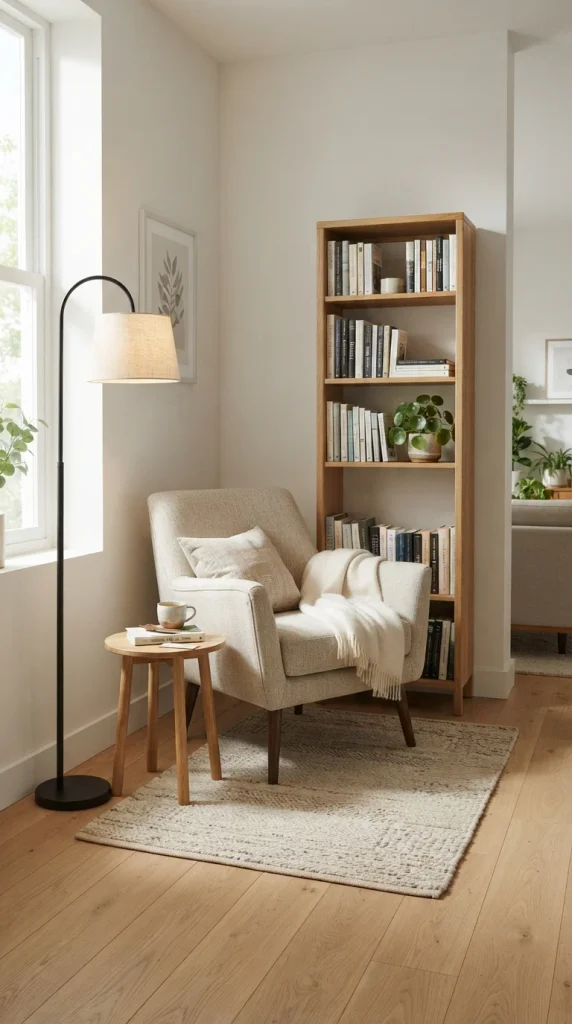
    The dreamiest space in the home should feel like a personal retreat where rest and relaxation come naturally. Your perfect bedroom might be a cosy escape, a fresh and uncomplicated space, or something between the two. A carefully considered palette can bring the whole look together, while thoughtful bedroom schemes can suit different tastes and spaces without losing that personal touch.

    1. Cozy Feminine Bedroom

    A cozy feminine bedroom should feel warm, personal, and relaxing. Use soft colors such as cream, beige, blush, or light pink. Add comfortable bedding with fluffy pillows and a soft throw blanket. A small rug can make the floor feel warmer and more inviting. Choose gentle lighting from bedside lamps for a peaceful mood. Fresh flowers or small plants can add a natural touch. Keep decorations simple so the room does not feel crowded. The main goal is to create a comfortable space that feels truly yours.

    2. Stylish Women’s Bedroom

    A stylish women’s bedroom can look beautiful while still feeling comfortable. Start with a simple color palette that matches your personal taste. Choose furniture with clean shapes and useful storage. Add decorative cushions, a soft blanket, and attractive curtains. A large mirror can make the room feel brighter and more spacious. Wall art can give the bedroom more personality. Keep everyday items organized for a neat appearance. Small details can turn an ordinary bedroom into a stylish retreat.

    3. Warm & Inviting Bedroom

    A warm and inviting bedroom should make you feel comfortable as soon as you enter. Use warm neutrals such as beige, cream, taupe, and light brown. Layer the bed with soft blankets and comfortable pillows. Wooden furniture can add warmth and a natural feeling. Choose lamps with soft light instead of harsh overhead lighting. A textured rug can make the room feel cozier. Add a few personal decorations that have special meaning. These simple touches can create a welcoming bedroom atmosphere.

    4. Elegant Cozy Bedroom

    An elegant cozy bedroom combines comfort with simple luxury. Choose neutral colors and soft fabrics for a polished appearance. An upholstered headboard can create an attractive focal point. Add velvet, linen, or knitted textures through pillows and throws. Gold or brass details can provide a subtle elegant touch. Keep furniture balanced so the room remains open and comfortable. Soft bedside lighting can make the space feel peaceful at night. The result is a bedroom that feels refined without becoming too formal.

    5. Chic Feminine Retreat

    A chic feminine retreat can be stylish, soft, and comfortable at the same time. Soft pink, cream, white, or muted green can create a gentle color scheme. Choose furniture with simple and elegant details. Add a beautiful mirror or artwork to create visual interest. Layer different textures to make the bedroom feel warm. Fresh flowers can bring color and a natural touch to the room. Avoid too many accessories, especially if the bedroom is small. Keep the design personal so it feels like your own private retreat.

    6. Modern Cozy Bedroom

    A modern cozy bedroom combines clean design with comfortable details. Use a neutral base such as cream, beige, gray, or soft brown. Choose simple furniture with straight lines and practical storage. Add softness through layered bedding, cushions, and a textured rug. Indoor plants can bring freshness and life into the room. Warm lamps can soften the modern look in the evening. Keep surfaces clear to maintain a clean appearance. This balance makes a modern bedroom feel comfortable rather than cold.

    7. Soft & Stylish Bedroom

    A soft and stylish bedroom focuses on comfort while keeping the design attractive. Start with gentle colors such as ivory, beige, dusty pink, or light gray. Choose bedding with different textures for a layered look. Light curtains can make the room feel airy and fresh. Add a soft rug beside the bed for extra comfort. Simple wall art can bring personality without overwhelming the room. Use warm lighting to create a relaxing evening mood. A few carefully selected accessories can complete the look.

    8. Dreamy Women’s Bedroom

    A dreamy women’s bedroom should feel peaceful, beautiful, and relaxing. Soft colors can create a gentle atmosphere throughout the room. Choose comfortable bedding with plenty of pillows and a cozy throw. Fairy lights or soft bedside lamps can add a magical touch. Delicate artwork or framed prints can decorate the walls beautifully. Plants and flowers can make the room feel fresh and natural. Keep furniture simple so the bedroom remains calm and open. The overall design should feel like a peaceful escape at the end of the day.

    9. Glamorous Cozy Bedroom

    A glamorous cozy bedroom brings a touch of luxury into a comfortable setting. Use cream, champagne, beige, blush, or deep neutral shades. A stylish headboard can become the main feature of the bedroom. Add metallic details through mirrors, lamps, or small accessories. Soft fabrics such as velvet can give the space a richer appearance. Keep the lighting warm to balance the glamorous decorations. Choose a few statement pieces instead of decorating every corner. This creates a bedroom that feels luxurious while remaining warm and inviting.

    10. Relaxing Bedroom Haven

    A relaxing bedroom haven should be a quiet place where you can unwind. Choose calming colors such as cream, soft green, beige, or light blue. Keep the bed comfortable with breathable bedding and supportive pillows. Remove unnecessary clutter to make the room feel peaceful. Add a soft rug and gentle curtains for extra comfort. Plants can bring a natural and refreshing feeling indoors. Warm bedside lighting can create a calm nighttime atmosphere. Simple choices can turn your bedroom into a personal place for rest.

    11. Sophisticated Feminine Bedroom

    A sophisticated feminine bedroom can feel elegant without using too many decorations. Use a balanced palette of neutral colors with one soft accent shade. Choose furniture with clean lines and timeless shapes. Add quality-looking bedding made from soft fabrics. A large mirror can provide both function and visual appeal. Simple artwork can add personality while keeping the room refined. Coordinated accessories can create a more organized appearance. The finished bedroom should feel graceful, comfortable, and personal.

    12. Cozy Bedroom Retreat

    A cozy bedroom retreat should be designed around comfort and relaxation. Begin with a comfortable bed and soft layers of bedding. Warm neutral colors can make the room feel peaceful and inviting. Add blankets, cushions, and rugs to create more texture. Wooden details can give the room a natural and welcoming character. Keep books or favorite items close to your bedside for convenience. Use warm lamps instead of bright lighting when relaxing at night. These small touches can make your bedroom feel like a private retreat.

    13. Beautiful Women’s Bedroom

    A beautiful women’s bedroom does not need expensive decorations to look appealing. Choose colors that make you feel comfortable and happy. A well-made bed can immediately improve the appearance of the room. Add cushions and a throw blanket for extra texture and style. Use artwork, mirrors, or photographs to personalize the walls. A small plant can add freshness without taking much space. Keep storage organized so the bedroom stays clean and attractive. Focus on details that reflect your personality instead of following every trend.
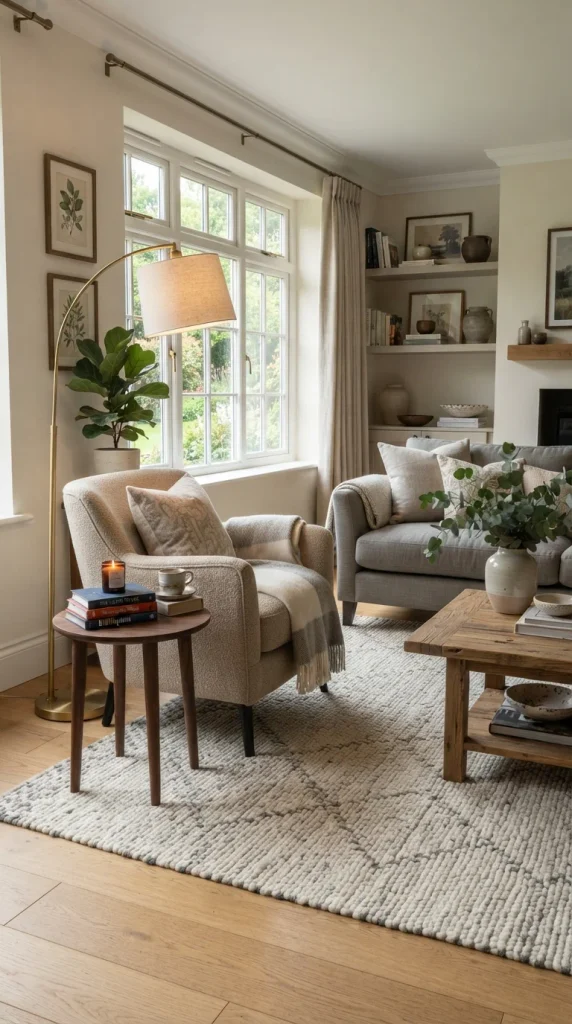
    14. Modern Feminine Bedroom

    A modern feminine bedroom can combine simple design with soft personal touches. Use neutral colors as a base and add blush, dusty rose, or muted green. Choose modern furniture with clean and practical shapes. Soft bedding can balance the sharper lines of contemporary furniture. Add a stylish mirror or simple artwork above a dresser or bed. Natural wood can bring warmth to the modern design. Keep decorations minimal to maintain an uncluttered appearance. The final space can feel fresh, feminine, modern, and comfortable.

    15. Stylish Bedroom Sanctuary

    A stylish bedroom sanctuary should feel like a private place to relax and recharge. Start with comfortable bedding in colors that create a calm mood. Use layered textures to make the bed look inviting. Choose furniture that provides both style and useful storage. Add a comfortable chair if you have enough floor space. Soft lighting can make the bedroom feel peaceful at night. Personal artwork and favorite objects can give the space character. Keep everything balanced so the sanctuary feels calm instead of crowded.

    16. Warm Neutral Bedroom

    A warm neutral bedroom uses gentle colors to create a comfortable atmosphere. Cream, beige, taupe, tan, and warm white work well together. Add different textures so the neutral palette does not feel flat. Wooden furniture can introduce natural warmth and character. Choose soft curtains to filter daylight and create a relaxed mood. A textured rug can make the bedroom feel warmer underfoot. Use plants to add a fresh touch without changing the color scheme. This simple style works well for both small and spacious bedrooms.

    17. Cozy Glam Bedroom

    A cozy glam bedroom mixes comfortable details with elegant accents. Start with a soft neutral color palette and add subtle metallic touches. A tufted or upholstered headboard can create a glamorous focal point. Use velvet cushions or a soft throw for extra texture. Mirrored surfaces can reflect light and make the room feel brighter. Choose warm lamps to keep the glamorous style comfortable. Avoid too many shiny decorations so the room remains balanced. A few thoughtful details can create a polished yet cozy bedroom.

    18. Aesthetic Women’s Bedroom

    An aesthetic women’s bedroom should reflect a clear and personal style. Choose a color palette before adding furniture and decorations. Neutral, pastel, earthy, or muted colors can all create different moods. Use matching bedding and curtains to make the room feel coordinated. Add wall art, photographs, or prints that fit your chosen theme. Plants can provide natural texture and make the bedroom feel fresh. Keep visible clutter under control to maintain the aesthetic look. Most importantly, choose pieces you genuinely enjoy seeing every day.
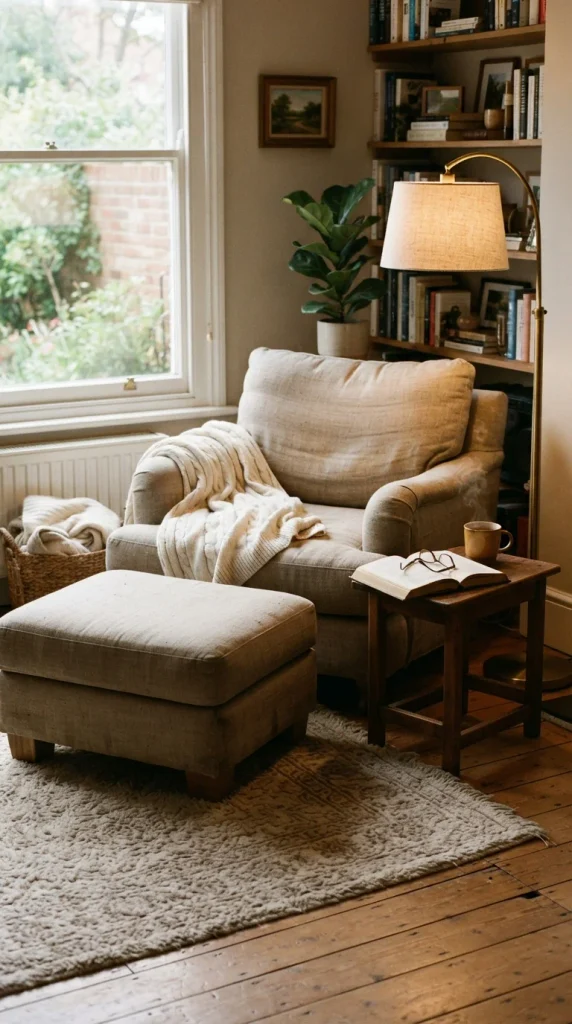
    19. Serene Feminine Bedroom

    A serene feminine bedroom focuses on creating a calm and gentle atmosphere. Soft white, beige, pale pink, or muted green can work beautifully. Choose comfortable bedding with simple patterns or solid colors. Add soft curtains to control sunlight and create a peaceful mood. Natural materials such as wood and linen can make the room feel relaxed. Keep decorations limited to a few meaningful pieces. Warm bedside lighting can make the space especially calming at night. The result should be a quiet bedroom where you can easily relax.

    20. Luxurious Cozy Bedroom

    A luxurious cozy bedroom can feel rich without becoming uncomfortable or overly formal. Choose warm colors such as cream, beige, brown, or soft gray. A large upholstered headboard can give the bed a luxurious appearance. Layer high-quality-looking bedding with cushions and textured throws. Add elegant lighting through bedside lamps or a simple chandelier. A large rug can bring softness and warmth to the floor. Use mirrors or metallic accents in small amounts for extra sophistication. The key is to combine luxury with comfort so the bedroom still feels inviting.

    21. Charming Bedroom Retreat

    A charming bedroom retreat should feel welcoming and full of personality. Choose soft colors that make the room feel warm and peaceful. Add comfortable bedding with a mixture of pillows and blankets. Small pieces of artwork can give the walls a personal touch. A wooden nightstand or vintage-style furniture can add character. Fresh flowers can bring color and natural beauty into the room. Keep the room organized while leaving enough open space to move comfortably. These details can create a bedroom that feels both charming and relaxing.

    22. Comfortable Stylish Bedroom

    A comfortable stylish bedroom proves that practical design can also look beautiful. Start with a comfortable mattress and bedding because comfort should come first. Choose furniture that provides useful storage without taking up too much space. Add cushions, throws, and rugs to create warmth and texture. Use a simple color palette to keep the room visually calm. Wall art or a mirror can add style without using floor space. Keep frequently used items easy to reach and everything else organized. This approach creates a bedroom that looks polished while remaining practical.

    23. Contemporary Women’s Bedroom

    A contemporary women’s bedroom can combine modern furniture with warm feminine details. Choose clean-lined furniture in neutral shades for a fresh foundation. Add soft colors such as blush, cream, beige, or muted green through accessories. Comfortable bedding can soften the sharper look of modern furniture. Use simple artwork to create a stylish focal point on the wall. Natural wood and indoor plants can add warmth and texture. Keep unnecessary decorations to a minimum for a clean appearance. The finished bedroom can feel current, comfortable, and personal.

    24. Cozy Chic Bedroom

    A cozy chic bedroom combines casual comfort with attractive design details. Begin with a soft neutral palette and add one or two gentle accent colors. Choose comfortable bedding and layer it with pillows and blankets. A stylish mirror can make the room feel brighter and more spacious. Add a textured rug to make the floor feel warmer. Simple artwork can give the bedroom a fashionable but personal appearance. Use warm lighting to create a cozy mood after sunset. Keep the design balanced so it feels stylish without looking overdecorated.

    25. Personalized Feminine Bedroom

    A personalized feminine bedroom should tell your story through colors, textures, and meaningful decorations. Choose shades that you naturally enjoy rather than copying someone else’s style. Display favorite photographs, artwork, books, or small objects that have personal value. Comfortable bedding and soft lighting can keep the space relaxing. Add plants or flowers if you enjoy bringing nature indoors. Use storage baskets and organizers to keep personal items under control. Leave some open space so the bedroom feels peaceful rather than crowded. When every detail reflects your taste, the room becomes a comfortable place that truly feels like your own.
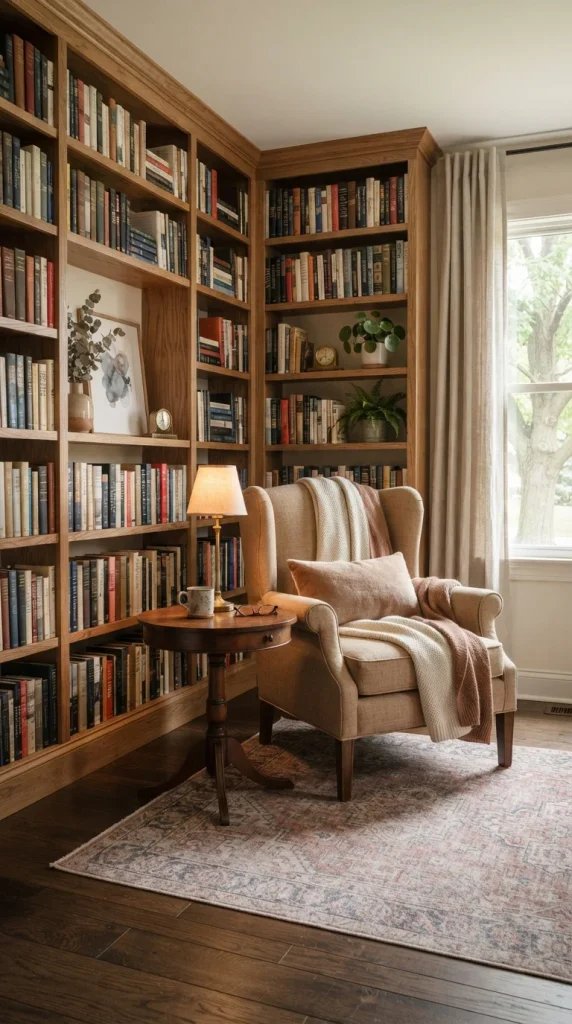
  • 21 Smart Home Storage Solutions for a Clutter-Free and Stylish Home

    21 Smart Home Storage Solutions for a Clutter-Free and Stylish Home

    When I plan storage for a cluttered home, I always start by looking at how everything you own is actually used rather than adding more cabinets. The goal is to create a well-organized haven where clothes, bedroom clothing, bathroom linens, and living room items all have a designated home. In small closets, tiny spaces, and other small spaces, versatile storage can make a surprising difference. Simple DIY solutions, shelving, multipurpose furniture, storage baskets, chests, and storage bins provide affordable storage without making the home feel crowded. Choosing different container sizes also makes it easier to declutter and keep everyday items organized.

    Good storage does not need a magic disappearing act, even when you are dealing with shoe box-sized areas or piles of stuff. With strategic planning, creative storage ideas can turn an awkward territory into useful actual space without calling a contractor for every small change. I find that storage ideas for small spaces work best when they combine practical storage, space-saving storage, and stylish storage. A slim cabinet can protect the countertop from clutter, while under-bed drawers, wall shelving, and furniture with hidden compartments can free up the floor. These small changes improve room organization, support home organization, and bring more tidiness, peace of mind, and streamlining to daily routines.

    The most effective approach is to focus on the optimal use of every square inch, especially when accumulated items begin taking over valuable areas. Even unused space behind doors, beneath furniture, or above cabinets can become valuable space with thoughtful customizing storage areas. In my experience, these genius storage ideas make organizing easier because each item has a clear place to return to. Whether the goal is to reclaim space in one room or improve home storage throughout the house, combining efficient storage, room organization, and attractive stylish vignettes creates a practical system that looks intentional instead of crowded.

    1. Maximize Every Corner

    Every home has corners that can become useful storage areas with a little planning. Look at spaces beside cabinets, under stairs, above doors, and behind furniture. These areas can hold baskets, shelves, or slim cabinets without taking much room. Maximize Every Corner is especially helpful in apartments and small spaces. Use matching containers to keep the space looking neat and intentional. Open shelves can also display books, baskets, and simple decor. This approach keeps everyday items easy to reach while reducing visual clutter. With the right setup, even an overlooked corner can become valuable storage.

    2. Declutter With Smart Storage

    A good storage system should make it easier to decide where things belong. Start by removing items that are broken, unused, or no longer needed. Then group similar belongings together before choosing containers or shelves. Declutter With Smart Storage by giving frequently used items an accessible place. Closed cabinets are useful for items that can make a room look busy. Baskets work well for blankets, toys, accessories, and smaller belongings. Clear storage bins can make hidden items easier to find. A simple system can make everyday organizing feel much less stressful.

    3. Stylish Built-In Shelving

    Built-in shelving can add storage while making a room feel thoughtfully designed. It works well around fireplaces, windows, desks, and unused wall areas. Stylish Built-In Shelving gives books, baskets, artwork, and decor a natural place to live. Closed sections can hide items that you do not want on display. Open sections can create attractive visual arrangements without overwhelming the room. Choose shelf sizes based on what you actually need to store. Neutral finishes can help the shelving blend smoothly with existing decor. When planned carefully, built-ins can combine practical storage with a polished appearance.

    4. Multipurpose Furniture Storage

    Furniture can do more than provide seating or a surface for everyday use. Choose pieces that include drawers, shelves, or hidden compartments for extra storage. Multipurpose Furniture Storage is useful when floor space is limited. An ottoman can hold blankets, while a bed frame can provide space for seasonal items. A storage bench can also work as seating and a place for shoes or bags. These pieces reduce the need for separate storage furniture. They are especially helpful in bedrooms, living rooms, and entryways. Using furniture in two ways makes a small home feel more efficient.

    5. Clever Small Space Storage

    Small rooms require storage that uses space without making movement difficult. Look upward by adding wall shelves, tall cabinets, or hanging organizers. Clever Small Space Storage can also include furniture that fits into narrow gaps. Use the area under beds, inside cabinet doors, and beside appliances whenever possible. Choose containers that match the size of the items you need to store. Avoid filling every available surface because that can make the room feel crowded. Keep frequently used belongings within easy reach. A few thoughtful changes can create more usable space without a major renovation.
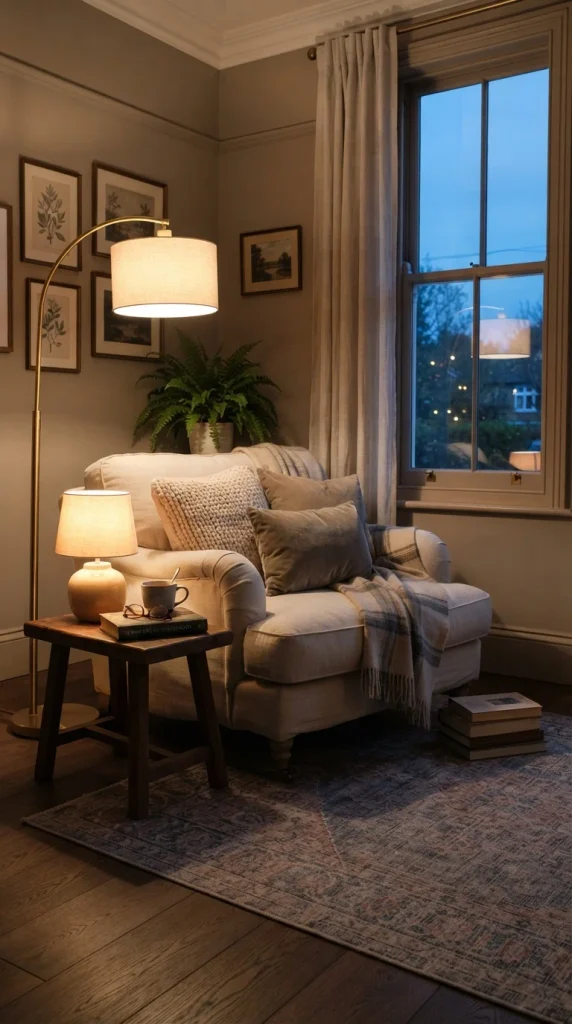
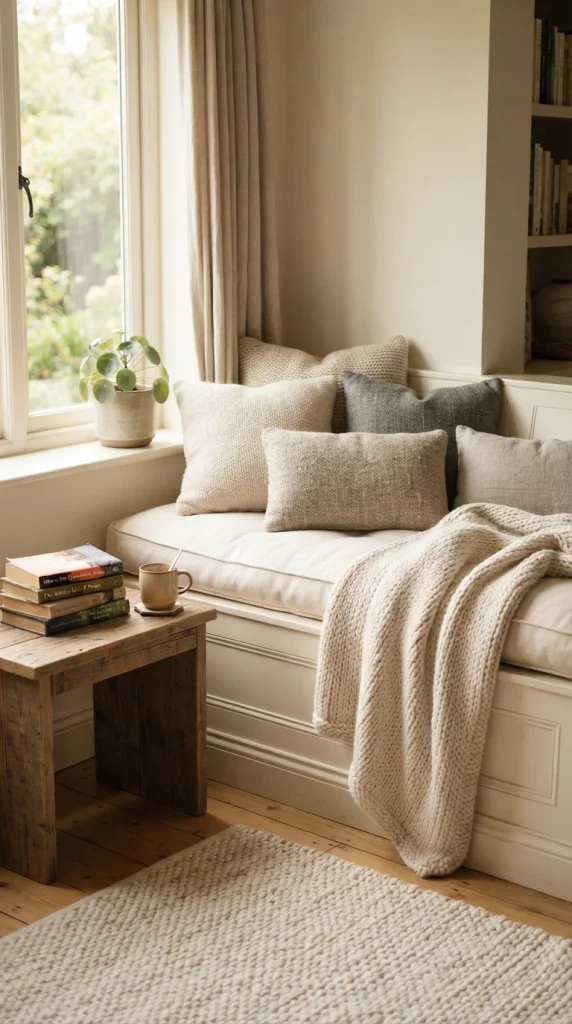
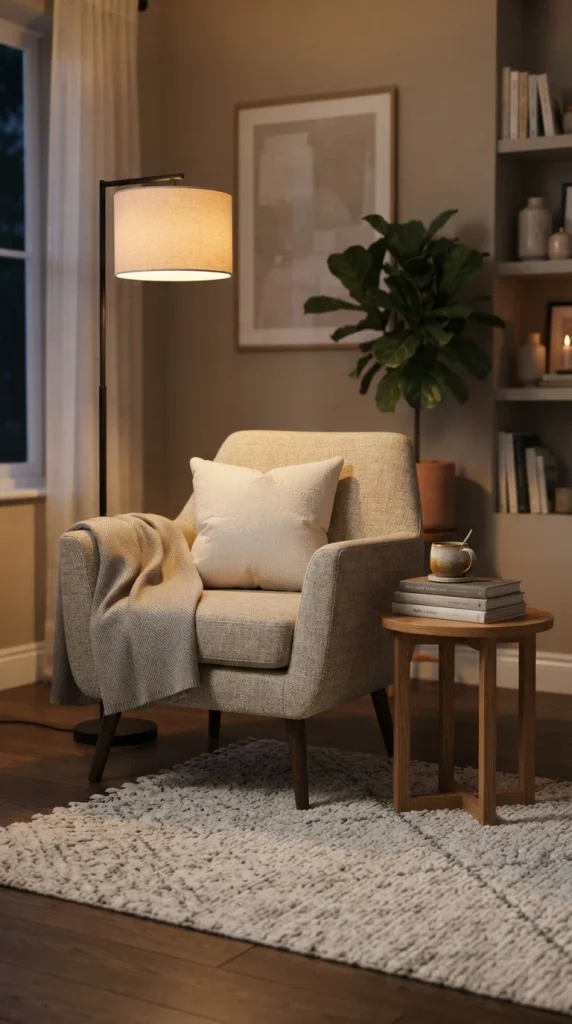
    6. Hidden Storage Solutions

    Hidden storage is a simple way to keep a room looking calm and tidy. Cabinets with doors can conceal paperwork, electronics, cleaning supplies, and other everyday items. Hidden Storage Solutions are also useful for keeping small belongings from spreading across countertops. Consider drawers beneath beds, storage ottomans, or cabinets with adjustable shelves. Even a wall-mounted cabinet can hide clutter while using vertical space. Keep labels inside containers so hidden items remain easy to find. This method allows rooms to look decorative without sacrificing practicality. The result is a cleaner space with less visual distraction.

    7. Organize Bedroom Clothing

    Bedrooms often become cluttered when clothing does not have a clear storage system. Sort bedroom clothing by type, season, or how often it is worn. Use drawers for smaller pieces and shelves for folded sweaters or bags. Hanging organizers can make use of unused closet height. Organize Bedroom Clothing by keeping everyday pieces at eye level for easier access. Store seasonal clothing in labeled bins when it is not needed. Avoid overfilling drawers because crowded storage quickly becomes difficult to maintain. A simple clothing system can make the bedroom feel more peaceful and easier to manage.

    8. Smart Closet Organization

    A closet works better when every section has a specific purpose. Add shelf dividers, hanging organizers, and small bins to separate different belongings. Smart Closet Organization can make small closets feel more functional without adding much furniture. Keep frequently worn clothing in the easiest-to-reach areas. Use upper shelves for seasonal pieces and less-used accessories. Matching hangers can also create a cleaner visual appearance. Leave a little open space so the closet does not become difficult to use. A well-planned closet saves time because everything has a predictable place.

    9. Beautiful Storage Baskets

    Storage baskets combine organization with an attractive decorative touch. They can hold blankets, pillows, toys, magazines, towels, and many smaller belongings. Beautiful Storage Baskets look especially useful on open shelves or beneath consoles. Choose natural textures, woven materials, or simple fabrics that complement the room. Different sizes can help separate large and small items without wasting space. Labeling baskets makes it easier for everyone in the home to put things away. Keep the most frequently used baskets where they are easy to reach. This small addition can make open storage feel warmer and more organized.

    10. Functional Entryway Storage

    The entryway can quickly collect shoes, bags, coats, keys, and other everyday items. A simple storage system can prevent this area from becoming a cluttered drop zone. Functional Entryway Storage can include a narrow bench, hooks, baskets, and a compact cabinet. Use hooks for frequently worn jackets and bags. Keep shoes in a rack or closed cabinet to keep the floor clear. A small tray can provide a dedicated place for keys and other small items. Choose furniture that fits the available wall space without blocking movement. A tidy entryway creates a practical transition between the outside and the rest of the home.

    11. Under-Bed Storage Ideas

    The area beneath a bed is often overlooked even though it can provide generous hidden storage. Under-Bed Storage Ideas are useful for seasonal clothing, extra bedding, shoes, and other less-used belongings. Use shallow boxes or rolling containers that can slide out easily. Choose covered storage to protect fabrics from dust. Label each container so you do not need to pull everything out when searching for something. Keep daily essentials somewhere more accessible to avoid constant bending and searching. This solution works especially well in bedrooms with limited closet space. It turns unused floor-level space into practical storage without taking up another part of the room.

    12. Space-Saving Kitchen Storage

    Kitchens need storage that keeps cooking essentials accessible without covering every surface. Use wall shelves, drawer organizers, cabinet risers, and slim pull-out units where appropriate. Space-Saving Kitchen Storage can also make better use of cabinet doors and narrow gaps. Keep frequently used cookware close to the main preparation area. Store less-used appliances in deeper cabinets to keep the countertop clear. Baskets and containers can group small pantry items together. Vertical storage is particularly useful when cabinet space is limited. A thoughtful arrangement makes cooking easier while helping the kitchen maintain a clean appearance.

    13. Practical Bathroom Storage

    Bathrooms often have limited floor and cabinet space, so every storage area needs to work efficiently. Practical Bathroom Storage can include floating shelves, narrow cabinets, baskets, and drawer organizers. Keep bathroom linens folded together so they are easy to access. Use small containers for toiletries, grooming supplies, and other loose items. Wall-mounted solutions can free up valuable floor space in compact bathrooms. Closed cabinets are useful for keeping everyday products out of sight. Avoid storing too many items around the sink because this can make the room feel crowded. A simple system keeps the bathroom functional and visually calm.

    14. Living Room Storage Solutions

    The living room needs storage for items that are used often but should not remain scattered around the room. Living Room Storage Solutions can include media cabinets, shelving, baskets, storage benches, and coffee tables with drawers. Use baskets for throws, remotes, magazines, and smaller belongings. Closed cabinets can hide electronics and items that create visual clutter. Open shelves can hold books and carefully selected decor. Choose furniture that provides storage without making the room feel heavy. Keep everyday items close to where they are normally used. This creates a living space that feels comfortable, organized, and easy to maintain.

    15. Use Vertical Wall Space

    When floor space is limited, the walls can provide an excellent place for additional storage. Use Vertical Wall Space with floating shelves, pegboards, hooks, rails, and tall cabinets. This approach keeps belongings off the floor while making use of otherwise empty areas. In a kitchen, wall storage can hold cookware or small containers. In an office, shelves can organize books and supplies. Bedrooms can use vertical organizers for accessories and bags. Keep heavier items on secure shelving designed to support their weight. Using height wisely can create more storage without taking away valuable walking space.

    16. Make Awkward Spaces Useful

    Odd corners, narrow gaps, and unused areas can become helpful storage with the right approach. Make Awkward Spaces Useful by choosing furniture that fits the exact dimensions of the area. A slim cabinet can work in a narrow hallway, while corner shelves can use spaces that standard furniture leaves empty. The space above a doorway can also hold baskets or rarely used items. Under-stair areas can become drawers, cabinets, or open shelving. Measure carefully before buying anything so the storage does not interfere with doors or movement. These small adjustments can turn difficult spaces into practical parts of the home.

    17. Storage for Tiny Spaces

    Tiny homes require storage solutions that provide function without creating more visual clutter. Storage for Tiny Spaces should focus on furniture with multiple uses and storage that takes advantage of vertical areas. Foldable pieces can be put away when they are not needed. Wall-mounted shelves can keep belongings off limited floor space. Choose containers that fit neatly inside cabinets, drawers, and unused corners. Avoid buying storage pieces that are larger than the items they need to hold. Keep only useful belongings in the most accessible areas. With careful planning, even a very small room can feel open and organized.

    18. Create a Designated Home

    One of the easiest ways to maintain an organized house is to give every important item a clear place. Create a Designated Home for keys, shoes, paperwork, cleaning products, clothing, and everyday accessories. When belongings have a predictable location, they are easier to return after use. Use labels when several family members share the same storage areas. Keep the most frequently used items close to the rooms where they are needed. This reduces unnecessary movement and makes daily routines smoother. A designated place also makes it easier to notice when something is out of place. Over time, this simple habit can make organization feel natural.

    19. Stylish Storage Cabinets

    Storage cabinets can hide clutter while adding structure and style to a room. Stylish Storage Cabinets work well in living rooms, bedrooms, bathrooms, kitchens, and hallways. Choose a size that provides enough storage without overpowering the room. Adjustable shelves make it easier to store belongings of different heights. Closed doors keep everyday clutter hidden and create a cleaner appearance. Cabinets with simple finishes can blend into many decor styles. Use baskets or smaller containers inside larger cabinets to improve organization. A well-chosen cabinet can provide practical storage while becoming a useful part of the room’s design.

    20. Affordable DIY Storage

    You do not always need expensive furniture to improve storage around the house. Affordable DIY Storage can include simple shelves, repurposed boxes, labeled containers, hooks, and handmade organizers. Start with areas where clutter appears most often and solve one problem at a time. Reusing existing furniture can also reduce costs and prevent unnecessary purchases. Choose sturdy materials for shelves and storage that will carry heavier items. Simple finishes can help DIY pieces blend with your existing decor. The goal is not to create complicated projects but to make storage work better for your daily routine. Small improvements can provide useful results without a large budget.

    21. Create a Clutter-Free Home

    A Create a Clutter-Free Home approach begins with practical storage rather than simply hiding everything away. Look at how each room is used and identify the items that regularly create clutter. Then choose efficient storage, space-saving storage, and stylish storage that match those habits. Use storage bins, shelving, baskets, cabinets, and multipurpose furniture where they solve a real need. Make sure each item has a clear place and that storage remains easy to access. Regularly review accumulated items so unused belongings do not slowly take over again. When storage supports everyday habits, the entire home can feel calmer, cleaner, and easier to maintain.

  • 24 Coastal Bedroom Ideas That Bring Beachside Bliss Home

    24 Coastal Bedroom Ideas That Bring Beachside Bliss Home

    Good coastal bedroom decorating starts with creating a calm feeling rather than filling the room with obvious beach items. I like to build a coastal bedroom decor scheme around a relaxed coastal-style bedroom that feels natural and lived-in. A beach-inspired bedroom can borrow from coastal interior design and coastal bedroom design by using a soft coastal color palette with soft colors, sandy tones, watery blues, and sun-bleached hues. This approach works beautifully for beach bedroom decor, a seaside bedroom, or an ocean-inspired bedroom, while still keeping the room comfortable. For a classic blue and white bedroom, pair crisp white bedding with gentle blue accents, or choose a neutral coastal bedroom if you prefer a quieter look. The result is a breezy bedroom, relaxing bedroom, and cozy coastal bedroom that feels connected to the coast without looking themed.

    The materials you choose can make the style feel much more authentic. For my own coastal decorating projects, I find that natural bedroom decor works especially well when combined with rattan bedroom decor, weathered wood, natural materials, and woven textures. These details give a beachy bedroom its warmth while supporting a relaxed coastal aesthetic and easy coastal style. Add coastal furniture, comfortable coastal bedding, and simple coastal wall decor to create an airy bedroom with plenty of visual breathing room. A few nautical accents can introduce nautical bedroom decor without making the space feel overly literal. This is also where coastal bedroom accessories, beach-inspired decor, seaside decor, and ocean-inspired decor can add personality.

    For a more polished room, combine beach house style with practical coastal bedroom styling. A beach house bedroom can feel like a serene bedroom or tranquil bedroom when you keep patterns simple and let texture do most of the decorating. These coastal decor ideas can easily adapt to a modern coastal bedroom, elegant coastal bedroom, or coastal master bedroom, depending on the furniture and finishes you select. Even summer bedroom decor can fit naturally into the scheme through lightweight fabrics, woven pieces, and fresh accents. The key is to let timeless coastal style, coastal home decor, and coastal home style guide the room without making everything match. That balance creates a bedroom that feels fresh, comfortable, and quietly inspired by the sea.

    1. Soft Coastal Color Palette

    A soft coastal color palette can instantly make a bedroom feel calm and fresh. Start with gentle whites, warm creams, and light beige for the main background. Add pale blue shades to bring the feeling of the ocean indoors. Sandy tones can make the room feel warmer and more welcoming. For a natural touch, include small accents in soft gray or muted green. Avoid using too many strong colors because coastal style works best when it feels relaxed. This combination creates a peaceful base for coastal bedroom decor and gives you plenty of freedom to change accessories with the seasons.

    2. Blue and White Bedding

    Blue and white bedding is one of the easiest ways to create a classic coastal bedroom. Choose white sheets with soft blue pillows, blankets, or a lightweight quilt. Different shades of blue can add depth without making the room feel busy. Try pale blue for a softer look or muted navy for a little contrast. Natural linen and cotton fabrics work especially well with this color pairing. Keep the patterns simple if you want a clean and relaxed appearance. A few striped pillows can add a subtle nautical accent, while the finished bed becomes a comfortable focal point.

    3. Natural Rattan Accents

    Natural rattan accents bring warmth and texture to a coastal bedroom. A rattan headboard can create a beautiful focal point behind the bed. You can also use woven baskets for blankets, books, or everyday items. Small rattan lamps can add texture while providing soft evening light. The natural color works beautifully with white, cream, beige, and blue. These pieces help create the relaxed feeling associated with beach house style. Use only a few carefully chosen pieces so the room does not feel crowded. Rattan is especially useful when you want a natural and airy coastal look.

    4. Weathered Wood Furniture

    Weathered wood furniture gives a bedroom an easy beach-house character. Look for nightstands, benches, dressers, or bed frames with a softly aged finish. Light wood tones can keep the room feeling bright and open. The slightly worn surface adds personality without making the space look untidy. Pair weathered wood with white bedding and soft blue accessories. You can also mix it with woven textures for a warmer appearance. This combination makes the bedroom feel connected to natural coastal surroundings. It is a simple way to bring character into coastal bedroom decorating.

    5. Breezy Linen Bedding

    Breezy linen bedding is perfect for creating a relaxed bedroom atmosphere. Its natural texture gives the bed a casual and comfortable appearance. Choose white, cream, pale blue, or other soft shades for a coastal feeling. Linen looks especially beautiful when it is lightly rumpled rather than perfectly pressed. Layer a lightweight blanket at the end of the bed for extra texture. Add a few simple pillows without covering the entire bed. The result feels fresh, breathable, and naturally inviting. This bedding style works well in both a modern coastal bedroom and a traditional space.

    6. Neutral Coastal Walls

    Neutral coastal walls create a quiet background for furniture and accessories. Warm white, creamy beige, and light sand shades are easy choices. These colors reflect natural light and can make the bedroom feel more spacious. They also provide a soft foundation for blue and ocean-inspired accents. If you prefer more texture, consider a subtle limewash or plaster-like finish. Keep the wall treatment gentle so it does not overpower the rest of the room. Neutral walls can make coastal furniture and artwork stand out beautifully. They are also flexible enough to suit different decorating styles over time.

    7. Ocean-Inspired Wall Decor

    Ocean-inspired wall decor can bring the feeling of the shoreline into the bedroom. Choose artwork featuring soft waves, distant horizons, shells, or abstract water shapes. Simple coastal photography can also add a peaceful visual element. Look for artwork in muted blues, whites, creams, and sandy shades. A single large piece can create a strong focal point above the bed. For a layered look, combine smaller pieces with natural wood frames. Avoid filling every wall because open space helps maintain the airy coastal feeling. The goal is to suggest the ocean without making the room look overly themed.

    8. Cozy Beach House Style

    Cozy beach house style combines comfort with a light and relaxed appearance. Start with comfortable furniture that makes the bedroom easy to enjoy every day. Use soft bedding, natural fabrics, and warm wood to create a welcoming mood. White walls can be balanced with beige, blue, and woven accents. A simple bench at the foot of the bed can add both style and function. Keep decorative pieces casual rather than overly formal. This approach makes the room feel like a peaceful beach house bedroom. It is a practical way to enjoy coastal charm without losing everyday comfort.

    9. Woven Texture Details

    Woven texture details can make a coastal bedroom feel warm and layered. Add woven baskets beside the bed or near a dresser for useful storage. A textured rug can soften the floor while adding visual interest. Woven lampshades can bring a gentle pattern to an otherwise simple room. Natural materials work beautifully with white bedding and soft blue accents. Mixing several textures prevents a neutral room from looking flat. Keep the colors coordinated so the space still feels calm and organized. These details are an easy way to strengthen a natural coastal aesthetic.

    10. Sandy Bedroom Tones

    Sandy bedroom tones can give a coastal space a warm and peaceful foundation. Think of colors inspired by beaches, dunes, driftwood, and seashells. Soft beige, warm ivory, and light tan work well on walls and larger furniture. You can bring in pale blue accessories for a gentle ocean connection. Natural wood can add another layer of warmth without becoming too dark. These tones are especially useful if you want something softer than a blue-heavy room. They also work beautifully with linen, rattan, and cotton fabrics. Together, they create a comfortable bedroom with an understated coastal mood.

    11. Watery Blue Accents

    Watery blue accents can bring a subtle ocean feeling to the bedroom. Choose pale aqua, muted blue, or soft blue-gray for small decorative pieces. These colors can appear in pillows, artwork, throws, lamps, or curtains. Keeping blue mainly in accents makes the room feel balanced and sophisticated. Pair watery blues with warm white and natural wood for a gentle contrast. Avoid using too many different blue shades because the room can quickly feel busy. A few repeated blue details can create a connected and thoughtful design. This is an easy way to capture the mood of the sea without copying it literally.

    12. Elegant Coastal Lighting

    Elegant coastal lighting should feel soft, warm, and inviting. Choose lamps with linen shades, woven details, or light wood finishes. A simple pendant can add interest without taking attention away from the bed. Bedside lamps provide useful light while creating a cozy evening atmosphere. Warm bulbs can make white and neutral colors feel softer after sunset. Natural textures can connect the lighting with other coastal materials in the room. Avoid overly decorative fixtures if you want a clean coastal appearance. Good lighting can make even simple coastal bedroom accessories feel more special.

    13. Simple Nautical Accents

    Simple nautical accents can add personality without turning the bedroom into a themed space. A striped pillow or subtle rope detail can provide a coastal reference. You might also use a small boat-inspired artwork or classic maritime pattern. Keep these details limited so the overall room remains calm and modern. Navy blue can work well when used in small amounts against lighter colors. Pair nautical touches with natural wood and woven materials for balance. The best accents should feel connected to the coast rather than overly decorative. This approach keeps nautical bedroom decor simple, stylish, and timeless.

    14. Relaxed Coastal Furniture

    Relaxed coastal furniture should make the bedroom feel comfortable and easy to use. Choose pieces with simple shapes and natural finishes whenever possible. A light wood bed frame can work beautifully with soft neutral bedding. A comfortable bench can provide useful seating at the foot of the bed. Open nightstands can keep the room visually light and uncluttered. Avoid furniture that feels too heavy or overly formal. Natural finishes help create the easy character of coastal furniture. The overall arrangement should leave enough open space for an airy bedroom feeling.

    15. Sun-Bleached Bedroom Hues

    Sun-bleached bedroom hues create the soft appearance of a room touched by summer light. Think faded whites, pale beige, washed blue, and muted gray. These colors can make furniture and fabrics feel naturally relaxed. They work especially well with linen, cotton, rattan, and aged wood. Use lighter shades across larger surfaces to keep the room feeling open. Then add slightly darker accents for gentle contrast. The result can feel casual without looking unfinished. These tones are especially fitting for a serene bedroom inspired by the coast.

    16. Airy Coastal Window Treatments

    Airy coastal window treatments can help create a bright and peaceful bedroom. Light linen or cotton curtains are excellent choices for a relaxed look. White, cream, or pale beige fabrics can soften strong daylight. Choose curtains that hang naturally instead of heavy formal panels. Sheer layers can allow sunlight to enter while adding a sense of privacy. Keep the window area simple so the room maintains an open feeling. Natural fabrics also work well with coastal home decor and woven accents. The finished look should feel light, fresh, and comfortable throughout the day.

    17. Beach-Inspired Bedroom Accessories

    Beach-inspired bedroom accessories can add character without overwhelming the room. Try a woven tray, ceramic vase, shell-inspired object, or soft blue cushion. A small collection of natural accessories can create a thoughtful display. Choose pieces with simple shapes and colors that match the rest of the room. Avoid using too many literal beach decorations because subtle details feel more refined. Natural textures can make the accessories feel connected to the overall design. Place a few pieces on nightstands, shelves, or a dresser. This creates a relaxed beach-inspired decor look with plenty of personality.

    18. Serene Coastal Bedding

    Serene coastal bedding should make the bed look inviting and restful. Start with soft white or cream sheets as a simple foundation. Add a pale blue quilt or textured throw for a gentle coastal touch. Use pillows in different fabrics to create depth without adding clutter. Cotton and linen are excellent choices for their relaxed natural appearance. Small stripes can introduce a subtle nautical feeling when used carefully. Keep the colors soft so the bed remains visually peaceful. A well-layered bed can become the heart of a comfortable cozy coastal bedroom.

    19. Modern Coastal Bedroom

    A modern coastal bedroom combines clean shapes with natural coastal details. Choose simple furniture with light wood or soft neutral finishes. Keep the walls and larger surfaces uncluttered for a fresh appearance. Add blue accents through artwork, pillows, or bedding rather than everywhere. Rattan and woven pieces can soften the cleaner modern lines. Use natural fabrics to make the space feel comfortable rather than cold. This style works well when you want coastal charm with a contemporary edge. The result is a balanced room that feels fresh while still connected to coastal style.

    20. Coastal Gallery Wall

    A coastal gallery wall can add personality while keeping the bedroom connected to the sea. Choose artwork inspired by waves, beaches, shells, landscapes, or natural textures. Mix photographs with simple abstract pieces for a collected appearance. Use light wood, white, or neutral frames to maintain the coastal mood. Keep the artwork within a limited color range for a more cohesive display. A gallery wall above a dresser or beside the bed can fill an empty area beautifully. Leave enough space between pieces so the arrangement does not feel crowded. This is an easy way to add coastal wall decor with a personal touch.

    21. Natural Bedroom Materials

    Natural bedroom materials help create a warm and authentic coastal environment. Wood, rattan, linen, cotton, jute, and woven fibers all work naturally together. These materials bring texture without making the room feel heavy or overly decorated. A wooden bed paired with linen bedding can create an effortless foundation. Add a jute rug or woven basket for another layer of natural texture. I often find that mixing these materials makes a simple bedroom feel more thoughtfully designed. Keep the finishes light and the shapes uncomplicated for an airy result. This approach supports both coastal bedroom design and relaxed coastal decorating.

    22. Layered Coastal Textures

    Layered coastal textures can make a simple bedroom feel rich without adding strong colors. Start with smooth cotton sheets and add a lightly textured linen cover. A woven throw, jute rug, or rattan basket can introduce another natural surface. Soft pillows can create comfort while keeping the bed visually relaxed. Try to mix textures rather than adding many patterns. This creates depth while maintaining the peaceful feeling of a tranquil bedroom. Natural textures also help balance a simple neutral color scheme. The result feels comfortable, collected, and connected to coastal home style.

    23. Cozy Seaside Bedroom

    A cozy seaside bedroom should feel like a quiet retreat where you can slow down at the end of the day. Use soft white walls, warm beige accents, and gentle blue details to create that atmosphere. Comfortable bedding should be the main focus, with natural fabrics adding softness. A weathered wood nightstand or rattan chair can bring in subtle coastal character. Keep decorative pieces meaningful and avoid filling every available surface. Soft lighting can make the room especially inviting in the evening. These choices create an ocean-inspired bedroom that feels peaceful without looking overly themed. It is a simple expression of seaside decor that can work in any home.

    24. Timeless Coastal Styling

    Timeless coastal styling focuses on details that can remain beautiful as trends change. Begin with quality neutral furniture and layer in blue, beige, white, and natural textures. Choose coastal bedding, simple artwork, and coastal bedroom accessories that feel relaxed rather than overly themed. A few pieces of beach-inspired decor can add personality without taking over the room. Mix natural materials such as wood, rattan, linen, and woven fibers for warmth. This approach works for a coastal master bedroom as easily as it does for a guest room. It also allows summer bedroom decor to blend naturally with the rest of your coastal home decor. The result is a comfortable space that captures the beauty of timeless coastal style, coastal bedroom ideas, coastal bedroom decorating, and coastal home style in a natural way.